
The Truth About "Lazy" Snails: Activity Levels and What They Mean

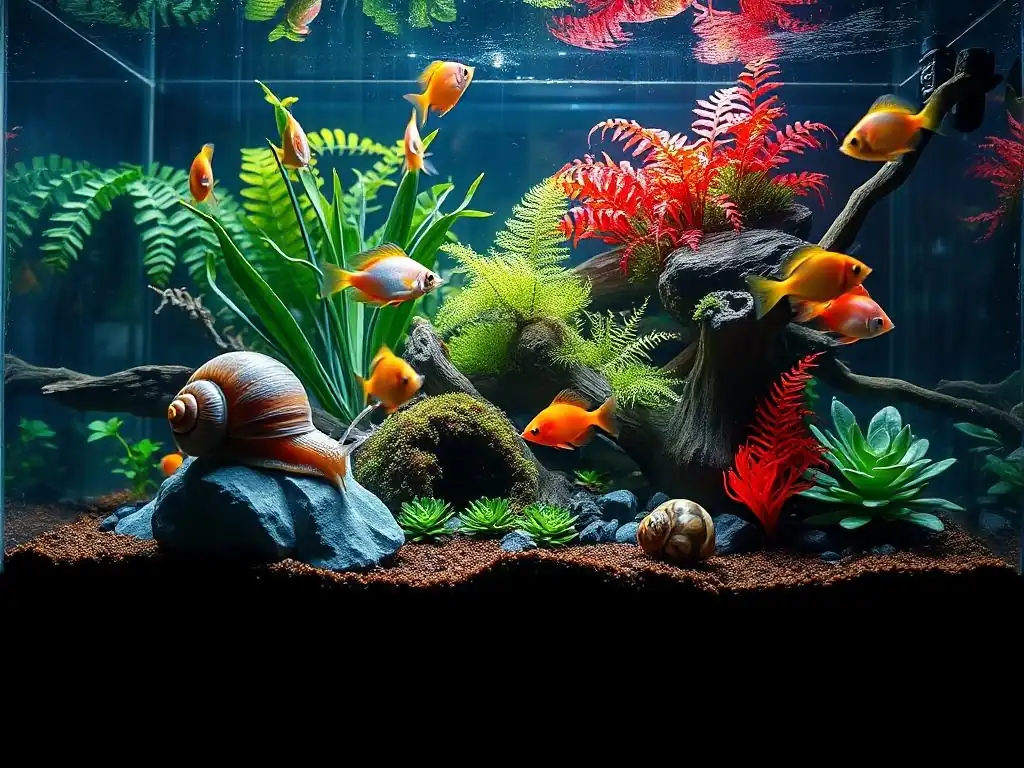
Welcome to Aquarium Mastery!
Ever wondered if your snails are really just taking it easy, or if something more is going on beneath the surface? Dive into "The Truth About 'Lazy' Snails" and unlock the secrets to understanding their activity levels. Discover the factors influencing their behavior and learn how to ensure optimal health through proper active snails aquarium maintenance. Are you ready to become a true snail whisperer? Let's explore!
- Understanding Snail Activity in Freshwater Aquariums
- Decoding Snail Activity Levels: What's Normal and What's Not
- Diagnosing Inactive Snails: Potential Problems and Solutions
- Promoting Active Snails: Best Practices for Aquarium Maintenance
- Choosing the Right Snails for Your Aquarium: Activity Considerations
- Conclusion: Active Snails, Healthy Aquarium - Key Takeaways
-
Frequently Asked Questions
- What are the different activity levels I might observe in my aquarium snails?
- How can I tell if my snail's inactivity is a sign of a problem?
- What water parameters are crucial for maintaining healthy and active snails in my aquarium?
- What kind of food do active snails need for optimal health in an aquarium?
- How does snail activity contribute to effective aquarium maintenance?
- Final Reflection: Unveiling the Active Lives of Snails
- Ignite Your Aquarium Enthusiasm!
Understanding Snail Activity in Freshwater Aquariums
Why Are My Snails Inactive? Debunking the "Lazy Snail" Myth
Snails, like all living creatures, have periods of rest. It's a common misconception among new aquarists that an inactive snail is a "lazy" one. However, this often isn't the case. While some species exhibit more constant movement than others, even the most active snails aquarium maintenance can observe will take breaks. For instance, a Mystery Snail might spend several hours completely still, retracted into its shell or attached to a surface, only to become highly active later. This is often a normal part of their diurnal or nocturnal rhythm, depending on the species.
True inactivity, where a snail remains motionless for extended periods (e.g., more than 24-48 hours) or shows no response to stimuli, is usually a sign of an underlying problem rather than simple "laziness." This could indicate poor water quality, a lack of food, illness, or even death. Therefore, understanding normal snail behavior is crucial for effective active snails aquarium maintenance, allowing aquarists to differentiate between natural resting and distress.
Importance of Observing Snail Behavior for Aquarium Health
Snails serve as excellent bio-indicators in a freshwater aquarium, often being among the first inhabitants to show signs of environmental stress. Their activity levels, or lack thereof, can provide critical insights into the overall health and stability of the tank. For example, a sudden decrease in the activity of multiple snails might signal a rapid change in water parameters, such as a pH crash or a spike in ammonia, long before fish exhibit symptoms. This makes observing active snails aquarium maintenance a proactive measure.
Regular observation of snail behavior is an integral part of comprehensive aquarium maintenance. A healthy snail, consistently moving, grazing, or exploring, indicates a balanced ecosystem. Conversely, snails that are frequently inactive, lying on their backs, or showing no inclination to move, warrant immediate investigation. This vigilant monitoring allows aquarists to address potential issues promptly, preventing minor problems from escalating into major crises for the entire aquatic community.
Decoding Snail Activity Levels: What's Normal and What's Not
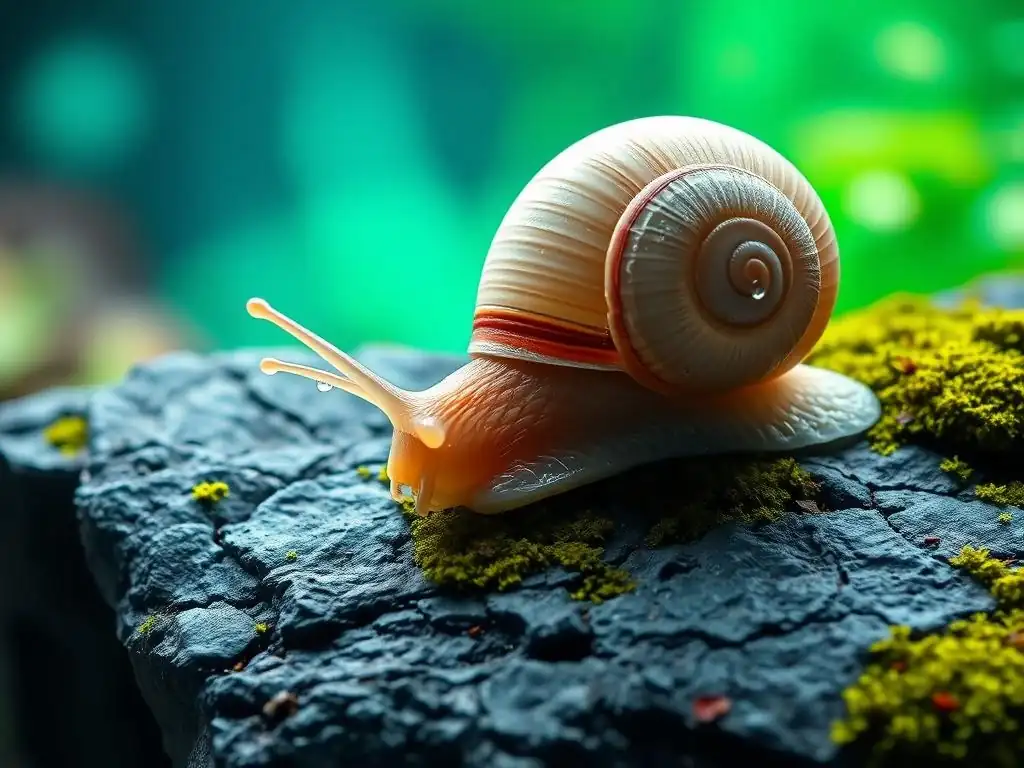
Common Snail Behaviors: Active Grazing vs. Resting
Healthy snails exhibit a range of behaviors, primarily centered around foraging and exploring their environment. Active snails aquarium maintenance typically involves observing them constantly moving across tank surfaces—glass, substrate, plants, and decorations—using their muscular foot to glide and graze on algae and detritus. For example, a Nerite Snail can cover several square inches of glass in an hour, leaving a clean trail behind it as it consumes biofilm. Mystery Snails, known for their larger size, will often be seen actively siphoning food from the water column or meticulously cleaning plant leaves.
In contrast to active grazing, snails also have normal resting periods. During these times, they might remain motionless for hours, often partially or fully retracted into their shells. A common resting posture for many species, like Ramshorn Snails, involves clinging to a surface without moving, sometimes for several hours. It's important to differentiate this natural resting from distress. A resting snail will usually respond to a gentle nudge or a change in light by slowly extending its foot or antennae, whereas a distressed or dead snail will not react.
Factors Influencing Snail Activity in a Tank Environment
Water Parameters and Snail Activity Levels
Water parameters are paramount to snail health and, consequently, their activity levels. Snails are highly sensitive to sudden fluctuations or prolonged exposure to suboptimal conditions. For instance, a pH crash below 6.5 or a rapid increase above 8.0 can cause snails to retract and become inactive, as their shells are primarily composed of calcium carbonate, which dissolves in acidic water. Similarly, insufficient water hardness (GH and KH) can lead to shell erosion and lethargy, as snails struggle to build and maintain their shells without adequate minerals.
The presence of ammonia, nitrite, and high nitrates, common in uncycled or poorly maintained tanks, is particularly detrimental. Even low levels of ammonia (e.g., 0.25 ppm) can cause snails to become stressed, leading to inactivity, loss of appetite, and eventually death. Healthy active snails aquarium maintenance requires maintaining ammonia and nitrite at 0 ppm, and nitrates below 20 ppm, ensuring a stable and non-toxic environment that encourages natural movement and foraging behaviors.
Impact of Temperature on Snail Movement and Behavior
Temperature plays a significant role in a snail's metabolic rate and overall activity. Most freshwater aquarium snails thrive in a temperature range of 72-82°F (22-28°C). Within this range, snails exhibit robust activity, consistent feeding, and healthy growth. For example, a Mystery Snail kept at a consistent 76°F (24.5°C) will typically be very active, constantly exploring and grazing.
Temperatures outside this optimal range can severely impact snail activity. If the water is too cold, below 68°F (20°C), snails become sluggish, their metabolism slows down, and they may remain inactive for extended periods. Conversely, excessively high temperatures, above 84°F (29°C), can accelerate their metabolism to an unhealthy degree, stressing them, shortening their lifespan, and potentially leading to erratic behavior followed by lethargy. Maintaining stable temperatures is key for active snails aquarium maintenance.
Lighting and Its Role in Snail Activity Patterns
Lighting conditions significantly influence snail activity patterns, as many species exhibit distinct diurnal or nocturnal behaviors. For example, Mystery Snails are largely diurnal, showing peak activity during daylight hours, whereas some pond snails might be more active in dim light or darkness. An aquarium with a consistent light cycle, typically 8-10 hours of light per day, helps establish a natural rhythm for snails.
Excessive or insufficient lighting can disrupt these patterns. Too much intense light can stress some species, causing them to seek shelter and become less active, while a lack of adequate lighting might reduce the growth of algae, a primary food source, indirectly leading to reduced foraging activity. Observing how snails react to different light levels can help fine-tune the aquarium's lighting schedule for promoting active snails aquarium maintenance.
The influence of Tank Mates on Snail Activity
The presence and behavior of tank mates can profoundly influence snail activity. Aggressive or nippy fish, such as certain Cichlids or even some types of Barbs, may harass snails, causing them to remain withdrawn into their shells or hide constantly to avoid predation. For instance, a snail that is typically active might become completely inactive if housed with a fish known to nip at its antennae or attempt to extract it from its shell.
Even non-aggressive tank mates can indirectly affect snail activity through competition for food. If there isn't enough algae or supplemental food, faster-feeding fish can outcompete snails, leading to a lack of nutrition and subsequent lethargy. Therefore, selecting compatible, peaceful tank mates and ensuring adequate food for all inhabitants is crucial for promoting active snails aquarium maintenance and ensuring snails feel secure enough to exhibit their natural behaviors.
Diagnosing Inactive Snails: Potential Problems and Solutions
Identifying Signs of a Healthy vs. Unhealthy Snail
Recognizing the difference between a healthy, active snail aquarium maintenance observes and one in distress is vital. A healthy snail will typically have its foot firmly attached to a surface, often gliding smoothly. Its antennae will be extended and responsive, retracting quickly if touched. The shell should be clean, free of significant pitting or white spots, and the snail should respond to stimuli, even if it's just a slight movement. They will also show a consistent appetite for algae or supplemental foods.
Conversely, an unhealthy snail often exhibits prolonged inactivity, remaining retracted into its shell for more than a day, or lying on its back without attempting to right itself. Its foot may appear shriveled or limp, and it might have difficulty attaching to surfaces. Shell damage, such as significant erosion or holes, is another clear sign of distress. Lack of response to gentle prodding or the smell of food, or a distinct foul odor (indicating death), are definitive indicators of a serious problem requiring immediate attention.
Common Reasons for Snail Inactivity in Aquariums
Poor Water Quality: Ammonia, Nitrite, and Nitrate Levels
Poor water quality is arguably the most common culprit behind snail inactivity. Ammonia and nitrite, even in minute quantities, are highly toxic to snails, causing immediate stress and withdrawal. For example, a tank undergoing a nitrogen cycle crash that results in even 0.5 ppm of ammonia can render snails completely lethargic within hours, leading to eventual death if not corrected. Snails are often more sensitive to these compounds than many fish species.
While less acutely toxic than ammonia or nitrite, persistently high nitrate levels (above 40 ppm, for instance) can also contribute to chronic stress, reduced activity, and a weakened immune system in snails over time. This makes regular water testing and consistent water changes fundamental to ensuring active snails aquarium maintenance and overall snail well-being.
Lack of Food and Algae: Ensuring Adequate Nutrition for Snails
Snails are primarily detritivores and herbivores, relying on biofilm, algae, and decaying plant matter as their main food sources. In a pristine, newly set up, or heavily filtered aquarium with minimal algae growth, snails can quickly face starvation, leading to reduced activity and lethargy. A Nerite Snail, for instance, might become sluggish if it has completely cleared all the algae from the tank glass and plants and no other food source is available.
To prevent this, aquarists must ensure a consistent food supply. This might involve allowing some natural algae growth on surfaces or supplementing their diet with algae wafers, blanched vegetables (like zucchini or spinach), or specialized snail foods. Providing sufficient nutrition is a direct way to promote active snails aquarium maintenance and ensure snails have the energy for their continuous foraging.
Snail Diseases and Parasites: Recognizing and Treating Infections
While often hardy, snails can succumb to various diseases and parasites that manifest as inactivity. Bacterial infections, often caused by poor water conditions or injuries, can lead to lethargy, swelling, or lesions on the foot. For example, a snail might suddenly stop moving and appear swollen if it contracts a bacterial infection after a period of stress. Fungal infections can also cause white, fuzzy growths and reduced activity.
Internal parasites, though less common, can also weaken snails, leading to chronic inactivity and weight loss. Recognizing these issues early is crucial. If other environmental factors have been ruled out, isolating the affected snail in a quarantine tank and treating with appropriate medications (often antibiotics or antiparasitics safe for invertebrates) can be necessary to restore their health and return them to an active snails aquarium maintenance state.
Physical Injuries and Shell Damage: Assessing and Addressing Injuries
Snails can suffer physical injuries, particularly to their delicate shells or soft bodies, which can significantly impair their activity. Common causes include falls from tank walls onto hard substrate, attacks from aggressive tank mates, or accidental crushing during maintenance. A snail with a cracked or broken shell will often retract and remain inactive as it expends energy on shell repair, making it vulnerable to infection.
Assessing shell damage is important. Minor chips may heal naturally if water parameters (especially calcium and magnesium levels) are optimal. However, severe cracks or holes can be life-threatening and lead to prolonged inactivity. In such cases, ensuring pristine water conditions and providing calcium-rich foods are paramount for recovery, helping the snail regain its normal active snails aquarium maintenance behavior.
Troubleshooting Inactive Snails: A Step-by-Step Guide
Testing Water Parameters and Correcting Imbalances
The first and most critical step when observing inactive snails is to thoroughly test your aquarium's water parameters. Use a reliable liquid test kit to check ammonia, nitrite, nitrate, pH, GH (General Hardness), and KH (Carbonate Hardness). Record the results. If ammonia or nitrite are detected, or if nitrates are above 20 ppm, perform an immediate partial water change (25-50%) using dechlorinated water that matches the tank's temperature and pH as closely as possible.
If pH is unstable or outside the optimal range (e.g., below 7.0 for most snails), or if GH/KH are too low (e.g., below 8 dGH or 4 dKH), consider using buffers or mineral supplements specifically designed for aquariums to gradually adjust these parameters. Consistent water changes (e.g., 25% weekly) are key to maintaining stable, healthy conditions that promote active snails aquarium maintenance.
Providing Supplemental Food for Snails
If water parameters are stable and healthy, the next step is to assess the food availability. If your tank lacks noticeable algae growth or if snails are competing with fish for food, offer supplemental nutrition. Algae wafers are a staple, sinking to the bottom where snails can easily access them. Offer one small wafer per 2-3 snails every other day, adjusting based on consumption.
Blanched vegetables like zucchini, cucumber, or spinach are also excellent options. Blanch a slice or leaf for 30 seconds to a minute to soften it, then let it cool before placing it in the tank. Remove any uneaten portions after 24 hours to prevent water fouling. Ensuring consistent access to varied, nutritious food is vital for encouraging active snails aquarium maintenance and overall vitality.
Quarantine and Treatment of Sick Snails
If an individual snail shows signs of illness (e.g., swelling, lesions, extreme lethargy despite good water quality and food) and not just general inactivity, consider quarantining it. A small separate container with aged aquarium water, an air stone, and a heater can serve as a temporary hospital tank. This prevents potential spread of disease and allows for targeted treatment without harming other tank inhabitants.
Treatment depends on the suspected ailment. For suspected bacterial infections, certain invertebrate-safe antibiotics might be considered, though caution is advised as many medications are harmful to snails. Always research thoroughly or consult an aquatic veterinarian. For shell damage, focus on pristine water and calcium supplements. The goal is to return the snail to an active snails aquarium maintenance state, but sometimes, humane euthanasia is the kindest option if recovery seems impossible.
Creating a Snail-Friendly Aquarium Environment
Beyond water parameters and food, the physical environment plays a role in snail activity. Ensure the substrate isn't too sharp, which could injure soft bodies. Provide ample hiding spots and surfaces for grazing, such as live plants, smooth rocks, and driftwood. A tank with a variety of textures and safe spaces encourages exploration and natural behavior.
Re-evaluate tank mates. If aggressive fish are present, consider rehoming them or the snails to a more peaceful environment. Overcrowding can also stress snails due to competition and increased waste. A well-designed, species-appropriate habitat minimizes stress and maximizes the chances of observing active snails aquarium maintenance behavior.
Promoting Active Snails: Best Practices for Aquarium Maintenance
Maintaining Optimal Water Conditions for Snail Health
The cornerstone of promoting active snails aquarium maintenance is maintaining consistently optimal water conditions. This involves weekly water changes of 20-30% to dilute nitrates and replenish essential minerals, along with daily or weekly testing of key parameters like pH, ammonia, nitrite, and nitrate. For shell health, ensure adequate general hardness (GH) and carbonate hardness (KH), ideally above 8 dGH and 4 dKH respectively, to provide sufficient calcium and buffer capacity.
Using a reliable water conditioner that neutralizes chlorine, chloramines, and heavy metals is also crucial during water changes. Avoiding sudden swings in temperature or pH is equally important, as snails are highly sensitive to rapid environmental changes. A stable, clean, and mineral-rich aquatic environment is the most direct path to healthy, active snails.
Ensuring Adequate Algae Growth and Food Availability
For many snail species, natural algae growth is a primary food source. While excessive algae can be unsightly, a thin film on tank surfaces and plants is beneficial for snails. Avoid over-cleaning the tank to the point where no algae is present. For tanks with minimal algae, regular supplementation with high-quality algae wafers, blanched vegetables (e.g., a slice of zucchini once or twice a week), or specialized snail pellets is essential.
Observe your snails' feeding habits. If they quickly consume all offerings, you might need to increase the frequency or amount. If food remains uneaten for long periods, reduce the quantity to prevent water fouling. A well-fed snail is a happy and active snails aquarium maintenance will confirm.
Choosing Compatible Tank Mates for Peaceful Coexistence
Selecting appropriate tank mates is paramount for snail well-being and activity. Peaceful community fish like small tetras, rasboras, corydoras, and otocinclus catfish typically coexist well with snails, as they are unlikely to harass or prey on them. Betta fish can be compatible, but individual temperament varies, so observe carefully.
Avoid known snail predators such as many species of cichlids (e.g., Convict Cichlids), puffers, loaches (especially Clown Loaches, which are notorious snail eaters), and certain aggressive crayfish. Even seemingly benign fish might nip at snail antennae if bored. A harmonious tank environment where snails feel safe is crucial for them to exhibit their natural active snails aquarium maintenance behaviors.
Regular Aquarium Cleaning and Snail Observation
Regular aquarium cleaning directly contributes to snail health and activity. This includes vacuuming the substrate to remove detritus, wiping down glass, and pruning dead plant matter. These actions prevent the buildup of harmful organic waste and keep the water clean, which directly benefits snails. However, avoid overly aggressive cleaning that removes all beneficial biofilm and algae.
Most importantly, make daily snail observation a routine part of your aquarium maintenance. Spend a few minutes watching their movements, checking their shells, and noting any changes in behavior. Early detection of inactivity or distress allows for prompt intervention, preventing minor issues from escalating and ensuring your snails remain vibrant and active snails aquarium maintenance will appreciate.
Choosing the Right Snails for Your Aquarium: Activity Considerations
Species-Specific Snail Activity Levels: Research Before You Buy
Not all snails are created equal when it comes to activity levels. Different species have varying natural behaviors, metabolic rates, and preferred foraging styles. Therefore, before purchasing, it's crucial to research the specific activity patterns of the snail species you're considering. For instance, while some snails are constantly on the move, others might have more sedentary periods, which is perfectly normal for their species.
Understanding these inherent differences will help set realistic expectations and ensure you choose snails that align with your desire for active snails aquarium maintenance. It also prevents misinterpreting normal species-specific resting as a sign of distress, saving you unnecessary worry and intervention.
Nerite Snails: Known for Their Active Algae Eating
Nerite Snails (e.g., Zebra, Tiger, Horned Nerites) are celebrated for their exceptional algae-eating prowess and generally high activity levels. They are constantly on the move, scraping diatoms and green algae from tank glass, rocks, and plant leaves. A single Nerite Snail can effectively clean several square inches of glass daily, leaving visible trails of clean surface behind.
Their consistent grazing makes them ideal for aquarists seeking active snails aquarium maintenance and natural algae control. However, it's important to note that while highly active, they do not reproduce in freshwater, so their population remains stable. They also require specific water parameters with sufficient calcium for shell health.
Mystery Snails: Diurnal Activity and Foraging Habits
Mystery Snails (Pomacea bridgesii) are large, colorful, and highly engaging snails known for their distinct diurnal activity patterns. They are typically very active during the day, constantly exploring their environment, climbing to the water surface, and siphoning food from the water column or grazing on soft algae and detritus. Their large size makes their movements quite noticeable.
While active, they also exhibit periods of rest, sometimes retracting into their shells for several hours. This is normal behavior. Providing them with varied surfaces to climb and a consistent food source, including blanched vegetables and algae wafers, will encourage their natural active snails aquarium maintenance behaviors.
Ramshorn Snails: Active Scavengers and Tank Cleaners
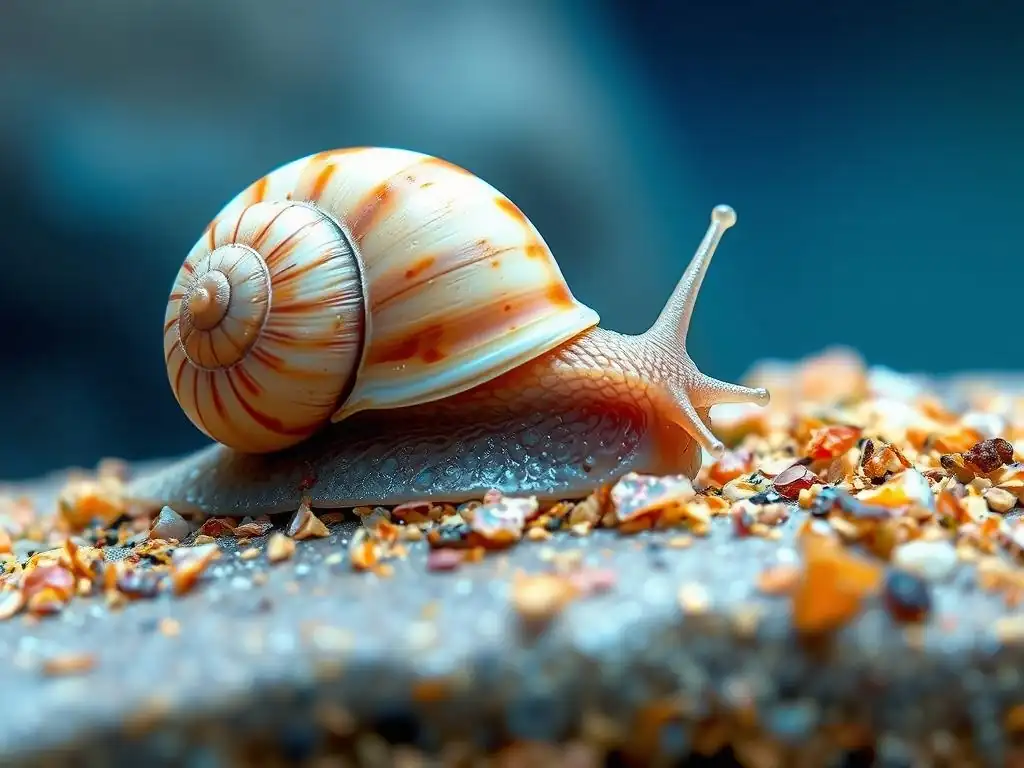
Ramshorn Snails (Planorbella spp.) are small, fast-reproducing, and incredibly active scavengers. Their constant foraging throughout the tank, including sifting through substrate, cleaning plant leaves, and consuming detritus, makes them excellent clean-up crews. They are rarely still, always searching for their next meal.
Their high activity level and rapid reproduction rate mean they can quickly become numerous if overfed, but their constant movement is a clear indicator of a healthy, active snails aquarium maintenance environment. They are hardy and adaptable to a wide range of water conditions, further contributing to their widespread popularity and consistent activity.
Avoiding Overpopulation: Managing Snail Reproduction and Activity
While promoting active snails aquarium maintenance is desirable, it's crucial to manage snail reproduction to prevent overpopulation, especially with prolific species like Ramshorns or Pond Snails. An overcrowded tank can lead to increased competition for food, reduced individual activity due to stress, and a significant increase in bioload, potentially compromising water quality.
The best way to manage snail populations and maintain optimal activity levels is through careful feeding. Only provide enough food that your fish and snails can consume within a few minutes. Limiting excess food directly reduces the resources available for rapid snail reproduction, ensuring that the snails present remain healthy, active, and beneficial to the aquarium ecosystem.
Conclusion: Active Snails, Healthy Aquarium - Key Takeaways
The Importance of Monitoring Snail Activity for a Thriving Ecosystem
Snail activity levels are far more than just a curiosity; they are a vital barometer for the overall health of your freshwater aquarium. By consistently monitoring their movements, feeding habits, and responsiveness, aquarists gain invaluable insights into water quality, nutrient availability, and potential environmental stressors. An active snails aquarium maintenance strategy relies heavily on these observations, allowing for early detection and proactive intervention.
These often-underestimated invertebrates serve as diligent clean-up crews and early warning systems, making their well-being directly reflective of the tank's stability. A thriving population of active snails is a strong indicator of a balanced and healthy aquatic ecosystem, where all inhabitants can flourish.
Proactive Aquarium Maintenance for Optimizing Snail Health
Achieving and maintaining active snails aquarium maintenance requires a commitment to proactive and consistent care. This involves rigorous attention to water parameters, including regular testing and appropriate water changes, ensuring stable temperatures, and providing a varied and sufficient diet. Selecting compatible tank mates and designing a snail-friendly habitat also contribute significantly to their comfort and willingness to explore.
Ultimately, understanding the nuances of snail behavior and implementing these best practices will not only lead to a tank full of vibrant, active snails but also a more resilient, balanced, and aesthetically pleasing aquatic environment for all its inhabitants.
Frequently Asked Questions
What are the different activity levels I might observe in my aquarium snails?
Snails can exhibit varying activity levels, from constant grazing to periods of apparent inactivity. Reduced activity can sometimes indicate water quality issues or a lack of food.
How can I tell if my snail's inactivity is a sign of a problem?
Observe for other symptoms like shell damage, prolonged inactivity, or unusual behavior. Test your water parameters (ammonia, nitrite, nitrate) and ensure adequate food availability.
What water parameters are crucial for maintaining healthy and active snails in my aquarium?
Maintaining stable water parameters is essential, particularly pH levels, calcium hardness, and ammonia/nitrite/nitrate levels. These impact their shell health and overall well-being.
What kind of food do active snails need for optimal health in an aquarium?
Snails require a balanced diet including algae, decaying plant matter, and supplemental foods. Providing algae wafers or blanched vegetables can ensure they get enough nutrition.
How does snail activity contribute to effective aquarium maintenance?
Active snails help maintain a cleaner aquarium by consuming algae and detritus. This reduces the need for manual cleaning and contributes to a healthier ecosystem.
Final Reflection: Unveiling the Active Lives of Snails
The exploration of snail activity, as we've seen, isn't just about understanding their daily routines; it's about recognizing the vital role these often-overlooked creatures play in maintaining a healthy aquarium ecosystem. Understanding their activity levels, and what influences them, is directly relevant to responsible aquarium keeping and ensuring the well-being of these fascinating invertebrates.
This journey into the world of snails has highlighted how easily we can misjudge the natural rhythms of life. It reminds us that perceived "laziness" can often be a sign of something deeper – an environmental imbalance, a dietary need, or simply a natural period of rest. The only true wisdom is in knowing you know nothing.
- Socrates. This quote resonates deeply when considering the complexities of even the smallest creatures in our care, urging us to continually learn and adapt our practices.
Now, as you observe your own aquarium, take a moment to truly see your snails. Are they active and vibrant, or are they exhibiting signs of inactivity that warrant further investigation? Let this knowledge empower you to become a more informed and compassionate aquarist, creating an environment where your snails, and all your aquatic inhabitants, can thrive.
Ignite Your Aquarium Enthusiasm!
Thanks for diving into the world of snails with us! Now that you know the truth about their activity levels, it's time to take action and create an even better environment for these fascinating creatures.
Here are a few things you can do right now:
- Closely observe your snails' behavior for the next week. Note any changes in their activity levels and consider what might be influencing them, like feeding habits or tank conditions.
- Share this newfound knowledge with other aquarium enthusiasts! Help dispel myths about "lazy" snails and promote responsible snail keeping.
- Experiment with enriching your snails' environment. Try adding new decorations, varying their diet, or adjusting water parameters (within safe limits, of course!) and see if it affects their activity levels.
What specific changes will you make in your aquarium setup to better support your snail's natural activity patterns?