
Crayfish Aggression: Managing Territorial Behavior in Your Aquarium

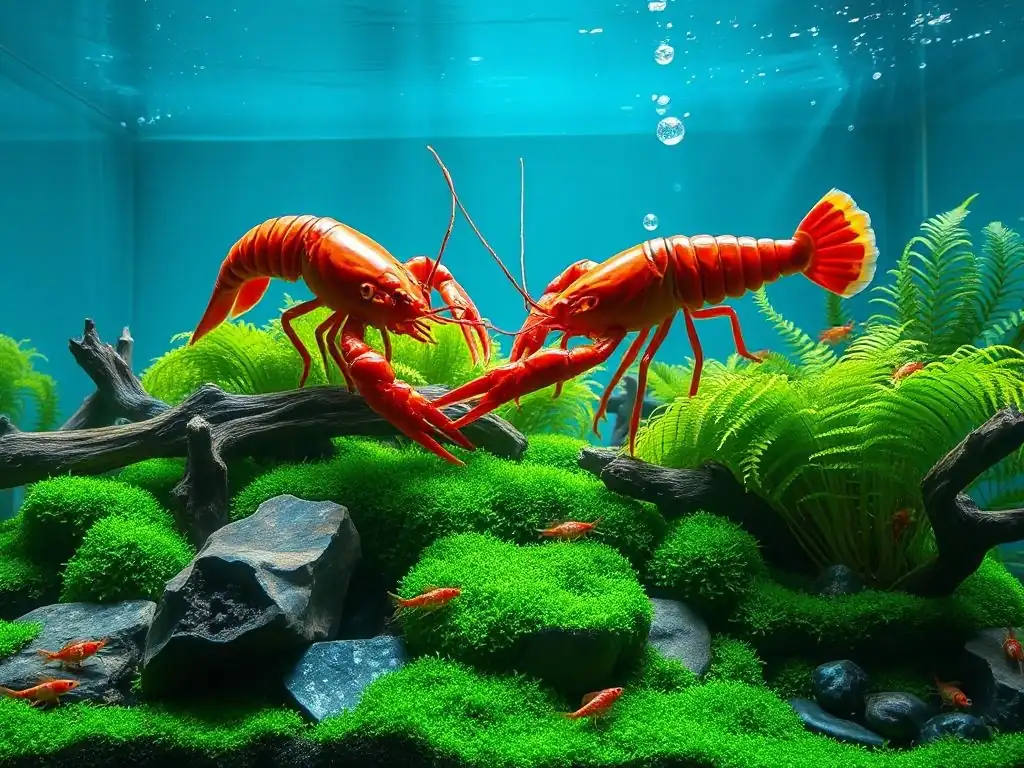
Welcome to Aquarium Mastery! Ever wondered if you could keep a crayfish in your aquarium without it turning into a tiny, shelled tyrant? Dive in, because this article explores the fascinating world of crayfish aggression in aquarium setups. Discover proven strategies to manage territorial behavior and create a harmonious underwater haven. What secrets lie beneath the surface? Let's find out!
- Understanding Crayfish Aggression in Aquarium Environments
- Optimizing Your Crayfish Aquarium Setup to Reduce Aggression
- Minimizing Crayfish Aggression Through Proper Tank Mates
- Feeding Strategies to Reduce Crayfish Aggression
- Water Parameters and Their Impact on Crayfish Behavior
- Managing Crayfish Molting and Aggression
- Dealing with Severe Crayfish Aggression: Isolation and Rehoming
-
Frequently Asked Questions
- How aggressive are crayfish in general within an aquarium setting?
- What are the key elements of an aquarium setup that can help minimize crayfish aggression?
- Which types of fish are generally considered safe to keep with crayfish, and which should be avoided?
- How can I tell if my crayfish is being overly aggressive towards other tank inhabitants?
- What steps can I take if I observe that my crayfish is exhibiting excessive aggression in my aquarium?
- Final Reflection: Understanding and Mitigating Crayfish Aggression
- Ignite Your Crayfish's Happiness: Conquer Territorial Challenges Now!
Understanding Crayfish Aggression in Aquarium Environments
The Natural Territorial Instincts of Crayfish
Crayfish are fascinating invertebrates, but their natural behaviors, particularly territoriality, can lead to significant challenges in an aquarium setting. In their wild habitats, crayfish establish and fiercely defend territories vital for survival, encompassing access to food, shelter from predators, and opportunities for mating. This innate drive to protect personal space is deeply ingrained, manifesting as defensive displays and direct aggression towards perceived intruders, whether they are other crayfish or different species.
This territorial instinct is not diminished in captivity; rather, it can be exacerbated by the confined nature of an aquarium. For instance, a typical wild Procambarus clarkii (Red Swamp Crayfish) might defend a burrow and several square feet around it. When placed in a 20-gallon tank, this instinct is compressed into a much smaller area, intensifying competition for limited resources like optimal hiding spots and food, which directly contributes to heightened crayfish aggression within the aquarium setup.
Identifying Aggression in Crayfish: Signs and Symptoms
Recognizing the signs of crayfish aggression is crucial for timely intervention and maintaining a healthy aquarium. Overt displays include the crayfish raising its claws in a defensive posture, lunging or chasing other tank inhabitants, and even nipping at fins or antennae. These actions are distinct from normal foraging or exploratory movements; aggressive encounters are typically rapid, targeted, and involve direct physical contact or intimidation.
More subtle indicators of aggression can also be present. Observe your tank mates for signs of stress or injury, such as torn fins, missing scales, or clamped fins, which often point to a dominant crayfish. If smaller fish or invertebrates mysteriously disappear, it could be the result of a predatory or aggressive crayfish. Conversely, a crayfish that constantly hides or appears stressed might be the victim of aggression from a more dominant individual within the same crayfish aggression aquarium setup.
Factors Contributing to Crayfish Aggression in Aquariums
Several factors can contribute to or intensify crayfish aggression in an aquarium environment. Primary stressors include inadequate tank size leading to overcrowding, a severe lack of sufficient hiding places, and inconsistent or insufficient food supply. When space is limited, crayfish perceive a direct threat to their survival resources, leading to increased territorial disputes and stress-induced aggression. For example, housing two large crayfish in a 20-gallon tank is almost guaranteed to result in conflict due to the lack of individual territory.
Secondary factors also play a significant role. Unsuitable tank mates, such as slow-moving or bottom-dwelling fish, are often seen as easy targets or direct competitors, escalating predatory or territorial aggression. Poor water quality, characterized by elevated ammonia or nitrite levels, can cause chronic stress, making crayfish more irritable and prone to lashing out. Even the presence of certain vibrations or sudden movements outside the tank can contribute to a nervous disposition, indirectly fueling crayfish aggression within the overall aquarium setup.
Optimizing Your Crayfish Aquarium Setup to Reduce Aggression
Tank Size Matters: Choosing the Right Aquarium for Crayfish
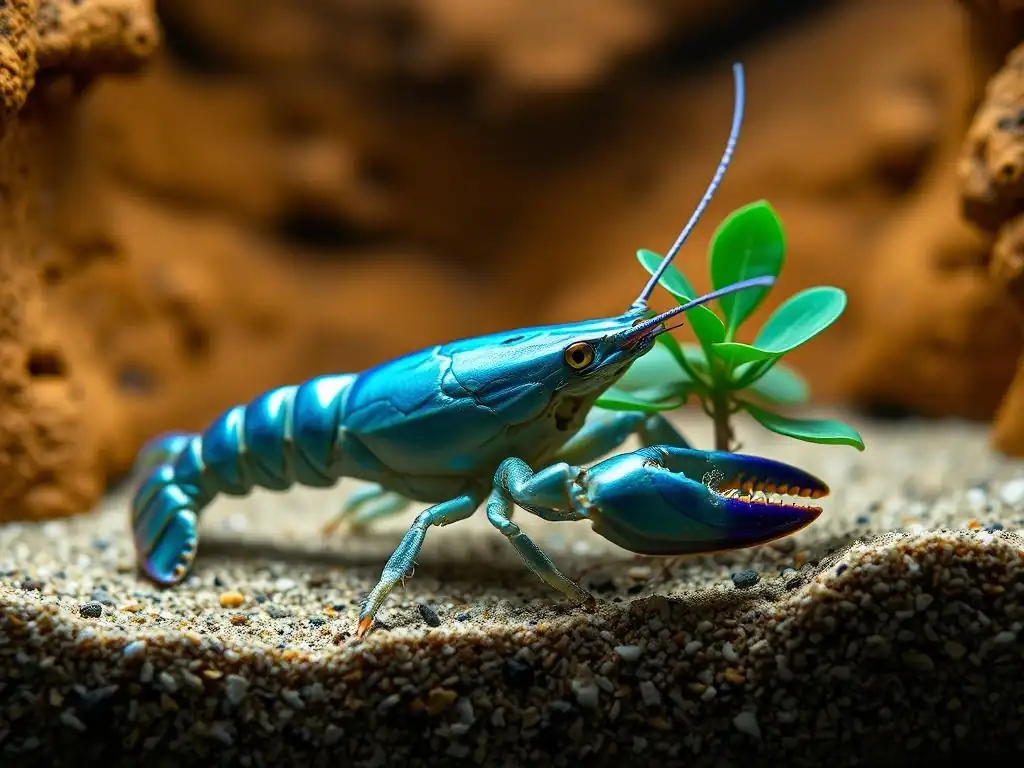
The size of your aquarium is perhaps the most critical factor in mitigating crayfish aggression. Providing ample space allows each crayfish to establish its own territory, reducing perceived competition for resources and minimizing direct confrontations. For a single dwarf crayfish species (e.g., CPO Dwarf Crayfish), a 5-10 gallon tank may suffice, but for larger, more aggressive species like the Electric Blue Crayfish (Procambarus alleni) or Red Swamp Crayfish (Procambarus clarkii), a minimum of 20 gallons for a single adult is highly recommended.
For multiple large crayfish, especially if attempting to house a pair or a small group (which is often discouraged due to inherent aggression), a tank size of 40 gallons or more becomes essential, providing at least 15-20 gallons per individual to allow for adequate personal space. Many common instances of severe crayfish aggression stem directly from under-sizing the tank, forcing these naturally territorial creatures into close, unavoidable proximity, which inevitably leads to conflict in any crayfish aggression aquarium setup.
Creating a Crayfish-Friendly Habitat: Substrate and Decor
A thoughtfully designed habitat can significantly reduce stress and aggression. Crayfish are natural burrowers, so a substrate of fine sand or smooth, small gravel (1-3mm grain size) is ideal, allowing them to dig and create burrows. A substrate depth of at least 2-3 inches, and ideally 4-6 inches in areas, provides sufficient material for burrowing, which is a key stress-relieving activity and helps establish secure territories.
Beyond substrate, the strategic placement of decor is paramount. Use a variety of hardscape elements such as rocks, driftwood, and ceramic caves to create visual barriers and break up lines of sight. This allows crayfish to claim individual zones and retreat from dominant individuals. For example, arranging several large rocks or pieces of driftwood to form distinct "rooms" or pathways can effectively partition the tank, thereby minimizing direct encounters and reducing crayfish aggression within the aquarium setup.
The Importance of Hiding Places for Crayfish Wellbeing
Hiding places are absolutely vital for the security and wellbeing of crayfish, particularly during vulnerable periods like molting, and for providing refuge from more dominant tank mates. It is generally recommended to provide at least one more hiding spot than the number of crayfish in the tank to ensure every individual has a secure retreat, even if one spot is occupied.
Excellent options for hiding places include small terracotta pots laid on their side, PVC pipes cut into various lengths (e.g., 1.5-2 inch diameter for medium-sized crayfish), ceramic caves, or intricate rock formations that create secure crevices. These shelters serve as personal territories and safe havens, reducing stress and directly contributing to a calmer, less aggressive environment. Without adequate hiding spots, crayfish are more prone to stress-induced aggression, constantly feeling exposed and threatened in their crayfish aggression aquarium setup.
Minimizing Crayfish Aggression Through Proper Tank Mates
Compatible Tank Mates for Crayfish: What Works and What Doesn't
Choosing appropriate tank mates is a delicate balance when keeping crayfish, as even "compatible" species can become targets if the crayfish is particularly aggressive or hungry. Generally, fast-moving, top-dwelling fish are the safest bet, as they are less likely to encounter the crayfish directly. Examples include larger species of Danios (e.g., Giant Danios), certain larger Tetras (like Serpae Tetras or Black Skirt Tetras), and adult Guppies, provided they are not slow-moving or long-finned.
While some aquarists successfully keep crayfish with larger, robust snails (e.g., Nerite snails, Mystery snails), caution is advised as crayfish may still attempt to nip at antennae or even consume smaller snails. Success varies greatly depending on the individual crayfish's temperament and species. For instance, dwarf crayfish species are generally less aggressive towards fish than their larger cousins, but still pose a threat to very small or slow invertebrates, highlighting the need for careful consideration in any crayfish aggression aquarium setup.
Avoiding Aggressive Tank Mates: Fish and Invertebrates to Avoid
To prevent injury or loss, certain fish and invertebrate species should be strictly avoided as tank mates for crayfish. Slow-moving or bottom-dwelling fish, such as Corydoras catfish, Otocinclus, Bettas, or Angelfish, are highly vulnerable. Their presence often triggers predatory instincts in crayfish, making them easy targets for opportunistic attacks, leading to fin damage, stress, or even death. Fish with long, flowing fins, like male Guppies or Bettas, are also particularly susceptible to being nipped.
Furthermore, most smaller invertebrate species, especially shrimp (e.g., Cherry Shrimp, Amano Shrimp, Ghost Shrimp), should be entirely avoided. Crayfish view these as a natural food source, and they will almost certainly be hunted and consumed. Other bottom-dwelling invertebrates that directly compete for food or territory, such as other crabs or large snails, can also escalate crayfish aggression and should generally be housed separately to maintain peace in the crayfish aggression aquarium setup.
Introducing Tank Mates Safely to Minimize Crayfish Territoriality
When introducing tank mates to a crayfish aquarium, careful planning can help mitigate aggression. Ideally, if you plan to keep fish with a crayfish, introduce the fish first and allow them to establish their territories for a few weeks before adding the crayfish. This gives the fish a head start in understanding the tank layout and finding their safe zones. If the crayfish is already present, consider rearranging the tank decor just before introducing new tank mates. This disrupts the crayfish's established territory, making it less likely to immediately defend a specific spot against newcomers.
Additionally, introducing multiple compatible tank mates at once (if tank size permits and the species are suitable) can sometimes distribute potential aggression, preventing a single individual from becoming the sole target. Crucially, always monitor the tank closely for the first few days after introducing new inhabitants. Have a backup plan, such as a separate isolation tank, ready in case severe crayfish aggression occurs, allowing you to quickly remove the targeted tank mates or the aggressive crayfish itself.
Feeding Strategies to Reduce Crayfish Aggression
Consistent Feeding Schedules: Preventing Food Competition
Inconsistent or insufficient feeding can significantly heighten competition and aggression among crayfish, and towards other tank inhabitants. Establishing and adhering to a consistent feeding schedule is paramount. Most crayfish benefit from being fed once a day, or every other day, depending on their size, species, and the overall bioload of the tank. For example, a juvenile crayfish might require daily feeding, while a large adult might thrive on feeding every other day.
When feeding, distribute the food widely across the tank, rather than in a single pile. This is particularly important in setups with multiple crayfish or with tank mates, as it reduces direct competition for food resources. By ensuring ample food is available in multiple locations, you minimize the likelihood of a dominant crayfish monopolizing the food source, thereby reducing one of the primary triggers for crayfish aggression in your aquarium setup.
Providing Adequate Nutrition: High-Quality Crayfish Food
A well-fed crayfish is generally less likely to be aggressive, especially towards tank mates, as it will be less inclined to view them as a potential food source. Provide a high-quality, balanced diet that meets their nutritional needs. This typically includes sinking pellets or wafers specifically formulated for crustaceans, which are rich in calcium for exoskeleton health.
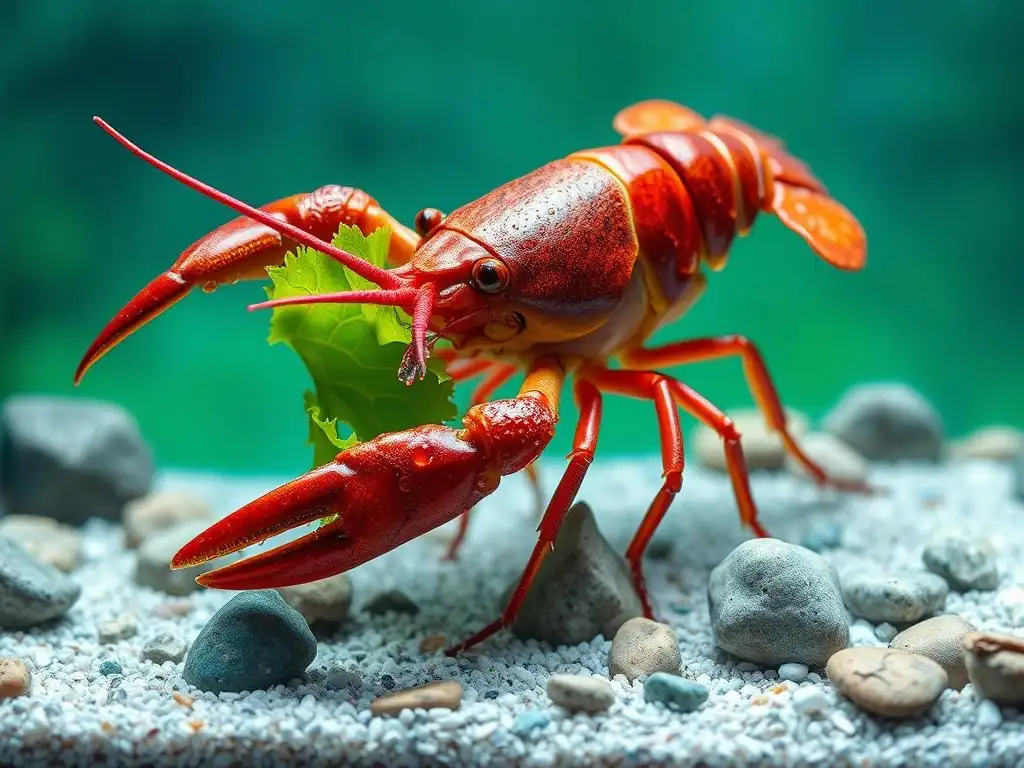
Supplement their diet with blanched vegetables such as zucchini, spinach, or carrots, offered a few times a week. Occasional protein sources like bloodworms, brine shrimp, or small pieces of fish can also be given. For instance, a 2-inch crayfish might consume 1-2 sinking pellets daily, along with a small piece of blanched spinach. A varied and nutritious diet ensures the crayfish is healthy, reduces stress, and consequently lowers the propensity for opportunistic or stress-induced crayfish aggression.
Avoiding Overfeeding: Maintaining Water Quality and Reducing Aggression
While adequate feeding is crucial, overfeeding can paradoxically lead to increased aggression. Excess uneaten food quickly decays, leading to a rapid decline in water quality with spikes in ammonia and nitrite. Poor water quality is a significant stressor for crayfish, weakening their immune system and making them more irritable and prone to aggressive outbursts.
Feed only what your crayfish can consume within a few minutes. If there's food left after 10-15 minutes, you're likely overfeeding. Regularly remove any uneaten food to prevent water parameter issues. A clean and stable aquatic environment, maintained through appropriate feeding and regular maintenance, directly contributes to a calmer crayfish. This careful balance is a fundamental aspect of managing crayfish aggression in an aquarium setup, ensuring both their health and the harmony of the tank.
Water Parameters and Their Impact on Crayfish Behavior
Maintaining Optimal Water Quality for Crayfish
Stable and optimal water parameters are fundamental to the health and temperament of crayfish. While specific requirements can vary slightly by species, most freshwater crayfish thrive in water with a pH between 6.5 and 8.0 (neutral to slightly alkaline). Moderate water hardness is also crucial, typically a GH (General Hardness) of 8-15 dGH and a KH (Carbonate Hardness) of 5-10 dKH, as these minerals are essential for proper exoskeleton development. The ideal temperature range for most common species is 65-75°F (18-24°C).
Fluctuations in these parameters, or prolonged exposure to suboptimal conditions, can cause significant stress to crayfish. A stressed crayfish is more susceptible to illness and, importantly, more prone to exhibiting aggressive behaviors. For instance, a sudden drop in pH or hardness can compromise their ability to molt successfully, leading to weakness and defensive aggression. Maintaining consistent, ideal parameters is a cornerstone of a peaceful crayfish aggression aquarium setup.
The Role of Water Changes in Reducing Stress and Aggression
Regular partial water changes are indispensable for maintaining pristine water quality and, by extension, reducing stress and aggression in crayfish. A weekly or bi-weekly water change of 20-30% of the tank volume is generally recommended. This practice effectively removes accumulated nitrates, phosphates, and other dissolved organic compounds that can build up over time and degrade water quality.
Fresh, clean water replenishes essential minerals and provides a healthier environment. When crayfish are in a clean, stable environment, their overall stress levels decrease, leading to a more relaxed and less reactive disposition. Conversely, prolonged exposure to high nitrate levels (e.g., above 40 ppm) can cause chronic stress, making crayfish agitated and significantly more likely to engage in territorial disputes or attack tank mates, undermining the stability of the crayfish aggression aquarium setup.
Monitoring Water Parameters: Ammonia, Nitrite, and Nitrate Levels
Vigilant monitoring of nitrogen cycle parameters—ammonia, nitrite, and nitrate—is non-negotiable for any crayfish aquarium. A well-cycled tank should always have 0 ppm ammonia and 0 ppm nitrite. These compounds are highly toxic to all aquatic life, including crayfish, and even trace amounts can cause severe stress, gill damage, and lead to lethargy, illness, and increased aggression as a coping mechanism.
Nitrates, the end product of the nitrogen cycle, should be kept below 20 ppm, and ideally closer to 10 ppm for optimal crayfish health. Regular testing using a reliable liquid test kit is essential; paper test strips are often less accurate. If ammonia or nitrite levels are detectable, or nitrates are consistently high, immediate action (e.g., larger water changes, reduced feeding, checking filtration) is required to prevent stress-induced crayfish aggression and ensure the long-term well-being of your invertebrates in the aquarium setup.
Managing Crayfish Molting and Aggression
Understanding the Molting Process in Crayfish
Molting is a critical and highly vulnerable process for crayfish, essential for their growth. During this period, a crayfish sheds its rigid exoskeleton to allow for an increase in size. The actual shedding process can take several hours, and the new shell remains soft and pliable for a period ranging from several days to over a week, depending on the crayfish's size and water parameters. Prior to molting, a crayfish may become lethargic, refuse food, or appear dull in color.
During the soft-shelled phase, the crayfish is extremely vulnerable to predation or aggression from tank mates, and even from other crayfish. This inherent vulnerability can also make a crayfish more irritable or defensively aggressive before molting, as it seeks a safe, secluded spot. Recognizing the signs of impending molt is crucial for providing appropriate care and managing potential crayfish aggression within the aquarium setup.
Providing a Safe Molting Environment
Given their extreme vulnerability during molting, providing ample and secure hiding spots is paramount. Each crayfish should have access to at least one, and ideally several, private retreats where it can shed its exoskeleton and recover undisturbed. These hiding spots should be large enough for the crayfish to fully conceal itself and remain out of sight.
Examples include ceramic caves, PVC pipes, dense plant cover (if the crayfish doesn't destroy it), or intricate rockwork that creates deep crevices. If you keep multiple crayfish or particularly aggressive tank mates, and you observe a crayfish showing signs of impending molt, consider temporarily isolating it in a separate, simple tank with just a filter and a few hiding spots. This ensures it can molt in peace, dramatically reducing the risk of injury or death from other inhabitants and preventing triggered crayfish aggression.
Post-Molting Care: Protecting Vulnerable Crayfish
After molting, the crayfish will be soft and defenseless. It's crucial to leave the shed exoskeleton in the tank for at least 24-48 hours. The crayfish will often consume parts of its old shell to reabsorb vital calcium and other minerals, which are essential for hardening its new exoskeleton. Removing it too soon can hinder this process and prolong its vulnerability.
Continue to monitor the molted crayfish closely for several days to a week, ensuring it has access to food and remains undisturbed. Avoid introducing new tank mates or making any major changes to the crayfish aggression aquarium setup during this period, as any stress can impede the shell-hardening process or trigger renewed aggression from other inhabitants towards the vulnerable crayfish. A strong, healthy shell is key to its long-term survival and ability to defend itself.
Dealing with Severe Crayfish Aggression: Isolation and Rehoming
When to Isolate an Aggressive Crayfish
Isolation becomes a necessary intervention when a crayfish exhibits persistent and severe aggression that results in injury or death of tank mates, causes significant stress to other inhabitants, or if it's constantly attacking other crayfish in a multi-crayfish setup. Signs that warrant isolation include frequent fin nipping leading to severe damage, regular pursuit and harassment of fish, or repeated attacks on other crayfish that result in missing limbs or direct fatalities.
Isolation serves as a temporary measure to protect other animals in the tank and to allow the aggressive crayfish to calm down. It also provides an opportunity to assess whether the aggression is an inherent behavioral trait or if it's being triggered by specific stressors within the main crayfish aggression aquarium setup, such as insufficient space or inappropriate tank mates.
Setting Up a Temporary Isolation Tank
A temporary isolation tank doesn't need to be elaborate. A 5-10 gallon aquarium is usually sufficient for a single crayfish. Equip it with a small filter (e.g., a sponge filter) to maintain water quality, a heater if necessary to keep temperatures stable within their preferred range (e.g., 70-75°F), and a few simple hiding spots like a terracotta pot or a piece of PVC pipe. Substrate is optional for a temporary setup; bare bottom is easier to clean.
Ensure the water parameters in the isolation tank match those of the main tank to avoid further stress during transfer. Monitor the isolated crayfish's behavior closely. Sometimes, simply being in a less crowded environment can significantly reduce their aggression. This allows you time to re-evaluate your main crayfish aggression aquarium setup and determine if adjustments can be made for future reintroduction or if rehoming is the only viable option.
Rehoming Crayfish: Ethical Considerations and Options
If all attempts to manage severe crayfish aggression fail, and the crayfish continues to pose an insurmountable threat to its tank mates or other crayfish, rehoming becomes the most responsible and ethical last resort. It is crucial to understand that releasing non-native crayfish species into local waterways is illegal and can cause severe ecological damage, as they can outcompete native species and introduce diseases. This practice must be strictly avoided.
Ethical rehoming options include finding another experienced aquarist who understands the specific needs and potential aggression of the species and is willing to provide a suitable, dedicated habitat. You might also explore donating the crayfish to a local fish store, an educational institution, or a public aquarium, provided they have the capacity and appropriate facilities. In rare and extreme cases where no rehoming option is available and the animal is suffering or causing severe harm, humane euthanasia, performed by a veterinary professional, may be considered as a last, unfortunate resort, emphasizing responsible pet ownership in managing crayfish aggression.
Frequently Asked Questions
How aggressive are crayfish in general within an aquarium setting?
Crayfish are naturally territorial, leading to aggression, especially towards other crayfish or bottom-dwelling fish. The level of aggression can vary by species, but it's a common concern in aquarium keeping.
What are the key elements of an aquarium setup that can help minimize crayfish aggression?
Providing ample hiding places, such as caves and rock structures, is crucial. Also, ensuring a large enough tank reduces territorial disputes by providing sufficient space.
Which types of fish are generally considered safe to keep with crayfish, and which should be avoided?
Avoid slow-moving, bottom-dwelling fish like Corydoras or fish with long, flowing fins. Faster, mid- to top-level swimming fish are generally safer, but supervision is always recommended, as crayfish can still attempt to catch them.
How can I tell if my crayfish is being overly aggressive towards other tank inhabitants?
Observe for signs like constant chasing, nipping at fins, or physically attacking other fish or invertebrates. Missing limbs or injuries on tankmates are also indicators of excessive crayfish aggression.
What steps can I take if I observe that my crayfish is exhibiting excessive aggression in my aquarium?
Increase hiding places, re-arrange the tank decor to disrupt established territories, or consider separating the aggressive crayfish into its own tank. Rehoming the crayfish may also be necessary.
Final Reflection: Understanding and Mitigating Crayfish Aggression
The insights shared throughout this article highlight the critical importance of understanding and managing crayfish aggression in aquarium setups. This isn't just about creating a visually appealing environment; it's about fostering a healthy and balanced ecosystem where all inhabitants can thrive, free from the constant threat of territorial disputes. The principles of proper tank size, strategic aquascaping, and compatible tank mates are more relevant than ever as the popularity of keeping these fascinating creatures continues to grow.
The dynamics of crayfish aggression extend beyond the glass walls of our aquariums, mirroring the broader challenges of resource management and conflict resolution we face in the natural world. My own experiences observing these creatures have underscored the profound impact of environment on behavior, reminding me that even seemingly simple ecosystems are governed by complex interactions. The key to successful coexistence lies not in eliminating competition, but in providing ample opportunity and space for each individual to express its natural behaviors without infringing upon the well-being of others.
This understanding is crucial not only for the well-being of our aquatic pets but also for cultivating a deeper appreciation for the delicate balance of nature.
As you consider the information presented here, I encourage you to reflect on the ways you can apply these principles of mindful design and proactive management in your own aquarium. By creating an environment that minimizes aggression and promotes harmony, you're not just building a beautiful display; you're fostering a thriving ecosystem and gaining a valuable insight into the intricate dance of life. Take the time to observe, adapt, and learn from your crayfish, and you'll be rewarded with a captivating glimpse into the fascinating world of aquatic behavior.
Ignite Your Crayfish's Happiness: Conquer Territorial Challenges Now!
Thanks for diving into the world of crayfish behavior with us! We hope you found valuable insights into understanding and managing territorial aggression in your aquarium. Now, let's put that knowledge to good use.
Here are some actionable steps you can take to create a more harmonious environment for your crayfish:
- Prioritize Reshuffling: Rearrange your aquarium's decor monthly to disrupt established territories and create a constantly evolving landscape.
- Expand Their Horizons:Introduce additional hiding spots beyond the typical caves. Think creatively – terracotta pots, dense plant clusters, or even strategically placed rocks.
- Share Your Success: Engage with fellow crayfish enthusiasts on forums or social media, sharing your own techniques and learning from others' experiences.
What's the most creative hiding spot you've implemented to reduce aggression in your crayfish tank? Share your ideas below!