
Escapologist Crayfish: Fortifying Your Tank Against Daring Breakouts

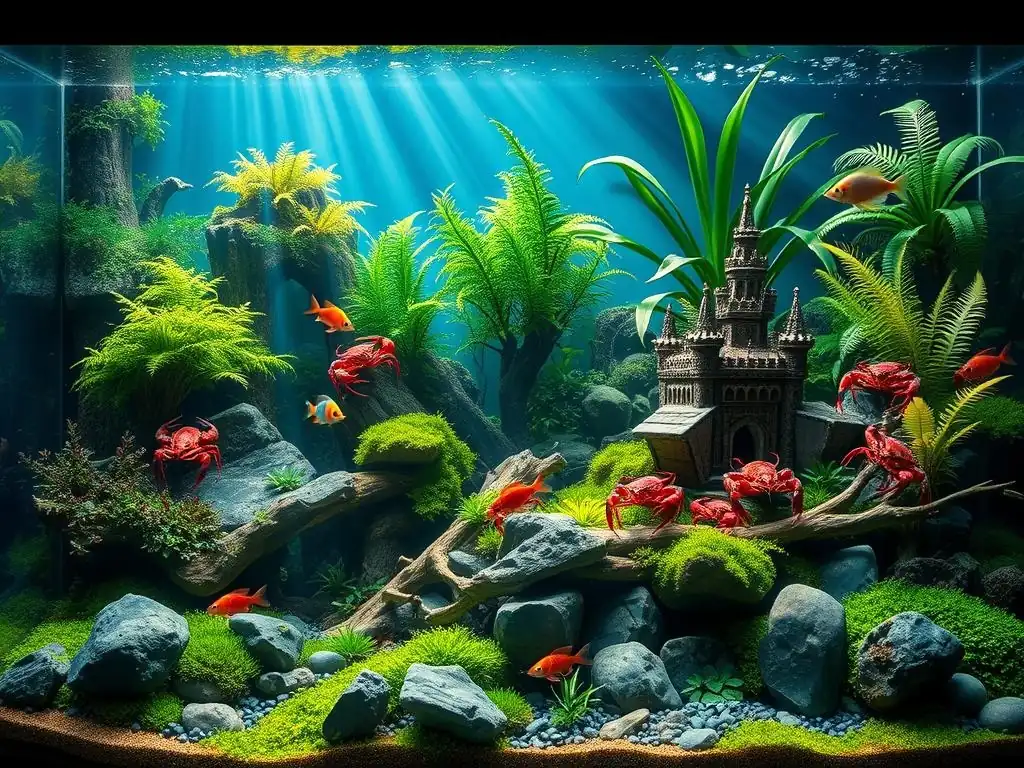
Welcome to Aquarium Mastery! Ever felt like your aquarium is less a tranquil underwater world and more a high-security prison? If you're battling a particularly adventurous crayfish, you're in the right place! Escapologist Crayfish: Fortifying Your Tank Against Daring Breakouts dives deep into creating an escapeproof crayfish tank setup, offering practical tips and tricks to keep your crustacean companions safe and sound inside their aquatic home. Wondering how to outsmart these little Houdinis? Read on!
- Understanding Crayfish Escape Artistry: Why They Leave the Tank
- Building an Escapeproof Crayfish Tank Setup: A Step-by-Step Guide
- Preventing Crayfish Escapes: Advanced Techniques and Considerations
- What to Do If Your Crayfish Escapes: A Quick Response Guide
- The Importance of an Escape-Proof Crayfish Tank Setup: A Summary
-
Frequently Asked Questions
- How important is a tight-fitting lid for a crayfish tank?
- What materials are best for sealing gaps and openings in a crayfish tank?
- Can crayfish climb air hoses or filter tubes to escape?
- What kind of weight should I place on the lid to prevent escapes?
- How often should I inspect the tank for potential escape routes?
- Final Reflection: The Unyielding Pursuit of Freedom
- Unseal Your Aquarium's Potential!
Understanding Crayfish Escape Artistry: Why They Leave the Tank
The Natural Urge to Explore: Crayfish Wandering Instincts
Crayfish possess an innate curiosity and a strong instinct to explore their surroundings, a trait deeply rooted in their natural behaviors. In the wild, these crustaceans often navigate varied aquatic environments, including ponds, streams, and even temporary puddles, frequently moving between water bodies to find food, mates, or more suitable living conditions. This exploratory drive means that even in a seemingly perfect aquarium, a crayfish may attempt to venture beyond its confines simply out of an inherent desire to discover what lies beyond.
This natural wandering instinct is particularly pronounced during nocturnal hours, as many crayfish species are most active under the cover of darkness. They will diligently probe every corner of their tank, testing for weaknesses, small gaps, or any potential climbing opportunities. Observations suggest that a crayfish can fit through openings as small as half an inch (approximately 1.3 cm), showcasing their remarkable ability to squeeze through tight spaces. Therefore, understanding this fundamental aspect of their behavior is the first step in designing an effective escapeproof crayfish tank setup.
Inadequate Tank Conditions: Triggers for Crayfish Escape
When a crayfish perceives its current environment as unsuitable or stressful, it will often attempt to escape in search of better conditions. Inadequate tank conditions can manifest in various ways, from a lack of sufficient hiding places to an absence of appropriate substrate. For instance, without ample caves, crevices, or plant cover, crayfish can feel exposed and vulnerable, leading to chronic stress. This stress, in turn, fuels their motivation to seek refuge outside the tank, even if it means risking dehydration or injury.
Moreover, a diet that is insufficient in quantity or lacking in essential nutrients can also prompt escape attempts. Crayfish are opportunistic feeders, and if their nutritional needs are not met within the aquarium, they may try to forage outside.
Similarly, a tank that is too small for the crayfish's size or for the number of inhabitants can create a sense of confinement and trigger an escape response. For example, a single adult Procambarus clarkii, which can grow up to 6 inches (15 cm), ideally requires a minimum of a 20-gallon (75-liter) tank to feel comfortable and reduce the urge to flee.
Overcrowding and Competition: Driving Crayfish to Flee
Overcrowding is a significant stressor for crayfish, often leading to increased aggression and escape attempts. When multiple crayfish, or even a single large crayfish with incompatible tank mates, are housed in an insufficient space, competition for resources like food, territory, and hiding spots intensifies. This heightened competition can result in constant harassment, physical altercations, and even cannibalism among crayfish, making the environment unbearable for the weaker or more submissive individuals.
In such scenarios, the desire to escape becomes a powerful survival instinct. A crayfish that is continually bullied or unable to secure its own territory will actively seek an exit from the tank to find a less hostile environment.
For instance, if two large male crayfish are kept in a 10-gallon tank, aggressive encounters are almost guaranteed, and one or both may frequently attempt to climb out. Providing adequate space, generally at least 10 gallons (38 liters) per adult dwarf crayfish and 20+ gallons (75+ liters) for larger species, is crucial for mitigating these territorial disputes and ensuring an escapeproof crayfish tank setup.
Poor Water Quality: A Major Cause of Crayfish Tank Escapes
Poor water quality is arguably one of the most common and critical factors compelling crayfish to escape their aquatic homes. Crayfish are highly sensitive to fluctuations in water parameters and the accumulation of toxic compounds. High levels of ammonia, nitrite, or nitrate, often resulting from insufficient filtration, overfeeding, or infrequent water changes, can quickly become lethal. For example, ammonia levels above 0.25 ppm can cause severe stress and gill damage, prompting the crayfish to instinctively try to leave the water.
Beyond direct toxicity, extreme pH levels or unstable temperatures can also trigger escape behaviors. Crayfish generally thrive in a pH range of 6.5 to 8.0 and temperatures between 65-78°F (18-26°C). Deviations from these optimal conditions, such as a sudden drop in pH or a rapid temperature increase, can cause immense discomfort and stress. A crayfish experiencing such adverse conditions will often exhibit agitated behavior, including constant climbing attempts, as it desperately seeks a more hospitable environment. Maintaining pristine water quality is therefore paramount for a successful escapeproof crayfish tank setup.
Building an Escapeproof Crayfish Tank Setup: A Step-by-Step Guide
Choosing the Right Tank Size: Preventing Overcrowding and Escape Attempts
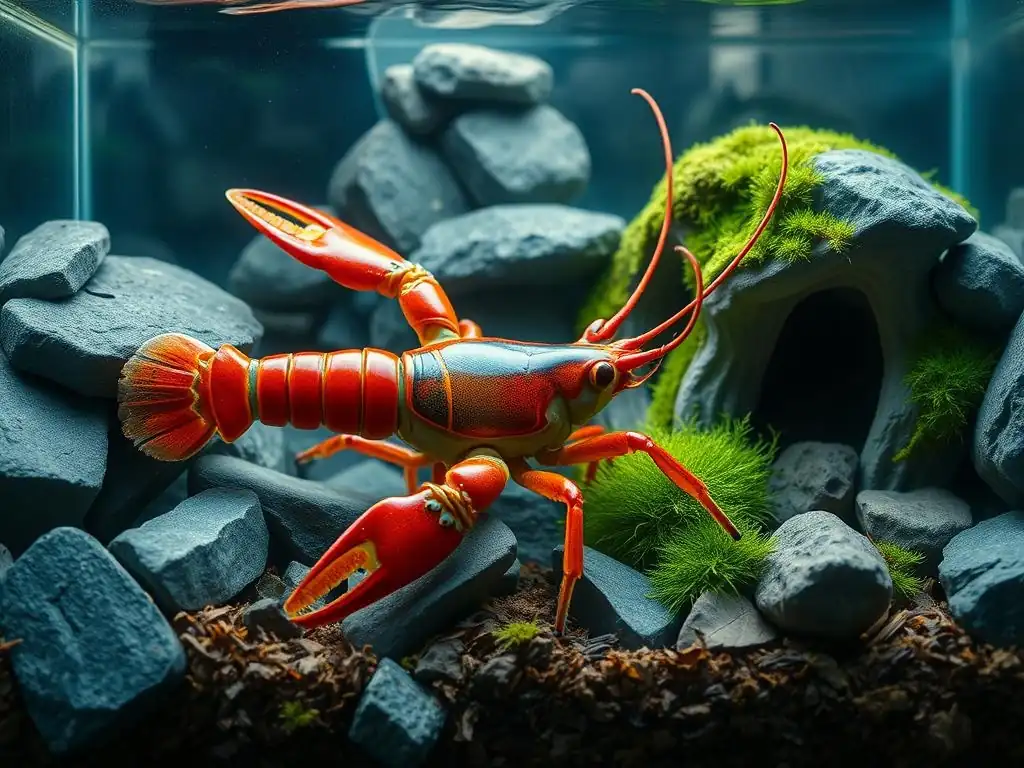
Selecting an appropriately sized tank is the foundational step in creating an escapeproof crayfish tank setup. A tank that is too small not only limits the crayfish's movement but also intensifies competition for space and resources, leading to stress and an increased likelihood of escape attempts. For smaller species like the Dwarf Mexican Crayfish (Cambarellus patzcuarensis), a 5-gallon (19-liter) tank can be sufficient for a single specimen, while a 10-gallon (38-liter) tank is preferable for a small group.
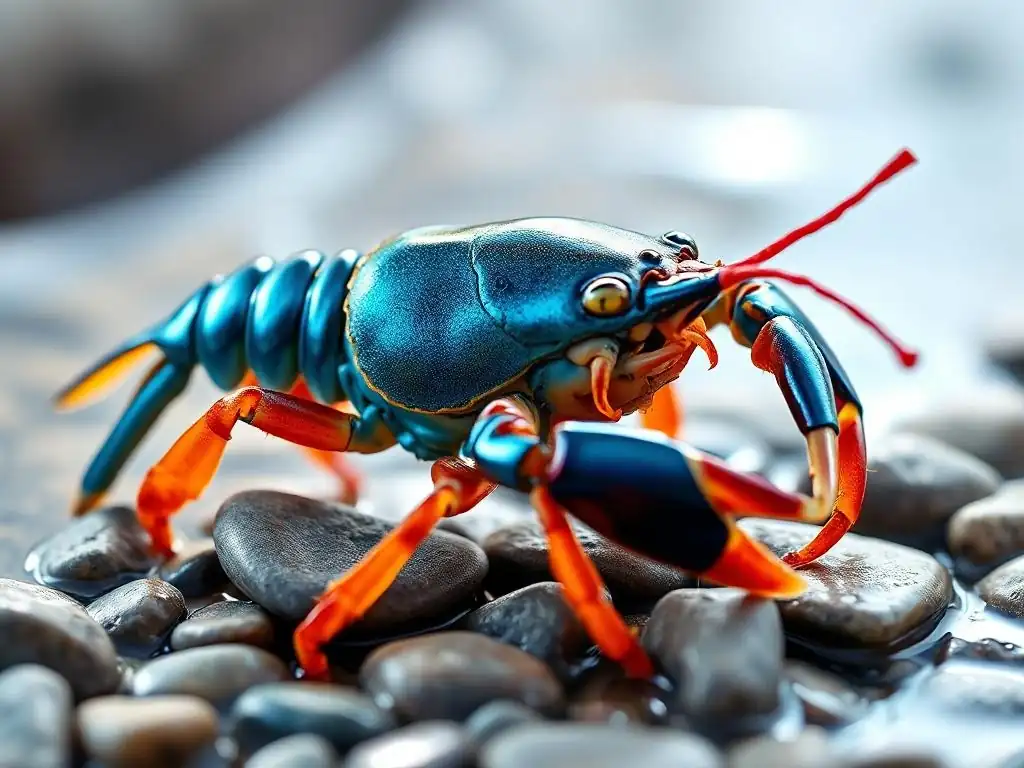
Larger, more common species such as the Electric Blue Crayfish (Procambarus alleni) or the Red Swamp Crayfish (Procambarus clarkii), which can reach 4 to 6 inches (10-15 cm) in length, require significantly more space. A single adult of these larger species needs a minimum of a 20-gallon (75-liter) tank, with 30 gallons (113 liters) or more being ideal to allow for ample territory and reduce territorial disputes.
Providing sufficient volume helps to dilute waste products more effectively, contributing to stable water quality, and offers enough room for multiple hiding spots, all of which reduce the incentive for a crayfish to attempt an escape.
Selecting a Secure Lid: The Key to Crayfish Containment
The aquarium lid is arguably the most critical component in an escapeproof crayfish tank setup, as crayfish are incredibly adept climbers and will exploit even the smallest openings. A secure lid must be heavy enough or have robust clips to prevent the crayfish from pushing it open. Lightweight plastic hoods, common with many beginner aquarium kits, are often insufficient as crayfish can exert surprising force.
Opt for lids made of glass or heavy-duty acrylic that fit snugly over the tank rim. These materials are more difficult for crayfish to manipulate or push aside. Ensure that any cutouts for filters, heaters, or airline tubing are either sealed with appropriate materials or are extremely small and precisely fitted. A gap of just half an inch (1.3 cm) is often enough for a determined crayfish to squeeze through, so meticulous attention to detail around these access points is essential for effective crayfish tank escape prevention.
Types of Crayfish Tank Lids: Pros and Cons
When it comes to securing your escapeproof crayfish tank setup, various lid types offer different levels of security and convenience. Glass lids, often available as hinged tops, are excellent for preventing escapes due to their weight and rigidity. They offer minimal flex and are difficult for crayfish to dislodge, though they can be heavy to lift for maintenance and may require custom cutouts for equipment. Their transparency also allows for clear viewing of the tank inhabitants.
Mesh lids, typically made from screen material, provide excellent ventilation, which can be beneficial in warmer climates or for tanks requiring high oxygen exchange. However, standard mesh lids are often too light and can be easily pushed open or even gnawed through by larger, more powerful crayfish species.
To mitigate this, a heavy-duty metal screen lid secured with multiple clips or weights can be an effective solution, but care must be taken to ensure the mesh size is small enough to prevent even juvenile crayfish from slipping through. Each type requires careful consideration of the crayfish's size and strength for optimal crayfish tank escape prevention.
Sealing Gaps and Openings: Preventing Even the Smartest Crayfish Escape
Even with a perfectly fitting lid, small gaps around equipment can provide an escape route for a determined crayfish. Common culprits include the spaces around heater cords, filter intake/output tubes, and airline tubing. Crayfish are incredibly persistent and will repeatedly test these areas. To ensure a truly escapeproof crayfish tank setup, these openings must be meticulously sealed.
One effective method is to use aquarium-safe foam or sponge material to fill in any gaps around tubing. For example, cutting a small piece of filter foam and wedging it tightly around the filter intake tube where it exits the lid can prevent a crayfish from squeezing through.
Similarly, small plastic mesh or screen material can be cut and siliconed (using aquarium-safe silicone) around larger openings, ensuring there are no gaps larger than approximately 0.2 inches (0.5 cm) that a small crayfish could exploit. Regularly inspecting these seals during routine maintenance is crucial, as they can degrade or shift over time, compromising your crayfish tank escape prevention efforts.
Substrate and Decorations: Creating a Comfortable and Secure Environment
The choice of substrate and decorations plays a dual role in an escapeproof crayfish tank setup: it provides a natural and comfortable environment, reducing stress, and it can inadvertently offer climbing opportunities. A fine gravel or sand substrate, typically 2-3 inches (5-7.5 cm) deep, is ideal as it allows crayfish to dig and burrow, fulfilling a natural behavior that reduces their desire to escape. This also helps to secure heavy decorations that they might otherwise attempt to move or climb.
When selecting decorations, prioritize those that offer ample hiding places. Crayfish are naturally reclusive and feel most secure when they have multiple dark caves, PVC pipes, or ceramic pots to retreat into. Providing at least one hiding spot per crayfish, plus an extra, ensures that all individuals have a safe haven, which significantly reduces stress-induced escape attempts. Avoid decorations with rough or sharp edges that could injure a crayfish during its movements or if it attempts to climb on them, which could also indirectly prompt an escape if they feel trapped or hurt.
Rockwork and Hiding Places: Reducing Stress and Escape Motivations
Strategic placement of rockwork and the provision of ample hiding places are fundamental to creating a secure and stress-free environment for crayfish, thereby reducing their motivation to escape. Crayfish are nocturnal and prefer to spend their daylight hours hidden, emerging primarily at night to forage. Without adequate cover, they can become highly stressed, leading to constant pacing, aggressive behavior, and a heightened urge to find a more secure location outside the tank.
Utilize smooth, non-porous rocks, ceramic caves, or even PVC pipe sections to construct multiple sheltered areas. Aim for at least one primary hiding spot per crayfish, ensuring they are large enough for the crayfish to fully retreat into. For instance, a 4-inch (10 cm) crayfish might require a cave opening of at least 2 inches (5 cm) in diameter.
These refuges provide a sense of security, allowing the crayfish to feel safe from perceived threats, whether from tank mates or external disturbances. This sense of security is a powerful deterrent against escape attempts, making it a vital component of an escapeproof crayfish tank setup.
Avoiding Sharp Edges: Preventing Injuries During Escape Attempts
While focusing on an escapeproof crayfish tank setup, it's equally important to ensure the tank environment is safe for the crayfish itself. Sharp edges on decorations, equipment, or even the tank rim can pose a significant injury risk, especially if a crayfish is actively trying to climb or escape. Injuries can lead to infection, stress, and even death, further exacerbating the desire to flee an uncomfortable situation.
Inspect all tank decorations, including plastic plants, rockwork, and driftwood, for any rough or pointed surfaces. Smooth down any sharp edges with sandpaper or replace items that cannot be made safe. For example, some artificial plants have stiff, pointed leaves that can scratch a crayfish's delicate exoskeleton or antennae. Even the exposed edges of a glass tank rim, if not covered by a secure lid, can be sharp. Ensuring a smooth and safe interior minimizes the risk of injury during a crayfish's exploratory movements or during an escape attempt, contributing to their overall well-being and reducing stress-driven escapes.
Maintaining Optimal Water Parameters: Keeping Crayfish Healthy and Content
Consistent and optimal water parameters are crucial for the health and contentment of your crayfish, directly impacting their desire to remain within the tank. Poor water quality is a primary driver for escape attempts, as crayfish will instinctively try to leave an unhealthy environment. Regularly testing water for ammonia, nitrite, nitrate, pH, and temperature is non-negotiable for an escapeproof crayfish tank setup.
Crayfish generally thrive in a pH range of 6.5 to 8.0, with a slight preference for neutral to slightly alkaline conditions (around 7.0-7.5). Temperatures should be maintained between 65-78°F (18-26°C), avoiding sudden fluctuations. High levels of ammonia (above 0 ppm) and nitrite (above 0 ppm) are toxic and will quickly stress crayfish, causing them to become agitated and seek an escape. Nitrate levels should be kept below 20 ppm through regular water changes. Consistent monitoring and immediate correction of any deviations are essential for preventing stress-induced escape attempts.
Regular Water Changes: Diluting Escape-Triggering Substances
Regular partial water changes are one of the most effective ways to maintain pristine water quality and dilute the accumulation of harmful substances that can trigger crayfish escape attempts. Over time, fish waste, uneaten food, and decaying plant matter break down, leading to a build-up of nitrates, phosphates, and other dissolved organic compounds. While nitrates are less toxic than ammonia or nitrite, high levels (e.g., above 40 ppm) can still cause chronic stress and make the water unappealing to crayfish.
A routine of 20-25% water change weekly or bi-weekly, depending on tank size and bioload, is generally recommended for an escapeproof crayfish tank setup. This practice effectively removes pollutants, replenishes essential minerals, and helps stabilize pH and hardness. For instance, in a 20-gallon tank with one adult crayfish, a 5-gallon water change every week would significantly reduce nitrate accumulation and ensure the water remains fresh and inviting, thereby reducing the crayfish's motivation to seek better conditions outside the tank.
Filtration and Aeration: Ensuring a Healthy Aquatic Environment
Robust filtration and adequate aeration are indispensable components of an escapeproof crayfish tank setup, as they directly contribute to maintaining the stable, healthy aquatic environment that crayfish prefer. A good filtration system, whether a hang-on-back (HOB), canister, or sponge filter, performs mechanical, chemical, and biological filtration. Biological filtration, specifically, is crucial for converting toxic ammonia and nitrite into less harmful nitrates through the nitrogen cycle.
Adequate aeration ensures a high dissolved oxygen (DO) content in the water, which is vital for crayfish respiration. Low oxygen levels, often indicated by a crayfish attempting to climb out of the water or spending excessive time at the surface, are a major stressor and a strong incentive for escape. An air stone connected to an air pump, or a filter with good surface agitation, can significantly increase DO levels. For instance, maintaining DO levels above 5 mg/L is generally considered healthy for most aquatic invertebrates, directly correlating with a crayfish's comfort and reduced likelihood of seeking an exit.
Preventing Crayfish Escapes: Advanced Techniques and Considerations
Crayfish-Proofing Cords and Hoses: Eliminating Climbing Opportunities
Crayfish are surprisingly agile and can use almost any surface, including power cords, heater wires, and filter hoses, as a ladder to escape their tank. Even a seemingly smooth cord can offer enough grip for their claws. To create a truly escapeproof crayfish tank setup, all such elements must be meticulously secured and made unclimbable within the tank.
One effective strategy is to route all necessary cords and hoses outside the tank whenever possible. If they must enter the tank, ensure they are tightly secured against the glass with aquarium-safe suction cups or cable clips, running vertically and without any slack that could create a climbing ramp.
For example, wrapping a heater cord tightly around a secured piece of PVC pipe that extends to the bottom of the tank can prevent a crayfish from scaling it. Any excess cord or hose outside the tank should also be tidied and secured, preventing a crayfish from climbing out and then crawling along a dangling wire to freedom.
Monitoring Crayfish Behavior: Identifying Potential Escape Attempts Early
Observing your crayfish's behavior is a proactive and often overlooked aspect of maintaining an escapeproof crayfish tank setup. Changes in typical behavior can often signal discontent or an impending escape attempt. Crayfish are creatures of habit, and deviations from their normal routine, such as increased nocturnal activity, unusual aggression, or persistent climbing, should raise a red flag.
If a crayfish is frequently seen attempting to climb the tank walls, exploring the lid, or persistently trying to squeeze through small openings, it indicates they are experiencing stress or dissatisfaction with their environment. For instance, a crayfish that typically hides during the day but suddenly spends hours at the water's surface or near the filter outflow may be reacting to poor water quality or low oxygen. Early identification of these behaviors allows aquarists to address underlying issues—such as adjusting water parameters, adding more hiding spots, or reducing tank mate aggression—before a successful breakout occurs.
Addressing Aggression: Minimizing the Need to Escape from Tank Mates
Aggression from tank mates, whether other crayfish or incompatible fish species, can be a major stressor for crayfish, compelling them to seek an escape. Crayfish are territorial, and if they are constantly harassed, injured, or unable to secure sufficient food due to aggressive tank mates, their natural instinct to flee will be heightened. This is particularly true for smaller or submissive individuals within a group.
To minimize aggression and thus the motivation to escape, ensure adequate space and hiding spots as previously mentioned. For larger crayfish species, it is often best to keep them as solitary inhabitants or with very carefully selected, fast-moving fish that are too large to be prey and too quick to be caught.
If keeping multiple crayfish, ensure they are of a compatible species and sex, and that the tank is vastly oversized to allow for multiple territories. For example, a 75-gallon tank might be required to house a small group of three adult Procambarus clarkii to reduce territorial disputes and the associated escape attempts in an escapeproof crayfish tank setup.
Creating a Natural Habitat: Reducing the Urge to Explore Beyond the Tank
A well-designed, naturalistic habitat that closely mimics a crayfish's native environment can significantly reduce their urge to explore beyond the tank. When all their needs—for shelter, foraging, and security—are met within the aquarium, the motivation to escape diminishes considerably. This goes beyond just providing hiding spots; it encompasses the entire tank aesthetic and functionality.
Incorporate plenty of live or realistic artificial plants, driftwood, and varied rockwork to create a complex and stimulating environment. Live plants can also help with water quality by absorbing nitrates. A varied substrate, including areas of fine sand for burrowing and larger gravel for foraging, further enhances the natural feel. For example, creating distinct zones within the tank—a densely planted area, a rocky cave system, and an open foraging space—can provide a crayfish with diverse options and reduce boredom, a subtle but important factor in maintaining an escapeproof crayfish tank setup.
What to Do If Your Crayfish Escapes: A Quick Response Guide
Finding Your Crayfish: Tips for Locating an Escaped Crustacean
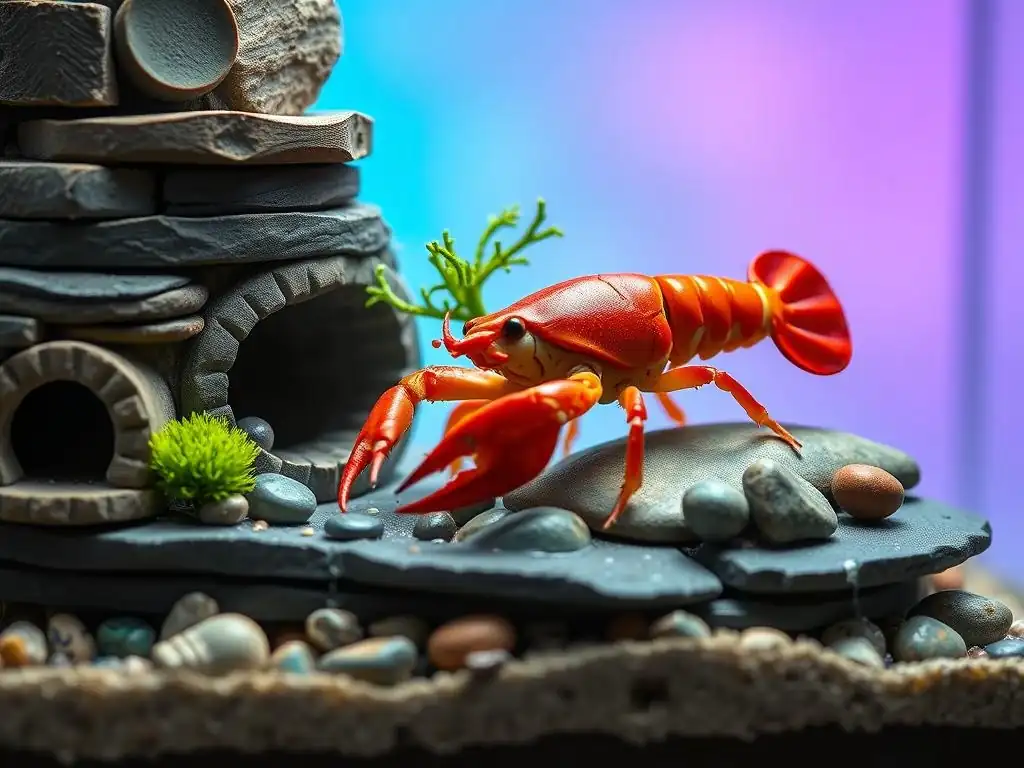
Despite the most meticulous escapeproof crayfish tank setup, a determined crayfish might occasionally find a way out. If you discover your crayfish has escaped, immediate action is crucial as they can only survive out of water for a limited time, typically a few hours to a day, depending on humidity. Begin your search immediately and systematically.
Crayfish are nocturnal and prefer dark, damp, and secluded places. Start by checking under and behind the aquarium stand, then expand your search to nearby furniture, rugs, and any dark crevices or corners in the room. They often seek moisture, so check near water sources like sinks, bathrooms, or even under refrigerators. Use a flashlight to peer into shadowed areas, as their dark coloration can make them blend into surroundings. If your home has a basement or crawl space, these are common destinations for escaped crustaceans, as they offer cool, damp conditions.
Assessing Crayfish Condition: Checking for Injuries and Dehydration
Once you have located your escaped crayfish, it is critical to quickly assess its condition for any injuries or signs of dehydration. Even a short period out of water can be detrimental. Look for obvious physical damage such as missing limbs, damaged antennae, or cracks in the exoskeleton, which can occur from falls or encounters with household objects.
Signs of severe dehydration include a dry or dull appearance of the exoskeleton, particularly on the gills, and lethargy or unresponsiveness. A healthy crayfish should be active and attempt to move when gently touched. If the crayfish appears dry or immobile, gently mist it with dechlorinated water to provide immediate moisture, but do not submerge it fully yet. This initial assessment helps determine the urgency and method for returning it to the tank, ensuring the best chance of survival after a breach of your escapeproof crayfish tank setup.
Returning Your Crayfish to the Tank: Gradual Acclimation
Returning an escaped crayfish to its tank requires careful, gradual acclimation to prevent shock, especially if it has been out of water for an extended period or appears dehydrated. Do not simply drop it back into the tank, as the sudden change in temperature and water parameters can be fatal. Treat it similarly to how you would acclimate a new fish or invertebrate.
Place the crayfish in a small container with just enough dechlorinated aquarium water to cover its gills. Then, slowly drip-acclimate it by gradually adding small amounts of tank water to the container over a period of 30-60 minutes. This allows its body to slowly adjust to the tank's temperature and water chemistry.
Once the water in the container is mostly tank water and the crayfish appears more active, gently place it back into a secure, familiar hiding spot within your now reinforced escapeproof crayfish tank setup. Monitor it closely for the next 24-48 hours for signs of stress or further escape attempts.
The Importance of an Escape-Proof Crayfish Tank Setup: A Summary
Protecting Your Crayfish: Ensuring a Safe and Healthy Life
Implementing an escapeproof crayfish tank setup is paramount for the well-being and longevity of your aquatic pet. Crayfish that escape the confines of their aquarium face numerous life-threatening dangers, including dehydration, physical injury from falls or household hazards, and exposure to cleaning chemicals or pets. Even if found quickly, the stress of an escape can significantly weaken their immune system, making them susceptible to disease.
By proactively securing the tank, you are providing a safe, controlled environment where your crayfish can thrive without the constant risk of an accidental and potentially fatal excursion. A secure setup means the crayfish is less likely to experience the profound stress that drives escape attempts, allowing it to exhibit natural behaviors, grow, and potentially even molt successfully without external threats. This commitment to a secure habitat is a fundamental aspect of responsible crayfish care, directly contributing to a healthy and fulfilling life for your crustacean.
Avoiding Water Damage: Preventing Messes and Potential Hazards
Beyond the safety of the crayfish itself, an escapeproof crayfish tank setup is crucial for protecting your home from potential water damage and associated hazards. When a crayfish escapes, it often brings water with it, either by tracking it across surfaces or by dislodging parts of the tank setup that cause spills. A persistent crayfish trying to push open a lid can cause significant splashing, leading to water on floors, furniture, or electrical outlets.
Over time, consistent small spills can lead to warped flooring, damaged cabinetry, or the growth of mold and mildew, particularly if the tank is situated on a wooden surface. More critically, water near electrical outlets or power strips poses a severe electrocution risk. By meticulously sealing all openings and ensuring the lid is secure, you not only prevent the crayfish from leaving but also contain the water within its designated environment, safeguarding your home and preventing costly repairs or dangerous situations.
Maintaining a Thriving Aquarium Ecosystem: Keeping Your Tank Balanced
An escapeproof crayfish tank setup contributes significantly to the overall stability and balance of your entire aquarium ecosystem. Every inhabitant plays a role in the delicate biological processes within the tank, from waste decomposition to nutrient cycling. When a crayfish escapes, it disrupts this balance, potentially leading to immediate or long-term issues for the remaining tank inhabitants.
The sudden removal of a significant bioload can cause fluctuations in beneficial bacteria populations, potentially leading to temporary spikes in ammonia or nitrite as the system readjusts. Furthermore, the absence of a key scavenger or bottom-dweller can lead to an accumulation of uneaten food and detritus, compromising water quality for other fish and invertebrates. By ensuring your crayfish remains securely within its habitat, you maintain the intended bioload and contribute to a consistent, healthy, and thriving aquatic environment for all inhabitants, reflecting a truly masterfully managed aquarium.
Frequently Asked Questions
How important is a tight-fitting lid for a crayfish tank?
A tight-fitting lid is absolutely crucial for crayfish. They are notorious escapists and can easily climb out if given the opportunity. It prevents them from drying out and escaping the tank.
What materials are best for sealing gaps and openings in a crayfish tank?
Aquarium-safe silicone sealant is the best option. It's non-toxic and creates a watertight bond. Make sure it's completely cured before adding water or crayfish.
Can crayfish climb air hoses or filter tubes to escape?
Yes, they absolutely can! Crayfish are skilled climbers. Use suction cups to secure hoses and tubes tightly against the glass, minimizing climbing opportunities.
What kind of weight should I place on the lid to prevent escapes?
A moderate weight like heavy books or aquarium decorations is sufficient. The goal is to discourage the crayfish from lifting the lid, not necessarily to lock it down completely.
How often should I inspect the tank for potential escape routes?
Regular inspections are key. Check weekly for any new gaps or weaknesses in the tank setup, especially around the lid, filter, and heater cords. Early detection prevents escapes.
Final Reflection: The Unyielding Pursuit of Freedom
The information presented throughout this article underscores a crucial point: even the most meticulously planned environments are susceptible to the relentless drive for freedom. While we've focused on the practicalities of creating an escapeproof crayfish tank, the underlying theme resonates far beyond the confines of aquarium keeping. It speaks to the universal desire for autonomy and the ingenuity that arises when boundaries are perceived.
This exploration of crayfish escape artistry has, perhaps surprisingly, highlighted the importance of understanding the motivations behind such behavior. It reminds us that true containment isn't just about physical barriers, but about addressing the underlying needs and desires of the creatures in our care. As the saying goes, Give me liberty, or give me death.
While perhaps dramatic in this context, it underscores the powerful instinct to break free when perceived limitations become unbearable.
Now, consider the lessons learned from these daring crayfish. How can you apply the principles of understanding motivations and fortifying boundaries to your own life? Perhaps it's about recognizing the "escape routes" you create in your own relationships or career. Perhaps it's about building a more enriching and fulfilling "tank" for yourself, one that eliminates the urge to seek freedom elsewhere. Let this exploration of escapeproof crayfish tanks inspire you to create environments, both literal and metaphorical, that foster contentment and minimize the need for daring breakouts.
Unseal Your Aquarium's Potential!
Thanks for diving into the world of crayfish escapades! We hope this guide has equipped you with the knowledge to keep your crustacean companions safe and sound within their aquatic home. Ready to take action?
Here are a few things you can do right now:
- Perform a thorough inspection of your tank's lid and seams. Identify and seal any potential escape routes with aquarium-safe silicone. This is crucial for preventing future breakouts!
- Share this article with fellow aquarium enthusiasts to help them safeguard their own crayfish or other escape-artist inhabitants. Let's build a community of responsible keepers!
- Why not get creative? Design a custom crayfish "playground" within the tank using rocks, driftwood, and plants. Document the construction and post images on our community forum.
What unique methods have you employed to keep your crayfish safely contained and thriving in your aquarium environment?