
Form & Function: The Marvelous Anatomy of Butterflyfish Explained


Welcome to Aquarium Mastery, fellow aquarist!
Ever been captivated by the ethereal beauty of a Butterflyfish flitting amongst the coral? Beyond their striking colors and graceful movements lies a fascinating and complex anatomy. This article delves deep into the marvelous anatomy of Butterflyfish, uncovering the secrets to their specialized feeding habits, unique adaptations, and the key to providing optimal care. Prepare to unlock a new level of understanding and appreciation – the journey starts here!
- Understanding Butterflyfish Anatomy for Optimal Care
- Butterflyfish Body Shape and Locomotion
- The Butterflyfish Mouth: Specialized Feeding Adaptations
- Butterflyfish Sensory Systems: Adapting to the Reef Environment
- Internal Anatomy of Butterflyfish: Key Organs and Their Functions
- Butterflyfish Coloration and Patterns: Camouflage and Communication
- Butterflyfish Skeletal Structure: Support and Protection
- Butterflyfish Health and Anatomy: Recognizing Signs of Illness
- Butterflyfish Anatomy Care Tips: Maintaining a Healthy Fish
- Conclusion: Appreciating the Intricacies of Butterflyfish Anatomy
-
Frequently Asked Questions
- How does the unique body shape of a butterflyfish aid in its survival?
- What is the purpose of the distinctive eyespot found on some butterflyfish species?
- What are some key considerations for maintaining optimal water quality for butterflyfish in an aquarium?
- What specific dietary needs should be considered when caring for butterflyfish in captivity?
- What are some common health issues that affect butterflyfish, and how can they be prevented?
- Final Reflection: Unveiling Beauty, Understanding Responsibility
- Unleash Your Inner Reef Biologist
Understanding Butterflyfish Anatomy for Optimal Care
Why Understanding Butterflyfish Anatomy Matters for Aquarium Keepers
Understanding the intricate anatomy of butterflyfish is not merely an academic exercise; it is fundamental for any aquarist aiming to provide optimal care for these delicate marine inhabitants. Their unique physical attributes directly dictate their specific needs in a captive environment, from dietary requirements to tank setup.
For instance, the specialized mouth structure of many butterflyfish species, designed for precise feeding on coral polyps or small invertebrates in the wild, means that a generic flake food will not suffice for their long-term health in an aquarium. Knowing these anatomical details allows keepers to proactively address potential issues and implement effective Butterflyfish anatomy care tips.
Furthermore, a deep comprehension of their internal and external anatomy enables aquarists to quickly identify subtle signs of stress, disease, or improper husbandry. For example, abnormalities in gill movement or the condition of their fins can signal underlying health problems long before they become critical. This proactive approach, rooted in anatomical knowledge, is crucial for preventing widespread health issues in a reef tank and ensuring the longevity and vibrancy of these beautiful fish. It empowers hobbyists to tailor their care strategies, leading to a more successful and rewarding butterflyfish keeping experience.
The Link Between Anatomy and Butterflyfish Behavior
The fascinating behaviors exhibited by butterflyfish are inextricably linked to their unique anatomical design, making it vital for aquarists to understand this connection. Their laterally compressed bodies, for example, are perfectly adapted for navigating the intricate, tight spaces of coral reefs, allowing for rapid changes in direction and swift maneuvers to evade predators or access food sources. In an aquarium, this translates to a need for ample rockwork and swimming space that mimics their natural habitat, preventing stress and promoting natural behaviors.
Moreover, specialized anatomical features like their highly protrusile mouths and brush-like teeth directly influence their feeding strategies and social interactions. Species with long snouts, such as the Copperband Butterflyfish ( Chelmon rostratus), naturally spend their time meticulously probing crevices for tiny invertebrates, a behavior that must be accommodated with appropriate feeding methods in captivity. Observing how their anatomy facilitates these behaviors provides valuable insight into their well-being; a butterflyfish unable to exhibit its natural foraging or swimming patterns may be experiencing stress or illness, highlighting the importance of integrated Butterflyfish anatomy care tips.
Butterflyfish Body Shape and Locomotion
The Laterally Compressed Body: Advantages and Disadvantages
Butterflyfish are renowned for their distinctive, highly laterally compressed bodies, meaning they are flattened from side to side. This anatomical feature offers significant advantages in their natural coral reef habitats. It allows them to effortlessly glide through narrow crevices and between coral branches, providing both shelter from predators and access to otherwise unreachable food sources. This body shape also aids in rapid, precise turning, enabling quick escapes or agile pursuit of prey within the complex three-dimensional structure of the reef.
However, this specialized body shape also presents certain challenges, particularly in a captive environment. While excellent for maneuverability, their thin profile can make them more susceptible to strong water currents in an aquarium if not properly managed, potentially leading to exhaustion or stress. Additionally, their need for tight turning radii means that while a tank may seem large in terms of length or height, its width must be adequate to allow for comfortable movement, a critical consideration when applying Butterflyfish anatomy care tips to tank setup.
Butterflyfish Fins: Precision Maneuvering in the Reef
The fins of butterflyfish are not merely appendages for propulsion; they are highly specialized instruments for precision maneuvering, crucial for their survival and feeding within the complex reef ecosystem. Each fin plays a distinct role in their agile movements, contributing to their ability to navigate tight spaces, maintain stability, and execute rapid bursts of speed when necessary.
The Role of the Dorsal Fin in Butterflyfish
The dorsal fin of butterflyfish is typically high and often extends along a significant portion of their back, frequently featuring prominent spines anteriorly and soft rays posteriorly. This fin is paramount for stability, acting like a keel to prevent the fish from rolling or pitching, especially during slow, deliberate movements or when holding position against gentle currents. Its large surface area also contributes to the fish's overall profile, sometimes playing a role in display or intimidation towards rivals or predators.
The condition of the dorsal fin is often a key indicator of a butterflyfish's health. A healthy dorsal fin will be erect and spread, while a clamped or frayed dorsal fin can signal stress, poor water quality, or the onset of disease. Observing the dorsal fin's posture and integrity is a fundamental component of effective Butterflyfish anatomy care tips, aiding in early detection of potential issues before they escalate.
The Importance of the Caudal Fin for Butterflyfish Swimming
The caudal fin, or tail fin, is the primary source of propulsion for most butterflyfish, although their pectoral fins are heavily used for everyday swimming. Typically fan-shaped and often relatively large, the caudal fin provides the thrust needed for forward movement, allowing for both steady cruising and sudden bursts of speed. These powerful bursts are essential for escaping predators or quickly darting to a new feeding spot.
The efficiency of the caudal fin directly impacts a butterflyfish's swimming ability and overall energy expenditure. Any damage, such as fin rot or physical injury, can severely impair their mobility, making them vulnerable and hindering their ability to feed effectively. Therefore, maintaining pristine water conditions and a stress-free environment, as part of comprehensive Butterflyfish anatomy care tips, is vital to ensure the caudal fin remains healthy and fully functional.
The Butterflyfish Mouth: Specialized Feeding Adaptations
Protrusible Mouth: Reaching Into Reef Crevices
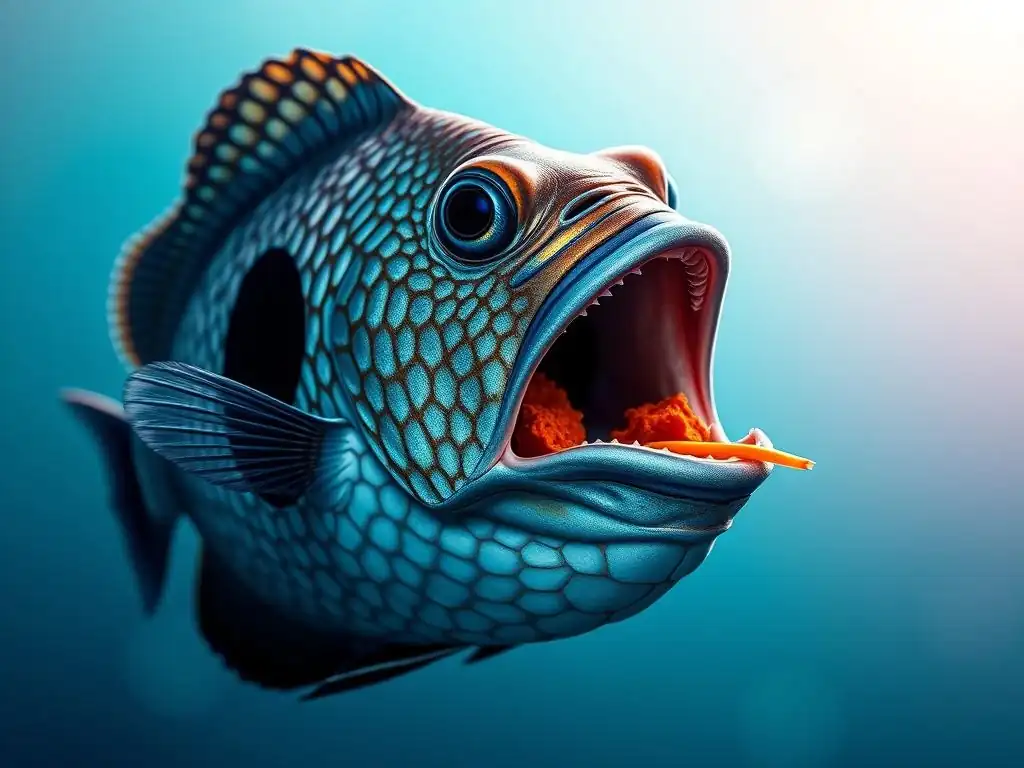
One of the most remarkable anatomical features of many butterflyfish species is their highly protrusible mouth. This unique adaptation allows them to extend their jaws forward, sometimes by a considerable distance, creating a tube-like structure. This mechanism is crucial for their specialized feeding habits in the wild, enabling them to probe deep into the intricate crevices of coral and live rock, extracting tiny invertebrates, coral polyps, and filamentous algae that would otherwise be inaccessible.
This specialized mouth structure dictates specific dietary needs in captivity. For instance, species like the Copperband Butterflyfish ( Chelmon rostratus) use their elongated, protrusible snout to target aiptasia anemones and other small pests. Aquarists must provide small, appropriately sized food items that can be easily consumed by these delicate mouths, often requiring target feeding or the use of fine-grained frozen foods. Understanding this anatomical detail is paramount for successful Butterflyfish anatomy care tips related to nutrition.
Butterflyfish Dentition: Teeth for Nipping and Grazing
Complementing their protrusible mouths, butterflyfish possess specialized dentition that varies slightly among species but generally consists of numerous small, brush-like, or comb-like teeth. These teeth are perfectly adapted for their natural feeding behaviors: nipping at coral polyps, scraping algae from surfaces, or picking off small benthic invertebrates. Unlike fish with crushing plates or sharp canines, butterflyfish teeth are designed for precision and delicate removal rather than tearing or grinding.
For example, obligate corallivores like the Raccoon Butterflyfish ( Chaetodon lunula) use their fine teeth to nip at the fleshy polyps of stony corals. Even generalist butterflyfish use these teeth for grazing on various micro-organisms and algae films. This specific dentition underscores the importance of a varied and appropriate diet in the aquarium, which should include finely chopped meaty foods, high-quality spirulina-based flakes, and specialized frozen preparations to ensure their teeth remain healthy and their nutritional needs are met.
Feeding Habits and Anatomy: A Symbiotic Relationship
The feeding habits of butterflyfish are a direct consequence of their specialized mouth and dentition, showcasing a profound symbiotic relationship between their anatomy and ecological role. Species that are obligate corallivores, such as the Ornate Butterflyfish ( Chaetodon ornatissimus), possess mouths and teeth meticulously designed for consuming coral polyps, making them particularly challenging to maintain in a reef aquarium without live coral. Their anatomy literally dictates their diet.
Conversely, more generalist feeders, like the Pearlscale Butterflyfish ( Chaetodon xanthurus), still benefit from their protrusible mouths to access diverse small prey items but are more adaptable to a captive diet. Recognizing this anatomical-dietary link is a cornerstone of effective Butterflyfish anatomy care tips. Aquarists must research the specific feeding anatomy of their chosen species and provide a diet that closely mimics their natural intake, often involving multiple small feedings throughout the day to support their continuous grazing behavior.
Butterflyfish Sensory Systems: Adapting to the Reef Environment
Butterflyfish Vision: Keen Eyes for Spotting Prey and Predators
Butterflyfish possess large, prominent eyes that are crucial for their survival in the visually complex environment of a coral reef. Their keen vision allows them to quickly spot tiny food particles, discern subtle movements of prey, and identify potential predators from a distance. Many species also exhibit excellent color perception, which is vital for navigating their vibrant surroundings and for intraspecific communication, such as recognizing mates or rivals.
In the aquarium, a butterflyfish's sharp eyesight makes them highly aware of their surroundings, including the aquarist. This contributes to their often shy or skittish nature, especially when first introduced to a new environment. Providing ample hiding spots and a stable, low-stress environment helps them feel secure, allowing their vision to be used for natural behaviors like foraging rather than constant vigilance. Maintaining clear water is also essential for their visual acuity, directly impacting their ability to find food and interact with their environment.
The Lateral Line System: Detecting Vibrations in the Water
Beyond their excellent vision, butterflyfish rely heavily on their lateral line system, a sophisticated sensory organ running along each side of their body. This system consists of a series of neuromasts, specialized sensory cells housed within canals just beneath the skin, which detect minute changes in water pressure and vibrations. It acts like a "distant touch" sense, allowing them to perceive water movements generated by other fish, predators, or even the subtle currents within the reef.
The lateral line system is critical for schooling behavior, predator avoidance, and locating food, especially in conditions of low visibility. A healthy lateral line indicates a well-adapted and responsive fish. Conversely, damage or infection to this system, often indicated by pitting or erosion (e.g., Head and Lateral Line Erosion, HLLE), can severely impair a butterflyfish's ability to navigate and react to its environment. Providing optimal water quality and a diet rich in vitamins is a key Butterflyfish anatomy care tip to prevent such issues and maintain the integrity of this vital sensory system.
Butterflyfish Olfaction: The Power of Smell in Finding Food
While not as immediately apparent as their vision or lateral line, the sense of olfaction (smell) plays a significant role in the survival and feeding strategies of butterflyfish. They possess well-developed olfactory pits, or nares, located on their snout, which allow them to detect dissolved chemical cues in the water. These cues can originate from potential food sources, the presence of predators, or even the scent trails of conspecifics.
This sense is particularly important for detecting food particles that may be dispersed in the water column or hidden from view. For example, a butterflyfish might detect the chemical signature of small crustaceans or worms even before visually confirming their presence. In an aquarium, this highlights the importance of offering a varied diet that can appeal to their olfactory senses, encouraging feeding behavior and supporting their overall health.
Internal Anatomy of Butterflyfish: Key Organs and Their Functions
Butterflyfish Gills: Efficient Oxygen Extraction
The gills are perhaps the most vital external-internal organ system for any fish, and butterflyfish gills are highly efficient structures designed for optimal oxygen extraction from saltwater. Located under the operculum (gill cover), these feathery structures consist of numerous gill filaments, each lined with microscopic lamellae. Water flows over these lamellae, allowing for the rapid diffusion of dissolved oxygen into the bloodstream and the expulsion of carbon dioxide.
Healthy gills are crucial for a butterflyfish's respiration and overall metabolic function. Signs of gill distress, such as rapid breathing, gasping at the surface, or inflamed/damaged filaments, are immediate indicators of poor water quality, parasitic infections, or other severe stressors. Maintaining pristine water parameters and ensuring adequate aeration are among the most critical Butterflyfish anatomy care tips to support healthy gill function and prevent respiratory distress.
The Butterflyfish Digestive System: Processing a Varied Diet
The internal digestive system of butterflyfish is adapted to process a range of diets, though specific structures vary depending on whether the species is an obligate corallivore or a generalist feeder. Generally, it consists of an esophagus, stomach, and intestines. The stomach begins the breakdown of food, while the intestines are responsible for nutrient absorption. Herbivorous or omnivorous species, which consume more plant matter, typically have longer intestines to facilitate the digestion of fibrous material.
Proper functioning of the digestive system is directly tied to the diet provided in captivity. Feeding inappropriate foods, or insufficient quantities, can lead to nutritional deficiencies, stunted growth, or internal blockages. For instance, a corallivorous butterflyfish fed only flake food will suffer from a severely compromised digestive system over time. Therefore, providing a varied, high-quality diet that matches their natural intake is a fundamental Butterflyfish anatomy care tip to ensure their digestive health and overall well-being.
Butterflyfish Swim Bladder: Buoyancy Control
The swim bladder is an internal, gas-filled organ found in the abdominal cavity of butterflyfish, serving as a critical hydrostatic organ. Its primary function is to regulate buoyancy, allowing the fish to maintain a stable position at any depth in the water column without expending significant energy. By adjusting the volume of gas within the bladder, the fish can ascend, descend, or remain suspended effortlessly.
Dysfunction of the swim bladder can lead to severe swimming abnormalities, such as difficulty maintaining an upright position, uncontrollable floating to the surface, or sinking to the bottom. These issues are often indicative of stress, poor diet, bacterial infections, or rapid changes in water parameters. Observing a butterflyfish's swimming posture and stability is an important diagnostic tool for aquarists, and ensuring stable water conditions and appropriate feeding are key Butterflyfish anatomy care tips to prevent swim bladder disorders.
Butterflyfish Coloration and Patterns: Camouflage and Communication
The Science Behind Butterflyfish Colors
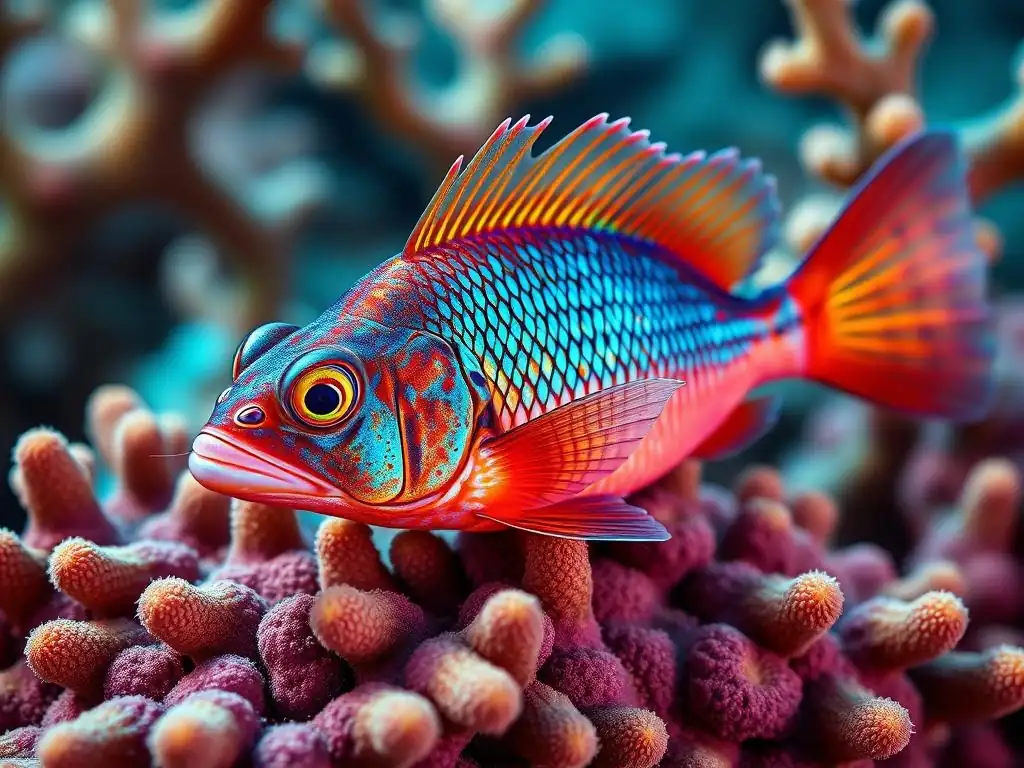
The vibrant and intricate coloration of butterflyfish is not merely for aesthetic appeal; it serves crucial biological functions in their reef environment. Their spectacular hues are produced by specialized pigment cells called chromatophores, which contain various pigments like melanins (blacks, browns), carotenoids (yellows, reds), and pterins (yellows, oranges). Additionally, iridophores, which are reflective cells, create iridescent blues and greens by reflecting light. These cells can expand or contract, allowing some butterflyfish to subtly change their color intensity or pattern in response to mood, stress, or environment.
The precise arrangement and interaction of these pigment and reflective cells create the stunning patterns characteristic of different butterflyfish species. For instance, the Copperband Butterflyfish typically displays striking vertical orange bands on a silvery body, while the Pearly Butterflyfish ( Chaetodon paucifasciatus) boasts a vibrant orange-red tail. Understanding the biological basis of these colors helps aquarists appreciate their complexity and recognize when a fish's coloration fades, which can be an early sign of stress or illness.
Disruptive Coloration: Hiding in Plain Sight
Many butterflyfish species exhibit a form of camouflage known as disruptive coloration, where bold patterns and bands break up the fish's outline, making it difficult for predators to distinguish its true shape or identify it against the complex background of a coral reef. Often, these patterns include vertical bars that mimic the shadows and light filtering through corals, effectively allowing the fish to "hide in plain sight."
For example, the Chevron Butterflyfish ( Chaetodon trifascialis) has a series of diagonal bands that obscure its body shape when seen against a coral background. This adaptation is vital for their survival in predator-rich waters, allowing them to blend seamlessly into their surroundings. In an aquarium, providing ample rockwork and decor that mimics a natural reef environment can enhance this natural camouflage, reducing stress and supporting the fish's innate behavioral responses.
Butterflyfish Eye Spots: Confusing Predators
A classic example of anatomical adaptation for survival in butterflyfish is the prominent "eye spot," or ocellus, often located near the base of their caudal fin. This dark, circular marking, sometimes ringed with a lighter color, is designed to mimic a larger, more vulnerable eye. Simultaneously, the fish's actual eye is often obscured by a dark, vertical band running through it, making it less conspicuous.
The purpose of this false eye is to confuse predators, misdirecting their attacks towards the less vital rear end of the fish, allowing the butterflyfish a critical moment to escape. If a predator strikes the tail, the fish has a much higher chance of survival than if its head or vital organs were targeted. This clever visual deception is a testament to the evolutionary pressures shaping butterflyfish anatomy and highlights the intricate ways they protect themselves in their natural habitat.
Butterflyfish Skeletal Structure: Support and Protection
The Butterflyfish Spine: Flexibility and Strength
The skeletal structure of a butterflyfish, particularly its spine, provides both the necessary support for its body shape and the flexibility required for its agile movements. The vertebral column, composed of numerous interlocking vertebrae, runs along the length of the body, offering structural integrity while allowing for the powerful undulating motions that contribute to their swimming. The spine also encases and protects the delicate spinal cord, which transmits signals between the brain and the rest of the body.
A healthy and strong spine is paramount for a butterflyfish's overall mobility and ability to perform natural behaviors such as foraging and escaping predators. Any injury or deformity to the spine can severely impair swimming and compromise the fish's well-being. Ensuring a diet rich in essential vitamins and minerals, particularly calcium and phosphorus, is a key Butterflyfish anatomy care tip to support strong bone development and maintain skeletal health.
Butterflyfish Scales: Protection from the Elements
Butterflyfish are covered in a protective layer of overlapping scales, typically either cycloid (smooth-edged) or ctenoid (comb-edged), which form the first line of defense against physical injury, parasites, and bacterial infections. These scales provide a flexible yet robust armor, safeguarding the delicate underlying skin and musculature from abrasions caused by contact with rocks or corals, and from the constant threat of microscopic pathogens in the water column.
The condition of a butterflyfish's scales is a direct indicator of its health and environmental well-being. Healthy scales are smooth, tightly overlapping, and often reflect the fish's vibrant coloration. Raised, missing, or discolored scales can signal bacterial infections, parasitic infestations, or severe stress due to poor water quality or aggressive tank mates. Monitoring scale integrity is a crucial part of daily observation and informs appropriate Butterflyfish anatomy care tips for maintaining a robust immune system and preventing disease.
Butterflyfish Health and Anatomy: Recognizing Signs of Illness
Identifying Anatomical Abnormalities in Butterflyfish
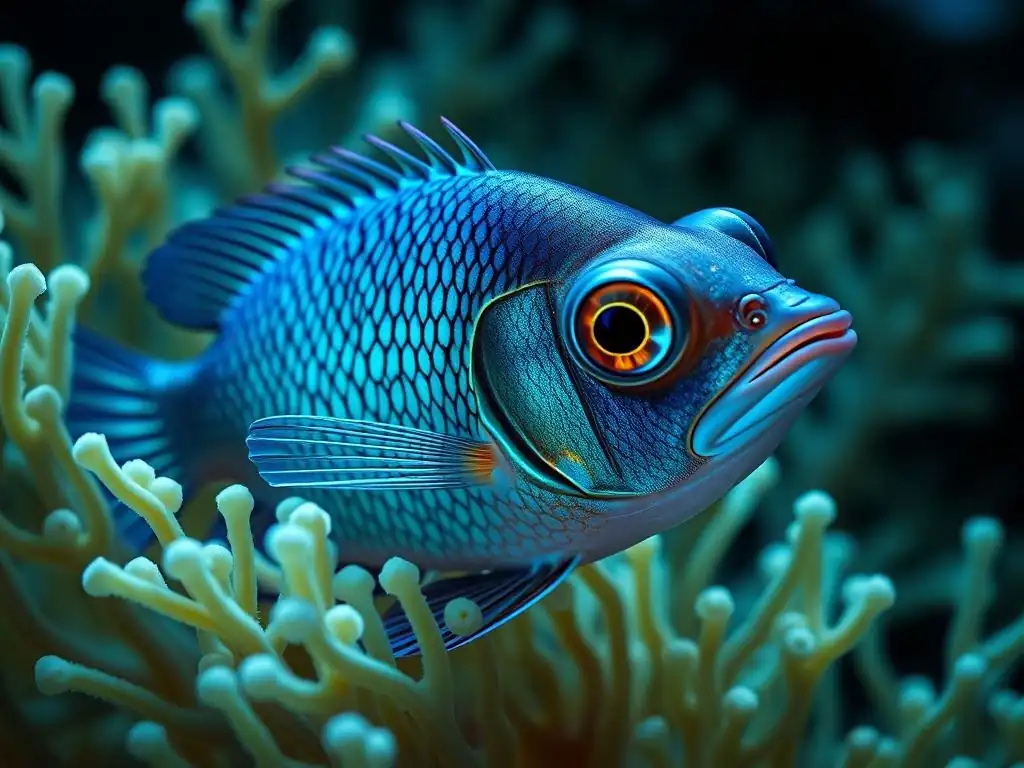
Recognizing anatomical abnormalities in butterflyfish is crucial for early intervention and effective health management. Aquarists should regularly observe their fish for any deviations from their normal appearance and behavior. Common signs of distress or illness manifested through anatomical changes include clamped fins (held close to the body), which often indicate stress or discomfort; cloudy or bulging eyes, suggesting infection or internal issues; and frayed or eroded fins, indicative of fin rot or aggression.
Furthermore, changes in body shape, such as a bloated abdomen (potentially due to internal parasites or dropsy) or a sunken belly (indicating emaciation or internal worms), are critical red flags. Lesions, white spots (Ich), or velvet-like coatings on the body surface are clear signs of external parasites or bacterial infections. Diligent daily observation of these anatomical cues is a fundamental aspect of Butterflyfish anatomy care tips, allowing for timely diagnosis and treatment before conditions worsen.
Understanding How Anatomy Relates to Common Butterflyfish Diseases
A deeper understanding of butterflyfish anatomy provides critical insight into how various diseases manifest and impact their physiological functions. For instance, parasitic infections like marine Ich ( Cryptocaryon irritans) directly affect the skin and gill filaments, causing visible white spots and impairing oxygen uptake, which can lead to rapid breathing and lethargy. Bacterial infections, such as fin rot, specifically target the delicate fin rays and membranes, leading to their deterioration.
Internal issues, like parasitic worms or bacterial enteritis, directly impact the digestive system, leading to emaciation despite feeding, or abnormal feces. Swim bladder disorders, often linked to internal infections or poor diet, manifest as buoyancy problems due to the affected organ's inability to regulate gas. By understanding these anatomical links, aquarists can more accurately diagnose illnesses and apply targeted Butterflyfish anatomy care tips and treatments, improving the chances of recovery for their delicate butterflyfish.
Butterflyfish Anatomy Care Tips: Maintaining a Healthy Fish
Providing the Right Diet for Anatomical Well-being
Providing a species-appropriate diet is arguably the most critical of all Butterflyfish anatomy care tips for ensuring their long-term health and anatomical well-being. Given their specialized mouthparts and feeding habits, a generic diet is insufficient. For obligate corallivores, offering a variety of high-quality frozen foods, such as enriched mysis shrimp, brine shrimp, and finely chopped seafood (like clam or scallop), is essential.
These foods often need to be target-fed to ensure consumption. For generalist butterflyfish, a diverse diet should include high-quality marine flakes or pellets, spirulina, and various frozen meaty foods, often offered multiple times a day in small portions to mimic their natural grazing behavior.
Failure to provide a nutritionally complete and appropriate diet directly impacts their internal organs, leading to conditions like hepatic lipidosis (fatty liver disease) or nutritional deficiencies that compromise their immune system and physical development. For instance, a diet lacking in essential fatty acids and vitamins can lead to dull coloration, fin erosion, and overall weakness, making them more susceptible to disease. Therefore, meticulous attention to their dietary needs is paramount for supporting robust internal and external anatomy.
Maintaining Optimal Water Quality for Butterflyfish Health
Pristine and stable water quality is non-negotiable for the health of butterflyfish, directly impacting their most vital anatomical systems, particularly their gills, skin, and sensory organs. Optimal parameters include a stable salinity of 1.023-1.025, a temperature range of 74-82°F (23-28°C), and undetectable levels of ammonia and nitrite, with nitrates kept below 10 ppm. Regular partial water changes, typically 10-20% every one to two weeks, are essential to replenish trace elements and remove accumulated pollutants.
Poor water quality, even slight fluctuations, can severely stress a butterflyfish's gills, leading to inflammation and impaired oxygen uptake. It can also compromise the integrity of their protective mucus coat and scales, making them vulnerable to bacterial and parasitic infections. Consistent monitoring of water parameters using reliable test kits, coupled with robust filtration (mechanical, chemical, and biological), forms the backbone of effective Butterflyfish anatomy care tips for preventing stress and disease, thereby supporting their intricate anatomy.
Creating a Stress-Free Environment for Proper Function
Beyond diet and water quality, creating a stress-free environment is a vital, often overlooked, aspect of Butterflyfish anatomy care tips. Butterflyfish are sensitive creatures, and chronic stress can severely compromise their immune system, leading to a myriad of health issues that manifest anatomically. This includes providing an appropriately sized aquarium, typically a minimum of 75-100 gallons for most species, to allow ample swimming space and reduce aggression between tank mates.
Adequate rockwork and hiding spots are crucial, as they allow butterflyfish to retreat when feeling threatened or to establish territories, reducing overall anxiety. Choosing compatible tank mates that are not overly aggressive or boisterous is equally important, as constant harassment can lead to fin nipping, scale damage, and chronic stress. A well-designed, calm environment supports natural behaviors, reduces the likelihood of physical injuries, and allows their delicate anatomical systems to function optimally, promoting long-term health and vibrant coloration.
Conclusion: Appreciating the Intricacies of Butterflyfish Anatomy
Frequently Asked Questions
How does the unique body shape of a butterflyfish aid in its survival?
The butterflyfish's laterally compressed body and pointed snout allow it to navigate tight spaces within coral reefs. This helps them access food and evade predators in their natural habitat.
What is the purpose of the distinctive eyespot found on some butterflyfish species?
The eyespot, often located near the tail, is a form of defensive mimicry. It confuses predators, making them unsure which end is the head, increasing the butterflyfish's chance of escape.
What are some key considerations for maintaining optimal water quality for butterflyfish in an aquarium?
Maintaining stable water parameters is crucial. Regular water changes, proper filtration, and monitoring ammonia, nitrite, and nitrate levels are essential for their health.
What specific dietary needs should be considered when caring for butterflyfish in captivity?
Butterflyfish require a varied diet that includes small invertebrates, algae, and high-quality flake or frozen foods. Providing a nutritionally complete diet is vital for their vibrant colors and overall health.
What are some common health issues that affect butterflyfish, and how can they be prevented?
Butterflyfish are susceptible to parasitic infections and stress-related illnesses. Quarantine new arrivals, maintain excellent water quality, and provide a stress-free environment to prevent these problems.
Final Reflection: Unveiling Beauty, Understanding Responsibility
The intricate details of butterflyfish anatomy, as we've explored, are not merely biological curiosities; they are essential keys to responsible care and conservation in a world increasingly impacted by environmental change. Understanding the delicate balance of their form and function empowers us to move beyond simple observation and actively contribute to their well-being, both in aquariums and in their natural habitats.
The captivating beauty of butterflyfish often overshadows the critical role they play in coral reef ecosystems. My hope is that this exploration of their anatomy fosters a deeper appreciation for these creatures and inspires a commitment to their preservation. As the renowned marine biologist Sylvia Earle so eloquently stated: Even if you never have the chance to see or touch the ocean, the ocean touches you with every breath you take, every drop of water you drink, every bite you consume. Everyone, everywhere is inextricably connected to and utterly dependent upon the existence of the sea.
Now, armed with a greater understanding of butterflyfish anatomy and the care they require, I invite you to reflect on your own role in protecting these magnificent creatures. Consider the choices you make, from supporting sustainable fishing practices to reducing your carbon footprint, and how they impact the delicate balance of our oceans. Let us all strive to be informed stewards, ensuring that future generations can marvel at the beauty and complexity of butterflyfish for years to come.
Unleash Your Inner Reef Biologist
Thank you for diving deep into the fascinating world of butterflyfish! We hope you've discovered new appreciation for their intricate anatomy and vital role in reef ecosystems. Now, let's translate that knowledge into action:
- Become a Citizen Scientist: Contribute to butterflyfish research by reporting sightings and behaviors to online databases. Your observations can help track population trends and understand habitat preferences.
- Explore ethical aquarium practices: Learn about sustainable sourcing and responsible care to ensure these magnificent creatures thrive in captivity.
- Share your newfound knowledge: Educate friends, family, and fellow aquarists about the importance of butterflyfish conservation.
What small change will you make today to support the health of our coral reefs?