
Ideal Water Conditions for a Flourishing Pearl Gourami Aquarium

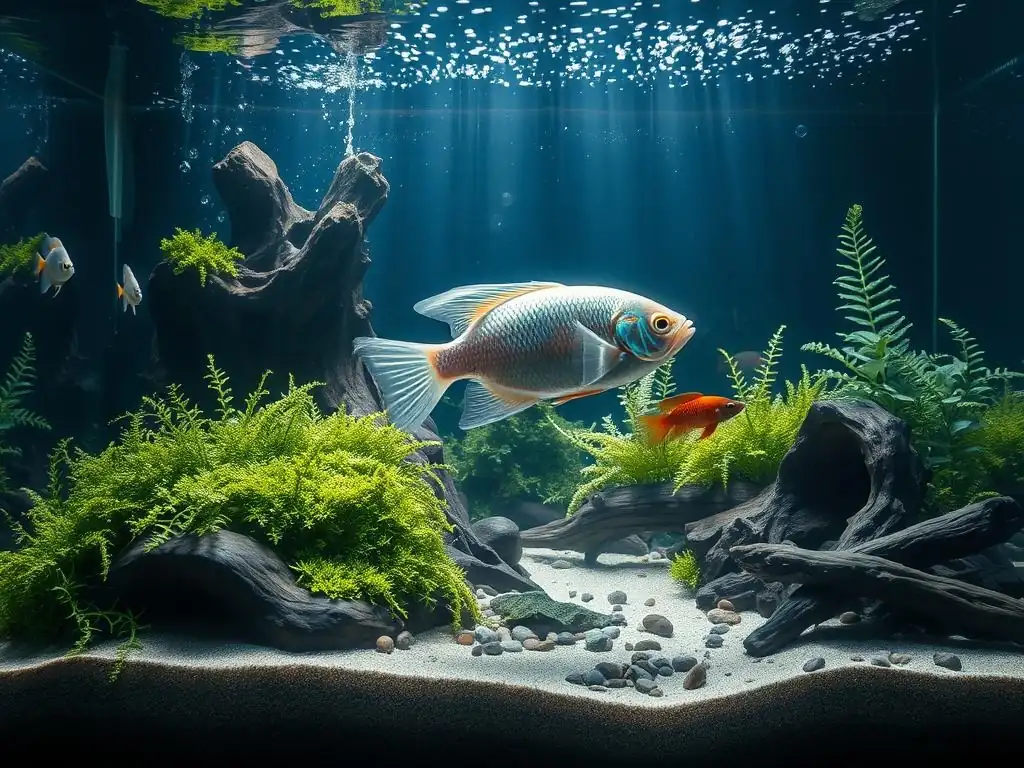
Welcome to Aquarium Mastery!
Curious about unlocking the secrets to a thriving aquarium where your Pearl Gourami can truly flourish? Ever wondered if you're providing the ideal water parameters to ensure their health and happiness? Dive into our comprehensive guide and discover everything you need to know to create the perfect aquatic environment for these stunning fish. But first, let's explore what makes these parameters so crucial...
- Understanding Pearl Gourami Needs for Optimal Health
- Key Water Parameters for Pearl Gouramis: A Detailed Guide
- Setting Up Your Aquarium for Optimal Pearl Gourami Water Quality
- Maintaining Ideal Pearl Gourami Water Parameters: A Practical Approach
- The Impact of Tank Mates on Pearl Gourami Water Conditions
- Troubleshooting Water Quality Problems in Pearl Gourami Tanks
- Conclusion: Creating a Thriving Environment for Your Pearl Gouramis Through Optimal Water Management
-
Frequently Asked Questions
- What are the ideal temperature and pH levels for a Pearl Gourami aquarium?
- What is the recommended water hardness for Pearl Gouramis?
- How often should I perform water changes in a Pearl Gourami aquarium?
- Are Pearl Gouramis sensitive to ammonia and nitrite levels?
- What are the ideal nitrate levels for a Pearl Gourami tank?
- Final Reflection: The Delicate Balance of Aquatic Harmony
- Unleash Your Pearl Gourami's Full Potential!
Understanding Pearl Gourami Needs for Optimal Health
Why Water Parameters Matter for Pearl Gouramis
The precise composition of their aquatic environment, often referred to as pearl gourami water parameters, profoundly impacts the health and longevity of these beautiful fish. Every aspect, from temperature to pH and dissolved waste products, directly influences their metabolic processes, immune system function, and overall well-being. When these parameters are outside their ideal range, the fish experience stress, which weakens their natural defenses and makes them highly susceptible to common diseases like Ich (white spot disease) or bacterial infections such as fin rot.
For a species like the pearl gourami ( Trichopodus leerii), which originates from the slow-moving, often slightly acidic waters of Southeast Asia, deviations from their preferred pearl gourami water parameters can lead to significant physiological distress. For instance, prolonged exposure to high ammonia levels, even at concentrations as low as 0.25 ppm, can cause severe gill damage, impairing oxygen uptake and leading to suffocation. Similarly, incorrect water hardness can disrupt their osmoregulation, the vital process of balancing salts and water within their bodies, leading to internal organ damage and a shortened lifespan.
The Importance of Stable Aquarium Conditions
While achieving the correct pearl gourami water parameters is crucial, maintaining their stability is equally, if not more, important. Sudden fluctuations in temperature, pH, or hardness can induce immense stress, often more detrimental than slightly off but consistently stable conditions. For example, a rapid pH drop from 7.0 to 6.0 within a few hours can cause pH shock, severely damaging a pearl gourami's sensitive membranes and potentially leading to death, even if the lower pH itself might be tolerable over a longer acclimation period.
Consistency in pearl gourami water parameters ensures that the fish are not constantly expending energy adapting to changing conditions, allowing them to allocate resources to growth, vibrant coloration, and natural behaviors like bubble nest building. A stable environment supports a robust immune system, making them less vulnerable to opportunistic pathogens. Aquarists often find that pearl gouramis in well-maintained, stable tanks exhibit more active swimming, brighter colors, and a greater willingness to interact with their surroundings, reflecting their overall good health and comfort.
Key Water Parameters for Pearl Gouramis: A Detailed Guide
Temperature Requirements for Pearl Gouramis
Pearl gouramis thrive in warm, tropical waters, with an ideal temperature range of 75-82°F (24-28°C). Maintaining the water within this specific range is crucial for their metabolic rate, activity levels, and overall health. Temperatures below 75°F can cause lethargy, suppress their appetite, and weaken their immune system, making them more susceptible to common cold-water diseases. For example, sustained temperatures of 70°F or lower can lead to digestive issues and increase the risk of fungal infections.
Conversely, temperatures consistently above 82°F can accelerate their metabolism, leading to a shorter lifespan and reduced oxygen availability in the water. While pearl gouramis possess a labyrinth organ allowing them to breathe atmospheric air, excessively warm water still stresses their gills and overall system. An example of this stress is increased respiration rates (rapid gill movement) and a tendency to gasp at the surface, indicating a lack of dissolved oxygen, even in a well-aerated tank.
Maintaining Consistent Water Temperature
To ensure consistent water temperature for your pearl gouramis, a reliable aquarium heater with a built-in thermostat is indispensable. The heater should be appropriately sized for your tank volume; a common guideline is 5 watts per gallon for tanks up to 50 gallons. For instance, a 20-gallon tank would typically require a 100-watt heater. Placing the heater near a filter output or in an area with good water flow helps distribute heat evenly throughout the aquarium.
Always use a separate, accurate thermometer to verify the heater's thermostat settings. Digital thermometers offer precise readings, often within ±0.5°F. Avoid placing the aquarium in direct sunlight or near drafts, as these external factors can cause significant daily temperature swings. For example, a tank near a window might experience a 5°F rise during a sunny afternoon, followed by a rapid drop overnight, creating a highly unstable environment for your pearl gouramis.
pH Level: The Ideal Range for Pearl Gouramis
Pearl gouramis prefer a slightly acidic to neutral pH range, ideally between 6.5 and 7.5. This range closely mimics the soft, slightly acidic blackwater environments of their native habitats in Southeast Asia, where decaying organic matter naturally lowers the pH. Maintaining pearl gourami water parameters within this specific pH band is vital because pH directly influences the availability of nutrients and the toxicity of various compounds, particularly ammonia.
At higher pH levels (above 7.5), the less toxic ammonium ion (NH4+) converts more readily into highly toxic un-ionized ammonia (NH3), even at the same total ammonia nitrogen concentration. This means that a small amount of ammonia, which might be harmless at a pH of 6.5, could become lethal at a pH of 8.0. Conversely, a pH that is too low (below 6.0) can lead to acidosis, where the fish's blood becomes too acidic, impairing vital bodily functions and causing severe stress, often evidenced by rapid breathing and lethargy.
Monitoring and Adjusting pH Levels
Regular monitoring of pH levels is essential, ideally on a weekly basis, using a reliable liquid reagent test kit or a calibrated electronic pH meter. If adjustments are necessary, they must be made slowly and incrementally to avoid shocking your pearl gouramis. For instance, to lower pH, natural methods such as adding appropriately prepared driftwood or using peat moss in the filter can be effective, gradually reducing the pH by 0.1 to 0.2 units per day.
To raise pH, if it falls below 6.5, very small amounts of crushed coral or baking soda (sodium bicarbonate) can be used, but extreme caution is advised to prevent sudden swings. For example, adding just a quarter teaspoon of baking soda to a 20-gallon tank can significantly raise pH and KH, so it should be dissolved in tank water and added very slowly over several hours, while continuously monitoring the pH. Always aim for stability over a specific target number if your source water naturally leans slightly outside the ideal range but remains consistent.
Water Hardness (GH and KH): What Pearl Gouramis Prefer
Pearl gouramis thrive in soft to moderately hard water. Their preferred General Hardness (GH) range is 5-15 dGH (degrees of General Hardness), which equates to approximately 89-268 parts per million (ppm). GH measures the concentration of dissolved mineral ions, primarily calcium and magnesium, which are crucial for the fish's osmotic regulation, bone development, and enzymatic functions. Water that is too soft (below 5 dGH) can lead to osmotic stress, as the fish struggle to maintain their internal salt balance, while excessively hard water can be equally stressful, potentially impacting gill function.
Equally important is Carbonate Hardness (KH), also known as alkalinity, which ideally should be maintained between 3-8 dKH (53-143 ppm). KH measures the concentration of bicarbonate and carbonate ions, which act as buffers, preventing rapid and dangerous pH swings. A stable KH level is vital because it neutralizes acids produced by the nitrogen cycle and fish respiration, thereby preventing a sudden and catastrophic drop in pH, often referred to as a "pH crash," which can be fatal to pearl gouramis.
Understanding General Hardness (GH)
General Hardness (GH) is a crucial pearl gourami water parameter that reflects the total concentration of divalent metal ions, predominantly calcium (Ca²⁺) and magnesium (Mg²⁺), in the water. These minerals are essential for the proper functioning of a fish's kidneys and gills, playing a key role in their osmoregulation. For pearl gouramis, originating from areas with softer water, a GH between 5 and 15 dGH supports their natural physiological processes without undue stress.
If your source water is too hard, you can reduce GH by blending it with reverse osmosis (RO) or deionized (DI) water, which are virtually mineral-free. For example, mixing 50% tap water with 50% RO water can halve your GH. Conversely, if your water is too soft, you can gradually increase GH using mineral supplements specifically designed for aquariums, such as Seachem Equilibrium, which provides essential macro-elements without significantly altering pH. Always test before and after adjustments to ensure gradual changes.
Understanding Carbonate Hardness (KH)
Carbonate Hardness (KH) is a direct measure of the water's buffering capacity, indicating its ability to resist changes in pH. Bicarbonate and carbonate ions act as sponges for acids, preventing them from causing drastic pH drops that can be lethal to fish. For pearl gouramis, a KH range of 3-8 dKH provides sufficient buffering to maintain a stable pH within their preferred slightly acidic to neutral range, protecting them from the stress of fluctuating pearl gourami water parameters.
If KH levels are too low (e.g., below 3 dKH), the water has little buffering capacity, making it vulnerable to pH crashes. This can be remedied by slowly adding a small amount of baking soda (sodium bicarbonate) dissolved in tank water; approximately 1/4 teaspoon per 10 gallons can raise KH by about 1-2 dKH, but it must be added very gradually. Conversely, if KH is too high, often due to very hard source water, it can be reduced by performing water changes with RO or DI water, blended to achieve the desired balance.
Ammonia and Nitrite: Maintaining Zero Levels
For the health and survival of pearl gouramis, and indeed all aquarium fish, ammonia (NH3/NH4+) and nitrite (NO2-) levels must be maintained at 0 ppm (parts per million). These compounds are highly toxic byproducts of fish waste, uneaten food, and decaying organic matter. Even at very low concentrations, ammonia and nitrite can cause severe damage to fish gills, blood, and internal organs, leading to stress, disease, and ultimately death.
Symptoms of ammonia or nitrite poisoning in pearl gouramis include gasping at the surface (despite having a labyrinth organ, they still suffer gill damage), lethargy, clamped fins, red or burned-looking gills, and a loss of appetite. For example, a nitrite level of just 0.5 ppm can impair a fish's ability to absorb oxygen, turning their blood brown and leading to suffocation. These compounds are the primary culprits in "new tank syndrome" and are a leading cause of fish fatalities in uncycled or improperly maintained aquariums.
The Nitrogen Cycle and Pearl Gourami Health
The nitrogen cycle is the fundamental biological process that ensures the safety of pearl gourami water parameters by converting toxic ammonia and nitrite into less harmful nitrate. This cycle relies on colonies of beneficial bacteria that colonize filter media, substrate, and tank surfaces. First, Nitrosomonas bacteria convert ammonia (NH3/NH4+) into nitrite (NO2-). Then, Nitrobacter bacteria (and other types like Nitrospira) convert nitrite (NO2-) into nitrate (NO3-).
A fully cycled aquarium is paramount for the long-term health of pearl gouramis. Without a robust biological filter to facilitate this process, ammonia and nitrite will accumulate rapidly, leading to the aforementioned poisoning. During the initial cycling phase, it is common to see ammonia and nitrite spikes, but in an established tank, these levels should consistently read 0 ppm. Regular testing confirms the efficiency of your biological filtration system in maintaining safe pearl gourami water parameters.
Nitrate Levels: Keeping Them in Check
While significantly less toxic than ammonia and nitrite, nitrate (NO3-) levels still need to be kept in check for optimal pearl gourami health. The acceptable range for nitrates in a pearl gourami aquarium is typically below 20 ppm, with many experienced aquarists aiming for levels below 10 ppm for sensitive species. Chronically high nitrate levels, particularly above 40 ppm, can cause chronic stress, suppress the fish's immune system, stunt growth, and contribute to dull coloration and increased susceptibility to diseases like hole-in-the-head or fin erosion.
For example, pearl gouramis consistently exposed to nitrate levels of 50 ppm or higher may exhibit lethargy and reduced appetite, even if no other immediate symptoms are apparent. This cumulative stress slowly degrades their health over time, reducing their lifespan. Therefore, monitoring and managing nitrate levels are just as crucial as ensuring zero ammonia and nitrite, contributing significantly to the overall stability of pearl gourami water parameters.
Strategies for Nitrate Reduction in a Pearl Gourami Tank
The primary and most effective strategy for nitrate reduction in a pearl gourami tank is regular partial water changes. A weekly 25-30% water change is a common guideline for a moderately stocked aquarium, effectively diluting accumulated nitrates. For instance, in a 20-gallon tank with 2-3 pearl gouramis and a small school of tetras, a 5-gallon weekly water change can typically keep nitrates well below 20 ppm. Heavily stocked tanks or those with less frequent maintenance might require larger or more frequent changes, such as two 20% changes per week.
Beyond water changes, live aquatic plants are excellent natural nitrate consumers. Fast-growing plants like Hornwort, Guppy Grass, or floating plants such as Water Lettuce or Frogbit actively absorb nitrates from the water as a nutrient source, significantly helping to maintain ideal pearl gourami water parameters. Other strategies include avoiding overfeeding (which introduces excess organic waste), preventing overstocking, and regularly cleaning the substrate to remove trapped detritus, which can decompose and contribute to nitrate buildup.
Setting Up Your Aquarium for Optimal Pearl Gourami Water Quality
Choosing the Right Substrate for Water Chemistry
The substrate you choose for your pearl gourami aquarium plays a significant role in maintaining stable pearl gourami water parameters. Inert substrates such as fine sand or smooth, small-grain gravel are generally recommended. These materials do not leach minerals into the water, ensuring that the GH and KH remain consistent with your source water or any adjustments you make. For example, a 1-2 inch layer of dark, fine sand can beautifully highlight the pearl gourami's iridescent scales while providing a safe, non-abrasive surface for foraging.
Conversely, substrates that contain calcium carbonate, such as crushed coral, aragonite, or certain types of decorative stones, should be avoided unless you specifically intend to raise the pH and hardness, which is generally not ideal for pearl gouramis. These substrates will continuously dissolve over time, gradually increasing the KH and GH, and consequently raising the pH, potentially shifting your pearl gourami water parameters outside their preferred range of 6.5-7.5 pH and 5-15 dGH, leading to stress for the fish.
Filtration Systems and Their Impact on Water Parameters
A robust and appropriately sized filtration system is the cornerstone of maintaining pristine pearl gourami water parameters. Filtration removes physical debris, processes toxic nitrogenous waste, and can even remove chemical pollutants, ensuring a healthy and stable environment. Different types of filtration media work synergistically to achieve comprehensive water purification, and choosing the right filter for your tank size and stocking level is paramount.
Common filter types suitable for pearl gourami tanks include Hang-on-Back (HOB) filters, canister filters, and sponge filters. HOB filters are popular for their ease of use and good mechanical and biological filtration. Canister filters offer superior capacity for media and are excellent for larger tanks, while sponge filters provide gentle flow and excellent biological filtration, ideal for fry tanks or as supplementary filtration in a pearl gourami setup.
Mechanical Filtration for Clear Water
Mechanical filtration is the first line of defense in maintaining clear pearl gourami water parameters by physically removing particulate matter from the water column. This includes uneaten food, fish waste, plant debris, and other suspended particles. Media such as filter floss, sponges, and coarse pads trap these solids before they can decompose and contribute to ammonia and nitrate buildup.
Regular cleaning or replacement of mechanical filter media is crucial. If left uncleaned, trapped debris will decompose, effectively turning the mechanical filter into a source of nitrates, counteracting its primary purpose. For example, rinsing filter sponges in old tank water during a water change every 1-2 weeks can prevent this issue and ensure efficient particle removal, contributing to stable pearl gourami water parameters.
Biological Filtration for a Healthy Environment
Biological filtration is the most critical component for maintaining safe pearl gourami water parameters, as it houses the beneficial bacteria responsible for the nitrogen cycle. Media designed for biological filtration, such as ceramic rings, bio-balls, sintered glass, or even specially designed sponges, provide vast surface areas for colonies of Nitrosomonas and Nitrobacter bacteria to thrive. These bacteria convert toxic ammonia into nitrite, and then nitrite into much less harmful nitrate.
The effectiveness of biological filtration directly dictates the safety of your water from ammonia and nitrite. It is crucial never to clean biological media with chlorinated tap water, as this will kill the beneficial bacteria. Instead, gently rinse it in old tank water during maintenance or simply leave it undisturbed. For instance, a well-established canister filter with ample biological media can effectively process the waste from a heavily stocked 40-gallon pearl gourami tank, keeping ammonia and nitrite at 0 ppm.
Chemical Filtration: When and How to Use It
Chemical filtration involves using specialized media to remove dissolved pollutants, odors, discoloration, and certain toxins from the water. The most common chemical media is activated carbon, which adsorbs organic compounds, medications, and tannins (which can stain the water yellow/brown). Other chemical media include specialized resins for removing nitrates, phosphates, or silicates.
While not always continuously necessary, chemical filtration can be beneficial for maintaining crystal clear pearl gourami water parameters and addressing specific issues. For example, after medicating fish, activated carbon can be used to remove residual medications. However, activated carbon has a finite lifespan (typically 2-4 weeks) before it becomes saturated and stops adsorbing, potentially releasing trapped pollutants back into the water. It should be replaced regularly or used only when specific issues arise, rather than as a permanent fixture.
The Role of Live Plants in Maintaining Water Quality
Live aquatic plants are invaluable assets in maintaining optimal pearl gourami water parameters and contributing to a healthy, balanced aquarium ecosystem. They actively absorb nitrates, phosphates, and other waste products from the water, effectively competing with algae for nutrients and helping to keep nitrate levels low. This natural nutrient uptake can significantly reduce the frequency or volume of water changes needed for nitrate control.
Beyond their chemical benefits, live plants provide essential oxygenation through photosynthesis during the day, contributing to better dissolved oxygen levels. They also offer crucial hiding spots and a sense of security for pearl gouramis, reducing stress and promoting natural behaviors. For example, a densely planted tank with broad-leafed plants provides perfect cover and resting spots for these shy labyrinth fish, enhancing their well-being.
Plant Selection for Pearl Gourami Tanks
When selecting live plants for a pearl gourami tank, choose species that thrive in similar pearl gourami water parameters (moderate light, slightly acidic to neutral pH, soft to moderately hard water) and are easy to care for. Excellent choices include hardy, low-light plants like Java Fern ( Microsorum pteropus), Anubias species ( Anubias barteri), and various Cryptocoryne species ( Cryptocoryne wendtii). These plants are robust and do not require intense lighting or CO2 injection.
Other suitable options include Amazon Swords ( Echinodorus amazonicus), which provide excellent cover, and various stem plants like Hornwort ( Ceratophyllum demersum) or Water Wisteria ( Hygrophila difformis), which are fast-growing and excellent at nutrient absorption. Floating plants such as Water Lettuce ( Pistia stratiotes) or Dwarf Water Lettuce ( Limnobium laevigatum) are particularly beneficial as pearl gouramis enjoy the shaded areas they create and often use them as anchors for their bubble nests.
Maintaining Ideal Pearl Gourami Water Parameters: A Practical Approach
Regular Water Testing: Your Key to Success
Regular and consistent water testing is the single most important practice for maintaining ideal pearl gourami water parameters and preventing serious health issues. It provides critical insights into the chemical balance of your aquarium, allowing you to identify potential problems before they escalate and impact your fish. Without routine testing, you are essentially managing your aquarium blind, risking the health of your pearl gouramis.
A recommended testing schedule for an established pearl gourami tank includes weekly checks for ammonia, nitrite, nitrate, and pH. Temperature should be monitored daily. Water hardness (GH and KH) can be tested less frequently, perhaps bi-weekly or monthly, unless you are making adjustments or notice unusual behavior from your fish. For instance, if your pearl gouramis appear lethargic or develop clamped fins, an immediate full spectrum water test is warranted.
Choosing the Right Testing Kit
For accurate and reliable results, a liquid reagent test kit, such as the API Freshwater Master Test Kit, is highly recommended over test strips. While test strips offer convenience, their accuracy can be questionable, and they often degrade quickly after opening. Liquid test kits provide more precise readings for ammonia, nitrite, nitrate, and pH, which are critical for monitoring pearl gourami water parameters.
In addition to the basic parameters, investing in separate liquid test kits for GH and KH is advisable, as these are vital for buffering pH stability. For example, the API GH & KH Test Kit provides clear, easy-to-read results, allowing you to fine-tune your water hardness to the pearl gourami's preferred 5-15 dGH and 3-8 dKH ranges. Always follow the instructions provided with your test kit carefully for the most accurate readings.
Interpreting Your Water Test Results
Interpreting your water test results involves comparing them against the ideal pearl gourami water parameters. For ammonia and nitrite, any reading above 0 ppm indicates a problem requiring immediate action. For nitrates, aim for below 20 ppm, ideally below 10 ppm. If nitrates are consistently above 20 ppm, it signals a need for increased water changes or other nitrate reduction strategies.
pH should ideally be between 6.5 and 7.5. If it's consistently outside this range, investigate the cause (e.g., substrate, source water) and make gradual corrections. For GH (5-15 dGH) and KH (3-8 dKH), deviations indicate issues with buffering capacity or mineral content. For example, if your nitrate reading jumps from 10 ppm to 40 ppm in a week, it could indicate overfeeding, an overcrowded tank, or insufficient water changes, prompting you to adjust your maintenance routine.
Performing Water Changes: A Step-by-Step Guide
Performing regular partial water changes is the most crucial maintenance task for diluting accumulated nitrates and replenishing essential trace minerals, thereby maintaining stable pearl gourami water parameters. The process involves several key steps: first, gather your supplies, including a clean bucket, an aquarium siphon, and a high-quality water conditioner that neutralizes chlorine and chloramines.
Next, prepare your new water. It's vital to match the temperature of the new water as closely as possible to the tank water (within 1-2°F) to avoid shocking your fish. Add the appropriate amount of water conditioner to the new water before adding it to the tank. Then, use the siphon to remove the old water, vacuuming the substrate to remove detritus. Finally, slowly add the conditioned new water back into the aquarium, minimizing disturbance to your pearl gouramis.
How Often to Change the Water
The frequency of water changes depends on several factors, including tank size, stocking density, feeding habits, and the presence of live plants. For a moderately stocked pearl gourami aquarium, a weekly water change of 25-30% of the tank volume is a good starting point. This routine typically keeps nitrate levels well within the safe range (below 20 ppm) and ensures consistent pearl gourami water parameters.
However, if your tank is heavily stocked, if you tend to overfeed, or if you have very few live plants, you might need to increase the frequency or volume of changes. For example, a heavily stocked 20-gallon tank might benefit from two 20% water changes per week to keep nitrates consistently low. Conversely, a lightly stocked, heavily planted tank might only require a 20% water change every two weeks, but regular nitrate testing should always guide your schedule.
How Much Water to Change
The volume of water to change is generally recommended to be between 20% and 50% of the tank's total volume. Smaller, more frequent water changes (e.g., 20-30% weekly) are generally preferred over larger, less frequent ones (e.g., 50% bi-weekly) for maintaining greater stability in pearl gourami water parameters. This minimizes stress on the fish by preventing drastic shifts in water chemistry.
For instance, changing 25% of the water in a 20-gallon tank means replacing 5 gallons. This volume is usually sufficient to significantly reduce nitrate levels without causing undue stress from sudden environmental shifts. Always ensure the new water's temperature and pH are closely matched to the tank's parameters before adding it back, as even a 5°F difference or a 0.5 pH unit swing can be detrimental during a large water change.
Addressing Common Water Quality Issues in Pearl Gourami Aquariums
Dealing with Ammonia Spikes
An ammonia spike, indicated by any reading above 0 ppm, is an emergency that requires immediate action to protect your pearl gouramis. The first step is to perform a large water change, typically 50% or more, to quickly dilute the ammonia concentration. Simultaneously, add a liquid ammonia detoxifier, which temporarily converts toxic ammonia into a less harmful form, providing immediate relief to your fish.
After the emergency measures, identify and address the root cause of the spike. Common causes include a new, uncycled tank, overfeeding, a dead fish decomposing, or a filter malfunction (e.g., power outage killing beneficial bacteria). For example, if you notice an ammonia spike after adding several new fish, it indicates your biological filter is overloaded and needs time to catch up, requiring continued monitoring and daily small water changes until ammonia returns to 0 ppm.
Correcting pH Imbalances
Correcting pH imbalances in a pearl gourami tank requires careful and gradual adjustments to avoid shocking the fish. If your pH is too low (below 6.5), you can slowly raise it by adding small amounts of crushed coral to your filter or substrate, or by making very small, dissolved additions of baking soda (sodium bicarbonate) to the water. For instance, a quarter teaspoon of baking soda per 20 gallons can raise pH by about 0.2-0.3 units, but it must be added slowly over hours.
If your pH is too high (above 7.5), you can lower it by adding appropriately prepared driftwood, which releases tannins that naturally reduce pH. Peat moss, either in the filter or as an extract, can also help. For significant and controlled reductions, blending tap water with reverse osmosis (RO) water is effective. Always aim for gradual changes, no more than 0.2 pH units per 24 hours, to maintain stable pearl gourami water parameters and prevent stress.
Managing High Nitrate Levels
High nitrate levels (above 20 ppm) are a common issue in aquariums and indicate a buildup of waste products. The primary solution is to increase the frequency and/or volume of your partial water changes. For example, if you typically do a 25% weekly change and nitrates are high, increase it to 30-40% or perform two 20% changes per week.
Other effective strategies for managing nitrates include adding more live aquatic plants, especially fast-growing species, as they consume nitrates as a nutrient source. Reducing the amount of food you offer your pearl gouramis and ensuring no uneaten food lingers in the tank will also help. Additionally, ensuring your filter media is clean (especially mechanical media) and that the substrate is regularly vacuumed will prevent organic matter from decomposing and contributing to nitrate production, thus helping to maintain ideal pearl gourami water parameters.
The Impact of Tank Mates on Pearl Gourami Water Conditions
Choosing Compatible Tank Mates
The selection of tank mates for your pearl gouramis directly influences the overall stability and quality of your pearl gourami water parameters. Compatible tank mates are not only peaceful and similarly sized, preventing stress and aggression, but also share similar water parameter requirements. Introducing fish that prefer vastly different pH, temperature, or hardness can compromise the ideal environment for your pearl gouramis or force you to maintain a compromise that suits neither species perfectly.
Ideal tank mates for pearl gouramis include peaceful schooling fish like Neon Tetras ( Paracheirodon innesi), Cardinal Tetras ( Paracheirodon axelrodi), Harlequin Rasboras ( Trigonostigma heteromorpha), or peaceful Corydoras catfish ( Corydoras aeneus). These species generally thrive in the same soft to moderately hard, slightly acidic to neutral water conditions as pearl gouramis. Avoiding large, aggressive, or fin-nipping species (e.g., Tiger Barbs) ensures that your pearl gouramis remain unstressed, which in turn helps them resist disease and better cope with minor fluctuations in pearl gourami water parameters.
Avoiding Overcrowding to Maintain Water Quality
Overcrowding is one of the quickest ways to degrade pearl gourami water parameters and compromise the health of your fish. Each fish, regardless of size, contributes to the biological load of the tank by producing waste. An overcrowded tank rapidly accumulates ammonia, nitrite, and nitrate, making it exceptionally difficult for your filtration system and regular water changes to keep up. This leads to chronically high nitrate levels, low oxygen, and increased stress for all inhabitants.
While the "one inch of fish per gallon" rule is a simplistic guideline, it's often insufficient, especially for larger or more active species. A more accurate approach considers the adult size of the fish, their activity level, and their bioload. For example, a 20-gallon tank can comfortably house 2-3 pearl gouramis and a small school of 6-8 peaceful tetras. Adding significantly more fish would quickly overwhelm the biological filter, leading to persistent water quality issues and a constant battle to maintain stable pearl gourami water parameters, ultimately shortening the lifespan of your fish.
Troubleshooting Water Quality Problems in Pearl Gourami Tanks
Identifying Signs of Poor Water Quality in Pearl Gouramis
Observing your pearl gouramis closely can provide early warning signs of deteriorating pearl gourami water parameters. Behavioral changes are often the first indicators. Lethargy, spending excessive time at the surface gasping (even with their labyrinth organ, this indicates distress), clamped fins (fins held close to the body), hiding more than usual, or a sudden loss of appetite are all red flags. For instance, a pearl gourami that usually greets you at the glass but suddenly retreats to the back corner could be signaling an issue.
Physical signs can also manifest, though often after the problem has progressed. These include dull or faded coloration (a healthy pearl gourami should display vibrant iridescence), ragged or frayed fins (often due to fin rot, a stress-induced bacterial infection), red or inflamed gills (a classic sign of ammonia or nitrite poisoning), or the appearance of white spots (Ich) or cottony growths (fungal infections), which often take hold when fish are stressed by poor water conditions.
Troubleshooting Common Issues: Algae Blooms, Cloudy Water, and Stunted Growth
Algae Blooms: Persistent algae blooms are frequently a symptom of excess nutrients (primarily nitrates and phosphates) in the water combined with too much light. To troubleshoot, first perform a significant water change (e.g., 50%) to reduce nutrient levels. Then, reduce the duration of your tank's lighting (aim for 8-10 hours per day) and ensure no direct sunlight hits the tank. Adding more fast-growing live plants can also help by outcompeting algae for nutrients, thereby improving overall pearl gourami water parameters.
Cloudy Water: Cloudy water can stem from various issues. A milky white cloudiness often indicates a bacterial bloom, common in new tanks undergoing the nitrogen cycle or in established tanks after a large disturbance. This usually resolves on its own within a few days with good filtration and aeration. Suspended particles from substrate or uneaten food can cause a hazy cloudiness; improve mechanical filtration and reduce feeding. Green cloudiness is a "green water" algae bloom, addressed similarly to other algae issues. In all cases, a partial water change can offer immediate relief.
Stunted Growth: If your pearl gouramis are not growing to their expected size (adults typically reach 4-5 inches), it's a strong indicator of chronic poor water quality, especially high nitrate levels, or an insufficient diet, or overcrowding. To troubleshoot, rigorously test your pearl gourami water parameters for consistent ammonia, nitrite, and high nitrate readings, and adjust your water change schedule accordingly. Ensure you are feeding a high-quality, varied diet appropriate for gouramis, and verify that your tank is not overstocked, as competition for food and space can also lead to stunted development.
Conclusion: Creating a Thriving Environment for Your Pearl Gouramis Through Optimal Water Management
Establishing and consistently maintaining ideal pearl gourami water parameters is not merely a recommendation but a fundamental requirement for the long-term health, vibrant coloration, and natural behaviors of these exquisite labyrinth fish. Understanding their specific needs regarding temperature, pH, hardness, and nitrogenous compounds provides the blueprint for a thriving aquatic environment. By meticulously monitoring these conditions and proactively addressing any deviations, you transform your aquarium from a simple glass box into a dynamic, balanced ecosystem where your pearl gouramis can truly flourish.
The diligent practices of regular water testing, routine partial water changes, judicious feeding, and the implementation of robust filtration and live plants are the cornerstones of successful pearl gourami husbandry. Embracing these principles ensures that ammonia and nitrite remain at zero, nitrates are kept low, and pH and hardness are stable within their preferred ranges. Ultimately, this commitment to optimal water management creates a stress-free habitat, allowing your pearl gouramis to display their full beauty and personality, making them a captivating centerpiece in any freshwater aquarium.
Frequently Asked Questions
What are the ideal temperature and pH levels for a Pearl Gourami aquarium?
Pearl Gouramis thrive in water temperatures between 77-82°F and a pH level of 6.0-7.5. Maintaining these stable water parameters is crucial for their health and well-being. Deviations can cause stress and disease.
What is the recommended water hardness for Pearl Gouramis?
Pearl Gouramis prefer soft to moderately hard water, ideally with a dGH (general hardness) between 4-10 dGH. Extremely hard water can negatively impact their health. Regular water testing is important.
How often should I perform water changes in a Pearl Gourami aquarium?
Regular water changes are essential for maintaining water quality. A 25-30% water change every 1-2 weeks is generally recommended. This helps remove accumulated nitrates and replenish essential minerals.
Are Pearl Gouramis sensitive to ammonia and nitrite levels?
Yes, Pearl Gouramis are highly sensitive to ammonia and nitrite. Maintaining zero ammonia and nitrite is critical. A cycled aquarium is essential for converting these harmful substances into less toxic nitrates.
What are the ideal nitrate levels for a Pearl Gourami tank?
While nitrates are less toxic than ammonia and nitrite, maintaining low nitrate levels is still important. Aim for nitrate levels below 20 ppm. Regular water changes are the best way to control nitrate buildup.
Final Reflection: The Delicate Balance of Aquatic Harmony
The journey to understanding and replicating ideal water parameters for Pearl Gouramis is more than just a technical exercise; it's an act of stewardship. In a world increasingly disconnected from the natural rhythms of life, creating a thriving aquatic ecosystem in our homes serves as a powerful reminder of the interconnectedness of all living things and the responsibility we bear to protect them.
This exploration into the specific needs of the Pearl Gourami has profoundly impacted my understanding of aquarium keeping. It's not simply about filling a tank with water; it's about crafting a miniature world where life can flourish. The best aquarium is not just a display case for fish, but a living, breathing ecosystem.
This quote perfectly encapsulates the dedication required to truly succeed in providing optimal conditions for these beautiful creatures, and it highlights the ethical considerations inherent in keeping any animal.
Now, as you consider the information presented, I invite you to reflect on your own role in the aquatic world. Whether you're a seasoned aquarist or just beginning your journey, remember that every action, every parameter adjusted, has a direct impact on the lives within your care. Embrace the challenge, continue to learn, and strive to create not just an aquarium, but a sanctuary where Pearl Gouramis, and all aquatic life, can truly thrive.
Unleash Your Pearl Gourami's Full Potential!
Thank you for diving into the ideal water conditions for your Pearl Gouramis. We hope you've gained valuable insights to create a thriving habitat. Now, let's put that knowledge into action!
Here's how to elevate your Pearl Gourami's aquarium experience:
- Immediately test your aquarium water parameters using a reliable test kit and adjust as needed to match the ideal range (pH 6.0-7.5, temperature 77-82°F).
- Share this article with fellow gourami enthusiasts to spread the knowledge and foster a community of healthy Pearl Gouramis.
- Consider adding floating plants, like Water Sprite or Amazon Frogbit, to your aquarium. This will provide additional shade and security for your Pearl Gouramis, mimicking their natural environment and reducing stress.
What specific challenges are you currently facing in maintaining optimal water conditions for your Pearl Gouramis, and what solutions are you considering?