
A Rainbow of Guppies: Discover the Most Dazzling Color Morphs

Welcome to Aquarium Mastery!
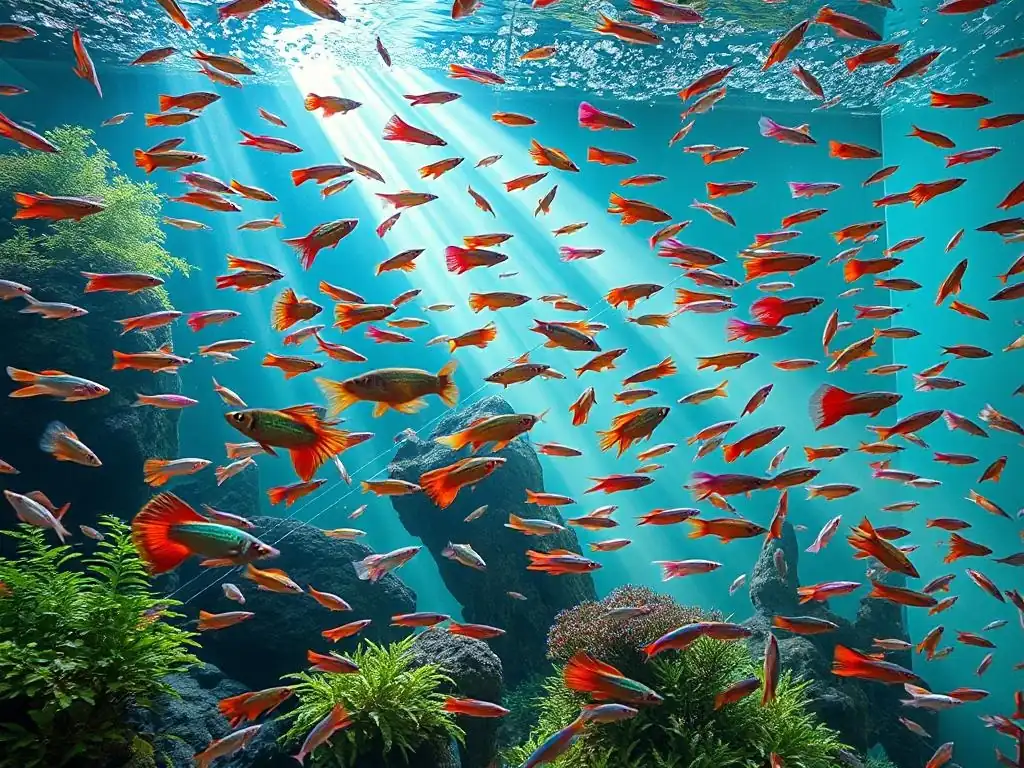
Ever wondered how to transform your freshwater tank into a living jewel box? Prepare to be amazed! We're diving deep into the breathtaking world of guppies, and in this article, you'll discover the most dazzling guppy color morphs imaginable. Prepare to be inspired and learn how to bring these vibrant beauties into your own aquarium. Ready to paint your tank with a rainbow of guppies? Let's explore!
- A Guide to Popular Freshwater Aquarium Fish: Colors, Care, and Compatibility
- Introduction to Freshwater Fish Colors: Enhancing Your Aquarium
-
Exploring Popular Colorful Freshwater Fish Species
- The Neon Tetra: A Shimmering Schooling Fish
- The Betta (Siamese Fighting Fish): A Solitary Splash of Color
- The Guppy: A Lively and Adaptable Choice
- The Platy: A Beginner-Friendly Option
- The Swordtail: A Graceful and Colorful Addition
- The Angelfish: An Elegant Centerpiece
- The Discus: A Demanding but Rewarding Species
- The Rainbowfish: A Vibrant Community Fish
- Less Common But Equally Colorful Freshwater Fish
- Factors Influencing Fish Coloration and Health
- Breeding for Specific Fish Color Variations (if applicable)
- Maintaining the Health and Vibrancy of Your Colored Fish
- Showcasing Your Colorful Fish Collection
- Conclusion: The Allure of Colorful Freshwater Aquarium Fish
- Frequently Asked Questions
- Final Reflection: Embracing the Spectrum of Life
- Unleash Your Inner Guppy Guru!
A Guide to Popular Freshwater Aquarium Fish: Colors, Care, and Compatibility
Introduction to Freshwater Fish Colors: Enhancing Your Aquarium
Understanding Fish Genetics and Color Expression
The vibrant hues of freshwater aquarium fish are a marvel, primarily due to complex genetic interactions that dictate pigment production and distribution. Fish possess specialized cells called chromatophores, which contain different types of pigments. Melanophores hold dark pigments like melanin, responsible for blacks, browns, and grays. Xanthophores and erythrophores contain yellow and red carotenoid and pterin pigments, respectively, while iridophores contain reflective guanine crystals that create iridescent blues, greens, and silvers by reflecting light. The interplay and layering of these cells, combined with light refraction, produce the stunning array of colors we observe.
Genetic inheritance plays a crucial role in determining the specific color patterns and intensity in individual fish. For instance, in guppies, numerous genes control the expression of various color morphs and fin shapes, with some traits being dominant and others recessive. A common example is the "full red" guppy, where genes for red pigmentation are expressed across the entire body and fins. Understanding these genetic principles allows aquarists to appreciate the biological complexity behind each dazzling guppy color morph and other species' unique appearances.
Why Color Variations Matter to Aquarists
Color variations are paramount to aquarists for several reasons, primarily aesthetic appeal. A diverse palette of fish can transform an aquarium into a dynamic, living piece of art, enhancing the visual interest of any space. The strategic selection of fish with contrasting or complementary colors, such as the electric blue of a Neon Tetra against the deep red of a Cherry Barb, creates a captivating underwater landscape. This visual richness is a significant driver for many hobbyists to delve deeper into the intricacies of fishkeeping.
Beyond aesthetics, color variations serve as key indicators of fish health and well-being. A fish that is stressed, sick, or kept in poor water conditions will often exhibit faded or dull coloration, a clear sign to the observant aquarist that something is amiss. Conversely, vibrant, intense colors typically signify a healthy, thriving fish. Furthermore, the pursuit of specific color morphs, especially in species like guppies, has fostered a robust community of selective breeders dedicated to developing and refining new dazzling guppy color morphs and other unique strains, adding an engaging, goal-oriented dimension to the hobby.
Exploring Popular Colorful Freshwater Fish Species
The Neon Tetra: A Shimmering Schooling Fish
The Neon Tetra (Paracheirodon innesi) is a quintessential freshwater aquarium fish, renowned for its striking, iridescent blue stripe running horizontally from nose to tail, complemented by a vibrant red stripe beneath it. Native to the clear and blackwater streams of the Amazon basin, these small fish typically reach an adult size of about 1.5 inches (3.8 cm). Their shimmering appearance is due to specialized iridophores that reflect light, making them particularly eye-catching when schooling in a well-planted aquarium.
These peaceful schooling fish thrive in groups of at least 6-10 individuals, which helps to reduce stress and encourages their natural schooling behavior, creating a dynamic visual display. They prefer soft, acidic water with a pH range of 6.0-7.0 and temperatures between 72-78°F (22-26°C). A minimum 10-gallon tank is recommended for a small school, with larger tanks preferred for bigger groups. Their diet consists primarily of small flakes, micro-pellets, and occasional live or frozen foods like daphnia or brine shrimp, which contribute to their overall health and color vibrancy.
The Betta (Siamese Fighting Fish): A Solitary Splash of Color
The Betta fish (Betta splendens), commonly known as the Siamese Fighting Fish, is celebrated for its breathtaking array of colors and elaborate finnage, making it a solitary yet stunning centerpiece in many aquariums. Originating from the rice paddies and slow-moving waters of Southeast Asia, Bettas come in an astounding spectrum of hues including deep reds, brilliant blues, emerald greens, pure whites, and intricate multi-color combinations. Beyond color, their fins exhibit diverse forms such as the flowing Veiltail, the jagged Crowntail, the expansive Halfmoon, and the shorter-finned Plakat, each contributing to their unique visual appeal.
While male Bettas are known for their territorial aggression towards other males, they can coexist peacefully with certain non-aggressive, non-fin-nipping tank mates in appropriately sized aquariums. They thrive in temperatures between 75-82°F (24-28°C) and a pH range of 6.5-7.5. A minimum tank size of 5 gallons is recommended for a single male Betta, providing ample space for exploration and comfort. Their diet should consist of high-quality betta pellets supplemented with frozen or live bloodworms and brine shrimp to ensure optimal health and maintain their famously rich and vibrant coloration.
The Guppy: A Lively and Adaptable Choice
Guppies (Poecilia reticulata) are perhaps the most popular and widely recognized freshwater aquarium fish, cherished for their incredible hardiness, lively nature, and especially their dazzling guppy color morphs. Originating from South America and the Caribbean, these small livebearers exhibit an astonishing diversity of colors and patterns, making them a favorite among both novice and experienced aquarists.
Common color morphs include the fiery Red Dragon, the intricate Snakeskin, the striking Cobra, the elegant Mosaic, and the deep Moscow, each showcasing unique body and fin patterns. Their tail shapes are equally varied, ranging from the broad Fantail and Deltatail to the elongated Swordtail and Lyretail, all contributing to the visual spectacle.
Guppies are remarkably adaptable, tolerating a wide range of water conditions, which contributes to their beginner-friendly reputation. They prefer temperatures between 72-78°F (22-26°C) and a pH range of 6.5-8.0.
Being livebearers, they are prolific breeders, with females capable of giving birth to dozens of fry every 30 days or so, making them an excellent choice for those interested in breeding projects and developing new dazzling guppy color morphs. A minimum 10-gallon tank is suitable for a small group (preferably a ratio of two females to one male to reduce stress on females), and they thrive on a varied diet of high-quality flakes, micro-pellets, and occasional treats like brine shrimp or daphnia, which further enhance their vibrant and dazzling guppy color morphs.
The Platy: A Beginner-Friendly Option
The Platy (Xiphophorus maculatus) is another excellent choice for beginner aquarists, known for its cheerful disposition, robust nature, and wide array of vibrant colors. Native to Central America, these livebearers typically grow to about 2 inches (5 cm) and are closely related to guppies and swordtails. Platies come in a delightful spectrum of colors, including brilliant reds, sunny yellows, deep oranges, and striking blacks, often combined in various patterns such as the iconic "Mickey Mouse" (a black spot resembling Mickey's head near the tail base), Wagtail (black fins), and Comet (elongated caudal fin rays).
Platies are highly adaptable to various water conditions, thriving in temperatures from 70-77°F (21-25°C) and a pH range of 7.0-8.0. Like guppies, they are prolific livebearers, making them easy to breed in a home aquarium. A minimum 10-gallon tank is suitable for a small group, though a 20-gallon tank is ideal for a more stable community. They are omnivores and readily accept high-quality flake foods, small pellets, and occasional vegetable matter like blanched spinach or algae wafers, along with live or frozen treats, which help maintain their bright and attractive coloration.
The Swordtail: A Graceful and Colorful Addition
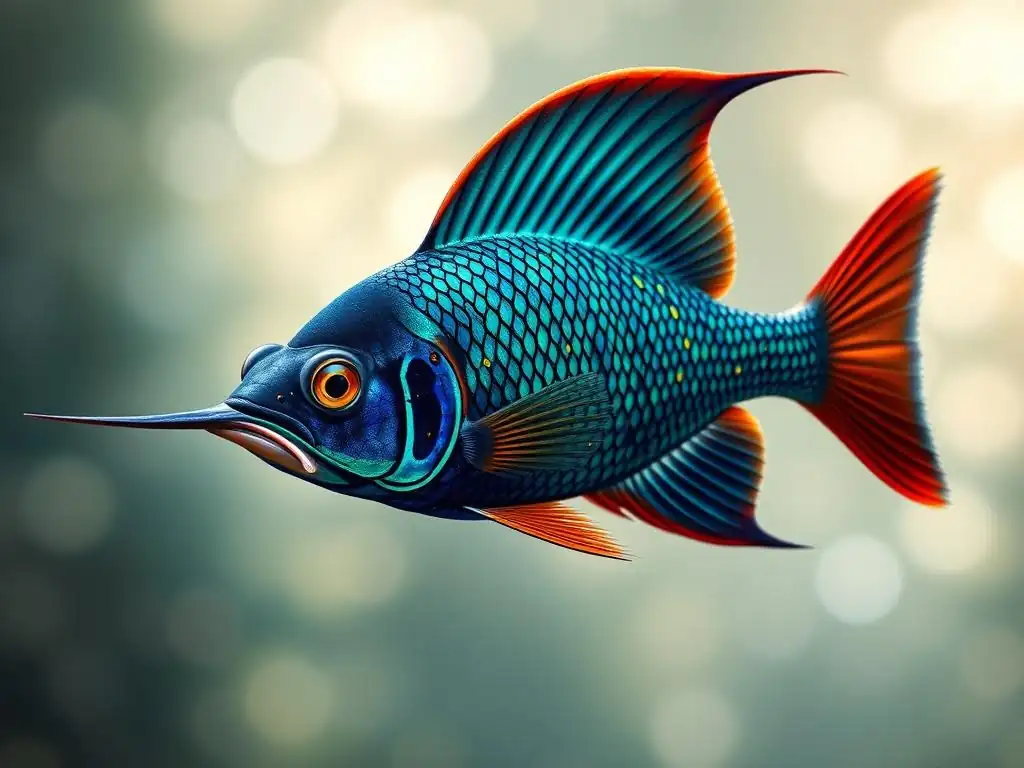
The Swordtail (Xiphophorus hellerii) is a graceful and active livebearer, easily identifiable by the elongated, sword-like extension on the lower part of the male's caudal fin, from which it derives its name. Hailing from Central America, these fish can grow larger than platies and guppies, with males reaching up to 4 inches (10 cm) and females slightly larger. Swordtails boast a diverse palette of colors, including classic green, vibrant red, striking black, and interesting variations like pineapple and neon, often with contrasting fin colors or patterns.
Swordtails are known for their energetic swimming and can be prone to jumping, so a secure lid is essential. They thrive in temperatures between 72-79°F (22-26°C) and a pH range of 7.0-8.0. A minimum 20-gallon long tank is recommended to provide ample swimming space for a small group, ideally with a ratio of two females per male to prevent excessive male aggression towards a single female. Their diet should be varied, including high-quality flakes, small pellets, and a good amount of vegetable matter, such as spirulina flakes or blanched zucchini, which supports their health and enhances their elegant coloration.
The Angelfish: An Elegant Centerpiece
The Angelfish (Pterophyllum scalare) is an iconic freshwater species, admired for its elegant, disc-shaped body and flowing, elongated fins, making it a truly majestic centerpiece in a community aquarium. Native to the slow-moving waters of the Amazon basin, Angelfish can grow quite large, often reaching 6 inches (15 cm) in height and length. They exhibit a remarkable range of color morphs, including classic silver, solid black, marble, koi (orange, black, and white patches), gold, and albino, each offering a unique aesthetic to the tank.
Angelfish thrive in temperatures between 75-82°F (24-28°C) and a slightly acidic to neutral pH of 6.0-7.5. While generally peaceful, they can be semi-aggressive and territorial, especially during breeding, and may prey on very small fish like Neon Tetras. A minimum 20-gallon high tank is suitable for a pair, but a 30-gallon or larger is recommended for a small group to ensure adequate space and reduce aggression. Their diet should consist of high-quality flakes, pellets, and a variety of frozen foods such as bloodworms, brine shrimp, and mysis shrimp, which contribute to their majestic appearance and robust health.
The Discus: A Demanding but Rewarding Species
Discus fish (Symphysodon spp.) are often hailed as the "King of the Aquarium" due to their distinctive disc-like shape, graceful movements, and exceptionally vibrant and intricate patterns. Hailing from the Amazon River basin, these exquisite cichlids showcase an incredible spectrum of colors, from solid blues and reds to complex patterns like Pigeon Blood, Blue Diamond, Red Turquoise, and Leopard, often with iridescent qualities that shimmer under proper lighting. Their large size, typically reaching 6-8 inches (15-20 cm) in diameter, further enhances their regal presence.
Discus are known for being more challenging to keep than many other freshwater species, requiring pristine water conditions and stable parameters. They thrive in warmer temperatures, typically 82-86°F (28-30°C), and slightly acidic water with a pH of 6.0-7.0. A minimum 40-gallon tank is recommended for a small group of 3-4 juveniles, with significantly larger tanks (75+ gallons) needed for adult groups to prevent stress and aggression. Their specialized diet often includes a high-quality beefheart mix, supplemented with specialized Discus pellets and frozen foods, all crucial for maintaining their stunning coloration and overall health.
The Rainbowfish: A Vibrant Community Fish
Rainbowfish, a diverse group of species primarily from Australia and New Guinea, are celebrated for their elongated bodies and the remarkable way their colors intensify and "flash" with iridescent brilliance, especially under certain lighting conditions. Species like the Boesemani Rainbowfish (Melanotaenia boesemani) display a striking blue front half transitioning to a vibrant orange or red rear, while the Red Irian (Glossolepis incisus) glows with intense ruby-red hues, and the Turquoise Rainbowfish (Melanotaenia lacustris) shimmers with electric blues and greens. These fish are active swimmers and truly come alive in a well-established community tank.
Rainbowfish are generally peaceful and thrive in schools of at least 6-8 individuals, which brings out their best coloration and natural schooling behaviors. They prefer temperatures between 72-78°F (22-26°C) and a slightly alkaline to neutral pH of 7.0-8.0. A minimum 20-30 gallon tank is recommended for a small school, with longer tanks preferred to accommodate their active swimming habits. Their diet should be varied, including high-quality flakes, pellets, and live or frozen foods like bloodworms and brine shrimp, which contribute to their health and enhance their naturally vibrant, shimmering scales.
Less Common But Equally Colorful Freshwater Fish
Killifish: Short-Lived but Stunning
Killifish represent a diverse group of oviparous (egg-laying) fish found worldwide, often inhabiting temporary pools and streams, leading to their common designation as "annual" fish due to their typically short lifespans of 1-2 years. Despite their brief existence, many Killifish species boast some of the most breathtaking and jewel-like colors in the freshwater hobby, often displaying intricate patterns of iridescent blues, fiery reds, and golden yellows. Popular examples include the Blue Gularis (Fundulopanchax sjoestedti) with its striking blue and red markings, and the Golden Wonder Killifish (Aplocheilus lineatus) known for its shimmering gold and green body.
Due to their specific needs and often solitary or pair-keeping preferences, Killifish are generally less common in typical community tanks but are highly prized by dedicated hobbyists and breeders. Care requirements vary significantly by species, with some preferring soft, acidic water and others tolerating harder, more alkaline conditions. Many species thrive in smaller, species-specific tanks, sometimes as small as 5-10 gallons, allowing for close observation of their unique behaviors and stunning coloration. Their diet primarily consists of small live or frozen foods like daphnia, brine shrimp, and bloodworms, which are crucial for maintaining their intense hues and overall vitality.
Cichlids: Bold Personalities and Bright Colors
Cichlids are an incredibly diverse and captivating family of freshwater fish, renowned for their intelligence, distinct personalities, and particularly their bold and often spectacular coloration. This group encompasses a vast array of species from various continents, with African Cichlids (e.g., from Lake Malawi and Lake Tanganyika) famous for their electric blues, vibrant yellows, and fiery reds, such as the Electric Yellow Lab (Labidochromis caeruleus) or the Cobalt Blue Zebra (Maylandia callainos). South American Cichlids, like the German Blue Ram (Mikrogeophagus ramirezi) and Kribensis (Pelvicachromis pulcher), also display stunning blues, golds, and reds, often with intricate patterns.
Due to their varied origins, care requirements for cichlids differ significantly. African Cichlids generally prefer harder, alkaline water with a pH of 7.8-8.6 and temperatures around 78-82°F (26-28°C), often requiring larger tanks (e.g., 55+ gallons for many African species) due to their territorial nature.
South American Cichlids often prefer softer, more acidic water (pH 6.5-7.5) and similar temperatures, with tank size varying from 10 gallons for dwarf species like Rams to 75 gallons or more for larger varieties like Oscars. Their diets are also diverse, ranging from herbivorous to carnivorous, with specialized pellets, flakes, and live/frozen foods being essential to maintain their health and brilliant, species-specific coloration.
Loaches: Bottom-Dwelling Beauty
Loaches are a fascinating group of freshwater fish primarily known for their elongated bodies, often adorned with appealing patterns and colors, and their diligent bottom-dwelling habits. While some are more subdued in coloration, many species offer surprising bursts of beauty to the aquarium's lower strata.
The Clown Loach (Chromobotia macracanthus) is perhaps the most famous, instantly recognizable by its striking orange body segmented by three broad, black bands. Other notable colorful loaches include the Kuhli Loach (Pangio kuhlii) with its eel-like body striped with alternating dark and light bands, and various Botia species exhibiting intricate patterns of brown, gold, and black.
Loaches are generally social fish and prefer to be kept in groups, which helps reduce stress and encourages their natural behaviors. They thrive in temperatures typically ranging from 75-82°F (24-28°C) and a pH of 6.5-7.5, depending on the species.
Tank size recommendations vary significantly; a group of Clown Loaches, which can grow quite large (up to 12 inches/30 cm), requires a minimum 30-gallon tank, while smaller Kuhli Loaches can be comfortable in a 10-gallon. Their diet primarily consists of sinking pellets, flakes, and a variety of live or frozen foods, and they appreciate plenty of hiding spots among driftwood and smooth rocks, which makes them feel secure and encourages their vibrant display.
Gouramis: Peaceful and Colorful Tankmates
Gouramis are a delightful group of labyrinth fish, meaning they possess a special organ that allows them to breathe atmospheric air, enabling them to survive in oxygen-poor waters. Many Gourami species are prized for their peaceful demeanor and captivating colors, making them excellent additions to a community aquarium. The Dwarf Gourami (Trichogaster lalius) is a popular choice, known for its iridescent blue and red stripes. Other colorful varieties include the golden Honey Gourami (Trichogaster chuna), the spotted Pearl Gourami (Trichopodus leerii) with its intricate pearl-like pattern, and the larger Moonlight Gourami (Trichopodus microlepis) with its shimmering silver-blue hue.
Gouramis generally prefer temperatures between 75-82°F (24-28°C) and a slightly acidic to neutral pH of 6.0-7.5. While most are peaceful, some male Gouramis can be territorial with their own kind, particularly during breeding. Tank size recommendations vary by species; a single Dwarf Gourami can thrive in a 10-gallon tank, while larger species like Pearl Gouramis require a minimum of 20 gallons. Their diet consists of high-quality flakes, small pellets, and occasional live or frozen foods like bloodworms and brine shrimp, which contribute to their overall health and maintain their beautiful and varied coloration.
Factors Influencing Fish Coloration and Health
The Role of Genetics in Fish Color Determination
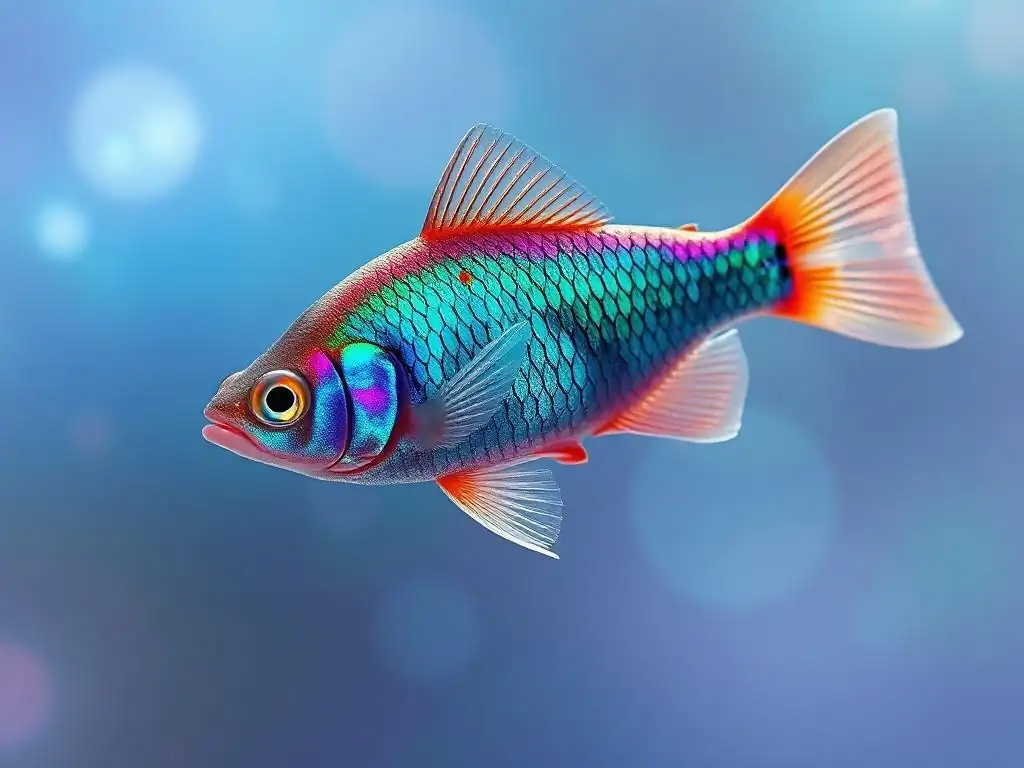
The foundation of a fish's color lies firmly in its genetic makeup. Each fish inherits a unique set of genes from its parents that dictate the type, quantity, and distribution of pigment cells (chromatophores) within its skin.
For instance, the genes controlling the production of xanthophores (yellow) or erythrophores (red) determine the presence and intensity of these hues. Selective breeding programs, a cornerstone of the aquarium hobby, leverage this genetic understanding to isolate and amplify desirable color traits, leading to the development of stunning new varieties, such as the numerous dazzling guppy color morphs seen today, from the vibrant Red Dragon to the intricate Mosaic patterns.
Genetic mutations also play a significant role in creating novel color patterns. Albinism, for example, is a genetic condition that prevents the production of melanin, resulting in a lack of dark pigmentation. Similarly, xanthic forms exhibit an overabundance of yellow pigments. Breeders meticulously track lineage and apply principles of Mendelian inheritance to predict and reproduce specific color outcomes, constantly pushing the boundaries of what is possible in terms of fish aesthetics. This dedicated genetic work ensures a continuous supply of visually appealing and often unique fish for the hobby.
Environmental Factors Affecting Fish Color Intensity
Beyond genetics, a fish's environment significantly influences the intensity and vibrancy of its coloration. Poor water quality, characterized by elevated levels of ammonia, nitrite, or nitrate, is a primary stressor that can cause fish colors to fade dramatically. When fish are stressed or unhealthy, their bodies divert energy away from non-essential functions like vibrant pigment display towards survival mechanisms. Maintaining stable and optimal water parameters through regular water changes, efficient filtration, and appropriate tank cycling is therefore crucial for ensuring fish display their full spectrum of colors.
Lighting is another critical environmental factor. The spectrum and intensity of aquarium lights can greatly enhance or subdue a fish's perceived colors. Full-spectrum LED lights with adjustable color channels allow aquarists to fine-tune the lighting to highlight specific pigments; for instance, blues can make iridescent fish pop, while reds can intensify red and orange hues. Furthermore, the color of the substrate and background can influence a fish's natural camouflage responses, sometimes causing them to lighten or darken their colors to blend in, making a darker substrate a popular choice to make fish colors appear more vibrant.
Diet and its Impact on Fish Color Expression
Diet plays an indispensable role in maintaining and enhancing the vibrant coloration of freshwater aquarium fish. Many of the pigments that give fish their brilliant reds, oranges, and yellows, particularly carotenoids like astaxanthin, cannot be synthesized by the fish themselves. Instead, these essential compounds must be obtained directly from their food sources. A diet deficient in these key nutrients will inevitably lead to dull, faded colors, regardless of the fish's genetic potential.
To ensure optimal color expression, aquarists should feed a varied diet that includes high-quality commercial foods specifically formulated for color enhancement, which often contain ingredients like spirulina, krill, and various crustaceans known to be rich in carotenoids. Supplementing with live or frozen foods such as bloodworms, brine shrimp, and daphnia also provides a natural source of these pigments and other vital nutrients. For species like guppies, a diverse diet is key to showcasing their full range of dazzling guppy color morphs, ensuring their health and visual appeal are at their peak.
Breeding for Specific Fish Color Variations (if applicable)
Selective Breeding Techniques for Color Enhancement
Selective breeding is the cornerstone of developing and refining specific color variations in aquarium fish, turning natural mutations into stable, reproducible strains. This process involves carefully choosing parent fish that exhibit desired color traits – such as intense reds, iridescent blues, or unique patterns – and breeding them together.
By consistently selecting the offspring that display the most pronounced or desirable color characteristics for subsequent generations, breeders can enhance and fix these traits within a lineage. For example, the development of many dazzling guppy color morphs, like the Moscow Blue or the Cobra pattern, is a direct result of decades of meticulous selective breeding, where specific genes for pigmentation and pattern expression were isolated and intensified.
Beyond simply intensifying existing colors, breeders also employ techniques like line breeding (breeding related individuals to concentrate desired genes) and cross-breeding (mating different strains to introduce new genetic material) to create entirely new color combinations or patterns. Understanding the genetic dominance and recessiveness of various color genes is crucial for predicting outcomes and efficiently achieving breeding goals. This systematic approach allows hobbyists and professional breeders alike to continually innovate and introduce new, visually stunning fish to the aquarium trade.
Maintaining Color Purity in Breeding Lines
Once a desirable color variation has been established through selective breeding, maintaining its purity within the breeding line becomes paramount. This involves rigorous culling, which is the practice of removing offspring that do not meet the desired color or pattern standards from the breeding pool.
While seemingly harsh, culling is essential to prevent the dilution of specific traits and to ensure that only individuals with the strongest expression of the desired coloration are allowed to reproduce, thereby strengthening the genetic predisposition for that particular morph. Without culling, undesirable traits can quickly resurface and spread throughout a line, compromising years of breeding effort.
Furthermore, maintaining color purity often requires the use of isolated breeding tanks. This prevents accidental cross-breeding with fish of different color lines, which could introduce unwanted genes and dilute the carefully cultivated traits. For example, a breeder focusing on a specific dazzling guppy color morph like a "Full Red" strain will ensure that these guppies are housed separately from other color morphs to avoid unintended hybridization and maintain the genetic integrity of the red coloration across generations. Consistent record-keeping of lineage and breeding results is also vital for successful long-term purity maintenance.
Breeding Tank Setup for Optimal Fry Development
A properly set up breeding tank is crucial for ensuring the successful development and survival of fry, especially when aiming to cultivate specific color variations. The tank size and setup will vary depending on the species; for livebearers like guppies, a 10 to 20-gallon tank is often sufficient.
It's essential to provide ample hiding spots for the fry to escape predation from adult fish, including their own parents. Dense planting with fine-leaved plants like Java moss or artificial breeding mops are excellent choices, offering both shelter and a surface for infusoria to grow, which serves as a natural first food source for very young fry.
Water parameters in the breeding tank should be meticulously maintained at optimal levels for the specific species, often slightly warmer than general community tank temperatures to encourage spawning and faster fry development. For instance, guppy fry develop well at 78-80°F (25.5-26.5°C). Once fry are born or hatch, providing appropriate first foods is critical.
Livebearer fry, such as those from dazzling guppy color morphs, are born relatively large and can immediately consume newly hatched brine shrimp nauplii or finely crushed high-quality flake food. Egg-laying species' fry often require smaller foods like infusoria or specialized liquid fry foods before transitioning to larger options. Consistent small water changes are also important to maintain pristine conditions for delicate fry.
Maintaining the Health and Vibrancy of Your Colored Fish
Water Quality and its Effect on Fish Color
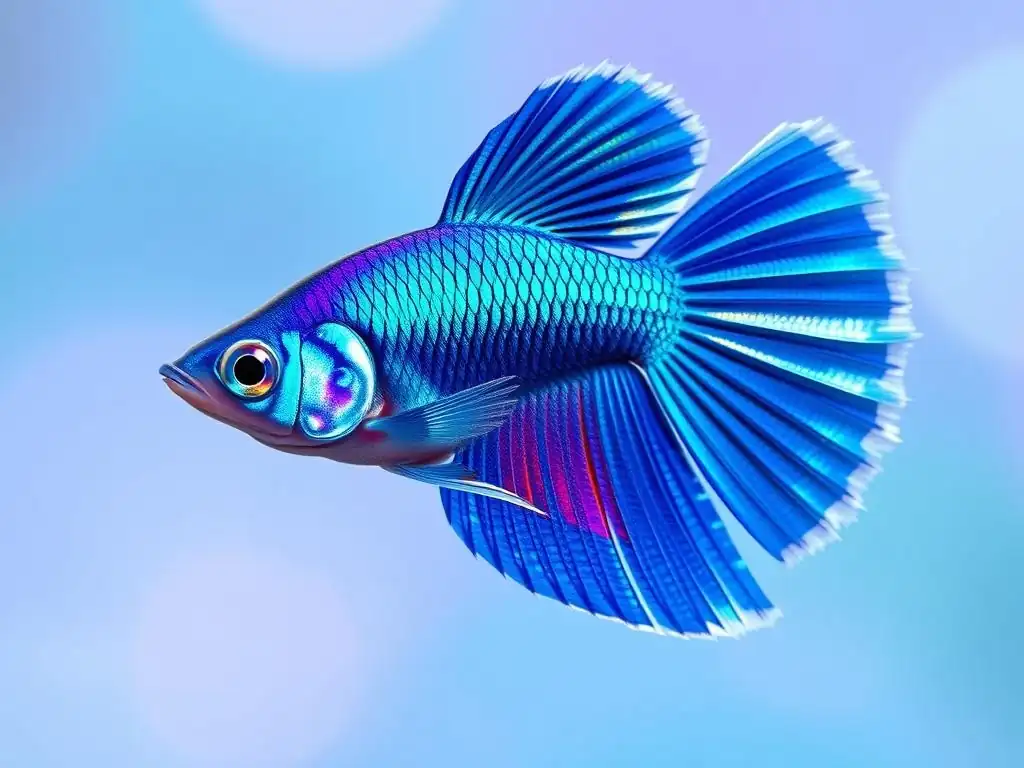
Water quality is the single most critical factor influencing the health and, consequently, the vibrant coloration of freshwater aquarium fish. Poor water conditions, characterized by high levels of ammonia, nitrite, and nitrate, are significant stressors that directly impact a fish's immune system and overall vitality. When fish are stressed or ill, their chromatophores (pigment cells) often contract, leading to faded or dull colors, a clear visual indicator of underlying issues. Conversely, fish kept in pristine, stable water parameters display their most intense and brilliant hues.
Maintaining optimal water quality involves regular partial water changes, typically 25% weekly, to dilute accumulating nitrates and replenish essential minerals. A robust filtration system – comprising mechanical, biological, and often chemical filtration – is indispensable for removing physical debris, converting toxic ammonia and nitrite into less harmful nitrate, and eliminating dissolved organic compounds.
Consistent monitoring of pH, temperature, and hardness, ensuring they remain within the species' preferred range, further reduces stress and allows fish to exhibit their full genetic potential for color, whether it's the shimmering iridescence of a Neon Tetra or the rich hues of a dazzling guppy color morph.
Preventing Diseases that Can Dull Fish Colors
Disease prevention is paramount for maintaining the health and vibrant coloration of aquarium fish. A sick fish almost invariably loses its brilliant colors, often appearing pale, patchy, or covered in white spots (Ich) or a dusty film (Velvet). The most effective way to prevent disease is by maintaining excellent water quality and providing a balanced, nutritious diet, as these factors bolster a fish's natural immune system. Stress, often caused by overcrowding, incompatible tank mates, or unstable water parameters, significantly weakens immunity, making fish more susceptible to pathogens.
Quarantining new fish for a period of 2-4 weeks in a separate tank before introducing them to the main display aquarium is a crucial preventative measure. This allows for observation and treatment of any latent diseases without risking the health of the established fish population.
Regular observation of fish behavior and appearance can also help detect early signs of illness, allowing for prompt intervention. By minimizing stressors and adhering to strict biosecurity protocols, aquarists can significantly reduce the incidence of disease, ensuring their colorful fish remain healthy, active, and display their full, dazzling guppy color morphs and other species' palettes.
Choosing the Right Tank Mates to Minimize Stress
Selecting appropriate tank mates is essential for minimizing stress in colorful freshwater fish, which in turn directly impacts their ability to display vibrant coloration. Incompatible tank mates can lead to constant harassment, fin nipping, or aggression, forcing fish to remain stressed, hide, or fade in color. For instance, pairing a peaceful, long-finned Betta with fin-nipping Barbs will inevitably result in a stressed Betta with damaged fins and dull hues. Similarly, housing small, timid fish with large, aggressive cichlids can lead to constant intimidation and a lack of appetite, affecting their health and color.
Researching the temperament, adult size, and specific needs of each fish species before introduction is vital. Generally, it is best to combine fish with similar water parameter requirements, compatible temperaments, and appropriate adult sizes. For example, dazzling guppy color morphs thrive in community tanks with other peaceful, similarly sized livebearers like Platies and Swordtails, or small schooling fish like Neon Tetras, as these combinations minimize stress and allow all inhabitants to flourish and exhibit their natural beauty. Avoiding overcrowding is also critical, as it contributes to stress and can lead to aggressive behaviors even among typically peaceful species.
Showcasing Your Colorful Fish Collection
Photographing Your Fish to Capture Their Beauty
Capturing the stunning beauty of your colorful fish through photography can be a rewarding aspect of the hobby, allowing you to share their vibrancy with others and document their development. To achieve the best results, focus on optimal lighting: diffused, natural light or well-positioned aquarium LEDs can bring out the true colors without harsh reflections. Avoid direct flash, which can create glare and stress the fish. A darker background or substrate in the aquarium can also make the colors of your fish pop, providing a strong contrast that enhances their visual impact.
Patience is key when photographing fish, as they are constantly moving. Use a camera with a fast shutter speed (e.g., 1/250 second or faster) to freeze motion and reduce blur. Waiting for moments when the fish are active, healthy, and displaying their prime coloration, perhaps after a feeding or during courtship displays, will yield the most dynamic and colorful shots. For close-ups of intricate patterns, such as those found on dazzling guppy color morphs, a macro lens can reveal incredible detail, transforming a simple photo into a captivating portrait of aquatic artistry.
Aquarium Layout and Lighting for Color Enhancement
The strategic layout and lighting of your aquarium play a significant role in enhancing the perceived vibrancy of your colorful fish. Choosing a dark substrate, such as black sand or gravel, provides a strong contrast against the fish's colors, making them appear more vivid and defined. Similarly, a dark background can prevent distractions and help the fish's hues stand out. Strategic placement of plants and decor, such as driftwood or rocks, can create visual interest and provide natural hiding spots, reducing stress and encouraging fish to display their full coloration.
Modern LED lighting systems offer unparalleled control over the spectrum and intensity of light, allowing aquarists to fine-tune the illumination to highlight specific colors. For instance, LEDs with a higher blue spectrum can intensify the iridescent blues and greens of fish like Neon Tetras or certain dazzling guppy color morphs, while lights with more red spectrum can bring out the rich reds and oranges in species like Red Swordtails or Bloodfin Tetras. Experimenting with different light settings can transform the visual dynamics of your aquarium, making your fish collection truly spectacular.
Documenting Your Fishkeeping Journey
Documenting your fishkeeping journey is an enriching practice that allows you to track progress, learn from experiences, and appreciate the evolution of your aquarium and its inhabitants. Keeping a detailed logbook is highly beneficial; record water parameters (pH, temperature, ammonia, nitrite, nitrate) regularly, along with feeding schedules, plant growth, and any observations about fish behavior or health. This data can be invaluable for troubleshooting issues, understanding cause-and-effect relationships within your tank, and refining your care routines for optimal fish health and color.
Beyond scientific data, documenting your fishkeeping journey can include creative elements. Taking regular photographs or short videos of your fish, especially as they grow or develop new color patterns, provides a visual timeline of their progress. For breeders, meticulous records of breeding pairs, fry counts, and the development of specific dazzling guppy color morphs are essential for successful selective breeding. Sharing your journey on online forums, social media, or dedicated blogs not only preserves your memories but also connects you with a broader community, offering opportunities to learn from others and inspire fellow aquarists with your vibrant fish collection.
Conclusion: The Allure of Colorful Freshwater Aquarium Fish
The world of colorful freshwater aquarium fish offers an endless source of fascination and beauty for hobbyists of all levels. From the shimmering schools of Neon Tetras to the majestic presence of Discus and the endless variety of dazzling guppy color morphs, these aquatic jewels transform an ordinary glass box into a vibrant, living ecosystem. The allure lies not only in their aesthetic appeal but also in the rewarding challenge of understanding their unique needs and providing an environment where they can truly thrive and display their most brilliant hues.
Achieving and maintaining this vibrant coloration is a testament to diligent care, encompassing meticulous water quality management, a nutrient-rich diet, appropriate tank mates, and thoughtful aquarium design. Each healthy, intensely colored fish is a reflection of the aquarist's dedication and knowledge. As you delve deeper into this captivating hobby, exploring new species and perhaps even venturing into selective breeding, the joy of witnessing the full spectrum of colors in your freshwater aquarium fish will undoubtedly continue to inspire and enchant.
Frequently Asked Questions
What makes guppy color morphs so diverse?
Guppy color morphs are incredibly diverse due to their genetic plasticity and the ease with which breeders can selectively breed for specific traits. This leads to a wide array of colors, patterns, and fin shapes.
How do I choose the best guppy color morph for my aquarium?
Consider your tank size, existing fish, and preferred aesthetic. Research the specific needs of different morphs, as some may be more sensitive to water conditions or prone to certain diseases.
What are some of the most popular guppy color morphs?
Popular morphs include the Red Dragon, Blue Moscow, and Japanese Blue. These are known for their vibrant colors and distinctive patterns.
How can I maintain the vibrant colors of my guppies?
Maintain a stable and healthy environment with proper water parameters, a balanced diet rich in vitamins, and adequate lighting to bring out their colors.
What are some common health issues that can affect guppy coloration?
Stress, poor water quality, and certain diseases can dull or alter guppy coloration. Addressing these issues with prompt treatment and improved tank maintenance is vital.
Final Reflection: Embracing the Spectrum of Life
The vibrant world of guppies, as explored in this article, isn't just about fish; it's a microcosm reflecting the beauty and diversity inherent in nature itself. The sheer variety of dazzling guppy color morphs underscores the power of adaptation and the endless possibilities that evolution can unlock. This exploration serves as a potent reminder that even within seemingly simple forms, extraordinary complexity and beauty can thrive.
The fascination with these miniature rainbows extends beyond mere aesthetics. It speaks to our innate human desire to appreciate and cultivate beauty, and to find joy in the unexpected. The dedication of breeders and hobbyists to preserving and enhancing these color morphs highlights the profound connection we can forge with the natural world. The beauty of the natural world lies in detail; the details of the natural world lie in complexity.
- Natalie Angier. This quote perfectly encapsulates the intricate beauty we find in the dazzling array of guppy colors.
Now, consider the lessons learned from these tiny, vibrant creatures. Just as each guppy color morph contributes to the overall richness of the aquatic landscape, so too does each individual contribute to the tapestry of human experience. Let us embrace the diversity around us, celebrate the unique qualities that make each of us special, and cultivate our own "dazzling color morphs" – our talents, passions, and perspectives – to create a more vibrant and beautiful world for all.
Unleash Your Inner Guppy Guru!
Thank you for diving into the vibrant world of guppy color morphs! We hope you've enjoyed exploring the dazzling diversity these little jewels offer. Now, it's time to take your newfound knowledge and transform your aquarium into a living masterpiece.
Here are a few ways to keep the guppy passion flowing:
- Start your own color morph experiment! Choose two distinct guppy types and observe the fascinating offspring.
- Share your most stunning guppy photos with fellow enthusiasts on social media using #AquariumMasteryGuppies. Let's create a global guppy gallery!
- Delve deeper: research the genetics behind guppy coloration. Uncover the secrets of breeding prize-winning specimens!
Ready to witness the magic of guppy genetics in your own tank? What's the first color morph you're eager to explore?