
Guppy Swim Bladder Issues: Diagnosis and Gentle Solutions

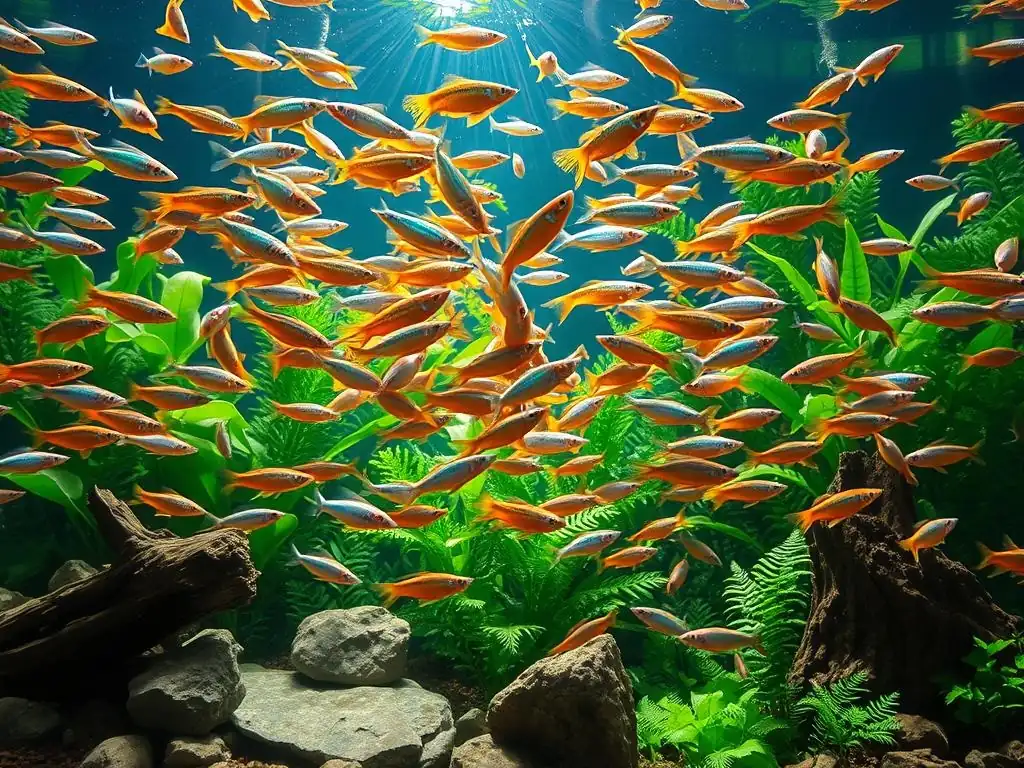
Welcome to Aquarium Mastery!
Is your guppy struggling to swim or floating awkwardly? Don't panic! This guide dives deep into guppy swim bladder problems cure, offering a clear diagnosis and gentle solutions to help your little friend get back to its healthy, happy self. Curious about what's causing the issue and how to fix it? Let's explore!
- Understanding Guppy Swim Bladder Problems
-
Diagnosing Swim Bladder Disease in Guppies: Symptoms and Causes
- Common Symptoms of Swim Bladder Issues in Guppies
- Difficulty Maintaining Buoyancy: Sinking or Floating
- Bloated Abdomen and Curved Spine (Lordosis/Kyphosis)
- Potential Causes of Guppy Swim Bladder Problems
- Poor Water Quality and Ammonia/Nitrite Spikes
- Bacterial Infections Affecting the Swim Bladder
- Physical Injury to the Swim Bladder
- Genetic Predisposition to Swim Bladder Issues in Guppies
-
Gentle Solutions: Guppy Swim Bladder Problems Cure
- Immediate Actions for Treating Affected Guppies
- Adjusting Water Temperature for Optimal Healing
- Dietary Adjustments for Swim Bladder Issues in Guppies
- Feeding Fiber-Rich Foods: Daphnia and Blanched Peas
- Soaking Food Before Feeding to Aid Digestion
- Improving Water Quality to Support Guppy Health
- Ensuring Proper Filtration and Aeration
- Monitoring Ammonia, Nitrite, and Nitrate Levels
- Medication Options for Bacterial Infections in Guppies
- Using Antibiotics Specifically Formulated for Fish
- Following Dosage Instructions Carefully to Avoid Overmedication
- Natural Remedies and Supportive Care for Guppy Swim Bladder
- Adding Aquarium Salt to the Tank (Use with Caution)
- Providing a Stress-Free Environment for Recovery
-
Preventing Swim Bladder Problems in Guppies
- Proper Feeding Practices for Healthy Guppies
- Offering a Variety of Foods: Flakes, Pellets, and Live/Frozen Options
- Maintaining Optimal Water Parameters for Guppy Health
- Adequate Filtration and Water Circulation
- Choosing Healthy Guppies to Minimize Genetic Issues
- Observing Guppies for Signs of Health Before Purchase
- Long-Term Care and Monitoring of Guppies with Swim Bladder Issues
-
Frequently Asked Questions
- What are the most common symptoms of swim bladder disease in guppies?
- What are the primary causes of swim bladder issues in guppies?
- Can swim bladder disease in guppies be cured, and what are the typical treatment methods?
- How can I prevent swim bladder problems in my guppies?
- When should I consider consulting a veterinarian specializing in aquatic animals for my guppy?
- Final Reflection: Navigating the Delicate Balance of Guppy Health
- Heal Your Guppy: Embrace Gentle Solutions Now!
Understanding Guppy Swim Bladder Problems
What is Swim Bladder Disorder in Guppies?
Swim bladder disorder, often referred to as swim bladder disease, is not a disease itself but rather a symptom of an underlying issue affecting the guppy's swim bladder organ. This crucial internal organ, a gas-filled sac, is responsible for controlling the fish's buoyancy, allowing it to ascend, descend, or maintain a stable position in the water column without expending excessive energy. When this organ malfunctions, a guppy can lose its ability to swim normally, leading to distress and making it highly vulnerable to other health complications.
The proper functioning of the swim bladder is vital for a guppy's overall well-being. A compromised swim bladder can result from various factors, including digestive problems, bacterial infections, physical trauma, or even genetic predispositions. Understanding the nature of this disorder is the first step toward finding an effective guppy swim bladder problems cure and ensuring the long-term health of your fish.
Identifying the Swim Bladder Location in Guppies
The swim bladder in guppies, like in most bony fish, is typically located dorsally within the body cavity, situated just beneath the spine and extending roughly from behind the gills towards the tail. It is essentially a sac filled with gas, which the fish can regulate by either absorbing gas from its blood or releasing it back into the bloodstream, thus adjusting its buoyancy to match the surrounding water pressure.
While the swim bladder itself is not externally visible, its dysfunction often manifests through dramatic changes in the guppy's swimming behavior and physical appearance. For instance, severe bloating or internal inflammation can put pressure on the swim bladder and surrounding organs, sometimes even leading to a visible curvature of the spine. Recognizing these external signs is key to identifying potential guppy swim bladder problems and initiating timely intervention.
Diagnosing Swim Bladder Disease in Guppies: Symptoms and Causes
Common Symptoms of Swim Bladder Issues in Guppies
One of the most immediate and alarming indicators of swim bladder issues in guppies is their inability to maintain normal orientation. Affected guppies may be observed swimming upside down, on their side, or even completely inverted at the surface or bottom of the tank. This erratic swimming pattern is a direct result of the swim bladder failing to regulate the fish's buoyancy, causing it to lose control over its position in the water. The sight of a guppy struggling in this manner often prompts aquarists to seek a swift guppy swim bladder problems cure.
This specific symptom indicates a severe disruption in the swim bladder's function. The guppy might try to right itself, but consistently fails, often leading to exhaustion and increased stress. This constant struggle not only impacts the fish's ability to feed and interact but also makes it highly susceptible to further health deterioration due to prolonged stress and potential injury from bumping into tank decorations.
Difficulty Maintaining Buoyancy: Sinking or Floating
Beyond swimming upside down, guppies with swim bladder problems frequently exhibit an inability to maintain a stable position in the water column. Some fish may struggle to stay submerged, constantly floating to the surface despite their efforts to swim downwards. This is typically due to an overinflated swim bladder or an inability to release gas, making the fish too buoyant. For example, a guppy might spend all its time at the very top of the tank, bobbing uncontrollably.
Conversely, other guppies might find it impossible to rise from the bottom, resting lethargically on the substrate, even struggling to swim up for food. This indicates an underinflated swim bladder or one that has lost its gas, making the fish too dense. This symptom is particularly common when the swim bladder is inflamed or damaged, preventing it from filling with sufficient gas. Both scenarios signify a critical need for a guppy swim bladder problems cure to restore the fish's natural swimming ability.
Bloated Abdomen and Curved Spine (Lordosis/Kyphosis)
Physical changes in a guppy's appearance can also signal swim bladder distress. A noticeably bloated or distended abdomen is a common symptom, often caused by gas accumulation, severe constipation, or internal inflammation that puts pressure on the swim bladder. This bloating can be uniform or localized, making the fish appear unusually round or lopsided. For instance, a guppy might look like it has swallowed a small marble.
In more severe or chronic cases, the internal pressure or inflammation can even lead to a visible curvature of the spine, a condition known as lordosis (downward curvature) or kyphosis (upward curvature). This spinal deformity further impairs the guppy's swimming ability and can be a permanent consequence if the underlying issue is not addressed promptly. Observing these physical changes alongside swimming difficulties strongly points towards the need for immediate intervention and a comprehensive guppy swim bladder problems cure strategy.
Potential Causes of Guppy Swim Bladder Problems
One of the most prevalent causes of swim bladder issues in guppies is overfeeding, which often leads to severe constipation. Guppies have relatively small digestive systems, and when they consume too much food, especially dry flakes or pellets that expand significantly in water, their digestive tract can become blocked. This blockage puts undue pressure on the adjacent swim bladder, impairing its function and leading to buoyancy problems. For example, feeding a guppy more than it can consume in two minutes, twice a day, drastically increases its risk of constipation.
The undigested food can ferment in the gut, producing gas that further distends the abdomen and exacerbates the pressure on the swim bladder. This digestive distress is a primary target when seeking a guppy swim bladder problems cure, as resolving constipation often alleviates the swim bladder symptoms. Therefore, managing feeding portions and offering easily digestible foods are critical preventative measures.
Poor Water Quality and Ammonia/Nitrite Spikes
Suboptimal water quality is a significant stressor for guppies and a common precursor to various health issues, including swim bladder problems. High levels of ammonia, nitrite, and even chronically elevated nitrates can weaken a guppy's immune system, making it more susceptible to internal infections and organ inflammation. Ammonia, a byproduct of fish waste and uneaten food, is highly toxic, even at concentrations as low as 0.25 parts per million (ppm). Such toxic conditions can damage internal organs, including the delicate swim bladder.
Nitrite, another toxic compound, interferes with oxygen uptake, further stressing the fish and potentially leading to organ dysfunction. Regular water testing and frequent water changes are crucial to maintaining a healthy environment and preventing these toxic spikes. A consistent water parameter monitoring routine is fundamental to any effective guppy swim bladder problems cure and overall fish health management.
Bacterial Infections Affecting the Swim Bladder
Bacterial infections are a serious, though sometimes difficult to diagnose, cause of swim bladder disorder in guppies. These infections, often opportunistic, can arise from poor water quality, stress, or existing injuries that compromise the fish's immune system. Common bacterial pathogens like Aeromonas and Pseudomonas can infect internal organs, including the swim bladder itself, causing inflammation, swelling, or even lesions that impair its gas regulation capabilities.
Symptoms of bacterial infection might include red streaks on the body, ulcers, fin rot, or cloudy eyes, in addition to the buoyancy issues. For instance, a guppy with a bacterial infection might develop a visibly swollen stomach alongside its swimming difficulties. Identifying and treating these infections promptly with appropriate fish-specific antibiotics is a vital component of a comprehensive guppy swim bladder problems cure, as untreated bacterial infections can quickly become fatal.
Physical Injury to the Swim Bladder
Physical trauma can directly damage the swim bladder, leading to immediate buoyancy problems. Guppies, being small and sometimes delicate, can suffer injuries from various sources within the aquarium. This might include rough handling during netting, sudden impacts against tank decorations or the glass during startled movements, or even aggressive interactions with tank mates. For example, a guppy repeatedly chased by a larger fish might collide with a rock, causing internal bruising.
Such injuries can lead to internal bleeding, inflammation, or even a rupture of the swim bladder, permanently impairing its function. While external signs of injury might not always be visible, a sudden onset of swim bladder symptoms after a known stressful event or tank disturbance should raise suspicion of physical trauma. While direct "cure" for physical damage is limited, supportive care and stress reduction are crucial for recovery and preventing secondary infections.
Genetic Predisposition to Swim Bladder Issues in Guppies
In some cases, guppy swim bladder problems can be attributed to genetic predisposition, particularly in highly inbred or selectively bred fancy guppy strains. Breeders often prioritize specific aesthetic traits, such as exceptionally large fins or unique body shapes, over robust health and genetic diversity. This intensive breeding can inadvertently lead to inherited weaknesses or deformities in internal organs, including the swim bladder.
For example, guppies bred for massive caudal fins may have compromised spinal structures that put undue pressure on the swim bladder, or they may simply inherit a predisposition to swim bladder dysfunction. While there's no direct guppy swim bladder problems cure for a genetic defect, understanding this possibility can help aquarists make informed choices when purchasing fish, opting for healthier, less genetically compromised stock. This also highlights the importance of providing optimal care to mitigate any inherent weaknesses.
Gentle Solutions: Guppy Swim Bladder Problems Cure
Immediate Actions for Treating Affected Guppies
The very first step in initiating a guppy swim bladder problems cure is to carefully move the affected guppy to a dedicated quarantine tank. This isolation serves multiple critical purposes: it prevents any potential spread of disease to other tank inhabitants, significantly reduces stress for the sick fish by removing competition and harassment, and allows for precise, targeted treatment without affecting the main aquarium's water chemistry or beneficial bacteria. A suitable quarantine tank can be a simple 5-10 gallon (19-38 liter) setup with a heater, a gentle air stone for aeration, and a sponge filter.
This isolated environment provides a controlled setting where you can closely monitor the guppy's condition, observe its response to treatments, and adjust water parameters specifically for its recovery. For instance, if you suspect a bacterial infection, you can administer medication without worrying about its impact on the established biological filter in your main display tank. This focused approach is essential for a successful guppy swim bladder problems cure.
Adjusting Water Temperature for Optimal Healing
Slightly adjusting the water temperature in the quarantine tank can significantly aid in the guppy's recovery from swim bladder issues. For most guppies, raising the temperature by a few degrees, typically to around 78-82°F (25.5-27.8°C), can be beneficial. This warmer temperature helps to stimulate the fish's metabolism, which can aid in digestion and potentially clear any blockages causing constipation-related swim bladder problems. It also supports the guppy's immune system, making it more capable of fighting off any underlying infections.
However, it's crucial to raise the temperature gradually, no more than 1-2 degrees Fahrenheit per hour, to avoid shocking the fish. Maintain stable temperature within this range throughout the treatment period. This controlled thermal environment is a gentle yet effective component of the overall strategy for a guppy swim bladder problems cure, promoting comfort and physiological support for the stressed fish.
Dietary Adjustments for Swim Bladder Issues in Guppies
When swim bladder problems are suspected to be caused by constipation or overfeeding, the immediate and often most effective dietary adjustment is to fast the guppy for a short period. A fasting period of 24 to 48 hours is typically recommended. This allows the guppy's digestive system to fully process and clear any existing blockages or undigested food that might be pressing on the swim bladder. It's a gentle, non-invasive approach that can provide rapid relief for mild cases.
During this fasting period, closely observe the guppy for any changes in its swimming behavior or bloating. Many aquarists report significant improvement in buoyancy issues after just one day of fasting. This simple step is a cornerstone of the initial approach to a guppy swim bladder problems cure, addressing one of the most common underlying causes.
Feeding Fiber-Rich Foods: Daphnia and Blanched Peas
Following the initial fasting period, reintroduce food gradually, focusing on fiber-rich options that act as natural laxatives and are easy to digest. Blanched peas are an excellent choice: simply boil a frozen pea until soft, remove the outer skin, and mash a tiny piece before offering it to the guppy. Peas are high in fiber and can help to gently clear the digestive tract. Daphnia, whether live or frozen, is another highly beneficial food. They are naturally rich in roughage and are an ideal size for guppies, making them an effective part of a guppy swim bladder problems cure.
Feed these fiber-rich foods sparingly, perhaps once or twice a day in very small amounts, for a few days. For instance, offer a piece of pea no larger than the guppy's eye. This specialized diet helps to ensure that the digestive system remains clear, preventing recurrence of constipation-related swim bladder issues and promoting overall gut health.
Soaking Food Before Feeding to Aid Digestion
A preventative and supportive measure for guppies prone to swim bladder issues, especially those linked to diet, is to soak their dry flake or pellet food before feeding. Dry foods tend to expand significantly when they absorb water, and if this expansion occurs within the guppy's small stomach, it can lead to bloating and put pressure on the swim bladder. Soaking the food in a small amount of tank water for 5-10 minutes before offering it ensures that it expands fully outside the fish's digestive system.
This simple practice makes the food much easier for the guppy to digest, reducing the likelihood of constipation and gas buildup. For example, instead of sprinkling dry flakes directly into the tank, place a pinch in a small cup with tank water until soft. Incorporating this habit into your regular feeding routine is a proactive step towards a sustainable guppy swim bladder problems cure and maintaining optimal digestive health for your fish.
Improving Water Quality to Support Guppy Health
Maintaining pristine water quality is paramount for the recovery and long-term health of guppies with swim bladder issues, making frequent water changes a crucial component of any guppy swim bladder problems cure. In a quarantine tank, daily small water changes of 10-20% are often recommended to keep parameters stable and minimize waste buildup. For the main tank, if the fish cannot be isolated, performing 25-30% water changes every few days is essential to dilute toxins and provide fresh, oxygenated water.
These regular changes remove harmful nitrates, phosphates, and other accumulated pollutants that stress fish and compromise their immune systems. For instance, if your nitrate levels are consistently above 20 ppm, more frequent or larger water changes are necessary. Consistent adherence to a water change schedule is not just a treatment, but a fundamental preventative measure against a myriad of fish ailments, including swim bladder problems.
Ensuring Proper Filtration and Aeration
Adequate filtration and robust aeration are non-negotiable for supporting guppy health and are integral to a successful guppy swim bladder problems cure. A well-maintained filter—whether a sponge filter in a quarantine tank or a hang-on-back/canister filter in a main tank—ensures that mechanical debris is removed and, more importantly, that beneficial bacteria can convert toxic ammonia and nitrite into less harmful nitrate. The filter should be appropriately sized for the tank and offer gentle flow, as strong currents can stress already compromised guppies.
Aeration, typically provided by an air stone connected to an air pump, significantly increases the dissolved oxygen levels in the water. Stressed or sick fish require more oxygen, and proper aeration supports their respiratory function and overall vitality. For example, aim for gentle surface agitation that promotes gas exchange without creating a turbulent environment. Optimal filtration and aeration create a stable, oxygen-rich environment conducive to healing and preventing future issues.
Monitoring Ammonia, Nitrite, and Nitrate Levels
Rigorous monitoring of key water parameters—ammonia, nitrite, and nitrate—is absolutely critical for diagnosing and implementing a guppy swim bladder problems cure. Ammonia and nitrite should always be at 0 parts per million (ppm) in an established aquarium, as even trace amounts are highly toxic and can cause severe internal damage, including to the swim bladder. Nitrate levels, while less toxic, should ideally be kept below 20 ppm, and certainly below 40 ppm, as chronically high levels contribute to fish stress and weakened immunity.
Regularly using a reliable liquid-based test kit (not test strips, which are often less accurate) allows you to catch any fluctuations immediately. For instance, if you detect ammonia at 0.5 ppm, it signals an urgent need for water changes and potentially addressing overfeeding or overstocking. Consistent monitoring empowers you to react swiftly to maintain the stable, non-toxic environment vital for a guppy's recovery and long-term health.
Medication Options for Bacterial Infections in Guppies
Identifying a bacterial infection as the root cause of swim bladder issues can be challenging, as many symptoms are internal. However, certain external signs, when present alongside buoyancy problems, can strongly suggest a bacterial component. Look for symptoms such as red streaks on the guppy's body or fins, inflamed or ulcerated skin patches, cloudy eyes, clamped fins, or a general lethargy that persists despite water quality improvements. For example, if a guppy has a bloated abdomen and is swimming erratically, and you also notice a red lesion near its vent, a bacterial infection is highly probable.
These additional symptoms indicate a systemic infection that may be affecting the swim bladder. While a definitive diagnosis often requires laboratory testing, recognizing these concurrent signs is crucial for deciding whether medication is appropriate. If a bacterial infection is suspected, initiating specific treatment becomes a necessary step in achieving a guppy swim bladder problems cure.
Using Antibiotics Specifically Formulated for Fish
If a bacterial infection is strongly suspected to be causing the guppy's swim bladder problems, using antibiotics specifically formulated for aquarium fish is the next step. Common broad-spectrum antibiotics for fish include Furan-2 (nitrofurazone), Maracyn 2 (minocycline), or Kanaplex (kanamycin). Each targets different types of bacteria, so understanding the likely pathogen (if possible) or using a broad-spectrum option is key. For instance, if you suspect a gram-negative bacterial infection, Maracyn 2 might be a suitable choice.
These medications are typically added directly to the aquarium water or can be mixed with food if the fish is still eating. It's vital to select a product designed for aquatic use, as human antibiotics are often ineffective or harmful to fish. While antibiotics can be a powerful guppy swim bladder problems cure for bacterial causes, they should be used judiciously and only when bacterial infection is strongly indicated, as overuse can lead to antibiotic resistance.
Following Dosage Instructions Carefully to Avoid Overmedication
When administering any medication, especially antibiotics, for a guppy swim bladder problems cure, adhering strictly to the manufacturer's dosage instructions is paramount. Overmedication can be more harmful than beneficial, potentially causing further stress to the already sick guppy, damaging its delicate internal organs, or wiping out the beneficial bacteria in your biological filter (if treating in the main tank). For example, if a product specifies 1 tablet per 10 gallons every 24 hours, do not exceed this.
It's also crucial to complete the entire course of treatment, even if the guppy's symptoms appear to improve early on. Stopping medication prematurely can lead to a relapse and contribute to antibiotic resistance. Always measure tank volume accurately and use precise dosing tools. Careful and responsible use of medication ensures the best chance of recovery while minimizing adverse effects for your guppy.
Natural Remedies and Supportive Care for Guppy Swim Bladder
Epsom salt (magnesium sulfate) can be a highly effective natural remedy for guppies suffering from swim bladder issues, particularly when bloating or constipation is a factor. Magnesium sulfate acts as a gentle muscle relaxant and a mild laxative, which can help to relieve internal pressure and draw out excess fluid from the fish's body. For a short-term bath, dissolve 1-2 teaspoons of pure Epsom salt per 5 gallons (19 liters) of water in a separate container, then carefully place the guppy in this solution for 15-30 minutes, observing it closely.
For a more prolonged treatment in a quarantine tank, a lower concentration of 1 teaspoon per 10 gallons (38 liters) can be maintained. This gentle osmotic effect helps reduce internal swelling and can alleviate pressure on the swim bladder, making it a valuable supportive measure for a guppy swim bladder problems cure. Ensure the Epsom salt is pure, without added fragrances or other chemicals.
Adding Aquarium Salt to the Tank (Use with Caution)
Aquarium salt (sodium chloride, non-iodized) can also be used as a supportive natural remedy, though with more caution than Epsom salt, especially in a freshwater setup. Aquarium salt helps to reduce stress in fish by improving gill function and can act as a mild antiseptic, inhibiting the growth of some external parasites and bacteria. For guppies, a typical dosage is 1 teaspoon per 5-10 gallons (19-38 liters) of water, dissolved completely before adding to the tank. For example, if you have a 10-gallon quarantine tank, add 1-2 teaspoons.
While guppies tolerate a small amount of salt well, it's crucial to be mindful of other tank mates' tolerance if treating in a community tank. Do not use table salt with iodine or anti-caking agents. Aquarium salt can aid in the overall recovery process by reducing osmotic stress and supporting the fish's immune system, contributing to the holistic approach of a guppy swim bladder problems cure.
Providing a Stress-Free Environment for Recovery
Creating and maintaining a stress-free environment is paramount for a guppy's recovery from swim bladder issues, regardless of the underlying cause. Stress severely compromises a fish's immune system, making it more vulnerable to secondary infections and hindering its ability to heal. In the quarantine tank, ensure stable water temperature, minimal fluctuations in lighting, and provide plenty of hiding spots like plastic plants or PVC pipes where the guppy can feel secure. Avoid sudden movements or loud noises near the tank.
Additionally, ensure the water flow from the filter is gentle, as a strong current can be exhausting for a fish struggling with buoyancy. For instance, if your filter creates a strong current, consider baffling it or using a sponge filter. A calm, secure environment allows the guppy to conserve energy, focus on healing, and respond more effectively to other treatments, significantly enhancing the chances of a successful guppy swim bladder problems cure.
Preventing Swim Bladder Problems in Guppies
Proper Feeding Practices for Healthy Guppies
The cornerstone of preventing guppy swim bladder problems, especially those linked to digestive issues, is strict adherence to proper feeding practices. Overfeeding is one of the most common mistakes aquarists make, leading to constipation and poor water quality. Guppies have small stomachs, and they should only be fed what they can consume entirely within 2-3 minutes, two or three times a day. For example, a pinch of flake food, no more than twice daily, is often sufficient for a small group of guppies.
Beyond quantity, providing a balanced diet is crucial. Relying solely on one type of food, such as dry flakes, can lead to nutritional deficiencies or digestive issues. Instead, incorporate a variety of high-quality foods to ensure your guppies receive all necessary nutrients and fiber, thus minimizing the risk of swim bladder problems and promoting overall vitality.
Offering a Variety of Foods: Flakes, Pellets, and Live/Frozen Options
To ensure a balanced diet and prevent swim bladder issues, it's essential to offer guppies a diverse range of foods. While high-quality flakes or small pellets can form the staple, supplementing with live or frozen options provides vital nutrients, fiber, and enrichment. Consider foods like frozen or live daphnia, which act as a natural laxative and are excellent for digestive health. Brine shrimp, whether live or frozen, are also a good source of protein and can be fed a few times a week.
Additionally, blanched and deshelled peas, fed sparingly, can aid digestion. For instance, alternate daily feedings between high-quality flakes and frozen daphnia. This varied diet not only helps prevent constipation-related swim bladder problems but also boosts the guppies' immune systems, making them more resilient to other health challenges and reducing the need for a guppy swim bladder problems cure.
Maintaining Optimal Water Parameters for Guppy Health
Consistent monitoring and maintenance of optimal water parameters are fundamental to preventing guppy swim bladder problems and ensuring overall fish health. Regular testing for ammonia, nitrite, and nitrate levels is non-negotiable; ammonia and nitrite should always be zero, while nitrates should be kept below 20 ppm. pH levels for guppies should ideally be between 6.5 and 8.0, and water hardness (GH) between 10-20 dGH. For example, test your water weekly with a reliable liquid test kit.
If test results indicate deviations from these ideal ranges, prompt adjustments through water changes, dechlorinator use, or other appropriate measures are necessary. Consistent water quality minimizes stress, strengthens the guppies' immune systems, and prevents the environmental factors that can lead to internal organ issues, including swim bladder dysfunction.
Adequate Filtration and Water Circulation
A well-functioning filtration system and proper water circulation are vital for maintaining a healthy environment and preventing swim bladder problems in guppies. The filter should be appropriately sized for your tank and provide both mechanical (removing debris) and biological (converting toxins) filtration. Ensure the filter media is regularly cleaned or replaced according to manufacturer instructions, but avoid cleaning it too thoroughly with tap water, which can kill beneficial bacteria.
Adequate water circulation ensures that oxygen is evenly distributed throughout the tank and that waste products are efficiently directed towards the filter. However, guppies prefer relatively calm water, so adjust filter outflow to avoid strong currents that could stress them. For instance, a sponge filter or a baffled hang-on-back filter often works well. A clean, well-aerated tank environment is a powerful preventative measure against a wide range of fish ailments.
Choosing Healthy Guppies to Minimize Genetic Issues
To minimize the risk of genetic predispositions to swim bladder problems, it is highly advisable to select guppies from reputable breeders rather than mass-produced sources. Reputable breeders typically prioritize the health and genetic diversity of their fish, engaging in responsible breeding practices that reduce inbreeding and the propagation of undesirable traits, such as inherent organ weaknesses. For example, a local breeder might provide information on the lineage and health history of their guppies.
While fish from large chain stores might be more readily available and cheaper, they often come from environments where health is secondary to rapid production, leading to more genetically fragile stock. Investing in guppies from a trusted source can significantly reduce the likelihood of encountering inherited swim bladder issues, making it a proactive step in prevention.
Observing Guppies for Signs of Health Before Purchase
Before bringing new guppies home, spend time observing them closely in the store's tank for any signs of ill health, including potential swim bladder issues. Healthy guppies should be actively swimming, exhibiting vibrant colors, and have clear eyes and intact fins. Avoid fish that are listless, clamped-finned, breathing heavily, or show any signs of physical deformity or bloating. For instance, if you see a guppy resting at the bottom or floating uncontrollably, avoid purchasing it.
Also, observe their swimming pattern; they should be able to maintain a level position effortlessly. Even subtle signs of distress can indicate underlying problems that might manifest as swim bladder issues later. A thorough visual inspection and a 2-4 week quarantine period for all new fish are essential preventative measures to protect your existing aquarium and ensure the long-term health of your new guppies.
Long-Term Care and Monitoring of Guppies with Swim Bladder Issues
Identifying Recurrence of Symptoms
Even after a successful guppy swim bladder problems cure, vigilance is key to preventing recurrence. Guppies that have experienced swim bladder issues, especially those linked to chronic conditions or genetic predispositions, may be more susceptible to future episodes. It is crucial to observe your guppies daily for any subtle changes in their behavior, swimming patterns, or physical appearance. Look for early signs such as slight difficulty maintaining buoyancy, occasional listing to one side, or reduced appetite.
Keeping a small log of your guppy's past health issues and treatments can be invaluable for identifying patterns and reacting quickly if symptoms reappear. For instance, if a guppy previously had constipation-induced swim bladder issues, be extra diligent about its diet. Early detection allows for prompt re-intervention, often with less intensive treatments, before the condition becomes severe again.
Implementing Preventative Measures for Future Health
Long-term care for guppies, particularly those with a history of swim bladder problems, involves consistently implementing the preventative measures discussed. This means maintaining impeccable water quality through regular testing and frequent water changes, ensuring optimal filtration and gentle aeration, and adhering to strict, varied feeding practices. Never revert to habits like overfeeding or neglecting water parameters, as these are common triggers for swim bladder issues.
For example, even if your guppy has fully recovered, continue to offer fiber-rich foods like daphnia or blanched peas a few times a week as part of its regular diet. Providing a stable, low-stress environment with appropriate tank mates and plenty of hiding spots also contributes significantly to their long-term well-being. Consistent application of these preventative strategies is the most effective long-term guppy swim bladder problems cure.
When to Seek Professional Veterinary Advice for Your Guppy
While many guppy swim bladder problems can be resolved with home care, there are instances when professional veterinary advice becomes necessary. You should seek expert help if your guppy's symptoms worsen despite consistent home treatment, if multiple fish in your tank are affected, or if you suspect a complex internal issue that you cannot diagnose. For example, if a guppy shows signs of severe internal swelling, unresponsive to Epsom salt, a vet might be able to identify organ failure or a more aggressive infection.
An aquatic veterinarian can provide an accurate diagnosis, which may involve microscopic examination, specific lab tests, or even advanced imaging. They can also prescribe stronger, targeted medications or recommend specialized treatments that are not available to the average aquarist. Knowing when to escalate care ensures your guppy receives the best possible chance of recovery from persistent or severe swim bladder issues.
Frequently Asked Questions
What are the most common symptoms of swim bladder disease in guppies?
The most common symptoms include difficulty swimming, floating upside down, and struggling to maintain buoyancy. These signs indicate a potential problem with their swim bladder function.
What are the primary causes of swim bladder issues in guppies?
Overfeeding, poor water quality, and sudden temperature changes are primary culprits. Constipation due to overfeeding is a significant factor, as is stress from poor water conditions.
Can swim bladder disease in guppies be cured, and what are the typical treatment methods?
Yes, it can often be cured with prompt action. Treatments usually involve improving water quality, adjusting feeding habits, and possibly using medications for bacterial infections.
How can I prevent swim bladder problems in my guppies?
Preventative measures include feeding a balanced diet, maintaining pristine water conditions through regular water changes, and avoiding sudden temperature fluctuations.
When should I consider consulting a veterinarian specializing in aquatic animals for my guppy?
If home treatments are ineffective after several days, or if the guppy shows signs of severe distress, consult a vet. Expert diagnosis and specialized medication might be necessary in complex cases.
The intricacies of guppy care, particularly when addressing swim bladder issues, are more relevant than ever in today's thriving aquarium hobby. Understanding the fragility of these small creatures and the importance of gentle, informed solutions is crucial for responsible fishkeeping. The information presented here serves as a foundation for diagnosing and addressing these problems, ultimately contributing to the well-being of countless guppies in home aquariums across the globe.
This journey into guppy health has underscored the profound connection we share with these tiny lives. It's a reminder that even the smallest creatures deserve our utmost care and attention, and that our actions have a direct impact on their quality of life. The greatness of a nation and its moral progress can be judged by the way its animals are treated.
- Mahatma Gandhi. This quote, though broad, resonates deeply when considering the responsibility we undertake when bringing any animal, including a guppy, into our care.
Now, armed with this knowledge, I urge you to reflect on your own practices and commitment to responsible fishkeeping. Consider the impact of your choices on the delicate ecosystem within your aquarium. Let this article be more than just a guide to curing swim bladder problems; let it be a catalyst for a deeper understanding and appreciation of the intricate lives of guppies, inspiring you to create a thriving and healthy environment for these vibrant little fish.
Heal Your Guppy: Embrace Gentle Solutions Now!
Thank you for diving into the world of guppy health! We hope this article has equipped you with valuable insights to understand and address swim bladder issues. Now, let's take action to ensure your finned friends thrive.
Here’s what you can do next:
- Implement a fasting day for your guppy, followed by feeding them a small portion of blanched pea. This is your primary action to help alleviate their swim bladder issue.
- Explore different aquarium decorations and plants to create a calming and stress-free environment for your guppies to promote quicker healing.
- Share your experience! What's one innovative approach you've used to improve your guppies' well-being, and what was the outcome?