
Breeding Black Phantom Tetras: Unraveling Their Unique Spawning Rituals

Welcome to Aquarium Mastery!
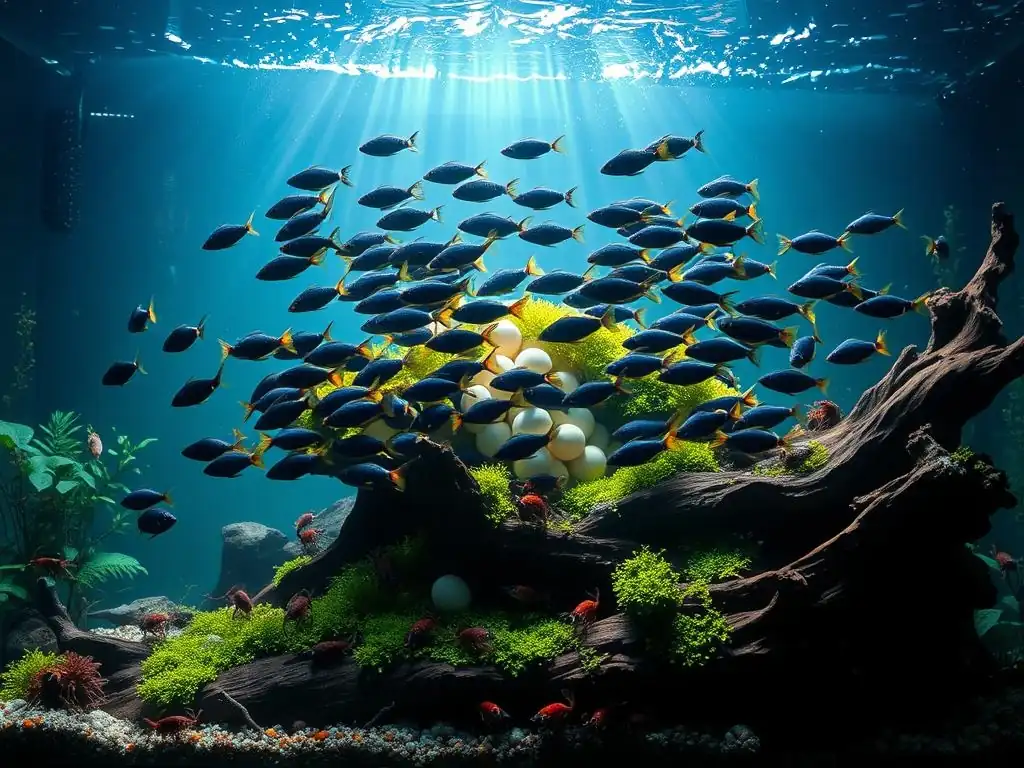
Intrigued by the elusive world of Black Phantom Tetras? You've come to the right place! These captivating fish boast a unique charm, and their breeding rituals are especially fascinating. Dive into our comprehensive Black Phantom Tetra breeding guide and unlock the secrets to successfully spawning these delightful creatures in your own aquarium. Get ready to unravel their mysteries and witness the miracle of life firsthand. Curious to learn more? Let's get started!
- Black Phantom Tetra Breeding Guide: Unraveling Their Unique Spawning Rituals
- Understanding Black Phantom Tetras for Successful Breeding
- Preparing Your Black Phantom Tetras for Spawning
- The Black Phantom Tetra Spawning Process: A Detailed Look
- Raising Black Phantom Tetra Fry: From Hatching to Juvenile
- Common Challenges in Black Phantom Tetra Breeding and How to Overcome Them
- Advanced Techniques for Black Phantom Tetra Breeding Success
- Black Phantom Tetra Breeding: A Rewarding Experience for Aquarium Enthusiasts
-
Frequently Asked Questions
- How difficult is it to breed Black Phantom Tetras?
- What are the ideal water parameters for Black Phantom Tetra breeding?
- What type of breeding tank setup is recommended?
- What do Black Phantom Tetra eggs and fry look like?
- How long does it take for Black Phantom Tetra eggs to hatch and for the fry to become free-swimming?
- Final Reflection: The Dance of New Life
- Ignite Your Aquarium Passion: Bring Black Phantom Tetras to Life!
Black Phantom Tetra Breeding Guide: Unraveling Their Unique Spawning Rituals
Understanding Black Phantom Tetras for Successful Breeding
Black Phantom Tetra Overview: Size, Temperament, and Lifespan
The Black Phantom Tetra, scientifically known as Hyphessobrycon megalopterus, is a captivating freshwater fish highly sought after by aquarists for its striking appearance and relatively peaceful nature. These small characins typically reach an adult size of about 1.5 to 2 inches (3.8 to 5 cm), making them suitable for a variety of tank sizes. Their distinct black body, often with iridescent blue or purple highlights, and a prominent black spot behind the gill plate, make them stand out in a planted aquarium.
In terms of temperament, Black Phantom Tetras are generally peaceful schooling fish, thriving best when kept in groups of at least six individuals. A larger school, ideally 8-10 or more, helps to distribute any minor aggression and allows their natural schooling behaviors to shine, reducing stress and promoting overall health. With proper care, including stable water parameters and a balanced diet, these tetras can enjoy a lifespan of 3 to 5 years, offering a long-term commitment for those following a dedicated Black phantom tetra breeding guide.
Identifying Male and Female Black Phantom Tetras for Breeding
Distinguishing between male and female Black Phantom Tetras is crucial for successful Black phantom tetra breeding, as their sexual dimorphism becomes quite apparent as they mature. Males are typically darker in coloration, often displaying a more intense black body and more elongated, pointed dorsal and anal fins. Their fins also tend to be entirely black, or very dark grey, which contrasts sharply with their body.
Females, on the other hand, possess a more rounded body shape, particularly noticeable when they are gravid with eggs. Their fins, especially the pelvic and adipose fins, often exhibit a distinct reddish or brownish tint, which is a key identifying feature. The black spot on a female's side is also usually less intense and sometimes bordered by a faint reddish outline. Observing these subtle yet consistent differences is vital when selecting a breeding pair or trio for your Black phantom tetra breeding setup.
Ideal Tank Setup for Black Phantom Tetra Breeding: Replicating Their Natural Habitat
Creating an ideal tank setup is paramount for successful Black phantom tetra breeding, as it aims to replicate their natural Amazonian habitat. A dedicated breeding tank of 10 to 20 gallons (38 to 76 liters) is often sufficient for a single pair or trio. The substrate should be dark and fine, or, preferably, the tank can be bare-bottomed to make egg collection easier and prevent eggs from being lost in gravel.
Lighting should be dim, mimicking the shaded, heavily vegetated waters where they naturally spawn. Dense planting, particularly with fine-leaved plants like Java Moss ( Taxiphyllum barbieri), Hornwort ( Ceratophyllum demersum), or artificial spawning mops, provides ideal sites for egg deposition. Water parameters are critical: soft water with a general hardness (GH) of 3-8 dGH (50-150 ppm) and an acidic pH range of 5.5-6.5 are highly recommended. A stable water temperature between 75-80°F (24-27°C) further encourages spawning activity for your Black phantom tetra breeding efforts.
Preparing Your Black Phantom Tetras for Spawning
Conditioning Black Phantom Tetras for Breeding: Diet and Water Parameters
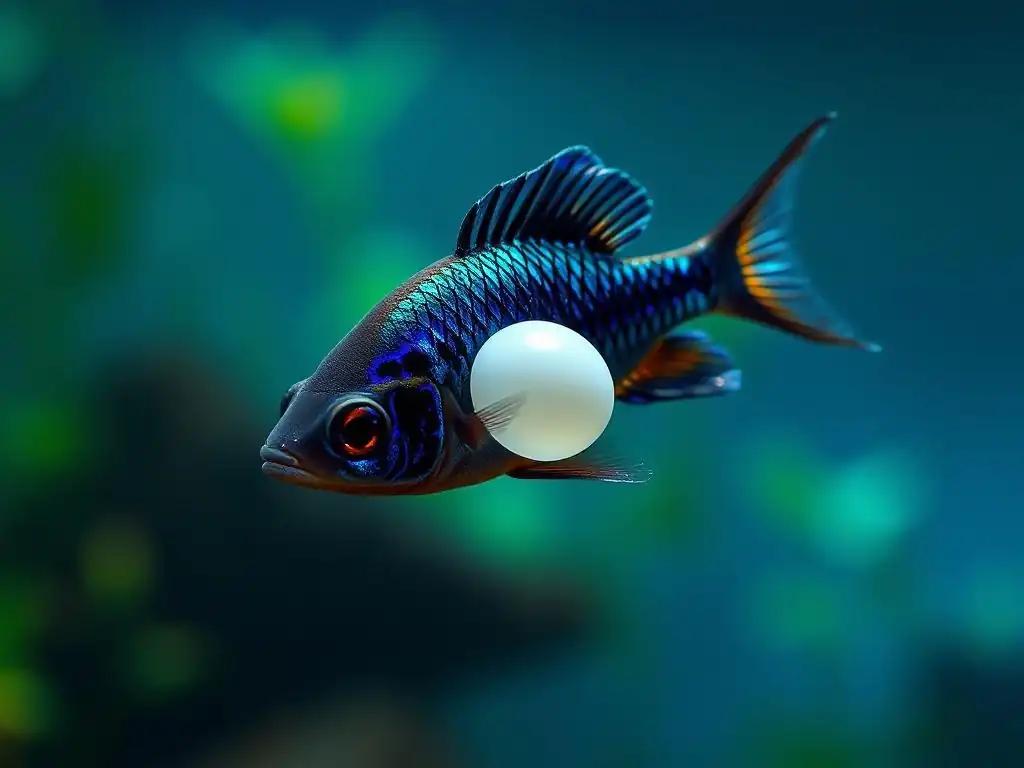
Conditioning Black Phantom Tetras for breeding involves a specialized diet and precise water parameter adjustments to prepare them for spawning. For several weeks leading up to the intended breeding, feed your chosen breeding stock a high-protein diet consisting of a variety of live and frozen foods. Excellent choices include live or frozen bloodworms, brine shrimp, daphnia, and high-quality micro-pellets. Feeding 2-3 times daily in small amounts ensures they receive ample nutrition without overfeeding.
Simultaneously, gradually adjust the water parameters in their conditioning tank to mimic the soft, acidic conditions found in their natural breeding grounds. Aim for a pH of approximately 6.0-6.5 and a general hardness (GH) between 4-6 dGH (70-100 ppm). Maintaining a stable temperature around 78-80°F (25.5-26.5°C) during this conditioning phase helps to stimulate their reproductive systems and is a key step in any successful Black phantom tetra breeding guide.
Setting Up a Dedicated Black Phantom Tetra Breeding Tank: Key Considerations
Setting up a dedicated Black Phantom Tetra breeding tank is essential to protect the delicate eggs and fry from being consumed by the adult fish. A 5 to 10-gallon (19 to 38-liter) tank is typically adequate for a single breeding pair or trio. The tank should be meticulously clean and ideally bare-bottomed or fitted with a mesh screen just above the bottom to allow eggs to fall through, out of reach of the parents.
Provide ample spawning sites in the form of fine-leaved plants such as Java Moss, Water Sprite ( Ceratopteris thalictroides), or artificial spawning mops made from acrylic yarn. These provide surfaces for the adhesive eggs to attach to. Filtration should be minimal and gentle; a small, air-driven sponge filter is ideal, as it provides biological filtration without creating strong currents that could harm eggs or tiny fry. Ensure the sponge filter is well-established and cycled to maintain stable water quality for this crucial Black phantom tetra breeding phase.
Triggering Spawning in Black Phantom Tetras: Mimicking Seasonal Changes
To successfully trigger spawning in Black Phantom Tetras, it's often effective to mimic the seasonal changes they experience in their natural habitat, particularly the onset of the rainy season. This can be achieved through a series of small, daily water changes using cooler, very soft, and slightly acidic water. For instance, performing 10-20% water changes daily with reverse osmosis (RO) water that is 2-3°F (1-2°C) cooler than the tank water can signal the ideal breeding conditions.
Additionally, increasing the frequency of feeding with live and frozen foods during this period can provide the final push for spawning. The combination of abundant food, pristine soft water, and a slight temperature fluctuation often encourages the male and female to begin their courtship rituals. Patience is key, as it may take a few days for the fish to respond to these environmental cues and initiate the Black phantom tetra breeding process.
The Black Phantom Tetra Spawning Process: A Detailed Look
Observing Black Phantom Tetra Spawning Behavior: What to Expect
Observing Black Phantom Tetra spawning behavior is a fascinating aspect of their breeding cycle. Spawning typically occurs in the early morning hours, often shortly after the lights come on or as natural light begins to filter into the room. The male will initiate courtship by intensely chasing the female, displaying his fins and vibrating his body to entice her. He will attempt to herd her into the chosen spawning site, such as dense plant thickets or a spawning mop.
Once the female is receptive, the pair will swim alongside each other, often quivering or shivering as they release eggs and sperm simultaneously. This process is usually brief, lasting only a few seconds per embrace, but it is repeated multiple times over an hour or two. The eggs are tiny, clear, and adhesive, attaching to the plants or mop fibers. Their behavior is largely focused on the act of procreation, with little regard for the eggs once laid, making egg protection a critical part of a successful Black phantom tetra breeding guide.
Black Phantom Tetra Egg Laying and Fertilization: A Delicate Process
The egg-laying and fertilization process in Black Phantom Tetras is a delicate and intricate dance between the male and female. As the pair engages in their spawning embrace, the female releases a small clutch of adhesive eggs, typically ranging from 2 to 10 eggs per pass. Simultaneously, the male releases milt, containing his sperm, to fertilize the eggs in the water column. The eggs are then scattered and stick to the fine leaves of plants or the strands of a spawning mop.
A single female Black Phantom Tetra can lay anywhere from 100 to 300 eggs over the course of a spawning session, which can last for one to three hours. The eggs are remarkably small, usually less than 1 millimeter in diameter, and are translucent, making them difficult to spot against most backgrounds. This scattering behavior, coupled with the immediate fertilization, maximizes the chances of successful reproduction in their natural, often flowing, environments, a testament to the efficiency of Black phantom tetra breeding in the wild.
Removing Adult Black Phantom Tetras After Spawning: Preventing Egg Consumption
Immediately after the Black Phantom Tetra spawning process is complete, it is absolutely crucial to remove the adult fish from the breeding tank. Black Phantom Tetras, like many other characins, exhibit no parental care and are highly opportunistic egg eaters. If left in the breeding tank, they will quickly consume all the eggs they can find, negating all efforts in your Black phantom tetra breeding guide.
The best practice is to observe the fish closely. Once you notice that the spawning activity has ceased (the male is no longer chasing the female, and no new eggs are being laid), carefully net the adults and return them to their main community tank or a separate recovery tank. This swift action ensures the maximum survival rate for the precious eggs, allowing them to incubate and hatch undisturbed.
Raising Black Phantom Tetra Fry: From Hatching to Juvenile
Hatching Black Phantom Tetra Eggs: Incubation Period and Requirements
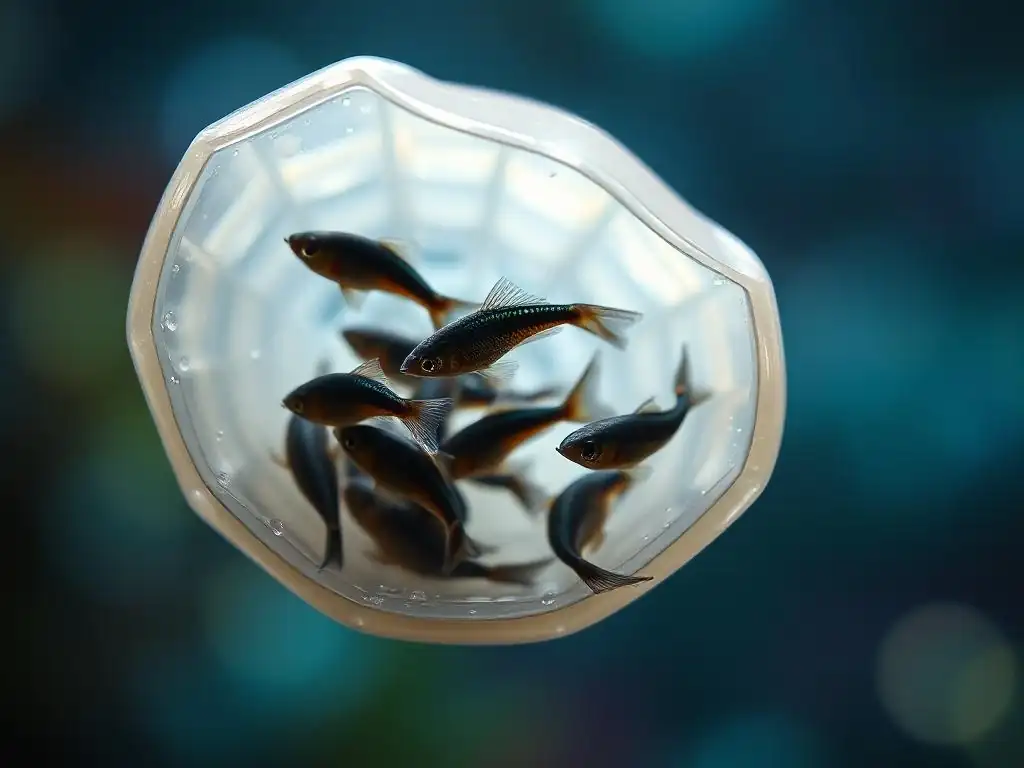
The incubation period for Black Phantom Tetra eggs is remarkably short, typically ranging from 24 to 36 hours when maintained at an optimal temperature of 78-80°F (25.5-26.5°C). During this time, it is vital to keep the breeding tank dark or dimly lit, as light can be detrimental to the developing embryos. A small amount of aeration from a gentle air stone or sponge filter will ensure adequate oxygenation without disturbing the delicate eggs.
Once hatched, the fry are incredibly tiny, almost microscopic, and largely immobile. They will often cling to the sides of the tank, plants, or the spawning mop, absorbing the last remnants of their yolk sacs. This initial stage, lasting for about 2-4 days, is crucial as the fry are highly vulnerable. Maintaining pristine water conditions and a stable environment is paramount during this critical phase of the Black phantom tetra breeding cycle.
First Food for Black Phantom Tetra Fry: Infusoria and Liquid Fry Food
Due to their minuscule size, Black Phantom Tetra fry require microscopic food for their first few days after becoming free-swimming. Their mouths are too small to consume newly hatched brine shrimp immediately. The ideal first food is infusoria, which are microscopic organisms that can be cultured at home or purchased. Alternatively, high-quality liquid fry food designed for egg-laying fish can be used, providing essential nutrients in a readily digestible form.
It is critical to feed the fry 3-4 times daily in very small amounts to ensure they have a constant supply of food without fouling the water. Overfeeding can quickly degrade water quality, leading to high mortality rates. After approximately 5-7 days of feeding infusoria or liquid fry food, the fry will have grown sufficiently to accept slightly larger foods, marking a key transition point in raising your successful Black phantom tetra breeding batch.
Maintaining Water Quality for Black Phantom Tetra Fry: Regular Water Changes
Maintaining pristine water quality is the single most critical factor in successfully raising Black Phantom Tetra fry. Due to their small size and sensitivity, and the frequent feeding required, nitrates and other waste products can accumulate rapidly, becoming toxic. Therefore, regular, small water changes are absolutely essential.
Daily water changes of 10-15% are recommended, using aged, temperature-matched, soft, and acidic water. It is crucial to perform these changes very gently to avoid siphoning out the tiny fry or stressing them with sudden parameter shifts. Using an air line tube for siphoning, with the other end covered by a fine mesh net to catch any accidental fry, allows for precise and safe water removal. Consistent water quality management is the cornerstone of any effective Black phantom tetra breeding guide aimed at fry survival.
Growing Out Black Phantom Tetra Fry: Gradual Diet Transition
As Black Phantom Tetra fry grow, their dietary needs evolve, requiring a gradual transition to larger food sources. After approximately 5-7 days of feeding infusoria or liquid fry food, the fry will be large enough to consume newly hatched brine shrimp ( Artemia nauplii) or microworms. These live foods are highly nutritious and stimulate the fry's hunting instincts, promoting rapid growth. Feed these foods 2-3 times a day.
By the time the fry are 2-3 weeks old, they should be robust enough to accept finely crushed high-quality flake food or small micro-pellets. Continue to supplement with newly hatched brine shrimp or microworms for optimal growth and coloration. As they approach juvenile size (around 0.5 inches or 1.2 cm), they can gradually transition to the adult diet. This careful dietary progression is vital for ensuring healthy development and vibrant coloration in your Black phantom tetra breeding offspring.
Common Challenges in Black Phantom Tetra Breeding and How to Overcome Them
Preventing Fungus on Black Phantom Tetra Eggs: Treatment Options
Fungus on Black Phantom Tetra eggs is a common and disheartening challenge in the Black phantom tetra breeding process, often leading to significant egg loss. This typically occurs when eggs are unfertilized or when water quality is less than pristine. Fungus appears as a white, cottony growth on the eggs, quickly spreading to healthy ones.
To prevent fungal outbreaks, several measures can be taken. Firstly, ensure optimal water parameters and conditioning of parents to maximize fertilization rates. Secondly, a very mild fungicidal treatment, such as methylene blue, can be added to the breeding tank water immediately after spawning.
A dosage of 1-2 drops per gallon (3.8 liters) is often sufficient to inhibit fungal growth without harming the eggs. Another natural deterrent is adding a few Indian almond leaves ( Terminalia catappa) to the tank, which release tannins that have mild anti-fungal properties. Daily inspection and gentle removal of any visible fungused eggs with a pipette can also limit its spread.
Addressing Low Hatch Rates in Black Phantom Tetra Breeding: Troubleshooting
Experiencing low hatch rates in Black Phantom Tetra breeding can be frustrating, pointing to underlying issues with your breeding setup or parent conditioning. One primary reason for poor hatching success is unfertilized eggs, which can result from an unconditioned male, an incompatible pair, or water parameters that are not conducive to successful fertilization. Ensure your male is actively participating in spawning and displaying vigorous courtship.
Another common cause is water that is too hard or has an incorrect pH. Black Phantom Tetras require very soft, acidic water (e.g., pH 5.8-6.2, GH 3-5 dGH) for optimal egg development and hatching. If your tap water is unsuitable, using reverse osmosis (RO) water remineralized to the correct parameters is often necessary. Additionally, sudden temperature fluctuations or insufficient oxygenation in the breeding tank can also contribute to low hatch rates. Double-checking all environmental factors and parent health is crucial for troubleshooting this Black phantom tetra breeding challenge.
Dealing with Black Phantom Tetra Fry Mortality: Identifying and Resolving Issues
High Black Phantom Tetra fry mortality is a common and disheartening issue for many aquarists attempting Black phantom tetra breeding. The primary causes are often related to inadequate feeding, poor water quality, or sudden environmental changes. Fry are extremely delicate and require a constant supply of appropriate food; starvation is a leading cause of death if infusoria or newly hatched brine shrimp are not consistently available.
Poor water quality, characterized by elevated ammonia, nitrite, or nitrate levels, is equally detrimental. Their tiny bodies are highly susceptible to even small concentrations of toxins. Implementing daily, gentle water changes (10-15%) with aged, temperature-matched water is critical. Furthermore, sudden temperature swings (more than 1-2°F or 0.5-1°C) can shock and kill fry. Ensuring stable heating and minimizing external disturbances will help maintain a consistent environment, significantly improving fry survival rates in your Black phantom tetra breeding efforts.
Advanced Techniques for Black Phantom Tetra Breeding Success
Line Breeding Black Phantom Tetras: Improving Genetic Traits
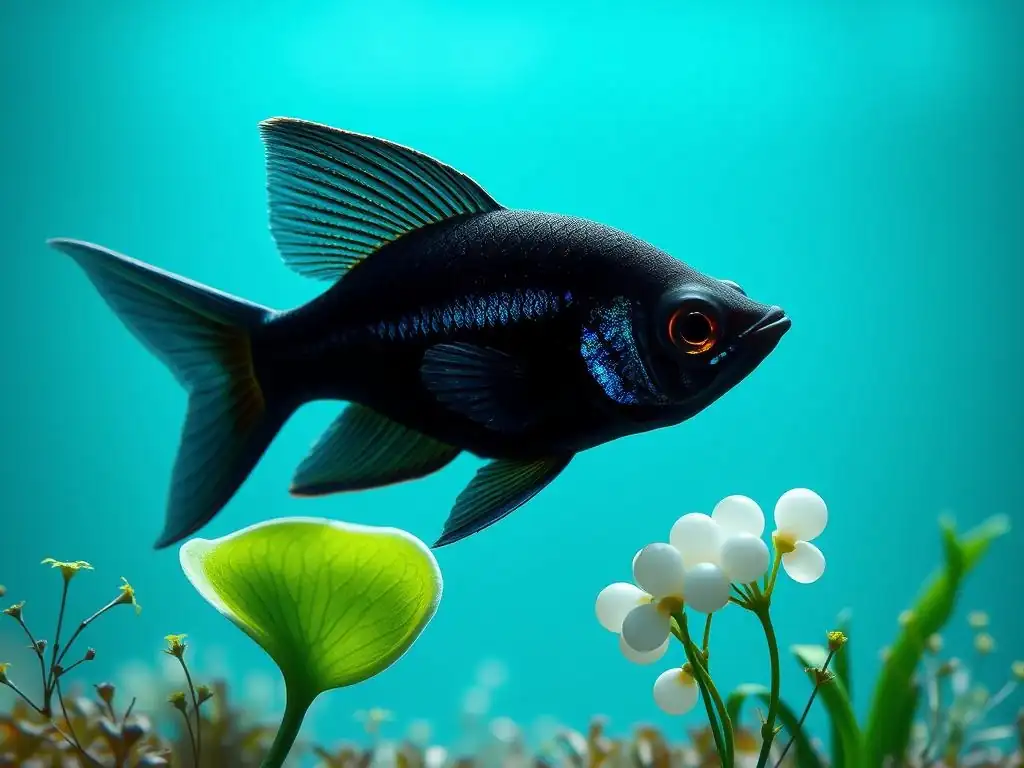
Line breeding Black Phantom Tetras is an advanced technique for serious aquarists aiming to improve specific genetic traits within their stock. This involves selectively breeding individuals that exhibit desirable characteristics, such as enhanced coloration, larger size, or superior finnage, over successive generations. By carefully choosing the best specimens from each spawn to be the parents for the next, you can gradually fix these traits and create a more uniform, high-quality line of fish.
The process requires meticulous record-keeping, tracking the lineage of each breeding pair and the characteristics of their offspring. This allows you to identify successful pairings and avoid potential issues like inbreeding depression, which can lead to reduced vigor or genetic deformities if not managed properly. While more time-consuming, line breeding can yield truly exceptional Black Phantom Tetras, setting a high standard for your Black phantom tetra breeding program.
Utilizing Spawning Mops for Black Phantom Tetra Breeding: A Practical Approach
Utilizing spawning mops is a highly practical and effective approach for Black Phantom Tetra breeding, offering several advantages over natural plants. Spawning mops are typically made from acrylic yarn, tied into a bunch and weighted to sink. They provide an excellent surface for the adhesive eggs of Black Phantom Tetras to attach to, mimicking the dense vegetation found in their natural spawning grounds.
One significant benefit of spawning mops is their ease of removal. Once spawning is complete, the mop can be gently lifted from the breeding tank, taking the eggs with it. This allows for simple transfer of the eggs to a separate hatching tank, ensuring maximum protection from parental predation. Mops are also reusable and easy to clean, making them a sustainable choice for repeated Black phantom tetra breeding attempts. Many breeders find that mops can increase egg retrieval rates by 20-30% compared to eggs laid directly on substrate or in complex plant structures.
Maintaining Optimal Water Chemistry for Black Phantom Tetra Breeding: Advanced Tips
Maintaining optimal water chemistry is paramount for advanced Black Phantom Tetra breeding success, moving beyond basic parameters to fine-tune the environment. For consistent and high hatch rates, many experienced breeders use reverse osmosis (RO) water exclusively, then remineralize it to precise specifications. This allows for complete control over water hardness and mineral content, which can be critical for egg development.
Targeting a total dissolved solids (TDS) range of 50-100 ppm, alongside a pH of 5.8-6.2, often yields superior results. Peat filtration or specialized acidic buffers can be employed to maintain stable pH levels in such soft water. Regularly testing for conductivity can also provide a more accurate measure of the water's ionic content than GH/KH tests alone. This meticulous attention to water chemistry ensures that every aspect of the Black phantom tetra breeding environment is perfectly suited for egg viability and fry development.
Black Phantom Tetra Breeding: A Rewarding Experience for Aquarium Enthusiasts
Black Phantom Tetra breeding, while requiring dedication and attention to detail, is an incredibly rewarding experience for any aquarium enthusiast. From meticulously conditioning the parent fish and setting up the ideal spawning environment to observing the delicate spawning ritual and raising the minuscule fry, each step offers a unique insight into the natural world of these captivating characins. The journey provides not only a deeper understanding of fish biology but also the immense satisfaction of successfully propagating a species within your own home aquarium.
Successfully navigating the various stages, from preventing fungus on eggs to ensuring the survival of fragile fry, builds valuable aquarist skills and patience. The ultimate reward is witnessing a new generation of vibrant Black Phantom Tetras thriving under your care. This comprehensive Black phantom tetra breeding guide aims to equip you with the knowledge and techniques needed to achieve this fulfilling accomplishment, enriching your hobby and contributing to the responsible keeping of these beautiful fish.
Frequently Asked Questions
How difficult is it to breed Black Phantom Tetras?
Breeding Black Phantom Tetras can be challenging, especially for beginners. It requires specific water parameters and a dedicated breeding tank setup.
What are the ideal water parameters for Black Phantom Tetra breeding?
The ideal parameters include soft, acidic water with a pH around 6.0-6.5, a KH (carbonate hardness) of 1-4 dKH, and a temperature between 78-82°F (25-28°C). Ensuring stability is critically important.
What type of breeding tank setup is recommended?
A breeding tank should be dimly lit, heavily planted with fine-leaved plants like Java moss, and contain a spawning mop or similar structure for egg deposition. Filtration should be gentle.
What do Black Phantom Tetra eggs and fry look like?
The eggs are small, clear, and scattered amongst the plants. The fry are tiny and difficult to see, requiring infusoria or liquid fry food for the first few days.
How long does it take for Black Phantom Tetra eggs to hatch and for the fry to become free-swimming?
Eggs typically hatch within 24-36 hours. Fry become free-swimming approximately 3-4 days after hatching and require constant attention to water quality and feeding.
Final Reflection: The Dance of New Life
The journey into the world of Black Phantom Tetra breeding, as we've explored, is more than just a technical exercise; it's a testament to the intricate beauty of the natural world. Understanding and replicating their spawning rituals allows us to connect with the delicate balance of aquatic ecosystems and contribute to the preservation of these captivating creatures. This guide, hopefully, empowers aquarists to not only breed these fish but also to appreciate the profound responsibility that comes with nurturing life.
The Black Phantom Tetra, with its mesmerizing dance and subtle elegance, has captivated aquarists for generations. Its continued presence in our tanks and hearts relies on our dedication to understanding and supporting its natural behaviors. The act of breeding them, therefore, becomes a form of conservation, a direct contribution to the species' well-being. In the end, we will conserve only what we love; we will love only what we understand; and we will understand only what we are taught.
- Baba Dioum's words resonate deeply, reminding us that education and understanding are the cornerstones of conservation.
Now, as you close this guide, I invite you to reflect on the knowledge you've gained. Consider the impact you can have, not only on the lives of these Black Phantom Tetras but also on the broader aquatic community. Embrace the challenge of creating a thriving environment for these fish, and in doing so, discover the profound satisfaction of participating in the ongoing dance of life. Let this guide be a starting point, a catalyst for your own exploration and contribution to the wonderful world of aquariums.
Ignite Your Aquarium Passion: Bring Black Phantom Tetras to Life!
Thank you for exploring the fascinating world of Black Phantom Tetra breeding! We hope this article has sparked your curiosity and provided valuable insights. Now, it's time to translate knowledge into action and experience the joy of nurturing these captivating fish.
Here's how you can take the next step:
- Embark on Your Breeding Journey: Dedicate a separate breeding tank, mimicking the ideal conditions we discussed, and prepare for the rewarding experience of watching new life emerge.
- Dive deeper: Research some suitable live food, to help your fry get a perfect start.
- Share the wonder: Post photos of your Black Phantom Tetras or breeding setup on social media using #AquariumMastery and connect with fellow enthusiasts!
Ready to create a thriving ecosystem and witness the magic of Black Phantom Tetra breeding firsthand?