
Variatus Platy Breeding Made Easy: A StepbyStep Guide

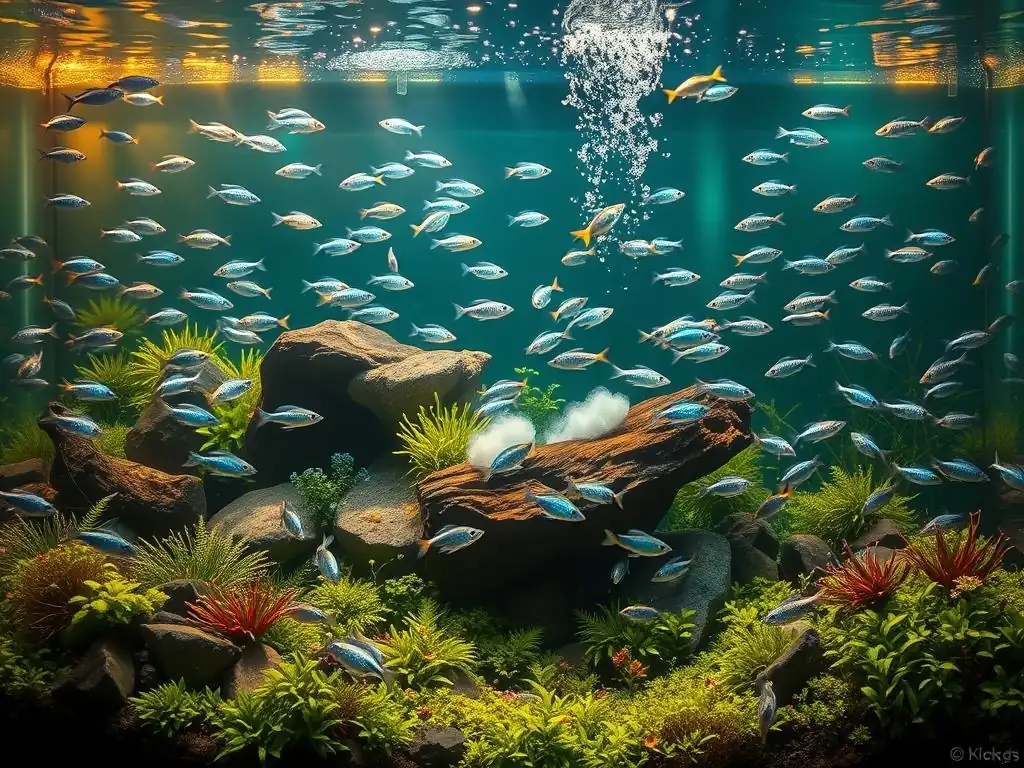
Welcome to Aquarium Mastery!
Ever wondered how to unlock the secrets of breeding your own vibrant Variatus Platies? This guide demystifies the process, offering a step-by-step approach to successful breeding. Prepare to be amazed as we reveal the simple secrets to raising healthy Platy fry and expanding your aquarium family. Dive in and discover the art of Breeding Variatus Platy step by step! Curious to know more? Let's get started!
Introduction to Breeding Variatus Platies
Understanding Variatus Platy Behavior and Reproduction
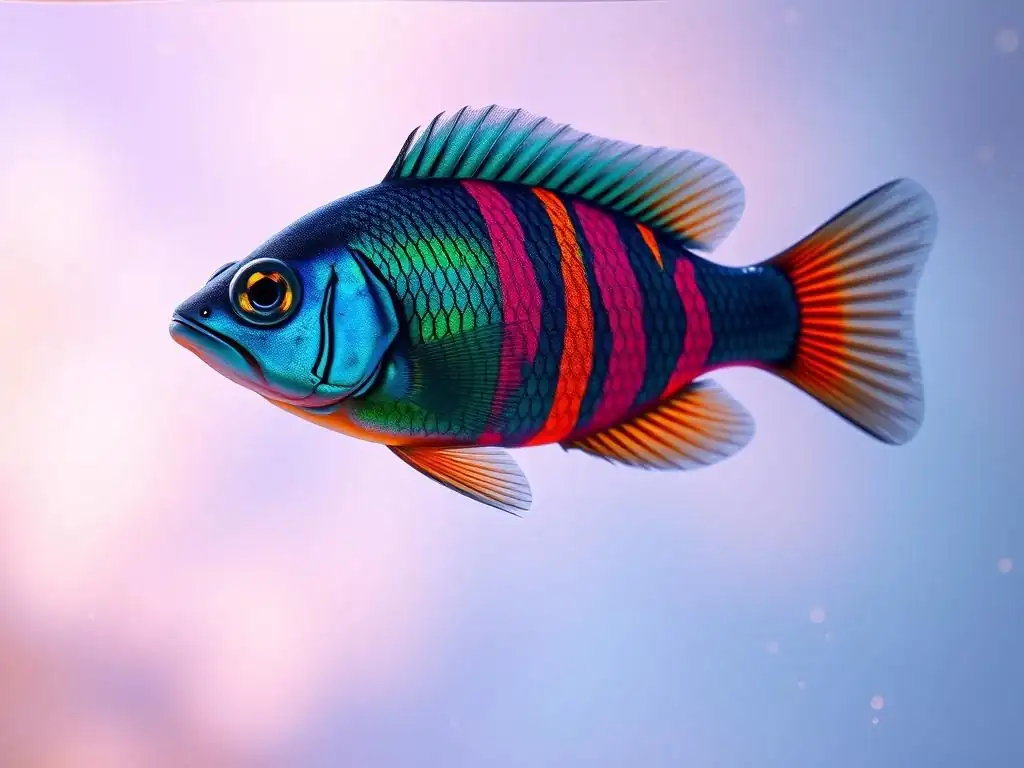
Variatus Platies, scientifically known as Xiphophorus variatus, are highly sought-after livebearers in the aquarium hobby due to their vibrant colors and relatively straightforward breeding habits. Unlike egg-laying fish, Variatus Platies give birth to live, free-swimming fry, making the breeding Variatus Platy step by step process particularly fascinating for aquarists. Females have the remarkable ability to store sperm for several months, allowing them to produce multiple broods from a single mating encounter, typically every 24 to 30 days under optimal conditions. This reproductive strategy ensures a continuous population, even if a male is no longer present.
Their natural behavior in the wild involves schooling in slow-moving waters of Central America, where they primarily feed on algae and small invertebrates. In an aquarium setting, their peaceful temperament makes them excellent candidates for community tanks, but for dedicated breeding Variatus Platy step by step efforts, a separate breeding setup is often recommended to maximize fry survival.
Understanding their social dynamics, where males will actively pursue females, is key to setting up a successful breeding program. Females, while generally tolerant, can become stressed if constantly harassed by multiple males, which is a factor to consider when planning your breeding ratios.
Benefits of Breeding Variatus Platies
Engaging in the breeding Variatus Platy step by step journey offers numerous rewards for the dedicated aquarist. Beyond the sheer joy of witnessing new life, breeding platies allows hobbyists to develop unique color strains and fin variations through selective breeding. For instance, popular strains like the "Pineapple Platy" or "Sunset Variatus" are results of careful genetic selection over generations, showcasing the potential for creating truly distinctive fish. This process provides a deeper understanding of genetics and fish husbandry, enhancing one's overall aquascaping and fish-keeping skills.
Furthermore, successful breeding Variatus Platy step by step can lead to a surplus of healthy fish that can be shared with other hobbyists, traded with local fish stores, or even sold, potentially offsetting some of the costs associated with the hobby. A single healthy female Variatus Platy can produce anywhere from 20 to 80 fry per brood, depending on her size and age, making it relatively easy to build a sizable population. This abundance allows for experimentation with different tank setups, feeding regimens, and even provides opportunities to contribute to the local aquarium community by providing quality, home-bred stock.
Distinguishing Variatus Platies from Other Platy Species
While often confused with other popular platy species like the Southern Platy ( Xiphophorus maculatus) or the Swordtail ( Xiphophorus hellerii), the Variatus Platy possesses distinct characteristics that aid in its identification, crucial for a targeted breeding Variatus Platy step by step program. One of the primary distinguishing features is their body shape: Variatus Platies tend to have a slightly more elongated, torpedo-like body compared to the more stocky, deeper-bodied Southern Platy. Additionally, male Variatus Platies typically exhibit a more pointed and elongated dorsal fin, sometimes resembling a small sail, which is less pronounced in X. maculatus.
Another key differentiator lies in their natural coloration and patterns, which give them their common name "Variable Platy." While both species come in a kaleidoscope of colors due to selective breeding, wild-type Variatus Platies often display a more muted, greenish-brown base with iridescent scales and sometimes a series of black spots or a horizontal stripe along the lateral line.
In contrast, wild Southern Platies are often more uniformly colored. Understanding these subtle morphological and pattern differences is essential when trying to maintain pure bloodlines or embarking on a specific breeding Variatus Platy step by step project focused on a particular genetic trait.
Frequently Asked Questions
How do I identify a male and female Variatus Platy?
Male Variatus Platies possess a gonopodium, a modified anal fin used for fertilization. Females have a fan-shaped anal fin and often appear rounder in the abdomen.
What are the ideal water parameters for breeding Variatus Platies?
Maintain a water temperature between 72-78°F (22-26°C), a pH level of 7.0-8.0, and ensure excellent water quality through regular water changes.
How long is the gestation period for a Variatus Platy?
The gestation period for a female Variatus Platy is typically around 24-30 days. Proper nutrition and stable water conditions can influence this timeframe.
What should I feed baby Variatus Platies (fry)?
Feed newly born fry infusoria, liquid fry food, or finely crushed flakes. Offer small amounts several times a day for optimal growth.
How can I prevent adult Platies from eating their fry?
Provide dense vegetation or a breeding box for the fry to hide in. Alternatively, you can separate the pregnant female shortly before she gives birth.
Final Reflection: The Enduring Cycle of Life
The journey into breeding Variatus Platies, as detailed in this guide, is more than just a technical exercise; it's a microcosm of the natural world playing out in our aquariums. Understanding and facilitating this process connects us to the fundamental rhythms of life, reminding us of the delicate balance and inherent beauty within even the smallest creatures. The ability to nurture new life, even on this scale, offers a profound sense of responsibility and wonder.
This seemingly simple act of breeding fish has a ripple effect, influencing our understanding of ecosystems and our role within them. The dedication required to successfully breed Variatus Platies fosters patience, observation, and a deeper appreciation for the interconnectedness of all living things. The best way to observe a fish is to become a fish.
- Jacques Cousteau. This quote encapsulates the empathy and understanding that comes from engaging with the natural world, even in the controlled environment of an aquarium.
Now, take a moment to consider the lessons learned from this guide. Think about the patience, the observation, and the care required to bring new life into the world. How can you apply these principles to other aspects of your life? Perhaps it's nurturing a new idea, fostering a relationship, or simply appreciating the small wonders that surround you. Embrace the cycle of growth and renewal, and let the experience of breeding Variatus Platies inspire you to cultivate life, in all its forms, within your own world.
Ignite Your Platy Breeding Journey!
Thank you for diving into the world of Variatus Platies! We hope this guide has equipped you with the knowledge to successfully breed these vibrant fish. Now, it's time to take action and witness the miracle of life in your own aquarium.
Here's how to start:
- Set up a dedicated breeding tank: This is crucial for providing a safe and stress-free environment for your platy fry.
- Explore different color variations: Why not try breeding for a specific pattern or hue? It adds an exciting challenge!
- Share your breeding successes (or challenges!) on aquarium forums. Help other aquarists learn from your experience.
What surprising color combinations are you hoping to achieve with your platy breeding project?