
Recognizing Behavioral Changes as Early Indicators of Disease in Tangs

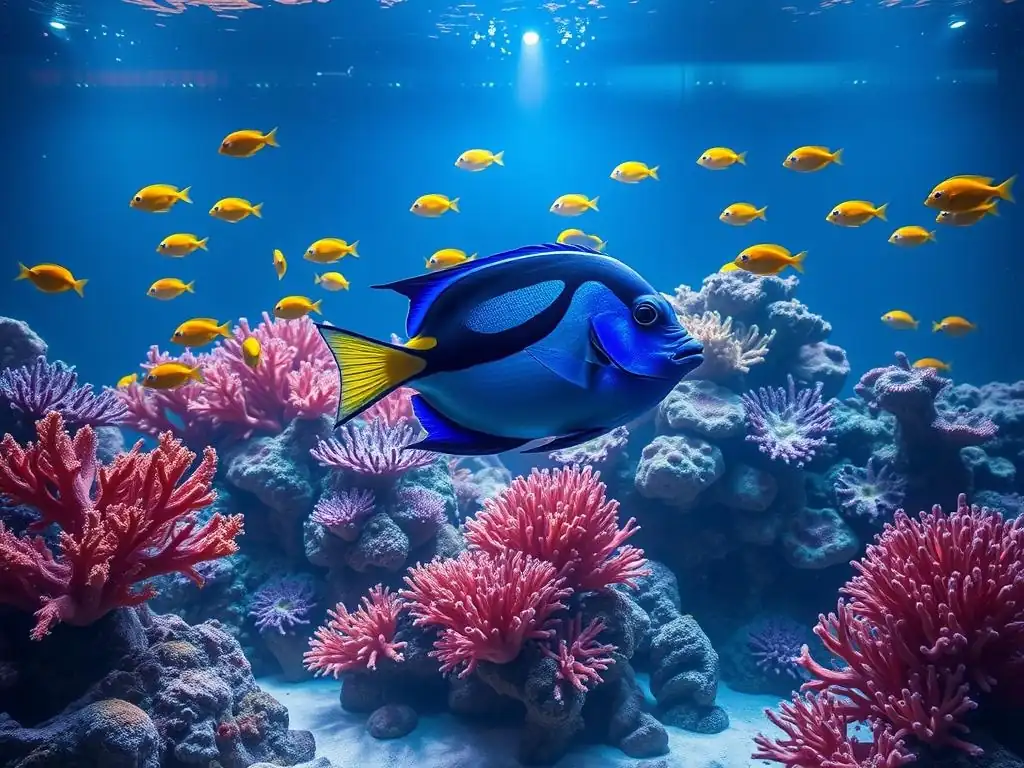
Welcome to Aquarium Mastery! Ever noticed your Tangs showing unusual behavior and wondered what it meant? Dive in! We'll help you decode those subtle signs, turning you into a true guardian of your saltwater ecosystem. Discover how recognizing behavioral changes can be an early indicator of disease, and unlock the secrets to keeping your Tangs thriving. Let's explore the fascinating world of saltwater fish health together!
- Understanding Tang Behavior: A Key to Early Disease Detection
- Tangs Showing Unusual Behavior: Early Warning Signs of Illness
- Identifying Specific Behavioral Symptoms and Associated Diseases in Tangs
- Proactive Measures: Preventing Disease Through Behavioral Observation and Optimal Tank Conditions
- What to Do When You Observe Unusual Behavior in Your Tangs
-
Frequently Asked Questions
- What are some common unusual behaviors that tangs might exhibit, indicating potential disease?
- Why is it important to recognize behavioral changes in tangs early on?
- What specific water parameters should I check if my tang is showing unusual behavior?
- Besides water quality, what other factors might contribute to behavioral changes in tangs?
- What are some steps I can take to address unusual behavior in my tangs after identifying the potential cause?
- Final Reflection: Observing Tangs, Preserving Health
- Dive Deeper: Nurture Your Tang's Health!
Understanding Tang Behavior: A Key to Early Disease Detection
Why Monitoring Tang Behavior is Crucial for Aquarium Health
Monitoring the behavior of your Tangs is arguably the most critical aspect of early disease detection in a marine aquarium. Unlike some other fish, Tangs often mask physical symptoms of illness until a disease has progressed significantly, making treatment more challenging. Behavioral changes, such as "Tangs showing unusual behavior," are frequently the first and most reliable indicators that something is amiss. Early detection dramatically improves the success rate of interventions; for instance, treating Ich in its initial stages can yield success rates of 70-80%, whereas advanced cases might see only a 20-30% recovery.
Consistent observation allows aquarists to establish a baseline of what constitutes "normal" behavior for their specific Tangs. Without this understanding, subtle shifts in activity, appetite, or social interaction—all forms of "Tangs showing unusual behavior"—can be easily overlooked. Even a slight reduction in swimming speed or a momentary hesitation before feeding can be a significant clue. This proactive approach not only saves valuable time and resources but, most importantly, significantly increases the chances of saving your fish from severe illness or even death.
Normal Tang Behavior: What to Look For
Healthy Tangs are typically vibrant, active, and curious inhabitants of a marine aquarium. They spend a significant portion of their day, often 6-8 hours, actively grazing on live rock, algae sheets, or other available surfaces. Their coloration should be bright and consistent with their species, and their fins should be fully extended and free of nicks or tears. In a well-established tank, a healthy Tang will explore its environment, interacting with the decor and occasionally with tank mates, exhibiting a natural social hierarchy that involves occasional, non-injurious sparring.
When food is introduced, a healthy Tang will typically approach eagerly, demonstrating a strong appetite and readily consuming various prepared foods. During resting periods, usually at night, they may settle into crevices or against rocks, but during daylight hours, they should be alert and responsive to stimuli.
For example, a healthy Yellow Tang will typically swim at a steady pace, covering the length of a 4-foot tank in just a few seconds, and will immediately dart towards a piece of nori dropped into the water. Any deviation from these established patterns should be considered a potential "Tangs showing unusual behavior."
Tangs Showing Unusual Behavior: Early Warning Signs of Illness
Changes in Swimming Patterns: An Indicator of Potential Problems
Erratic Swimming or Flashing in Tangs
Erratic swimming in Tangs manifests as sudden, jerky movements, darting rapidly across the tank, or repeatedly "flashing"—rubbing their bodies against tank decorations, substrate, or even the glass. This specific type of "Tangs showing unusual behavior" is a strong indication of external irritation, most commonly caused by ectoparasites. The fish is attempting to dislodge these irritants from its skin or gills.
The frequency of flashing can be a key diagnostic clue. A healthy Tang might accidentally brush against a rock once or twice a day, but an infested Tang might flash 5-10 times an hour, or even more frequently as the parasitic load increases. Common culprits include Ich (Cryptocaryon irritans) and Marine Velvet (Amyloodinium ocellatum), both of which cause intense irritation. Often, this erratic swimming is accompanied by fin clamping, where the Tang holds its fins tightly against its body, reducing drag and making the flashing motion more effective.
Lethargy and Reduced Activity Levels in Tangs
Lethargy in Tangs is characterized by a significant reduction in normal activity. Instead of actively swimming and grazing, a lethargic Tang may spend excessive time at the bottom of the tank, hidden in rockwork, or simply hovering motionless in one spot for prolonged periods, only moving when disturbed. This "Tangs showing unusual behavior" indicates a substantial drain on the fish's energy reserves or a systemic illness that saps its vitality.
This behavior can be a symptom of various underlying issues, including internal parasitic infections, bacterial diseases, or severe environmental stress from poor water quality. For example, a Blue Tang that typically covers several tank lengths per minute might slow to a mere crawl, moving only one or two lengths, or may remain stationary for hours. This reduced activity is often an instinctive energy-saving measure, allowing the Tang to conserve its strength to fight off disease.
Alterations in Feeding Habits: A Sign of Underlying Issues
Tangs Refusing Food: Possible Causes and Solutions
A Tang that suddenly refuses to eat, ignores offered meals, or takes food into its mouth only to spit it out, is exhibiting a critical form of "Tangs showing unusual behavior." This often points to a serious underlying problem and should prompt immediate investigation. A healthy Tang is usually a voracious eater, and a sudden cessation of feeding is rarely a benign sign.
Potential causes for food refusal are diverse, ranging from internal parasitic infections (such as trematodes or nematodes) and bacterial diseases affecting the digestive system to severe stress or even subtle drops in water quality parameters. For instance, a Yellow Tang that consistently consumes a 2x2 inch piece of nori daily might suddenly refuse to touch it for 24-48 hours. Addressing the root cause, whether it's a pathogen or an environmental issue, is paramount to restoring the Tang's appetite and overall health.
Increased Appetite in Tangs: When to Be Concerned
While seemingly counterintuitive, a sudden and markedly increased appetite can also be a form of "Tangs showing unusual behavior" that warrants concern. If a Tang becomes voraciously hungry, constantly seeking food, and appears insatiable, especially without gaining weight or even losing condition despite the increased intake, it can indicate a problem.
The primary reason for such an exaggerated appetite is often internal parasites, particularly tapeworms or flagellates. These parasites can consume a significant portion of the nutrients ingested by the fish, leading to malabsorption and a constant feeling of hunger. In some rarer instances, early stages of certain metabolic disorders might also manifest this way. If a Tang that previously ate once or twice a day now seems to be constantly searching for food every hour, it is a strong signal that an internal issue might be at play, requiring careful observation and potential treatment.
Increased Aggression Towards Tank Mates
A sudden onset or significant escalation of aggression in a Tang that was previously peaceful is a clear "Tangs showing unusual behavior." This might involve excessive chasing, nipping at the fins of other fish, or actively preventing tank mates from accessing food or preferred territories. While some Tangs are naturally territorial, a marked increase in aggression often signals underlying stress or illness.
Stress is a major trigger for such behavioral shifts. Factors like overcrowding, insufficient hiding spots, the introduction of new fish, or even the initial stages of an illness can make a Tang irritable and less tolerant. For example, a Tang housed in a 75-gallon tank might become highly aggressive if it feels its limited territory is threatened, whereas the same species in a 180-gallon tank with ample space and rockwork might remain docile. Even a subclinical infection or a slight degradation in water quality can lower a Tang's stress threshold, leading to heightened aggression.
Isolation and Hiding Behavior in Tangs
When a Tang that normally swims actively in the open water or grazes among the rocks suddenly retreats to a secluded corner, a cave, or behind rockwork and remains hidden for extended periods, especially during feeding times, it is exhibiting a profound "Tangs showing unusual behavior." This is one of the strongest indicators of discomfort, fear, or illness.
This isolation can stem from general malaise, the advanced stages of various diseases (e.g., internal infections, organ failure), or extreme environmental stress such as a sudden ammonia spike. A Tang that typically spends only 10-20% of its active hours in hiding but suddenly begins to spend 90% or more of its time concealed is almost certainly in distress. Such behavior is often a protective mechanism, as sick or weak fish instinctively try to avoid predators or aggressive tank mates.
Identifying Specific Behavioral Symptoms and Associated Diseases in Tangs
Tangs Scratching Against Rocks: Identifying Potential Parasites
Ich (White Spot Disease) and Tangs
The characteristic "scratching" or "flashing" behavior where "Tangs showing unusual behavior" involves rubbing against tank surfaces is a hallmark symptom of Ich, or White Spot Disease (Cryptocaryon irritans). Tangs are particularly susceptible to this common marine parasite, and this behavior is frequently the first visible sign of an infestation, often appearing even before the distinctive white spots emerge on the fish's body. The parasite irritates the fish's skin, prompting the frantic rubbing to dislodge the invaders.
Initially, a Tang might flash only a few times an hour. However, as the parasitic load increases and the disease progresses, this behavior can intensify to dozens of times within a short period. Eventually, small, visible white spots, resembling grains of salt (trophonts), typically 0.5-1mm in diameter, will appear on the fins, body, and sometimes the eyes. Without prompt intervention, Ich can quickly weaken and overwhelm a Tang's immune system, leading to secondary infections and potentially fatal outcomes.
Velvet Disease (Oodinium) and Tangs
Similar to Ich, Marine Velvet Disease (Amyloodinium ocellatum) also causes intense irritation to a Tang's skin and gills, leading to "Tangs showing unusual behavior" such as constant scratching and flashing. However, the visible manifestation of Velvet is distinct: a fine, dusty, yellowish-brown coating that gives the fish a "velvet-like" sheen, often most visible under direct light. This parasitic dinoflagellate is highly contagious and progresses much faster than Ich.
While both diseases cause similar behavioral cues, Velvet is generally far more aggressive and lethal. A Tang infected with Velvet might exhibit rapid breathing, a dull appearance, and constant, frantic scratching alongside the characteristic dusty film. Mortality rates can be extremely high, often reaching 50-70% within just a few days if the disease is left untreated. Early identification through observing the specific texture of the coating, combined with the intense scratching, is critical for successful treatment.
Tangs Gasping at the Surface: Addressing Oxygen Depletion and Gill Issues
Gill Flukes and Tangs
When "Tangs showing unusual behavior" includes repeatedly swimming to the surface, gulping air, or staying positioned near the outflow of a powerhead despite adequate surface agitation, it strongly suggests respiratory distress. One common cause for this labored breathing is an infestation of gill flukes (Monogeneans), which are external parasites that attach directly to the Tang's delicate gill tissues.
These parasites cause significant irritation, inflammation, and damage to the gill filaments, which reduces the fish's ability to efficiently extract oxygen from the water. Other accompanying signs might include rapid gill movements (operculum beats increasing from a normal 60-80 per minute to over 120), darkened or reddened gills, and excessive mucus production around the gill area. The Tang is essentially suffocating, constantly seeking areas with higher oxygen saturation.
Ammonia or Nitrite Poisoning in Tangs
One of the most acute forms of "Tangs showing unusual behavior" related to respiratory distress is gasping at the surface due to poor water quality, specifically elevated levels of ammonia (NH3/NH4+) or nitrite (NO2-). These nitrogenous compounds are highly toxic to fish. Ammonia directly damages gill tissue, while nitrite inhibits the blood's ability to carry oxygen, effectively suffocating the fish from the inside.
Even low concentrations, such as 0.1 ppm of ammonia, can cause significant stress, and levels above 0.5 ppm are considered highly toxic and potentially lethal. Similarly, nitrite levels above 0.5 ppm can severely impair oxygen uptake. Immediate water testing is crucial when observing this behavior. If ammonia or nitrite are detected, large and frequent partial water changes (e.g., 50% or more, repeated as needed) are necessary to dilute the toxins and prevent further damage.
Changes in Coloration: Recognizing Stress and Disease
Fading Color in Tangs: Possible Causes
A noticeable fading or dulling of a Tang's vibrant coloration is a common and often early "Tangs showing unusual behavior" indicating stress or illness. A once brightly colored Tang, such as a brilliant Yellow Tang or a vivid Blue Tang, may appear pale, washed out, or lose its characteristic intensity. This change is a direct physiological response to discomfort or an underlying health issue.
General stress is a primary cause, stemming from factors like bullying by tank mates, the stress of a new tank introduction, or prolonged exposure to suboptimal water parameters. However, color fading can also be an early symptom of various illnesses, including internal parasitic infections, bacterial diseases, or even chronic malnutrition. For instance, a healthy Yellow Tang might turn an almost translucent white when severely stressed, or a Blue Tang's iconic blue might become a desaturated, dull greyish-blue, indicating a significant problem.
Darkening Color in Tangs: Possible Causes
Conversely, some Tang species may exhibit a distinct darkening of their body color, sometimes to a near-black shade, as a form of "Tangs showing unusual behavior." This change is also a significant indicator of severe stress or specific diseases, and its manifestation can vary depending on the species and the underlying cause.
Extreme fear, intense aggression from tank mates, or severe internal infections are common reasons for a Tang to darken. For example, a Powder Blue Tang, known for its striking blue and yellow, might turn a deep, almost black shade across its body when under immense stress or suffering from a severe internal issue. This darkening can be a coping mechanism, an attempt to blend into shadows, or a direct physiological response to the stress hormones flooding its system, signaling profound distress.
Proactive Measures: Preventing Disease Through Behavioral Observation and Optimal Tank Conditions
Maintaining Optimal Water Quality for Tang Health
Maintaining pristine water quality is the single most important proactive measure to prevent "Tangs showing unusual behavior" caused by illness. Consistent monitoring and stability of water parameters are paramount. Regular testing, ideally weekly or bi-weekly, for salinity (1.023-1.026 specific gravity), temperature (75-80°F or 24-27°C), pH (8.1-8.4), ammonia (0 ppm), nitrite (0 ppm), and nitrate (below 20 ppm, ideally below 10 ppm) is crucial.
Practical steps include performing consistent partial water changes, typically 10-20% weekly or bi-weekly, using high-quality RO/DI water mixed with a good marine salt mix. Ensuring robust filtration—mechanical for particulate removal, chemical for pollutants, and biological for nitrogen cycle management—is also vital. Avoiding overfeeding, which can rapidly degrade water quality, is equally important. A stable, healthy environment significantly reduces stress on Tangs, bolstering their immune systems and making them far less susceptible to diseases that trigger unusual behaviors.
Providing a Balanced Diet to Support Tang Immunity
A varied and nutrient-rich diet is fundamental for supporting a Tang's immune system and preventing "Tangs showing unusual behavior" linked to nutritional deficiencies or weakened health. Tangs are primarily herbivorous, requiring a significant intake of vegetable matter to maintain their digestive health and overall vitality. A diet lacking in essential vitamins, minerals, and fiber can weaken their natural defenses, making them more vulnerable to various pathogens.
It is recommended to offer a diverse diet that includes high-quality marine algae (such as nori sheets clipped to the tank glass), spirulina flakes, specialized Tang pellets, and occasional meaty foods like Mysis shrimp to provide essential proteins and fats. Feeding 2-3 times daily in small portions is generally more beneficial than one large meal, as it mimics their natural grazing habits and reduces waste. For example, a 3-inch Yellow Tang could thrive on a daily regimen of a 1x1 inch square of nori supplemented with a pinch of high-quality marine flakes.
Minimizing Stress Factors to Promote Tang Well-being
Stress is a significant precursor to illness in Tangs, directly impacting their immune response and often leading to "Tangs showing unusual behavior." Factors such as improper tank size, aggressive tank mates, sudden fluctuations in water parameters, or insufficient hiding spots can lead to chronic stress, making Tangs highly susceptible to infections and parasitic infestations. A stressed Tang is a vulnerable Tang.
To minimize stress, ensure the tank is of adequate size for your specific Tang species (e.g., a minimum of 100 gallons for a single adult Tang, with larger tanks for multiple or larger species). Introduce new fish slowly and carefully, preferably after a quarantine period, to prevent aggression and disease transmission. Provide ample rockwork and aquascaping that offers numerous hiding spots and defined territories, which helps reduce competitive stress. Maintaining a stable and predictable environment in terms of lighting cycles and tank parameters further promotes the Tang's well-being, allowing them to exhibit normal, healthy behaviors.
What to Do When You Observe Unusual Behavior in Your Tangs
Quarantine Procedures for Sick Tangs
Upon observing any "Tangs showing unusual behavior" indicative of illness, the immediate and most crucial step is to move the affected fish to a dedicated quarantine tank (QT). This isolation serves two primary purposes: it prevents the potential spread of disease to other healthy tank mates in the main display system, and it allows for focused, precise treatment without harming the delicate biological filter, live rock, or sensitive invertebrates in your primary aquarium.
A typical quarantine tank for a single Tang can range from 10 to 20 gallons, depending on the fish's size. It should be equipped with essential components: a reliable heater to maintain stable temperature, a simple filter (such as an air-driven sponge filter or a small hang-on-back filter) for mechanical and biological filtration, and PVC pipes or simple plastic containers for hiding spots. Avoid using substrate or elaborate decor, as this simplifies observation, cleaning, and medication administration. Initially, the QT water parameters should match those of the main display tank to minimize additional stress during transfer.
Diagnostic Steps to Identify the Cause of the Behavior
Once the Tang is safely in the quarantine tank, a systematic approach to diagnosis is essential. Observe the "Tangs showing unusual behavior" even more closely, noting every specific symptom: Are there visible spots, lesions, fin erosion, or cloudy eyes? Is breathing labored? Are there changes in the fish's waste? Immediately test the QT water parameters thoroughly, including ammonia, nitrite, nitrate, pH, salinity, and temperature, as water quality issues are frequent culprits.
Research the observed symptoms against common Tang diseases. For instance, if the Tang is scratching, look for visible white spots (suggesting Ich) or a fine, dusty film (suggesting Velvet). If the fish is gasping, rule out water quality issues before assuming parasitic gill problems. Consider consulting experienced aquarists online forums or, if symptoms persist and are severe, an aquatic veterinarian for professional diagnosis. Accurate identification of the pathogen or stressor is critical for selecting the correct treatment.
Treatment Options for Common Tang Diseases
Once a diagnosis has been made, selecting and administering the appropriate medication is the next step. For external parasites like Ich, copper-based medications (e.g., Copper Power, Cupramine) are often highly effective in a quarantine setting. These are typically dosed over a period of 10-14 days, carefully maintaining the recommended copper concentration (e.g., 0.25-0.5 ppm). For bacterial infections, broad-spectrum antibiotics might be used, often administered via medicated food to target internal infections.
Always follow the medication instructions precisely, as incorrect dosing can be ineffective or even harmful. For internal parasites, medicated foods containing active ingredients like metronidazole or praziquantel can be effective, usually administered for a duration of 5-7 days. It is crucial to complete the entire course of treatment, even if the "Tangs showing unusual behavior" improves before the full duration, to ensure complete eradication of the pathogen and prevent recurrence. Regular water changes in the QT during treatment are often necessary to maintain water quality and remove dissolved medications.
Frequently Asked Questions
What are some common unusual behaviors that tangs might exhibit, indicating potential disease?
Unusual behaviors in tangs can include excessive hiding, decreased appetite, or flashing (rubbing against objects). These are often early signs of stress or illness.
Why is it important to recognize behavioral changes in tangs early on?
Early detection of unusual behavior allows for prompt intervention, increasing the chances of successful treatment and preventing the spread of disease to other aquarium inhabitants. This can save you time and money.
What specific water parameters should I check if my tang is showing unusual behavior?
If your tang is acting strangely, immediately check ammonia, nitrite, and nitrate levels. Also, ensure proper salinity and pH balance within the recommended ranges for tangs.
Besides water quality, what other factors might contribute to behavioral changes in tangs?
Other factors include inadequate tank size, bullying from other fish, and sudden changes in the environment (temperature, lighting). Stress is a major culprit.
What are some steps I can take to address unusual behavior in my tangs after identifying the potential cause?
Depending on the cause, you may need to adjust water parameters, quarantine the affected tang, rearrange the tank to reduce aggression, or administer medication if a specific disease is diagnosed. Consulting a vet may be necessary.
Okay, here's a final reflection tailored for your article "Recognizing Behavioral Changes as Early Indicators of Disease in Tangs," optimized for the keyword "Tangs showing unusual behavior" and following your requested structure:
Final Reflection: Observing Tangs, Preserving Health
The insights shared in this article underscore a vital truth: observant aquarists are the first line of defense against disease in Tangs. Understanding the subtle shifts in behavior – the early indicators – is not merely a matter of hobbyist interest; it's a proactive approach to ensuring the well-being and longevity of these magnificent creatures in our care. Ignoring these signals can have devastating consequences, highlighting the critical importance of diligent observation.
This awareness extends beyond the individual aquarium. The ability to recognize and address unusual behavior in Tangs is crucial for the sustainability of the hobby itself. Healthy Tangs contribute to thriving reef ecosystems, both in captivity and, ultimately, in the wild. As responsible aquarists, we have a duty to understand their needs and respond accordingly. The greatness of a nation and its moral progress can be judged by the way its animals are treated.
- Mahatma Gandhi. This quote, while broad, resonates deeply with the responsibility we bear towards the creatures we choose to keep.
Now, take a moment to reflect on your own practices. Are you truly observing your Tangs with the focused attention they deserve? Are you equipped to recognize the subtle signs of distress? Let this article be a catalyst for deeper engagement, encouraging you to refine your observational skills and become a more proactive guardian of these beautiful fish. By doing so, you contribute not only to the health of your own aquarium but also to the long-term health of the hobby and the preservation of these species for generations to come.
Dive Deeper: Nurture Your Tang's Health!
Thank you for taking the time to learn about recognizing behavioral changes in Tangs. We hope you found valuable insights to help you become a more attentive and proactive aquarium owner. Now, let's put that knowledge into action!
Here's how you can further support your Tang's well-being:
- Immediately implement a weekly observation log for each of your Tangs, documenting their feeding habits, activity levels, and social interactions.
- Share this article with fellow aquarium enthusiasts to spread awareness about early disease detection.
- Consider joining our Aquarium Mastery forum to discuss your Tang's behavior and get personalized advice from experienced aquarists.
What specific behavioral change are you most concerned about seeing in your Tangs, and what steps would you take first to address it?