
Do Anthias Jump? Essential Tank Lid Considerations for These Active Fish

Welcome to Aquarium Mastery!
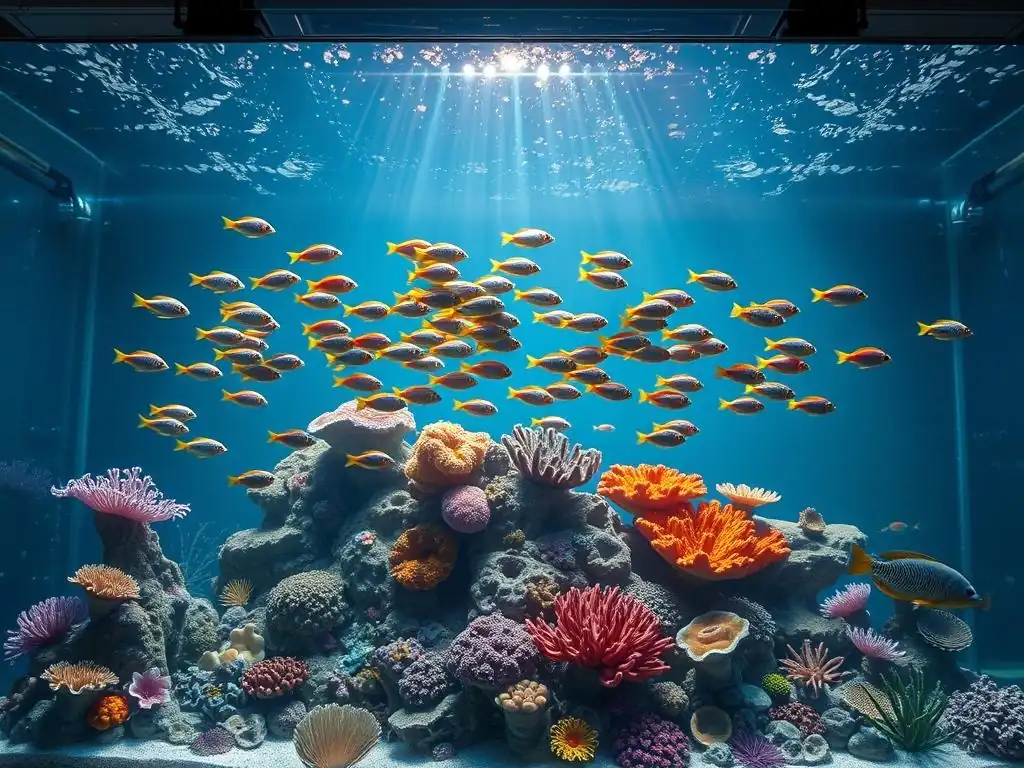
Curious about keeping Anthias and worried about their jumping tendencies? You've come to the right place. Discover the essential considerations for tank lids and ensure a happy, healthy environment for these active beauties. Dive in and learn how to prevent unexpected escapes and keep your Anthias safe and sound!
- Understanding Anthias Behavior: Why Do They Jump?
- The Importance of a Tank Lid for Anthias Aquariums
- Types of Aquarium Lids Suitable for Anthias Tanks
- Choosing the Right Tank Lid: Factors to Consider for Anthias
- Preventing Jumping: Creating a Safe and Stable Environment for Anthias
- Anthias Jumping First Aid: What to Do If Your Fish Jumps Out
- Tank Lid Alternatives: Are There Any?
- Investing in Peace of Mind: Why a Tank Lid is Worth It for Anthias Keepers
- Frequently Asked Questions
- Final Reflection: Protecting the Jewels of the Reef
- Dive Deeper: Ensure a Safe Home for Your Anthias!
Understanding Anthias Behavior: Why Do They Jump?
Anthias Natural Habitat and Jumping Tendencies
Anthias are vibrant, schooling fish native to the Indo-Pacific reefs, where they inhabit the upper parts of the water column, often near steep drop-offs or exposed reef faces. Their natural environment is characterized by strong currents and open water, providing ample space for their active swimming patterns. In the wild, their primary defense mechanism against predators is rapid darting and seeking refuge within the reef structure or by quickly moving away from perceived threats. This innate skittishness and high energy are deeply ingrained behaviors.
This inherent tendency to dart and react swiftly to their surroundings translates directly into their behavior within an aquarium. Even in a seemingly secure tank, their natural instincts can lead them to attempt rapid escapes from perceived dangers or simply to explore beyond the perceived boundaries of their enclosure. This natural predisposition to quick, upward movements is a key reason why an Anthias jumping tank lid is not merely an option, but a critical component of their successful long-term care.
Stress Factors Leading to Anthias Jumping in Aquariums
While Anthias are naturally active, stress significantly amplifies their jumping tendencies in a captive environment. New tank syndrome, characterized by fluctuating parameters in a newly established system, is a common stressor for newly introduced Anthias, making them highly susceptible to jumping. Overcrowding, where the fish feel constricted and lack adequate personal space, also contributes significantly to their anxiety, often leading to frantic attempts to escape the confined conditions.
Furthermore, a lack of adequate hiding spots or complex rockwork can leave Anthias feeling exposed and vulnerable, triggering their escape instincts. Sudden movements or bright lights outside the aquarium, such as a person walking by quickly or a room light turning on abruptly, can also startle these sensitive fish, causing them to bolt upwards. Recognizing and mitigating these general stressors is fundamental to preventing Anthias from jumping.
Common Triggers: Poor Water Quality and Aggressive Tank Mates
Poor water quality is arguably one of the most significant environmental stressors for Anthias, directly contributing to their erratic behavior and propensity to jump. Even slight deviations from optimal parameters can be highly detrimental.
For instance, the presence of ammonia or nitrite, even at trace levels (0 ppm), or elevated nitrates (ideally below 10 ppm, but certainly below 20 ppm) can cause severe respiratory distress and overall systemic stress. Similarly, unstable salinity (ideal range 1.023-1.026 SG) or temperature fluctuations (optimal 74-78°F or 23-26°C) can disorient and panic these delicate fish, prompting them to try and leap out of the water in search of better conditions.
Aggressive tank mates pose another critical threat, often serving as a direct trigger for Anthias jumping. Constant harassment, nipping, or competition for food can push Anthias to their limits. For example, larger, more territorial damselfish, certain triggers, or even overly boisterous wrasses can intimidate Anthias, leading them to feel perpetually threatened. This persistent stress can culminate in an attempt to escape the perceived danger, often resulting in them breaching the water's surface. Therefore, careful selection of tank mates is as crucial as maintaining pristine water quality to prevent Anthias from jumping.
The Importance of a Tank Lid for Anthias Aquariums
Preventing Anthias Escapes: The Primary Benefit of a Lid
The most immediate and critical benefit of installing an Anthias jumping tank lid is the prevention of escapes. Anthias, due to their natural skittishness and high energy levels, are notorious jumpers.
Even a seemingly small gap of half an inch or less between the water surface and the top of the tank, or around equipment cutouts, can be enough for a determined or startled Anthias to launch itself out. Losing a fish this way is not only a tragic loss of life but also a significant financial setback, as Anthias can range from $30 to well over $100 per fish, depending on the species and size.
A secure and well-fitted lid acts as a physical barrier, effectively containing these active fish within their aquatic environment. This proactive measure ensures that sudden frights, territorial disputes, or even the natural urge to dart upwards do not result in a fatal incident. Without a reliable Anthias jumping tank lid, the risk of losing these beautiful and often expensive fish to carpet surfing is exceptionally high, making it an indispensable piece of equipment for any aquarist housing Anthias.
Maintaining Water Quality: How Tank Lids Help Stabilize Parameters
Beyond preventing escapes, an Anthias jumping tank lid plays a crucial role in maintaining stable water quality parameters, which is vital for the health and well-being of sensitive fish like Anthias. By covering the water surface, lids significantly reduce evaporation rates. For instance, an open 75-gallon saltwater aquarium can lose 1 to 2 gallons of water per day due to evaporation, leading to a constant increase in salinity as salt is left behind while pure water evaporates.
A lid minimizes this evaporation, thereby stabilizing the tank's specific gravity and temperature. Consistent salinity is paramount for Anthias, as sudden or frequent fluctuations can cause severe osmotic stress and weaken their immune systems, making them more susceptible to disease and increasing their overall stress levels. This stability, fostered by a good lid, directly contributes to a healthier environment, reducing the likelihood of Anthias jumping due to environmental distress.
Reducing Evaporation and Salt Creep with an Aquarium Lid
The reduction in evaporation provided by an effective Anthias jumping tank lid offers additional practical benefits, particularly in a saltwater setup. Less evaporation means less need for frequent manual or automatic top-offs, which in turn reduces the potential for minor parameter swings that can occur even with careful fresh water additions. This consistency is highly beneficial for delicate Anthias.
Furthermore, a significant reduction in evaporation directly translates to a dramatic decrease in salt creep. Salt creep occurs when saltwater evaporates from the tank edges, equipment, or even the light fixture, leaving behind unsightly and corrosive salt deposits. These deposits can damage aquarium equipment, corrode light fixtures, and make the tank's exterior look unkempt. A secure lid minimizes the amount of water vapor escaping, thus preventing salt from accumulating on the tank rim and surrounding surfaces, contributing to a cleaner, safer, and more aesthetically pleasing aquarium environment for both the Anthias and the aquarist.
Types of Aquarium Lids Suitable for Anthias Tanks
Glass Lids: Pros, Cons, and Considerations for Anthias
Glass lids are a common choice for many aquariums and come in various configurations, often hinged or sliding panels. Their primary advantages include excellent evaporation reduction, superior light transmission (blocking minimal PAR, Photosynthetically Active Radiation), and a relatively sleek appearance. They are also generally more affordable than custom mesh lids and effectively prevent fish from jumping out. For an Anthias jumping tank lid, glass offers a solid physical barrier.
However, glass lids have several drawbacks. They are heavy and can be cumbersome to remove for maintenance. More critically, they significantly restrict gas exchange, potentially leading to CO2 buildup and oxygen depletion, especially in heavily stocked tanks or those with high respiration rates from corals. They can also trap heat from powerful lighting systems, raising water temperature to undesirable levels for Anthias. When using a glass lid for Anthias, it's crucial to ensure adequate cutouts for equipment and to monitor water parameters closely, perhaps even adding an air stone to enhance surface agitation and gas exchange.
Mesh Lids: Airflow, Light Penetration, and Anthias Safety
Mesh lids, often constructed from fine netting stretched over a rigid frame, are increasingly popular, especially for reef tanks housing active jumpers like Anthias. Their most significant advantages are superior gas exchange and minimal light blockage. They allow for excellent airflow, preventing CO2 accumulation and ensuring optimal oxygen levels, which is crucial for the health of Anthias and other inhabitants. Their high PAR transmission is also beneficial for corals with demanding light requirements. As an Anthias jumping tank lid, they are highly effective and lightweight.
Despite their benefits, mesh lids do have some cons. They allow for more evaporation compared to glass lids, meaning more frequent top-offs are required and some salt creep may still occur. They may also be perceived as less aesthetically pleasing by some aquarists. When selecting a mesh lid for Anthias, ensure the mesh size is sufficiently fine (e.g., 1/4 inch or 6mm squares) to prevent even small or juvenile Anthias from squeezing through. Commercial kits are available, or they can be custom-made to fit specific tank dimensions.
DIY Aquarium Lid Options for Anthias Setups
For aquarists seeking a cost-effective or highly customized solution, several DIY Anthias jumping tank lid options exist. Common materials include clear acrylic sheets, egg crate (light diffuser panels), or fine mesh screen material stretched over PVC pipe frames. Acrylic offers similar benefits to glass (good evaporation reduction, decent light penetration) but is lighter and less prone to shattering. Egg crate provides excellent ventilation but has larger openings, making it unsuitable for smaller Anthias without additional fine mesh.
When constructing a DIY lid, the most important considerations are material safety and a precise fit. Ensure all materials are aquarium-safe and non-toxic (e.g., avoid galvanized metals). The lid must fit snugly around the entire perimeter of the tank, with minimal gaps around equipment like return nozzles, heaters, or powerhead cords. Even a small opening can be an escape route for a determined Anthias. A well-executed DIY Anthias jumping tank lid can be just as effective as a commercial product, provided attention is paid to detail and safety.
Choosing the Right Tank Lid: Factors to Consider for Anthias
Tank Size and Shape: Matching the Lid to Your Aquarium
The first and most critical factor when selecting an Anthias jumping tank lid is ensuring a precise fit for your aquarium's specific size and shape. Standard rectangular tanks often have readily available commercial lids, but custom-built or unusually shaped tanks will require custom-cut options, whether from glass, acrylic, or mesh. A lid that doesn't fit snugly around the entire perimeter of the tank, including any cutouts for equipment like overflow boxes, return pumps, or heaters, leaves dangerous escape routes.
Even a gap as small as 0.5 to 1 inch can be sufficient for a startled Anthias to launch itself through. Therefore, meticulous measurement is paramount. If purchasing a commercial lid, double-check its dimensions against your tank's exact measurements. For custom options, consider providing a template or having a professional measure to ensure a perfect, escape-proof seal. A well-matched Anthias jumping tank lid is the foundation of preventing escapes.
Lighting Requirements: Ensuring Adequate Illumination for Anthias and Corals
The type of lid chosen can significantly impact the light penetration into your aquarium, a crucial consideration if you keep photosynthetic corals or have specific lighting needs for your Anthias. Glass lids, while generally good for light transmission, can block a small percentage of Photosynthetically Active Radiation (PAR), typically 5-10%, and can also trap heat, potentially affecting light fixture efficiency and water temperature. Mesh lids, conversely, offer superior light penetration, often blocking less than 2% of PAR, making them ideal for high-light demanding corals.
Consider your current lighting setup and the light requirements of your tank inhabitants. If you have high-PAR demanding SPS corals, a mesh lid might be preferable to maximize light delivery. While Anthias themselves are not overly sensitive to light intensity, a healthy reef environment with thriving corals contributes to their overall well-being. Ensuring adequate illumination through your chosen Anthias jumping tank lid helps maintain a vibrant ecosystem.
Ventilation and Gas Exchange: Preventing CO2 Buildup
Adequate ventilation and gas exchange are vital for maintaining healthy water parameters, especially in a closed aquarium system. A tightly sealed lid, particularly a glass one, can significantly restrict the exchange of gases between the water and the air. This can lead to a buildup of carbon dioxide (CO2) and a depletion of oxygen (O2), particularly problematic in heavily stocked tanks, those with high coral respiration, or systems that utilize CO2 dosing for refugiums.
High CO2 levels can lower pH, stressing sensitive fish like Anthias and affecting coral calcification. Mesh lids excel in promoting gas exchange, allowing for optimal oxygenation and CO2 release. If a glass Anthias jumping tank lid is chosen, it's essential to ensure there are sufficient gaps or cutouts for equipment to allow some airflow. Alternatively, increased surface agitation from powerheads or an air stone can help facilitate gas exchange and prevent oxygen depletion, ensuring a stable and healthy environment for your Anthias.
Preventing Jumping: Creating a Safe and Stable Environment for Anthias
Maintaining Optimal Water Parameters to Reduce Stress
The cornerstone of preventing Anthias from jumping is maintaining consistently optimal water parameters. Anthias are particularly sensitive to fluctuations and poor water quality. Regular testing and precise control are non-negotiable. Key parameters to monitor include salinity (1.023-1.026 SG), temperature (74-78°F or 23-26°C), pH (8.1-8.4), alkalinity (8-12 dKH), calcium (400-450 ppm), and magnesium (1250-1350 ppm). Any deviation, especially the presence of ammonia or nitrite (must be 0 ppm), or elevated nitrates (ideally <10 ppm), can cause severe stress, leading to erratic behavior and attempts to escape.
To achieve this stability, consistent maintenance practices are essential. This includes performing regular water changes (e.g., 10-20% bi-weekly, depending on stocking levels and nutrient export methods) using high-quality RO/DI water and a reputable salt mix. Dosing trace elements and maintaining a stable photoperiod also contribute to a less stressful environment. A stable environment significantly reduces the likelihood of Anthias jumping due to environmental distress.
Selecting Compatible Tank Mates to Minimize Aggression
Careful selection of tank mates is crucial in minimizing stress and preventing Anthias from jumping. Anthias are generally peaceful, schooling fish, but they can be easily intimidated by aggressive or overly boisterous species. Avoid housing them with known bullies such as large angelfish, triggers, some puffers, or certain territorial damselfish that might harass them constantly. Even seemingly harmless fish can become problematic if they compete aggressively for food or space.
Instead, opt for peaceful reef-safe species that won't outcompete or stress the Anthias. Good companions include many species of gobies, blennies, cardinalfish, certain wrasses, and other peaceful community fish. Ensuring appropriate stocking density also plays a role; overcrowding increases competition and aggression, making Anthias more prone to stress and jumping. A general guideline is to allow at least 5-10 gallons per inch of adult fish, with Anthias preferring ample open swimming space.
Providing Ample Hiding Places and Swimming Space
While Anthias are active, open-water swimmers, they also require ample hiding places and complex rockwork to feel secure and reduce stress. A well-structured aquascape with numerous caves, overhangs, and crevices provides essential retreats where they can escape from perceived threats, rest, or sleep. This sense of security is vital for their well-being and directly impacts their propensity to jump.
Additionally, providing adequate swimming space is paramount. Anthias are constantly on the move, and a cramped environment can lead to stress and territorial disputes, even among themselves. A minimum tank size of 75 gallons is often recommended for a small group of Lyretail Anthias, allowing them enough room to school and display their natural behaviors without feeling confined. The combination of open swimming areas and secure hiding spots creates a balanced environment that significantly reduces the likelihood of Anthias jumping due to feeling exposed or trapped.
Anthias Jumping First Aid: What to Do If Your Fish Jumps Out
Immediate Actions: Assessing the Anthias' Condition
If an Anthias jumps out of the tank, immediate and calm action is crucial for its survival. The first step is to locate the fish quickly. Once found, gently pick it up using wet hands or a soft, wet net. Avoid using dry hands, as this can strip the fish of its protective slime coat, making it vulnerable to infection. While holding the fish, quickly assess its condition: look for obvious physical injuries such as torn fins, missing scales, cloudy eyes, or abrasions on its body.
Crucially, check for gill movement. If the gills are still moving, even faintly, there is a chance of recovery. The survival window for an Anthias out of water is typically very short, often only 3-5 minutes, depending on the humidity of the environment and the extent of any injuries. Every second counts, so proceed to the next step without delay.
Returning the Anthias to the Tank: Acclimation and Observation
Once the Anthias is gently in your wet hands or net, carefully place it back into the aquarium. Do not drop it from a height, as this can cause further internal damage. If possible, place the fish in a low-flow area of the tank, or even better, in a designated breeder box or acclimation container within the tank. This provides a safe, confined space where it can recover without being buffeted by currents or harassed by other tank mates. Avoid shining direct, bright light on the recovering fish.
After returning the Anthias, observe it closely for the next 24-48 hours. Look for signs of recovery, such as regaining its color, swimming upright, and eventually showing interest in food. It's common for fish to be disoriented, hide, or appear lethargic immediately after such an ordeal. Patience and close monitoring are key during this critical period.
Post-Jump Care: Monitoring for Injuries and Stress
Following a jumping incident, continuous monitoring for injuries and signs of stress is vital for the Anthias' long-term recovery. Look for specific symptoms such as clamped fins, ragged or torn fins, white patches on the body (which could indicate fungal or bacterial infections due to slime coat damage), labored breathing, or a persistent lack of appetite. If injuries are severe, or if signs of infection appear, consider a broad-spectrum antibiotic treatment in a separate quarantine tank, if possible, to prevent secondary infections.
Maintaining pristine water quality during the recovery period is paramount. Small, frequent water changes can help reduce any potential stressors and support the fish's immune system. Minimize any further disturbances to the tank environment, such as sudden movements or loud noises, to reduce additional stress on the recovering Anthias. Providing ample hiding spots will also help the fish feel secure as it recuperates.
Tank Lid Alternatives: Are There Any?
Reducing Surface Agitation: Minimizing Jumping Opportunities
Some aquarists might consider reducing surface agitation as a potential alternative to a physical Anthias jumping tank lid, believing that a calmer water surface might make the fish feel less inclined to jump. The theory is that strong, turbulent surface flow might disorient or startle active fish, leading them to leap. By redirecting powerheads or reducing pump flow that creates strong surface currents, the water surface can be made calmer.
However, while a less agitated surface might theoretically reduce some instances of fright-induced jumping, this is by no means a reliable or recommended alternative to a secure lid. Moreover, reduced surface agitation significantly compromises vital gas exchange, leading to lower oxygen levels and higher carbon dioxide concentrations in the water. This creates an unhealthy environment for Anthias and other marine life, potentially causing more stress than it alleviates, ultimately increasing the risk of Anthias jumping due to poor water quality.
Careful Observation and Early Intervention
Another "alternative" sometimes considered is constant vigilance and early intervention. This approach relies on the aquarist being present and attentive enough to notice signs of stress in their Anthias (such as rapid breathing, darting behavior, or excessive hiding) and intervening before a jump occurs. This might involve dimming lights, addressing perceived threats, or performing an emergency water change if parameters are off.
However, this is an impractical and highly unreliable strategy. Anthias can jump without warning, in a split second, often when startled by something outside the tank or during rapid movements within. It is simply impossible for an aquarist to be present and reactive enough 24/7 to prevent every potential jump. The consequences of even one successful jump are often fatal. Therefore, while careful observation is always good husbandry, it is absolutely no substitute for the physical barrier provided by an effective Anthias jumping tank lid. The risk without a lid remains unacceptably high.
Investing in Peace of Mind: Why a Tank Lid is Worth It for Anthias Keepers
Protecting Your Investment in Anthias Health and Well-being
Investing in a high-quality Anthias jumping tank lid is far more than just purchasing a piece of equipment; it's a crucial safeguard for your entire aquarium investment. Anthias, with their vibrant colors and active schooling behaviors, are highly prized additions to reef tanks. Depending on the species and size, a single Anthias can range in price from $30 for common varieties like Lyretail Anthias to over $100 for rarer specimens. Losing even one due to a preventable jump represents a significant financial loss.
Beyond the monetary value, consider the time, effort, and care you've dedicated to setting up and maintaining a thriving reef environment. A secure lid protects this entire ecosystem by ensuring your Anthias remain safely within it. It's an essential component of responsible husbandry, protecting the life and well-being of these beautiful fish and, by extension, the health and stability of your entire aquarium.
Enjoying a Stress-Free Aquarium Experience
Perhaps the most invaluable benefit of a properly installed Anthias jumping tank lid is the peace of mind it provides the aquarist. The constant worry of finding a beloved fish on the floor beside the tank can significantly detract from the joy of keeping an aquarium. Knowing that your active and sometimes skittish Anthias are securely contained allows you to fully relax and appreciate their captivating beauty and natural behaviors without the underlying anxiety of potential escapes.
This peace of mind extends to daily routines; you can perform maintenance, feed your fish, or simply observe them without the immediate concern of a sudden leap. A secure lid transforms the aquarium from a potential source of worry into a truly stress-free and enjoyable hobby. It allows you to invest your energy into optimizing water quality, planning aquascapes, and enjoying the vibrant life within your tank, rather than constantly fearing preventable tragedies.
Frequently Asked Questions
Do Anthias Jump?
Yes, Anthias are known to be prone to jumping, especially when stressed or startled. A secure tank lid is crucial for their safety.
Why is a tank lid so important for Anthias?
Tank lids prevent Anthias from escaping the aquarium and suffering injury or death. They also help maintain stable water parameters by reducing evaporation.
What kind of tank lid is best for Anthias?
A tight-fitting lid made of glass, acrylic, or mesh is ideal. Ensure there are no gaps where they could squeeze through, even small ones.
Can Anthias jump even if the water parameters are perfect?
While good water quality reduces stress, it doesn't eliminate the jumping risk entirely. Anthias can still jump due to fright, aggression, or a simple burst of energy.
What are the risks if an Anthias jumps out of the tank?
An Anthias that jumps out of the tank will quickly dehydrate and suffocate. Immediate intervention is needed to potentially save the fish, but survival is often unlikely.
Final Reflection: Protecting the Jewels of the Reef
The information presented throughout this article underscores a crucial reality for any aquarist considering keeping Anthias: responsible fishkeeping necessitates proactive measures. The vibrant beauty and captivating behavior of these fish come with a responsibility to provide a safe and secure environment, and that begins with understanding their natural tendencies and implementing appropriate tank lid solutions. Ignoring this aspect can lead to devastating losses and a compromised ecosystem within your aquarium.
The question of whether Anthias jump isn't merely academic; it's a matter of life and death for these delicate creatures. My own experiences, and countless anecdotes from fellow hobbyists, highlight the profound impact a simple tank lid can have on the well-being of these fish. It's about more than just preventing escape; it's about fostering a sense of security and stability that allows them to thrive. The best way to observe a fish is to become a piece of the aquarium.
- Jacques Cousteau. This quote reminds us that truly understanding our aquatic companions requires empathy and a commitment to creating an environment that mirrors their natural habitat as closely as possible.
Ultimately, the decision to keep Anthias is a commitment to their welfare. We hope this article has provided you with the knowledge and motivation to prioritize their safety. Now, we invite you to reflect on your own aquariums and consider the steps you can take to ensure a secure and thriving environment for your Anthias. Are your lids truly secure?
Are there any gaps that need addressing? Take the time to assess your setup and make the necessary adjustments. Your Anthias will thank you for it, and you'll be rewarded with the joy of witnessing their vibrant beauty for years to come.
Dive Deeper: Ensure a Safe Home for Your Anthias!
Thank you for exploring the fascinating world of Anthias with us! We hope you found valuable insights into their behavior and the importance of tank safety. Now, let's translate that knowledge into action to ensure a thriving environment for your aquatic companions.
Here are some practical steps you can take right now:
- Prioritize a secure tank lid: Inspect and reinforce your current aquarium lid, or invest in a tightly fitting one to prevent any accidental escapes. This is the most crucial step to safeguarding your Anthias.
- Observe your Anthias closely for any signs of stress or unusual behavior. Note if they are spending more time near the top of the tank, which may indicate an increased risk of jumping.
- Share this article with fellow aquarium enthusiasts to spread awareness about Anthias' jumping tendencies and promote responsible fish keeping!
What specific modifications will you make to your tank setup to better protect your Anthias from jumping?