
Lionfish Growth Rate & Lifespan: What to Expect from Your Predatory Pet

Welcome to Aquarium Mastery!
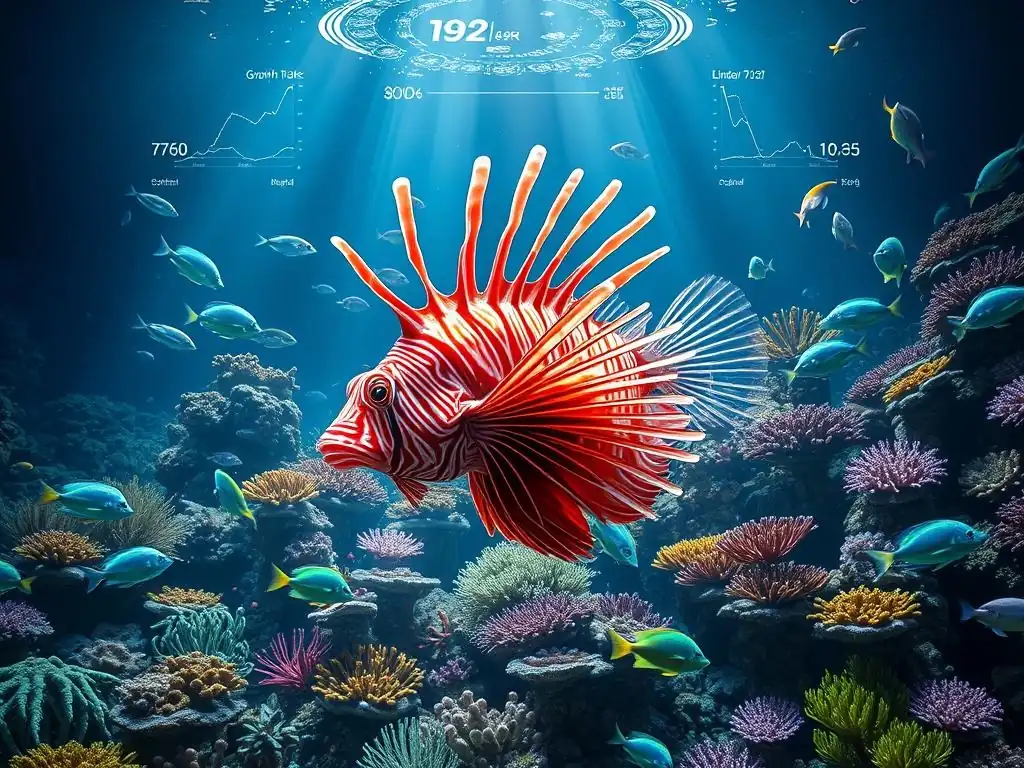
Curious about the majestic, yet formidable, Lionfish? Dive deep with us as we unravel the mysteries of their growth and lifespan. Understanding their development is crucial for responsible aquarium keeping. This article, " Lionfish Growth Rate & Lifespan: What to Expect from Your Predatory Pet," will equip you with the knowledge to ensure your Lionfish thrives. Get ready to uncover the secrets behind these captivating predators – and discover what it really takes to keep them happy and healthy!
- Understanding Lionfish Growth and Longevity in Captivity
- Lionfish Growth Rate: A Detailed Breakdown
- Lionfish Lifespan: How Long Can You Expect Your Lionfish to Live?
- Optimizing Lionfish Care for Enhanced Growth and Lifespan
- Common Issues Affecting Lionfish Growth and Lifespan
- Ensuring a Healthy and Long Life for Your Lionfish
- Lionfish Growth and Lifespan: A Summary of Key Considerations
-
Frequently Asked Questions
- How fast do lionfish typically grow in an aquarium?
- What is the average lifespan of a lionfish in captivity?
- What factors influence a lionfish's growth rate?
- Does the species of lionfish affect its growth rate and lifespan?
- What are some signs that my lionfish isn't growing properly or is unhealthy?
- Final Reflection: The Enduring Allure of the Lionfish
- Unleash Your Inner Lionfish Keeper!
Understanding Lionfish Growth and Longevity in Captivity
The Allure of Lionfish as Aquarium Inhabitants
Lionfish, with their striking pectoral fins and bold patterns, are undeniably captivating additions to a predatory saltwater aquarium. Their unique appearance and deliberate movements make them a focal point, drawing admiration from aquarists and visitors alike. Beyond their visual appeal, the challenge of housing a predatory species appeals to experienced hobbyists seeking to expand their aquatic expertise.
These venomous beauties, primarily Pterois volitans (Red Lionfish) and Pterois miles (Devil Lionfish), can grow to impressive sizes, requiring significant commitment from their owners. Understanding their potential Lionfish growth rate lifespan is crucial before introducing one to a home setup, ensuring the aquarist can provide the necessary environment for a thriving, long-lived specimen.
Key Factors Affecting Lionfish Growth Rate and Lifespan
Several critical elements influence the Lionfish growth rate lifespan in a captive environment. Foremost among these are tank size, diet, and water quality. A restricted environment can lead to stunted growth, while an inadequate diet will compromise their development and overall health.
Maintaining stable and pristine water parameters is equally vital. Fluctuations in temperature, salinity, or pH, along with elevated nitrates, can stress lionfish, making them more susceptible to disease and shortening their lifespan. Responsible aquarists prioritize these factors to ensure their predatory pets reach their full potential in terms of both size and longevity.
Lionfish Growth Rate: A Detailed Breakdown
Lionfish Growth Stages: From Juvenile to Adult
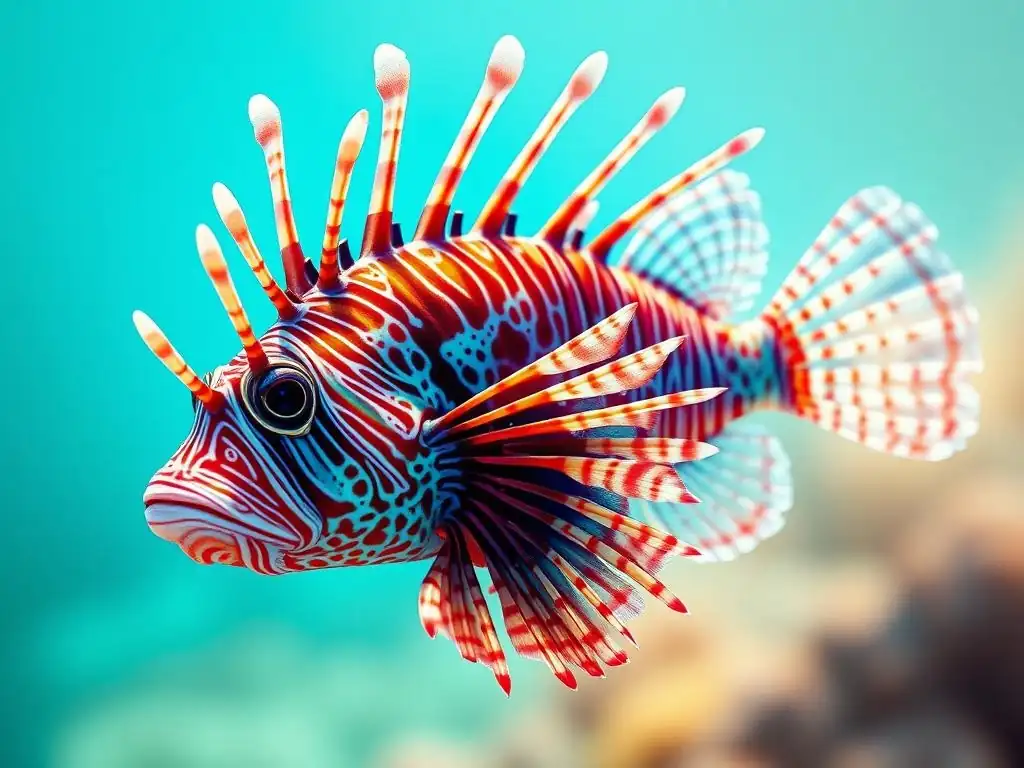
Lionfish undergo significant growth from their juvenile stage to adulthood, a process that can take several years. Juveniles, often purchased at sizes ranging from 2 to 4 inches, exhibit rapid initial growth, particularly when provided with ample food and space. During this phase, their bodies fill out, and their characteristic fins become more pronounced.
As they mature, particularly over their first 12-18 months, their growth rate may slow, but they continue to increase in size, especially the Red Lionfish (Pterois volitans), which can reach lengths of 15-18 inches in large aquariums. Dwarf species, like the Dwarf Fuzzy Lionfish (Dendrochirus brachypterus), typically cap out at 5-7 inches, showcasing the variability in Lionfish growth rate lifespan across species.
Average Growth Rate of Different Lionfish Species
The Lionfish growth rate varies considerably depending on the specific species. The common Red Lionfish (Pterois volitans) is known for its substantial growth, often adding 1-2 inches per month during its juvenile phase under ideal conditions, eventually reaching its maximum size within 3-5 years. The Devil Lionfish (Pterois miles) exhibits a similar growth pattern and maximum size.
In contrast, smaller species such as the Dwarf Fuzzy Lionfish (Dendrochirus brachypterus) or the Zebra Lionfish (Dendrochirus zebra) have a much slower and more limited growth trajectory, reaching their adult size of 5-7 inches within 2-3 years. Understanding these species-specific growth rates is essential for planning appropriate long-term housing and managing the Lionfish growth rate lifespan expectation.
Factors Influencing Growth: Tank Size, Diet, and Water Quality
Tank Size Requirements for Optimal Lionfish Growth
Tank size is paramount for optimal Lionfish growth rate lifespan. A common Red Lionfish (Pterois volitans) requires a minimum of 75-125 gallons as a juvenile, eventually needing 180 gallons or more to reach its full potential size without stunting. Dwarf species, while smaller, still benefit from larger tanks, with 30-50 gallons being a good starting point for a single specimen to allow for proper development and swimming space.
Insufficient tank volume restricts a lionfish's ability to grow, leading to stunted development and associated health issues. A spacious environment not only provides room for physical growth but also contributes to lower stress levels, better water quality stability, and overall enhanced well-being, directly impacting the Lionfish growth rate lifespan.
The Impact of Diet on Lionfish Development
A high-quality, varied diet is fundamental to achieving a healthy Lionfish growth rate lifespan. These predatory fish require a protein-rich diet consisting of meaty foods. Juveniles often start on finely chopped marine-grade shrimp, silversides, or krill. As they grow, larger pieces of these foods, along with occasional live feeder fish (used sparingly to avoid disease introduction), can be offered.
Underfeeding or providing a diet lacking essential nutrients will inevitably result in stunted growth, weakened immune systems, and a reduced lifespan. Regular, appropriate feeding, typically 2-3 times per week for adults, ensures they receive the energy and building blocks necessary for robust development and maintenance of their vibrant health.
Maintaining Water Quality for Healthy Growth
Pristine water quality is non-negotiable for robust Lionfish growth rate lifespan. Lionfish are sensitive to poor water conditions, which can quickly lead to stress, disease, and stunted growth. Key parameters such as temperature (75-80°F or 24-27°C), salinity (1.020-1.025 specific gravity), and pH (8.1-8.4) must be kept stable within their optimal ranges.
Regular water changes, typically 10-20% bi-weekly or monthly depending on stocking levels, are crucial for diluting nitrates and replenishing essential trace elements. Consistent monitoring with reliable test kits ensures that ammonia and nitrite levels remain at zero, preventing toxic buildup that severely impedes a lionfish's ability to grow and thrive.
Lionfish Lifespan: How Long Can You Expect Your Lionfish to Live?
Average Lifespan of Lionfish in a Home Aquarium
With optimal care, the Lionfish lifespan in a well-maintained home aquarium can be quite impressive. Common Red Lionfish (Pterois volitans) are often reported to live for 10 to 15 years, and in some exceptional cases, even longer. This longevity is largely dependent on providing a spacious tank, a high-quality diet, and consistent water parameters.
Dwarf lionfish species, while generally having a slightly shorter natural lifespan due to their smaller size, can still live for 5 to 8 years under excellent captive conditions. Achieving these longer lifespans requires a dedicated aquarist who understands and meets their specific needs, thereby maximizing their potential Lionfish growth rate lifespan.
Comparing Lifespan in the Wild vs. Captivity
The Lionfish lifespan in the wild is somewhat debated, partly due to the challenge of tracking individual fish over long periods in their natural habitats. However, estimates suggest that wild lionfish may live for 8 to 10 years. This figure can be influenced by factors such as predation, food availability, and environmental stressors, particularly in their native Indo-Pacific range.
In captivity, without the threat of natural predators or inconsistent food sources, and with proper husbandry, lionfish often exceed their estimated wild lifespan. The controlled environment of a home aquarium, free from disease outbreaks and providing consistent nutrition, allows for a longer and healthier Lionfish growth rate lifespan compared to their counterparts in the ocean.
Maximizing Lionfish Longevity: Care and Maintenance Tips
Providing a Suitable Habitat for a Long Life
To maximize Lionfish longevity, providing a suitable habitat is paramount. This includes not just tank size, as previously discussed, but also appropriate aquascaping. Lionfish appreciate plenty of rockwork with caves and overhangs where they can rest and feel secure. This mimics their natural rocky reef environments and reduces stress.
Ensure that tank mates are carefully chosen to be non-aggressive and too large to be considered prey. A well-designed filtration system, including a sump and protein skimmer, is essential for maintaining the high water quality necessary for a long and healthy Lionfish growth rate lifespan.
Preventing and Treating Common Lionfish Diseases
Preventing and promptly treating common diseases is crucial for a long Lionfish lifespan. Lionfish are generally robust, but poor water quality or stress can make them susceptible to common saltwater ailments like Marine Ich (Cryptocaryon irritans) and bacterial infections. Quarantining new fish for 4-6 weeks is a vital preventative measure to avoid introducing pathogens into the main display tank.
Regular observation for signs of illness, such as white spots, fin rot, or lethargy, allows for early intervention. Prompt diagnosis and appropriate treatment, often involving medication in a hospital tank, can significantly improve recovery chances and prevent the spread of disease, safeguarding the Lionfish growth rate lifespan of your entire collection.
Optimizing Lionfish Care for Enhanced Growth and Lifespan
Diet and Nutrition for Lionfish: What to Feed Your Predatory Pet
Recommended Food Sources for Lionfish
To optimize Lionfish growth rate lifespan, a diverse and nutritious diet is essential. Recommended food sources include frozen, vitamin-enriched mysis shrimp, krill, silversides, and various types of marine fish flesh (e.g., cod, snapper, salmon, tuna – ensuring they are fresh and appropriately sized). Some aquarists also offer live ghost shrimp or small feeder fish, though caution is advised due to potential disease transmission.
It's important to vary the diet to ensure a full spectrum of nutrients. For instance, feeding only silversides can lead to a thiamine deficiency over time. A balanced approach, alternating between different high-quality frozen foods, ensures your lionfish receives all the necessary vitamins and minerals for robust Lionfish growth rate lifespan.
Feeding Frequency and Portion Control
Feeding frequency and portion control directly impact the Lionfish growth rate lifespan. Juveniles typically require more frequent feedings, perhaps every other day, to fuel their rapid development. As they mature, adult lionfish can be fed 2-3 times per week. The portion size should be enough for their belly to appear slightly distended but not bloated, and all food should be consumed within a few minutes to prevent water fouling.
Overfeeding can lead to obesity, digestive issues, and poor water quality, all of which negatively impact health and longevity. Conversely, underfeeding will stunt their growth and weaken their immune system. Striking the right balance ensures optimal Lionfish growth rate lifespan without compromising water conditions.
Maintaining Ideal Water Parameters for Lionfish Health
Temperature, Salinity, and pH Levels
Maintaining stable and ideal water parameters is critical for a healthy Lionfish growth rate lifespan. Lionfish thrive in temperatures ranging from 75°F to 80°F (24°C to 27°C). Salinity should be kept consistently between 1.020 and 1.025 specific gravity, and pH levels should remain stable between 8.1 and 8.4. Sudden fluctuations in these parameters can cause significant stress and compromise their immune system.
Using reliable heaters with thermostats, accurate refractometers for salinity, and regular pH testing are non-negotiable. Consistent monitoring helps prevent issues before they become problematic, directly contributing to the long-term health and impressive Lionfish growth rate lifespan.
The Importance of Regular Water Changes
Regular water changes are a cornerstone of excellent water quality and a long Lionfish lifespan. They are essential for diluting accumulated nitrates, phosphates, and other pollutants that build up over time from fish waste and uneaten food. Water changes also replenish essential trace elements that are utilized by the tank's inhabitants.
For a typical lionfish setup, a 10-20% water change every two to four weeks is generally recommended, depending on the bioload and filtration efficiency. Using high-quality salt mix and RODI (Reverse Osmosis Deionized) water ensures that new water introduced is free of harmful contaminants, fostering a pristine environment conducive to a strong Lionfish growth rate lifespan.
Anemone Host Compatibility and its Effect on Lionfish Well-being
Choosing Appropriate Anemone Hosts
Unlike clownfish, lionfish do not form symbiotic relationships with anemones and do not require them as hosts. In fact, introducing anemones into a lionfish tank can pose risks. Anemones possess powerful stinging cells (nematocysts) that, while generally harmless to clownfish, can potentially injure or stress a lionfish, especially if the lionfish inadvertently brushes against them.
Therefore, when considering a long Lionfish growth rate lifespan, it is best to avoid housing them with large, potent anemones. If a visually appealing invertebrate is desired, large, robust corals that are not aggressive stingers would be a more suitable choice, ensuring the lionfish's safety and well-being.
Avoiding Anemone-Related Issues
The primary anemone-related issue for lionfish is the risk of stings. Even a brush against a highly venomous anemone could cause skin irritation, fin damage, or stress to a lionfish, potentially leading to secondary infections. Given that lionfish are already venomous and require careful handling, adding another stinging creature only increases the potential for complications.
To ensure optimal Lionfish growth rate lifespan, focus on providing a habitat that is safe and stress-free, without the unnecessary risk posed by anemones. Prioritizing their specific environmental needs over aesthetic pairings that might introduce harm is key to their long-term health.
Common Issues Affecting Lionfish Growth and Lifespan
Identifying Signs of Stunted Growth in Lionfish
Identifying signs of stunted Lionfish growth rate lifespan is crucial for early intervention. Stunted lionfish will appear disproportionately small for their age, often with a large head relative to a thin body. Their fins may also seem underdeveloped or ragged, and their coloration might be duller than expected.
Other indicators include a lack of interest in food, lethargy, or unusually slow movements. If a lionfish, particularly a Red Lionfish, remains under 8-10 inches after several years in a suitably sized tank with proper feeding, it is likely experiencing stunted growth, signaling underlying issues with diet, water quality, or tank conditions impacting its potential Lionfish growth rate lifespan.
Diagnosing and Treating Lionfish Diseases
Diagnosing and treating lionfish diseases promptly is vital to preserving their Lionfish lifespan. Common ailments include Marine Ich (white spots on body and fins), Brooklynella (sloughing skin, rapid breathing), and various bacterial infections (fin rot, cloudy eyes). Stress from poor water quality or aggressive tank mates often precipitates these issues.
Upon observing symptoms, isolate the affected lionfish in a hospital tank to prevent spread and allow for targeted treatment. Administer appropriate medications, such as copper-based treatments for Ich or broad-spectrum antibiotics for bacterial infections, following manufacturer instructions carefully. Early and accurate diagnosis significantly improves recovery rates and secures the long-term Lionfish growth rate lifespan.
Addressing Aggression and Bullying in the Aquarium
While lionfish are predators, they are generally peaceful towards tank mates too large to be considered food. However, they can be victims of aggression or bullying from other assertive fish, which can severely impact their Lionfish growth rate lifespan. Signs of bullying include torn fins, hiding constantly, refusal to eat, or visible stress marks.
If aggression is observed, re-evaluate tank mate compatibility. It may be necessary to remove the aggressor or the lionfish to a more suitable environment. Providing ample hiding spots can also help reduce stress. A stress-free environment is paramount for a lionfish to thrive, ensuring optimal Lionfish growth rate lifespan and overall well-being.
Ensuring a Healthy and Long Life for Your Lionfish
Regular Observation and Proactive Care
Ensuring a healthy and long Lionfish lifespan hinges on regular observation and proactive care. Daily checks for unusual behavior, changes in appetite, or physical signs of distress allow aquarists to catch potential issues early. This includes monitoring their breathing rate, fin condition, and overall activity level.
Proactive care involves routine water parameter testing, diligent tank maintenance, and preparing for common issues before they arise. Having a quarantine tank ready and a basic understanding of common fish ailments empowers the aquarist to respond swiftly, significantly enhancing the chances of a long and robust Lionfish growth rate lifespan.
Creating a Stress-Free Environment
Creating a stress-free environment is fundamental for maximizing the Lionfish growth rate lifespan. This encompasses not only providing ample space and appropriate aquascaping but also minimizing sudden changes in lighting, noise, or tank inhabitants. Lionfish, like many fish, can be startled by rapid movements outside the tank or loud noises.
Stable water parameters, consistent feeding schedules, and carefully selected, compatible tank mates contribute significantly to reducing stress. A calm and predictable environment allows lionfish to feel secure, promoting optimal immune function, growth, and overall health, thereby extending their potential Lionfish growth rate lifespan.
The Rewards of Responsible Lionfish Ownership
The rewards of responsible Lionfish ownership are immense. Witnessing a healthy lionfish grow from a small juvenile into a magnificent, full-sized adult is a testament to dedicated care. Their unique beauty and calm demeanor make them fascinating subjects for observation, providing endless enjoyment for the aquarist.
A well-cared-for lionfish, exhibiting its full Lionfish growth rate lifespan, becomes a centerpiece of any saltwater aquarium, offering a glimpse into the diverse and captivating world of predatory marine life. The satisfaction of providing a thriving habitat for such an iconic species is a deeply fulfilling aspect of the aquarium hobby.
Lionfish Growth and Lifespan: A Summary of Key Considerations
Providing the Right Environment for Optimal Growth and Longevity
For optimal Lionfish growth rate lifespan, providing the right environment is non-negotiable. This means a spacious aquarium, ideally 125-180 gallons or more for common species, with plenty of rockwork and hiding spots. The environment must be stable, with consistent temperature (75-80°F), salinity (1.020-1.025), and pH (8.1-8.4).
Adequate filtration and regular water changes are crucial to maintain pristine water quality, free from ammonia, nitrite, and excessive nitrates. A well-designed habitat reduces stress, prevents disease, and directly supports the impressive Lionfish growth rate lifespan potential.
Essential Care Tips: Diet, Water Quality, and Anemone Selection
Essential care tips for a robust Lionfish growth rate lifespan include a high-quality, varied diet of meaty frozen foods, fed 2-3 times weekly for adults. Consistency in water parameters, achieved through regular testing and water changes, prevents stress and illness.
Finally, remember that lionfish do not require anemones; in fact, housing them with stinging anemones can be detrimental. Focusing on these core elements—proper nutrition, pristine water, and a safe, appropriate habitat—will ensure your predatory pet thrives and lives a long, healthy Lionfish lifespan.
Frequently Asked Questions
How fast do lionfish typically grow in an aquarium?
Lionfish growth rates can vary, but generally, they grow rapidly when young. Expect them to reach a significant size within the first year, potentially adding several inches per month depending on feeding frequency and diet.
What is the average lifespan of a lionfish in captivity?
With proper care, lionfish can live a surprisingly long time in an aquarium. The average lifespan is 5 to 15 years, though some individuals may live even longer with optimal conditions.
What factors influence a lionfish's growth rate?
Several factors influence growth, including water quality, tank size, and, most importantly, the amount and type of food provided. A varied diet and stable environment are crucial.
Does the species of lionfish affect its growth rate and lifespan?
Yes, different species of lionfish have varying growth potential and lifespans. Dwarf lionfish, for example, will not grow as large as the volitan lionfish, impacting their overall maximum size and expected lifespan.
What are some signs that my lionfish isn't growing properly or is unhealthy?
Signs of poor growth or illness include loss of appetite, lethargy, faded coloration, or any visible signs of injury or disease. Prompt action is vital to address any issues.
Final Reflection: The Enduring Allure of the Lionfish
The exploration of lionfish growth rate and lifespan, as we've detailed, isn't just about keeping a fascinating pet; it's about understanding the complex interplay between captive care and the inherent biology of a predatory species. The insights gained are particularly relevant today, as responsible ownership becomes increasingly crucial in mitigating the potential ecological impacts of exotic pets.
This journey into the world of lionfish has undoubtedly highlighted the responsibility that comes with caring for such a unique creature. It reminds us that even within the confines of our aquariums, we are connected to a larger ecosystem, and our choices have consequences. In the end, we will conserve only what we love; we will love only what we understand; and we will understand only what we are taught.
- Baba Dioum. This quote encapsulates the importance of knowledge and understanding in fostering responsible stewardship of our planet and its inhabitants, even the seemingly small corner occupied by a lionfish in an aquarium.
As you consider the information presented, I invite you to reflect on your own role in the broader narrative of conservation and responsible pet ownership. How can you apply the lessons learned about lionfish growth and lifespan to make more informed decisions about the animals you bring into your life? Let the knowledge you've gained inspire you to become a more conscientious and informed steward of the natural world, ensuring a brighter future for both our pets and the ecosystems they originate from.
Unleash Your Inner Lionfish Keeper!
Thanks for diving deep into the world of lionfish! We hope you now have a better grasp of what to expect as these majestic creatures grow and thrive. Now, it’s time to take that knowledge and put it into action.
- Start planning for a larger tank. The key takeaway? These beauties need space!
- Explore specialized lionfish forums online to connect with experienced keepers and share your questions and insights.
- Challenge yourself: Research ethical and sustainable sourcing options for lionfish food to ensure their long-term health and well-being.
What fascinating fact about lionfish lifespan or growth surprised you the most, and how will it influence your approach to keeping them?