
Filtration for Pearl Gouramis: Gentle Currents for Delicate Fins

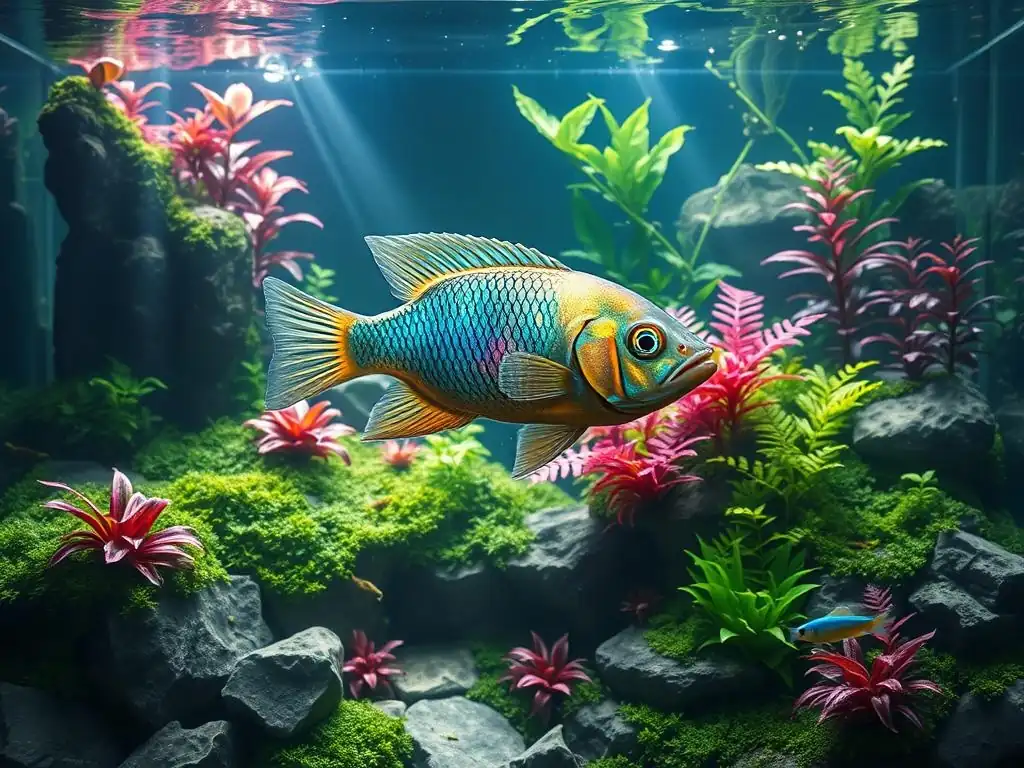
Welcome to Aquarium Mastery!
Ever wondered how to keep your Pearl Gouramis thriving in a pristine aquarium environment? Discover the secrets to perfect water conditions and filtration requirements that cater to their delicate nature. Dive in to learn how to create gentle currents and a haven where your Pearl Gouramis can truly flourish! This is just the beginning – let's unlock the secrets to a vibrant and healthy tank together.
- Understanding Pearl Gourami Habitat and Filtration Needs
- Key Considerations for Pearl Gourami Filtration Requirements
- Choosing the Right Filter for Your Pearl Gourami Tank
- Setting Up and Maintaining Your Pearl Gourami Filter
- Optimizing Water Quality for Pearl Gouramis Beyond Filtration
- Common Filtration Mistakes to Avoid with Pearl Gouramis
- Troubleshooting Filtration Issues in Pearl Gourami Tanks
-
Frequently Asked Questions
- How crucial is gentle filtration for Pearl Gouramis?
- What type of filter is best suited for a Pearl Gourami tank?
- How often should I perform water changes with a Pearl Gourami tank filter?
- Can I use an undergravel filter with Pearl Gouramis?
- What signs indicate my filter isn't adequate for my Pearl Gouramis?
- Final Reflection: Nurturing Harmony in the Aquarium
- Dive Deeper: Cultivate a Thriving Pearl Gourami Paradise!
Understanding Pearl Gourami Habitat and Filtration Needs
Pearl Gourami Natural Habitat: Slow-Moving, Heavily Planted Waters
Pearl gouramis (Trichopodus leerii) originate from the slow-moving, often murky or clearwater environments of Southeast Asia, particularly in countries like Malaysia, Thailand, and Indonesia. Their natural habitats include swamps, rice paddies, and densely vegetated floodplains, where water currents are minimal to non-existent. These areas are typically rich in aquatic vegetation, providing ample cover and a stable, calm environment. The water chemistry in these regions often leans towards soft and slightly acidic, with a typical pH range of 6.0 to 7.5 and temperatures consistently between 75-82°F (24-28°C).
This natural predisposition to calm waters is crucial for understanding pearl gourami filtration requirements. Unlike fast-swimming species, pearl gouramis are not adapted to strong currents. Their long, delicate ventral fins, which they use as sensory organs, are particularly vulnerable to turbulent water. Replicating their native conditions in an aquarium, focusing on gentle water movement and abundant plant life, is key to their well-being and longevity.
Why Gentle Filtration is Crucial for Pearl Gouramis
The delicate physiology and behavior of pearl gouramis necessitate a filtration system that prioritizes gentle water flow. Strong currents can cause significant stress, leading to a range of health issues. Constant battling against a current exhausts these fish, making them lethargic and more susceptible to diseases such as Ich (white spot disease) or fin rot, as their immune system becomes compromised. Their long, thread-like ventral fins, which are a hallmark of the species, are especially prone to fraying or damage when exposed to powerful water movement.
Furthermore, pearl gouramis are labyrinth fish, meaning they possess a specialized organ that allows them to breathe atmospheric oxygen from the surface. While this adaptation provides a survival advantage in low-oxygen natural habitats, it also means they frequently visit the surface. Turbulent water can make this process difficult and stressful. Therefore, effective but gentle pearl gourami filtration requirements are paramount to ensure these graceful fish thrive, maintaining their vibrant colors and characteristic long fins without undue stress.
Key Considerations for Pearl Gourami Filtration Requirements
Balancing Water Clarity and Gentle Flow for Pearl Gouramis
Achieving pristine water clarity while maintaining a gentle flow is a primary challenge when considering pearl gourami filtration requirements. Mechanical filtration, which physically removes particulate matter like uneaten food and fish waste, is essential for visual clarity. However, the force with which this filtered water is returned to the tank must be carefully managed. A system that provides excellent mechanical filtration without creating strong currents is ideal.
For instance, aim for a total tank turnover rate of 3 to 5 times the tank volume per hour, which is considerably lower than the 5 to 10 times often recommended for more robust fish species. This lower turnover rate helps ensure the current remains gentle enough for pearl gouramis, preventing unnecessary stress and fin damage, while still effectively removing suspended debris and maintaining clear water quality.
The Importance of Biological Filtration for Pearl Gourami Health
Biological filtration is arguably the most critical component of any aquarium filtration system, especially for delicate species like pearl gouramis. This process relies on beneficial bacteria that colonize porous surfaces within the filter media, converting toxic ammonia (from fish waste and decaying matter) into less harmful nitrite, and then into even less harmful nitrate. A robust biological filter ensures stable water parameters, preventing the buildup of highly toxic compounds that can quickly sicken or kill fish.
For pearl gourami filtration requirements, a well-established biological filter is non-negotiable. It provides the backbone of a healthy ecosystem, processing the nitrogenous waste produced by the fish. In a 30-gallon tank with a moderate bioload, a mature biological filter can effectively process daily ammonia production, keeping levels at zero parts per million (ppm). Without adequate biological filtration, even the most gentle mechanical system will fail to provide a safe and stable environment for pearl gouramis.
Avoiding Strong Currents: Protecting Pearl Gourami Fins
The long, delicate ventral fins of pearl gouramis are highly susceptible to damage from strong water currents. These fins, which can extend up to half the length of their body, are used for sensing their environment and are a key characteristic of the species. When constantly buffeted by strong flow, these fins can become frayed, torn, or even completely worn down, which not only detracts from the fish's aesthetic appeal but also compromises their ability to navigate and interact with their surroundings.
Beyond physical damage, strong currents induce chronic stress. Fish constantly fighting a current expend excessive energy, leading to a weakened immune system and increased susceptibility to common aquarium diseases. To meet pearl gourami filtration requirements, it is essential to select filters with adjustable flow rates or to implement flow-diffusing accessories like spray bars or baffles. Observational evidence suggests that pearl gouramis in high-flow environments exhibit more erratic swimming patterns and spend more time hiding, indicating discomfort and stress.
Choosing the Right Filter for Your Pearl Gourami Tank
Sponge Filters: A Gentle and Effective Option for Pearl Gouramis
Sponge filters are an excellent choice for pearl gourami filtration requirements, particularly for smaller tanks, breeding setups, or as supplementary filtration. They operate by using an air pump to draw water through a porous sponge, which provides a massive surface area for beneficial bacteria to colonize. This results in superb biological filtration with extremely gentle water movement, making them ideal for fish that prefer calm conditions.
For a 10 to 20-gallon tank housing a pair of pearl gouramis, a single large sponge filter can provide sufficient biological and mechanical filtration without creating any discernible current. Their simplicity, low cost, and minimal maintenance (requiring only periodic rinsing in old tank water) make them a top recommendation for hobbyists prioritizing the comfort of their pearl gouramis.
Internal Filters: Adjustable Flow for Sensitive Fish
Internal filters are submersible units that are placed directly inside the aquarium. Many models feature adjustable flow rates and can be equipped with spray bars, making them a versatile option for meeting pearl gourami filtration requirements. Their compact design allows for precise positioning to direct the outflow against the tank wall or towards plants, further diffusing any potential strong currents.
Look for internal filters with a maximum flow rate of around 100-150 GPH for a 20-30 gallon tank, ensuring the flow can be adjusted downwards as needed. For example, an internal filter set to its lowest flow setting of 50 GPH in a 20-gallon tank will provide a gentle turnover rate of 2.5 times per hour, which is well within the comfortable range for pearl gouramis while still offering effective mechanical and biological filtration.
Hang-on-Back (HOB) Filters: Modifying Flow for Pearl Gourami Comfort
Hang-on-Back (HOB) filters are popular for their ease of installation and efficient multi-stage filtration. While many HOB filters can produce a significant waterfall effect or strong current, they can be easily modified to suit pearl gourami filtration requirements. Common modifications include placing a pre-filter sponge over the intake tube to reduce suction and a baffle or spray bar attachment on the outflow.
A simple DIY baffle, such as a piece of plastic cut from a water bottle and attached to the outflow, can effectively disperse the water flow, reducing its direct impact by up to 60-70%. This allows hobbyists to benefit from the strong mechanical and chemical filtration capabilities of HOB units while ensuring the pearl gouramis experience a calm environment.
Canister Filters: Powerful Filtration with Adjustable Outflow
Canister filters are external, self-contained units that offer superior filtration capacity, making them suitable for larger pearl gourami tanks (50 gallons and above) or heavily stocked aquariums. They provide multi-stage filtration (mechanical, biological, and chemical) and typically have powerful pumps. The key to using canister filters for pearl gouramis lies in managing their outflow.
Most canister filters come with spray bars or adjustable nozzles that can be positioned to direct the water flow along the back wall of the tank, or pointed upwards towards the surface to maximize gas exchange without creating a direct current. For example, a canister filter rated at 250 GPH can be equipped with a 12-inch spray bar spanning the length of a 55-gallon tank, reducing the localized current to less than 0.1 meters per second, which is ideal for the delicate fins of pearl gouramis.
Setting Up and Maintaining Your Pearl Gourami Filter
Initial Filter Setup and Cycling for a New Tank
Proper initial setup and cycling are fundamental steps for any new aquarium, especially when preparing for sensitive fish like pearl gouramis. The filter needs to be assembled according to the manufacturer's instructions, ensuring all media is correctly placed. Following this, the tank must undergo a nitrogen cycle to establish the beneficial bacteria necessary for biological filtration. This process involves introducing an ammonia source (e.g., pure ammonia or fish food) and allowing the bacteria to grow and convert ammonia to nitrite, and then nitrite to nitrate.
A typical fishless cycle can take 4 to 6 weeks to complete. During this period, it's crucial to regularly test water parameters (ammonia, nitrite, and nitrate) using a reliable liquid test kit. Ammonia and nitrite levels should peak and then consistently drop to zero before any pearl gouramis are introduced. This ensures that the pearl gourami filtration requirements for a stable and non-toxic environment are met from day one.
Regular Filter Maintenance: Cleaning and Media Replacement
Consistent filter maintenance is vital for the long-term health of your pearl gouramis and the efficiency of your filtration system. Mechanical filter media, such as sponges or filter floss, should be rinsed every 1-2 weeks in old aquarium water (water removed during a water change) to prevent clogging and maintain flow rate. Rinsing in chlorinated tap water will kill beneficial bacteria.
Chemical media, like activated carbon, typically needs replacement every 2-4 weeks as its adsorptive capacity becomes exhausted. Biological media, on the other hand, should be disturbed as little as possible to preserve the bacterial colonies. If biological media becomes visibly dirty, it too can be gently rinsed in old tank water. Neglecting these tasks can lead to reduced filter efficiency, increased toxin levels, and ultimately, a compromised environment for your pearl gouramis.
Monitoring Water Parameters: Ensuring Optimal Water Quality for Pearl Gouramis
Regular monitoring of water parameters is a critical aspect of maintaining optimal water quality for pearl gouramis, complementing the role of filtration. Key parameters to test include pH, ammonia, nitrite, nitrate, and temperature. For pearl gouramis, ideal conditions are a pH between 6.0 and 7.5, ammonia and nitrite at 0 ppm, and nitrates below 20 ppm. The temperature should consistently be maintained within their preferred range of 75-82°F (24-28°C).
Weekly or bi-weekly testing using a reliable liquid test kit allows you to track these parameters and identify any potential issues before they become harmful. For instance, a sudden spike in ammonia or nitrite indicates a problem with the biological filter, while consistently high nitrates suggest the need for more frequent or larger water changes. Proactive monitoring ensures that the pearl gourami filtration requirements are continually met, contributing to their long-term health and vitality.
Optimizing Water Quality for Pearl Gouramis Beyond Filtration
Regular Water Changes: Maintaining a Healthy Aquarium Environment
While effective filtration is paramount, it cannot entirely remove all dissolved organic compounds and nitrates that accumulate in an aquarium. Regular water changes are essential for maintaining pristine water quality and a healthy environment for pearl gouramis. Water changes dilute nitrates, phosphates, and other pollutants that filtration systems may not fully process, and they also replenish essential trace minerals consumed by fish and plants.
For a well-maintained pearl gourami tank, a weekly or bi-weekly 25-30% water change is generally recommended. This routine helps keep nitrate levels consistently below 20 ppm, significantly reducing stress on the fish and preventing the buildup of algae-promoting nutrients. Consistent water changes are a cornerstone of good aquarium husbandry, directly supporting the efficacy of your pearl gourami filtration requirements by removing what the filter cannot.
Substrate Selection: Promoting Beneficial Bacteria
The substrate in an aquarium plays a more significant role than just aesthetics; it provides a substantial surface area for beneficial bacteria to colonize, contributing to the overall biological filtration capacity of the tank. For pearl gouramis, a fine-grained substrate like sand or small gravel is preferred. These types of substrates are gentle on their delicate barbels (sensory organs around their mouth) and prevent food particles and waste from sinking too deeply, making cleaning easier.
A 2-3 inch layer of fine gravel or sand can significantly enhance the biological filtration of your tank. Studies show that a well-maintained substrate can contribute up to 20-30% of the total biological surface area available for nitrifying bacteria. This additional biological filtration complements your primary filter, further stabilizing water parameters and meeting the subtle pearl gourami filtration requirements for a healthy bacterial ecosystem.
Live Plants: Natural Filtration and Shelter for Pearl Gouramis
Live plants are invaluable additions to a pearl gourami aquarium, serving multiple beneficial purposes. Beyond providing crucial shelter and mimicking their natural, heavily vegetated habitat, live plants act as natural filters. They absorb nitrates, phosphates, and other dissolved organic compounds directly from the water, competing with algae for these nutrients and helping to maintain excellent water quality. This natural nutrient uptake reduces the bioload on your mechanical and biological filters.
Species like Anubias, Java Fern, Cryptocoryne, and floating plants such as Amazon Frogbit or Dwarf Water Lettuce are excellent choices as they thrive in low-current environments and provide the dense cover pearl gouramis adore. A heavily planted 29-gallon tank with fast-growing species can effectively absorb 5-10 ppm of nitrates per week, significantly reducing the frequency of water changes needed to control nitrates and further supporting the pearl gourami filtration requirements through natural means.
Common Filtration Mistakes to Avoid with Pearl Gouramis
Over-Filtration: Causing Excessive Current
A common misconception in aquarium keeping is that more filtration is always better. However, for pearl gouramis, "over-filtration" in terms of flow rate can be detrimental. Installing a filter with an excessively high flow rate for the tank size, even if it provides excellent mechanical and biological filtration, can create strong currents that stress these delicate fish. For instance, using a filter rated for a 75-gallon tank in a 20-gallon pearl gourami setup will likely generate turbulent water that constantly buffets the fish.
This constant struggle against the current exhausts pearl gouramis, leads to fin damage, and increases their susceptibility to disease. It's crucial to select a filter with an appropriate flow rate for the tank size and the specific needs of pearl gouramis, focusing on gentle water movement rather than sheer power. The goal of pearl gourami filtration requirements is not maximum turnover, but optimal, gentle water movement.
Neglecting Filter Maintenance: Leading to Poor Water Quality
One of the most frequent and impactful mistakes is neglecting regular filter maintenance. Over time, mechanical filter media (sponges, floss) become clogged with detritus, reducing water flow and filter efficiency. Biological media can also become less effective if it's smothered by excessive sludge. This neglect leads to a decline in water quality, characterized by increased ammonia, nitrite, and nitrate levels, as the filter is no longer able to process waste effectively.
A clogged filter can see its effective flow rate drop by 30-50% within a month, leading to a rapid increase in toxins if the bioload remains constant. This can quickly lead to fish illness, fin rot, or even death. Regular cleaning of mechanical media and careful attention to the biological media are non-negotiable for maintaining the healthy environment that pearl gourami filtration requirements demand.
Using Incompatible Filter Media
Selecting the wrong type of filter media can also pose problems for pearl gouramis. While mechanical and biological media are generally universal, certain chemical media or even some biological media types can alter water chemistry in ways that are detrimental to specific fish. For example, using filter media containing crushed coral or aragonite in a pearl gourami tank, which prefer soft, slightly acidic water, can unnecessarily raise the pH and water hardness.
This can cause chronic stress and health issues for the fish, as they are forced to live outside their preferred parameters. Always ensure that any filter media used is inert or specifically designed to maintain the water parameters suitable for pearl gouramis (pH 6.0-7.5, soft to medium hardness). Understanding the impact of different media on water chemistry is vital for meeting pearl gourami filtration requirements.
Troubleshooting Filtration Issues in Pearl Gourami Tanks
Cloudy Water: Identifying and Resolving Filtration Problems
Cloudy water is a common issue in aquariums and can often signal a problem with filtration or water quality management. In pearl gourami tanks, persistent cloudiness can stem from a bacterial bloom (common in new, uncycled tanks or tanks with sudden bioload increases), an excess of particulate matter (indicating insufficient mechanical filtration or a clogged filter), or even an algae bloom (due to nutrient imbalances).
To resolve cloudy water, first test ammonia and nitrite levels; if elevated, a bacterial bloom is likely, and daily small water changes (10-15%) coupled with reduced feeding can help. If particulate matter is the cause, clean or replace mechanical filter media. Ensuring your pearl gourami filtration requirements are met with adequate mechanical filtration, alongside regular water changes and moderate feeding, will typically clear the water within a few days to a week.
Algae Blooms: Addressing Nutrient Imbalances
Algae blooms are often a symptom of nutrient imbalances in the aquarium, indicating that the filtration system and other nutrient export methods are not keeping pace with the nutrient input. Common causes include excessive light, overfeeding, infrequent water changes leading to high nitrates and phosphates, or insufficient plant mass to absorb nutrients. While filtration removes some nutrients, it doesn't eliminate all of them.
To combat algae, first, reduce lighting duration to 8-10 hours daily. Secondly, increase the frequency or volume of water changes (e.g., 30-40% weekly) to directly remove nitrates and phosphates. Ensure your pearl gourami filtration is functioning optimally, and consider adding fast-growing live plants to outcompete the algae for nutrients. A well-balanced ecosystem, where pearl gourami filtration requirements are met and nutrients are consistently managed, will naturally suppress algae growth.
Low Oxygen Levels
While pearl gouramis possess a labyrinth organ allowing them to breathe atmospheric oxygen, they still require adequate dissolved oxygen in the water. Low oxygen levels can be a sign of a filtration problem, particularly if the filter isn't providing sufficient surface agitation. Other causes include high water temperatures (warm water holds less oxygen), excessive organic decay from overfeeding or detritus, or a malfunctioning filter.
Symptoms of low oxygen include pearl gouramis gasping at the surface more frequently than usual, lethargy, and rapid gill movement. To address this, first check your filter's output: ensure it's creating gentle surface agitation. If not, adjust the flow or add an air stone connected to an air pump. Perform a partial water change to remove decaying organic matter, and if temperatures are high, consider lowering them gradually. Ensuring proper pearl gourami filtration provides both clean water and essential surface agitation for gas exchange.
Frequently Asked Questions
How crucial is gentle filtration for Pearl Gouramis?
It's very important. Pearl Gouramis are native to slow-moving waters, so strong currents from powerful filters can stress them. A filter with adjustable flow is ideal.
What type of filter is best suited for a Pearl Gourami tank?
Sponge filters and canister filters are often recommended. Sponge filters provide gentle filtration and are safe for fry, while canister filters offer powerful filtration with adjustable flow, which is useful to reduce the current.
How often should I perform water changes with a Pearl Gourami tank filter?
Regular water changes are still necessary, even with a good filter. Aim for 25% water changes every 1-2 weeks to maintain water quality and remove nitrates.
Can I use an undergravel filter with Pearl Gouramis?
While possible, undergravel filters aren't always the best choice. They can create strong currents near the bottom and may not be as effective at removing debris as other filter types.
What signs indicate my filter isn't adequate for my Pearl Gouramis?
Signs include stressed behavior, such as hiding, clamped fins, or rapid breathing. Poor water quality, indicated by high ammonia or nitrite levels, also suggests the filter is not sufficient for the tank's bioload.
Final Reflection: Nurturing Harmony in the Aquarium
The intricacies of aquarium filtration, as explored in this article, are not merely technical details; they represent a commitment to creating a thriving ecosystem for delicate creatures like the Pearl Gourami. Understanding and meeting their specific filtration requirements is paramount, not just for their survival, but for their overall well-being and the beauty they bring to our aquariums. This understanding is increasingly relevant as more aquarists seek to provide optimal care for their aquatic companions.
The gentle currents and pristine water quality we strive to achieve for Pearl Gouramis reflect a broader philosophy of responsible pet ownership and environmental stewardship. The dedication to providing the best possible environment for these fish underscores our connection to the natural world and our role in preserving its delicate balance. In nature, nothing exists alone.
- Rachel Carson. This quote reminds us that every element within an ecosystem, including the filtration system in an aquarium, plays a crucial role in the health and vitality of the whole.
As you consider the filtration needs of your Pearl Gouramis, remember that you are not just maintaining an aquarium; you are cultivating a miniature world. Take the lessons learned here – the importance of gentle currents, biological filtration, and regular maintenance – and apply them to your own aquascaping endeavors. By embracing these principles, you can create a haven where these beautiful fish can flourish, bringing joy and tranquility to your life and a deeper appreciation for the wonders of the aquatic realm.
Dive Deeper: Cultivate a Thriving Pearl Gourami Paradise!
Thank you for exploring the art of gentle filtration for your Pearl Gouramis! You've unlocked the secrets to maintaining pristine water quality without compromising their delicate nature. Now, let's transform that knowledge into action!
Here's how you can further enhance your Pearl Gourami's aquatic haven:
- Prioritize a Sponge Filter: Commit to setting up a dedicated sponge filter if you haven't already. This provides the essential gentle filtration that these fish crave.
- Explore alternative filter media: Research the effectiveness of Purigen or Seachem Matrix in your filter setup. Consider the impact of different filtration methods on water clarity, and the overall health of the aquarium.
- Share your insights: What unique strategies have you discovered for maintaining ideal water parameters for your Pearl Gouramis? Share your tips with fellow enthusiasts in the comments below!
What innovative filtration hack will you implement this week to elevate your Pearl Gourami's well-being?