
Rummy Nose Tetra Revealed: The Ultimate Water Quality Indicator & Care Guide

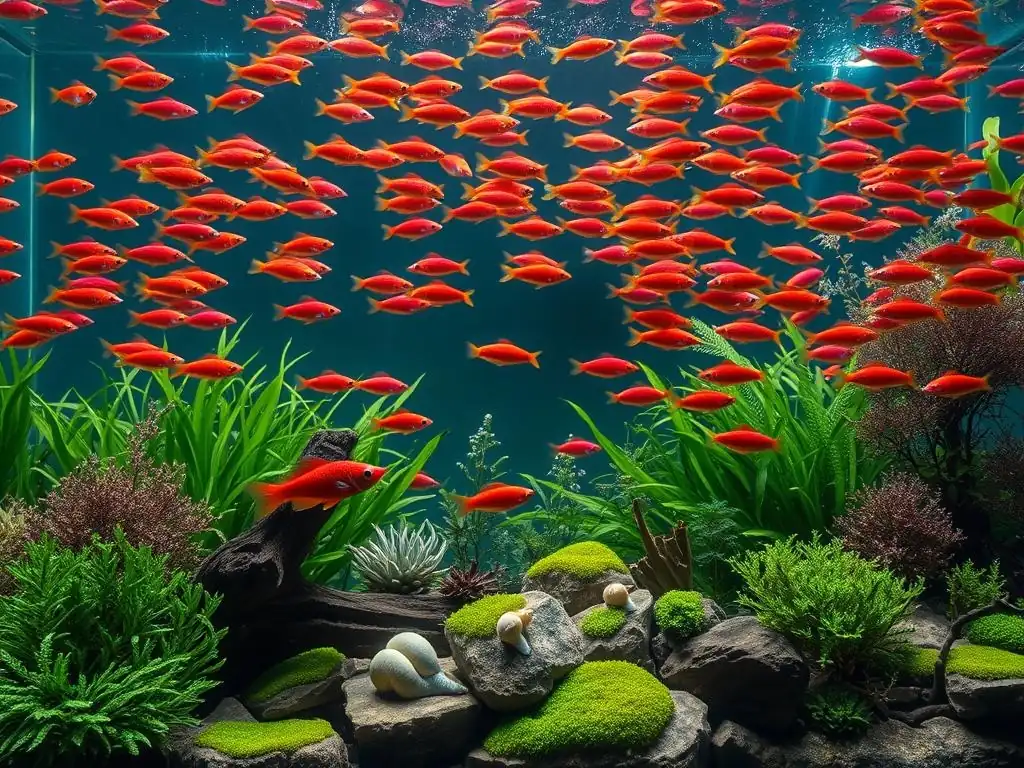
Welcome to Aquarium Mastery! Ever wondered how to keep your Rummy Nose Tetras thriving and displaying their vibrant colors? Dive in to our ultimate guide on Rummy Nose Tetra Water Care and discover the secrets to creating the perfect aquatic environment for these fascinating fish. Prepare to unravel the mysteries of water quality and learn how it directly impacts their health and happiness – what you find might surprise you!
- Understanding the Rummy Nose Tetra: An Introduction
- The Rummy Nose Tetra as a Water Quality Indicator
-
Rummy Nose Tetra Care: Essential Guidelines for a Thriving School
- Ideal Tank Size for Rummy Nose Tetras: Providing Ample Swimming Space
- Rummy Nose Tetra Water Parameters: Temperature, pH, and Hardness
- Setting Up the Perfect Rummy Nose Tetra Aquarium: Substrate, Plants, and Decorations
- Rummy Nose Tetra Diet and Feeding: Ensuring Optimal Nutrition
- Maintaining a Clean and Healthy Rummy Nose Tetra Tank: Water Changes and Filtration
- Rummy Nose Tetra Tank Mates: Choosing Compatible Species
- Rummy Nose Tetra Health: Recognizing and Treating Common Diseases
- Rummy Nose Tetra Breeding: A Challenging Endeavor
- Troubleshooting Common Rummy Nose Tetra Issues
- Advanced Rummy Nose Tetra Care: Tips and Tricks from Experienced Aquarists
- The Future of Rummy Nose Tetra Keeping: Sustainable Practices and Conservation
-
Frequently Asked Questions
- How sensitive are Rummy Nose Tetras to water quality changes?
- What are the ideal water parameters for Rummy Nose Tetras?
- What are the key signs of poor water quality affecting Rummy Nose Tetras?
- How often should I perform water changes for a Rummy Nose Tetra tank?
- What type of filtration is best for a Rummy Nose Tetra aquarium?
- Final Reflection: The Fragile Beauty of Aquatic Ecosystems
- Unleash the Secrets of Your Aquarium: Act Now!
Understanding the Rummy Nose Tetra: An Introduction
What are Rummy Nose Tetras and Why are They Popular?
Rummy Nose Tetras, encompassing species like Hemigrammus rhodostomus, Hemigrammus bleheri, and Petitella georgiae, are highly sought-after freshwater fish known for their striking appearance and peaceful disposition. Their popularity stems from their vibrant red "nose," distinctive black and white striped tail, and captivating schooling behavior. These small, active fish typically grow to about 1.5 to 2 inches (3.8 to 5 cm) in length, making them ideal inhabitants for community aquariums.
Beyond their aesthetic appeal, Rummy Nose Tetras are particularly valued by aquarists for their remarkable ability to act as living indicators of water quality. Their sensitive nature means that any deviation from optimal Rummy Nose Tetra Water Care parameters quickly manifests in their coloration and behavior, providing an early warning system for tank issues. Maintaining a school of at least 6-10 individuals is crucial, as this not only encourages their natural schooling instincts but also reduces stress and enhances their overall well-being and visual impact in the aquarium.
Rummy Nose Tetra Appearance: Identifying Features
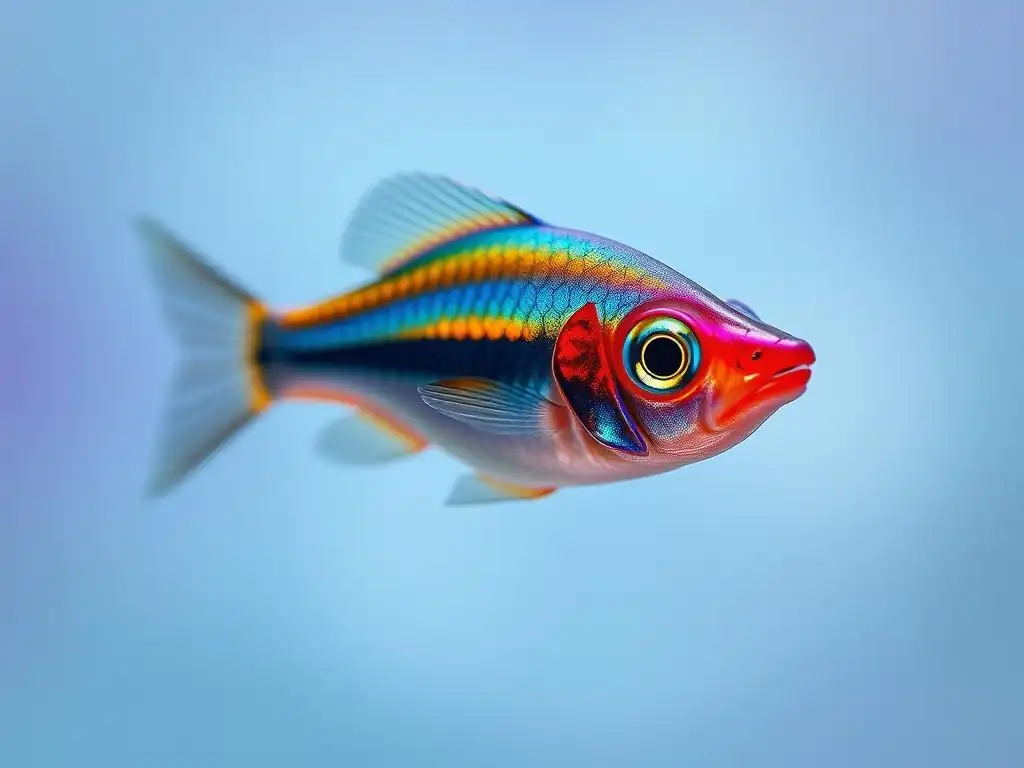
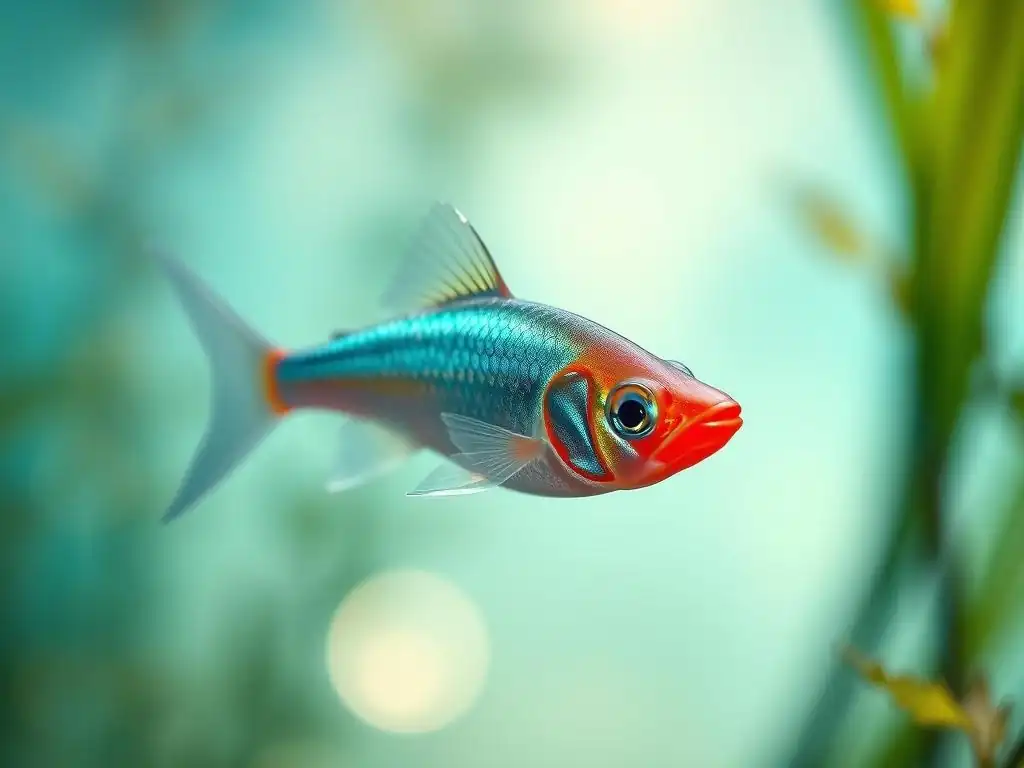
The most distinguishing feature of the Rummy Nose Tetra is its intensely red coloration on the head, extending from the snout past the eyes, resembling a "rummy nose." This vibrant red can fade significantly if the fish is stressed or if Rummy Nose Tetra Water Care is inadequate, serving as a direct visual cue to the aquarist. Complementing this striking red is a unique tail pattern: the caudal fin features prominent black and white horizontal stripes, typically three black and two white, which are particularly noticeable when the fish is active.
The rest of their slender, torpedo-shaped body is generally silvery, sometimes with a faint golden or olive tint, allowing the red head and striped tail to stand out. While all three species share these core characteristics, subtle differences exist; for instance, Hemigrammus bleheri often exhibits red coloration that extends further back onto the body compared to Hemigrammus rhodostomus. The combination of their vivid head, patterned tail, and synchronized schooling makes them a visually dynamic addition to any well-maintained freshwater aquarium.
Natural Habitat of Rummy Nose Tetras: Understanding Their Origins
Rummy Nose Tetras originate from the vast river systems of South America, primarily found in the Amazon and Orinoco basins. Specifically, Hemigrammus bleheri is native to the Rio Negro basin in Brazil, while Hemigrammus rhodostomus is found in the lower Amazon. Petitella georgiae inhabits the upper Amazon tributaries in Peru. These regions are characterized by "blackwater" environments—rivers and streams stained dark by tannins released from decaying plant matter, mimicking the color of strong tea.
Their natural habitats are typically slow-moving tributaries, floodplains, and heavily vegetated areas, often with dense leaf litter on the substrate. The water in these environments is remarkably soft, with a very low mineral content, and acidic, with pH levels ranging from 5.0 to 6.5. Temperatures in these tropical regions are consistently warm, generally between 75°F and 82°F (24°C to 28°C). Understanding these natural conditions is fundamental to providing optimal Rummy Nose Tetra Water Care in a home aquarium, as replicating these parameters helps them thrive.
The Rummy Nose Tetra as a Water Quality Indicator
Why Rummy Nose Tetras are Sensitive to Water Conditions
Rummy Nose Tetras are renowned for their acute sensitivity to water parameters, a trait directly linked to their natural blackwater origins. In their native Amazonian habitats, water conditions are remarkably stable, characterized by very soft, acidic water with minimal fluctuations in temperature, pH, or mineral content. This environmental consistency has led to their physiological adaptation to such precise parameters, making them less tolerant of deviations than many other aquarium fish.
When introduced to an environment with unstable or suboptimal Rummy Nose Tetra Water Care, their delicate systems quickly react. Even minor changes in pH, temperature swings, or the presence of trace amounts of harmful nitrogenous compounds like ammonia or nitrite can induce significant stress. This heightened sensitivity makes them an invaluable "canary in the coal mine" for aquarists; their immediate behavioral and color changes serve as a crucial early warning system, prompting timely intervention before more resilient tank inhabitants show signs of distress.
Deciphering Rummy Nose Tetra Color Changes: A Guide to Diagnosing Water Problems
The most striking indicator of a Rummy Nose Tetra's health and the quality of its Rummy Nose Tetra Water Care is the intensity of its red head coloration. A vibrant, deep red head signifies a healthy, unstressed fish thriving in optimal conditions. Conversely, a faded or pale red head is a clear sign of distress, often indicating deteriorating water quality. For instance, a sudden dulling of their red might point to an ammonia spike or a significant pH fluctuation, even before water tests confirm the issue.
Beyond color changes, other behavioral cues provide diagnostic information. Lethargy, clamped fins, erratic swimming, or a reluctance to school are all signs of stress that often accompany poor water conditions. If a group of Rummy Nose Tetras begins to hide excessively or their red color noticeably diminishes, it's a strong signal to immediately test the water for ammonia, nitrite, and nitrate levels, as well as checking pH and temperature stability. Addressing these issues promptly, by performing a water change or adjusting parameters, is critical for their recovery and long-term well-being.
Common Water Quality Issues Affecting Rummy Nose Tetras: Ammonia, Nitrite, and Nitrate
The nitrogen cycle is central to aquarium water quality, and its byproducts—ammonia, nitrite, and nitrate—are primary concerns for Rummy Nose Tetra Water Care. Ammonia (NH3/NH4+), produced from fish waste and decaying food, is highly toxic. Even levels as low as 0.05 parts per million (ppm) can cause gill damage, lethargy, and increased susceptibility to disease in sensitive species like Rummy Nose Tetras. They will often show faded colors and rapid breathing if ammonia is present.
Nitrite (NO2-), the next stage in the nitrogen cycle, is also extremely toxic, interfering with the fish's ability to absorb oxygen from the water. Levels above 0.25 ppm can be dangerous, leading to "brown blood disease" and causing fish to gasp at the surface with faded coloration. Nitrate (NO3-), the final and least toxic compound, still poses a threat in high concentrations.
While many fish tolerate up to 40 ppm, Rummy Nose Tetras thrive best when nitrate levels are kept below 20 ppm, ideally below 10 ppm. Elevated nitrates can still cause chronic stress, suppress the immune system, and result in faded colors and reduced activity.
Preventing Water Quality Problems for Healthy Rummy Nose Tetras
Preventing water quality issues is paramount for successful Rummy Nose Tetra Water Care and ensuring the long-term health of these sensitive fish. The cornerstone of prevention is consistent, regular partial water changes. For a well-stocked tank, a weekly change of 25-30% of the tank's volume is often recommended to dilute nitrates and replenish essential minerals. For example, in a 20-gallon tank, this would mean replacing 5-6 gallons of water each week with dechlorinated, temperature-matched fresh water.
Beyond water changes, proper filtration is critical. A robust filtration system, combining mechanical, biological, and chemical filtration, helps process waste and maintain clear water. Avoiding overfeeding is also crucial, as uneaten food quickly decays, contributing to ammonia spikes. Furthermore, regular testing of the water parameters using a reliable liquid test kit (e.g., measuring ammonia, nitrite, nitrate, pH, and temperature) allows aquarists to detect issues before they become critical. Ensuring the aquarium is fully cycled and biologically mature before introducing Rummy Nose Tetras significantly reduces the risk of "new tank syndrome" and its associated water quality dangers.
Rummy Nose Tetra Care: Essential Guidelines for a Thriving School
Ideal Tank Size for Rummy Nose Tetras: Providing Ample Swimming Space
Providing an adequately sized aquarium is a fundamental aspect of Rummy Nose Tetra Water Care, directly impacting their health and behavior. For a small school of 6-8 Rummy Nose Tetras, a minimum tank size of 20 gallons (approximately 75 liters) is recommended. However, a 20-gallon "long" tank is often preferred over a standard 20-gallon "high" due to its greater horizontal swimming space. These active schooling fish appreciate room to dart back and forth, exhibiting their natural synchronized movements.
For larger schools, which are highly beneficial for their well-being and display of natural behavior, a 30-gallon or even 40-gallon breeder tank is ideal. The increased water volume in larger tanks also contributes to greater stability in water parameters, making it easier to maintain consistent Rummy Nose Tetra Water Care. A stable environment reduces stress, enhances their coloration, and allows them to thrive, showcasing their vibrant personalities and tight schooling formations.
Rummy Nose Tetra Water Parameters: Temperature, pH, and Hardness
Maintaining precise and stable water parameters is non-negotiable for optimal Rummy Nose Tetra Water Care, given their sensitivity to fluctuations. The ideal temperature range for Rummy Nose Tetras is between 75°F and 82°F (24°C to 28°C). Consistency within this range is more important than hitting an exact number; sudden temperature swings can be highly stressful. A reliable aquarium heater with a thermostat is essential to maintain this stability.
Regarding pH, Rummy Nose Tetras thrive in slightly acidic to neutral water, with an ideal range of 5.5 to 7.0. Their native blackwater habitats are very soft and acidic. Water hardness (GH and KH) should also be kept low; a general hardness (GH) of 3-8 dGH (approximately 50-140 ppm) and carbonate hardness (KH) of 1-4 dKH (approximately 17-70 ppm) are suitable.
Achieving these soft, acidic conditions often requires the use of reverse osmosis (RO) water remineralized to target parameters, or the addition of peat or Indian Almond Leaves to naturally buffer the water. Consistent monitoring of these parameters with accurate test kits is vital for successful Rummy Nose Tetra Water Care.
Setting Up the Perfect Rummy Nose Tetra Aquarium: Substrate, Plants, and Decorations
Creating an aquarium environment that mimics their natural habitat is key to excellent Rummy Nose Tetra Water Care. For substrate, a fine sand or smooth, small-grained gravel is recommended. This not only prevents injury to their delicate barbels as they forage but also contributes to a natural aesthetic. Avoid sharp or abrasive substrates.
Rummy Nose Tetras thrive in heavily planted tanks, which provide security, hiding spots, and areas for exploration. Recommended plants include Java Fern, Anubias species, Amazon Sword plants, and various stem plants like Rotala or Ludwigia. Floating plants, such as Salvinia or Dwarf Water Lettuce, are also beneficial as they diffuse bright overhead lighting, which Rummy Nose Tetras generally prefer to be subdued.
Incorporating driftwood and smooth rocks into the aquascape further enhances the natural feel and provides additional shelter, making the fish feel more secure and display their best colors. Moderate lighting is usually sufficient to support plant growth without overstressing the fish.
Rummy Nose Tetra Diet and Feeding: Ensuring Optimal Nutrition
A well-rounded and nutritious diet is a cornerstone of Rummy Nose Tetra Water Care, directly influencing their health, vitality, and vibrant coloration. These omnivorous fish have a natural preference for small invertebrates in their wild diet. In the aquarium, a high-quality staple food, such as finely crushed flake food or micro-pellets specifically formulated for small tropical fish, should form the basis of their diet. Ensure the food is small enough for their mouths.
To provide optimal nutrition and encourage natural foraging behaviors, supplement their staple diet with a variety of live or frozen foods 2-3 times per week. Excellent choices include daphnia, brine shrimp (both adult and newly hatched), and small bloodworms. These protein-rich foods not only provide essential nutrients but also enhance their red coloration. Feed small amounts 2-3 times a day, only what they can consume within 2-3 minutes. Overfeeding should be avoided as it leads to uneaten food decaying, which can quickly degrade Rummy Nose Tetra Water Care and contribute to dangerous ammonia and nitrite spikes.
Maintaining a Clean and Healthy Rummy Nose Tetra Tank: Water Changes and Filtration
Consistent maintenance is paramount for ensuring the long-term health of Rummy Nose Tetras and preserving pristine Rummy Nose Tetra Water Care. Regular partial water changes are the most effective way to dilute accumulated nitrates, remove dissolved organic compounds, and replenish essential trace minerals. A weekly water change of 25-30% is generally recommended for a typical community tank. When performing water changes, use a gravel vacuum to siphon out debris and uneaten food from the substrate, which helps prevent the build-up of harmful substances.
Effective filtration is equally critical. A good quality hang-on-back (HOB) filter or a canister filter provides excellent mechanical, chemical, and biological filtration. The biological media within the filter houses beneficial bacteria that break down toxic ammonia and nitrite.
Sponge filters can also be effective, especially in smaller tanks or breeding setups, providing gentle filtration. Regular, but not overly aggressive, cleaning of filter media (rinsing in old tank water) is necessary to prevent clogs while preserving the beneficial bacterial colony. This diligent approach to water changes and filtration directly supports the stable and clean environment Rummy Nose Tetras require to thrive.
Rummy Nose Tetra Tank Mates: Choosing Compatible Species
Best Tank Mates for Rummy Nose Tetras: Creating a Peaceful Community
Choosing appropriate tank mates is a critical aspect of Rummy Nose Tetra Water Care, ensuring a peaceful and thriving community aquarium. Rummy Nose Tetras are exceptionally peaceful and shy fish, making them susceptible to stress from larger, boisterous, or aggressive species. The best tank mates are other similarly sized, peaceful, and non-aggressive fish that share similar water parameter requirements.
Excellent companions include other small tetra species such as Neon Tetras, Cardinal Tetras, Black Phantom Tetras, and Ember Tetras, which often school alongside them. Other suitable choices include various Rasbora species (e.g., Harlequin Rasboras, Chili Rasboras), Dwarf Gouramis (avoiding more aggressive Gourami types), and peaceful bottom dwellers like Corydoras catfish and Otocinclus catfish. These species generally do not compete for territory or food aggressively and will not nip at the Rummy Nose Tetras' fins, contributing to a harmonious and low-stress environment essential for their vibrant coloration and natural schooling behavior.
Fish to Avoid Keeping with Rummy Nose Tetras: Preventing Aggression and Stress
To prevent stress, injury, or even death, certain fish species should be strictly avoided as tank mates when maintaining Rummy Nose Tetras. Any large, aggressive, or predatory fish are entirely unsuitable. This includes most Cichlid species, such as Oscars, Jack Dempseys, or even larger Angelfish, which may view Rummy Nose Tetras as food. Even seemingly peaceful large fish can accidentally injure or intimidate smaller, more delicate species.
Similarly, fin-nipping species can cause significant stress and physical harm. While some Barbs, like Tiger Barbs, can be kept in very large schools to diffuse aggression, they are generally not recommended with Rummy Nose Tetras due to their notorious fin-nipping tendencies. Fish that require vastly different water parameters, such as hard, alkaline water (e.g., most African Cichlids), should also be avoided, as attempting to accommodate both sets of requirements will compromise optimal Rummy Nose Tetra Water Care. Introducing incompatible species can lead to faded colors, hiding behavior, and increased susceptibility to disease in Rummy Nose Tetras.
Considering Invertebrates as Rummy Nose Tetra Tank Mates: Shrimp and Snails
When considering invertebrates as tank mates for Rummy Nose Tetras, certain species of shrimp and snails can be excellent additions, contributing to the tank's ecosystem and providing visual interest. Amano shrimp (Caridina multidentata) are highly recommended due to their excellent algae-eating capabilities and relatively large size, which makes them less likely to be viewed as prey by adult Rummy Nose Tetras. While smaller ornamental shrimp like Cherry shrimp (Neocaridina davidi) are also peaceful, their fry may become a snack for Rummy Nose Tetras if insufficient hiding spots are provided.
Snails are generally very compatible with Rummy Nose Tetras. Nerite snails (various species) are fantastic algae eaters and do not reproduce excessively in freshwater. Mystery snails (Pomacea diffusa) are also a good choice, as they are active and help with tank cleaning. Both shrimp and snails require similar Rummy Nose Tetra Water Care parameters, particularly regarding water stability and the absence of copper-based medications, which are highly toxic to invertebrates. Providing plenty of plants and decor offers security for these bottom dwellers, ensuring a harmonious cohabitation with the mid-water dwelling tetras.
Rummy Nose Tetra Health: Recognizing and Treating Common Diseases
Identifying Common Rummy Nose Tetra Diseases: Ich, Fin Rot, and Dropsy
Despite diligent Rummy Nose Tetra Water Care, these fish can still be susceptible to common freshwater aquarium diseases, especially if stressed or introduced to a new environment. Ichthyophthirius multifiliis, commonly known as Ich or White Spot Disease, is one of the most prevalent. It manifests as small, white spots resembling salt grains scattered across the fish's body and fins. Affected fish may flash against decor or substrate due to irritation.
Fin Rot is another common ailment, often caused by poor water quality, bacterial infections, or physical injury. Symptoms include frayed, ragged, or disintegrating fins, sometimes accompanied by redness or inflammation at the edges. The fins may appear to be melting away. Dropsy is a more severe, often fatal condition, typically a symptom of underlying bacterial infection or organ failure. Its most recognizable sign is severe bloating and scales protruding from the body, giving the fish a "pinecone" appearance. Recognizing these symptoms early is crucial for effective treatment.
Treating Rummy Nose Tetra Diseases: Medications and Quarantine Procedures
Prompt and appropriate treatment is essential when Rummy Nose Tetras exhibit signs of illness. For Ich, treatment typically involves raising the aquarium temperature slightly (e.g., to 82-84°F or 28-29°C, if compatible with tank mates and well-oxygenated) and using an Ich-specific medication containing malachite green or formaldehyde, following the manufacturer's instructions. It's crucial to treat the entire display tank, as Ich parasites are free-swimming in the water column.
Fin Rot usually responds well to immediate improvements in Rummy Nose Tetra Water Care, including large partial water changes, followed by the use of broad-spectrum antibacterial medications. Dropsy, while often difficult to cure, requires isolating the affected fish in a hospital tank and attempting treatment with broad-spectrum antibiotics, often administered via medicated food. Regardless of the disease, establishing a dedicated quarantine tank is a vital preventative measure.
All new fish should be quarantined for 2-4 weeks before introduction to the main display tank. This allows observation for signs of disease and treatment in isolation, preventing the spread of pathogens to established inhabitants.
Preventing Rummy Nose Tetra Illnesses: Maintaining Optimal Water Quality and Diet
The most effective strategy for ensuring the long-term health of Rummy Nose Tetras and preventing the onset of diseases is proactive care focused on maintaining optimal Rummy Nose Tetra Water Care and a nutritious diet. A stable and pristine environment significantly reduces stress, which is a primary factor in weakening a fish's immune system and making it susceptible to pathogens. This involves adhering strictly to regular partial water changes (e.g., 25-30% weekly) to keep nitrate levels low and remove accumulated toxins.
Consistent monitoring of water parameters (ammonia, nitrite, nitrate, pH, temperature) and addressing any deviations promptly are non-negotiable. Overcrowding should be avoided, as it increases the bioload and stress levels. Furthermore, feeding a varied and high-quality diet, including live or frozen foods alongside premium flakes or pellets, strengthens their immune response and provides essential nutrients for robust health. By prioritizing these preventative measures, aquarists can significantly reduce the incidence of illness in their Rummy Nose Tetras, ensuring they remain vibrant, active, and long-lived.
Rummy Nose Tetra Breeding: A Challenging Endeavor
Creating Breeding Conditions for Rummy Nose Tetras: Water Parameters and Spawning Tank Setup
Breeding Rummy Nose Tetras in captivity is considered challenging due to their specific requirements for spawning. Success hinges on replicating the extremely soft and acidic water conditions of their natural breeding grounds. A dedicated breeding tank, typically 5-10 gallons (19-38 liters), is highly recommended. The water in this tank should be exceptionally soft, ideally with a general hardness (GH) below 2 dGH and a pH between 5.0 and 6.0. Achieving these parameters often necessitates the use of reverse osmosis (RO) or deionized (DI) water, which is then remineralized to the precise low hardness.
The temperature in the breeding tank should be maintained at the higher end of their preferred range, around 80-82°F (27-28°C), to encourage spawning. The tank should be dimly lit, as their eggs are light-sensitive. A bare bottom tank with a spawning mop or a dense clump of fine-leaved plants like Java Moss provides a substrate for the adhesive eggs. After spawning, which typically occurs in the early morning, the adult fish must be removed promptly, as they will readily consume their eggs.
Rummy Nose Tetra Fry Care: Feeding and Protecting the Young
Once Rummy Nose Tetra eggs are laid and the parents removed, the delicate process of fry care begins. The eggs are tiny and translucent, usually hatching within 24-36 hours, depending on temperature. The newly hatched fry are even more minuscule and remain attached to surfaces, absorbing their yolk sacs, for another 3-5 days. Once they become free-swimming, typically around day 4 or 5, feeding must commence immediately.
Due to their incredibly small size, Rummy Nose Tetra fry require microscopic food. Infusoria, which can be cultured or purchased, is the ideal first food for the initial few days. As they grow slightly, usually after a week, they can transition to newly hatched brine shrimp nauplii or micro-worms. Frequent, small water changes (e.g., 10-15% daily) using aged, temperature-matched water are critical for maintaining the pristine Rummy Nose Tetra Water Care necessary for fry survival, as they are even more sensitive to water quality than adults. Any uneaten food must be siphoned out regularly to prevent water fouling.
Challenges in Breeding Rummy Nose Tetras in Captivity
Despite their popularity, Rummy Nose Tetras are not frequently bred by home aquarists, primarily due to the significant challenges involved. The most prominent hurdle is their extreme sensitivity to water parameters during the breeding phase. Achieving and maintaining the precise very soft and acidic water conditions (GH < 2 dGH, pH 5.0-6.0) required for successful spawning and egg viability is difficult for many hobbyists without specialized equipment like RO/DI units and precise water chemistry adjustments.
Furthermore, the eggs are highly susceptible to fungal infections and are light-sensitive, often failing to hatch if exposed to bright illumination. The fry themselves are exceptionally tiny and delicate, making their initial feeding a major challenge. They require live, microscopic foods like infusoria for their first few days, which can be difficult to culture consistently. Even with optimal conditions, survival rates for Rummy Nose Tetra fry can be low, demanding a high level of dedication and experience from the aquarist to achieve successful breeding outcomes.
Troubleshooting Common Rummy Nose Tetra Issues
Rummy Nose Tetras Losing Color: Possible Causes and Solutions
One of the most immediate and concerning signs of distress in Rummy Nose Tetras is the fading of their vibrant red "nose" coloration. This is a primary indicator that something is amiss with their environment or health. The most common cause is poor Rummy Nose Tetra Water Care, including elevated levels of ammonia, nitrite, or nitrate, or sudden fluctuations in pH or temperature. A sudden drop in pH or a spike in toxins can cause their red to noticeably dull within hours.
Other contributing factors to color loss include insufficient school size (they feel insecure without a large group, leading to stress), incompatible or aggressive tank mates, inadequate diet lacking essential nutrients, or even the stress of being newly introduced to a tank. To address color fading, immediately test all water parameters. Perform a partial water change (e.g., 30-50%) if any toxins are detected. Ensure the tank is appropriately stocked (at least 6-8 individuals), provide a varied diet, and verify tank mates are peaceful. Consistent, high-quality Rummy Nose Tetra Water Care is the ultimate solution to restoring their brilliant hue.
Rummy Nose Tetras Hiding: Addressing Stress and Environmental Factors
When Rummy Nose Tetras begin to hide excessively, spending most of their time tucked away behind decor or plants, it's a strong indication of stress or insecurity rather than natural behavior. These fish are typically active, mid-water schooling swimmers. One common reason for hiding is poor Rummy Nose Tetra Water Care, where uncomfortable or toxic water parameters make them feel unwell or vulnerable. Elevated ammonia or nitrite, or extreme pH values, can cause them to seek refuge.
Environmental factors also play a significant role. Overly bright lighting can overwhelm these fish, as they come from naturally dim, blackwater environments; providing floating plants or dimming the lights can help. A lack of sufficient hiding spots or dense plant cover can also make them feel exposed and stressed. Finally, the presence of large, boisterous, or aggressive tank mates will inevitably cause Rummy Nose Tetras to hide for self-preservation. Addressing these issues by optimizing Rummy Nose Tetra Water Care, ensuring adequate cover, and selecting appropriate tank mates will encourage them to emerge and resume their natural schooling behaviors.
Rummy Nose Tetras Not Schooling: Encouraging Natural Behavior
The mesmerizing tight schooling behavior is one of the most appealing characteristics of Rummy Nose Tetras, and when they fail to school, it's a clear sign of underlying issues. The primary reason for a lack of schooling is often an insufficient number of individuals in the group. Rummy Nose Tetras are social fish that derive security and confidence from being part of a larger collective. A school of fewer than 6 individuals, and ideally 10-12 or more, often results in individual fish feeling stressed and less inclined to school tightly.
Another significant factor is stress induced by environmental conditions. This can include poor Rummy Nose Tetra Water Care (e.g., fluctuating parameters, high nitrates), the presence of aggressive tank mates that make them feel threatened, or an overly bright aquarium with insufficient hiding spots. When stressed, Rummy Nose Tetras may scatter, hide, or swim erratically rather than forming a cohesive school. To encourage natural schooling, ensure you have a sufficiently large group. Maintain pristine Rummy Nose Tetra Water Care, provide a peaceful community, and offer ample plant cover to make them feel secure, thereby promoting their iconic synchronized swimming.
Advanced Rummy Nose Tetra Care: Tips and Tricks from Experienced Aquarists
Optimizing Water Chemistry for Rummy Nose Tetras: Beyond the Basics
For aquarists seeking to provide the absolute best Rummy Nose Tetra Water Care, optimizing water chemistry extends beyond basic parameter ranges to replicating their natural blackwater environment. Experienced hobbyists often utilize reverse osmosis (RO) or deionized (DI) water as a base, then remineralize it to achieve precise general hardness (GH) and carbonate hardness (KH) levels (e.g., GH 3-5 dGH, KH 1-2 dKH). This allows for complete control over water parameters, eliminating inconsistencies from tap water sources.
Further enhancement can be achieved by incorporating natural tannins and humic substances. Adding Indian Almond Leaves (Terminalia catappa) or using peat filtration gradually lowers pH, softens the water, and releases beneficial compounds that mimic their native blackwater, promoting vibrant colors and reducing stress. While aiming for specific pH values (e.g., 5.5-6.5) is important, maintaining a stable pH is paramount. Consistent monitoring with reliable test kits and making gradual adjustments are key to long-term Rummy Nose Tetra Water Care success.
Enhancing Rummy Nose Tetra Color: Diet and Lighting Strategies
While pristine Rummy Nose Tetra Water Care is the foundational element for vibrant coloration, advanced aquarists employ specific diet and lighting strategies to truly make their Rummy Nose Tetras "pop." Incorporating color-enhancing foods into their diet can significantly intensify their red heads and silvery bodies. Look for high-quality flakes or pellets that list ingredients like spirulina, krill, or astaxanthin, which are natural pigments. Supplementing with live or frozen foods rich in carotenes, such as brine shrimp or daphnia, several times a week further boosts their natural hues.
Lighting also plays a subtle but important role. Rummy Nose Tetras prefer moderate, diffused lighting, reminiscent of their shaded natural habitats. Overly bright lighting can wash out their colors and make them appear pale and stressed. Using LED lights with adjustable intensity or incorporating floating plants to diffuse light can create a more comfortable environment. Some specialized aquarium lights with specific color spectrums (e.g., those that enhance red tones) can also visually amplify their coloration, making their "rummy nose" truly stand out against the backdrop of a well-planted tank.
Maintaining a Stable Aquarium Ecosystem for Rummy Nose Tetra Wellbeing
Maintaining a stable aquarium ecosystem is an advanced yet crucial aspect of Rummy Nose Tetra Water Care that goes beyond daily tasks. It involves creating a balanced environment where all components work harmoniously to support fish health. This means avoiding sudden changes in tank parameters, which can be highly stressful for Rummy Nose Tetras. For instance, performing small, frequent water changes (e.g., 10-15% twice a week) can be less stressful than a single large weekly change, as it minimizes parameter shifts.
Ensuring ample biological filtration, allowing the beneficial bacteria colonies to mature over months, provides robust processing of waste and contributes to overall stability. A well-established tank with healthy plant growth also aids in nutrient uptake and oxygenation. Experienced aquarists learn to "read" their tank, observing fish behavior, plant health, and water clarity daily for early signs of imbalance. Consistent feeding schedules, careful stocking to prevent overpopulation, and a proactive approach to maintenance all contribute to a mature, stable ecosystem where Rummy Nose Tetras can thrive for their full lifespan, typically 5-8 years.
The Future of Rummy Nose Tetra Keeping: Sustainable Practices and Conservation
Ethical Considerations for Rummy Nose Tetra Acquisition
As the popularity of Rummy Nose Tetras continues, ethical considerations surrounding their acquisition become increasingly important for responsible Rummy Nose Tetra Water Care. The vast majority of Rummy Nose Tetras available in the aquarium trade are wild-caught from their native South American rivers. While wild collection can sometimes provide local communities with income, it also carries potential environmental impacts if not managed sustainably.
Aquarists should strive to source Rummy Nose Tetras from reputable dealers who prioritize ethical and sustainable collection practices. Inquire about the origin of their fish and whether they support initiatives that ensure the long-term health of wild populations and their habitats. While captive breeding of Rummy Nose Tetras is challenging, supporting breeders who achieve success can reduce reliance on wild-caught specimens. By making conscious choices about where and how we acquire our fish, we contribute to a more responsible and sustainable hobby.
Supporting Sustainable Aquarium Practices for Rummy Nose Tetras
Supporting sustainable aquarium practices is a vital component of responsible Rummy Nose Tetra Water Care and contributes to the broader conservation effort. This involves more than just how fish are acquired; it encompasses the entire lifecycle of the aquarium. Educating fellow aquarists on the importance of proper water quality, tank maintenance, and species-specific needs helps prevent fish loss and ensures animals thrive rather than just survive.
Reducing waste within the hobby is another key aspect. This includes responsible disposal of old tank water (e.g., using it to water plants rather than simply flushing it), minimizing plastic use, and choosing energy-efficient equipment. Furthermore, actively supporting conservation organizations that work to protect the Amazon basin and other aquatic ecosystems is crucial. By fostering a culture of informed and environmentally conscious fishkeeping, we ensure that the Rummy Nose Tetra, and countless other species, can continue to be enjoyed by future generations of aquarists.
The Importance of Water Quality for Rummy Nose Tetra Conservation
The meticulous attention to Rummy Nose Tetra Water Care in home aquariums directly reflects the critical importance of water quality for their conservation in the wild. Rummy Nose Tetras are highly sensitive to changes in their aquatic environment, whether in a glass tank or a vast river system. In their natural Amazonian habitats, pristine water quality is under constant threat from deforestation, agricultural runoff, mining, and industrial pollution.
Pollutants such as pesticides, heavy metals, and increased sedimentation directly impact their delicate blackwater ecosystems, leading to habitat degradation and population decline. By understanding and diligently maintaining the specific water parameters these fish require in captivity, aquarists gain a deeper appreciation for the fragility of their natural homes. This awareness can translate into support for conservation initiatives that protect the Amazon and other freshwater ecosystems, ensuring that the wild populations of Rummy Nose Tetras, and the countless other species that share their waters, continue to thrive for generations to come.
Frequently Asked Questions
How sensitive are Rummy Nose Tetras to water quality changes?
Rummy Nose Tetras are highly sensitive to fluctuations in water parameters. Their coloration, especially their nose, will fade if the water quality is poor. They serve as a great indicator of your aquarium's health.
What are the ideal water parameters for Rummy Nose Tetras?
The ideal parameters include a temperature range of 75-84°F (24-29°C), a pH between 6.0 and 7.0, and soft, slightly acidic water. Maintaining stable water chemistry is crucial for their well-being. Proper filtration and regular water changes are necessary.
What are the key signs of poor water quality affecting Rummy Nose Tetras?
Loss of color in their characteristic red nose, clamped fins, lethargy, and rapid breathing are all signs of poor water quality. These indicate that the water parameters are out of range.
How often should I perform water changes for a Rummy Nose Tetra tank?
Regular water changes are essential. Aim for 25% water changes weekly or bi-weekly, depending on your tank size and bioload. Consistent water maintenance is key to preventing issues.
What type of filtration is best for a Rummy Nose Tetra aquarium?
A combination of mechanical, chemical, and biological filtration is ideal. A quality filter will remove debris, toxins, and maintain a healthy bacterial colony. This ensures optimal water quality for your Rummy Nose Tetras.
Final Reflection: The Fragile Beauty of Aquatic Ecosystems
The insights shared in this guide, focusing on the Rummy Nose Tetra, are not merely about keeping fish alive; they are about understanding and respecting the delicate balance of aquatic ecosystems. In a world increasingly impacted by environmental changes, recognizing the Rummy Nose Tetra as a living barometer of water quality underscores the urgent need for responsible aquarium keeping and broader environmental stewardship.
The Rummy Nose Tetra's sensitivity serves as a constant reminder of our interconnectedness with the natural world. My own journey with these fish has instilled a profound appreciation for the subtle signs of imbalance and the importance of proactive care. As Jacques Cousteau so eloquently stated, The sea, once it casts its spell, holds one in its net of wonder forever.
This sentiment extends to all aquatic life, urging us to become guardians of their well-being.
Now, as you embark on or continue your journey with Rummy Nose Tetras, I invite you to reflect on the broader implications of your actions. Let their vibrant presence in your aquarium serve as a daily reminder to champion clean water, sustainable practices, and a deeper connection with the fragile beauty of our planet. Your dedication to their well-being contributes to a larger movement of environmental consciousness, making a tangible difference, one aquarium at a time.
Unleash the Secrets of Your Aquarium: Act Now!
Thank you for diving deep into the world of Rummy Nose Tetras and their fascinating connection to water quality! Now that you're equipped with this vital knowledge, it's time to put it into action and create the best possible environment for your aquatic friends.
Here's how you can make a difference today:
- Perform a water test within the next 24 hours. This is the single most important step in ensuring your Rummy Nose Tetras (and all your fish) are thriving.
- Share this guide with fellow aquarium enthusiasts! Helping others understand the importance of water quality will benefit the entire aquatic community.
- Challenge yourself to learn one new thing about aquarium water chemistry this week. Expand your knowledge and become an even more informed fish keeper!
What simple change will you implement this week to enhance the water quality in your aquarium?