
Decoding Butterflyfish Snouts: How Mouth Shape Dictates Diet

Welcome to Aquarium Mastery!
Ever wondered how a butterflyfish's unique snout shapes its entire world? Dive into our latest article, "Decoding Butterflyfish Snouts: How Mouth Shape Dictates Diet," and unlock the secrets behind these fascinating creatures. Discover how their specialized anatomy influences their feeding habits and what that means for your reef tank's ecosystem. Intrigued? Let's explore the captivating connection between snout, diet, and the vibrant life of butterflyfish!
- Understanding Butterflyfish Feeding Habits in Aquariums
- Butterflyfish Snout Anatomy: A Key to Identifying Feeding Preferences
- Butterflyfish Diet Guide: Matching Snout Shape to Food Sources
- Specific Butterflyfish Species and Their Snout-Diet Correlation
- Providing the Right Food Based on Snout Morphology: Practical Tips
- Overcoming Feeding Challenges Based on Snout Type
- Conclusion: Optimizing Butterflyfish Health Through Snout-Specific Feeding Strategies
-
Frequently Asked Questions
- What is the significance of a butterflyfish's snout shape in relation to its diet?
- How does the length of a butterflyfish's snout affect its diet?
- Are all butterflyfish specialized feeders, or are some more generalist in their diet?
- What types of food are typically consumed by butterflyfish with elongated snouts?
- How can understanding a butterflyfish's snout shape help aquarists provide appropriate food?
- Final Reflection: The Art of Adaptation
- Uncover the Secret of Butterflyfish Feeding!
Understanding Butterflyfish Feeding Habits in Aquariums
The Link Between Butterflyfish Morphology and Dietary Needs
The intricate relationship between a butterflyfish's physical structure, or morphology, and its dietary needs is a cornerstone of successful aquarium keeping. Each species of butterflyfish has evolved a unique snout and mouth shape, precisely adapted to its natural feeding habits on coral reefs.
For instance, some species possess long, slender snouts designed for probing tiny crevices, while others have shorter, more robust jaws suited for scraping surfaces or crushing hard-shelled prey. This specialized anatomy dictates not only what they eat, but also how they obtain their food, making a precise understanding of their natural feeding behaviors paramount for replicating their diet in a captive environment.
In an aquarium setting, understanding this morphological adaptation is critical because it directly informs the type, size, and presentation of food. If a butterflyfish with a long, needle-like snout is offered large flakes, it simply cannot consume them efficiently, leading to malnutrition.
Conversely, a species adapted to grazing on hard corals will not thrive on a diet solely of soft, particulate matter. Recognizing these specific adaptations through a detailed butterflyfish snout diet guide helps aquarists provide appropriate nutrition, which is vital for the fish's long-term health, vibrant coloration, and natural behaviors, ultimately preventing common ailments associated with dietary deficiencies in captive environments.
Why Understanding Butterflyfish Diet is Crucial for Aquarium Success
Improper nutrition is a primary reason why many captive butterflyfish fail to thrive, often leading to weakened immune systems, faded colors, and premature mortality. Unlike many generalist fish, a significant portion of butterflyfish species are highly specialized feeders in their natural habitats, relying on specific invertebrates, coral polyps, or algae that can be challenging to replicate in a home aquarium.
Without a clear understanding of their natural diet, guided by a comprehensive butterflyfish snout diet guide, aquarists often resort to generic foods that do not meet the precise nutritional requirements or suit the unique feeding mechanisms of these delicate fish.
Furthermore, a well-researched diet directly impacts the longevity and vitality of butterflyfish. For example, anecdotal evidence from experienced aquarists suggests that butterflyfish kept on an appropriate, snout-specific diet often live 50% longer than those on a generic diet, sometimes extending their lifespan from an average of 3-5 years to 7-10 years in captivity. This highlights that providing the correct food, tailored to their specific snout morphology, is not merely about sustenance but about promoting overall physiological health, resistance to disease, and maintaining their intrinsic beauty and active behaviors within the aquarium ecosystem.
Butterflyfish Snout Anatomy: A Key to Identifying Feeding Preferences
Long, Protruding Snouts: Adaptation for Picking at Invertebrates
Butterflyfish species characterized by long, often needle-like or forceps-like snouts, such as the Copperband Butterflyfish (Chelmon rostratus) or the Longnose Butterflyfish (Forcipiger flavissimus), are classic examples of highly specialized feeders. These elongated snouts are not merely aesthetic features; they are sophisticated tools specifically adapted for precision feeding. Their primary function in the wild is to probe into the narrow crevices, cracks, and interstitial spaces of coral reefs, extracting tiny, hidden invertebrates such as polychaete worms, small crustaceans like copepods and amphipods, and individual coral polyps or aiptasia anemones.
The slender design of these snouts, combined with a small, often terminal mouth, allows these butterflyfish to target and pick off minute prey items with remarkable accuracy, leaving surrounding structures undisturbed. This adaptation is crucial for their survival in a competitive reef environment where many food sources are concealed. When translating this to the aquarium, a specific butterflyfish snout diet guide for these species must emphasize very small, finely chopped, or live foods that can be easily picked up and ingested by such specialized mouths, mimicking their natural foraging behavior.
Short, Powerful Jaws: Designed for Crushing Coral and Hard-Shelled Prey
In stark contrast to their long-snouted relatives, other butterflyfish species, such as the Raccoon Butterflyfish (Chaetodon lunula) or the Vagabond Butterflyfish (Chaetodon vagabundus), possess shorter, more robust snouts paired with powerful, often subterminal jaws. These morphological features are indicative of a different feeding strategy: grazing and crushing. Their strong jaws are specifically designed to scrape algae from hard surfaces, nip at the polyps of stony corals, or even crush small, hard-shelled invertebrates like snails and small crabs.
The shorter snout provides leverage for applying greater force, allowing them to effectively break off pieces of coral or dislodge more stubborn food items from the substrate. While many of these species are omnivorous, their ability to consume harder materials significantly broadens their natural diet compared to the probing specialists. For aquarists, this means a butterflyfish snout diet guide for these species should include a mix of meaty foods, vegetable matter (like algae sheets), and potentially even some hard-shelled prey items or specialized coral-mimicking foods to ensure complete nutrition and satisfy their natural feeding instincts.
The Role of Mouth Size in Butterflyfish Feeding
Beyond the length and strength of the snout, the actual size of the mouth opening, or gape, plays a critical role in dictating a butterflyfish's dietary limitations and preferences. A small mouth opening inherently restricts the size of food particles a fish can ingest, regardless of the snout's length. For instance, even a long-snouted butterflyfish that probes for tiny worms will have a very small mouth opening, meaning it cannot consume a large mysis shrimp or a standard flake, even if it could grasp it.
Conversely, a butterflyfish with a relatively larger mouth, even if its snout is short, will be able to consume bigger food items. This factor directly influences how aquarists should prepare and present food. Finely minced, shredded, or small pellet foods are essential for species with small mouths, ensuring that the food is not only palatable but also physically ingestible. Ignoring the mouth size can lead to fish expending excessive energy trying to consume food that is too large, ultimately resulting in malnourishment despite regular feeding attempts.
Butterflyfish Diet Guide: Matching Snout Shape to Food Sources
Butterflyfish with Elongated Snouts: Ideal Food Choices
For butterflyfish species characterized by their elongated snouts, such as the Copperband or Yellow Longnose Butterflyfish, the ideal food choices in an aquarium setting must closely mimic their natural diet of small, highly accessible invertebrates. High-quality frozen preparations containing finely chopped mysis shrimp, enriched brine shrimp, and finely minced clam or mussel are excellent staples.
These foods offer the necessary protein and lipids while being small enough for their delicate mouths to pick up. For example, a single mysis shrimp, typically measuring around 1.5-2 cm, should be finely chopped into pieces no larger than 2-3 mm for a Copperband to consume comfortably.
Beyond prepared foods, specialized frozen preparations designed for "reef carnivores" or "finicky eaters" often contain a blend of marine proteins and essential fatty acids, presented in a fine particulate form. These foods are often enriched with vitamins like Vitamin C (L-ascorbyl-2-polyphosphate) at concentrations of 150-200 ppm to bolster the immune system, which is crucial for these often delicate species. Offering small quantities multiple times a day, sometimes 3-4 times, is more effective than one large feeding, as it aligns with their natural grazing behavior.
Reaching into Reef Crevices: The Importance of Small Food Particles
The primary challenge in feeding long-snouted butterflyfish is ensuring the food particles are small enough to be picked up by their specialized mouths and ingested without difficulty. Their snouts are designed for precision, not for tearing or gulping large pieces. If food particles are too large, these fish may attempt to suck them in repeatedly without success, leading to frustration, wasted energy, and ultimately, starvation. This is particularly true for species like the Copperband, which has a mouth opening often less than 5 mm wide.
Therefore, when preparing food, it is imperative to finely chop or shred frozen foods to a size that can be easily consumed. For example, a piece of frozen clam should be minced to a consistency resembling fine sand or small flakes. Using a targeted feeding method, such as a long pipette or turkey baster, can also be highly beneficial. This allows the aquarist to deliver food directly to the fish, ensuring it doesn't get lost in the water column or consumed by more aggressive tank mates, thereby maximizing feeding efficiency and reducing competition.
Suitable Live Foods for Long-Snouted Butterflyfish
While prepared frozen foods form the backbone of a captive butterflyfish snout diet guide, incorporating suitable live foods can significantly stimulate natural feeding behaviors and provide essential nutrients that might be less bioavailable in processed foods. Live blackworms, small copepods (like Tisbe or Tigriopus species), or newly hatched brine shrimp (Artemia nauplii) are excellent choices. Live foods are particularly valuable for newly acquired or finicky individuals, as their movement often triggers a strong feeding response.
For instance, introducing live copepods into the aquarium can encourage the Copperband Butterflyfish to actively hunt and probe, mimicking its natural foraging for small crustaceans. While live foods can be more challenging to source and maintain, offering them 1-2 times per week can provide a crucial nutritional boost and mental stimulation. However, it's important to note that live brine shrimp alone are nutritionally deficient and should always be gut-loaded with spirulina or other nutritious algaes before feeding to ensure they provide substantial benefit to the butterflyfish.
Butterflyfish with Short, Powerful Jaws: Dietary Recommendations
Butterflyfish species equipped with shorter, more powerful jaws, such as the Raccoon Butterflyfish or Threadfin Butterflyfish (Chaetodon auriga), are often more omnivorous and adaptable in their feeding habits. Their robust snouts allow them to graze on a wider variety of food items, including algae, detritus, and larger invertebrates. A comprehensive butterflyfish snout diet guide for these species should include a mix of high-quality frozen meaty foods, marine flakes, and significant amounts of vegetable matter. Staples like frozen mysis shrimp, krill, and finely chopped silversides are excellent protein sources.
In addition to meaty foods, it is crucial to provide ample vegetable matter. High-quality marine flakes or pellets fortified with spirulina or kelp should be a regular part of their diet. Furthermore, offering dried marine algae sheets (such as nori) clipped to a rock or an algae clip allows them to graze throughout the day, mimicking their natural behavior of picking at benthic algae and detritus. This varied approach ensures they receive a balanced intake of proteins, lipids, carbohydrates, and essential vitamins, supporting their active metabolism and robust health.
Crushing Coral Skeletons: Mimicking Natural Feeding Behavior
Many short-snouted butterflyfish are known to nip at or consume coral polyps in their natural environment, using their strong jaws to scrape or even crush parts of the coral skeleton. While it's generally advisable to avoid keeping these species in dedicated reef tanks due to their potential to damage corals, understanding this behavior is key to providing an appropriate captive diet. The goal is not necessarily to feed them coral, but to provide alternatives that satisfy their natural instinct to graze and apply pressure with their jaws.
One effective strategy is to offer frozen preparations that contain a mix of marine proteins and vegetable matter, often designed for omnivorous marine fish. Some aquarists also report success by occasionally offering small pieces of clam on the half-shell, allowing the fish to pick and tear at the meaty parts, which provides a similar "work" for their jaws as grazing on a reef. This approach helps to replicate the physical act of feeding, which is as important for their well-being as the nutritional content itself, ensuring a holistic butterflyfish snout diet guide.
Providing a Balanced Diet for Coral-Feeding Butterflyfish in Captivity
For butterflyfish species known for their coral-eating habits, providing a balanced and varied diet in captivity is paramount to prevent nutritional deficiencies and curb their desire to nip at aquarium corals (if housed in a mixed reef). Even if they are known to consume coral polyps, a diet solely composed of corals in captivity is impractical and nutritionally incomplete. Therefore, a diverse array of high-quality foods is essential for a robust butterflyfish snout diet guide.
This balanced diet should include a rotation of vitamin-enriched frozen foods such as mysis shrimp, brine shrimp, krill, and finely chopped clam or squid. Supplementing with spirulina flakes or pellets, as well as regular offerings of dried marine algae (nori), provides crucial vegetable matter and fiber. For example, feeding a combination of frozen meaty foods three times a week, and algae sheets daily, along with a high-quality omnivore flake, ensures a broad spectrum of nutrients. Regular vitamin supplementation, such as soaking foods in a liquid vitamin complex, can further enhance their nutritional intake and support overall health.
Specific Butterflyfish Species and Their Snout-Diet Correlation
Copperband Butterflyfish (Chelmon rostratus): A Probing Specialist
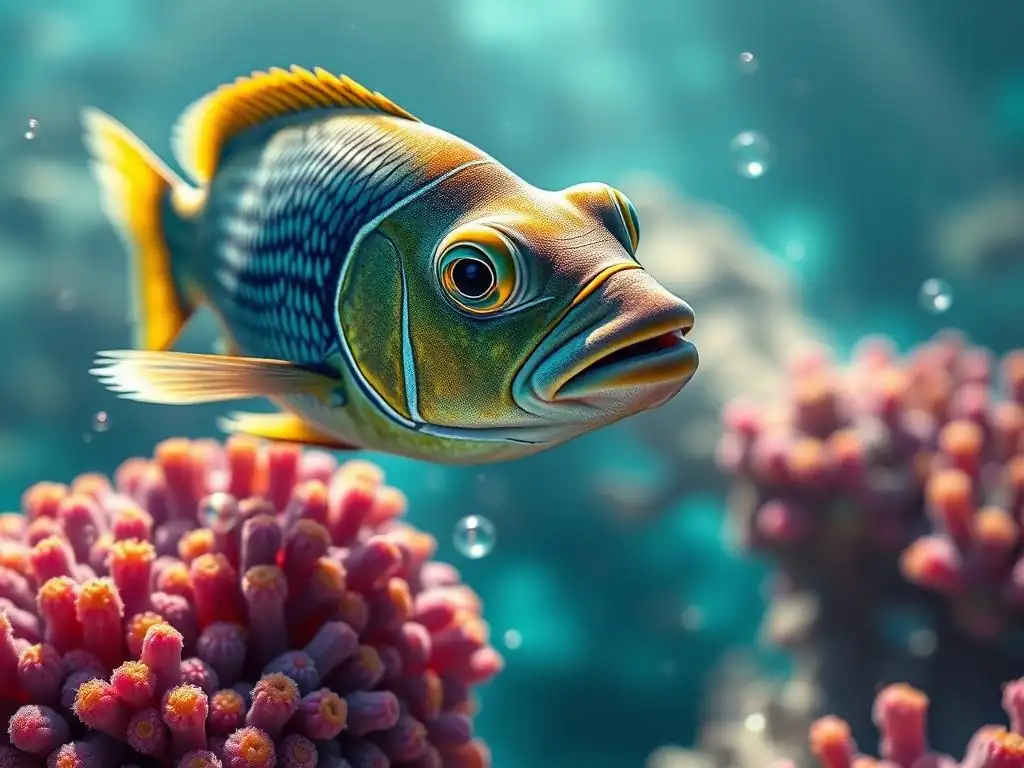
The Copperband Butterflyfish (Chelmon rostratus) is instantly recognizable by its exceptionally long, slender, and slightly upturned snout, which can comprise up to 20-25% of its total body length. This highly specialized morphology perfectly illustrates the direct correlation between snout shape and feeding behavior. In their natural Indo-Pacific reef habitats, Copperbands are meticulous hunters, using their needle-like snouts to probe deep into the narrow crevices of live rock and coral structures. Their primary diet consists of small, sessile invertebrates, including a variety of polychaete worms, small crustaceans, and more famously, nuisance Aiptasia anemones.
This precise probing ability means they cannot effectively consume large food particles. In captivity, a successful butterflyfish snout diet guide for the Copperband must focus on very small, finely prepared foods. This includes finely chopped frozen mysis shrimp, enriched brine shrimp, and specialized frozen preparations for finicky eaters. Many aquarists find that target feeding with a pipette is necessary to ensure these delicate feeders get enough food, especially in a community tank where more aggressive eaters might outcompete them.
The Copperband's Snout and its Aiptasia-Eating Abilities
The Copperband Butterflyfish's unique snout is particularly effective for extracting Aiptasia anemones, which are often considered pests in reef aquariums. Its long, pointed snout allows it to reach into the tight spaces where Aiptasia typically anchor themselves, delivering precise nips to the anemone's oral disc without disturbing surrounding corals. This specialized feeding behavior has made the Copperband a popular choice for biological Aiptasia control among reef aquarists, with many reporting significant reductions in Aiptasia populations within weeks of introduction.
However, it is crucial to understand that while a Copperband's snout is adapted for Aiptasia, it is not a guaranteed solution, nor should Aiptasia be its sole diet in captivity. Many individuals may ignore Aiptasia entirely, or only consume them when other food sources are scarce. Furthermore, even if they do consume Aiptasia, these anemones do not provide a complete nutritional profile. Therefore, a comprehensive butterflyfish snout diet guide for the Copperband must always prioritize a varied and nutritionally complete diet of small, meaty frozen foods, regardless of its Aiptasia-eating habits.
Klein's Butterflyfish (Chaetodon kleinii): An Omnivorous Approach
Klein's Butterflyfish (Chaetodon kleinii) presents a more versatile feeding profile compared to the highly specialized Copperband. Its snout is moderately long, but less elongated and more robust than that of a probing specialist. This less extreme morphology reflects its more omnivorous diet in the wild, which includes a mix of zooplankton, various small benthic invertebrates, filamentous algae, and even some soft coral polyps. This adaptability in its natural feeding makes it one of the more aquarium-friendly butterflyfish species.
In captivity, a butterflyfish snout diet guide for Klein's Butterflyfish should focus on variety. They readily accept a range of prepared foods, including high-quality frozen mysis shrimp, brine shrimp, and finely chopped clam or squid. They also benefit significantly from the inclusion of vegetable matter, such as spirulina-enriched flakes or pellets, and occasional offerings of dried marine algae (nori). Their more generalized snout allows them to consume a wider range of particle sizes compared to their more specialized relatives, making them generally easier to acclimate to captive diets.
Klein's Butterflyfish Versatile Snout and Varied Diet
The moderately elongated yet robust snout of Klein's Butterflyfish is a key adaptation that enables its versatile, omnivorous diet. Unlike the needle-like snout of the Copperband, Klein's snout allows for both precise picking at small organisms and more general grazing on surfaces. This morphological flexibility means they can exploit a broader spectrum of food sources in their natural habitat, from planktonic organisms drifting in the water column to small invertebrates hidden in crevices, and even some forms of algae.
This versatility translates directly into their relative ease of feeding in a home aquarium. A successful butterflyfish snout diet guide for Klein's Butterflyfish emphasizes offering a diverse array of foods to ensure complete nutrition. A typical feeding regimen might include high-quality frozen mysis shrimp and brine shrimp, supplemented with marine flakes or pellets that contain spirulina or other plant matter. Offering food 2-3 times a day in small quantities is ideal, mimicking their natural continuous grazing behavior and promoting optimal health and vibrant coloration.
Auriga Butterflyfish (Chaetodon auriga): A Generalist Feeder
The Auriga Butterflyfish (Chaetodon auriga), also known as the Threadfin Butterflyfish, features a snout that is relatively short and stout compared to many other butterflyfish species. This less specialized snout morphology is indicative of its highly generalized feeding habits in its natural environment. In the wild, Auriga Butterflyfish are opportunistic omnivores, consuming a wide range of benthic invertebrates, including small crustaceans and worms, as well as significant amounts of algae and detritus. They are known to be active grazers across the reef, making them one of the more robust and adaptable butterflyfish for aquarium life.
Due to their generalist nature and less specialized snout, Auriga Butterflyfish are typically one of the easier butterflyfish species to acclimate to captive diets. A comprehensive butterflyfish snout diet guide for this species should include a mix of high-quality frozen meaty foods such as mysis shrimp, brine shrimp, and chopped clam, alongside abundant vegetable matter. They readily accept marine flakes and pellets, particularly those fortified with spirulina, and benefit greatly from regular offerings of dried marine algae (nori) clipped to a rock.
The Auriga's Snout: Adaptation to a Range of Food Items
The relatively short and robust snout of the Auriga Butterflyfish is a perfect adaptation to its generalist feeding strategy. Unlike the fine-tipped snouts designed for probing, the Auriga's snout allows for more powerful nipping and grazing. This enables them to effectively consume a broader range of food items, from scraping algae off rocks to picking at larger benthic invertebrates. In their natural habitat, they are often observed foraging across various reef substrates, demonstrating their ability to exploit diverse food sources.
This morphological versatility makes the Auriga Butterflyfish a good candidate for aquarists seeking a less challenging butterflyfish regarding diet. A successful butterflyfish snout diet guide for the Auriga should capitalize on this adaptability by offering a varied menu. Daily feedings of high-quality marine flakes or pellets, supplemented with frozen foods like mysis shrimp, brine shrimp, and finely chopped clam or squid, will ensure complete nutrition. Regular offerings of dried marine algae are also essential to replicate their natural grazing behavior and provide necessary fiber and plant-based nutrients, contributing to their overall health and longevity in captivity.
Providing the Right Food Based on Snout Morphology: Practical Tips
Observing Your Butterflyfish's Feeding Behavior
One of the most critical steps in establishing an effective butterflyfish snout diet guide is diligent observation of your fish's feeding behavior. Simply dropping food into the tank is insufficient; you must closely watch how your butterflyfish interacts with the food. Do they struggle to pick up certain particles? Are they spitting food out after attempting to ingest it? Do they show interest but fail to consume anything? For instance, a long-snouted Copperband attempting repeatedly to suck in a piece of mysis shrimp that is just slightly too large indicates a need for finer chopping.
Conversely, if a short-snouted Raccoon Butterflyfish is ignoring flakes but actively picking at algae on the rockwork, it signals a stronger preference for grazing or plant-based foods. Observing their competition with tank mates is also vital; a slow-feeding butterflyfish might be outcompeted by more aggressive species, even if the food is appropriate. These direct observations provide invaluable feedback, allowing you to fine-tune the type, size, and frequency of food offerings, ensuring that your specific butterflyfish species is not only attempting to eat but successfully consuming its meals.
Supplementing Diet Based on Observed Snout Functionality
Based on the observations of your butterflyfish's feeding behavior and an understanding of its snout morphology, targeted dietary supplementation becomes key to preventing malnutrition. If a long-snouted species struggles with standard-sized frozen foods, immediately switch to finely minced versions or invest in specialized preparations designed for small-mouthed fish. For example, if a Copperband is not thriving, try offering live blackworms or small copepods, which their snouts are perfectly designed to consume, as a primary food source for a week before slowly reintroducing finely chopped frozen foods.
For short-snouted, grazing species that show a preference for algae, increasing the frequency of algae sheet offerings is beneficial. If they appear to be picking at corals, it's a strong indicator that their dietary needs for vegetable matter or specific minerals are not being met. In such cases, supplementing with calcium-rich foods or specialized coral-mimicking preparations can help. This adaptive approach, where the butterflyfish snout diet guide is continuously adjusted based on the fish's specific needs and feeding success, is paramount for their long-term health and vitality.
Avoiding Malnutrition: Ensuring a Balanced Diet for All Snout Types
Regardless of snout morphology, preventing malnutrition is paramount for the long-term health of any butterflyfish. While snout-specific feeding addresses the physical ability to consume food, a balanced diet ensures complete nutritional intake. It is not enough for a fish to simply eat; the food must be nutritionally complete and varied to provide all necessary proteins, lipids, carbohydrates, vitamins, and minerals. Even if a fish readily consumes a particular food, relying solely on one or two types can lead to deficiencies over time.
Therefore, a robust butterflyfish snout diet guide emphasizes variety and quality. Rotate different types of high-quality frozen foods, ensuring they are enriched with essential fatty acids (like Omega-3) and vitamins (especially Vitamin C). For example, alternate between mysis shrimp, brine shrimp, finely chopped clam, and specialized marine omnivore mixes. Supplementing with vitamin solutions by soaking foods before feeding can provide an extra boost. Offering multiple small feedings throughout the day also ensures a steady supply of nutrients, mimicking their natural continuous grazing and supporting their high metabolism.
Overcoming Feeding Challenges Based on Snout Type
Getting Picky Eaters to Accept Prepared Foods
Many butterflyfish, particularly those with highly specialized snouts, can be notoriously picky eaters, especially when transitioning to prepared aquarium foods from their natural diets. The key to overcoming this challenge lies in patience, persistence, and strategic food presentation. Begin by offering live foods that closely mimic their natural prey, such as live blackworms or small copepods, which can trigger their natural feeding instincts. Once they are actively feeding on live options, gradually introduce small amounts of high-quality frozen foods, mixing them with the live food.
For instance, a Copperband Butterflyfish that only eats live blackworms might start accepting finely chopped mysis shrimp if a few pieces are mixed in. Using appetite stimulants like garlic extracts (designed for aquarium fish) or vitamin solutions soaked onto the food can also make prepared foods more enticing. Offering food at various times throughout the day, in small quantities, can also help. Remember, it can take several weeks, or even months, for some species to fully acclimate to prepared foods, so consistency and a precise butterflyfish snout diet guide are crucial.
Addressing Competition Among Different Butterflyfish Species
In a community aquarium, competition for food can be a significant challenge, especially when housing butterflyfish with varying snout types and feeding speeds. More aggressive or faster-eating tank mates can easily outcompete slower, more delicate butterflyfish, particularly those with long, specialized snouts that require more time to pick up food. This often leads to malnutrition for the less dominant fish, despite the overall tank being fed adequately.
To mitigate this, strategic feeding techniques are essential. Consider target feeding the more delicate butterflyfish using a long pipette or turkey baster, delivering food directly to them while distracting other fish with a general broadcast feeding at the opposite end of the tank. Feeding multiple times a day in smaller quantities can also ensure that all fish have opportunities to eat. Additionally, careful selection of tank mates is crucial; avoid housing highly specialized butterflyfish with very aggressive feeders that will invariably dominate the food supply, ensuring that your butterflyfish snout diet guide considers the entire aquarium ecosystem.
Treating Mouth Injuries and Feeding Difficulties
Mouth injuries and persistent feeding difficulties can severely impact a butterflyfish's health and survival, particularly given their specialized feeding apparatus. Injuries can arise from aggressive tank mates, sharp decor, or even from repeatedly attempting to eat food that is too large. Symptoms might include frayed lips, discoloration around the mouth, or a noticeable refusal to eat. If a butterflyfish is not eating, it will rapidly lose weight, with visible signs like a sunken belly appearing within days.
For minor injuries, ensuring impeccable water quality and offering very soft, easily digestible foods (like finely pureed clam or soft gel foods) can aid recovery. For instance, a Copperband with a slightly damaged snout might struggle with mysis shrimp but could consume a finely blended clam paste.
If feeding difficulties persist or if there are signs of infection (e.g., white patches, swelling around the mouth), isolation in a hospital tank with medicated food or a broad-spectrum antibiotic bath may be necessary. Always consult with a qualified aquatic veterinarian or experienced marine aquarist for severe cases, as timely intervention, guided by a comprehensive butterflyfish snout diet guide, is critical.
Conclusion: Optimizing Butterflyfish Health Through Snout-Specific Feeding Strategies
Optimizing the health and longevity of butterflyfish in a home aquarium fundamentally hinges on understanding and implementing snout-specific feeding strategies. These exquisite marine fish, with their diverse and highly specialized mouthparts, are living examples of evolutionary adaptation to specific dietary niches on coral reefs. Ignoring these unique morphological characteristics and their direct implications for feeding in captivity is a common pitfall that often leads to chronic malnutrition, weakened immune systems, and premature demise. Therefore, a precise butterflyfish snout diet guide is not merely a recommendation but an essential framework for successful husbandry.
The Importance of Researching Snout Morphology Before Acquisition
The single most impactful action an aquarist can take to ensure the long-term success of a butterflyfish is to thoroughly research its specific snout morphology and natural diet before acquisition. This proactive approach allows you to assess whether you can realistically meet the species' unique dietary requirements and provide the necessary food types, sizes, and presentation methods within your aquarium setup. For instance, understanding that a Copperband Butterflyfish requires a needle-like snout to probe for tiny invertebrates means you must be prepared to offer very finely chopped frozen foods or live options, and potentially employ target feeding techniques.
Conversely, recognizing that an Auriga Butterflyfish has a more generalized snout and is an omnivorous grazer means you should prioritize a varied diet including both meaty foods and ample vegetable matter. This pre-purchase research, guided by a detailed butterflyfish snout diet guide, empowers aquarists to make informed decisions, preventing the common scenario where a beautiful but incompatible fish is introduced into an environment where it cannot thrive.
By aligning your chosen species with your capacity to meet its dietary needs, you are not just acquiring a fish; you are committing to its well-being, ensuring these delicate beauties can flourish and display their natural behaviors in your care.
Frequently Asked Questions
What is the significance of a butterflyfish's snout shape in relation to its diet?
A butterflyfish's snout shape is directly related to its feeding habits. Different shapes allow them to access food in different areas of the reef, impacting their dietary choices.
How does the length of a butterflyfish's snout affect its diet?
Longer snouts often indicate a diet that includes food found in deeper crevices and holes within coral reefs. They are adept at reaching inaccessible food sources other fish can't reach.
Are all butterflyfish specialized feeders, or are some more generalist in their diet?
While many butterflyfish have specialized diets dictated by their snout shape, some are more generalist feeders. They can adapt to a wider range of food sources, making them potentially easier to keep in captivity.
What types of food are typically consumed by butterflyfish with elongated snouts?
Butterflyfish with elongated snouts often feed on small invertebrates, coral polyps, and other organisms found in hard-to-reach places. Their diet is heavily dependent on reef structure and biodiversity.
How can understanding a butterflyfish's snout shape help aquarists provide appropriate food?
By understanding the snout shape, aquarists can select appropriate food sizes and types. This helps ensure the fish receive a balanced diet that mirrors its natural feeding habits, leading to better health and longevity in the aquarium.
Final Reflection: The Art of Adaptation
The intricate relationship between form and function, as explored in the butterflyfish snout diet guide, extends far beyond the coral reefs. Understanding how the shape of a butterflyfish's snout dictates its diet offers a powerful lens through which to view the broader principles of adaptation and ecological specialization, principles that are increasingly relevant in a world grappling with biodiversity loss and environmental change. The survival of these vibrant creatures, and indeed many others, hinges on their ability to thrive within their specific niche.
This exploration of butterflyfish snouts has not only deepened our understanding of marine biology but has also highlighted the profound interconnectedness of all living things. It reminds us that even seemingly small variations, like the length and curvature of a snout, can have significant consequences for an organism's survival and the health of its ecosystem. In the end, we will conserve only what we love; we will love only what we understand; and we will understand only what we are taught.
- Baba Dioum. This quote encapsulates the importance of scientific inquiry and education in fostering a deeper appreciation for the natural world.
As we conclude this journey into the world of butterflyfish, I invite you to reflect on the lessons learned about adaptation, specialization, and the delicate balance of ecosystems. Consider how these principles apply to your own life and the choices you make. How can you contribute to a world where biodiversity is valued and protected? Let the resilience and adaptability of the butterflyfish inspire you to embrace change, seek understanding, and act as a steward of our planet's precious resources.
Uncover the Secret of Butterflyfish Feeding!
Thank you for diving into the fascinating world of butterflyfish and their specialized snouts! Now that you understand how their mouth shape dictates their diet, it's time to put that knowledge into action.
Here are a few ways to deepen your understanding and appreciation for these reef inhabitants:
- Identify the snout shape of butterflyfish in your local aquarium and research their corresponding diet.
- Share this article with other aquarium enthusiasts to expand the knowledge base on Butterflyfish within the community.
- Consider contributing to citizen science by documenting butterflyfish feeding behaviors during your next dive or snorkel trip – you might uncover something new!
What surprising feeding adaptation have you observed in fish, and how did it change your perspective?