
Sexing Butterflyfish: Can You Tell the Boys from the Girls?


Welcome to Aquarium Mastery!
Ever wondered how to tell a male Butterflyfish from a female? These vibrant reef dwellers are captivating, but deciphering their gender can be tricky. Dive in as we unlock the secrets in our Butterflyfish sexing tips guide, offering insights into subtle differences and behaviors. Are you ready to become a Butterflyfish sexing pro? Let's explore!
- Introduction to Butterflyfish Sexing Challenges
- Butterflyfish Anatomy and Sexual Dimorphism: A Closer Look
- Butterflyfish Sexing Tips Guide: Visual Cues and Behaviors
- Butterflyfish Behavior and Breeding: Identifying Sex Through Observation
- Advanced Butterflyfish Sexing Techniques: Venting and DNA Testing
- Butterflyfish Breeding Considerations: Sex Ratios and Tank Setup
- Misconceptions About Butterflyfish Sexing: Debunking Common Myths
- Conclusion: Mastering Butterflyfish Sexing Through Observation and Knowledge
-
Frequently Asked Questions
- How reliable are physical characteristics for determining the sex of butterflyfish?
- What is the most accurate method for sexing butterflyfish?
- Do butterflyfish exhibit any behavioral differences that could hint at their sex?
- Is there any scientific testing, like DNA analysis, that can be used to sex butterflyfish?
- Can diet or water conditions influence the expression of sexual characteristics in butterflyfish?
- Final Reflection: Unveiling the Secrets of Butterflyfish Courtship
- Unveil the Secrets: Become a Butterflyfish Expert!
Introduction to Butterflyfish Sexing Challenges
Why Sexing Butterflyfish is Difficult: Understanding the Challenges
Sexing many marine fish species presents a significant hurdle for aquarists, and Butterflyfish are no exception. Unlike some freshwater counterparts that exhibit clear sexual dimorphism—such as the vibrant coloration of male guppies or the distinct fin shapes of male swordtails—Butterflyfish often appear remarkably similar regardless of their sex. This inherent lack of obvious external differences means that developing a universally reliable Butterflyfish sexing tips guide based solely on visual inspection is exceptionally challenging for hobbyists.
The primary reason for this difficulty lies in their biological makeup; many Butterflyfish species have evolved without the need for pronounced external sexual markers to identify mates in their natural reef environments. Even seasoned aquarists and marine biologists frequently struggle to determine the sex of individual Butterflyfish without resorting to invasive techniques or observing specific breeding behaviors. This fundamental challenge underscores why a comprehensive and nuanced Butterflyfish sexing tips guide is so highly sought after by those interested in breeding or pairing these delicate marine beauties.
The Importance of Determining Sex in Butterflyfish for Aquarium Keepers
Accurately determining the sex of Butterflyfish is paramount for several reasons, most notably for successful breeding endeavors. Many species within the Chaetodontidae family, such as the Ornate Butterflyfish ( Chaetodon ornatissimus), are known to form monogamous, lifelong pair bonds. For aquarists hoping to encourage spawning, acquiring a true male-female pair is crucial. Incorrect sexing can lead to significant issues, including persistent aggression between same-sex individuals mistakenly housed as a pair, resulting in chronic stress, injury, and even death for the fish involved.
Beyond breeding, understanding the sex of your Butterflyfish can also be vital for managing social dynamics within a community aquarium. While many Butterflyfish are peaceful, some species, particularly males, can exhibit territoriality or aggression towards conspecifics or similar-looking fish. For example, two male Achilles Tangs ( Acanthurus achilles), though not Butterflyfish, demonstrate how similar-looking males can be highly aggressive towards each other. While less pronounced in Butterflyfish, knowing the sex can help predict and mitigate potential conflicts, ensuring a more harmonious tank environment. This practical application further emphasizes the value of a reliable Butterflyfish sexing tips guide.
Butterflyfish Anatomy and Sexual Dimorphism: A Closer Look
Understanding Butterflyfish Anatomy: Key Features to Observe
To even begin contemplating sexing Butterflyfish, it's essential to understand their basic anatomy and the specific features that might offer clues. Key areas to observe include their overall body shape, the structure and length of their fins (dorsal, anal, and caudal), and the precise morphology of the vent area. While these features generally remain consistent between sexes, they are the only points where subtle differences, if any, could manifest.
For instance, Butterflyfish are typically characterized by their highly compressed, disc-shaped bodies, a hallmark of the Chaetodontidae family. This general body form does not inherently vary with sex. However, understanding the standard appearance of these features is the foundational step before attempting to identify any deviations that could serve as part of a Butterflyfish sexing tips guide. Without this baseline knowledge, even the most subtle distinctions will go unnoticed.
Sexual Dimorphism in Butterflyfish: Subtle Differences Explained
While overt sexual dimorphism is exceedingly rare among Butterflyfish, subtle differences can occasionally be observed in specific species, particularly during their breeding season. These slight variations might include a marginal difference in overall body size, a barely perceptible elongation of certain fins, or even very faint shifts in coloration. For example, anecdotal reports suggest that in some Chaetodon species, the male might be fractionally larger or possess slightly more pointed dorsal and anal fins compared to the female.
It is critical to approach these observations with caution, as such differences are often highly subjective and not consistently reliable across all species or even individuals. For instance, species like the Copperband Butterflyfish ( Chelmon rostratus) are notorious for their lack of any discernible external dimorphism, making a Butterflyfish sexing tips guide based solely on visual cues virtually impossible for them. Identifying these subtle nuances requires extremely keen observation, significant experience, and often, a degree of luck.
Lack of Obvious External Sexing Markers in Butterflyfish
The prevailing reality for the vast majority of Butterflyfish species is the absence of any readily apparent external markers that reliably indicate sex. Unlike many freshwater fish where males might be distinctly brighter, have specialized fin structures, or exhibit pronounced size disparities, Butterflyfish typically share the same intricate patterns, vibrant colors, and general body shape regardless of whether they are male or female.
This lack of clear, definitive markers means that hobbyists cannot rely on simple visual cues alone for accurate sexing. Consequently, a comprehensive Butterflyfish sexing tips guide must advocate for a multi-faceted approach, combining various observational strategies rather than seeking a single, definitive sign. This inherent challenge is a primary reason why breeding Butterflyfish in captivity remains relatively uncommon for most species.
Butterflyfish Sexing Tips Guide: Visual Cues and Behaviors
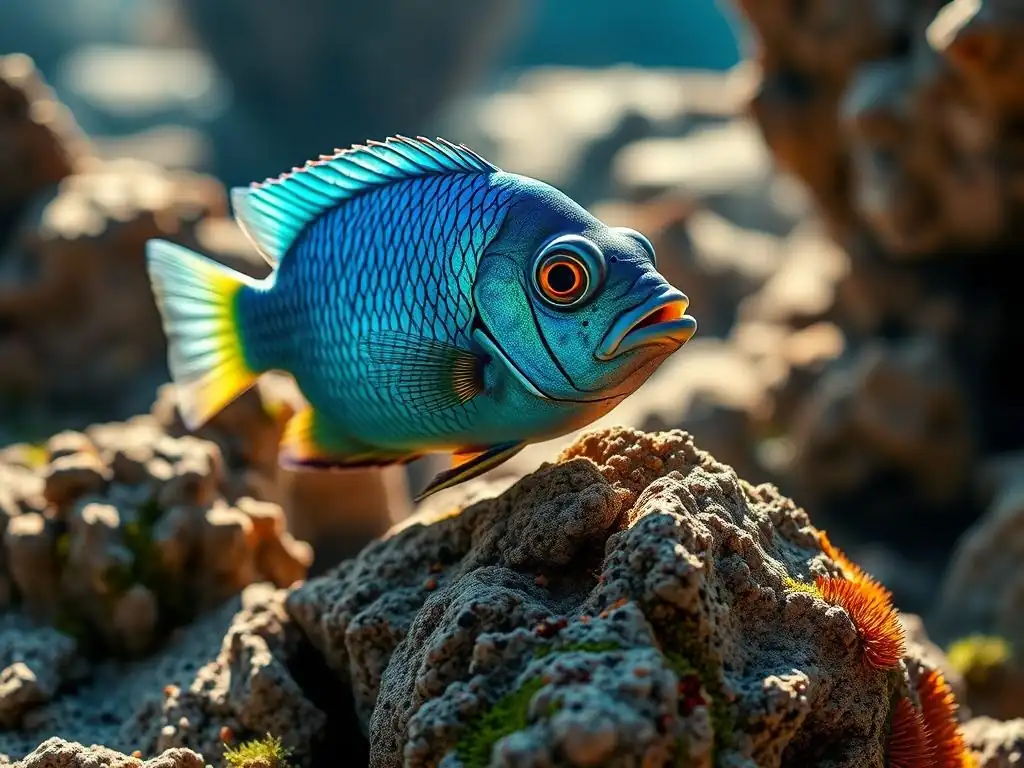
Observing Body Shape and Size for Potential Sex Differences in Butterflyfish
One potential, albeit unreliable, visual cue in a Butterflyfish sexing tips guide involves observing the fish's body shape and size. In some mature Butterflyfish species, particularly females, a slight increase in abdominal fullness or a more rounded appearance may be noticeable. This "plumpness" can indicate the presence of developing eggs, especially when the female is gravid and preparing to spawn. For example, a female of a larger species like the Raccoon Butterflyfish ( Chaetodon lunula) might display a noticeably more rounded abdomen just before a spawning event.
However, this observation comes with significant caveats. The perceived "fullness" can easily be mistaken for a well-fed fish, general good health, or even a digestive issue. Moreover, this difference is often only apparent immediately prior to spawning and is highly dependent on the specific species and individual fish's condition. Therefore, while it can be a contributing factor, it should not be the sole determinant in any Butterflyfish sexing tips guide.
Fin Shape and Size: Subtle Clues for Butterflyfish Sexing
Another area often scrutinized for sexual differences is the shape and size of the fins. In a very limited number of Butterflyfish species, anecdotal evidence suggests that males might exhibit slightly longer or more pointed dorsal and/or anal fins compared to females. These differences are exceptionally subtle and are by no means a general rule applicable across the entire Butterflyfish family. For instance, some aquarists have reported very minor, almost imperceptible, variations in fin elongation in certain Chaetodon species, but this is not a definitive marker.
The unreliability of fin morphology as a sexing indicator cannot be overstated. Any perceived differences are often so minute that they are indistinguishable to the untrained eye and can vary significantly between individuals within the same species due to genetics, age, or environmental factors. Consequently, relying on fin shape or size alone is not a dependable strategy in a robust Butterflyfish sexing tips guide.
Vent Examination: A Difficult but Potentially Useful Technique
For those seeking a more definitive external anatomical feature, examination of the vent (genital papilla) can be useful, though it presents considerable challenges. The female's vent will typically appear slightly larger, rounder, and more protrusive, especially when she is gravid and ready for egg release. Conversely, the male's vent is usually smaller and more pointed. This difference is due to the female's need for a wider opening to pass eggs.
However, performing a vent examination often necessitates netting the fish, which is an extremely stressful procedure for delicate Butterflyfish. The stress alone can lead to health complications, and improper handling can cause physical injury. This technique is best performed by highly experienced individuals, such as a marine veterinarian or an expert aquarist, and should only be attempted when absolutely necessary. Therefore, while included in a comprehensive Butterflyfish sexing tips guide, it is considered an advanced and risky method.
Butterflyfish Behavior and Breeding: Identifying Sex Through Observation
Courtship Behaviors in Butterflyfish: Recognizing Mating Rituals
Observing specific courtship behaviors is arguably the most reliable non-invasive method for identifying sexes in Butterflyfish. When a true male-female pair forms, they will often engage in characteristic "dances" or synchronized swimming patterns. This typically involves the pair swimming closely together, often with the male gently nudging or chasing the female in a non-aggressive, ritualized manner. They might circle each other or swim in tandem for extended periods.
For example, in species like the Threadfin Butterflyfish ( Chaetodon auriga), pairs are known to swim in highly synchronized patterns, with the male often leading the female towards potential spawning sites. These interactions, when observed consistently over several days or weeks, serve as a strong indicator that you have a male-female pair. Documenting these specific behaviors is a cornerstone of any effective Butterflyfish sexing tips guide focused on natural observation.
Spawning Behavior: Identifying Females During Egg Release
The most definitive behavioral sign of a female Butterflyfish is the actual act of spawning. During this process, the female will visibly release eggs into the water column. These eggs are typically pelagic, meaning they are free-floating and often appear transparent or translucent. Observing the female's abdomen visibly contracting as she expels eggs is an unmistakable and irrefutable sign of her sex.
Spawning usually occurs at specific times, often at dusk or during certain lunar phases, and frequently near the water surface. Just before and during egg release, the female's vent will be noticeably swollen and extended, facilitating the expulsion of eggs. This direct observation of egg release is the ultimate, undeniable Butterflyfish sexing tips guide indicator for identifying a female in your aquarium.
Aggression and Territory: Male Butterflyfish Characteristics
While less definitive than direct spawning, certain patterns of aggression and territoriality can sometimes offer clues about the sex of Butterflyfish, particularly regarding males. Males, especially when attempting to establish dominance or attract a mate, might display more pronounced territorial behavior or aggression towards other males of the same species. This can manifest as fin flaring, chasing, or even nipping at perceived rivals.
However, it is crucial to qualify this observation: not all aggression in Butterflyfish is sex-related. Some species are naturally more aggressive or intolerant of conspecifics regardless of sex, and stress or inadequate tank space can also induce aggression. Nevertheless, if two individuals consistently engage in aggressive skirmishes, and one subsequently begins displaying courtship behaviors towards another fish, it can be a subtle, albeit indirect, clue that the aggressor is male. This behavioral nuance is an important, though complex, part of a comprehensive Butterflyfish sexing tips guide.
Advanced Butterflyfish Sexing Techniques: Venting and DNA Testing
Venting Butterflyfish: A Risky Procedure Explained
Venting, also known as "sexing by hand" or "probing," is an advanced and highly risky procedure used to determine the sex of fish by examining the genital papilla. As previously mentioned, the female's vent is typically rounder and slightly larger, while the male's is more pointed. This technique involves gently holding the fish out of the water to get a clear view of the vent area.
Despite its potential accuracy, venting carries significant risks. The procedure is extremely stressful for the delicate Butterflyfish, and improper handling can easily lead to scale damage, internal injury, or even death. Due to these high risks, venting should only be attempted by highly experienced professionals, such as a marine veterinarian or a seasoned public aquarium aquarist, and only when absolutely necessary for breeding programs or scientific study. It is a very specialized and generally discouraged Butterflyfish sexing tips guide technique for the average hobbyist.
DNA Testing for Butterflyfish Sex Determination: Accuracy and Availability
For unparalleled accuracy in sex determination, DNA testing stands as the most reliable method. This technique involves taking a small, non-lethal tissue sample from the fish, typically a fin clip or a few scales. This sample is then sent to a specialized genetic laboratory, where it is analyzed for specific sex chromosomes or genetic markers that definitively indicate the fish's sex.
While DNA testing offers near 100% accuracy, its practicality for the average hobbyist is limited. The process is often expensive, requires access to specialized laboratories, and may not be readily available for all Butterflyfish species. Consequently, DNA testing is typically reserved for high-value breeding programs, conservation efforts, or scientific research where precise sex identification is critical, making it an advanced, though definitive, Butterflyfish sexing tips guide method.
The Role of Experts: Consulting with Marine Biologists and Experienced Aquarists
Given the significant challenges in sexing Butterflyfish, consulting with marine biologists, experienced public aquarium staff, or long-term Butterflyfish breeders is highly advisable. These experts often possess a nuanced understanding and observational skills honed over years of working with these specific fish. They can offer invaluable insights, confirm suspected sexes based on subtle cues, or even perform delicate procedures like venting with minimal stress to the fish.
Their collective experience and specialized knowledge can be instrumental in identifying subtle behavioral patterns or anatomical nuances that an amateur might easily miss. Seeking their guidance can prevent misidentification, reduce stress on your fish, and significantly increase your chances of successfully pairing or breeding Butterflyfish. Their input contributes significantly to refining effective Butterflyfish sexing tips guide strategies for the broader aquarist community.
Butterflyfish Breeding Considerations: Sex Ratios and Tank Setup
Understanding Sex Ratios for Successful Butterflyfish Breeding
For aquarists aiming to breed Butterflyfish, understanding and establishing the correct sex ratio is paramount. For species that form monogamous pair bonds, a 1:1 male-female ratio is ideal for successful spawning. However, if sexing is difficult, a common strategy is to acquire a small group of juvenile Butterflyfish (e.g., 4-6 individuals) and allow them to naturally pair off as they mature. This approach requires a larger tank to accommodate the group and patience, but it significantly increases the chances of obtaining a true breeding pair.
For species that might tolerate small groups or form loose harems, such as some of the larger Chaetodon species, understanding their social dynamics is crucial. This might involve aiming for one male to multiple females to prevent aggression and promote spawning. However, given the general territoriality of Butterflyfish, this is less common than pair-bonding. This strategic approach to sex ratios, even when direct sexing is challenging, is an indirect yet vital component of a comprehensive Butterflyfish sexing tips guide for breeders.
Setting Up a Breeding Tank: Creating the Ideal Environment
Creating an optimal environment is critical for encouraging Butterflyfish to spawn once a pair is established. A dedicated breeding tank is highly recommended to prevent interference from other fish and to allow for precise control over water parameters. Ideal conditions typically include stable specific gravity (e.g., 1.023-1.025), a consistent temperature (around 78-82°F or 25.5-27.8°C), and a stable pH (8.1-8.4). Good filtration and ample hiding spots, such as live rock formations or PVC pipes, are also essential. For a pair of medium-sized Butterflyfish, a 75-gallon tank might be considered a minimum.
Many Butterflyfish species are pelagic spawners, releasing their eggs into the water column. Therefore, providing suitable water flow and maintaining pristine water quality are paramount. Implementing specific lighting cycles that mimic natural dawn and dusk transitions can also act as an environmental trigger, encouraging spawning behavior. This specialized setup is a vital prerequisite for leveraging any Butterflyfish sexing tips guide towards actual breeding success.
Nutritional Needs for Breeding Butterflyfish: Ensuring Healthy Spawning
A high-quality, varied diet is indispensable for conditioning breeding pairs of Butterflyfish. Proper nutrition ensures that both male and female are in peak health, capable of producing viable eggs and sperm. The diet should be rich in protein and essential fatty acids, typically including a diverse mix of live foods (e.g., enriched brine shrimp, copepods, mysis shrimp), high-quality frozen foods, and premium flake or pellet foods. Regular feeding of nutrient-dense items is crucial for gonadal development.
For instance, feeding multiple small meals throughout the day, rather than one large meal, can stimulate appetite and ensure a continuous supply of vital nutrients. A well-nourished and conditioned pair is significantly more likely to engage in courtship and successfully spawn, producing healthy offspring. Therefore, while not a direct sexing method, optimal nutrition is an indirect yet fundamental aspect of any Butterflyfish sexing tips guide aimed at facilitating reproduction.
Misconceptions About Butterflyfish Sexing: Debunking Common Myths
Common Myths About Butterflyfish Sexing
Several common misconceptions persist regarding Butterflyfish sexing, often leading to frustration and incorrect assumptions among aquarists. One prevalent myth is that "males are always brighter colored" or "females are always larger and duller." These generalizations, while true for some other fish families, are largely inaccurate for Butterflyfish, which generally do not exhibit such pronounced sexual dimorphism. Another myth suggests that certain fin markings or patterns are definitive sex indicators.
These myths often arise from isolated observations or misinterpretations, sometimes influenced by knowledge of other fish species. Relying on such unreliable indicators can lead to significant errors in sex determination, potentially causing issues if a hobbyist attempts to pair fish based on these false premises. It underscores the critical need for a factual and evidence-based Butterflyfish sexing tips guide.
Why Relying on Coloration Alone is Unreliable for Sexing
Specifically addressing the coloration myth, it is crucial to understand that Butterflyfish coloration is primarily evolved for camouflage, warning signals, or species recognition within their natural habitat, not for sex differentiation. Both males and females of a given species typically display the same intricate patterns and vibrant hues characteristic of their kind. Any perceived differences in color intensity are rarely, if ever, indicative of sex.
Furthermore, the intensity and vibrancy of a Butterflyfish's coloration can fluctuate significantly due to various environmental factors such as stress, diet quality, water parameters, and overall health. A healthy, well-fed, and unstressed fish will generally exhibit more vibrant colors regardless of its sex. Therefore, attempting to use coloration as a definitive sexing marker is highly unreliable and should be avoided when following a comprehensive Butterflyfish sexing tips guide.
The Importance of Combining Multiple Sexing Techniques
Given the challenges and the unreliability of single indicators, the most effective approach to sexing Butterflyfish is to combine multiple observation techniques. No single method, apart from highly invasive DNA testing, is foolproof. A holistic strategy involves meticulously observing subtle visual cues, monitoring behavioral patterns over time, and, if absolutely necessary and feasible, performing a careful vent examination.
For instance, if a fish appears slightly plumper (a potential female) and then consistently engages in elaborate courtship dances with another fish (a potential male), this combination of observations provides far stronger evidence of a true pair than either observation alone. This synergistic approach significantly increases the accuracy of sex determination and forms the cornerstone of any successful and practical Butterflyfish sexing tips guide.
Conclusion: Mastering Butterflyfish Sexing Through Observation and Knowledge
Key Takeaways: Butterflyfish Sexing Tips for Aquarium Hobbyists
Mastering Butterflyfish sexing is undoubtedly one of the more challenging aspects of marine aquarism, primarily due to the general lack of obvious sexual dimorphism across most species. For the average hobbyist, patient and keen behavioral observation, particularly focusing on courtship rituals and spawning events, often proves to be the most reliable and least stressful method. Subtle visual cues, such as a female's increased abdominal fullness when gravid, can offer supporting evidence but are rarely definitive on their own.
Key Butterflyfish sexing tips guide points to remember include: prioritizing behavioral interactions, understanding that fin shapes and coloration are typically unreliable indicators, and recognizing that advanced techniques like venting carry significant risks and are best left to experts. DNA testing offers definitive results but is often impractical for casual hobbyists. Patience and a multi-faceted approach are crucial for success.
Further Research: Resources for Learning More About Butterflyfish
To deepen your understanding of Butterflyfish sexing and their care, further research is highly recommended. Exploring scientific journals and reputable marine biology websites can provide species-specific information, as some rarer or newly studied Butterflyfish might possess unique, albeit subtle, dimorphic traits not widely documented. Academic papers on marine fish reproduction can also offer valuable insights into their breeding biology.
Additionally, engaging with experienced online forums dedicated to marine aquarism or joining local aquarium clubs can be incredibly beneficial. These communities often host long-term breeders who can share anecdotal evidence, specific Butterflyfish sexing tips guide for particular species they have successfully bred, and provide practical advice based on years of hands-on experience. Collective knowledge is a powerful tool in this challenging endeavor.
The Future of Butterflyfish Sexing: Advancements and Possibilities
The field of marine fish aquaculture and research is continuously evolving, and the future holds promising advancements for Butterflyfish sexing. We may see the development of more accessible and affordable non-invasive DNA testing kits that can be utilized by hobbyists. Furthermore, advancements in imaging techniques, such as specialized ultrasound, could potentially allow aquarists to identify gonadal development in fish without causing undue stress or physical intervention.
Ultimately, the ongoing efforts of dedicated hobbyists and researchers in meticulously observing and documenting Butterflyfish behavior and life cycles contribute significantly to our collective knowledge base. Every successful breeding event, every detailed behavioral log, and every shared observation helps refine and enhance our Butterflyfish sexing tips guide, moving us closer to truly mastering the reproduction of these exquisite and delicate marine creatures in captivity.
Frequently Asked Questions
How reliable are physical characteristics for determining the sex of butterflyfish?
Physical characteristics are generally unreliable for sexing butterflyfish. Most species exhibit no obvious external differences (sexual dimorphism) between males and females.
What is the most accurate method for sexing butterflyfish?
The most accurate method is observing spawning behavior. During spawning, you can clearly identify which fish are releasing eggs (females) and milt (males).
Do butterflyfish exhibit any behavioral differences that could hint at their sex?
Sometimes, subtle behavioral differences might exist, such as increased aggression in males during breeding periods or specific courtship rituals. However, these are not definitive indicators of sex.
Is there any scientific testing, like DNA analysis, that can be used to sex butterflyfish?
While DNA analysis is possible, it is not commonly used for sexing butterflyfish. It is expensive and impractical for the average aquarist.
Can diet or water conditions influence the expression of sexual characteristics in butterflyfish?
Diet and water conditions do not directly influence the expression of sexual characteristics because there are usually no visible characteristics to begin with. Ensuring proper care is important for overall health and breeding readiness, but won't make sexing easier.
Final Reflection: Unveiling the Secrets of Butterflyfish Courtship
The intricacies of marine life, often hidden beneath the waves, hold a captivating allure. As we've explored the nuances of butterflyfish sexing, it becomes clear that understanding these subtle differences is not just about identification; it's about appreciating the delicate balance of coral reef ecosystems and the crucial role these vibrant creatures play within them. The knowledge gained here empowers aquarists and researchers alike to contribute to responsible breeding and conservation efforts.
This journey into the world of butterflyfish has underscored the importance of observation and patience. It reminds us that even seemingly small details can unlock profound insights into the natural world. The ability to distinguish male from female butterflyfish, while seemingly niche, opens doors to deeper understanding of their mating rituals, territorial behaviors, and overall health. In the end, we will conserve only what we love; we will love only what we understand; and we will understand only what we are taught.
- Baba Dioum. This quote perfectly encapsulates the power of knowledge in fostering conservation.
Now, armed with these butterflyfish sexing tips, I encourage you to look beyond the surface. Whether you're a seasoned aquarist or simply a curious observer, take the time to appreciate the subtle beauty and complexity of these fascinating fish. Consider how your actions, even on a small scale, can contribute to the preservation of their delicate habitats. Let's all strive to be more informed stewards of our planet's precious marine ecosystems, ensuring that future generations can marvel at the vibrant dance of butterflyfish on healthy coral reefs.
Unveil the Secrets: Become a Butterflyfish Expert!
Thank you for diving into the fascinating world of butterflyfish! Now that you’ve learned about the challenges of visually sexing these captivating creatures, it's time to put your knowledge into action and connect with the community.
Here’s how you can further your butterflyfish expertise:
- Document your observations: Start a journal or use a notes app to record the behavior and physical characteristics of any butterflyfish you observe, whether in your aquarium or in nature. Note any subtle differences that might indicate sex, even if you're unsure.
- Share your insights! Engage with fellow aquarium enthusiasts on forums or social media. Discuss your experiences and what you have observed. Maybe someone can provide insight!
- Consider contributing to Citizen Science: Contact your local public aquarium and see if there are ways to help researchers monitor and document changes in fish populations.
What unique behavior have you observed in butterflyfish that you think might be related to courtship or mating rituals? Share your thoughts in the comments below!