
Ancistrus (Bristlenose Pleco): The Perfect Algae Eater for Most Aquariums?

Welcome to Aquarium Mastery, where your aquatic dreams come to life!
Ever struggled with algae blooms in your freshwater tank? Are you looking for a natural and fascinating solution? Dive in and discover whether the Ancistrus, better known as the Bristlenose pleco, is truly the perfect algae-eating companion for your aquarium. But is it really the best choice for your specific setup? Let's find out!
- Bristlenose Plecos: Effective Algae Control for Freshwater Aquariums
- Understanding Bristlenose Plecos: Ancistrus Species Overview
- Algae Consumption and Diet of Bristlenose Plecos
- Aquarium Setup for Bristlenose Plecos
- Bristlenose Pleco Care and Maintenance
- Selecting the Right Bristlenose Pleco
- Breeding Bristlenose Plecos
- Alternative Algae Control Methods
- Determining if a Bristlenose Pleco is Right for Your Aquarium
-
Frequently Asked Questions
- What makes a Bristlenose Pleco a good algae eater?
- Are Bristlenose Plecos suitable for all types of aquariums?
- What other food should I provide a Bristlenose Pleco besides algae?
- How big do Bristlenose Plecos get, and how long do they live?
- What are some common problems to watch out for with Bristlenose Plecos?
- Final Reflection: The Unsung Hero of the Aquarium
- Unlock Your Tank's True Potential!
Bristlenose Plecos: Effective Algae Control for Freshwater Aquariums
Understanding Bristlenose Plecos: Ancistrus Species Overview
Identifying Features and Characteristics of Ancistrus
Bristlenose plecos, scientifically classified under the genus Ancistrus, are a popular group of freshwater catfish known for their distinctive appearance. Their most prominent feature is the series of fleshy tentacles or "bristles" that adorn their snout, particularly noticeable and branched in mature males.
These fish typically sport a flattened body shape and a suckermouth, perfectly adapted for grazing on surfaces. While the common variety is mottled brown or grey, selective breeding has produced a stunning array of color morphs, including albino (yellowish-white), super red (vibrant orange-red), and calico (marbled patterns), usually reaching an adult size of 4 to 6 inches (10-15 cm).
Originating from the fast-flowing rivers and tributaries of the Amazon basin in South America, Bristlenose plecos are primarily nocturnal bottom-dwellers. They spend their days hidden among driftwood or rocks, emerging at night to graze. Despite their unique appearance, they are generally peaceful and non-aggressive, making them suitable inhabitants for most community aquariums. Their hardiness and adaptability to a range of water parameters further contribute to their popularity among aquarists of all experience levels.
Benefits of Choosing a Bristlenose Pleco for Algae Control
One of the primary reasons aquarists choose a Bristlenose pleco is their exceptional ability as an algae eater. Unlike larger pleco species such as the Common Pleco ( Hypostomus plecostomus), which can grow to over 2 feet (60 cm) and often become less interested in algae as they mature, Bristlenoses remain dedicated algae consumers throughout their lives and maintain a manageable size. Their adult length of 4-6 inches makes them suitable for tanks as small as 20 gallons (75 liters), preventing the issue of outgrowing their environment.
Beyond their size, Bristlenose plecos are valued for their peaceful temperament. They typically do not bother other fish or damage live plants, provided they are adequately fed. This contrasts with some other "algae-eating" fish that can become aggressive or develop a taste for plant leaves. Their consistent grazing habits make them a reliable and non-intrusive choice for maintaining a cleaner aquarium, offering effective Bristlenose pleco algae eating capabilities without disrupting the tank's ecosystem.
Algae Consumption and Diet of Bristlenose Plecos
Bristlenose Pleco Diet: Supplementation Beyond Algae
While Bristlenose plecos are renowned as effective Bristlenose pleco algae eating machines, relying solely on tank algae for their nutrition is often insufficient, especially in well-maintained aquariums with limited algae growth. For optimal health and continued algae consumption, their diet must be supplemented regularly.
Sinking algae wafers or pellets, rich in spirulina and other plant matter, should form a staple of their diet, with an adult Bristlenose typically consuming 1-2 wafers per day. Blanched fresh vegetables such as zucchini, cucumber, peas, and spinach are also highly beneficial and should be offered 2-3 times per week, providing essential vitamins and fiber.
Although primarily herbivorous, Bristlenose plecos may consume small amounts of protein from biofilm or tiny invertebrates in the tank. However, their diet should predominantly (approximately 70-80%) consist of plant-based foods. Overfeeding other fish can lead to uneaten food accumulating on the substrate, which Bristlenoses may consume. While this seems convenient, an imbalanced diet heavy in protein can lead to digestive issues and bloat. A well-rounded diet ensures a healthy, active Bristlenose pleco, maximizing its effectiveness as an algae eater.
Types of Algae Effectively Consumed by Bristlenose Plecos
Bristlenose plecos exhibit a clear preference for certain types of algae, making them particularly effective against specific growths in the aquarium. They are highly efficient at consuming soft green algae that forms a film on glass, rocks, and decor, as well as brown diatom algae, which often appears in newer tanks.
They also graze on some forms of hair algae, though their effectiveness varies depending on the density and type of hair algae. A single adult Bristlenose can significantly reduce visible soft green and diatom algae in a 20-30 gallon tank within a few weeks, often keeping surfaces remarkably clean.
However, it is important to understand the limitations of even the most diligent Bristlenose pleco algae eating efforts. They are generally not effective against tough, brush-like Black Beard Algae (BBA) or stubborn, hard Green Spot Algae (GSA). These resilient algae types typically require manual removal, targeted chemical treatments, or addressing underlying nutrient imbalances. Therefore, while a Bristlenose pleco is an excellent biological tool for algae management, it is not a universal solution for all algae problems.
Efficiency of Bristlenose Plecos in Controlling Algae Growth
The efficiency of Bristlenose plecos in controlling algae growth is largely attributed to their continuous grazing habits. A healthy adult Bristlenose can spend 8 to 12 hours a day actively scraping algae from surfaces. This persistent activity makes them one of the most reliable biological methods for maintaining a clean aquarium. In a tank with moderate algae presence, one Bristlenose can often reduce the visible algae coverage on glass and decor by a substantial margin, sometimes up to 80-90% within a month of introduction, depending on the initial algae load.
Several factors can influence their efficiency. Tank size plays a role; a single Bristlenose in a very large tank might not be able to cover all surfaces effectively. Competition from other bottom feeders or overfeeding of other tank inhabitants can also reduce their reliance on algae, making them less diligent cleaners. Ultimately, while their Bristlenose pleco algae eating prowess is significant, it functions best as part of a comprehensive aquarium maintenance routine that includes balanced lighting, appropriate feeding, and regular water changes to prevent excessive algae growth from the outset.
Aquarium Setup for Bristlenose Plecos
Tank Size Requirements for Optimal Health
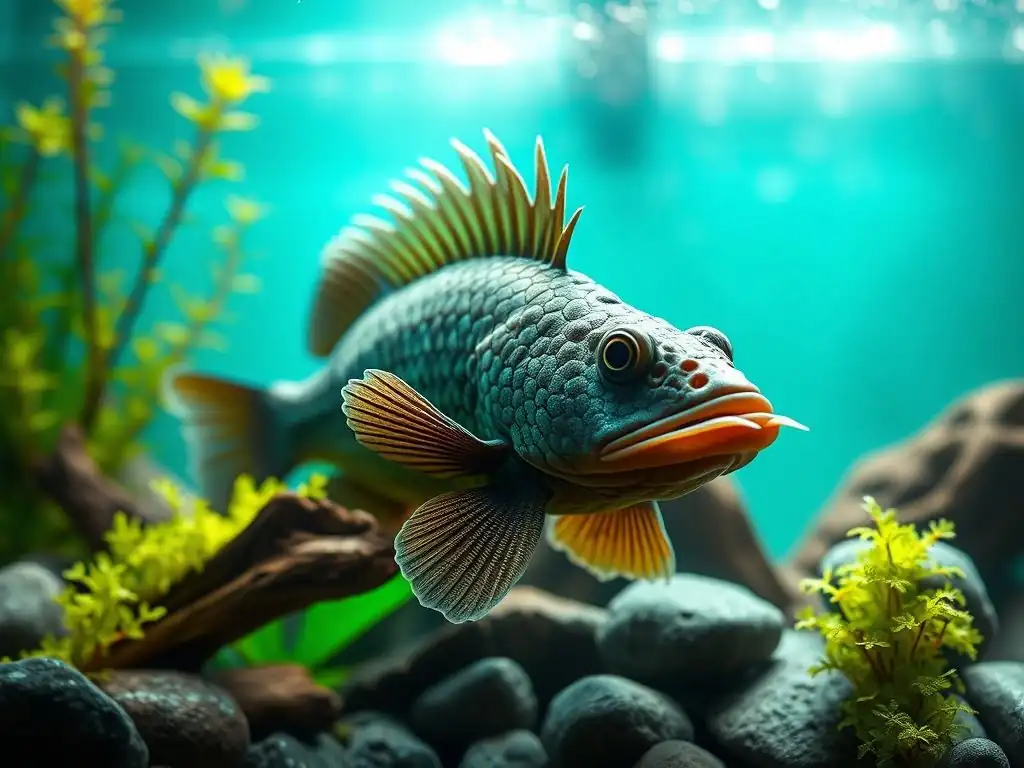
When considering a Bristlenose pleco, providing adequate space is crucial for their health and well-being. Despite their relatively small adult size of 4-6 inches, they are active bottom-dwellers and require sufficient floor space for grazing and exploration. For a single adult Bristlenose, a minimum tank size of 20 gallons (approximately 75 liters) is generally recommended. A "long" style 20-gallon tank is often preferred over a "high" one, as it provides more horizontal swimming and grazing area.
For aquarists planning to keep a breeding pair or multiple Bristlenoses, a larger tank of 30 gallons (113 liters) or more is advisable. While generally peaceful, males can exhibit territorial behavior towards each other, especially during breeding or if space is limited. Overcrowding not only stresses the fish, potentially leading to health issues, but also reduces their effectiveness as a Bristlenose pleco algae eating solution due to increased waste production and competition for resources.
Water Parameters: Maintaining Ideal Conditions
Maintaining stable and appropriate water parameters is paramount for the health of Bristlenose plecos. They thrive in clean, well-oxygenated freshwater environments. The ideal temperature range for these fish is between 72-80°F (22-27°C). A slightly acidic to neutral pH of 6.5-7.5 is generally suitable, and they prefer soft to moderately hard water, with a general hardness (dGH) of 6-10.
Crucially, ammonia and nitrite levels must always be at 0 ppm, while nitrate levels should be kept below 20 ppm through regular water changes and efficient filtration. Bristlenoses are sensitive to poor water quality, and unstable parameters can lead to stress, disease, and a reduced appetite for algae. Consistent monitoring of these parameters with a reliable test kit will ensure a healthy environment for your Bristlenose pleco algae eating companion.
Substrate and Decor: Promoting Algae Grazing
The choice of substrate and decor significantly impacts the comfort and activity of Bristlenose plecos. A fine gravel or sand substrate is ideal, as it is gentle on their sensitive barbels and allows them to sift through detritus without injury. Avoid sharp or abrasive substrates that could damage their delicate undersides. To promote their natural Bristlenose pleco algae eating behavior, provide ample smooth surfaces for grazing, such as large, smooth river rocks, slate, and particularly, driftwood.
Driftwood is not merely decorative; it is an essential component of a Bristlenose pleco's habitat. It provides cellulose, which aids in their digestion, and serves as a primary surface for biofilm and algae growth that they graze upon. Additionally, Bristlenoses are nocturnal and appreciate secure hiding spots during the day. Incorporate caves made from ceramic logs, PVC pipes, or specialized pleco caves. These retreats reduce stress, encouraging them to be more active and effective algae eaters when they do emerge.
Essential Equipment: Filtration and Lighting
Effective filtration is critical for any aquarium housing Bristlenose plecos due to their relatively high bioload. A robust filter, such as a hang-on-back (HOB) filter or a canister filter, that provides excellent mechanical, biological, and chemical filtration is essential to maintain pristine water quality. Aim for a filter turnover rate of at least 4-6 times the tank volume per hour to ensure adequate water circulation and waste removal. Good water movement also helps keep oxygen levels high, which Bristlenoses appreciate.
Regarding lighting, moderate illumination for a duration of 6-8 hours daily is generally sufficient for a Bristlenose tank and any live plants. Overly intense or prolonged lighting can contribute to excessive algae growth, which even the most diligent Bristlenose pleco might struggle to keep completely in check. Using an automatic timer for your lighting system ensures consistency, helping to regulate the natural day-night cycle and manage algae growth more effectively.
Bristlenose Pleco Care and Maintenance
Feeding: Supplementing Algae with a Balanced Diet
While Bristlenose plecos are excellent at consuming algae, it is crucial to supplement their diet to ensure they receive all necessary nutrients, especially in tanks with limited natural algae growth. Daily feeding of sinking algae wafers or pellets is fundamental; a general guideline suggests 1-2 wafers per adult Bristlenose, adjusted based on the individual fish's size and the tank's algae availability. Additionally, offer blanched fresh vegetables such as zucchini slices (approximately 1 inch thick), cucumber, or a few blanched spinach leaves 2-3 times per week.
It is best to feed Bristlenose plecos just before the aquarium lights are turned off for the night, as this is when they are most active and will readily emerge to feed. Any uneaten fresh vegetables should be removed from the tank within 24 hours to prevent them from decaying and fouling the water. A varied and consistent feeding regimen ensures your Bristlenose pleco remains healthy and continues its vital role as an effective Bristlenose pleco algae eating member of your clean-up crew.
Water Changes: Maintaining Water Quality and Preventing Algae Blooms
Regular water changes are a cornerstone of maintaining optimal water quality for Bristlenose plecos and preventing excessive algae growth. A weekly water change of 25-30% of the tank volume is a widely accepted guideline for most community aquariums, including those housing Bristlenoses. For instance, in a 20-gallon tank, this translates to changing 5-6 gallons of water weekly. This routine helps to remove accumulated nitrates, phosphates, and other dissolved organic compounds that can contribute to algae blooms and stress fish.
Consistent water changes directly support the Bristlenose pleco's role in algae management. By reducing the overall nutrient load in the water, you limit the fuel available for algae, thereby preventing severe outbreaks that even a diligent Bristlenose might struggle to control. Clean, stable water also reduces stress on the fish, making them more active, healthier, and thus more effective at their Bristlenose pleco algae eating duties.
Monitoring for Common Diseases and Health Issues
Bristlenose plecos are generally hardy fish, but like all aquarium inhabitants, they can be susceptible to certain diseases if conditions are not optimal or if they are stressed. One common ailment is Ich (Ichthyophthirius multifiliis), characterized by small white spots resembling salt grains on the body and fins. Bloat, often caused by an improper diet (too much protein, too little fiber) or internal parasites, manifests as a swollen abdomen. Lethargy, clamped fins, labored breathing, or loss of appetite are general signs of illness.
Prevention is key: maintain pristine water quality through regular water changes and efficient filtration, and provide a balanced, appropriate diet. Quarantining new fish for 2-4 weeks in a separate tank before introducing them to the main aquarium can prevent the spread of diseases. If illness is suspected, prompt diagnosis and appropriate treatment are crucial. A healthy Bristlenose pleco is an active, robust, and efficient Bristlenose pleco algae eating addition to your aquarium.
Selecting the Right Bristlenose Pleco
Varieties: Identifying Different Colors and Patterns
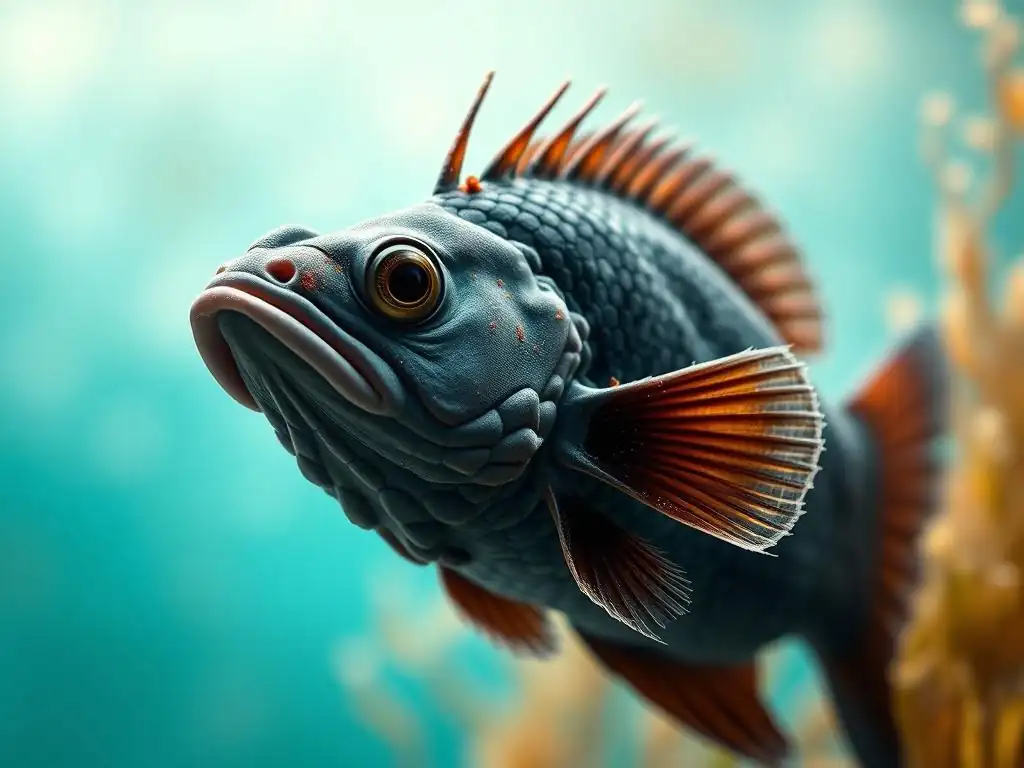
The Bristlenose pleco ( Ancistrus species) family offers a surprising array of aesthetic variations, making them popular choices for their looks as well as their utility. The most commonly encountered variety is the standard brown or mottled Bristlenose, which blends well into natural aquascapes. However, selective breeding has led to the development of several distinct and highly sought-after color morphs. These include the Albino Bristlenose, characterized by its yellowish-white body and striking red eyes, and the Super Red Bristlenose, which boasts a vibrant orange-red coloration.
Beyond color, variations in fin length are also available, such as the Longfin Bristlenose, which possesses elongated, flowing fins that add an elegant touch to its appearance. Calico Bristlenoses display a beautiful marbled pattern of brown, black, and orange. While these varieties differ significantly in their visual appeal, their care requirements and their effectiveness as Bristlenose pleco algae eating fish remain largely consistent across all morphs, making the choice primarily one of personal preference.
Choosing Healthy Individuals: Key Considerations
Selecting a healthy Bristlenose pleco is crucial for ensuring its longevity and effectiveness in your aquarium. When purchasing, observe the fish carefully. Look for individuals that are active and alert, often attached to a surface or exploring their environment. Their body should appear full and rounded, not sunken or bloated, and they should have clear eyes. Inspect their fins for any signs of tearing, clamping, or fungal growth, and ensure there are no visible white spots (Ich) or other lesions on their body.
Avoid fish that are listless, sitting motionless on the bottom for extended periods, or gasping at the surface. Also, observe the general condition of the tank they are housed in at the store; clean water and healthy-looking tank mates are good indicators of proper husbandry. Inquire about the store's feeding regimen and water parameters. A healthy Bristlenose pleco will be a more resilient and efficient Bristlenose pleco algae eating member of your tank's clean-up crew.
Compatibility with Other Fish Species
Bristlenose plecos are renowned for their peaceful temperament, making them excellent tank mates for a wide variety of freshwater community fish. Their bottom-dwelling and nocturnal habits mean they rarely interfere with mid-water or top-dwelling species. They are highly compatible with popular community fish such as tetras (e.g., Neon Tetras, Cardinal Tetras), rasboras, corydoras catfish, guppies, mollies, platies, and most dwarf cichlids. Their armored bodies also provide a degree of protection against minor harassment.
However, caution should be exercised when housing them with overly aggressive or territorial fish that might persistently harass them, such as certain large cichlids. While Bristlenoses are generally non-aggressive, adult males can become territorial towards other male Bristlenoses, especially in smaller tanks (under 30 gallons), which can lead to stress and reduced activity. Always ensure adequate hiding spots and space if keeping multiple males to minimize potential conflict and maintain their Bristlenose pleco algae eating efficiency.
Breeding Bristlenose Plecos
Setting Up a Breeding Tank
Breeding Bristlenose plecos can be a rewarding experience, and it typically requires a dedicated breeding tank to maximize success rates. A separate 20-30 gallon (75-113 liter) tank is ideal, providing sufficient space and minimizing disturbance from other fish. The most critical element in a breeding setup is the provision of suitable breeding caves. These can be specialized ceramic pleco caves, clay pots, or even PVC pipes, chosen to be just large enough for the male to fit snugly inside. Males will select a cave, clean it, and guard the eggs within.
To encourage spawning, water parameters should be stable and slightly on the softer and more acidic side, ideally with a pH of 6.0-7.0 and a general hardness (dGH) of 4-8. Environmental triggers, such as a slight drop in temperature (2-3°F) followed by a large, cool water change (25-50%), often mimic natural rainy season conditions and can stimulate breeding. Consistent feeding of high-quality, protein-rich foods for a week or two prior to these triggers can also help condition the breeding pair.
Identifying Sexes: Male vs. Female Characteristics
Distinguishing between male and female Bristlenose plecos becomes increasingly apparent as they mature, typically around 6-8 months of age. The most definitive characteristic is the development of the "bristles" or tentacles on their snout. Males develop prominent, highly branched tentacles that can extend across their entire snout and even onto their forehead. These bristles are often quite striking and robust.
In contrast, female Bristlenoses generally have much smaller, less numerous bristles, usually confined to the area directly around their mouth, or they may have no discernible bristles at all. Other subtle indicators can include size, with males often being slightly larger and more robust when mature. During breeding periods, the male's dedication to cleaning and guarding a chosen cave, fanning the eggs with his fins, provides clear confirmation of his sex.
Caring for Fry: Ensuring Survival and Growth
Once Bristlenose pleco eggs are laid (typically 30-100+ per spawn), the male diligently guards and fans them, ensuring proper oxygenation and preventing fungal growth. The eggs usually hatch within 4-7 days. The newly hatched fry will remain in the cave, absorbing their yolk sacs for another 4-7 days, after which they become free-swimming and begin to forage. At this point, the male can be removed to prevent accidental consumption of fry food, or left if the tank is large and peaceful.
Feeding the tiny Bristlenose fry is crucial for their survival and growth. They require frequent feedings of finely crushed algae wafers, spirulina powder, blanched zucchini, or specialized fry food designed for bottom-dwellers, offered several times a day. Maintaining pristine water quality is paramount; frequent small water changes (e.g., 10% daily or every other day) are necessary to remove waste and uneaten food without stressing the delicate fry. With proper care, Bristlenose pleco fry grow relatively quickly and will soon develop their own Bristlenose pleco algae eating habits.
Alternative Algae Control Methods
Other Algae-Eating Fish Species
While the Bristlenose pleco is an exceptional algae eater, several other fish species can also contribute to algae control in a freshwater aquarium. Otocinclus catfish ( Otocinclus affinis or vittatus) are small, peaceful, and highly effective at consuming soft green algae and brown diatom algae, especially on plant leaves. They are ideal for smaller tanks (minimum 10 gallons for a group of 3-5).
Another popular choice is the Siamese Algae Eater (SAE, Crossocheilus oblongus), which is renowned for its ability to tackle more stubborn algae types, including some forms of Black Beard Algae (BBA). SAEs grow larger, up to 6 inches (15 cm), and are active swimmers, requiring at least a 30-gallon tank.
It's important to research the adult size and temperament of any "algae eater" before adding it to your tank. Some species marketed as algae eaters, such as Chinese Algae Eaters, can become aggressive or less efficient at consuming algae as they mature, sometimes preferring fish slime coats over plant matter. No single fish is a miracle solution for all algae problems; the Bristlenose pleco algae eating contribution is often best utilized in conjunction with other methods.
Invertebrates: Snails and Shrimp for Algae Control
Beyond fish, various invertebrates offer excellent biological solutions for algae control. Nerite snails ( Neritina natalensis species, such as Zebra, Horned, or Olive Nerites) are arguably the most effective snail species for algae consumption in freshwater tanks. They voraciously graze on green spot algae, diatoms, and green film algae on all surfaces, including glass and decor, without overpopulating the tank, as their eggs typically require brackish water to hatch. A single Nerite snail can keep a 10-gallon tank remarkably clean. Mystery snails ( Pomacea bridgesii) and Ramshorn snails also contribute by consuming soft algae and detritus.
Amano shrimp ( Caridina multidentata) are another highly valued invertebrate for algae control. They are voracious eaters, consuming a wide variety of algae, including green hair algae and even some amounts of BBA, which many fish avoid. Growing to about 1.5-2 inches (4-5 cm), they are peaceful and can be kept in colonies. A group of 5-10 Amano shrimp can make a significant impact on algae in a 20-gallon tank. They require stable water parameters and are generally safe with most community fish, though very aggressive or large fish might prey on them.
Balancing Algae Control Methods for Optimal Results
The most effective approach to algae control in an aquarium is not to rely on a single species but to implement a balanced, multi-pronged strategy. This includes addressing the root causes of algae growth, such as excessive lighting duration (aim for 6-8 hours daily), nutrient imbalances (e.g., high nitrates or phosphates from overfeeding or infrequent water changes), and insufficient filtration. Mechanical removal of algae during routine tank maintenance is also crucial.
Combining different biological cleaners can provide comprehensive coverage. For instance, a Bristlenose pleco might excel at keeping the glass and driftwood clean, while Nerite snails tackle stubborn spots on the glass and decor, and Amano shrimp meticulously clean plant leaves and finer details. This synergistic approach ensures that various types of algae and different tank surfaces are regularly grazed. By integrating a Bristlenose pleco algae eating contribution with proper tank husbandry and other cleaners, aquarists can achieve a cleaner, healthier, and more aesthetically pleasing aquarium environment.
Determining if a Bristlenose Pleco is Right for Your Aquarium
Pros and Cons of Choosing a Bristlenose Pleco
Choosing a Bristlenose pleco as an algae eater offers several compelling advantages. They are highly effective at consuming soft green and diatom algae, maintaining clear tank surfaces. Their relatively small adult size (4-6 inches) makes them suitable for tanks as small as 20 gallons, preventing them from outgrowing most home aquariums. Furthermore, they are peaceful, hardy, and generally do not harm other fish or plants, making them excellent community tank inhabitants. Their unique appearance and interesting nocturnal behaviors add aesthetic value to the aquarium.
However, there are also considerations. Bristlenose plecos produce a significant bioload, requiring robust filtration and consistent water changes to maintain water quality. They also require supplemental feeding beyond tank algae to meet their nutritional needs, especially in established tanks with low algae growth. They are largely ineffective against tougher algae types like Black Beard Algae or Green Spot Algae. Lastly, while generally peaceful, males can be territorial towards each other in smaller tanks, and their nocturnal nature means they are less visible during the day.
Considerations for Specific Aquarium Setups
Before introducing a Bristlenose pleco, carefully assess your specific aquarium setup. Ensure your tank meets the minimum 20-gallon size requirement to provide adequate space for a single adult. Verify that your existing fish are compatible and not overly aggressive, as Bristlenoses, while armored, can be stressed by constant harassment. Confirm you have sufficient hiding spots, such as caves and driftwood, which are essential for their comfort and security. If you have a heavily planted tank, be aware that while generally plant-safe, very hungry Bristlenoses might occasionally nibble on very soft or delicate plant leaves.
Crucially, manage your expectations regarding algae control. A Bristlenose pleco algae eating contribution is significant for maintaining a clean tank, but it is not a "magic bullet" for severe, persistent algae issues. If your tank consistently struggles with algae, it's vital to address the root cause—such as excessive lighting, nutrient imbalances, or overfeeding—rather than solely relying on the pleco to resolve the problem.
Reputable Sources for Purchasing Healthy Bristlenose Plecos
Acquiring a healthy Bristlenose pleco from a reputable source is paramount to its long-term well-being and its ability to thrive in your aquarium. Local fish stores (LFS) with knowledgeable staff, clean tanks, and healthy-looking fish are often an excellent option. A good LFS will be able to provide information on the fish's origin, diet, and specific care requirements. Observe the fish's behavior in the store; it should be active, alert, and free of any visible signs of disease or injury.
Online retailers can also be a viable option, but it's crucial to choose those with strong reputations for responsible livestock shipping and positive customer reviews. Always inquire about their quarantine procedures for new arrivals. Avoid purchasing from sources where tanks appear dirty, overcrowded, or contain dead or diseased fish, as this often indicates poor husbandry practices that can lead to unhealthy livestock. A reputable source ensures you bring home a robust and effective Bristlenose pleco algae eating companion.
Frequently Asked Questions
What makes a Bristlenose Pleco a good algae eater?
Bristlenose Plecos are efficient algae eaters due to their specialized mouths and constant grazing behavior. They help keep tank glass and decorations clean, making them a popular choice for many aquarists. They're particularly effective at eating soft algae types.
Are Bristlenose Plecos suitable for all types of aquariums?
While generally peaceful, Bristlenose Plecos are best suited for freshwater aquariums of at least 20 gallons. They may not thrive in extremely aggressive environments or tanks with certain medications. Consider your tank size and existing inhabitants before adding one.
What other food should I provide a Bristlenose Pleco besides algae?
While they eat algae, Bristlenose Plecos also require a supplemental diet to stay healthy. Offer them sinking algae wafers, blanched vegetables like zucchini, and occasional protein sources like bloodworms. This ensures they receive balanced nutrition.
How big do Bristlenose Plecos get, and how long do they live?
Bristlenose Plecos typically reach a size of 4-5 inches in length. With proper care, they can live for 5-7 years or longer in a well-maintained aquarium. Tank size and water parameters greatly impact their lifespan.
What are some common problems to watch out for with Bristlenose Plecos?
Common issues include starvation if algae is scarce, competition with other bottom-dwelling fish, and sensitivity to poor water quality. Ensure adequate feeding and regular water changes to prevent these problems and maintain a healthy environment.
Final Reflection: The Unsung Hero of the Aquarium
The journey through the world of Ancistrus has revealed more than just the algae-eating prowess of the Bristlenose Pleco; it has illuminated the importance of balance and harmony within our aquatic ecosystems. These humble fish, often overlooked, play a crucial role in maintaining the health and beauty of our aquariums, reminding us that even the smallest creatures can have a profound impact.
This exploration has underscored the enduring appeal of the Bristlenose Pleco and its continued influence on the aquascaping hobby. My own experience with these fascinating creatures has instilled in me a deeper appreciation for the delicate interplay of life within a closed environment. In nature, nothing exists alone.
- Rachel Carson. This quote perfectly encapsulates the interconnectedness that the Bristlenose Pleco embodies, reminding us that responsible aquarium keeping is about fostering a thriving ecosystem, not just housing individual fish.
As we conclude, I invite you to reflect on the lessons learned about the Bristlenose Pleco and its role as an algae eater. Consider how you can apply these insights to your own aquarium, or even beyond. Let's strive to create environments, both aquatic and terrestrial, where balance and harmony thrive, and where the contributions of every creature, no matter how small, are valued and respected.
Unlock Your Tank's True Potential!
Thank you for exploring the world of Bristlenose Plecos with us! We hope you've gained valuable insights into whether this amazing algae eater is right for your aquarium. Now, let's put that knowledge into action!
Here are a few things you can do next:
- Decide if a Bristlenose Pleco is right for your tank. Consider its size, temperament, and the specific needs of your existing aquarium inhabitants. Don't rush the decision!
- Explore other fascinating algae-eating fish. Perhaps a Siamese Algae Eater or Otocinclus Catfish might be a better fit?
- Share this article with fellow aquarium enthusiasts! Help others discover the wonders of the Bristlenose Pleco.
What's the one thing you're going to change or implement in your aquarium setup this week based on what you've learned? Share your plans in the comments below!