
Exploring Pomacanthus Angelfish: Giants of the Marine World

Welcome to Aquarium Mastery!
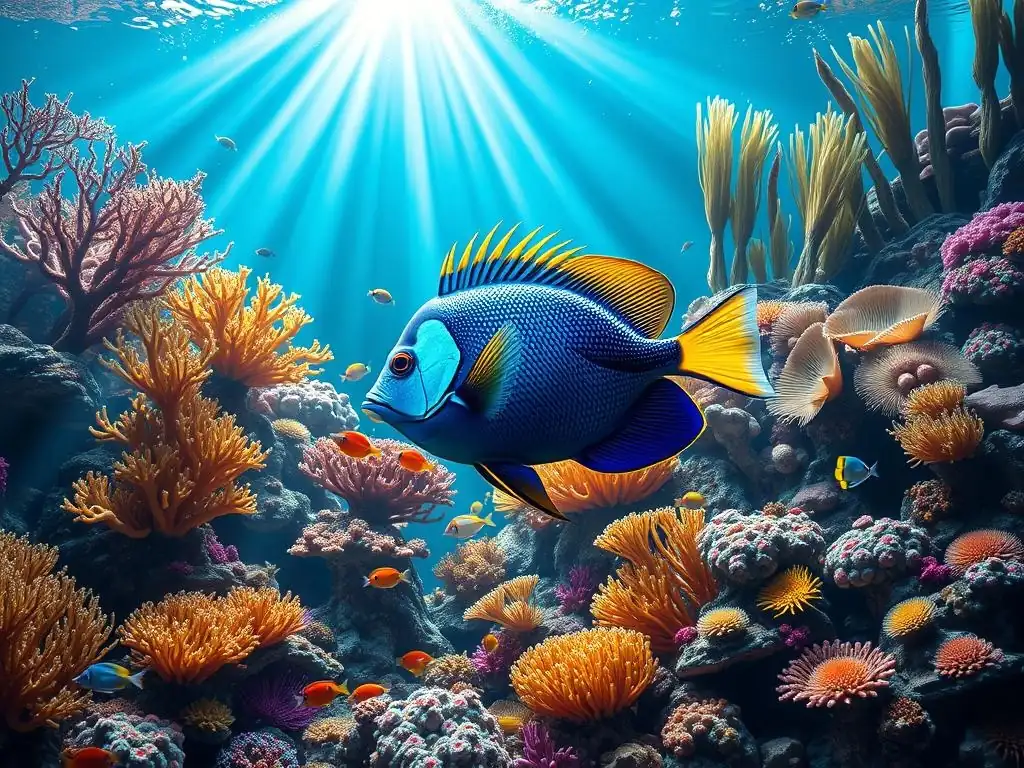
Intrigued by the majestic beauty of saltwater aquariums? Dive in and discover the secrets to successfully keeping some of the ocean's most stunning creatures. This week, we're exploring the fascinating world of Pomacanthus angelfish, those captivating giants of the reef. Ever wondered if you have what it takes to keep one of these beauties thriving in your own tank? Let's unravel the mysteries of Pomacanthus angelfish care together and see if you're ready for the challenge!
- Introduction to Pomacanthus Angelfish
- Pomacanthus Angelfish Species Profiles: A Detailed Look
- Pomacanthus Angelfish Care Guide: Essential Considerations
- Pomacanthus Angelfish Health and Disease
- Pomacanthus Angelfish: Reef Safety and Considerations
- Advanced Pomacanthus Angelfish Care: Breeding and Beyond
- Conclusion: Mastering Pomacanthus Angelfish Care
-
Frequently Asked Questions
- What are the key considerations when choosing a Pomacanthus Angelfish for my aquarium?
- What is the ideal tank size for keeping a Pomacanthus Angelfish?
- What is the recommended diet for Pomacanthus Angelfish to ensure optimal health?
- What are some common health issues that affect Pomacanthus Angelfish, and how can they be prevented?
- Are Pomacanthus Angelfish reef safe, and what precautions should be taken if keeping them in a reef tank?
- Final Reflection: Appreciating the Majesty and Responsibility
- Dive Deeper: Start Your Angelfish Adventure!
Introduction to Pomacanthus Angelfish
Overview of Pomacanthus Genus
The Pomacanthus genus encompasses some of the most majestic and visually striking angelfish species found in the Indo-Pacific and Atlantic oceans. Characterized by their large adult sizes, vibrant coloration, and often dramatic changes in appearance from their juvenile to adult stages, these fish are true showpieces in the marine aquarium hobby. Species within this genus, such as the Emperor Angelfish ( P. imperator) and the Koran Angelfish ( P. semicirculatus), are highly sought after for their beauty and commanding presence. They are typically found inhabiting coral reefs and rocky areas, where they graze on sponges, tunicates, and algae.
These angelfish are known for their robust bodies, small mouths, and distinctive dorsal and anal fins that often extend into long filaments. While their juvenile forms are often cryptic and designed for camouflage, their adult patterns explode with intricate designs and brilliant hues, making them instantly recognizable. For anyone looking into a comprehensive Pomacanthus angelfish care guide, understanding their natural history and typical behaviors is crucial, as it directly influences their needs in a captive environment, particularly regarding diet and aggression.
Suitability of Pomacanthus Angelfish for Saltwater Aquariums
Keeping Pomacanthus angelfish in a home aquarium is a rewarding experience, but it requires significant commitment and an understanding of their specific needs. Due to their potential adult size, which can range from approximately 10 to 20 inches (25 to 50 cm) depending on the species, these fish demand very large aquariums, typically 180 gallons (approximately 680 liters) or more for a single adult specimen. Their longevity, with many species living well over 10 to 15 years in captivity with proper care, also means a long-term dedication to their well-being is essential.
While their stunning appearance makes them highly desirable, prospective aquarists must be prepared for the challenges associated with their care. This includes providing a stable, pristine marine environment, a varied and nutritious diet, and appropriate tank mates to minimize aggression, which can be a significant factor with these often territorial fish. A thorough Pomacanthus angelfish care guide emphasizes that these are not beginner-friendly fish and are best suited for experienced aquarists who can meet their demanding requirements and appreciate their majestic nature.
Pomacanthus Angelfish Species Profiles: A Detailed Look
Pomacanthus imperator (Emperor Angelfish): Care and Characteristics
Emperor Angelfish Identification and Appearance
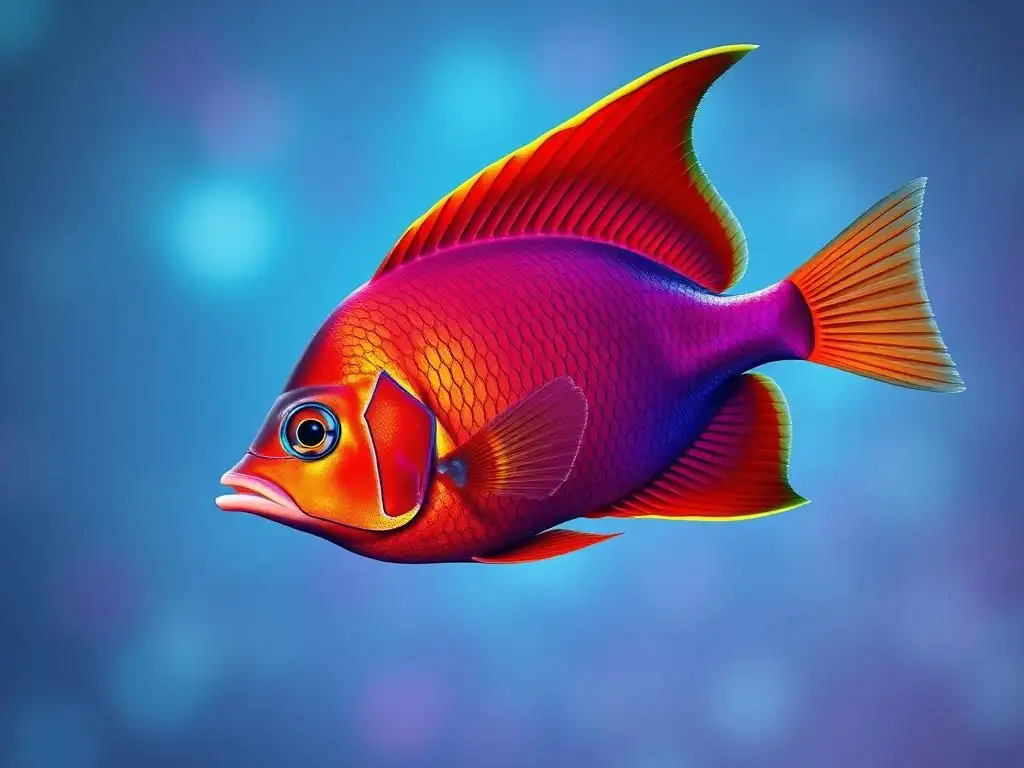
The Emperor Angelfish, Pomacanthus imperator, is arguably one of the most iconic and visually spectacular marine fish. Juveniles display a striking pattern of concentric white and electric blue rings against a dark, almost black, body, often with a white caudal fin. This juvenile coloration acts as a form of mimicry or camouflage within the intricate reef environment.
As they mature, typically around 4-5 inches (10-12 cm) in length, they undergo a dramatic transformation. The adult coloration features a vibrant blue body with distinctive horizontal yellow stripes that angle upwards towards the tail, a bright yellow caudal fin, a black mask over the eyes, and a prominent blue-black blotch on the shoulder. Adult Emperor Angelfish can reach an impressive size of up to 15 inches (38 cm) in the wild, though typically slightly smaller in captivity, around 12 inches (30 cm).
This species' distinctive appearance makes it easily identifiable among other large angelfish. The combination of intricate patterns and bold colors, particularly the stark contrast between the juvenile and adult stages, fascinates aquarists. When considering a Pomacanthus angelfish care guide for this species, it's important to remember that the full beauty of the adult form requires patience and diligent husbandry over several years. Their majestic presence is undeniable, making them a centerpiece in any appropriately sized display.
Emperor Angelfish Diet and Feeding Habits in Captivity
In their natural habitat, Emperor Angelfish are omnivores with a strong preference for sponges and tunicates, often supplementing their diet with algae and various small invertebrates. Replicating this diverse diet in captivity is crucial for their long-term health and vibrant coloration. A well-rounded diet for a captive Emperor Angelfish should include a variety of high-quality marine-based foods. This includes frozen preparations specifically formulated for angelfish, which often contain sponge material, as well as Mysis shrimp, brine shrimp, spirulina flakes, and various types of marine algae.
Feeding should occur multiple times a day, typically 2-3 small feedings, to ensure they receive adequate nutrition and to mimic their natural grazing behavior. Offering a mix of meaty foods and vegetable matter, such as nori sheets clipped to the tank, is vital. Ensuring the diet is rich in essential vitamins, particularly Vitamin C, can help prevent common health issues like Head and Lateral Line Erosion (HLLE). A comprehensive Pomacanthus angelfish care guide will always emphasize the importance of a varied and high-quality diet for the Emperor Angelfish's robust health and to maintain its stunning colors.
Emperor Angelfish Tank Size and Requirements
Due to their substantial adult size and active swimming nature, Emperor Angelfish require very large aquariums. A minimum tank size of 180 gallons (approximately 680 liters) is generally recommended for a single adult specimen, with larger tanks (250 gallons or more) being even better to allow ample swimming space and reduce stress. The tank should be well-established with stable water parameters, mimicking their natural reef environment. This includes a temperature range of 72-78°F (22-26°C), specific gravity of 1.020-1.025, pH of 8.1-8.4, and alkalinity between 8-12 dKH.
Excellent filtration is paramount to manage the bioload produced by such a large fish. A robust protein skimmer, live rock for biological filtration (at least 1-1.5 pounds per gallon), and regular water changes (e.g., 10-20% bi-weekly) are essential to maintain pristine water quality. The aquascape should include plenty of rockwork with caves and crevices for the angelfish to hide and explore, as well as open swimming areas. Providing a suitable environment is a cornerstone of any Pomacanthus angelfish care guide, ensuring the Emperor Angelfish thrives rather than merely survives.
Pomacanthus semicirculatus (Koran Angelfish): A Beginner-Friendly Giant
Koran Angelfish Identification and Appearance
The Koran Angelfish, Pomacanthus semicirculatus, is another popular large angelfish, known for its distinct appearance and remarkable transformation from juvenile to adult. Juvenile Koran Angelfish exhibit a striking pattern of white, curved bands resembling fingerprints or semi-circles against a dark blue to black body, often with a clear or slightly yellow tail. This intricate pattern gives them their common name and is a key identifier. As they mature, typically around 5-6 inches (12-15 cm) in length, their coloration shifts dramatically.
Adults develop a yellowish-brown to greenish-brown body with a fine, dark spotting pattern, particularly on the scales, and a vibrant yellow caudal fin. A prominent dark blotch often develops near the pectoral fin base. Adults can reach up to 15 inches (38 cm) in length in the wild, similar to the Emperor Angelfish, and often grow to 12 inches (30 cm) in captivity.
The transition from juvenile to adult coloration is less abrupt than with the Emperor Angelfish, often showing intermediate patterns as they grow. This species' unique adult patterning, resembling a "scribbled" or "ink-stained" appearance, distinguishes it from other Pomacanthus species. Understanding these visual cues is important for anyone following a Pomacanthus angelfish care guide, especially when identifying the specific needs of a Koran Angelfish as it matures.
Koran Angelfish Diet and Feeding Habits in Captivity
Like other large angelfish, the Koran Angelfish is an omnivore with a natural diet consisting primarily of sponges, tunicates, and algae, supplemented by small invertebrates. In a captive environment, providing a diverse and high-quality diet is crucial for their health and longevity. Their diet should include a variety of frozen foods such as Mysis shrimp, brine shrimp enriched with spirulina, and specialized angelfish preparations that contain sponge material. Vegetable matter is also a vital component; offering marine algae sheets (nori) clipped to the tank or spirulina flakes helps ensure they receive adequate plant-based nutrition.
Feeding frequency should be 2-3 times per day, offering small portions that can be consumed within a few minutes. This consistent feeding schedule helps maintain their energy levels and promotes healthy growth. Ensuring the food is vitamin-enriched, particularly with Vitamin C, can mitigate common nutritional deficiencies. A comprehensive Pomacanthus angelfish care guide for the Koran Angelfish stresses the importance of a varied diet to support their size and active metabolism, ensuring they remain vibrant and healthy.
Koran Angelfish Tank Size and Requirements
Given their potential adult size of up to 12-15 inches (30-38 cm), Koran Angelfish require a spacious aquarium to thrive. A minimum tank size of 180 gallons (approximately 680 liters) is recommended for a single adult, with larger tanks of 200-250 gallons (750-950 liters) providing even more optimal conditions. Ample swimming space is essential, as these are active fish that utilize the entire water column. The tank should feature plenty of live rock arranged to create numerous hiding spots, caves, and crevices, which offer security and enrichment.
Maintaining stable and pristine water parameters is critical for the Koran Angelfish's well-being. Ideal conditions include a temperature range of 74-80°F (23-27°C), specific gravity of 1.020-1.025, pH between 8.1 and 8.4, and alkalinity of 8-12 dKH. Robust filtration, including a high-quality protein skimmer and sufficient biological filtration from live rock, is necessary to handle their bioload. Regular partial water changes (e.g., 15-20% every two weeks) are also vital for nutrient export and maintaining water quality. Adhering to these environmental guidelines is a key component of any effective Pomacanthus angelfish care guide.
Pomacanthus annularis (Blue Ring Angelfish): Beauty and Demands
Blue Ring Angelfish Identification and Appearance
The Blue Ring Angelfish, Pomacanthus annularis, is a captivating species renowned for its distinctive markings and elegant form. Juveniles display a dark blue to black body adorned with striking white to light blue vertical bands, similar to other juvenile Pomacanthus species. As they mature, typically around 4-5 inches (10-12 cm), they undergo a remarkable transformation.
Adult Blue Ring Angelfish feature a yellowish-brown to light blue body with several prominent, curved, bright blue stripes that run horizontally along the body. The most distinctive feature, which gives the fish its common name, is a brilliant blue ring or semi-circle mark located just above the operculum (gill cover).
The caudal fin is typically yellow, and the dorsal and anal fins often have blue edges. Adults can reach lengths of up to 18 inches (45 cm) in the wild, making them one of the largest Pomacanthus species, though usually around 14-16 inches (35-40 cm) in captivity.
The intricate blue lines and the signature blue ring create a sophisticated and highly aesthetic appearance, making the Blue Ring Angelfish a prized possession for many advanced aquarists. Its substantial size and unique pattern demand a specific approach within any comprehensive Pomacanthus angelfish care guide, particularly concerning habitat and tank mate selection. The elegance of this species is truly unmatched, but it comes with significant care requirements.
Blue Ring Angelfish Diet and Feeding Habits in Captivity
In their natural coral reef habitats, Blue Ring Angelfish are omnivores, predominantly feeding on sponges, tunicates, and various forms of algae. To ensure their health and vibrant coloration in a captive environment, a varied and high-quality diet is absolutely essential. Their diet should comprise a mix of meaty and vegetable-based foods. Recommended options include specialized angelfish frozen foods that often contain sponge matter, along with Mysis shrimp, brine shrimp (enriched), and finely chopped seafood like clams or mussels.
Vegetable matter is equally important; offering sheets of marine algae (nori) several times a week, as well as spirulina flakes, provides crucial plant-based nutrients. Feeding should be frequent, ideally 2-3 small meals per day, to mimic their natural grazing behavior and support their active metabolism. Ensuring that their diet is fortified with essential vitamins, particularly Vitamin C, can help prevent common nutritional deficiencies and enhance their immune system. Any effective Pomacanthus angelfish care guide will highlight the critical role of a diverse and balanced diet in the long-term well-being of the Blue Ring Angelfish.
Blue Ring Angelfish Tank Size and Requirements
Given that Blue Ring Angelfish can grow to a substantial size, often reaching 14-16 inches (35-40 cm) in captivity, they demand exceptionally large aquariums. A minimum tank size of 250 gallons (approximately 950 liters) is strongly recommended for a single adult specimen, with even larger tanks (300+ gallons) being ideal to provide ample swimming space and reduce stress. These are active swimmers that require significant room to roam and establish territories. The aquascape should include abundant live rock formations, creating numerous caves, overhangs, and hiding spots, while still leaving expansive open swimming areas.
Maintaining pristine and stable water parameters is non-negotiable for the Blue Ring Angelfish. Ideal conditions include a temperature range of 75-82°F (24-28°C), specific gravity of 1.020-1.025, pH between 8.1 and 8.4, and alkalinity of 8-12 dKH. A robust filtration system, including an oversized protein skimmer, substantial live rock for biological filtration, and a regular schedule of large partial water changes (e.g., 20% bi-weekly), are crucial for managing their significant bioload and preventing the accumulation of nitrates. Adhering to these stringent environmental requirements is a cornerstone of a successful Pomacanthus angelfish care guide for this magnificent species.
Other Notable Pomacanthus Species
Beyond the Emperor, Koran, and Blue Ring Angelfish, the Pomacanthus genus includes several other captivating species that may be encountered by dedicated aquarists, each with its unique charm and specific care considerations. For instance, the French Angelfish (Pomacanthus paru) is a striking Atlantic species known for its dark body adorned with bright yellow-edged scales, reaching about 15 inches (38 cm). Juveniles are black with vivid yellow vertical stripes. They share similar large tank requirements and omnivorous diets, often displaying a bold personality.
Another notable species is the Queen Angelfish (Pomacanthus ciliaris), also from the Atlantic, famous for its brilliant blue and yellow coloration and a distinctive "crown" spot on its forehead. Queens can grow up to 18 inches (45 cm) and are equally demanding in terms of tank size and water quality.
The Gray Angelfish (Pomacanthus arcuatus) is another large Atlantic species, typically a uniform gray with yellow pectoral fins, growing to about 20 inches (50 cm), making it one of the largest Pomacanthus available to hobbyists. While their specific patterns and geographic origins vary, the fundamental principles outlined in a comprehensive Pomacanthus angelfish care guide regarding large tank sizes, high-quality filtration, varied diets, and stable water parameters remain consistent across these magnificent giants of the marine world.
Pomacanthus Angelfish Care Guide: Essential Considerations
Setting Up the Ideal Pomacanthus Angelfish Tank
Tank Size and Dimensions for Pomacanthus Species
The cornerstone of successful Pomacanthus angelfish care is providing an adequately sized aquarium. Given that most Pomacanthus species grow to be large fish, typically ranging from 12 to 20 inches (30 to 50 cm) in length, a spacious environment is non-negotiable. For a single adult Pomacanthus angelfish, a minimum tank size of 180 gallons (approximately 680 liters) is recommended, with 250 gallons (950 liters) or more being ideal, especially for species like the Blue Ring or Gray Angelfish that can reach the upper end of the size spectrum.
The dimensions of the tank are equally important as its volume. A longer and wider tank provides more horizontal swimming space, which is crucial for these active swimmers, rather than just a taller tank. For example, a 72"L x 24"W x 24"H (183cm x 61cm x 61cm) 180-gallon tank offers better swimming lanes than a taller, narrower tank of similar volume. Providing ample space significantly reduces stress, minimizes aggression, and allows the fish to exhibit natural behaviors, contributing to their overall health and longevity as detailed in any thorough Pomacanthus angelfish care guide.
Water Parameters: Maintaining Optimal Conditions
Maintaining stable and pristine water parameters is absolutely critical for the health and well-being of Pomacanthus angelfish. These fish are sensitive to fluctuations and poor water quality, which can lead to stress, disease, and faded coloration. The ideal temperature range for most Pomacanthus species is between 74-82°F (23-28°C). Specific gravity should be kept stable between 1.020 and 1.025, mimicking natural ocean salinity.
The pH level should consistently remain between 8.1 and 8.4, with alkalinity (dKH) maintained between 8 and 12. Ammonia and nitrite levels must always be undetectable (0 ppm), and nitrates should be kept as low as possible, ideally below 10-20 ppm. Regular testing with reliable test kits is essential to monitor these parameters. Consistent adherence to these water quality standards is a fundamental element of any effective Pomacanthus angelfish care guide, ensuring a thriving environment for these magnificent fish.
Filtration and Water Quality Management
Effective filtration is paramount for managing the significant bioload produced by large Pomacanthus angelfish. A robust filtration system is crucial for maintaining the pristine water quality these fish demand. This typically involves a multi-faceted approach combining mechanical, biological, and chemical filtration. A high-quality protein skimmer, ideally oversized for the tank volume, is indispensable for removing organic waste before it breaks down into harmful nitrates.
Biological filtration is best provided by a substantial amount of live rock (at least 1-1.5 pounds per gallon, or 0.45-0.68 kg per 3.78 liters) within the display tank and/or a sump, which provides ample surface area for beneficial nitrifying bacteria. Chemical filtration, such as activated carbon or specialized nitrate-reducing media, can be used periodically to remove dissolved organic compounds and maintain water clarity.
Regular partial water changes, typically 15-25% every two weeks or 10% weekly, are also vital for nutrient export and replenishing essential trace elements. This comprehensive approach to water quality management is a key aspect of any successful Pomacanthus angelfish care guide.
Substrate and Aquascaping for Angelfish
The choice of substrate and the overall aquascape play a significant role in creating a comfortable and enriching environment for Pomacanthus angelfish. While substrate type is less critical for the fish itself, a sand bed of fine to medium grain size is generally preferred if you plan to keep any sand-dwelling invertebrates or if the angelfish occasionally sifts through the sand. A depth of 1-2 inches (2.5-5 cm) is usually sufficient for aesthetic purposes and to host beneficial bacteria.
Aquascaping should focus on providing plenty of live rock formations that create numerous caves, overhangs, and crevices. These structures serve as essential hiding spots and territories for the angelfish, reducing stress and providing a sense of security. However, it is equally important to leave ample open swimming space, especially in the front and upper portions of the tank, as Pomacanthus angelfish are active swimmers. Careful consideration of both hiding spots and swimming areas ensures a balanced environment, a critical component of a comprehensive Pomacanthus angelfish care guide.
Pomacanthus Angelfish Diet and Feeding
Natural Diet vs. Prepared Foods
In their natural coral reef habitats, Pomacanthus angelfish are primarily omnivores with a strong preference for sponges and tunicates. Their diet also includes various types of marine algae, zooplankton, and small benthic invertebrates. Replicating this diverse and nutrient-rich diet in a captive environment is crucial for their long-term health, vibrant coloration, and robust immune system. Relying solely on a single type of food will inevitably lead to nutritional deficiencies and health issues.
Therefore, a well-rounded diet in captivity must incorporate a wide variety of high-quality prepared foods. This includes specialized frozen angelfish formulas, which often contain sponge material, along with frozen Mysis shrimp, brine shrimp enriched with spirulina, and finely chopped seafood such as clams, mussels, or squid. Supplementing with various forms of marine algae, like nori sheets, is also vital. Understanding the balance between their natural grazing habits and providing nutrient-dense prepared foods is a core tenet of any effective Pomacanthus angelfish care guide.
Recommended Foods for Optimal Health and Coloration
To ensure optimal health and maintain the stunning coloration of Pomacanthus angelfish, a diverse array of high-quality foods should be offered regularly. Key components of their diet should include:
- Specialized Angelfish Formulas: Look for frozen or pellet foods specifically designed for angelfish, often containing sponge material, which is a significant part of their natural diet. Brands like Hikari Marine S or New Life Spectrum Thera-A are often recommended.
- Meaty Foods: Frozen Mysis shrimp, enriched brine shrimp, krill, and finely chopped seafood (e.g., clams, mussels, squid) provide essential proteins and fats.
- Vegetable Matter: Sheets of dried marine algae (nori) clipped to the tank glass are excellent for grazing. Spirulina flakes and pellets also provide vital plant-based nutrients.
- Vitamin Supplements: Foods should be enriched with essential vitamins, particularly Vitamin C, which helps prevent issues like Head and Lateral Line Erosion (HLLE). Soaking foods in liquid vitamin supplements before feeding can be beneficial.
Varying the diet daily not only ensures complete nutrition but also keeps the fish interested in feeding. This detailed dietary approach is a critical part of a comprehensive Pomacanthus angelfish care guide, directly impacting their vitality and visual appeal.
Feeding Frequency and Techniques
Consistent and appropriate feeding frequency is vital for Pomacanthus angelfish, supporting their active metabolism and continuous growth. It is generally recommended to feed adult Pomacanthus angelfish 2-3 times per day, offering small portions that can be consumed within a few minutes. This mimics their natural grazing behavior on the reef, where they constantly pick at sponges and algae throughout the day. Overfeeding should be avoided, as it can lead to poor water quality and digestive issues.
When feeding, ensure that the food is distributed in a manner that allows the angelfish to readily access it without excessive competition from faster tank mates. For nori sheets, using a veggie clip allows the angelfish to graze at their leisure, providing both nutrition and enrichment. Observing their feeding response is important; a strong appetite is a good indicator of health. Implementing these feeding techniques is a crucial aspect of a thorough Pomacanthus angelfish care guide, contributing significantly to the long-term well-being of these large marine fish.
Pomacanthus Angelfish Tank Mates: Compatibility and Considerations
Best Tank Mates for Pomacanthus Angelfish
Selecting appropriate tank mates for Pomacanthus angelfish requires careful consideration due to their potential for aggression and large size. Generally, the best tank mates are other large, semi-aggressive to aggressive fish that can hold their own without being overly dominant. Species that are fast-swimming and robust are often good choices. Examples include:
- Tang Species: Many tangs, such as Yellow Tangs ( Zebrasoma flavescens), Naso Tangs ( Naso lituratus), or Sailfin Tangs ( Zebrasoma veliferum), are active swimmers and typically ignore angelfish, provided there's ample space.
- Large Wrasses: Species like the Harlequin Tuskfish ( Choerodon fasciatus) or various Hogfish can coexist peacefully, as they are often too large or differently shaped to be perceived as a direct threat.
- Other Large Angelfish (with caution): Introducing other large angelfish from different genera (e.g., Holacanthus or Chaetodontoplus), or even other Pomacanthus if introduced simultaneously into a very large tank (500+ gallons), can sometimes work, but this is highly risky and generally not recommended for most home aquariums due to territorial disputes.
- Triggerfish (with caution): Certain less aggressive triggerfish, like the Bluejaw Triggerfish ( Xanthichthys auromarginatus), can sometimes be suitable, but their compatibility must be carefully monitored.
The key is to provide a very large tank with plenty of hiding spots and to introduce fish in an order that minimizes aggression, often adding the angelfish last or at the same time as other dominant fish. This careful selection is a vital part of any Pomacanthus angelfish care guide focusing on community tank setups.
Fish to Avoid Keeping with Pomacanthus Angelfish
Due to their territorial nature and potential for aggression, especially as they mature, several types of fish should generally be avoided as tank mates for Pomacanthus angelfish. Incompatible tank mates can lead to constant stress, injury, or even death for the weaker fish.
- Smaller, Passive Fish: Small, timid, or slow-moving fish like gobies, dartfish, or small cardinalfish are likely to be bullied, chased, or even eaten by large Pomacanthus angelfish.
- Other Angelfish (especially smaller or similar species): Keeping multiple angelfish, particularly those of similar size, shape, or coloration, often leads to severe territorial disputes. While some larger angelfish can coexist in extremely large tanks (500+ gallons) if introduced carefully, it is a high-risk endeavor. Dwarf angelfish ( Centropyge species) are also usually not suitable, as the large Pomacanthus can perceive them as a threat or simply outcompete them.
- Fish with Long, Flowing Fins: Species like lionfish or some types of hawkfish might have their fins nipped, causing stress and potential infection.
- Fish with Similar Diets (in small tanks): While some fish share dietary needs, in smaller tanks, intense competition for food can arise, leading to aggression and poor health for less dominant fish.
Understanding these incompatibilities is a crucial component of a comprehensive Pomacanthus angelfish care guide aimed at maintaining a harmonious and healthy aquarium environment.
Minimizing Aggression in a Community Tank
While Pomacanthus angelfish can be aggressive, especially towards conspecifics or similar-looking fish, several strategies can help minimize aggression in a community tank:
- Tank Size: The most critical factor is providing an exceptionally large tank, ideally 250 gallons (950 liters) or more for a single adult. Ample space allows fish to establish territories without constant conflict.
- Aquascaping: Create numerous hiding spots, caves, and visual barriers using live rock. This allows less dominant fish to retreat and break line of sight, reducing direct confrontations.
- Introduction Order: Introduce the Pomacanthus angelfish last, or at the same time as other dominant fish. Introducing them to an already established community can sometimes reduce their territoriality, as they are the "newcomers."
- Feeding: Ensure all fish are well-fed. Hunger can exacerbate aggression. Distribute food widely to prevent a single dominant fish from monopolizing it.
- Species Selection: Choose tank mates that are robust, semi-aggressive to aggressive, and significantly different in shape and coloration from the angelfish to avoid mistaken identity or direct competition. Avoid adding similar-looking fish.
- Observation and Intervention: Regularly observe fish behavior. If persistent aggression is noted, be prepared to separate or rehome the aggressor or the targeted fish.
Implementing these strategies is a vital part of any effective Pomacanthus angelfish care guide, aiming to create a stable and peaceful environment for these magnificent, albeit sometimes feisty, fish.
Pomacanthus Angelfish Health and Disease
Common Diseases Affecting Pomacanthus Angelfish
Like all marine fish, Pomacanthus angelfish are susceptible to various diseases, particularly if stressed by poor water quality, inadequate diet, or incompatible tank mates. Early detection and intervention are crucial for successful treatment.
- Marine Ich (Cryptocaryon irritans): This is one of the most common external parasites, appearing as small white spots resembling salt grains on the fish's body and fins. It causes irritation, leading to scratching against rocks.
- Velvet (Amyloodinium ocellatum): Another external parasite, often more deadly than Ich, appearing as a fine, dusty, yellowish-brown coating on the fish. Affected fish may exhibit rapid breathing and lethargy.
- Head and Lateral Line Erosion (HLLE): Characterized by pitting and erosion around the head and along the lateral line. While the exact cause is debated, it is often linked to poor water quality (e.g., high nitrates, activated carbon use), nutritional deficiencies (especially Vitamin C and iodine), and lack of proper lighting.
- Bacterial Infections: Can manifest as fin rot, cloudy eyes, ulcers, or red patches on the body. Often secondary to stress or injury.
- Internal Parasites: Less visible but can cause weight loss, lethargy, and abnormal feces.
A comprehensive Pomacanthus angelfish care guide will emphasize vigilance and preventive measures, as healthy fish are less prone to succumbing to these ailments.
Identifying Signs of Illness in Angelfish
Recognizing the early signs of illness in Pomacanthus angelfish is critical for prompt treatment and recovery. Subtle behavioral or physical changes can indicate underlying health issues. Key signs to watch for include:
- Changes in Behavior:
- Lethargy or Hiding: Spending unusual amounts of time hiding or resting at the bottom, or a general lack of activity.
- Loss of Appetite: Refusal to eat or spitting out food.
- Erratic Swimming: Flashing (rubbing against rocks or substrate), darting, or swimming in an uncoordinated manner.
- Rapid Gilling: Increased respiration rate, indicating potential oxygen deprivation or gill irritation.
- Physical Changes:
- White Spots or Dust: Small white spots (Ich) or a fine, dusty coating (Velvet) on the body, fins, or gills.
- Fin Rot: Frayed, ragged, or deteriorating fins.
- Cloudy Eyes: Eyes appearing hazy or opaque.
- Discoloration: Faded colors, dark patches, or unusual markings.
- Bloating or Emaciation: Swollen abdomen or severe weight loss despite eating.
- Lesions or Ulcers: Open sores or eroded areas on the body (e.g., HLLE).
Regular observation of your Pomacanthus angelfish is an essential part of any Pomacanthus angelfish care guide, allowing you to catch problems before they become severe.
Treatment Options for Common Angelfish Diseases
Treatment options for common angelfish diseases vary depending on the specific ailment and the setup of your aquarium (e.g., presence of corals or invertebrates). It's crucial to correctly diagnose the issue before initiating treatment.
- Marine Ich and Velvet:
- Copper-based medications: Effective in a bare quarantine tank. Dosage must be carefully monitored with a copper test kit.
- Hyposalinity: Lowering specific gravity to 1.008-1.009 for 2-4 weeks can disrupt the parasite's life cycle. This requires careful monitoring and is not reef-safe.
- Formalin or Chloroquine Phosphate: Potent medications, typically used in quarantine tanks.
- UV Sterilizers: Can help reduce free-swimming parasites but are not a standalone cure.
- HLLE: Focus on improving water quality (zero nitrates, regular water changes), ensuring a highly varied diet rich in Vitamin C and iodine, and reviewing activated carbon usage (some suggest it contributes).
- Bacterial Infections: Broad-spectrum antibiotics (e.g., Kanamycin, Erythromycin) administered via medicated food or in a quarantine tank.
- Internal Parasites: Medicated foods containing anthelmintics (e.g., Metronidazole, Praziquantel).
Always treat fish in a separate quarantine tank to avoid harming the main display tank's beneficial bacteria or invertebrates. Following a detailed Pomacanthus angelfish care guide that includes disease prevention and treatment protocols is vital for long-term success.
Quarantine Procedures for New Pomacanthus Angelfish
Implementing a strict quarantine procedure for all new Pomacanthus angelfish is one of the most crucial steps in preventing the introduction of diseases into your main display tank. This practice significantly reduces the risk of wiping out your established fish population.
A quarantine tank (QT) should be a separate, fully cycled aquarium, typically 20-40 gallons (75-150 liters) for a juvenile or smaller angelfish, with simple filtration (sponge filter or small power filter), a heater, and PVC pipes or non-porous decorations for hiding spots. No substrate or live rock should be used, making cleaning and observation easier. The QT should be set up and running with stable parameters before the new fish arrives.
Upon arrival, the new Pomacanthus angelfish should be acclimated to the QT water. Observe the fish for at least 4-6 weeks. During this period, monitor for signs of illness (Ich, Velvet, fin rot, etc.). Many aquarists opt for a prophylactic treatment regimen, such as a copper treatment for marine parasites, even if no symptoms are visible, as some diseases can be latent. If any disease manifests, treat it in the QT before transferring the fish to the main display tank. This diligent quarantine process is a non-negotiable component of any responsible Pomacanthus angelfish care guide.
Maintaining Optimal Health Through Proper Care
Maintaining optimal health in Pomacanthus angelfish is a proactive process that relies heavily on consistent, high-quality care, rather than simply reacting to diseases. The foundation of their well-being rests on three pillars: pristine water quality, a varied and nutritious diet, and a stress-free environment.
Firstly, water quality must be rigorously maintained. This involves regular water changes (e.g., 15-25% bi-weekly for large tanks), robust filtration (oversized protein skimmer, ample live rock, chemical media), and consistent monitoring of parameters like ammonia, nitrite, nitrate, pH, alkalinity, and specific gravity. Secondly, a diverse and high-quality diet is paramount. Offering a wide range of frozen foods, specialized angelfish formulas, and essential vegetable matter (nori, spirulina) enriched with vitamins (especially C) prevents nutritional deficiencies that can weaken the immune system.
Lastly, minimizing stress through appropriate tank size, suitable tank mates, and ample hiding spots is crucial. Stress can suppress the immune system, making fish more susceptible to disease. By adhering to these fundamental principles of a comprehensive Pomacanthus angelfish care guide, aquarists can ensure their magnificent angelfish thrive for many years.
Pomacanthus Angelfish: Reef Safety and Considerations
Are Pomacanthus Angelfish Reef Safe?
The question of whether Pomacanthus angelfish are "reef safe" is complex and generally leans towards "no" for most species within the genus, especially as they mature. While some individual angelfish might ignore corals for extended periods, their natural diet includes sponges and tunicates, which often leads them to nip at or consume various types of corals and sessile invertebrates in a reef aquarium. This behavior is instinctual and often unpredictable; an angelfish that has been "reef safe" for months or even years can suddenly develop a taste for expensive corals overnight.
Species like the Emperor Angelfish ( P. imperator) and Blue Ring Angelfish ( P. annularis) are particularly notorious for nipping at large polyp stony (LPS) corals, soft corals, and even some small polyp stony (SPS) corals. While they might leave some stony corals alone, their appetite for zoanthids, palythoa, clams, and certain anemones is often high. Therefore, for dedicated reef tank enthusiasts focused on preserving a vibrant coral collection, Pomacanthus angelfish are generally considered a significant risk. A thorough Pomacanthus angelfish care guide will always caution against housing them in a pristine reef environment.
Potential Coral and Invertebrate Damage
The potential for Pomacanthus angelfish to damage corals and invertebrates in a reef aquarium is a major concern for hobbyists. Their feeding habits, which naturally involve grazing on sponges and tunicates, can easily translate into nipping at the tissue of various corals.
- Soft Corals: Many soft corals, such as Leather Corals ( Sarcophyton spp. ), Toadstool Corals ( Sarcophyton glaucum), and Sinularia species, are frequently targeted. Their fleshy polyps are appealing to angelfish.
- LPS Corals: Large Polyp Stony corals like Euphyllia (Torch, Hammer, Frogspawn), Blastomussa, and Acanthastrea are also at high risk. Angelfish will often nip at the fleshy polyps, causing recession and potential infection.
- Zoanthids and Palythoa: These colonial polyps are highly susceptible to being picked at and consumed by Pomacanthus angelfish.
- Clams: Tridacna clams are often victims, with angelfish nipping at their mantle, causing stress and potentially leading to the clam's demise.
- Anemones: While not always targeted, some angelfish may nip at the tentacles of anemones, including host anemones for clownfish.
- Other Invertebrates: Sponges, tunicates, and sometimes even feather dusters or other filter feeders can also become targets.
Given these risks, a comprehensive Pomacanthus angelfish care guide will advise against keeping these species in a mixed reef tank if the preservation of corals and invertebrates is a top priority.
Alternatives for Reef Aquarium Enthusiasts
For reef aquarium enthusiasts who admire the beauty of angelfish but cannot risk their coral collections with Pomacanthus species, several alternatives offer similar appeal with a much higher degree of reef safety.
- Dwarf Angelfish (Centropyge spp.): This genus includes many smaller, colorful angelfish (typically 3-6 inches) that are generally considered "reef safe with caution." Species like the Flame Angelfish ( Centropyge loriculus), Coral Beauty Angelfish ( Centropyge bispinosa), and Lemonpeel Angelfish ( Centropyge flavissima) are popular choices. While individual specimens can occasionally nip at corals, the risk is significantly lower than with large angelfish.
- Genicanthus Angelfish (Swallowtail Angelfish): These angelfish are unique as they are planktivores, primarily feeding on zooplankton in the water column, and are therefore considered truly reef safe. They are sexually dimorphic and active swimmers, making them excellent additions to larger reef tanks. Examples include the Lamarck's Angelfish ( Genicanthus lamarck) and Bellus Angelfish ( Genicanthus bellus).
- Other Fish Species: If the majestic presence is the main draw, large, reef-safe tangs (e.g., Yellow Tang, Powder Blue Tang) or certain butterflyfish (e.g., Copperband Butterflyfish for Aiptasia control) can provide a similar visual impact without the coral risk.
While no fish is 100% guaranteed reef safe, these alternatives offer a significantly reduced risk profile, allowing reef aquarists to enjoy angelfish-like beauty without compromising their coral investments. This consideration is a practical inclusion in any robust Pomacanthus angelfish care guide when addressing reef compatibility.
Advanced Pomacanthus Angelfish Care: Breeding and Beyond
The Challenges of Breeding Pomacanthus Angelfish in Captivity
Breeding Pomacanthus angelfish in captivity is an extremely challenging endeavor, with very few documented successes, particularly for commercial-scale aquaculture. Unlike many smaller marine fish species, large angelfish like those in the Pomacanthus genus have complex reproductive behaviors and highly specific larval requirements that are difficult to replicate in an artificial environment.
Firstly, most Pomacanthus species are pelagic spawners, meaning they release eggs and sperm into the water column, where fertilization occurs, and the buoyant eggs drift with currents. Recreating the necessary space and environmental cues for successful spawning in a captive setting is problematic. Secondly, identifying and pairing a male and female can be difficult, as many species are monomorphic or only show subtle sexual differences. Even if a pair forms and spawns, the most significant hurdle lies in the larval rearing stage.
Pomacanthus larvae are incredibly small, delicate, and require specific, often microscopic, live food organisms that are notoriously difficult to culture in sufficient quantities (e.g., specific rotifer strains and copepod nauplii). Their development is protracted, and high mortality rates are common. Consequently, a comprehensive Pomacanthus angelfish care guide will often note that captive breeding remains largely outside the scope of the typical hobbyist.
Creating a Suitable Environment for Breeding
While breeding Pomacanthus angelfish in captivity is exceptionally rare, any attempt would necessitate creating a highly specialized and controlled environment, far beyond a typical display tank. The primary requirements would include:
- Massive Tank Size: A dedicated breeding tank would need to be exceptionally large, likely hundreds, if not thousands, of gallons, to provide ample space for a pair to establish territory and engage in spawning rituals without stress. For instance, a 500-gallon (1,900-liter) or larger tank might be a starting point.
- Perfect Water Quality: Pristine and highly stable water parameters are non-negotiable. This includes zero ammonia/nitrite, ultra-low nitrates, and consistent temperature, salinity, and pH, mimicking their natural oceanic conditions. Powerful filtration and constant water flow would be essential.
- Paired Individuals: Obtaining a compatible male and female pair is crucial. This often involves acquiring multiple juveniles and allowing them to grow up together in a very large system, hoping a pair naturally forms. Sexing adults can be difficult without observing spawning behavior or specialized techniques.
- Environmental Cues: Replicating natural light cycles, moon cycles, and subtle water current changes might be necessary to induce spawning.
- Spawning Mop/Substrate: While pelagic spawners don't need a substrate for egg laying, some aquarists might experiment with spawning mops to collect eggs, though this is less common for angelfish.
The complexity of setting up such an environment underscores why successful Pomacanthus angelfish care guide for breeding purposes is largely theoretical for the average hobbyist.
Post-Larval Care and Development
Even if successful spawning occurs, the post-larval care and development of Pomacanthus angelfish are where the vast majority of breeding attempts fail. The larvae are incredibly fragile and have highly specific nutritional demands that are challenging to meet.
- Microscopic Live Feeds: Pomacanthus larvae are typically very small (often less than 2mm upon hatching) and require microscopic live food sources. This usually means culturing specific strains of rotifers (e.g., Brachionus plicatilis) enriched with highly unsaturated fatty acids (HUFA) for the first few days. As larvae grow, the diet must transition to larger live feeds like copepod nauplii, which are even more difficult to culture consistently in large quantities.
- Water Column Control: The larvae are pelagic, drifting in the water column, and require gentle but consistent water flow to keep food suspended and prevent them from settling. Specialized larval rearing tanks with round bottoms and gentle upwelling are often used.
- Water Quality in Larval Tanks: Maintaining pristine water quality in larval tanks is paramount, as they are highly sensitive to even minute amounts of ammonia or nitrate. This often involves daily, small water changes and meticulous cleaning.
- Metamorphosis and Grow-out: As the larvae grow, they undergo metamorphosis into juvenile forms, which is another critical stage. At this point, they can gradually be weaned onto larger live foods and eventually frozen preparations. The grow-out period requires continued optimal feeding and water conditions.
The extreme difficulty in culturing the necessary microscopic live foods and managing the delicate larval environment means that the post-larval care section of any Pomacanthus angelfish care guide remains largely a domain for advanced research facilities rather than home aquarists.
Conclusion: Mastering Pomacanthus Angelfish Care
The Rewards of Keeping These Magnificent Fish
Despite the significant challenges associated with their care, keeping Pomacanthus angelfish can be an incredibly rewarding experience for the dedicated aquarist. These magnificent fish are true showstoppers, commanding attention with their vibrant colors, intricate patterns, and majestic presence. Witnessing their dramatic transformation from their often cryptic juvenile forms to their striking adult coloration is a unique privilege, showcasing one of nature's most impressive biological changes.
Beyond their aesthetic appeal, Pomacanthus angelfish develop distinct personalities and can become quite interactive with their keepers, recognizing individuals and even begging for food. Their longevity, with many species thriving for over 10 to 15 years in well-maintained aquariums, means they become long-term companions and cherished inhabitants. The satisfaction of providing an optimal environment where these giants of the marine world can truly flourish makes the investment in a large tank, robust filtration, and a meticulous Pomacanthus angelfish care guide entirely worthwhile, culminating in a breathtaking display that is the envy of many.
Further Resources for Pomacanthus Angelfish Keepers
For those committed to mastering Pomacanthus angelfish care, continuous learning and access to reliable information are invaluable. While this comprehensive Pomacanthus angelfish care guide provides a strong foundation, the marine aquarium hobby is constantly evolving, with new insights and products emerging regularly.
Dedicated aquarists should consider exploring:
- Online Forums and Communities: Engaging with experienced Pomacanthus angelfish keepers on reputable marine aquarium forums can provide real-time advice, troubleshooting tips, and shared experiences.
- Specialized Books and Journals: Investing in in-depth books on marine fish identification, husbandry, and disease can offer detailed scientific and practical knowledge.
- Reputable LFS (Local Fish Stores) and Aquaculture Facilities: Building relationships with knowledgeable staff at high-quality local fish stores or even contacting aquaculture facilities that specialize in marine ornamentals can provide expert guidance and access to healthy specimens.
- Scientific Databases: For taxonomic and natural habitat information, resources like FishBase or the World Register of Marine Species (WoRMS) can provide detailed scientific data.
By leveraging these resources, aquarists can continually refine their approach to Pomacanthus angelfish care, ensuring the continued health and splendor of these truly exceptional marine inhabitants.
Frequently Asked Questions
What are the key considerations when choosing a Pomacanthus Angelfish for my aquarium?
Choosing a Pomacanthus Angelfish requires careful consideration of your tank size, as they can grow quite large. You also need to ensure you can provide the appropriate diet and water parameters for their well-being. Finally, consider their compatibility with other tank inhabitants.
What is the ideal tank size for keeping a Pomacanthus Angelfish?
Pomacanthus Angelfish need substantial space, typically requiring a tank of at least 250 gallons or more for a single adult. This allows for adequate swimming space and minimizes stress.
What is the recommended diet for Pomacanthus Angelfish to ensure optimal health?
These angelfish require a varied diet including high-quality marine flake food, frozen foods like mysis shrimp and brine shrimp, and algae. Providing a source of sponges is also beneficial.
What are some common health issues that affect Pomacanthus Angelfish, and how can they be prevented?
Common issues include ich (white spot disease) and head and lateral line erosion (HLLE). Prevention involves maintaining excellent water quality, providing a varied diet, and quarantining new arrivals.
Are Pomacanthus Angelfish reef safe, and what precautions should be taken if keeping them in a reef tank?
Pomacanthus Angelfish are generally not considered reef safe due to their tendency to nip at corals and invertebrates. If kept in a reef tank, careful observation and selection of less desirable corals is crucial.
Final Reflection: Appreciating the Majesty and Responsibility
The journey into the world of Pomacanthus angelfish, as we've explored, reveals not only their breathtaking beauty and complex behaviors but also underscores the urgent need for responsible stewardship of our marine ecosystems. These giants of the reef, with their vibrant colors and captivating presence, serve as a powerful reminder of the fragility and interconnectedness of life beneath the waves. Their well-being, and indeed their very survival, hinges on our understanding and commitment to sustainable practices.
The allure of these magnificent creatures extends far beyond the aquarium hobby. Their presence, or absence, serves as a barometer for the health of our coral reefs, highlighting the impact of human activity on these delicate environments. The knowledge shared within this guide is not merely about keeping these fish alive in captivity; it's about fostering a deeper appreciation for their role in the ocean's intricate web of life. In the end, we will conserve only what we love; we will love only what we understand; and we will understand only what we are taught.
- Baba Dioum's words resonate deeply, reminding us that education and understanding are the cornerstones of conservation.
As you close this guide, consider the profound responsibility that comes with appreciating the Pomacanthus angelfish. Let the knowledge you've gained inspire you to make informed choices, whether it's supporting sustainable fishing practices, advocating for reef conservation, or simply sharing your newfound appreciation with others. The future of these magnificent creatures, and the health of our oceans, rests in our collective hands. Let us strive to be worthy guardians of this underwater world.
Dive Deeper: Start Your Angelfish Adventure!
Thank you for exploring the fascinating world of Pomacanthus angelfish with us! We hope you've gained a new appreciation for these majestic creatures and their place in the marine ecosystem. Now, let's turn that knowledge into action.
- Start Planning Your Dream Angelfish Tank: Begin researching tank sizes, compatible species, and environmental needs to create a thriving haven for these aquatic giants.
- Explore aquarium societies or online forums to connect with fellow angelfish enthusiasts and share your passion.
- Share this article with a friend who loves marine life and spread the word about the wonders of Pomacanthus angelfish!
What specific aspect of angelfish care are you most excited to learn more about? Let's discuss it in the comments!