
Is Your Tank Ready? A PreBreeding Checklist for Aspiring Fish Breeders

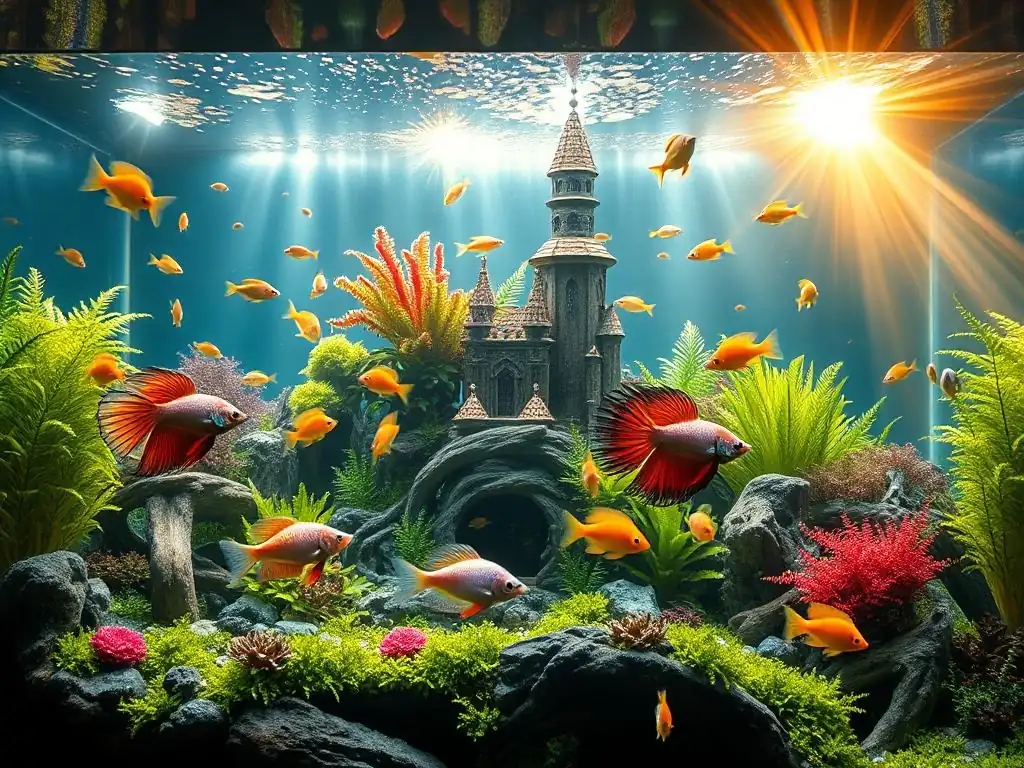
Welcome to Aquarium Mastery!
Ready to take your aquarium hobby to the next level? Breeding fish can be incredibly rewarding, but success hinges on preparation. Before you even think about pairing your finned friends, are you truly ready? Dive into our comprehensive " Aspiring fish breeder checklist" and discover the essential steps to ensure a healthy, thriving environment for both parents and fry. Let's unlock the secrets to successful breeding together!
- Aquarium Fish Breeding: A Preparation Checklist for Success
- Step 1: Tank Assessment - Is Your Aquarium a Breeding Paradise?
- Step 2: Selecting Your Breeding Stock - Choosing the Right Fish
- Step 3: Conditioning Your Fish for Breeding - Preparing for Spawning
- Step 4: Setting Up the Breeding Tank - Creating the Ideal Environment
- Step 5: Fry Care Essentials - Preparing for the Next Generation
- Final Checklist: Ready to Breed Your Aquarium Fish?
-
Frequently Asked Questions
- ### What is the first thing I should check before attempting to breed fish?
- ### How important is it to have a separate breeding tank?
- ### What kind of filtration should I use in my breeding tank?
- ### What type of food should I feed my breeding fish and their fry?
- ### How often should I perform water changes in a breeding tank?
- Final Reflection: Nurturing Aquatic Futures
- Ignite Your Breeding Journey!
Aquarium Fish Breeding: A Preparation Checklist for Success
Ensuring a Smooth Breeding Process: The Aspiring Fish Breeder's Guide
Embarking on the journey of fish breeding is a truly rewarding experience, transforming your role from a simple aquarist to a responsible custodian of new life. However, successful fish breeding isn't merely a matter of luck; it demands meticulous planning and preparation. Unpreparedness often leads to common pitfalls such as failed spawns, unhealthy fry, or even the unfortunate loss of valuable breeding stock. A proper aspiring fish breeder checklist can significantly mitigate these risks, ensuring a more predictable and successful outcome.
The benefits of a well-prepared breeding setup are profound: you'll observe higher fry survival rates, healthier and more vigorous offspring, and ultimately, a more fulfilling experience for the aquarist. This comprehensive guide will meticulously cover every critical step, from the initial tank assessment and careful selection of breeding stock to the intricacies of fry care. Following this detailed aspiring fish breeder checklist will equip you with the knowledge needed to embark on your breeding adventure with confidence.
Step 1: Tank Assessment - Is Your Aquarium a Breeding Paradise?
Evaluating Tank Size for Breeding Success: Guppies
The size of your breeding tank is a fundamental consideration, directly impacting the well-being of both adult fish and their fry. For a single pair of prolific livebearers like Guppies, a 5-gallon tank might seem sufficient for the act of breeding itself. However, for a small breeding colony, such as one male and two to three females, a 10-gallon or even a 20-gallon long tank is far more appropriate. This larger volume reduces stress and aggression among adults, especially during the gestation period and after fry are born, providing ample space for movement and separation.
Furthermore, larger tanks offer significant advantages in terms of waste dilution and provide more numerous hiding spots for vulnerable fry, thereby increasing their chances of survival. For example, a 20-gallon long tank can comfortably house dozens of Guppy fry as they grow, preventing overcrowding that would quickly lead to stunted growth and increased mortality rates in a smaller 5-gallon setup. This careful consideration of space is a vital point on any aspiring fish breeder checklist.
Water Parameter Perfection: Optimizing Water Chemistry for Breeding
Maintaining Ideal Water Temperature for Breeding Fish
Water temperature plays a crucial role in stimulating spawning behaviors and ensuring the healthy development of fish eggs and fry. Different species have specific temperature ranges at which they are most likely to breed successfully. For instance, many popular livebearers like Guppies and Mollies breed optimally when the water temperature is consistently maintained between 75-80°F (24-27°C). In contrast, egg-laying species such as Angelfish often require a slightly warmer environment, typically 78-82°F (25.5-28°C), to trigger their spawning instincts.
Beyond hitting the ideal temperature, maintaining stability is paramount. Fluctuations of more than a couple of degrees Fahrenheit can stress fish, inhibit spawning, or even lead to failed hatches. A reliable, accurately calibrated heater with a built-in thermostat is indispensable for a breeding tank. For example, while 78°F might be the target, a consistent 77-79°F is far more beneficial than erratic swings between 75°F and 81°F, which can be detrimental to delicate eggs and fry.
Achieving the Correct pH Levels for Successful Spawning
The pH level of your aquarium water significantly influences fish health, egg fertilization rates, and the proper development of fry. Fish species have evolved to thrive within specific pH ranges, and successful breeding often hinges on replicating these conditions. For example, Discus fish, renowned for their beauty, demand acidic water, typically with a pH between 5.5 and 6.5, for optimal breeding and egg hatching. Conversely, many African Cichlids from the Rift Lakes prefer highly alkaline water, with pH levels ranging from 7.8 to 8.5, to encourage spawning.
Achieving and maintaining stable pH levels is more critical than chasing an exact number. Rapid or drastic pH swings are incredibly detrimental, causing severe stress or even death, particularly for sensitive species or delicate eggs. Methods for adjusting pH include using reverse osmosis (RO) water, peat filtration, or specialized buffering products. Regularly testing your water with a reliable pH kit, ideally daily during the breeding process, ensures that the environment remains consistently within the desired range.
The Importance of Water Hardness (GH and KH) in Fish Breeding
Water hardness, encompassing General Hardness (GH) and Carbonate Hardness (KH), is another critical water parameter for successful fish breeding. GH, which measures the concentration of dissolved mineral ions like calcium and magnesium, directly affects a fish's osmotic regulation and the development of eggs. Many soft-water egg-laying species, such as Neon Tetras, require very soft water, typically a GH of 1-5 dGH (degrees of General Hardness), for their eggs to successfully hatch. Livebearers, on the other hand, generally thrive and breed best in moderately hard water, often a GH of 8-15 dGH.
KH, or Carbonate Hardness, acts as a crucial buffer, preventing sudden and dangerous fluctuations in pH. Low KH levels can lead to rapid pH crashes, which are disastrous for breeding fish and their vulnerable fry. For instance, a KH below 4 dKH (approximately 71.6 ppm) is considered low and significantly increases the risk of pH instability. Maintaining appropriate and stable GH and KH levels, often through the use of specific buffering salts or by mixing tap water with RO water, is an indispensable part of any aspiring fish breeder checklist, ensuring the chemical stability vital for new life.
Substrate Selection: Choosing the Right Bottom Layer for Spawning
The choice of substrate in a breeding tank is not merely aesthetic; it plays a vital role in successful spawning and the survival of eggs and fry. For egg scatterers, such as many species of Danios or Tetras, a bare-bottom tank, a layer of marbles, or even a mesh grid placed above the bottom is often preferred. This setup allows the non-adhesive eggs to fall through out of reach of hungry parents, significantly increasing the number of viable eggs that can be collected.
Conversely, for substrate spawners like many Cichlids (e.g., Convict Cichlids or Angelfish), a smooth, flat surface is essential for egg deposition. Flat pieces of slate, ceramic tiles, or smooth river rocks provide ideal sites for these fish to lay their adhesive eggs. Fine sand can also be beneficial for species that sift through the substrate or for burrowing species. The right substrate provides security for the eggs and can simplify the process of egg collection or fry rearing, depending on the species' specific breeding strategy.
Filtration Considerations: Balancing Cleanliness and Fry Safety
Effective filtration is necessary to maintain pristine water quality in a breeding tank, but it must be carefully chosen to avoid endangering delicate fry. Sponge filters are widely recommended for breeding setups due to their gentle flow and excellent biological filtration capabilities. An air-driven sponge filter in a 10-gallon breeding tank can effectively maintain water quality for a pair of fish and their subsequent fry without creating strong currents that could stress the adults or suck in tiny fry.
It is crucial to avoid strong mechanical filtration or power filters with unprotected intakes, as these can easily trap and kill newly hatched fry, which can be as small as 2-3 mm. If a hang-on-back filter is used, a pre-filter sponge placed over the intake tube is an absolute necessity to prevent fry from being drawn in. Prioritizing gentle, fry-safe filtration is a critical detail on any aspiring fish breeder checklist, ensuring the safety of the next generation.
Step 2: Selecting Your Breeding Stock - Choosing the Right Fish
Identifying Healthy Breeding Pairs: Visual Cues and Behavior
Selecting healthy, robust breeding stock is paramount for successful fish breeding. Begin by observing visual cues: healthy fish exhibit vibrant coloration, full and undamaged fins, and active, unhindered swimming. Avoid any individuals displaying clamped fins, faded colors, or overt signs of disease such as white spots (ich), fin rot, or unusual growths. In livebearers, healthy females often appear noticeably plumper, indicating the presence of developing eggs or fry.
Beyond physical appearance, observe their behavior. Interested males will often display courtship rituals, which can include fin flaring, shimmying, or gently chasing the female. Females, in turn, may show receptiveness or, conversely, aggression towards unsuitable partners. Observing these interactions for several days can confirm compatibility and readiness to breed. For instance, a male Guppy constantly pursuing and subtly nipping at a female's gravid spot is a good indication of breeding intent.
Age and Maturity: When Are Fish Ready to Breed?
Fish must reach sexual maturity before they are capable of breeding, and this timeline varies significantly by species. For many smaller, fast-growing livebearers like Guppies and Platies, sexual maturity can be attained as early as 3-4 months of age. Egg-laying species such as Zebra Danios might mature around 4-6 months, while larger cichlids like Angelfish typically require 8-12 months, or even longer, to reach their full reproductive potential.
While a fish may be physically capable of breeding at the earliest signs of maturity, allowing them to mature further often yields better results. Older, more mature fish, typically between 6-12 months for many common community species, tend to produce larger spawns of healthier eggs or fry and often exhibit more developed parental instincts. Breeding fish that are too young can sometimes lead to smaller batches of offspring, lower survival rates, or even stunted growth and stress for the parents.
Genetic Diversity: Avoiding Inbreeding in Your Fish Stock
Maintaining genetic diversity within your breeding stock is crucial for the long-term health and vitality of your fish population. Continuous inbreeding, where closely related individuals are bred over successive generations, can lead to a range of undesirable outcomes. These include reduced vigor, increased susceptibility to diseases due to a weakened immune system, and the manifestation of genetic deformities such as spinal curvature or underdeveloped fins. For example, in Guppies, several generations of strict inbreeding can result in increasingly smaller fry, noticeable spinal deformities, and a general decline in the overall health of the line.
To combat the negative effects of inbreeding, it is essential to implement strategies that introduce new genetic material into your breeding lines. This can involve periodically introducing new, unrelated breeding stock from different sources or, if you have multiple breeding tanks, swapping males and females between different lines every few generations. Aim to introduce new bloodlines roughly every 2-3 generations to keep the gene pool robust and prevent genetic bottlenecks. This proactive approach to genetic health is a critical long-term consideration for any aspiring fish breeder checklist, ensuring the sustainability and quality of your fish strains.
Step 3: Conditioning Your Fish for Breeding - Preparing for Spawning
Dietary Needs: Providing Nutrient-Rich Food for Optimal Breeding
Live Food Options for Conditioning Breeding Fish
Providing a varied and nutrient-rich diet is a cornerstone of conditioning fish for breeding, and live foods are often key to stimulating spawning. Options like newly hatched or adult brine shrimp, bloodworms, daphnia, and blackworms are excellent choices due to their high protein content and natural fats. For example, feeding adult brine shrimp daily for 1-2 weeks can significantly boost a fish's reproductive readiness, providing the necessary energy reserves for egg production and spawning.
Live foods offer a natural mimicry of a wild diet, supplying essential nutrients that may be less concentrated in dry alternatives. Beyond nutrition, they also encourage natural hunting and foraging behaviors, which contribute to the overall health, vitality, and natural instincts of the fish, making them more inclined to initiate spawning. The act of chasing and consuming live prey can also serve as a form of enrichment, reducing stress and enhancing breeding success.
High-Protein Flakes and Pellets for Breeding Preparation
While live foods are highly beneficial, high-quality flakes and pellets should also form a significant part of the conditioning diet, serving as a convenient and comprehensive nutritional base. Look for specialized breeding foods that boast a protein content of 40% or higher, as protein is vital for gonad development and egg production. Many reputable brands offer formulas enriched with essential vitamins and minerals, such as Vitamin E and Astaxanthin, which are known to specifically support reproductive health and egg quality.
It is advisable to provide small, frequent feedings throughout the day, typically 2-3 times daily, rather than one large meal. This approach ensures a constant supply of nutrients for the fish, supporting continuous metabolic processes without the risk of overfeeding, which can rapidly degrade water quality. Consistent, measured feeding is a simple yet effective step in preparing your fish for successful spawning.
Creating a Stress-Free Environment: Minimizing Disturbances
A stress-free environment is paramount for encouraging fish to breed, as stress can inhibit spawning and lead to poor reproductive outcomes. Maintaining stable water parameters is the first line of defense against stress; avoid sudden fluctuations in temperature, pH, or hardness. Additionally, minimize abrupt changes in lighting, sudden loud noises, or excessive movement around the tank. Consistent, gentle tank maintenance, rather than infrequent, disruptive cleanings, will also contribute to a calm environment.
Providing ample privacy and security is also crucial, especially for pair-bonding or territorial species. Dense plant cover, ceramic caves, or strategically placed driftwood can offer vital hiding spots and visual barriers, allowing fish to feel secure and reducing anxiety. For example, for shy cichlids, adding several ceramic caves can significantly reduce stress and encourage them to display breeding behaviors. A calm, undisturbed setting allows fish to focus their energy on reproduction rather than coping with environmental stressors.
Step 4: Setting Up the Breeding Tank - Creating the Ideal Environment
Spawning Media: Providing Suitable Surfaces for Egg Deposition
Plants for Egg Scatterers: Java Moss and Hornwort
For egg-scattering species, providing appropriate spawning media is essential for successful egg collection and protection. Fine-leaved plants like Java Moss ( Taxiphyllum barbieri) and Hornwort ( Ceratophyllum demersum) are excellent natural choices. Their dense, intricate structures offer numerous surfaces for adhesive eggs to attach to and provide immediate hiding spots for newly hatched fry, protecting them from parental predation. A dense clump of Java Moss, for instance, can effectively collect hundreds of eggs from species like Zebra Danios.
Beyond their role as egg collectors, these plants also serve as living micro-habitats, naturally culturing infusoria and other microscopic organisms that can act as a vital first food source for very tiny fry. They are also hardy and easy to maintain, making them ideal for a dedicated breeding setup where frequent disturbance might occur during egg harvesting.
Spawning Mops and Artificial Substrates
In addition to natural plants, artificial spawning media offer effective and often more manageable alternatives for egg deposition. Spawning mops, typically constructed from nylon yarn, are highly effective for egg-laying fish such as Killifish and some Rasboras. These mops provide an excellent surface for adhesive eggs and can be easily removed with the attached eggs, simplifying transfer to a separate hatching tank. A single well-placed spawning mop can readily collect dozens to hundreds of eggs over a breeding period.
Other artificial substrates cater to specific breeding preferences. Spawning cones, often made of ceramic, are ideal for egg-laying cichlids like Angelfish and Discus, providing a stable, vertical surface for their adhesive eggs. Similarly, flat pieces of slate angled against the tank wall are frequently preferred by many cichlid pairs. These artificial options offer a clean, reusable, and easily monitored surface for egg development, making them a practical choice for any aspiring fish breeder checklist.
Separating Parents and Fry: Preventing Predation
Using Breeding Boxes or Separator Nets
Preventing predation of newly hatched fry or live-born young by their parents is often a critical step in maximizing survival rates. Breeding boxes or separator nets, typically small plastic containers or mesh nets that hang inside the main aquarium, serve as a convenient immediate solution. They allow water circulation while physically isolating the pregnant female (in the case of livebearers) or the newly born fry from adult fish. A standard 0.5-gallon plastic breeding box can temporarily house 20-30 Guppy fry immediately after birth.
While convenient for immediate separation, these devices have limitations. They often restrict water flow and offer limited space, which can potentially stunt fry growth if they remain for extended periods. They are best utilized for short-term separation, typically just until the fry are free-swimming and can be safely transferred to a more suitable grow-out tank.
Moving Eggs or Fry to a Separate Grow-Out Tank
For optimal fry survival and growth, especially with species that readily prey on their young, a dedicated grow-out tank is the ideal solution. Once eggs hatch or livebearers give birth, carefully moving the eggs (e.g., on their spawning media) or the free-swimming fry to a separate, appropriately sized tank provides ample space and allows for specialized feeding and water quality management without interference from adult fish. For instance, a 10-gallon tank can comfortably house 50-100 newly hatched livebearer fry for their initial weeks of growth.
The process of transferring eggs or fry must be done with extreme care, often using a small net, a turkey baster, or by carefully moving the entire spawning medium. It is imperative that the grow-out tank has perfectly matched water parameters (temperature, pH, hardness) to avoid shocking the delicate new life. This dedicated, controlled environment is a hallmark of a successful aspiring fish breeder checklist, significantly increasing the chances of raising a healthy generation.
Step 5: Fry Care Essentials - Preparing for the Next Generation
First Foods for Fry: Ensuring Proper Nutrition
Infusoria Cultures: A Beginner's Guide
For the tiniest of fry, such as those of Neon Tetras or Angelfish, which are too small to consume newly hatched brine shrimp, infusoria are an indispensable first food. Infusoria are microscopic organisms, primarily protozoa, that provide a vital source of nutrition. They are easily cultured by steeping organic matter, such as dried banana peels, lettuce leaves, or even hay, in old tank water for a few days. This process allows the microorganisms to multiply rapidly, creating a dense culture. A healthy infusoria culture can provide millions of microscopic food particles, perfectly sized for newly hatched fry.
To feed, simply add a few drops of the dense infusoria culture to the fry tank several times a day. This method can sustain fry for their critical first few days until they grow large enough to accept slightly larger foods like newly hatched brine shrimp. Learning to culture infusoria is a fundamental skill for any aspiring fish breeder checklist focusing on small-mouthed species.
Liquid Fry Food and Powdered Diets
Commercially available liquid fry foods and powdered diets offer convenient and nutritionally balanced alternatives or supplements to live cultures, especially for slightly larger fry or when culturing live foods is impractical. These products are specifically formulated to meet the high protein and energy demands of rapidly growing fry, often boasting protein contents of 50-60% and enriched with essential vitamins and fatty acids. They come in various particle sizes to suit different stages of fry development.
When using powdered diets, it is often beneficial to mix a small amount with tank water to create a slurry before adding it to the aquarium. This ensures better dispersion and prevents the powder from simply clumping at the surface or sinking too quickly. Fry should be fed small amounts frequently, typically 4-6 times daily, to ensure a constant supply of food for their fast metabolism. Overfeeding should be avoided, as it can quickly foul the water, which is detrimental to delicate fry.
Maintaining Water Quality for Fry: Preventing Disease
Maintaining pristine water quality is absolutely paramount for the health and survival of fish fry, as they are exceptionally sensitive to pollutants. Small, frequent water changes are essential, typically 10-20% daily or every other day, using temperature-matched, dechlorinated water. For example, in a 10-gallon fry tank, this might mean changing 1-2 gallons of fresh water daily to dilute waste products and prevent the buildup of toxic ammonia and nitrite.
Beyond water changes, gentle filtration, such as a well-cycled sponge filter, is crucial. Overfeeding, which can rapidly foul water, must be strictly avoided. Daily siphoning of any uneaten food and waste from the bottom of the tank, often using a small air line hose, is also critical for maintaining pristine conditions and preventing bacterial infections that can decimate a batch of fry. Diligence in water quality management is a non-negotiable component of a successful aspiring fish breeder checklist.
Grow-Out Tank Setup: Providing Space for Fry Development
The dedicated grow-out tank serves as the essential nursery for developing fry, allowing them to mature without competition for resources or the threat of predation from adult fish. As fry grow, their space requirements increase significantly. For instance, a 20-gallon long tank can comfortably house 50-100 growing livebearer fry for several weeks, while a 10-gallon might only support 20-30 for the same period before overcrowding becomes an issue. Adequate space is vital to prevent stunting and aggression as the fry mature into juveniles.
This setup facilitates the gradual transition of fry to larger food items as they grow and allows for careful monitoring of their health and development. Ultimately, the grow-out tank prepares them for eventual re-homing, integration into larger community tanks, or selection as future breeding stock. A well-planned grow-out tank setup is a critical component of a comprehensive aspiring fish breeder checklist, ensuring the successful rearing of the next generation.
Final Checklist: Ready to Breed Your Aquarium Fish?
Pre-Breeding Checklist Summary for Aspiring Fish Breeders
Embarking on the journey of fish breeding is an incredibly rewarding endeavor, and success hinges on thorough preparation. This comprehensive guide has walked you through the essential steps, providing a detailed aspiring fish breeder checklist to ensure every aspect of your setup is optimized. We've covered the critical "Tank Assessment," ensuring your aquarium environment is a true breeding paradise, from appropriate sizing for species like Guppies to perfecting water parameters like temperature, pH, and hardness.
We then moved to "Selecting Your Breeding Stock," emphasizing the importance of identifying healthy, mature, and genetically diverse pairs to avoid inbreeding and ensure robust offspring. "Conditioning Your Fish" highlighted the vital role of nutrient-rich diets, including live foods and high-protein pellets, and the necessity of creating a stress-free environment.
Finally, "Setting Up the Breeding Tank" detailed the use of appropriate spawning media and strategies for separating parents from fry, while "Fry Care Essentials" prepared you for the delicate task of raising the next generation, focusing on first foods and maintaining pristine water quality. Remember, fish breeding is a journey of patience, observation, and continuous learning, but with this detailed aspiring fish breeder checklist, you are well-equipped to embark on your breeding adventure with confidence and achieve a truly rewarding experience.
Frequently Asked Questions
### What is the first thing I should check before attempting to breed fish?
Before breeding, ensure your water parameters are stable and optimal for the species you intend to breed. This includes temperature, pH, and water hardness.
### How important is it to have a separate breeding tank?
A separate breeding tank is highly recommended, and often essential, to protect eggs and fry from predators, including their own parents, and to maintain specific water conditions.
### What kind of filtration should I use in my breeding tank?
Use a gentle filtration system, such as a sponge filter, to prevent harming delicate fry. Avoid strong currents that can disorient or exhaust young fish.
### What type of food should I feed my breeding fish and their fry?
Provide your breeders with a high-quality, protein-rich diet to encourage spawning. Newly hatched fry typically require infusoria or commercially available fry food designed for their small size.
### How often should I perform water changes in a breeding tank?
Perform frequent, small water changes to maintain water quality and prevent the buildup of harmful substances. Be sure to use dechlorinated water at the same temperature.
Final Reflection: Nurturing Aquatic Futures
The journey of an aspiring fish breeder, as we've explored, is one of meticulous preparation and unwavering dedication. The "Aspiring Fish Breeder Checklist" is more than just a list; it's a roadmap to ethical and successful breeding practices, ensuring the well-being of future generations of aquatic life. In a world increasingly aware of the fragility of ecosystems, responsible breeding becomes not just a hobby, but a vital contribution to conservation and the appreciation of biodiversity.
This commitment to preparation deeply resonates with the broader human experience. We all, in our own ways, are nurturing futures, whether it's through our work, our relationships, or our creative endeavors. The principles of careful planning, environmental awareness, and dedicated care apply far beyond the confines of a fish tank. The best time to plant a tree was 20 years ago. The second best time is now.
This ancient proverb reminds us that proactive preparation, even if delayed, is always a worthwhile investment in a brighter tomorrow.
So, as you consider your own "tank," metaphorical or literal, I invite you to reflect on the lessons learned. Are you truly prepared for the responsibilities and rewards that lie ahead? Are you nurturing the environment necessary for growth and flourishing? Embrace the spirit of the aspiring fish breeder – the dedication to detail, the commitment to care, and the unwavering belief in the potential of new life. Let us all strive to cultivate environments where future generations can thrive, both in our aquariums and in the world around us.
Ignite Your Breeding Journey!
Thank you for diving into the world of fish breeding! We hope this pre-breeding checklist has empowered you with the knowledge to create the best possible environment for your aquatic companions. Now, let's turn that knowledge into action!
Here are a few steps you can take to solidify your breeding success:
- Commit to documenting your breeding journey! Keeping detailed records of water parameters, feeding schedules, and spawning behaviors will be invaluable for future breeding attempts.
- Share your newfound breeding wisdom with the Aquarium Mastery community! Post pictures, insights, and ask questions on our forums to connect with fellow aquarists.
- Consider experimenting with a new food source for your breeding pairs. Perhaps a live food offering could trigger a more enthusiastic spawning response?
What's the first step you'll take today to optimize your tank for a successful breeding season?