
Understanding Neocaridina Molting: Signs, Potential Issues, and Solutions

Welcome to Aquarium Mastery!
Ever wondered why your vibrant Neocaridina shrimp are suddenly hiding or seem… incomplete? Dive into our comprehensive guide to Neocaridina molting problems solutions. We'll unravel the mysteries behind successful molts, pinpoint potential issues that can arise, and provide you with the expert advice you need to keep your tiny aquatic friends thriving. Curious to know if your shrimp are truly struggling or just being shy? Let's explore!
- The Importance of Molting for Neocaridina Shrimp
- Recognizing Healthy Neocaridina Molting
- Identifying Neocaridina Molting Problems
- Common Causes of Neocaridina Molting Problems and Solutions
- Neocaridina Molting Problems Solutions: A Comprehensive Guide
- Preventing Future Neocaridina Molting Problems
- Conclusion: Ensuring Healthy Molting for Thriving Neocaridina Shrimp
-
Frequently Asked Questions
- What are the common signs of a Neocaridina shrimp molting problem?
- What water parameters are most critical for successful Neocaridina molting?
- What dietary deficiencies can lead to molting problems in Neocaridina shrimp?
- How often should Neocaridina shrimp molt, and what factors affect this frequency?
- What are some immediate actions I can take if I observe a shrimp struggling to molt?
- Final Reflection: The Delicate Dance of Growth
- Ignite Your Shrimp Keeping Prowess!
The Importance of Molting for Neocaridina Shrimp
Why Do Neocaridina Shrimp Need to Molt?
Neocaridina shrimp, like all crustaceans, possess a rigid external skeleton known as an exoskeleton. This hard outer shell provides essential protection against predators and physical damage, and also supports their internal organs. However, unlike the internal skeletons of vertebrates, the exoskeleton does not grow with the shrimp. For a Neocaridina shrimp to increase in size, it must periodically shed its old, restrictive shell in a process called molting, or ecdysis. This shedding allows the shrimp to expand its body before its new, larger exoskeleton hardens.
Beyond mere growth, molting is a vital physiological process for Neocaridina shrimp. It allows them to repair damaged limbs, regenerate lost appendages, and eliminate parasites or algae that may have attached to the old shell. A successful molt is a strong indicator of a healthy shrimp thriving in optimal conditions. Conversely, issues during this critical phase, often referred to as Neocaridina molting problems, can lead to severe stress, injury, or even death, underscoring the importance of understanding the underlying causes and potential solutions.
The Molting Process: A Step-by-Step Overview
The molting process in Neocaridina shrimp is a complex biological event that unfolds in several distinct stages. It typically begins with a pre-molt phase where the shrimp absorbs calcium from its old shell and reabsorbs nutrients, while simultaneously forming a new, soft exoskeleton underneath the existing one. During this period, which can last from a few hours to several days depending on the shrimp's age and health, the shrimp may become less active and seek out hiding spots to prepare for the vulnerable shedding stage.
When ready, the shrimp will typically arch its back, and a visible split will appear between the carapace and the abdominal segments of its old shell. The shrimp then carefully backs out of its old exoskeleton, a process that can take anywhere from a few seconds to several minutes. Once free, the shrimp's new shell is incredibly soft and pliable, making it highly susceptible to injury or predation.
Over the next few hours to a day or two, the shrimp will absorb water to expand its body to its new size, and its new exoskeleton will gradually harden. During this post-molt period, the shrimp often consumes its old shell to reclaim valuable calcium and other minerals, highlighting the efficiency of nature's recycling process and the importance of mineral availability to prevent Neocaridina molting problems solutions.
Recognizing Healthy Neocaridina Molting
Signs of Successful Molting in Your Shrimp Tank
Recognizing the signs of a healthy Neocaridina molt is crucial for any aquarist aiming to provide optimal care. The most evident sign is the presence of a translucent, ghost-like shell left behind in the tank. This discarded exoskeleton should appear complete, resembling a hollow outline of the shrimp, including antennae and legs. It should be intact and not appear fragmented or stuck to the shrimp itself. Observing these shed shells, often referred to as "molts," indicates that your shrimp are growing and successfully shedding their old skins, which is a positive sign for their overall health and well-being.
Furthermore, after a successful molt, the shrimp itself will typically appear vibrant in color and more active within a few hours to a day, once its new shell has hardened sufficiently. A healthy shrimp that has just molted will often be seen grazing on biofilm or exploring the tank, demonstrating its recovery and renewed vigor. The absence of these complete molts over an extended period, or the observation of shrimp struggling to shed their shells, could be early indicators of Neocaridina molting problems that require attention and potential solutions.
What a Normal Neocaridina Shrimp Molt Looks Like
A normal, healthy Neocaridina shrimp molt is characterized by a complete and clean separation from the shrimp's body. The shed exoskeleton, also known as an exuvia, will retain the exact shape of the shrimp, including all its appendages – legs, antennae, and the tail fan. It will be transparent or slightly opaque, depending on the shrimp's original coloration, and lightweight, often floating or resting gently on the substrate or plants. You might even mistake it for a dead shrimp at first glance due to its perfect form, but upon closer inspection, you'll notice it's hollow.
The integrity of the discarded shell is a key indicator of a successful molt. For instance, if you observe a molt that is perfectly formed and the shrimp that shed it is now larger and actively moving, it confirms a healthy process. Conversely, if you frequently find fragmented shells, or shells with parts still attached to a struggling shrimp, it signals potential issues.
The frequency of molting varies with age and growth rate; young, growing shrimp may molt every few days to a week, while mature adults might molt every 2-4 weeks. Consistent observation of these complete, intact molts within these expected timeframes is a strong indicator that your Neocaridina molting problems solutions are effectively preventing issues.
Identifying Neocaridina Molting Problems
Common Signs of Molting Issues in Neocaridina
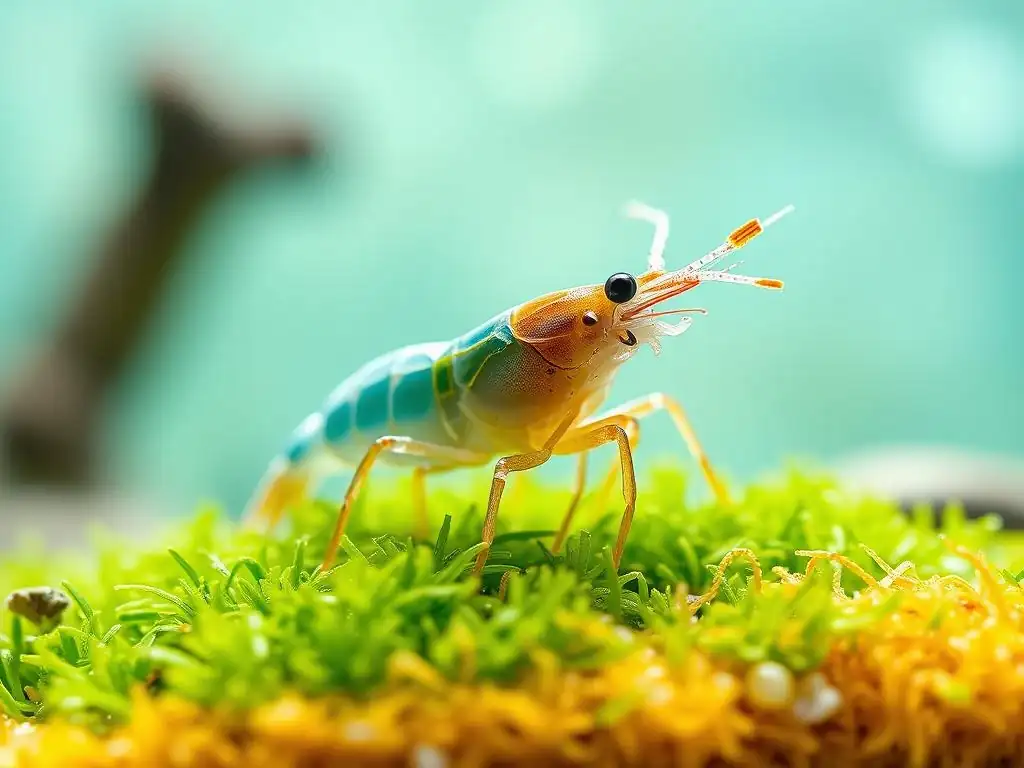
Identifying molting issues in Neocaridina shrimp requires keen observation of their behavior and physical appearance. One of the most common signs is a shrimp struggling to shed its old exoskeleton. You might observe a shrimp lying on its side, twitching excessively, or attempting to bend and contort its body in an unusual manner for an extended period, sometimes for several hours. This prolonged struggle is a clear indication that the molting process is not proceeding smoothly.
Another critical sign of molting problems is the presence of an incomplete or malformed shed shell. If the discarded exoskeleton is fragmented, appears torn, or has parts of the shrimp still stuck to it, it suggests a difficult or failed molt. Furthermore, a shrimp that has successfully shed its old shell but appears lethargic, discolored, or remains hidden for an unusually long time after molting might be experiencing post-molt complications, which can be just as serious as issues during the shedding itself. These observations are vital for an aquarist to pinpoint Neocaridina molting problems solutions.
Understanding Incomplete Molts and Their Causes
An incomplete molt occurs when a Neocaridina shrimp fails to fully extract itself from its old exoskeleton, leaving parts of the old shell still attached to its body. This can manifest as a "ring of death," where a band of old shell remains wrapped around the shrimp's midsection, or as remnants clinging to its legs or tail. This condition is extremely dangerous for the shrimp, as the retained shell restricts movement, impedes growth, and can lead to infections or suffocation.
The primary causes of incomplete molts often stem from deficiencies in water parameters or nutrition. For instance, insufficient calcium or magnesium in the water (low GH/KH) can result in a new shell that is too weak to properly push off the old one, or an old shell that is too hard to break cleanly. Similarly, a lack of essential trace minerals like iodine, or a protein-deficient diet, can weaken the shrimp, making it too exhausted or physically unable to complete the strenuous shedding process. Addressing these fundamental issues is key to implementing effective Neocaridina molting problems solutions.
Recognizing Failed Molts in Neocaridina
A failed molt is the most severe outcome of molting problems and often results in the death of the Neocaridina shrimp. This occurs when the shrimp simply cannot free itself from its old shell and perishes during the attempt, or shortly thereafter due to exhaustion, injury, or suffocation. You might find a dead shrimp still partially encased in its old shell, or a shrimp that has recently died with remnants of its old shell visibly attached.
Distinguishing a failed molt from other causes of death is important for diagnosis. While a shrimp dying from old age or disease might simply be found lifeless, a failed molt specifically shows the struggle with the exoskeleton. The shrimp may be contorted, or its body might appear distorted from the immense effort. Recognizing these signs promptly is crucial, as it indicates a systemic issue in your tank environment that could affect other shrimp. Implementing effective Neocaridina molting problems solutions often starts with identifying these critical failures and investigating the root causes.
Common Causes of Neocaridina Molting Problems and Solutions
Water Parameter Imbalances and Molting
Water parameters are arguably the most critical factor influencing the success of Neocaridina molting. These shrimp require specific and stable conditions to thrive, and even slight deviations can lead to significant stress and molting complications. Maintaining the correct balance of minerals, pH, and nitrogen compounds is fundamental to preventing Neocaridina molting problems solutions. Ignoring these parameters is a leading cause of issues like incomplete molts or the dreaded "ring of death."
Regular and accurate testing of your aquarium water is non-negotiable. Parameters such as General Hardness (GH), Carbonate Hardness (KH), pH, ammonia, nitrite, and nitrate levels all play a role. For Neocaridina, a GH range of 6-8 dGH is generally recommended, with KH around 3-5 dKH, and a pH between 6.5-7.5. Fluctuations outside these ranges, or sudden changes, can severely impact the shrimp's ability to form a new shell and shed the old one successfully.
Low GH and KH: Soft Water Issues Affecting Molting
Low General Hardness (GH) and Carbonate Hardness (KH) are common culprits behind Neocaridina molting problems. GH measures the concentration of calcium and magnesium ions, which are vital components for building a strong new exoskeleton. If GH is too low, typically below 5 dGH for Neocaridina, the shrimp may struggle to form a sufficiently hard new shell, making it difficult to push off the old one. This often results in a soft, flimsy new shell that offers inadequate protection.
Similarly, low KH, which measures the buffering capacity of the water, can lead to unstable pH levels. While KH isn't directly incorporated into the shell, stable pH is crucial for the shrimp's metabolic processes, including those involved in shell formation. A KH below 2 dKH can cause pH swings, stressing the shrimp and making the molting process more arduous. For example, in a tank with GH of 3 dGH and KH of 1 dKH, shrimp are frequently observed to have incomplete molts because their bodies lack the necessary building blocks and stability for a successful shed.
High Nitrates and Ammonia: Water Quality Impacts on Molting
Poor water quality, particularly elevated levels of nitrates and ammonia, significantly contributes to Neocaridina molting problems. Ammonia (NH3) and nitrite (NO2-) are highly toxic to shrimp, even at very low concentrations. Ammonia levels above 0 ppm and nitrite levels above 0 ppm cause severe stress, weaken the shrimp's immune system, and deplete their energy reserves, making the already strenuous molting process nearly impossible to complete successfully.
While nitrates (NO3-) are less toxic than ammonia and nitrites, chronically high levels, especially above 20 ppm, can still be detrimental. High nitrates stress the shrimp, hindering their ability to absorb essential minerals and properly develop their new exoskeleton. This chronic stress can lead to a weakened state, making them prone to failed molts. For instance, tanks with nitrates consistently above 40 ppm often report higher incidences of shrimp deaths attributed to molting complications, even if other parameters seem acceptable.
Temperature Fluctuations: Stress and Molting Difficulties
Stable water temperature is paramount for the health and successful molting of Neocaridina shrimp. Rapid or significant temperature fluctuations can induce severe stress, directly impacting their metabolic rate and, consequently, their molting cycle. Neocaridina shrimp thrive in a consistent temperature range, typically between 68°F and 78°F (20°C to 25.5°C). Deviations outside this range, especially sudden drops or spikes, can trigger premature molting or inhibit the process altogether.
When temperatures fluctuate, the shrimp's body struggles to regulate its internal processes, including the absorption of minerals and the formation of the new shell. For example, a tank experiencing daily temperature swings of 5°F or more due to an unreliable heater or ambient room temperature changes can lead to a higher frequency of shrimp found dead after attempting to molt. Consistent temperature stability, ideally within a 1-2°F daily variation, significantly reduces stress and supports a healthy molting cycle, addressing a key aspect of Neocaridina molting problems solutions.
Nutritional Deficiencies and Molting Problems
Adequate nutrition is as crucial as proper water parameters for successful Neocaridina molting. A balanced diet provides the necessary building blocks and energy for the shrimp to grow, form a new exoskeleton, and successfully shed the old one. Deficiencies in key nutrients, particularly calcium and protein, are frequently linked to Neocaridina molting problems, leading to weak shells, incomplete molts, and increased mortality rates. Ensuring a diverse and nutrient-rich diet is a proactive step in preventing these issues.
Shrimp require a consistent intake of specific minerals and macronutrients to support their rapid growth and frequent molts. Simply feeding a single type of food, even if it's a commercial shrimp pellet, might not provide the full spectrum of nutrients needed. Diversifying their diet with various high-quality commercial foods, supplemented with natural sources, can significantly improve their resilience and the success rate of their molts.
Calcium Deficiency in Neocaridina: Shell Formation Issues
Calcium is the primary mineral component of a Neocaridina shrimp's exoskeleton, making it absolutely essential for healthy shell formation and successful molting. A calcium deficiency, whether due to insufficient calcium in the water (low GH) or inadequate calcium in their diet, directly leads to weak or improperly formed new shells. When the new shell is too soft or doesn't harden properly, the shrimp struggles to gain the necessary leverage to push off the old, rigid exoskeleton.
This often results in the dreaded "ring of death," where the old shell gets stuck around the shrimp's midsection, or a complete failure to shed, leading to death. For instance, if a shrimp's diet consists primarily of low-calcium flakes designed for fish, even in a tank with adequate GH, the shrimp may still exhibit signs of calcium deficiency. Providing calcium-rich foods like specialized shrimp pellets, blanched spinach, or even small pieces of cuttlebone in the tank can help mitigate this common Neocaridina molting problem.
Protein Deficiency: Impact on Molting Success
While calcium builds the shell, protein provides the energy and structural components for the shrimp's body growth and the complex physiological processes involved in molting. A protein deficiency in a Neocaridina shrimp's diet can lead to overall weakness and a lack of energy, making the physically demanding process of shedding an old exoskeleton incredibly difficult, if not impossible. Shrimp require a certain level of protein to synthesize enzymes and hormones crucial for the molting cycle.
If shrimp are fed a diet that is too low in protein, or if the protein source is of poor quality, they may become lethargic and unable to exert the necessary force to break free from their old shell. For example, a shrimp colony fed solely on algae wafers with minimal protein content might grow slowly and exhibit frequent molting failures. Incorporating high-quality shrimp-specific foods that contain a balanced protein content, typically around 30-45%, is vital for supporting their strength and ensuring successful molts.
Importance of a Balanced Diet for Healthy Molting
A truly balanced diet is multifaceted, encompassing not only sufficient calcium and protein but also a variety of vitamins, minerals, and trace elements. Each nutrient plays a role in the intricate biology of shrimp, contributing to their overall health, immune function, and resilience during critical life stages like molting. Relying on a single food type, no matter how "complete" it claims to be, often falls short of providing the full spectrum of what Neocaridina shrimp need for optimal health.
Consider rotating between several high-quality shrimp-specific pellet foods, each with slightly different formulations. Supplementing with blanched vegetables such as zucchini, spinach, or kale provides essential vitamins and fiber. Additionally, natural biofilm and algae that grow in a mature, well-maintained tank contribute significantly to their diet, offering a constant source of micronutrients. A diverse diet strengthens the shrimp from within, making them more robust and less susceptible to Neocaridina molting problems solutions.
Lack of Minerals and Trace Elements
Beyond the major minerals like calcium and magnesium (measured by GH), trace elements play a subtle yet critical role in the complex biochemistry of Neocaridina shrimp molting. These elements are required in very small quantities but are indispensable for enzymatic reactions and physiological processes essential for shell formation and the molting cycle. A deficiency in these micronutrients, even if GH and KH are within range, can still lead to significant molting difficulties.
Many tap water sources, especially those that are highly filtered or naturally soft, may lack sufficient amounts of these vital trace minerals. While shrimp can obtain some trace elements from their food, the water column is also a significant source. Therefore, ensuring adequate levels of these often-overlooked minerals is crucial for maintaining a healthy and successful molting process for your Neocaridina.
The Role of Iodine in Neocaridina Molting
Iodine is a particularly important trace element for crustaceans, playing a key role in the hormonal regulation of molting. It is involved in the synthesis of ecdysone, the molting hormone that triggers and controls the shedding process. A deficiency in iodine can disrupt this hormonal balance, leading to a delayed or incomplete molt, or even a complete failure to molt. Shrimp that are iodine deficient may struggle to break free from their old shells, appearing stuck or lethargic during the molting attempt.
While iodine is present in some commercial shrimp foods and natural aquatic environments, it can be depleted in closed aquarium systems, especially if regular water changes are not performed or if the tap water lacks it. Some aquarists choose to supplement with very small, carefully measured doses of iodine specifically formulated for invertebrates, or use mineral supplements that include iodine. For example, a 10-gallon tank with signs of molting issues might benefit from a single drop of a specialized invertebrate iodine supplement once a week, provided other parameters are stable, to potentially alleviate this specific Neocaridina molting problem.
Importance of Trace Minerals for Proper Shell Development
Beyond iodine, a suite of other trace minerals, including but not limited to potassium, zinc, copper (in safe, chelated forms), and manganese, are vital for the proper development and hardening of the new exoskeleton. These minerals act as cofactors for various enzymes involved in the calcification process and overall metabolic health. Even minute deficiencies can lead to structural weaknesses in the new shell or inhibit the shrimp's ability to properly absorb and utilize calcium.
For instance, if a shrimp's new shell is consistently soft even after a day or two post-molt, or if molts are frequently incomplete despite adequate GH, it could point to a deficiency in these less common, yet critical, trace elements. Many high-quality shrimp-specific mineral supplements are formulated to include a balanced profile of these trace minerals, providing a comprehensive solution to ensure proper shell development and support a smooth molting cycle. Regular use of such supplements, as per manufacturer instructions, can be a proactive Neocaridina molting problems solution.
Stress and Environmental Factors
Stress is a significant contributor to Neocaridina molting problems. When shrimp are stressed, their immune systems are compromised, and their energy reserves are diverted from essential processes like growth and molting towards coping with the stressful conditions. Various environmental factors within the aquarium can induce stress, making a successful molt an uphill battle for the shrimp. Identifying and mitigating these stressors is crucial for maintaining a healthy and thriving shrimp colony.
A calm, stable, and secure environment is paramount for Neocaridina shrimp. This includes not only water parameters but also physical aspects of the tank, such as population density, tank mates, and availability of hiding spots. Creating an environment where shrimp feel safe and unthreatened significantly reduces their stress levels, allowing them to allocate their energy towards healthy growth and successful molting.
Overcrowding and Its Effect on Shrimp Molting
Overcrowding in a Neocaridina shrimp tank is a major stressor that can directly lead to molting problems. When too many shrimp inhabit a limited space, it increases competition for food, hiding spots, and clean water. This constant competition elevates stress levels among the shrimp, making them more prone to diseases and molting complications. A general guideline is to allow at least 1-2 gallons of water per 10 Neocaridina shrimp, though larger tanks offer more stability and space.
In an overcrowded tank, water parameters are also more difficult to maintain, leading to faster accumulation of nitrates and more frequent fluctuations in GH and KH, further exacerbating molting issues. For example, a 5-gallon tank housing 50 adult Neocaridina is likely to experience more frequent molting deaths than a 20-gallon tank with the same number of shrimp, simply due to the increased competition and environmental degradation. Reducing the population density can significantly alleviate this stress, contributing to effective Neocaridina molting problems solutions.
Aggressive Tank Mates and Molting Stress
The presence of aggressive or predatory tank mates is a severe environmental stressor that profoundly impacts Neocaridina shrimp, especially during the vulnerable molting period. When a shrimp has just molted, its new shell is soft, and it is largely defenseless for several hours. If larger fish or even other overly boisterous invertebrates are present, the newly molted shrimp becomes an easy target for predation or harassment.
Even if outright predation doesn't occur, the constant threat and need to hide can cause chronic stress, diverting the shrimp's energy away from healthy growth and molting. Fish known to nip at fins, such as many types of tetras or guppies, can easily injure a soft-shelled shrimp. Therefore, selecting only peaceful, small, and non-predatory tank mates, such as Otocinclus catfish or small rasboras, is crucial for a successful Neocaridina shrimp aquarium. A shrimp that feels constantly threatened is far more likely to experience Neocaridina molting problems.
Poor Tank Conditions and Increased Molting Problems
Beyond specific parameters, overall poor tank conditions contribute significantly to stress and molting issues. This encompasses a range of factors including inadequate filtration, insufficient oxygenation, lack of proper substrate or decorations, and inconsistent maintenance. A tank with insufficient filtration, for instance, will struggle to keep ammonia, nitrite, and nitrate levels in check, creating a toxic environment that directly impacts shrimp health and molting.
Similarly, low oxygen levels, often seen in tanks with high bioloads or insufficient surface agitation, can cause severe respiratory stress in shrimp, making the already energy-intensive molting process even more difficult. A bare tank with no hiding spots leaves shrimp feeling exposed and vulnerable, particularly after molting. Maintaining a clean, well-oxygenated, and structurally rich environment is foundational to preventing Neocaridina molting problems, ensuring the shrimp feel secure and have the resources to thrive.
Neocaridina Molting Problems Solutions: A Comprehensive Guide
Adjusting Water Parameters for Optimal Molting
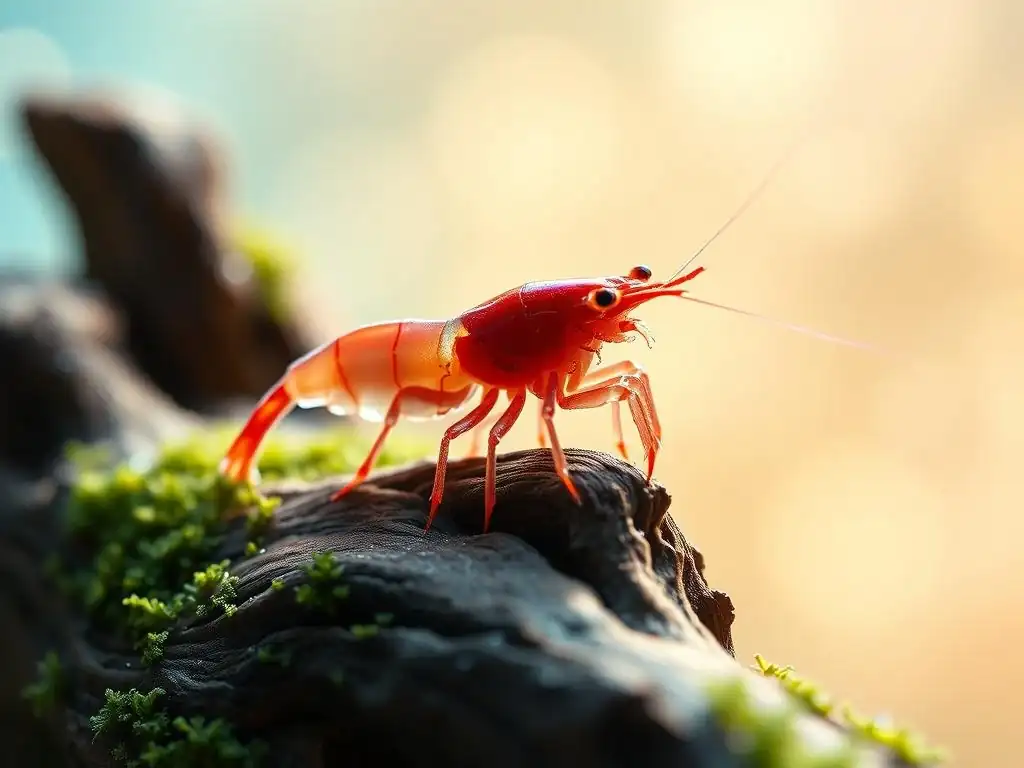
Addressing water parameter imbalances is often the first and most effective step in resolving Neocaridina molting problems. A proactive approach to maintaining stable and appropriate water chemistry is far more beneficial than reacting to issues after they arise. This involves not only correcting deficiencies but also establishing a consistent monitoring and maintenance routine to prevent future fluctuations. Precision in parameter adjustments is key, as sudden drastic changes can be just as harmful as the initial imbalance.
The goal is to replicate the ideal natural conditions for Neocaridina shrimp, which are known to thrive in moderately hard, alkaline water with minimal pollutants. Understanding the specific requirements for GH, KH, and pH, and then systematically adjusting them, forms the cornerstone of effective Neocaridina molting problems solutions.
Increasing GH and KH: Hardening the Water for Healthy Shells
To increase General Hardness (GH) and Carbonate Hardness (KH) for Neocaridina shrimp, several methods can be employed. The most common and recommended approach is the use of specialized mineral supplements designed for freshwater invertebrates, such as SaltyShrimp GH/KH+. These products are precisely formulated to add the necessary calcium, magnesium, and carbonate hardness without introducing unwanted elements.
They are typically added to reverse osmosis (RO) or distilled water during water changes to achieve the target parameters. For example, using 1 scoop (approximately 3 grams) of SaltyShrimp GH/KH+ per 10 gallons of RO water can raise GH by about 6 dGH and KH by 3 dKH, creating ideal conditions.
Alternatively, for slight increases, adding small amounts of crushed coral or aragonite to the filter or substrate can slowly raise GH and KH over time. However, this method is less controllable and can lead to pH fluctuations if not monitored carefully.
It's crucial to make gradual adjustments, perhaps increasing GH by no more than 1-2 dGH per day, to avoid shocking the shrimp. Consistent monitoring with a reliable liquid test kit for GH and KH is essential to ensure the parameters remain stable within the ideal range of 6-8 dGH and 3-5 dKH for Neocaridina, thus preventing future Neocaridina molting problems.
Maintaining Stable Water Chemistry: Preventing Molting Issues
Maintaining stable water chemistry is often more critical than achieving exact ideal numbers, as sudden fluctuations are highly stressful for Neocaridina shrimp and a common cause of molting problems. The key to stability lies in consistent and regular aquarium maintenance practices. This includes performing small, frequent water changes rather than large, infrequent ones. For instance, changing 10-15% of the water weekly is generally better for stability than a 50% change bi-weekly.
Using a reliable water source is also paramount. If your tap water parameters fluctuate significantly, or if it contains undesirable contaminants, using filtered water like RO or distilled water remineralized with shrimp-specific supplements provides the most stable foundation. Consistent feeding schedules, avoiding overfeeding, and ensuring adequate filtration also contribute to maintaining stable water parameters by preventing rapid accumulation of waste products. A well-established tank with a mature nitrogen cycle is inherently more stable, providing a buffer against minor disturbances and acting as a primary Neocaridina molting problems solution.
Using Shrimp-Specific Mineral Supplements: A Practical Guide
Shrimp-specific mineral supplements are highly effective Neocaridina molting problems solutions, particularly for those using RO or distilled water, or for tanks where tap water is naturally soft or inconsistent. Products like SaltyShrimp GH/KH+ or similar brands are designed to provide the exact balance of minerals, primarily calcium and magnesium, needed for healthy shell formation and molting without adding nitrates or phosphates.
To use them effectively, first test your source water (RO/distilled) to confirm it has 0 GH/KH. Then, follow the manufacturer's instructions to mix the supplement into the new water before adding it to the aquarium during water changes. For example, if the target GH for Neocaridina is 7 dGH, and the supplement raises GH by 1 dGH per specific dosage, you would add 7 times that dosage to your new water.
Always pre-mix thoroughly and re-test the new water to ensure target parameters are met before adding it to the tank. This controlled approach ensures that shrimp receive the vital minerals they need for successful molting, mitigating deficiencies that often lead to molting complications.
Providing a Balanced Diet and Essential Nutrients
A balanced and nutrient-rich diet is a cornerstone for preventing Neocaridina molting problems. It ensures that shrimp have access to all the necessary building blocks and energy required for healthy growth and the demanding process of shedding their exoskeleton. Simply feeding a single type of food, even a commercial shrimp pellet, might not provide the full spectrum of required nutrients. A diversified feeding strategy is often the most effective Neocaridina molting problems solution.
The goal is to provide a variety of high-quality foods that cover their needs for protein, calcium, vitamins, and trace elements. This approach not only supports successful molting but also enhances overall shrimp vitality, color, and breeding success.
Supplementing with Calcium-Rich Foods for Neocaridina
To directly address calcium deficiency, supplementing your Neocaridina's diet with calcium-rich foods is highly beneficial. While water parameters (GH) provide the primary source of calcium, dietary intake also plays a significant role in shell development. Commercial shrimp foods specifically formulated for crustaceans often contain higher calcium levels. Look for ingredients like calcium carbonate, spirulina, or various algae.
Beyond commercial pellets, blanched vegetables such as spinach, kale, and broccoli florets are excellent natural sources of calcium. For example, a small blanched spinach leaf can be offered once or twice a week to a colony of 20-30 shrimp. Another effective method is to introduce a small piece of cuttlebone (often sold for birds) directly into the tank; it will slowly dissolve, releasing calcium into the water and allowing shrimp to graze on it directly.
Always ensure any vegetables are organic and thoroughly rinsed to avoid pesticides. These dietary supplements work in conjunction with proper water parameters to bolster the shrimp's ability to form strong, healthy shells, thereby reducing Neocaridina molting problems.
Offering High-Quality Shrimp Food: Ensuring Adequate Nutrition
The foundation of a healthy Neocaridina diet should be high-quality, shrimp-specific commercial foods. These products are formulated to provide a balanced nutritional profile, including appropriate levels of protein, fats, carbohydrates, vitamins, and minerals tailored to the needs of freshwater invertebrates. Avoid generic fish flakes or pellets that may lack the specific nutrients shrimp require or contain ingredients harmful to them (like high copper levels).
When selecting shrimp food, look for reputable brands that list ingredients clearly. A good quality shrimp food typically contains a mix of plant-based ingredients (algae, spirulina, vegetables) and some animal protein (e.g., insect meal, krill). For instance, a food with 30-40% protein, 5-10% fat, and ingredients like spirulina, kelp, and various vitamins and minerals will adequately support growth and molting. Rotating between 2-3 different high-quality brands or types of shrimp food ensures a broader spectrum of nutrients, acting as a robust Neocaridina molting problems solution.
The Role of Vegetables in Supporting Healthy Molting
Vegetables play a vital supplementary role in the diet of Neocaridina shrimp, contributing essential vitamins, minerals, and fiber that support overall health and healthy molting. While commercial foods provide a base, fresh or blanched vegetables offer a diverse range of micronutrients that might be less abundant in processed foods. They also provide natural roughage that aids digestion and can serve as a long-lasting food source for grazing.
Blanched organic spinach, zucchini, cucumber, kale, and even nettle leaves are popular choices. To prepare, simply blanch a small piece in boiling water for 30-60 seconds to soften it, then cool it before adding to the tank. A small slice of blanched zucchini, for example, can be left in the tank for 24-48 hours for shrimp to graze on. Remember to remove any uneaten portions promptly to prevent water fouling. This dietary diversity helps ensure that shrimp receive all the necessary components for successful molting, complementing other Neocaridina molting problems solutions.
Creating a Stress-Free Environment
A stress-free environment is paramount for the health and successful molting of Neocaridina shrimp. Chronic stress can suppress their immune system, divert energy from essential physiological processes like molting, and make them more susceptible to disease. Environmental stressors can range from physical threats to subtle discomforts. Addressing these factors contributes significantly to preventing Neocaridina molting problems.
The goal is to provide a calm, secure, and stable habitat where shrimp feel safe to explore, feed, and undergo the vulnerable molting process without undue anxiety. This involves careful planning of tank inhabitants, layout, and consistent, gentle maintenance practices.
Optimizing Tank Conditions for Shrimp Comfort
Optimizing tank conditions extends beyond just water parameters; it encompasses the physical environment that contributes to a shrimp's overall comfort and security. This includes maintaining stable lighting cycles (e.g., 8-10 hours of light per day), ensuring adequate water flow without strong currents that might stress the shrimp, and preventing sudden loud noises or vibrations near the tank. A well-cycled and mature tank with established beneficial bacteria is also crucial for processing waste and maintaining a healthy ecosystem.
Furthermore, a healthy biofilm, which is a layer of microorganisms that grows on surfaces in the tank, is a primary food source for Neocaridina shrimp. Providing ample surface area for biofilm growth through plants, driftwood, and suitable substrate contributes to their nutritional intake and overall well-being. A tank that feels "safe" and provides consistent, comfortable conditions significantly reduces stress, leading to fewer Neocaridina molting problems.
Managing Tank Mates and Reducing Aggression
Careful selection and management of tank mates are critical for minimizing stress and aggression towards Neocaridina shrimp. The ideal shrimp tank is often a species-only tank, or one containing only very small, peaceful, and non-predatory fish that will not harass or attempt to eat shrimp, especially newly molted, soft-shelled individuals. Examples of suitable tank mates include Otocinclus catfish, small rasboras (e.g., Chili Rasboras), or Dwarf Gouramis (though some individual gouramis can be nippy).
Avoid aggressive or larger fish such as most cichlids, larger tetras (like Serpae Tetras), or any fish known to be fin-nippers or opportunistic predators. Even seemingly peaceful fish can sometimes view a newly molted shrimp as an easy meal. Regularly observe interactions between your shrimp and other tank inhabitants. If aggression is observed, rehoming the aggressive fish or dedicating the tank to shrimp-only is often the best Neocaridina molting problems solution to reduce stress and prevent casualties.
Providing Plenty of Hiding Places for Molting Shrimp
Providing an abundance of hiding places is crucial for the psychological and physical well-being of Neocaridina shrimp, particularly during the highly vulnerable molting period. When a shrimp sheds its old shell, it is soft and defenseless for several hours to a day, making it an easy target for predators or even curious tank mates. Having immediate access to secure shelters allows them to retreat and harden their new shell in safety.
Excellent hiding places include dense live plants (like Java Moss, Anubias, or Rotala), driftwood with crevices, ceramic shrimp caves, and even small PVC pipes. Aim for multiple hiding spots distributed throughout the tank, ensuring that even in an overcrowded situation, every shrimp has access to a safe haven. For example, a 10-gallon tank with 30 shrimp might benefit from 2-3 shrimp caves and several large clumps of moss or dense stem plants. This sense of security significantly reduces stress and is a fundamental Neocaridina molting problems solution, promoting successful molting and overall shrimp survival.
Addressing Specific Molting Issues
While prevention is always the best approach, sometimes molting issues can still arise. Knowing how to react to a shrimp that is struggling to molt can potentially save its life, though intervention should be cautious and considered a last resort. It's important to understand that not all struggling shrimp can be saved, and sometimes, intervention can cause more harm.
The focus here is on understanding the nature of the problem and assessing the feasibility and safety of any direct action. These are typically reactive measures when other preventive Neocaridina molting problems solutions have not been fully effective.
Assisting a Shrimp Stuck in its Molt
Assisting a Neocaridina shrimp that is stuck in its molt is a delicate and often risky endeavor, generally not recommended unless the shrimp is clearly on the verge of death and all other environmental factors have been corrected. The shrimp's shell is attached to its internal organs, and improper handling can cause severe injury or death. If you observe a shrimp struggling for an extended period (e.g., several hours), and it appears to be actively dying, a very gentle attempt might be considered.
One extremely cautious approach, if the "ring of death" is clearly visible and very loose, might involve gently nudging the old shell with a soft-tipped tool, like a blunted toothpick or a soft paintbrush, only if the shrimp is completely still and unresponsive. However, the success rate is very low, and the risk of internal damage is high.
It is almost always better to focus on fixing the water parameters and diet for the entire colony to prevent future occurrences, rather than risking the life of an already stressed individual with direct physical intervention. This highlights the importance of proactive Neocaridina molting problems solutions over reactive, risky ones.
Treating Failed Molts: Potential Approaches
Unfortunately, once a Neocaridina shrimp has experienced a failed molt and died, there is no "treatment" for that individual. A failed molt typically means the shrimp has succumbed to the stress, injury, or exhaustion of being unable to shed its exoskeleton. The primary "approach" in such a scenario is to immediately remove the deceased shrimp from the tank to prevent ammonia spikes from decomposition.
More importantly, a failed molt in one shrimp should serve as a critical warning sign for the entire colony. It indicates that underlying environmental or nutritional deficiencies are likely present and affecting other shrimp. Therefore, the "treatment" for failed molts involves a comprehensive review and adjustment of all tank parameters:
- Immediate Water Testing: Re-test GH, KH, pH, ammonia, nitrite, and nitrate levels to identify any imbalances.
- Water Change: Perform a small (10-20%) water change with properly remineralized water.
- Diet Review: Assess feeding practices and consider supplementing with calcium-rich foods or high-quality shrimp pellets.
- Mineral Supplementation: Ensure adequate trace minerals are available, possibly through a shrimp-specific mineral additive.
- Stress Reduction: Evaluate tank mates, hiding places, and overcrowding.
By addressing these root causes for the entire colony, you implement the most effective Neocaridina molting problems solutions to prevent future fatalities.
Preventing Future Neocaridina Molting Problems
Regular Water Testing and Maintenance
Consistent and accurate water testing is the cornerstone of preventing Neocaridina molting problems. It allows aquarists to monitor the stability of critical parameters and detect potential issues before they escalate into severe problems. Relying on visual cues alone is insufficient, as shrimp can be quite resilient until they reach a critical point. A proactive testing regimen ensures that the aquatic environment remains within the optimal range for shrimp health and successful molting.
Beyond testing, regular maintenance, including water changes and tank cleaning, is essential. These practices directly impact water quality and stability, removing accumulated toxins and replenishing vital minerals. Establishing a routine and adhering to it diligently is key to creating a consistently healthy environment, thereby mitigating the risk of future molting complications.
Monitoring Water Parameters: GH, KH, pH, Ammonia, Nitrites, Nitrates
Regular monitoring of key water parameters is indispensable for preventing Neocaridina molting problems. For Neocaridina shrimp, the most critical parameters to consistently test are:
- General Hardness (GH): Ideal range is typically 6-8 dGH (100-140 ppm). This measures calcium and magnesium, essential for shell formation.
- Carbonate Hardness (KH): Ideal range is 3-5 dKH (50-80 ppm). This provides buffering capacity, stabilizing pH.
- pH: Optimal range is 6.5-7.5. Stable pH prevents stress.
- Ammonia (NH3) & Nitrite (NO2-): Must always be 0 ppm. These are highly toxic.
- Nitrates (NO3-): Should be kept below 20 ppm, ideally below 10 ppm. High levels cause chronic stress.
Using reliable liquid test kits provides the most accurate readings. Test at least weekly, or more frequently if the tank is new, heavily stocked, or if you notice any signs of distress in your shrimp. Maintaining these parameters within their respective ranges is the most effective proactive Neocaridina molting problems solution.
Implementing a Consistent Water Change Schedule
A consistent water change schedule is fundamental to maintaining excellent water quality and preventing the accumulation of toxins that can lead to Neocaridina molting problems. While beneficial bacteria in the filter process ammonia and nitrite, nitrates will steadily build up over time. Regular water changes dilute these nitrates and replenish essential minerals that shrimp consume or that are removed through filtration.
For Neocaridina tanks, small, frequent water changes are generally preferred over large, infrequent ones to minimize parameter fluctuations. A typical schedule might involve changing 10-15% of the tank water weekly. Always ensure the new water is pre-treated to remove chlorine/chloramines and is temperature-matched to the tank water. If using RO or distilled water, it must be remineralized to the correct GH and KH before being added. This consistent replenishment and dilution strategy significantly contributes to a stable and healthy environment, directly reducing the likelihood of molting issues.
Maintaining a Healthy Biofilm: Supporting Shrimp Health
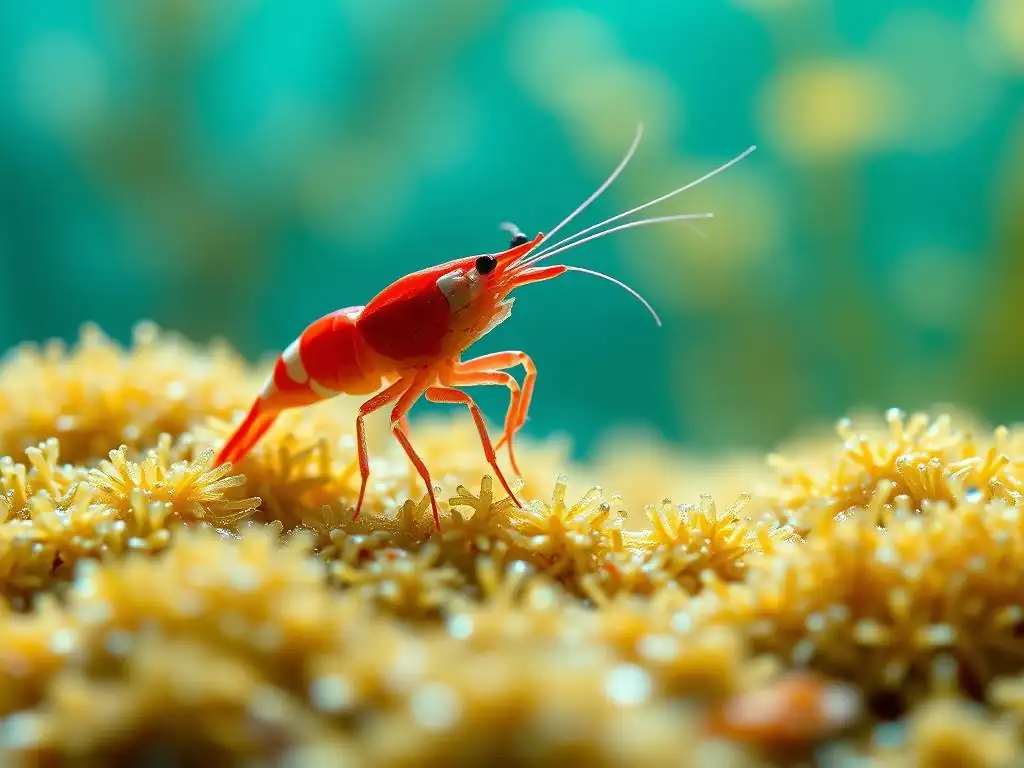
A healthy and abundant biofilm is a cornerstone of a thriving Neocaridina shrimp aquarium and plays a significant role in preventing molting problems. Biofilm is a complex matrix of beneficial bacteria, algae, and other microorganisms that naturally grows on all surfaces within the aquarium (substrate, plants, decorations, filter media). It serves as a primary and constant food source for Neocaridina shrimp, providing a steady supply of micronutrients, protein, and beneficial bacteria that aid digestion and overall health.
Shrimp spend a significant portion of their time grazing on biofilm. A tank lacking sufficient biofilm might lead to nutritional deficiencies, even if commercial foods are offered, as shrimp may not find enough continuous sustenance. To promote healthy biofilm, ensure good water flow, provide ample surface area (e.g., driftwood, porous rocks, dense live plants like Java Moss), and avoid over-cleaning that strips away these beneficial layers. A robust biofilm contributes directly to the shrimp's energy reserves and nutrient intake, making them stronger and more resilient during the molting process.
Providing a Suitable Habitat for Neocaridina Shrimp
Beyond water parameters, the physical layout and conditions of the aquarium itself are crucial for preventing Neocaridina molting problems. A suitable habitat mimics aspects of their natural environment, providing security, food sources, and optimal conditions for their physiological needs. A well-designed habitat reduces stress and enhances the shrimp's ability to thrive and molt successfully.
This includes selecting the right substrate, ensuring adequate oxygenation, and providing elements that promote a sense of safety and natural behavior. These environmental considerations work in tandem with water quality and nutrition to create a holistic approach to shrimp care and molting success.
Ensuring Adequate Substrate and Decorations
The choice of substrate and the presence of appropriate decorations are more than just aesthetic considerations; they are vital components of a suitable habitat for Neocaridina shrimp. A proper substrate, such as inert gravel or sand (like CaribSea Eco-Complete or ADA Amazonia for buffering), provides a stable base for plants and a large surface area for biofilm growth, which as mentioned, is a continuous food source. Avoid substrates that leach undesirable chemicals or drastically alter water parameters if not intended.
Decorations like driftwood, rocks, and especially dense live plants (e.g., Java Moss, Hornwort, Anubias, Bucephalandra) offer numerous benefits. They provide abundant hiding places for shrimp, particularly vulnerable newly molted individuals, protecting them from perceived threats and tank mates. These surfaces also become prime real estate for biofilm, further enhancing the shrimp's diet. A cluttered yet functional tank provides a sense of security and ample grazing opportunities, significantly reducing stress and contributing to the prevention of Neocaridina molting problems.
Maintaining Proper Oxygen Levels in the Tank
Proper oxygenation is a critical, yet sometimes overlooked, factor in preventing Neocaridina molting problems. Shrimp, like fish, require dissolved oxygen to breathe and carry out their metabolic functions. The molting process itself is energy-intensive and requires a good supply of oxygen for the shrimp to successfully shed its old shell and recover. Low oxygen levels (hypoxia) can severely stress shrimp, making them lethargic, prone to illness, and unable to complete a successful molt.
Ensure adequate surface agitation in your tank through proper filtration (e.g., sponge filters, hang-on-back filters with good surface ripple) or an air stone. While plants produce oxygen during the day, they consume it at night, so relying solely on plants may not be sufficient, especially in heavily stocked tanks or during warmer temperatures where oxygen solubility decreases. Consistent, high dissolved oxygen levels, typically above 5-6 mg/L, ensure that shrimp have the respiratory support needed for all life processes, including the demanding molting cycle.
Conclusion: Ensuring Healthy Molting for Thriving Neocaridina Shrimp
Understanding the intricate process of Neocaridina molting is fundamental to keeping these fascinating invertebrates healthy and thriving in your aquarium. Molting, while a natural and necessary part of their growth, is also a highly vulnerable period that can be fraught with challenges if environmental conditions or nutritional provisions are not optimal. Recognizing the signs of a healthy molt – a complete, translucent shed shell and an active, vibrant shrimp – is as important as identifying the red flags of Neocaridina molting problems, such as incomplete sheds or struggling individuals.
The comprehensive solutions to these molting issues invariably point back to maintaining stable and appropriate water parameters, providing a diverse and nutrient-rich diet, and cultivating a stress-free habitat. Consistent monitoring of GH, KH, pH, and nitrogen compounds, paired with regular, small water changes using properly remineralized water, forms the bedrock of preventive care. Supplementing their diet with calcium-rich foods and high-quality shrimp-specific pellets, alongside promoting healthy biofilm, ensures they have the internal resources for shell formation and energy.
Finally, a tank abundant with hiding places and compatible tank mates minimizes external stressors, allowing shrimp to navigate their molting cycle with confidence and success. By diligently applying these Neocaridina molting problems solutions, aquarists can ensure their shrimp colony remains robust, colorful, and continues to grow through successful molts for years to come.
Frequently Asked Questions
What are the common signs of a Neocaridina shrimp molting problem?
Signs include failed molts (shrimp stuck in their old shell), white rings of death (a visible line around the shrimp's body), and lethargy (lack of movement).
What water parameters are most critical for successful Neocaridina molting?
Maintaining stable water parameters, particularly KH (carbonate hardness) and GH (general hardness), is essential. These influence the shrimp's ability to properly build a new shell.
What dietary deficiencies can lead to molting problems in Neocaridina shrimp?
A lack of calcium and other essential minerals in their diet can cause weak shells and failed molts. Supplementation is often necessary.
How often should Neocaridina shrimp molt, and what factors affect this frequency?
Neocaridina shrimp typically molt every few weeks, but this can vary based on age, water temperature, and overall health.
What are some immediate actions I can take if I observe a shrimp struggling to molt?
Increasing water hardness slightly with a shrimp-safe supplement and providing a stress-free environment can sometimes help a struggling shrimp. Avoid interfering directly with the shrimp.
Final Reflection: The Delicate Dance of Growth
The intricacies of Neocaridina molting, as we've explored, are not merely biological processes; they are a microcosm of the delicate balance within any thriving ecosystem. Understanding the signs, potential issues, and solutions surrounding this crucial phase is paramount, not just for the well-being of our shrimp, but also for appreciating the interconnectedness of life itself. The health of our aquariums, and by extension, our planet, depends on our ability to observe, understand, and respond to these subtle cues.
The journey of understanding Neocaridina molting has profoundly influenced my perspective on patience and observation. It's a constant reminder that even the smallest creatures have complex needs, and that our role as caretakers demands attentiveness and a willingness to learn. The greatest remedy for anger is delay.
- Seneca. This quote resonates deeply when considering the patience required to diagnose and address molting issues. Sometimes, the best course of action is simply to observe and allow nature to take its course, intervening only when absolutely necessary.
As we conclude this exploration of Neocaridina molting, I invite you to reflect on the lessons learned. Consider how the principles of observation, problem-solving, and patience can be applied not only to your shrimp tanks, but also to the challenges you face in your own life. Let the delicate dance of growth within your aquarium inspire you to cultivate a deeper understanding of the world around you, and to approach every challenge with empathy, knowledge, and a commitment to finding solutions that promote harmony and well-being.
Ignite Your Shrimp Keeping Prowess!
Thank you for diving into the fascinating world of Neocaridina molting! Now that you're equipped with the knowledge to understand and address molting issues, it's time to put that expertise to use. Let's transform your aquarium from a simple tank into a thriving shrimp paradise.
Here are some actions you can take today:
- Immediately assess your tank's parameters! Use your test kit to check the GH, KH, and pH. Ensuring they are within the ideal range will prevent future molting problems.
- Share your newfound knowledge! Educate fellow aquarists by discussing molting challenges and solutions on forums or social media groups.
- For a surprising action, consider adding Indian almond leaves to your tank for a natural source of tannins. These help create a healthier environment that can assist in the molting process.
Ready to share your experience? What innovative approaches have you implemented in your aquarium to address molting issues, and what results have you observed?