
The Freshwater Shrimp Lifecycle: From Tiny Egg to Wise Elder

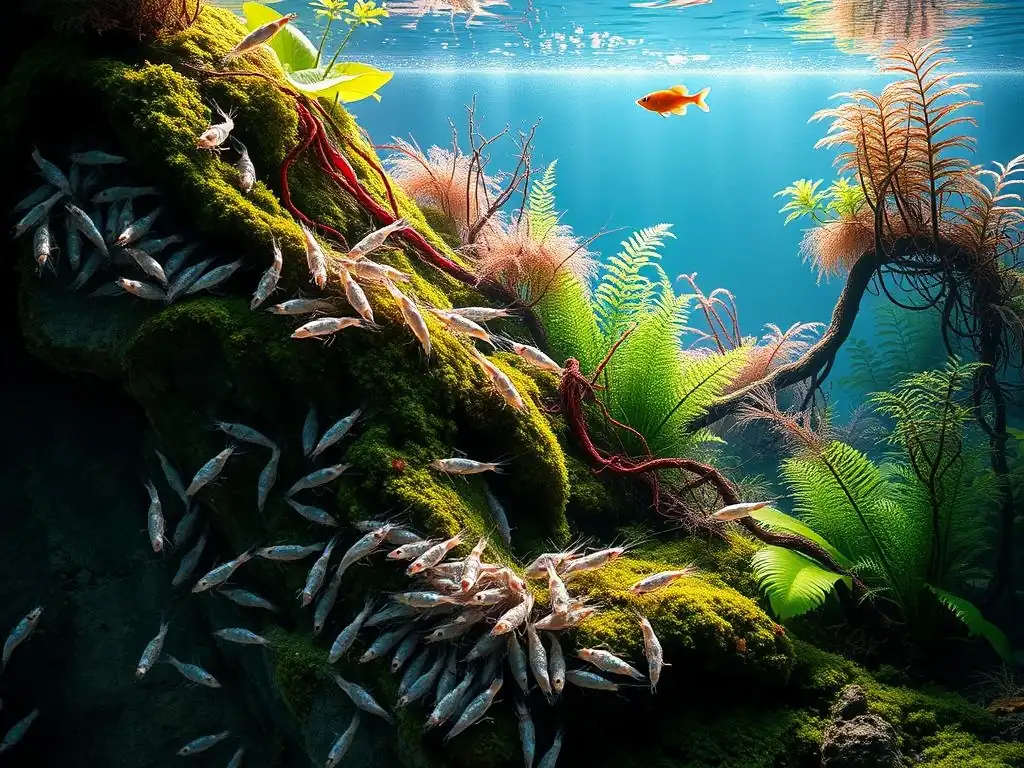
Welcome to Aquarium Mastery!
Ever wondered about the secret lives of those tiny, fascinating creatures in your freshwater aquarium? Delve into the captivating world of the freshwater shrimp breeding cycle and unlock the secrets to successfully raising these miniature marvels. Get ready to witness the incredible journey from a humble egg to a thriving adult shrimp! Curious to learn more? Keep reading – your shrimp adventure awaits!
- The Freshwater Shrimp Lifecycle: From Tiny Egg to Wise Elder | Aquarium Mastery
- Understanding the Freshwater Shrimp Life Cycle
- Stage 1: The Egg Stage - Preparing for New Life
- Stage 2: Hatching and the Zoea Stage (If Applicable)
- Stage 3: The Juvenile Stage - Rapid Growth and Development
- Stage 4: The Adult Stage - Reproduction and Maturity
- Stage 5: The Senior Shrimp - Wisdom and Legacy
- Optimizing Your Aquarium for Freshwater Shrimp Breeding Success
- Common Challenges in the Freshwater Shrimp Breeding Cycle and Solutions
- Conclusion: Mastering the Freshwater Shrimp Breeding Cycle
-
Frequently Asked Questions
- How long does the typical freshwater shrimp breeding cycle last?
- What are the key environmental factors that affect the freshwater shrimp breeding cycle?
- What are the signs that a female freshwater shrimp is berried (carrying eggs)?
- What is the ideal diet for freshwater shrimp during their breeding cycle?
- What can I do to increase the survival rate of baby freshwater shrimp?
- Final Reflection: The Enduring Cycle of Life
- Embrace the Shrimp-Keeping Journey!
The Freshwater Shrimp Lifecycle: From Tiny Egg to Wise Elder | Aquarium Mastery
Understanding the Freshwater Shrimp Life Cycle
Introduction to Freshwater Shrimp Reproduction
Freshwater shrimp, particularly popular species like Neocaridina davidi (e.g., Cherry Shrimp, Blue Dream Shrimp) and various Caridina species (e.g., Crystal Red Shrimp, Bee Shrimp), are fascinating invertebrates that can thrive and reproduce in home aquariums. Their life cycle is a captivating journey from a microscopic egg to a mature adult, and understanding this freshwater shrimp breeding cycle is fundamental for any aquarist hoping to establish a thriving colony.
Unlike some aquatic invertebrates that have complex larval stages requiring specific salinity changes, most popular freshwater aquarium shrimp exhibit direct development, meaning their offspring hatch as miniature versions of the adults, simplifying their care and breeding in a typical freshwater setup.
The reproductive process in these shrimp involves internal fertilization, where the female carries the eggs externally until they hatch. This unique method of parental care, coupled with their relatively short generation times, allows for rapid population growth under optimal conditions. A healthy female Neocaridina shrimp, for instance, can produce a clutch of 20-50 eggs approximately every 4-6 weeks once she reaches maturity, contributing significantly to the dynamic nature of a well-maintained shrimp tank.
Importance of Knowing the Shrimp Life Cycle for Aquarists
Knowing the intricacies of the freshwater shrimp life cycle is paramount for successful shrimp keeping and breeding. This knowledge empowers aquarists to create an environment that not only supports the survival of their shrimp but actively encourages their reproduction. Understanding each stage, from egg development to the signs of aging, allows for proactive management of water parameters, nutrition, and tank mates, directly impacting the health and proliferation of the colony.
Furthermore, familiarity with the freshwater shrimp breeding cycle aids in troubleshooting common issues such as failed hatches or population decline. For example, recognizing that a female is "berried" (carrying eggs) signals a need for stable water conditions and the absence of predators to ensure the eggs develop successfully. Similarly, observing the rapid molting of juvenile shrimp indicates healthy growth, while a lack of molting or signs of distress can point to underlying water quality problems. This comprehensive understanding transforms shrimp keeping from a passive hobby into an engaging and rewarding experience of fostering a vibrant aquatic ecosystem.
Stage 1: The Egg Stage - Preparing for New Life
Freshwater Shrimp Egg Development: A Detailed Look
The journey of a freshwater shrimp begins in the egg stage, which is perhaps one of the most remarkable phases of the freshwater shrimp breeding cycle. After a female shrimp molts and mates, she will typically move the fertilized eggs to her pleopods (swimmerets) located on her underside, where she carries and aerates them until they hatch.
Initially, the eggs of Neocaridina species are often small and clear or light yellow, resembling tiny pearls. Over the incubation period, which typically lasts between 20 to 30 days depending on water temperature (warmer temperatures, around 24-26°C, generally shorten the incubation time), the eggs undergo significant development.
As the eggs mature, their color may darken, becoming more opaque or even showing the developing eyes of the shrimplets as tiny black dots. This visible change is a strong indicator that hatching is imminent. The female constantly fans the eggs with her pleopods to ensure adequate oxygenation and to prevent fungal growth. She may also meticulously clean them. This dedicated maternal care is crucial for the successful development of the embryos within, highlighting the intricate biology involved in the freshwater shrimp breeding cycle.
Factors Influencing Egg Health and Hatch Rate
Several critical factors directly influence the health of freshwater shrimp eggs and their eventual hatch rate. Paramount among these are stable water parameters, including temperature, pH, General Hardness (GH), and Carbonate Hardness (KH). For most popular Neocaridina species, consistent temperatures between 20-26°C are ideal, while Caridina species often prefer slightly cooler and softer water. Fluctuations in these parameters can stress the berried female, potentially causing her to drop her eggs prematurely, or directly harm the developing embryos.
Oxygen levels are equally vital; well-aerated water ensures the embryos receive sufficient oxygen for development. A healthy, mature aquarium with good water circulation, often facilitated by a sponge filter, provides this essential oxygenation. Furthermore, the overall health and nutritional status of the female shrimp before and during the berried period play a significant role. A female that is well-fed with a balanced diet rich in minerals will produce healthier eggs and be better equipped to carry them to term, maximizing the success of the freshwater shrimp breeding cycle.
Identifying Fertile vs. Infertile Shrimp Eggs
Distinguishing between fertile and infertile freshwater shrimp eggs is relatively straightforward once you know what to look for, a key observation point in the freshwater shrimp breeding cycle. Fertile eggs typically appear clear, translucent, and plump, with a uniform shape. As they develop, especially in the later stages, you can often observe the tiny, developing eyes of the shrimplets as small black dots within the eggs. These eggs will be consistently fanned and cared for by the female, indicating their viability.
In contrast, infertile eggs or those that have ceased development often become opaque, cloudy, or develop a fuzzy white fungal growth. These eggs may also appear shriveled or discolored compared to the healthy ones. A female might eventually drop infertile or unhealthy eggs, or they may simply remain attached but fail to hatch. Observing these characteristics allows aquarists to assess the success of their freshwater shrimp breeding cycle and identify potential issues early on.
Stage 2: Hatching and the Zoea Stage (If Applicable)
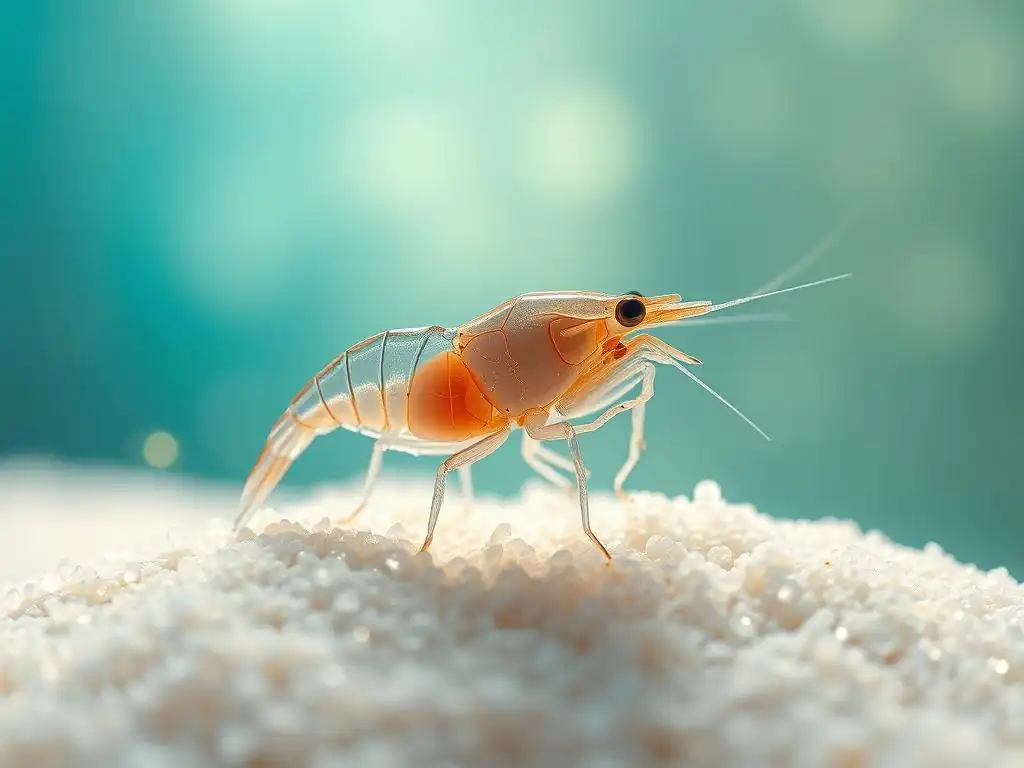
Does Your Freshwater Shrimp Have a Zoea Stage?
One of the most important distinctions in the freshwater shrimp breeding cycle, particularly for the home aquarist, is whether the species undergoes a zoea (larval) stage. The vast majority of popular aquarium shrimp, including all Neocaridina species (like Cherry, Rili, and Blue Dream shrimp) and many Caridina species (such as Crystal Red, Black Bee, and Taiwan Bee shrimp), are "direct developers."
This means their eggs hatch directly into miniature versions of the adult shrimp, fully formed and capable of foraging for themselves immediately. These shrimplets do not require a separate larval stage in brackish or saltwater, making their freshwater shrimp breeding cycle significantly easier to manage in a standard aquarium setup.
However, it's crucial to note that some freshwater shrimp species, notably the Amano shrimp ( Caridina multidentata), do possess a zoea stage. For these species, the eggs hatch into tiny, free-swimming larvae that require specific brackish water conditions to survive and metamorphose into their adult form. Without these precise conditions, the larvae will perish. Therefore, if your goal is to breed Amano shrimp, understanding their unique larval requirements is paramount, but for most other commonly kept freshwater shrimp, you can expect mini-adults to emerge directly from the egg.
The Molting Process of Baby Shrimp
Upon hatching, the tiny freshwater shrimp, often less than 2mm in length, immediately begin their rapid growth phase, which is characterized by frequent molting. Molting is the process by which shrimp shed their old, rigid exoskeleton to allow for growth. A newly hatched shrimplet will molt every few days initially, as it grows quickly in its first weeks of life. This process is vital for their development and is a clear sign of healthy growth within the freshwater shrimp breeding cycle.
Each successful molt allows the shrimplet to increase significantly in size. During the molting process, the shrimp is vulnerable as its new shell is soft and takes time to harden. Providing ample hiding spots, such as dense mosses or fine-leaved plants, is crucial during this stage to protect the vulnerable shrimplets from potential predators or even larger, territorial adult shrimp. The frequency of molting gradually decreases as the shrimp matures and its growth rate slows down.
Ensuring a Safe Environment for Hatching Shrimp
Creating a safe and stable environment is critical for the survival of newly hatched freshwater shrimp. The primary concern is preventing them from being sucked into filtration systems. Sponge filters are widely regarded as the safest option for shrimp tanks because their porous surface provides both mechanical and biological filtration without posing a threat to tiny shrimplets. If using other filter types, such as hang-on-back (HOB) or canister filters, it is essential to cover the intake with a pre-filter sponge to prevent accidental ingestion of the delicate shrimplets.
Beyond filtration, providing ample hiding spots is paramount. Dense aquatic plants like Java moss ( Taxiphyllum barbieri), Christmas moss ( Vesicularia montagnei), or guppy grass ( Najas guadalupensis) offer excellent refuge for baby shrimp, protecting them from larger tank inhabitants, including adult shrimp, and providing a rich source of biofilm for them to graze on. Maintaining stable water parameters and avoiding sudden changes in temperature or water chemistry are also vital, as newly hatched shrimp are particularly sensitive to environmental fluctuations, ensuring the successful continuation of the freshwater shrimp breeding cycle.
Stage 3: The Juvenile Stage - Rapid Growth and Development
Feeding Juvenile Freshwater Shrimp: A Nutritional Guide
Once freshwater shrimp hatch and enter their juvenile stage, their primary focus is rapid growth, which necessitates a consistent and appropriate nutritional intake. While newly hatched shrimplets primarily graze on biofilm and micro-organisms naturally occurring in a mature aquarium, supplementing their diet becomes crucial as they grow. Specialized powdered shrimp foods, designed for juveniles, are excellent as they disperse widely, ensuring even the smallest shrimplets can access food without competing with larger adults. These foods often contain spirulina, essential minerals, and protein.
Beyond commercial foods, blanched vegetables like spinach, zucchini, or kale can be offered in small amounts. These provide a source of vitamins and fiber, and their soft texture makes them easily digestible. It is important to feed very sparingly, as uneaten food can quickly foul the water, which is detrimental to the sensitive juveniles. A good rule of thumb is to provide only what can be consumed within a few hours to maintain pristine water quality, which is critical for healthy development through this stage of the freshwater shrimp breeding cycle.
Creating a Safe and Supportive Environment for Young Shrimp
The juvenile stage of the freshwater shrimp breeding cycle is characterized by vulnerability and rapid growth, making a safe and supportive environment essential for their survival and development. As they grow from tiny shrimplets to larger juveniles, they still require ample hiding places from potential predators, including certain fish species or even larger, more aggressive adult shrimp. Dense planting, particularly with fine-leaved mosses and floating plants, continues to be invaluable. These plants offer both physical shelter and a vast surface area for biofilm to grow, which is a natural food source for young shrimp.
Maintaining stable and optimal water parameters is paramount during this phase. Juveniles are highly sensitive to fluctuations in temperature, pH, GH, and KH. Regular, small water changes (e.g., 10% weekly) using properly conditioned water help to keep nitrates low and replenish essential minerals without causing sudden shifts that could stress the delicate shrimp. A mature tank, established for several months, provides the most stable environment, rich in beneficial bacteria and biofilm, which are crucial for the consistent success of the freshwater shrimp breeding cycle.
Monitoring Juvenile Shrimp Health and Growth
Monitoring the health and growth of juvenile freshwater shrimp is a vital aspect of ensuring a successful freshwater shrimp breeding cycle. Healthy juveniles will be actively grazing, exhibiting good coloration for their species, and molting regularly. Rapid growth, with shrimp visibly increasing in size over weeks, is a strong indicator of a thriving environment and adequate nutrition. For Neocaridina species, juveniles can reach near-adult size and sexual maturity within 2-3 months under optimal conditions.
Conversely, signs of distress or poor health in juveniles include lethargy, faded coloration, lack of molting, or unusual swimming patterns. These symptoms often point to issues with water quality, insufficient food, or the presence of disease. Promptly addressing these concerns, perhaps by testing water parameters, adjusting feeding, or observing for signs of external parasites, can prevent significant losses and ensure the continuity of your shrimp colony. Regular observation allows aquarists to intervene quickly, maintaining the health and vigor of their young shrimp.
Stage 4: The Adult Stage - Reproduction and Maturity
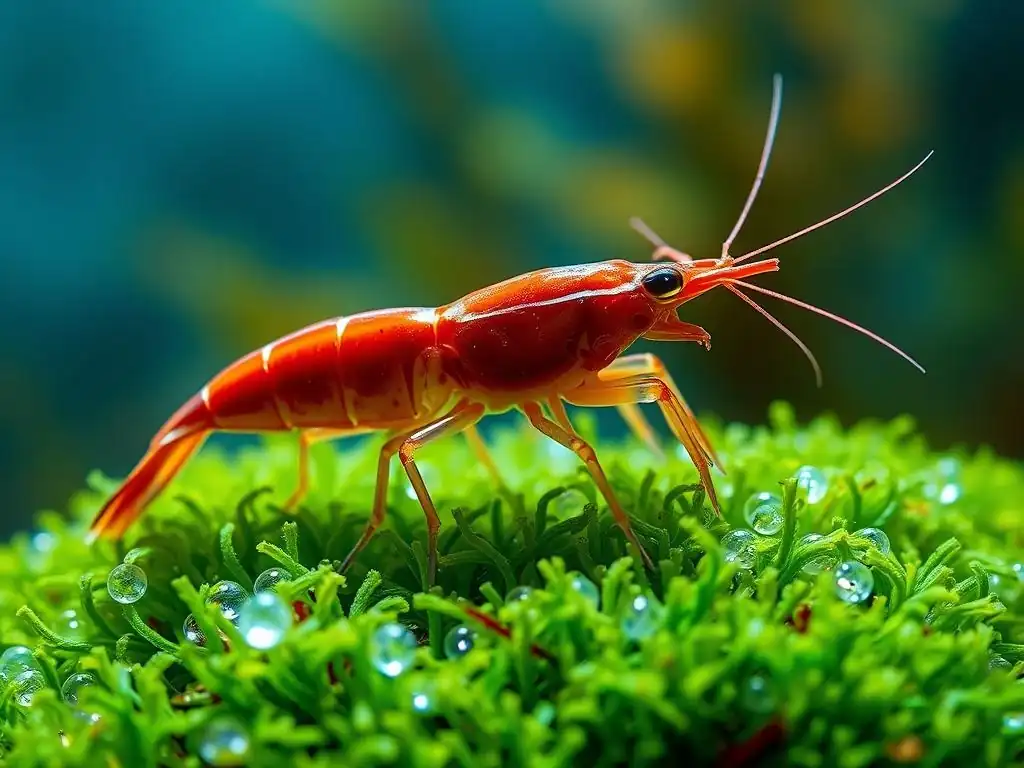
Reaching Sexual Maturity: When Can Freshwater Shrimp Breed?
The adult stage marks the pinnacle of the freshwater shrimp breeding cycle, as individuals reach sexual maturity and are capable of reproduction. For most popular Neocaridina species like Cherry shrimp, sexual maturity is typically achieved remarkably quickly, often within 2 to 3 months of hatching, provided they have been kept in optimal conditions with consistent feeding.
At this point, they usually reach a size of approximately 1.5 to 2 centimeters. Caridina species, such as Crystal Red shrimp, might take slightly longer, perhaps 3 to 4 months, to reach maturity and a similar size, depending on the specific strain and environmental factors.
Factors such as water temperature and diet can influence the speed at which shrimp mature. Warmer temperatures (within their acceptable range, e.g., 24-26°C for Neocaridina) can accelerate growth and maturity, while a nutrient-rich diet ensures they have the energy and resources needed for reproductive development. Once mature, healthy female shrimp can become "berried" (carrying eggs) every 4 to 6 weeks, contributing to the rapid expansion of a well-managed colony and a continuous freshwater shrimp breeding cycle.
Identifying Male vs. Female Freshwater Shrimp
Distinguishing between male and female freshwater shrimp, especially in Neocaridina species, becomes easier once they reach maturity. Females are generally larger and have a more robust, rounded body shape, particularly noticeable in their underside (pleon), which is adapted to carry eggs. A prominent indicator of a mature female is the "saddle," a yellowish or greenish patch visible behind her head on her back. This saddle consists of unfertilized eggs developing in her ovaries.
Males, in contrast, are typically smaller, more slender, and lack the pronounced saddle or the broad, rounded underside of the female. Their pleopods (swimmerets) are also less developed, as they do not need to hold eggs. While young females may not show a clear saddle, it becomes much more apparent as they mature and prepare for their first breeding cycle. Observing these physical differences is key to understanding the gender ratio in your tank and predicting potential breeding success within the freshwater shrimp breeding cycle.
Understanding Shrimp Mating Behavior and Reproduction
The mating behavior of freshwater shrimp is a fascinating and crucial part of the freshwater shrimp breeding cycle. It typically begins after a mature female molts. Immediately after molting, her exoskeleton is soft, making her receptive to fertilization. At this time, she releases pheromones into the water, signaling her readiness to mate. Male shrimp, detecting these pheromones, will become highly active, swimming frantically around the tank in search of the female. This often appears as a "shrimp dance" or a sudden burst of undirected swimming.
Once a male locates a receptive female, he will typically deposit a spermatophore (a packet of sperm) onto her underside, near her reproductive opening. Within a few hours to a day, the female will move her fertilized eggs down to her pleopods, where they will be held, fanned, and cared for until they hatch. This process, known as becoming "berried," signifies a successful mating and the continuation of the freshwater shrimp breeding cycle. A healthy female can repeat this process consistently, producing multiple clutches throughout her reproductive lifespan.
Stage 5: The Senior Shrimp - Wisdom and Legacy
Lifespan of Freshwater Shrimp: Factors Affecting Longevity
The lifespan of freshwater shrimp, while relatively short compared to many other aquarium inhabitants, is an important consideration in understanding the full freshwater shrimp breeding cycle. Most popular Neocaridina species, such as Cherry shrimp, typically live for about 1 to 2 years under optimal conditions. Some Caridina species, particularly the more delicate and specialized strains like high-grade Crystal Red or Taiwan Bee shrimp, might have a slightly shorter average lifespan, often around 1 to 1.5 years, though robust strains can occasionally reach 2 years.
Several factors significantly influence a shrimp's longevity. Pristine and stable water quality is paramount; consistent parameters without sudden fluctuations reduce stress and disease susceptibility. A balanced and nutritious diet contributes to overall health and vitality. Furthermore, maintaining a cooler temperature (e.g., 20-22°C) within their acceptable range can slightly extend a shrimp's life compared to warmer temperatures (25-26°C) which accelerate metabolism and growth, but also shorten lifespan. Genetics also play a role; well-bred, healthy stock tends to live longer than shrimp from poor genetic lines.
Signs of Aging in Freshwater Shrimp
As freshwater shrimp approach the end of their life cycle, several signs of aging become apparent. One of the most common observations is a reduction in activity. Senior shrimp may spend more time stationary, grazing less frequently, and moving more slowly when they do. Their coloration might also begin to fade, becoming less vibrant than in their prime, although this can also be influenced by diet and water parameters.
Reproductively, older females may become berried less frequently, produce smaller clutches of eggs, or stop breeding altogether. Their molting may also become less frequent and potentially more challenging, sometimes leading to molting issues that can be fatal. The exoskeleton of senior shrimp might appear more brittle or prone to minor damage. While these signs are a natural part of the freshwater shrimp breeding cycle, observing them helps aquarists understand the natural progression of their colony and prepare for the eventual decline of their oldest members.
Caring for Senior Shrimp in Your Aquarium
Caring for senior freshwater shrimp primarily involves maintaining the excellent conditions that benefited them throughout their lives, with a particular emphasis on stability and ease of access to resources. Pristine water quality remains crucial; consistent water parameters and regular, small water changes minimize stress on their aging systems. While older shrimp may not be as active, ensuring that food is readily available and accessible to them is important. Using powdered or finely crushed foods can help ensure they get adequate nutrition without having to compete aggressively with younger, more vigorous shrimp.
Providing ample hiding spots and a calm environment also benefits senior shrimp, allowing them to rest undisturbed. Avoid sudden changes to the tank environment, such as large water changes or significant tank re-arrangements, as these can be particularly stressful for older individuals. While you cannot stop the natural aging process, these care strategies can help senior shrimp live out their remaining days comfortably and contribute to the overall health and stability of the colony by maintaining the integrity of the freshwater shrimp breeding cycle.
Optimizing Your Aquarium for Freshwater Shrimp Breeding Success
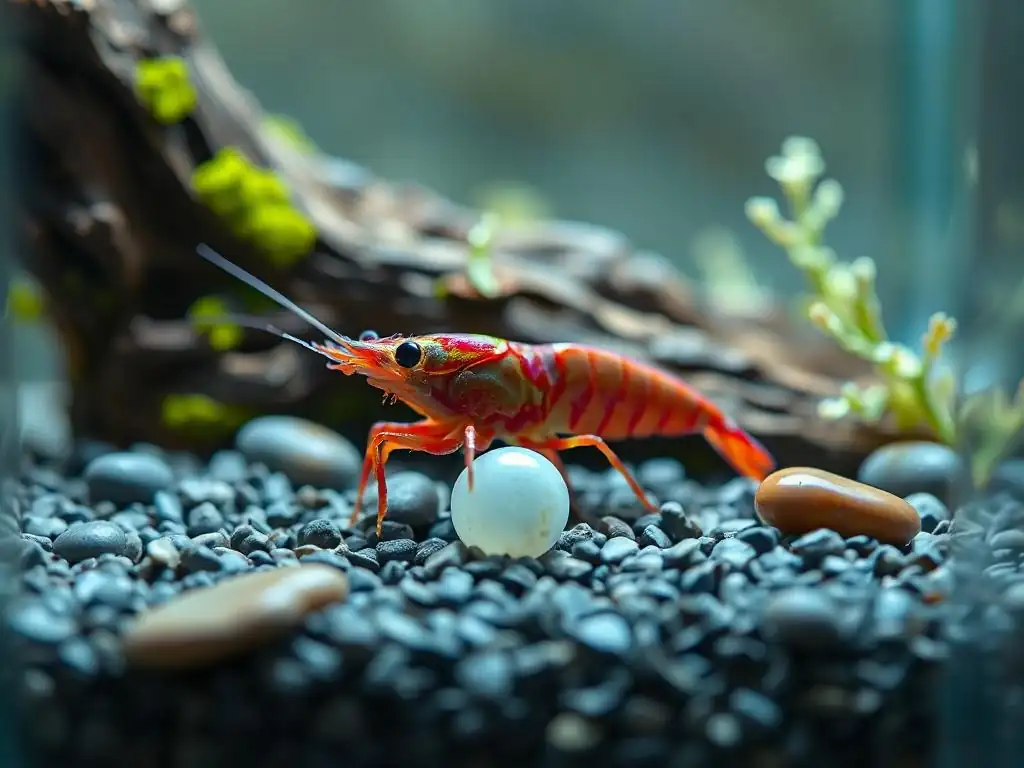
Water Parameters for Optimal Shrimp Reproduction
Achieving optimal water parameters is the cornerstone of a successful freshwater shrimp breeding cycle. For Neocaridina species, ideal ranges typically include a pH of 6.5-8.0, General Hardness (GH) of 4-8 dGH, Carbonate Hardness (KH) of 3-6 dKH, and a Total Dissolved Solids (TDS) range of 150-250 ppm. These parameters provide the necessary minerals for molting and egg development, while remaining within their comfortable tolerance. For Caridina species, especially the more sensitive ones like Crystal Red Shrimp, slightly softer and more acidic water is preferred: pH 6.0-7.0, GH 4-6 dGH, KH 0-1 dKH, and TDS 100-180 ppm.
Consistency is key; stable parameters are far more important than hitting exact numbers, as sudden fluctuations are highly stressful and can lead to molting issues, egg loss, or even fatalities. Regular water testing using reliable kits is essential to monitor these parameters. Using a remineralizer if starting with RO/DI water, or understanding your tap water's composition, allows for precise control, setting the stage for a prolific freshwater shrimp breeding cycle.
Substrate and Plant Choices for Shrimp Breeding
The right substrate and plant choices significantly enhance the environment for a thriving freshwater shrimp breeding cycle. For Neocaridina shrimp, an inert substrate like fine sand or small gravel is generally suitable, as it does not alter water chemistry. For Caridina species, however, an active, buffering substrate (often marketed as "aquasoil") is highly recommended. These substrates are designed to lower pH and KH, creating the soft, acidic conditions that Caridina prefer and which are crucial for their breeding success.
Dense planting is universally beneficial for all freshwater shrimp. Fine-leaved plants and mosses are particularly advantageous as they provide extensive surface area for biofilm to grow – a primary food source for shrimplets – and offer abundant hiding spots for vulnerable juveniles and molting adults. Excellent choices include Java moss ( Taxiphyllum barbieri), Christmas moss ( Vesicularia montagnei), Anubias nana, Bucephalandra, and various types of floating plants like Salvinia or Frogbit. These plants also help to absorb nitrates, contributing to overall water quality and supporting a robust freshwater shrimp breeding cycle.
Filtration and Water Changes: Maintaining a Healthy Environment
Effective filtration and consistent water changes are fundamental to maintaining a healthy environment conducive to a successful freshwater shrimp breeding cycle. Sponge filters are widely considered the gold standard for shrimp tanks. Their gentle flow ensures that tiny shrimplets are not sucked into the filter, while their large surface area provides excellent biological filtration, hosting beneficial bacteria that break down ammonia and nitrites. If using other filter types, such as hang-on-back (HOB) or canister filters, it is imperative to use a pre-filter sponge over the intake to protect the delicate shrimplets.
Water changes, performed regularly and in small increments, are crucial for keeping nitrate levels low and replenishing essential minerals. For most shrimp tanks, a 10-20% water change once a week is a good starting point. It is vital to use dechlorinated and temperature-matched water to avoid shocking the shrimp. For Caridina species, using RO/DI water remineralized to target parameters is often preferred to ensure precise and stable water chemistry. These practices minimize stress and disease, allowing the freshwater shrimp breeding cycle to proceed without interruption.
Common Challenges in the Freshwater Shrimp Breeding Cycle and Solutions
Dealing with Failed Hatches and Egg Loss
Failed hatches and egg loss are common frustrations in the freshwater shrimp breeding cycle, but understanding their causes can lead to effective solutions. One primary reason for failed hatches is infertile eggs, which may appear opaque, cloudy, or develop fungal growth. This can sometimes be due to an insufficient number of males, or males that are too young or unhealthy to fertilize the eggs effectively. Ensuring a healthy male-to-female ratio (e.g., at least one male for every 2-3 females) and providing a balanced diet for all shrimp can help improve fertility.
Another frequent issue is a berried female dropping her eggs prematurely. This is almost always a sign of significant stress, often triggered by sudden fluctuations in water parameters (temperature, pH, GH, KH), poor water quality (high nitrates, ammonia, or nitrites), or the presence of predators. To mitigate this, maintain highly stable water parameters, perform small, frequent water changes, and avoid introducing fish that might harass or prey on the female. Ensuring a calm environment with plenty of hiding spots can significantly reduce stress and improve the success rate of the freshwater shrimp breeding cycle.
Preventing Predation on Baby Shrimp
Preventing predation is a critical challenge in maximizing the survival rate of baby shrimp within the freshwater shrimp breeding cycle. Tiny shrimplets are highly vulnerable to almost any fish, even species commonly considered peaceful. Small fish like Endler's Livebearers, Guppies, or even small Tetras, while not directly targeting adult shrimp, will readily consume newly hatched shrimplets. Larger shrimp species, such as Amano shrimp, can also prey on juvenile Neocaridina or Caridina shrimplets.
The most effective solution for maximizing shrimplet survival is to establish a species-only shrimp tank. This eliminates the risk of predation entirely. If a mixed tank is desired, choose tankmates very carefully, opting for extremely small, peaceful, and non-predatory fish like Otocinclus catfish or very small, slow-moving snails. Furthermore, providing abundant dense vegetation, particularly fine-leaved mosses and floating plants, creates essential hiding spots and refuge for the shrimplets, offering them a better chance to survive and grow through the vulnerable early stages of the freshwater shrimp breeding cycle.
Addressing Health Issues in Breeding Shrimp
Health issues can significantly disrupt the freshwater shrimp breeding cycle, impacting both adult breeders and their offspring. Common problems include bacterial infections, fungal infections, and molting difficulties. Bacterial infections often manifest as lethargy, loss of appetite, or discoloration, while fungal infections might appear as fuzzy patches, particularly on eggs or the shrimp's body. Molting issues, where a shrimp gets stuck in its old exoskeleton, are often fatal and are frequently linked to mineral deficiencies (especially calcium and magnesium) or unstable water parameters.
Prevention is the best approach to addressing these health issues. Maintaining consistently pristine water quality with stable parameters is paramount, as poor water conditions are a leading cause of stress and disease. A balanced diet rich in essential minerals, particularly calcium, supports healthy exoskeleton development and successful molting.
Avoiding overcrowding and introducing new shrimp only after proper quarantine can prevent the introduction and spread of pathogens. While treatments exist for some shrimp ailments, they can be challenging to administer in a communal tank and are often stressful for the delicate invertebrates, making proactive care crucial for a robust freshwater shrimp breeding cycle.
Conclusion: Mastering the Freshwater Shrimp Breeding Cycle
The Rewards of Successful Shrimp Breeding
Mastering the freshwater shrimp breeding cycle offers a multitude of rewarding experiences for the dedicated aquarist. Beyond the sheer aesthetic pleasure of watching a vibrant colony thrive, successful breeding provides a deep sense of accomplishment and connection to the aquatic world. Witnessing the entire life cycle, from the tiny, developing eggs carried by a berried female to the emergence of miniature shrimplets and their subsequent growth into mature adults, is truly captivating. It allows for a continuous display of natural behavior, from grazing and molting to the fascinating mating rituals.
Furthermore, a self-sustaining shrimp colony contributes to the overall health and balance of the aquarium ecosystem, acting as diligent cleaners by consuming algae and biofilm. For those interested in specific color morphs or patterns, successful breeding opens the door to selective breeding projects, potentially yielding unique and stunning variations. The joy of sharing offspring with fellow hobbyists or simply observing a bustling, healthy population makes the effort invested in understanding and optimizing the freshwater shrimp breeding cycle immensely worthwhile.
Further Resources for Freshwater Shrimp Keepers
Embarking on the journey of freshwater shrimp keeping and breeding is a continuous learning process. While this article has provided a comprehensive overview of the freshwater shrimp breeding cycle, the world of aquatics is vast and ever-evolving. To further enhance your knowledge and success, it is highly recommended to engage with the broader aquarist community. Online forums, dedicated shrimp-keeping groups, and specialized websites offer a wealth of shared experiences, troubleshooting tips, and species-specific information that can be invaluable.
Consider delving deeper into specific topics such as advanced water chemistry for sensitive Caridina species, detailed nutritional breakdowns for optimal shrimp health, or techniques for selective breeding to enhance desired traits. Continuous learning, coupled with diligent observation of your own aquarium inhabitants, will empower you to not only maintain a healthy and thriving shrimp colony but also to truly master the intricate and rewarding freshwater shrimp breeding cycle.
Frequently Asked Questions
How long does the typical freshwater shrimp breeding cycle last?
The freshwater shrimp breeding cycle typically lasts around 30 days from egg to hatching. This can vary slightly depending on the shrimp species and water temperature.
What are the key environmental factors that affect the freshwater shrimp breeding cycle?
Key environmental factors include water temperature, pH levels, and water hardness. Maintaining stable and optimal conditions is crucial for successful breeding.
What are the signs that a female freshwater shrimp is berried (carrying eggs)?
A berried female will have eggs visible under her abdomen, often appearing as a cluster of small spheres. The eggs are usually colored, ranging from yellow to green to brown.
What is the ideal diet for freshwater shrimp during their breeding cycle?
A balanced diet rich in calcium and protein is essential. Supplementation with special shrimp food and natural sources like blanched vegetables is recommended.
What can I do to increase the survival rate of baby freshwater shrimp?
Provide plenty of hiding places like moss and plants. Ensure excellent water quality and avoid overstocking. Also, use a sponge filter to prevent baby shrimp from being sucked in.
Okay, here's a final reflection tailored to your article "The Freshwater Shrimp Lifecycle: From Tiny Egg to Wise Elder," optimized for the keyword "Freshwater shrimp breeding cycle" and following the structure you provided:
Final Reflection: The Enduring Cycle of Life
The intricate details of the freshwater shrimp breeding cycle, as explored in this article, are not merely biological observations; they are a microcosm of the resilience and beauty inherent in all life cycles. Understanding the nuances of this process, from the delicate egg to the experienced elder shrimp, provides a profound appreciation for the delicate balance within our aquatic ecosystems and the dedication required for successful breeding.
This journey through the freshwater shrimp's life has undoubtedly deepened our understanding of their vital role in the aquarium hobby and beyond. It's a reminder that even the smallest creatures possess complex lives worthy of our respect and careful consideration. In every walk with nature, one receives far more than he seeks.
- John Muir. This quote perfectly encapsulates the rewards of observing and understanding the natural world, especially the often-overlooked lives of freshwater shrimp.
As you consider the fascinating details of the freshwater shrimp breeding cycle, I encourage you to reflect on the broader implications of nurturing life, both within your aquarium and beyond. Take the knowledge gained here and apply it to fostering a deeper connection with the natural world, promoting responsible aquarium keeping, and contributing to the preservation of these amazing creatures and their habitats.
Embrace the Shrimp-Keeping Journey!
Thanks for diving into the fascinating world of freshwater shrimp! We hope you now feel more confident about understanding their lifecycle and caring for these captivating creatures. Ready to put your newfound knowledge into action?
Here are a few next steps to take:
- Start Your Own Shrimp Tank! This is the perfect time to bring the beauty and wonder of freshwater shrimp into your home. Research compatible species and get started!
- Delve deeper into aquarium substrate options for optimal shrimp breeding. Uncover what type of substrate is best!
- Share your shrimp lifecycle discoveries with fellow aquarium enthusiasts. Post a picture of your first shrimp tank on social media using #AquariumMastery!
What's the first shrimp species you're most excited to introduce to your aquarium, and why?