
Do Neocaridina Shrimp Need a Heater? Ideal Temperature Guide

Welcome to Aquarium Mastery!
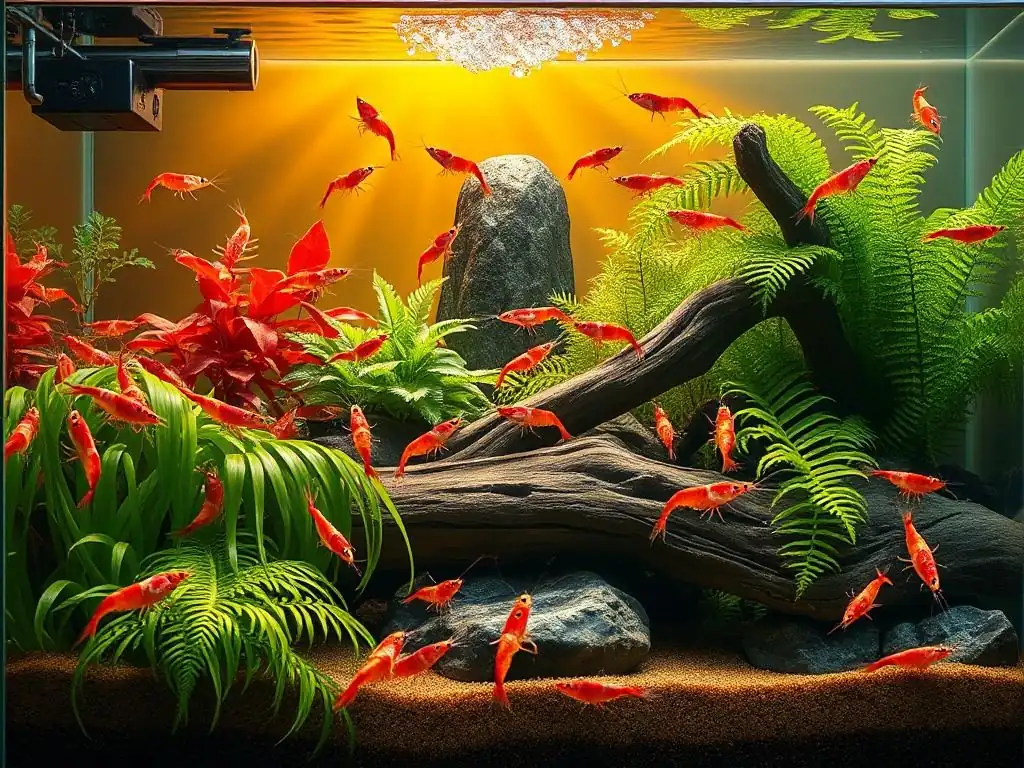
Ever wondered if your Neocaridina shrimp are truly comfortable in their underwater haven? This isn't just about aesthetics; it's about creating a thriving environment. Dive into our comprehensive ideal temperature guide and discover the secrets to keeping your colorful shrimp happy and healthy. Could your current setup be hindering their vibrant lives? Keep reading to find out!
- Understanding Neocaridina Shrimp and Their Temperature Needs
- Determining if a Heater is Necessary for Your Neocaridina Shrimp Tank
- The Ideal Temperature Range for Neocaridina Shrimp
- Choosing the Right Heater for Your Neocaridina Shrimp Tank
- Signs of Temperature Stress in Neocaridina Shrimp
- Maintaining Stable Temperatures for Neocaridina Shrimp: Best Practices
- Alternative Methods for Temperature Regulation in Neocaridina Tanks
- Troubleshooting Common Temperature Problems in Neocaridina Shrimp Tanks
- Conclusion: Creating a Thriving Environment for Your Neocaridina Shrimp
-
Frequently Asked Questions
- What is the ideal temperature range for Neocaridina shrimp?
- Do I always need a heater for my Neocaridina shrimp tank?
- What happens if the water temperature is too high for Neocaridina shrimp?
- What are the signs that my Neocaridina shrimp are stressed due to temperature?
- How can I safely lower the water temperature in my Neocaridina shrimp tank if it's too high?
- Final Reflection: The Delicate Balance of Aquatic Life
- Ignite Your Shrimp Tank: Create the Perfect Climate!
Understanding Neocaridina Shrimp and Their Temperature Needs
What are Neocaridina Shrimp and Why is Temperature Important?
Neocaridina shrimp, such as the popular Red Cherry, Blue Dream, and Yellow shrimp varieties, are small, peaceful freshwater invertebrates highly favored by aquarists for planted tanks and nano aquariums. Typically growing to about 1 to 1.5 inches (2.5 to 3.8 cm), these prolific breeders are not only fascinating to observe but also contribute to tank health by consuming algae and biofilm. Despite their hardiness compared to some other shrimp species, their well-being is intrinsically linked to stable environmental conditions.
Temperature stands as one of the most critical environmental parameters for Neocaridina shrimp. It directly influences their metabolic rate, immune system functionality, reproductive cycles, and overall activity levels. Deviations from their ideal temperature range can lead to significant stress, making them susceptible to diseases, hindering breeding success, and in severe cases, causing mortality. Maintaining a consistent temperature, rather than merely hitting a specific number, is paramount for their long-term health.
Neocaridina Shrimp: Origins and Natural Habitat Temperature
The species most commonly kept in aquariums, Neocaridina davidi, originates from various freshwater bodies across East Asia, predominantly Taiwan, China, and Korea. In their natural habitats, these shrimp thrive in slow-moving streams, ponds, and even rice paddies. These environments are characterized by relatively stable water temperatures throughout much of the year, though they do experience seasonal shifts.
In their native regions, water temperatures can naturally fluctuate, generally ranging from approximately 64°F to 82°F (18°C to 28°C) depending on the season and specific location. However, in these wild settings, shrimp have the ability to move to areas with more favorable conditions. For captive environments, the Neocaridina shrimp ideal temperature guide often recommends a narrower, more consistent range to mimic the stability they prefer and to optimize their health and breeding in a confined space.
Determining if a Heater is Necessary for Your Neocaridina Shrimp Tank
Factors Influencing the Need for a Heater: Ambient Room Temperature
The primary factor dictating whether a heater is necessary for your Neocaridina shrimp tank is the ambient temperature of the room where the aquarium is located. If your room consistently maintains a temperature within the optimal range for Neocaridina shrimp – generally between 70°F and 76°F (21°C and 24°C) – then a heater might not be strictly required. However, it's crucial to consider how room temperature fluctuates throughout the day and across different seasons.
For instance, a room that consistently stays at 72°F (22°C) would likely provide adequate conditions without supplemental heating. Conversely, if your room temperature drops significantly at night, perhaps to 65°F (18°C) or lower, or if you experience cold winters where indoor temperatures are not consistently maintained, a heater becomes essential. Such fluctuations can cause undesirable temperature swings in the aquarium, making a heater vital to adhere to the Neocaridina shrimp ideal temperature guide.
Monitoring Your Aquarium's Water Temperature for Neocaridina
Accurate and consistent temperature monitoring is non-negotiable for Neocaridina shrimp keepers. It is highly recommended to use a reliable aquarium thermometer to measure your tank's water temperature. Various types are available, including traditional glass floating or stick-on thermometers, and more precise digital thermometers with probes. For the most accurate readings, place the thermometer away from direct light or heat sources and in an area of the tank with good water circulation.
Regular monitoring, ideally on a daily basis, is particularly important during the initial setup of your tank, when introducing new equipment, or when experiencing seasonal changes. This consistent vigilance allows you to quickly identify any potential temperature deviations before they can negatively impact your shrimp. Knowing the precise water temperature at all times is the foundational step in determining if a heater is needed to meet the Neocaridina shrimp ideal temperature guide.
When is a Heater Absolutely Essential for Neocaridina Shrimp?
A heater becomes an absolute necessity for Neocaridina shrimp in several specific scenarios. Firstly, if the ambient room temperature frequently drops below 68°F (20°C), especially during nighttime hours or colder seasons, a heater is indispensable to prevent the water from becoming too cold. Secondly, if your room experiences significant temperature swings throughout a 24-hour period, exceeding 3-4°F (1.5-2°C), a heater is crucial to stabilize the tank's temperature and prevent rapid fluctuations.
Consider an example: if you reside in a climate where indoor temperatures can plummet to 60°F (15.5°C) in winter, a heater is vital to maintain a safe environment. Furthermore, smaller aquariums, particularly those under 5 gallons (approximately 19 liters), are highly susceptible to rapid temperature changes due to their lower thermal mass. For these nano tanks, a heater often provides essential stability, even in moderately warm rooms, ensuring consistent adherence to the Neocaridina shrimp ideal temperature guide.
The Ideal Temperature Range for Neocaridina Shrimp
Optimal Temperature for Neocaridina Shrimp Health and Activity
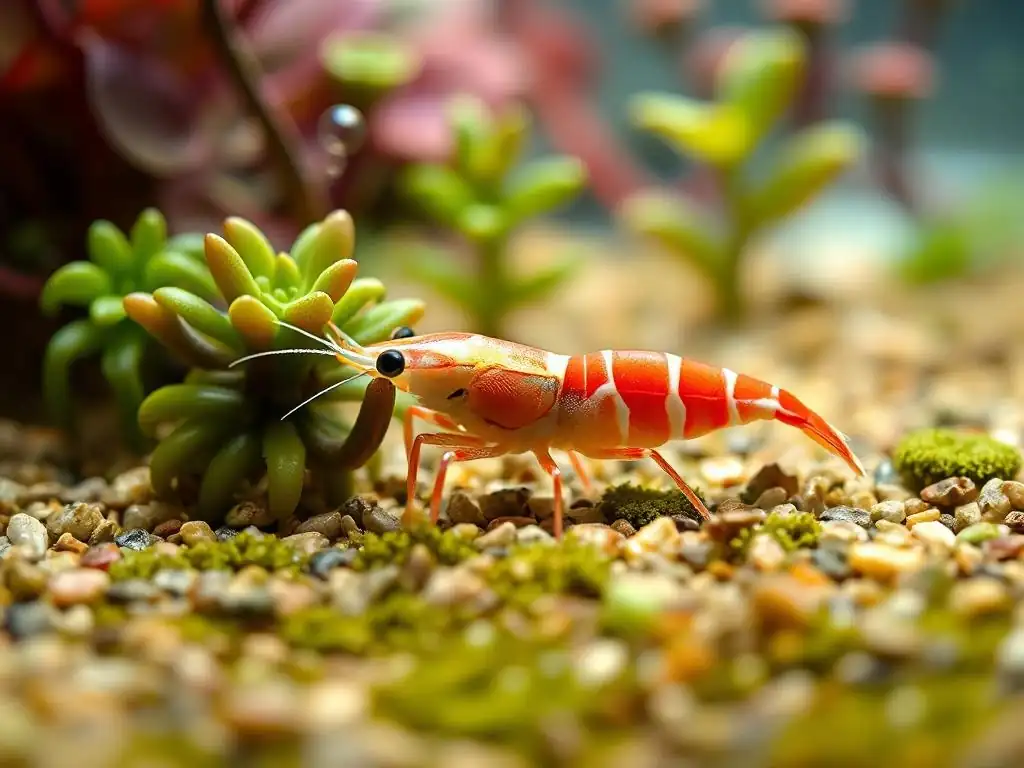
The widely accepted optimal temperature range for Neocaridina shrimp health, activity, and breeding is generally between 70°F and 78°F (21°C to 25.5°C). Within this range, shrimp exhibit robust metabolic rates, leading to healthy growth, vibrant coloration, and consistent reproductive success. Temperatures at the lower end of this range, such as 70-72°F (21-22.2°C), tend to slow down their metabolism and breeding, but can contribute to a longer lifespan.
Conversely, temperatures at the higher end, around 76-78°F (24.4-25.5°C), accelerate their metabolism, resulting in faster growth and more frequent breeding cycles, though potentially shortening their overall lifespan. It is crucial to remember that stability within this range is more important than hitting a precise number. A constant 74°F (23.3°C) is generally preferred over daily fluctuations between 70°F and 78°F. When aiming for high breeding rates, maintaining the upper end of this Neocaridina shrimp ideal temperature guide range can be beneficial, but vigilance regarding dissolved oxygen levels (which decrease in warmer water) is paramount.
The Impact of Temperature Fluctuations on Neocaridina Shrimp
Rapid or frequent temperature fluctuations are highly detrimental to Neocaridina shrimp, even if the temperatures remain within the generally acceptable range. Sudden changes of 3°F (1.5°C) or more within a short period can induce significant stress in these sensitive invertebrates. This stress can severely compromise their immune system, making them highly susceptible to various ailments, including bacterial infections and specific conditions like "shrimp plague."
The consequences of such fluctuations extend to their behavior and physiology. Shrimp may exhibit reduced activity, a noticeable loss of appetite, and critically, an increased incidence of failed molts, often leading to Molting Death Syndrome (MDS). Furthermore, breeding success will significantly decrease. In extreme scenarios, drastic and sudden temperature drops or spikes can lead to widespread fatalities within the colony, underscoring why maintaining a consistent Neocaridina shrimp ideal temperature guide is vital for their survival and long-term prosperity.
Avoiding Temperature Shock in Neocaridina Shrimp
Temperature shock occurs when Neocaridina shrimp are subjected to a rapid change in water temperature, overwhelming their delicate osmoregulation system. This phenomenon is a common cause of fatalities, particularly during the acclimation of new shrimp or during large, improperly executed water changes. Even a difference of 5°F (2.8°C) between the water the shrimp are in and the new water, if introduced too quickly, can be lethal.
To prevent temperature shock when introducing new shrimp, the drip acclimation method is highly recommended. This process involves slowly dripping tank water into the shrimp's transport bag or container over 1-2 hours, allowing the water temperature and parameters to equalize gradually. For water changes, always ensure the new water is within 1-2°F (0.5-1°C) of the tank's current temperature. Using a dedicated water change bucket with a small, temporary heater can effectively achieve this temperature matching, providing a meticulous approach to consistently adhering to the Neocaridina shrimp ideal temperature guide.
Choosing the Right Heater for Your Neocaridina Shrimp Tank
Types of Aquarium Heaters Suitable for Shrimp Tanks
When selecting a heater for your Neocaridina shrimp tank, several types are suitable, each with its own advantages. Submersible heaters are the most common and highly recommended choice due to their ability to be fully submerged, ensuring consistent and even heat distribution throughout the water column. They are also easily concealed within the aquarium's decor. For very small nano tanks, some internal filters come with built-in heating elements, offering a space-saving, two-in-one solution.
Less common for typical shrimp tanks but still options include external inline heaters, which are used with canister filters for larger setups, and under-substrate heaters, though these offer less precise temperature control for small, rapid adjustments. Regardless of the type, it is crucial to choose a heater equipped with an adjustable thermostat. This feature allows for precise temperature setting, which is vital for maintaining the exact Neocaridina shrimp ideal temperature guide required for your specific colony.
Heater Wattage Calculator for Neocaridina Shrimp Aquariums
Determining the correct heater wattage is essential to ensure efficient and stable temperature control. A general rule of thumb for aquarium heaters is to provide 2.5 to 5 watts per gallon of water. The specific wattage needed depends on several factors, including the desired temperature increase from your ambient room temperature, the tank's size, and how well the room temperature is maintained. For example, if your room is 68°F (20°C) and you aim for 74°F (23.3°C), you need to achieve a 6°F (3.3°C) increase, which will require more wattage than a smaller temperature differential.
For a 10-gallon (38-liter) tank, a 25-watt heater is often sufficient if the ambient room temperature does not drop drastically low. For a 20-gallon (76-liter) tank, a 50-watt heater is a common and effective choice. For very small tanks, such as 2.5-gallon (9.5-liter) nano setups, a compact 7.5-watt or 10-watt heater is typically adequate.
It is always advisable to err on the side of slightly higher wattage if significant heating is required, but avoid vastly oversized heaters as they can cause rapid temperature swings if their thermostat malfunctions. Proper wattage calculation is key to achieving and maintaining the optimal Neocaridina shrimp ideal temperature guide.
Safely Installing and Maintaining Your Aquarium Heater
Proper installation and routine maintenance are crucial for the safe and efficient operation of your aquarium heater. Always place the heater in an area of the tank with good water flow, such as near the filter outflow, to ensure that the heat is evenly distributed throughout the water column and to prevent hot spots. Ensure that a submersible heater is fully submerged according to the manufacturer's instructions. Use the provided suction cups to secure the heater firmly to the tank wall, preventing it from shifting or coming into contact with the substrate or decor.
For maintenance, it is imperative to unplug the heater at least 15-20 minutes before performing water changes or removing it from the water. This allows the heating element to cool down, preventing thermal shock that could crack the glass tube. Regularly inspect and clean any algae or mineral deposits from the heater's surface to maintain its efficiency. Periodically calibrate your heater's built-in thermostat against a separate, accurate thermometer to ensure it is consistently maintaining the set Neocaridina shrimp ideal temperature guide.
Signs of Temperature Stress in Neocaridina Shrimp
Recognizing Symptoms of Cold Water Stress in Shrimp
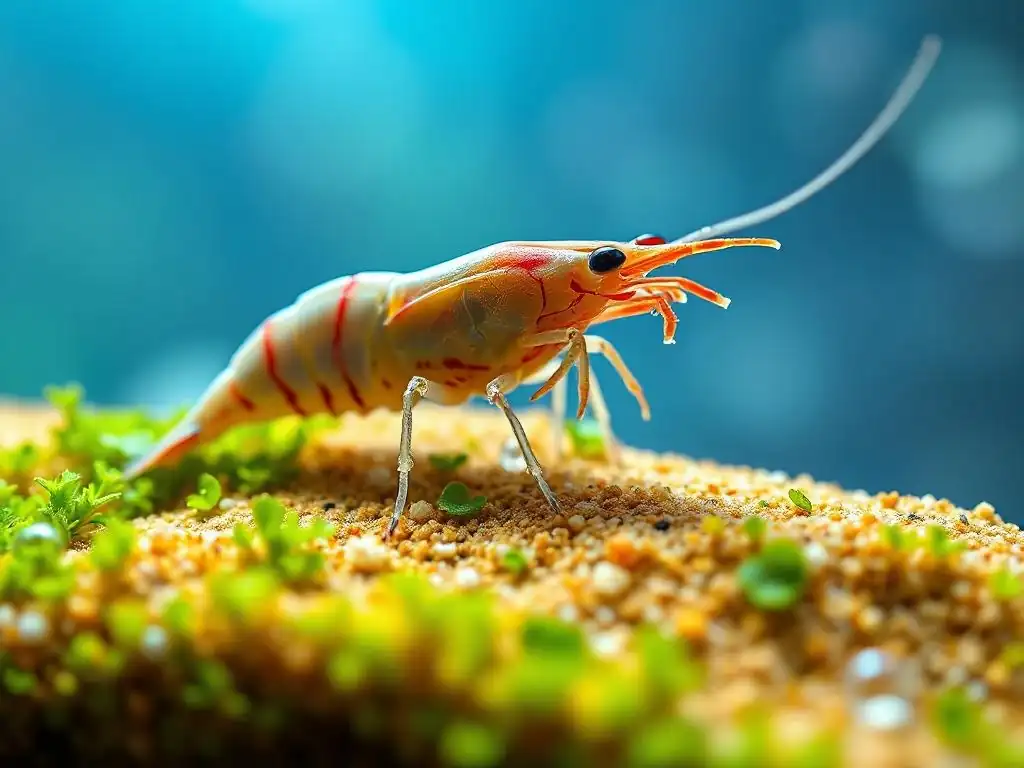
When Neocaridina shrimp are subjected to water temperatures below their optimal range, they exhibit several tell-tale signs of cold water stress. The most immediate and noticeable symptom is a significant decrease in activity; shrimp will become lethargic, moving very slowly, or remaining motionless on the substrate or decor for extended periods. Their feeding activity will also diminish noticeably, as their metabolism slows down considerably.
In more severe or prolonged cases of cold stress, shrimp may appear paler than their usual vibrant coloration, indicating a general decline in health. This weakened state also makes them increasingly susceptible to various fungal and bacterial infections due to a compromised immune system. Ultimately, if temperatures remain too low for an extended duration, the shrimp's vital functions can shut down, leading to widespread mortality within the colony. These symptoms clearly indicate a deviation from the Neocaridina shrimp ideal temperature guide.
Identifying Overheating Issues in Your Neocaridina Tank
Overheating is equally, if not more, dangerous for Neocaridina shrimp than cold stress. When tank temperatures rise above their ideal range, shrimp typically display signs of extreme distress. They may become highly active, darting frantically and erratically around the tank, attempting to escape the uncomfortable conditions. Alternatively, some shrimp may become extremely lethargic, gasping for air at the water surface, a critical sign of insufficient dissolved oxygen, which is less soluble in warmer water.
Other indicators of overheating include an increased frequency of molting, which often leads to failed molts (Molting Death Syndrome) due to the accelerated metabolism. Shrimp may also lose their appetite and generally appear stressed and unwell. If the tank temperature consistently exceeds 80°F (26.7°C), immediate intervention is required. Prolonged exposure to high temperatures can cause irreversible organ damage and lead to mass fatalities within the colony, signifying an urgent need to restore the Neocaridina shrimp ideal temperature guide.
Immediate Actions to Take During Temperature Emergencies
In the event of a temperature emergency, swift and appropriate action can save your Neocaridina shrimp. If cold stress is identified, the immediate step is to gradually increase the water temperature using your aquarium heater. Do not attempt to add hot water directly to the tank, as this can cause localized temperature shock. If your tank lacks a heater, install a suitable one immediately. Monitor the temperature closely as it slowly rises.
For overheating situations, the first action is to turn off the heater if it is the cause. Then, perform small, frequent water changes using water that is slightly cooler than the tank water but not cold enough to cause shock. Direct a small fan across the water surface to increase evaporative cooling, which can lower the temperature by a few degrees.
Crucially, add an air stone to increase water agitation and oxygenation, as warmer water holds less dissolved oxygen. Avoid adding ice directly to the tank, as it can cause sudden, localized temperature drops. These immediate steps are critical to restoring the Neocaridina shrimp ideal temperature guide safely and quickly.
Maintaining Stable Temperatures for Neocaridina Shrimp: Best Practices
Insulating Your Aquarium for Temperature Stability
Insulating your aquarium is an effective best practice for enhancing temperature stability and reducing the workload on your heater. Placing a foam mat or a sheet of styrofoam underneath the tank can significantly minimize heat loss through the bottom. Similarly, attaching insulation materials, such as foil-backed foam board or even a simple sheet of cardboard, to the back and sides of the aquarium (while leaving the front clear for viewing) can substantially reduce heat exchange with the ambient room air.
This insulation strategy helps to maintain more consistent temperatures within the tank, regardless of minor fluctuations in room temperature. It also reduces the frequency with which your heater needs to cycle on and off, leading to potentially lower energy consumption and a more stable environment for your shrimp. This is particularly beneficial in rooms that experience noticeable temperature swings or during colder months, making it easier to consistently maintain the Neocaridina shrimp ideal temperature guide.
Using a Thermostat for Precise Temperature Control
While most modern aquarium heaters come with built-in thermostats, utilizing an external thermostat controller can provide an unparalleled level of precision and safety for temperature control in your Neocaridina shrimp tank. Devices like the Inkbird ITC-308 are popular choices; they feature a probe that monitors tank temperature and allow you to plug your heater directly into the controller. This setup enables highly precise temperature settings and often includes alarms for out-of-range temperatures.
The primary benefit of an external thermostat is its fail-safe capability. It can be set to cut power to the heater if the temperature exceeds a specific maximum, preventing dangerous overheating, and also to trigger the heater if the temperature falls below a set minimum. This dual protection offers immense peace of mind and ensures that the Neocaridina shrimp ideal temperature guide is meticulously maintained, safeguarding your delicate shrimp colony from both ends of the temperature spectrum. Some advanced models even feature dual probes for added redundancy.
Regular Temperature Monitoring and Adjustment
Even with a reliable heater and an external thermostat, consistent temperature monitoring remains an indispensable practice for Neocaridina shrimp keepers. It is essential to use a separate, accurate thermometer to regularly verify the readings of your heater's built-in thermostat or external controller. This routine check helps to detect any potential heater malfunctions, thermostat drift, or environmental changes early, before they become detrimental to your shrimp.
If your temperature readings consistently deviate from your target, make adjustments to your heater's thermostat incrementally. For instance, adjust the setting by only 1-2°F (0.5-1°C) at a time, and then wait several hours for the tank's temperature to stabilize before rechecking. Avoid making large, sudden adjustments, as this can cause unnecessary stress to your shrimp. This proactive and methodical approach to monitoring and adjustment is key to consistently adhering to the Neocaridina shrimp ideal temperature guide and fostering a thriving shrimp environment.
Alternative Methods for Temperature Regulation in Neocaridina Tanks
Using Aquarium Chillers in Hot Climates
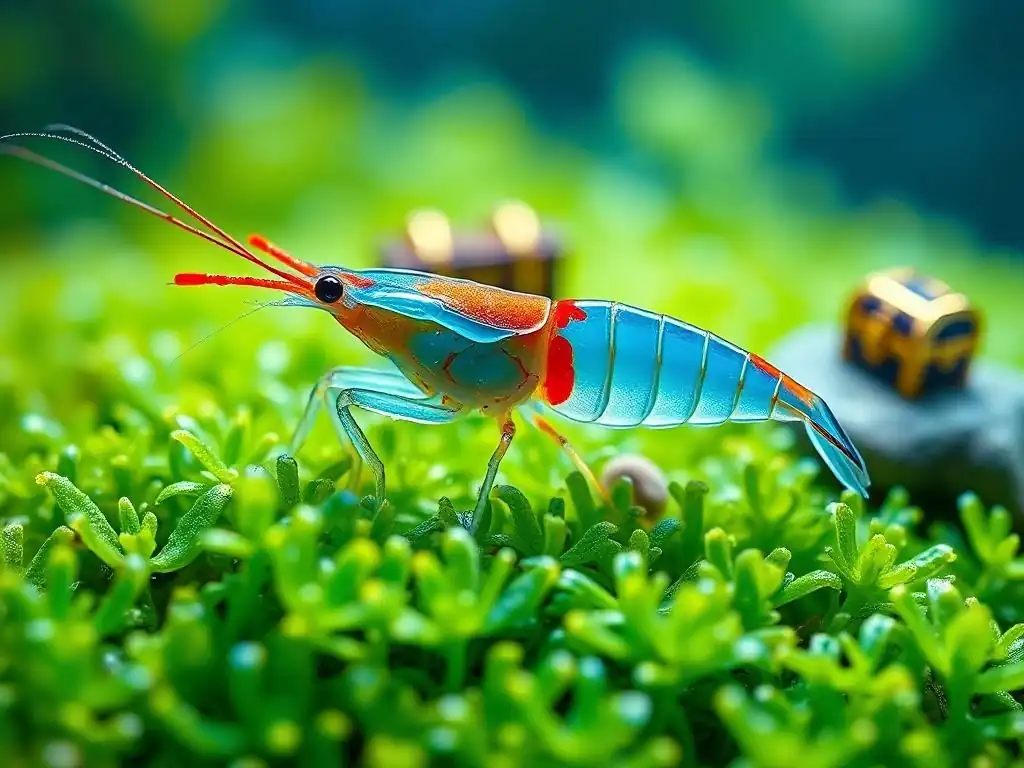
For aquarists living in consistently hot climates or regions where ambient room temperatures frequently exceed the ideal range for Neocaridina shrimp, aquarium chillers become an essential piece of equipment. Unlike fans that rely on evaporative cooling, chillers actively remove heat from the water, providing precise and consistent temperature reduction. While often associated with larger, more sensitive marine setups, compact chillers are available that are suitable for nano and smaller freshwater aquariums.
Chillers can maintain a precise target temperature even when the surrounding room temperature soars, perhaps to 85°F (29.4°C) or higher. They offer a reliable solution to prevent overheating, which is a common cause of distress and mortality in shrimp during summer months. Investing in a chiller ensures that the Neocaridina shrimp ideal temperature guide is met without compromise, providing a stable, cool environment even in the most challenging warm conditions.
Natural Ways to Cool Down a Shrimp Tank: Fans and Evaporation
For moderate cooling needs or as a temporary solution, natural methods can help lower your shrimp tank's temperature. Directing a small fan, such as a clip-on desk fan or a dedicated aquarium fan, across the water surface is a highly effective technique. This increases the rate of evaporative cooling, which can typically lower the water temperature by 2-5°F (1-2.8°C), depending on the ambient humidity and the strength of the airflow.
However, it is important to note the primary drawback of this method: increased evaporation means you will need to perform more frequent top-offs with dechlorinated water to maintain the tank's water level. While effective for minor temperature reductions, this method does not offer the precise temperature control of a chiller. Nonetheless, it serves as a valuable tool for keeping your tank within the Neocaridina shrimp ideal temperature guide during warmer periods without significant investment.
Plants that Help Regulate Water Temperature
While aquatic plants do not actively regulate water temperature in the same way a heater or chiller does, a heavily planted aquarium can contribute to overall temperature stability. The dense biomass of aquatic plants increases the thermal mass of the entire system. This means that a tank with a large volume of plant material will absorb and release heat more slowly than a sparsely planted or barren tank.
Consequently, a heavily planted tank will heat up and cool down at a more gradual rate, mitigating rapid temperature swings that can be stressful for Neocaridina shrimp. Furthermore, a dense plant canopy can provide shade, reducing direct light absorption and preventing slight warming from intense lighting systems. This subtle buffering effect, while not a primary temperature control method, adds to the overall environmental stability that Neocaridina shrimp greatly appreciate, indirectly supporting the Neocaridina shrimp ideal temperature guide.
Troubleshooting Common Temperature Problems in Neocaridina Shrimp Tanks
Heater Malfunctions: Identification and Solutions
Heater malfunctions are a common issue that can quickly lead to temperature problems in your Neocaridina shrimp tank. Signs of a malfunctioning heater include its indicator light being constantly on (suggesting it's attempting to heat but failing to reach the set temperature), or conversely, never turning on despite being plugged in. The most obvious sign, however, is when the water temperature consistently remains too low or too high despite the heater being active.
To troubleshoot, first, check the power outlet and all connections to ensure the heater is receiving power. If the heater is old (typically beyond 3-5 years of age), consider replacing it, as heating elements can degrade over time. If a new heater fails, ensure its wattage is correctly sized for your tank volume. Always have a backup thermometer to verify readings, and remember that regular cleaning and calibration of your heater can prevent many malfunctions, ensuring the Neocaridina shrimp ideal temperature guide is consistently maintained.
Dealing with Power Outages and Temperature Drops
Power outages pose a significant threat to Neocaridina shrimp, especially in colder climates, as heaters cease to function, leading to rapid temperature drops. Smaller tanks are particularly vulnerable to these changes due to their limited thermal mass. A prolonged outage can be devastating for a shrimp colony.
For short power outages (a few hours), wrapping the aquarium in blankets, towels, or even newspapers can help to retain existing heat within the tank. For longer outages, while not always feasible, consider moving shrimp to a temporary, insulated container in a warmer part of the house if the situation is prolonged. Investing in a small Uninterruptible Power Supply (UPS) designed for aquariums can provide short-term power to critical equipment like heaters in very small tanks, offering a crucial buffer against sudden temperature drops and helping to preserve the Neocaridina shrimp ideal temperature guide.
Addressing Temperature Spikes During Summer Months
Temperature spikes during summer months are a frequent concern for Neocaridina shrimp keepers. Common causes include consistently high ambient room temperatures, direct sunlight hitting the aquarium, and powerful lighting systems that generate excess heat. These factors can quickly push tank temperatures beyond the safe and ideal range for your shrimp.
To address summer temperature spikes, several solutions can be employed. First, relocate the tank out of direct sunlight or use blinds/curtains to block intense sun exposure. Reduce the duration or intensity of your aquarium lighting. Implement cooling methods such as directing a small fan across the water surface to promote evaporative cooling, or for persistent issues, consider investing in an aquarium chiller. Performing small, frequent water changes with slightly cooler (but not cold) dechlorinated water can also help gradually reduce the temperature, ensuring you maintain the Neocaridina shrimp ideal temperature guide without causing shock.
Conclusion: Creating a Thriving Environment for Your Neocaridina Shrimp
Prioritizing Temperature Control for Healthy Shrimp
The question of "Do Neocaridina shrimp need a heater?" is not always a simple yes or no, but rather depends on your specific environmental conditions. However, the unequivocal answer is that maintaining a stable and appropriate temperature range, ideally between 70°F and 78°F (21°C to 25.5°C), is absolutely fundamental to the health, metabolic functions, immune system, and reproductive success of Neocaridina shrimp. It directly influences their vibrant coloration, active behavior, and overall lifespan.
Prioritizing temperature control means understanding your unique home environment and the specific needs outlined in the Neocaridina shrimp ideal temperature guide. Whether that necessitates a heater or relies on ambient room temperatures, proactive temperature management is essential to prevent stress-related diseases, ensure successful molts, and cultivate a robust, thriving population of these fascinating invertebrates in your aquarium.
The Importance of Consistent Monitoring and Maintenance
Effective temperature management for Neocaridina shrimp is an ongoing process, not a one-time setup. The sustained well-being of your shrimp colony hinges on consistent monitoring and diligent maintenance practices. Regularly utilizing an accurate aquarium thermometer, conducting routine checks of your heater's functionality, and remaining aware of seasonal changes in your ambient room temperature are indispensable habits for any dedicated aquarist.
This vigilant monitoring allows for the early detection of any potential temperature problems, enabling timely interventions before minor fluctuations escalate into life-threatening conditions for your delicate shrimp. Consistent attention to detail in maintaining stable water parameters, particularly temperature, is the hallmark of successful Neocaridina keeping and will ensure your shrimp thrive for years to come.
Further Resources for Neocaridina Shrimp Care
While this article has provided a comprehensive Neocaridina shrimp ideal temperature guide, temperature is just one crucial aspect of holistic Neocaridina care. To truly excel in shrimp keeping, it is vital to understand other critical water parameters such as GH (General Hardness), KH (Carbonate Hardness), and pH, as well as proper diet, suitable tank mates, and meticulous acclimation procedures for new inhabitants.
We encourage you to explore other detailed articles and guides available on Aquarium Mastery. Our extensive resources cover a wide array of topics, from species-specific profiles to in-depth maintenance schedules and troubleshooting common aquarium issues. By continuing to expand your knowledge, you can develop expertise in shrimp keeping and create the most optimal and thriving environment for your Neocaridina shrimp colony.
Frequently Asked Questions
What is the ideal temperature range for Neocaridina shrimp?
The ideal temperature range for Neocaridina shrimp is typically between 65°F and 80°F (18°C to 27°C). Maintaining this range ensures optimal health and breeding. Temperatures outside this range can cause stress and mortality.
Do I always need a heater for my Neocaridina shrimp tank?
Not necessarily. If your room temperature consistently stays within the ideal temperature range, a heater isn't required. However, a heater is recommended if your tank experiences significant temperature fluctuations or drops below 65°F.
What happens if the water temperature is too high for Neocaridina shrimp?
High temperatures can decrease oxygen levels in the water, stressing the shrimp. Prolonged exposure to high temperatures can lead to increased susceptibility to disease and even death. Regular monitoring and cooling methods are crucial.
What are the signs that my Neocaridina shrimp are stressed due to temperature?
Signs of temperature stress include lethargy, loss of appetite, and erratic swimming patterns. You might also notice them gasping at the surface for air, indicating low oxygen levels.
How can I safely lower the water temperature in my Neocaridina shrimp tank if it's too high?
You can use fans to circulate air across the water's surface, or float ice packs (sealed in plastic bags) in the tank. Avoid drastic temperature changes, as this can be more harmful than a slightly elevated temperature. Regular water changes with cooler, dechlorinated water can also help.
Final Reflection: The Delicate Balance of Aquatic Life
The information presented throughout this article underscores the critical importance of maintaining a stable and appropriate temperature for Neocaridina shrimp. Failing to do so, as we've seen, can have devastating consequences for these delicate creatures, highlighting the responsibility we bear as aquarists to provide optimal conditions for their well-being. This isn't just about keeping shrimp alive; it's about fostering a thriving ecosystem within our tanks.
This understanding of temperature's impact extends beyond the immediate needs of Neocaridina shrimp. It serves as a microcosm of the broader challenges facing aquatic ecosystems worldwide, where even slight temperature fluctuations can disrupt delicate balances and threaten entire species. In the end, we will conserve only what we love; we will love only what we understand; and we will understand only what we are taught.
- Baba Dioum. This quote reminds us that understanding the needs of even the smallest creatures, like these shrimp, fosters a deeper appreciation for the interconnectedness of all life and inspires us to act as responsible stewards of our planet.
Now, armed with this knowledge, I urge you to reflect on your own aquariums and the care you provide. Are you truly meeting the needs of your Neocaridina shrimp, or are there adjustments you can make to ensure their optimal health and happiness? Let this guide serve as a constant reminder that even seemingly small details, like temperature, can have a profound impact. Embrace the responsibility, cultivate your understanding, and create a thriving aquatic environment for these fascinating creatures.
Ignite Your Shrimp Tank: Create the Perfect Climate!
Thanks for diving into the world of Neocaridina shrimp! We hope you've gained valuable insights into their temperature needs. Now, let's ensure your shrimp thrive in a happy, healthy environment.
Here's how you can take action:
- Assess your tank's temperature and adjust your heater accordingly! This is the most crucial step to keeping your shrimp happy.
- Explore alternative heating solutions like substrate heaters for a more even temperature distribution.
- Share your experiences! Head to aquarium forums and offer what you've learned!
Ready to optimize your setup for the best shrimp environment?