
Algae Annihilators: Choosing the Best AlgaeEating Invertebrates for Your Crew

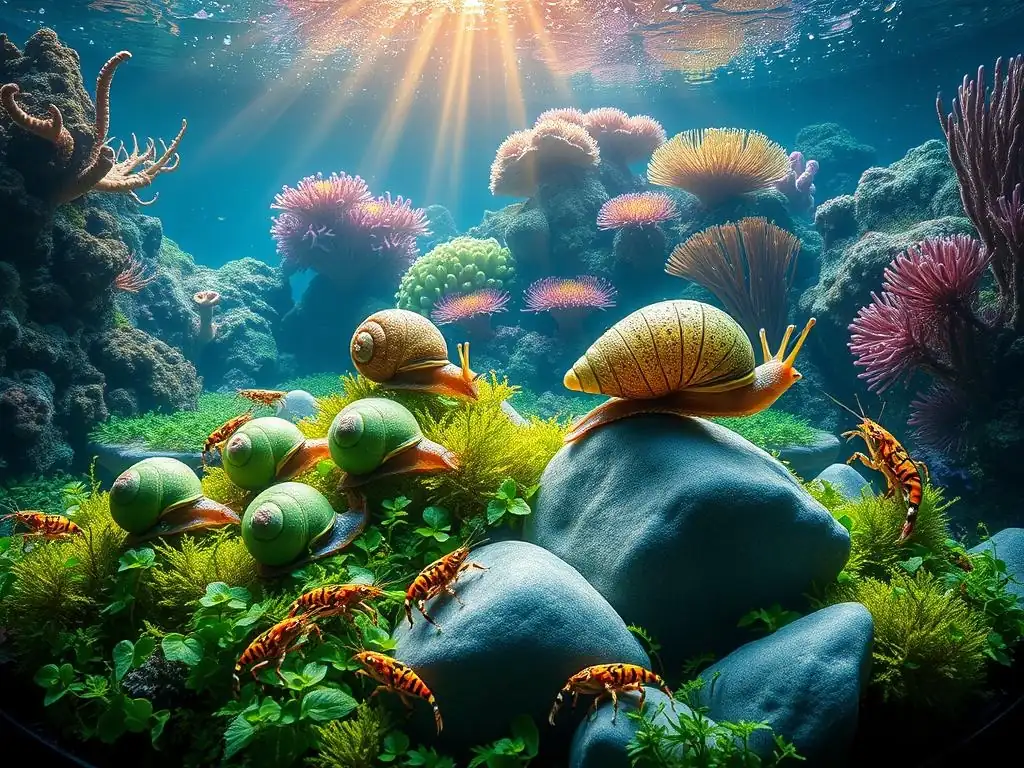
Welcome to Aquarium Mastery! Ever wondered how to keep your aquarium sparkling clean without constant scrubbing? Dive in! This article explores the fascinating world of best algae eating invertebrates, your secret weapon for a pristine and thriving aquatic ecosystem. Discover which of these tireless tank-mates are right for your setup, and say goodbye to unwanted algae blooms. Ready to meet your new cleanup crew?
- Algae Control in Reef Aquariums: Utilizing Invertebrate Grazers
- Understanding Algae in Reef Aquariums
- Top Invertebrate Algae Grazers for Reef Aquariums
- Selecting Invertebrates Based on Algae Type and Tank Conditions
- Integrating Invertebrates into Your Reef Aquarium
- Maintaining a Balanced Reef Ecosystem for Algae Control
- Addressing Common Issues with Invertebrate Algae Eaters
- Complementary Algae Control Methods
-
Frequently Asked Questions
- What are some of the best algae-eating invertebrates for a freshwater aquarium?
- Are there any algae-eating invertebrates suitable for saltwater reef tanks?
- What should I consider before adding algae-eating invertebrates to my aquarium?
- How many algae-eating invertebrates should I add to my aquarium?
- What happens if my algae-eating invertebrates run out of algae to eat?
- Final Reflection: A Symphony of Balance
- Unleash Your Aquarium's Algae-Fighting Potential!
Algae Control in Reef Aquariums: Utilizing Invertebrate Grazers
Understanding Algae in Reef Aquariums
Common Types of Algae in Reef Tanks
Reef aquariums, despite careful husbandry, are susceptible to various forms of nuisance algae. Diatoms, often appearing as a brownish film on glass, rocks, and substrate, are common in new tanks or those with elevated silicates. Dinoflagellates, characterized by slimy, brownish, often bubbly mats, can be particularly challenging due to their potential toxicity and rapid spread, sometimes appearing as a thick, snot-like growth. Cyanobacteria, frequently misidentified as true algae, present as red, purple, or black slime and thrive in low-flow areas with high nutrient levels, often emitting an unpleasant odor when disturbed.
Beyond these common culprits, other types like green hair algae (filamentous, bright green strands) indicate excess nitrates and phosphates, while bubble algae ( Valonia spp.) manifests as distinct green spheres that can quickly colonize rockwork. Bryopsis, a more stubborn form of green algae, has a feather-like appearance and is notoriously difficult to eradicate, often requiring specific measures due to its resistance to common grazing methods. Identifying the specific type of algae is the first critical step in selecting the best algae eating invertebrates for targeted control.
Importance of Algae Control for Reef Health
Uncontrolled algae proliferation poses a significant threat to the delicate balance of a reef aquarium. Excessive algae compete directly with corals for essential light and nutrients, leading to coral stress, reduced growth rates, and in severe cases, bleaching and mortality. The aesthetic appeal of the tank also suffers dramatically, transforming a vibrant coral display into a green, murky landscape. Beyond visual degradation, large algae blooms can contribute to nutrient imbalances, making it difficult to maintain stable water parameters crucial for coral health.
Furthermore, dense algae mats can lead to significant swings in water chemistry, particularly pH and oxygen levels, especially at night when algae respire and consume oxygen. This can create hypoxic conditions that stress fish and invertebrates, potentially leading to widespread fatalities. Proactive and consistent algae control, often achieved through a combination of nutrient management and the strategic deployment of the best algae eating invertebrates, is paramount for the long-term stability, vibrancy, and ecological integrity of the reef ecosystem.
The Role of Invertebrates in a Balanced Reef Ecosystem
Invertebrates, collectively known as the "clean-up crew" (CUC), are indispensable allies in maintaining a healthy reef aquarium. These diverse organisms—including snails, crabs, and shrimp—play a vital role in consuming detritus, uneaten food, and, most importantly, various forms of nuisance algae. By continuously grazing on surfaces and sifting through substrate, these algae eating invertebrates contribute to natural nutrient cycling, effectively converting undesirable organic matter into biomass and reducing the overall nutrient load in the water column.
This continuous, passive algae control provided by the CUC significantly reduces the need for manual intervention and helps prevent major algae outbreaks before they take hold. A well-balanced clean-up crew ensures that surfaces remain clean, detritus is minimized, and nutrient buildup is kept in check. This symbiotic relationship not only fosters a cleaner environment but also supports the health and growth of corals and fish, making the strategic selection of the best algae eating invertebrates a cornerstone of successful reef keeping.
Top Invertebrate Algae Grazers for Reef Aquariums
Snails: Essential Algae Control Specialists
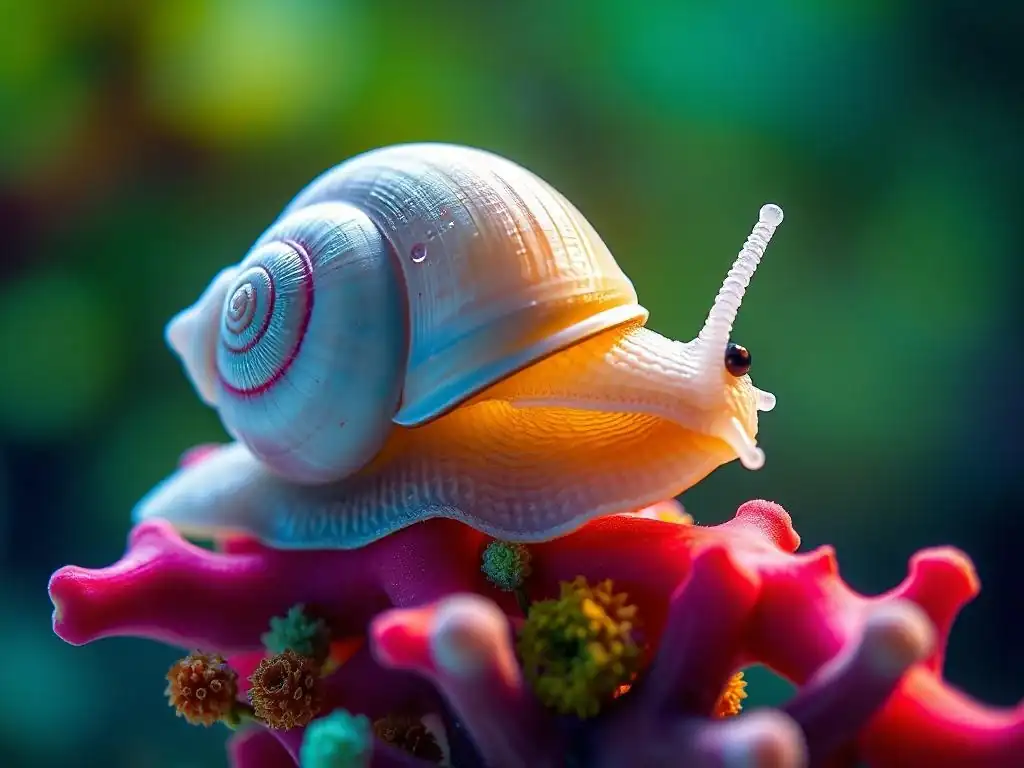
Snails are arguably the most fundamental component of any reef aquarium's clean-up crew, serving as primary grazers that tirelessly consume various forms of algae. Their relatively slow, methodical movement allows them to thoroughly clean surfaces, from the glass walls to intricate rockwork, making them indispensable for maintaining a pristine environment. The diversity among snail species means that different types excel at consuming specific algae forms, making careful selection crucial for targeted control.
Beyond their direct algae consumption, many snail species also act as detritivores, sifting through the sand bed and consuming uneaten food and decaying organic matter. This dual role helps to prevent nutrient accumulation in the substrate, further inhibiting algae growth. Their generally non-aggressive nature and ability to navigate tight spaces and crevices that fish cannot reach make them superior algae eating invertebrates for comprehensive tank maintenance.
Trochus Snails: Effective Algae Grazers for Reef Tanks
Trochus snails, such as Trochus histrio or T. maculatus, are highly prized for their robust algae-grazing capabilities. Characterized by their conical, pyramid-shaped shells, these snails typically grow to about 1.5 inches in diameter. They are particularly effective at consuming diatoms, green film algae, and various forms of hair algae from both glass surfaces and live rock. A significant advantage of Trochus snails is their ability to right themselves if they accidentally fall or are flipped over, reducing mortality rates compared to some other snail species.
These hardy invertebrates are active grazers, working continuously to keep surfaces clean. Their strong foot allows them to cling securely, even in areas of moderate flow. A general recommendation is to stock 1 Trochus snail per 10-20 gallons of tank volume, though this can be adjusted based on the current algae load. Their consistent grazing action makes them one of the best algae eating invertebrates for ongoing algae maintenance in established reef systems.
Nerite Snails: Grazing Algae on Glass and Substrate
Nerite snails ( Nerita spp.) are small, typically ranging from 0.5 to 1 inch, but are exceptionally efficient at grazing on smooth surfaces. They are renowned for their meticulous cleaning of aquarium glass, leaving behind distinct wavy trails as they consume diatoms and green film algae. Unlike many other snail species, Nerite snails do not reproduce in saltwater, which means their population will not explode, making them a predictable and low-maintenance choice for managing film algae without fear of overpopulation.
Their small size allows them to access tight spots and crevices on rockwork, though their primary strength lies in glass cleaning. They are very hardy and adapt well to various reef tank conditions. For effective glass cleaning, a stocking density of 1 Nerite snail per 5-10 gallons is often recommended. Their dedication to surface cleaning firmly places them among the best algae eating invertebrates for maintaining crystal-clear viewing panels.
Cerith Snails: Beneficial Detritivores and Algae Eaters
Cerith snails ( Cerithium spp.) are versatile members of the clean-up crew, typically growing up to 1 inch in length. These snails are dual-purpose, excelling as both detritivores and algae grazers. They actively burrow into the sand bed, consuming uneaten food and decaying organic matter, which helps to aerate the substrate and prevent the buildup of anaerobic pockets. This burrowing action also aids in preventing detritus from accumulating, which in turn reduces nutrients available for nuisance algae.
In addition to their work in the sand, Cerith snails graze on film algae, diatoms, and some types of hair algae found on live rock and glass surfaces. Their ability to clean both the substrate and hard surfaces makes them a comprehensive choice for general tank maintenance. A common stocking guideline is 1 Cerith snail per 5-10 gallons. Their continuous activity and broad diet make them highly beneficial algae eating invertebrates for a healthy reef environment.
Turbo Snails: Fast-Moving Algae Consumers
Turbo snails, particularly the Mexican Turbo snail ( Turbanus fluctuosus), are large, robust grazers capable of consuming significant quantities of tough algae. Growing up to 3 inches in diameter, these snails are particularly effective against stubborn green hair algae and diatoms that might overwhelm smaller grazers. Their sheer size and voracious appetite make them a go-to solution for substantial algae outbreaks, quickly clearing large areas of rockwork and glass.
However, their size can also be a drawback; they are known to be clumsy and may dislodge loosely placed corals or rockwork as they move. Another important consideration is their inability to right themselves if they fall upside down, requiring manual intervention to prevent starvation. Despite these considerations, for serious hair algae problems, 1 Turbo snail per 20-30 gallons can make a dramatic difference, solidifying their reputation as some of the most powerful algae eating invertebrates available.
Crabs: Algae Eaters with Specific Dietary Preferences
While many crabs are opportunistic scavengers, some species are specifically valued for their targeted algae consumption. Unlike the generalist grazing of snails, crabs often have more specialized dietary preferences, making them excellent choices for particular algae problems. However, careful selection is essential, as some crabs can be predatory or aggressive towards other tank inhabitants, including snails and corals.
Their larger size and more active movement patterns allow them to tackle algae in areas that snails might overlook or struggle with. When choosing crabs for the clean-up crew, it is crucial to research their specific dietary needs and potential for aggression to ensure they will be a beneficial addition without causing harm to the rest of the reef ecosystem.
Emerald Crabs: Targeting Bubble Algae
The Emerald Crab ( Mithraculus sculptus) is widely celebrated for its unique ability to consume bubble algae ( Valonia spp.), a nuisance algae that most other grazers ignore. These crabs, typically reaching up to 2 inches across, meticulously pick at the green spheres, effectively reducing or eliminating outbreaks of this particular algae. They also consume some hair algae and detritus, contributing to overall tank cleanliness.
While generally considered reef-safe, individual Emerald Crabs can occasionally nip at corals or small fish, especially if underfed or if their preferred food source (bubble algae) is scarce. It is advisable to observe their behavior closely after introduction. For tanks with persistent bubble algae issues, 1 Emerald Crab per 30-50 gallons can be highly effective, making them the premier choice among algae eating invertebrates for this specific problem.
Scarlet Reef Hermit Crabs: Scavengers and Algae Control
The Scarlet Reef Hermit Crab ( Paguristes cadenati) is a popular and generally peaceful addition to the reef clean-up crew. Distinguished by their bright red legs and white claws, these crabs grow up to 1.5 inches. They are excellent scavengers, diligently consuming uneaten food, detritus, and various types of nuisance algae, including hair algae and cyanobacteria. Their constant movement helps to stir the sand bed, preventing the accumulation of waste.
Unlike some other hermit crab species, Scarlet Reef Hermits are less likely to prey on snails for their shells if provided with an ample supply of appropriately sized empty shells. It is crucial to offer a variety of empty shells as they grow to prevent them from becoming aggressive towards other shelled inhabitants. Their vibrant coloration and effective scavenging make them a valuable and aesthetically pleasing component of the best algae eating invertebrates team.
Sea Hares: Large and Efficient Algae Grazers
Sea Hares ( Aplysia spp.) are large, often strikingly patterned, mollusks that are incredibly efficient at consuming vast quantities of hair algae. Growing from a few inches to over 8 inches in length, these creatures can quickly decimate severe hair algae outbreaks, making them a powerful, albeit temporary, solution for major algae problems. Their large size allows them to graze rapidly over extensive areas of rockwork.
Due to their specialized diet primarily consisting of hair algae, Sea Hares are typically introduced for a targeted "search and destroy" mission. Once the hair algae population is significantly reduced, they can quickly starve in a clean tank. For this reason, they are not usually considered a permanent addition to the clean-up crew but rather a temporary measure for severe cases.
Considerations for Keeping Sea Hares
Keeping Sea Hares requires careful consideration due to their specific needs and impact on the tank. Their primary diet of hair algae means they require a constant and abundant supply; if the algae run out, they will quickly starve, often within a few days to a week. They also have a significant bio-load, producing a considerable amount of waste, which can contribute to nutrient spikes if not managed with robust filtration.
Given their large size and waste production, Sea Hares are best suited for larger reef tanks, generally 100 gallons or more, to accommodate their movements and the potential for nutrient fluctuations. They are often rented or purchased with the intention of returning them once the algae problem is resolved. While highly effective for targeted hair algae removal, their specialized needs and temporary role differentiate them from the continuously grazing best algae eating invertebrates typically used for long-term control.
Shrimp: Detritus and Algae Management
Shrimp are an integral part of the reef aquarium clean-up crew, primarily known for their roles as detritivores and opportunistic scavengers. While not typically the primary algae eating invertebrates, some species do graze on certain types of film algae or indirectly contribute to algae control by consuming uneaten food and detritus, thereby reducing the nutrient load that fuels algae growth.
Their active scavenging helps to keep the substrate and rockwork free of decaying organic matter, preventing the buildup of nutrients. Many shrimp species also exhibit fascinating cleaning behaviors, removing parasites from fish, adding another layer of benefit to the reef ecosystem.
Peppermint Shrimp: Aiptasia Control and Some Algae Consumption
Peppermint Shrimp ( Lysmata wurdemanni) are widely recognized for their remarkable ability to consume pest Aiptasia anemones, a common nuisance in reef tanks. While this is their primary role, these shrimp (growing up to 2 inches) also act as diligent scavengers, consuming uneaten food, detritus, and occasionally grazing on some types of film algae. Their contribution to algae control is more indirect, as they help reduce the nutrient sources that fuel algae growth by keeping the tank clean of organic debris.
These nocturnal shrimp are generally peaceful and blend well into the reef environment. They are hardy and relatively easy to care for, making them a popular choice for both Aiptasia control and general tank maintenance. While not as dedicated to algae grazing as snails or certain crabs, their overall contribution to tank health makes them a valuable, albeit secondary, component of the best algae eating invertebrates strategy.
Selecting Invertebrates Based on Algae Type and Tank Conditions
Identifying Algae Species for Targeted Control
Effective algae control begins with accurate identification of the specific algae species plaguing your reef aquarium. Different algae eating invertebrates have distinct dietary preferences, and a misdiagnosis can lead to ineffective and frustrating results. For instance, a brown film on the glass likely indicates diatoms, which are readily consumed by Nerite and Trochus snails. Conversely, green, stringy growth is typically hair algae, best tackled by Turbo snails or Scarlet Reef Hermit Crabs.
Identifying the algae by its color, texture, growth pattern, and location within the tank provides crucial clues. Green spheres point to bubble algae, making Emerald Crabs the most effective solution. Slimy red or black mats often signify Cyanobacteria, which is less directly consumed by grazers but benefits from reduced nutrient levels facilitated by detritivores like Cerith snails. Understanding these visual cues allows for the strategic selection of the best algae eating invertebrates for a precise and impactful intervention.
Matching Invertebrates to Specific Algae Problems
Once the nuisance algae is identified, matching it with the appropriate algae eating invertebrates is key to successful remediation. For general film algae and diatoms on glass and rockwork, a combination of Nerite, Trochus, and Cerith snails provides comprehensive coverage. If hair algae is the primary concern, Turbo snails are highly effective, often supplemented by Scarlet Reef Hermit Crabs. For the particularly challenging bubble algae, Emerald Crabs are the undisputed specialists.
For widespread, severe outbreaks of hair algae, a Sea Hare can be deployed for rapid, large-scale consumption, though its temporary nature must be considered. It's often most effective to employ a diverse clean-up crew, as different species will occupy different niches and graze on various algae types, providing a more robust and complete long-term solution. This multi-pronged approach ensures that a broad spectrum of algae is kept in check, preventing any single type from dominating the ecosystem.
Determining Appropriate Stocking Levels for Invertebrates
Determining the correct stocking level for algae eating invertebrates is crucial for their effectiveness and well-being. Overstocking can lead to starvation once the primary algae source is depleted, increasing the bioload from decaying invertebrates. Conversely, understocking will result in insufficient algae control, allowing nuisance algae to proliferate. A common guideline for snails is approximately 1-2 snails per 5-10 gallons of tank volume, depending on the tank's maturity and existing algae load.
For crabs, stocking is more species-dependent; for instance, 1 Emerald Crab per 30-50 gallons for bubble algae control. It is generally advisable to start conservatively and observe the tank's algae levels and the invertebrates' health. If algae persists, more invertebrates can be gradually added. Monitoring the CUC's activity and the amount of algae available will help fine-tune stocking densities, ensuring a balanced ecosystem where the best algae eating invertebrates can thrive and perform their essential function.
Integrating Invertebrates into Your Reef Aquarium
Acclimation Procedures for New Invertebrates
Proper acclimation is critical for the survival and long-term health of new algae eating invertebrates, as they are highly sensitive to sudden changes in salinity, pH, and temperature. The drip acclimation method is universally recommended for its slow and gradual equalization of water parameters. This involves placing the invertebrates and their shipping water in a clean bucket and slowly dripping tank water into the bucket using airline tubing and a control valve, typically over a period of 30 to 60 minutes, or until the volume has quadrupled.
During acclimation, it is vital to avoid exposing snails and other delicate invertebrates directly to air, as air bubbles can become trapped in their gills or shells, leading to embolisms or desiccation. Gently transfer them from the acclimation bucket to the aquarium, ensuring they are placed on a rock or the substrate where they can immediately attach. This meticulous acclimation process significantly reduces stress and minimizes mortality rates, allowing your best algae eating invertebrates to adapt smoothly to their new environment.
Compatibility with Fish and Other Invertebrates
Before introducing algae eating invertebrates, it is essential to research their compatibility with existing fish and other invertebrates in your reef tank. Some fish species are known predators of snails, crabs, or shrimp. For example, certain wrasses (e.g., Six-Line Wrasse, some Hawkfish), puffers, triggerfish, and large angelfish may view your clean-up crew as a convenient food source. Introducing a CUC into a tank with known invert predators is often a futile exercise.
Furthermore, compatibility within the invertebrate community itself must be considered. While many hermit crabs are generally peaceful, some species can be aggressive towards snails, especially if they lack appropriately sized empty shells to move into as they grow. Providing a variety of spare shells can mitigate this issue for species like Scarlet Reef Hermits. Carefully selecting peaceful species and ensuring no predatory tank mates are present will ensure the longevity and effectiveness of your best algae eating invertebrates.
Supplemental Feeding for Your Clean-Up Crew
In a mature and well-maintained reef aquarium where nuisance algae are effectively under control, the natural food sources for your algae eating invertebrates may become scarce. When algae levels are consistently low, it becomes necessary to provide supplemental feeding to prevent starvation and maintain the health of your clean-up crew. Signs of starvation include reduced activity, sluggishness, and invertebrates dying off.
Appropriate supplemental foods include high-quality algae wafers, sinking pellets designed for invertebrates, or blanched marine algae (nori) clipped to a rock. However, it is crucial to feed sparingly to avoid overfeeding, which can lead to nutrient spikes and negate the very purpose of having a clean-up crew. Observing the condition and activity of your invertebrates will guide the frequency and quantity of supplemental feeding, ensuring your best algae eating invertebrates remain vibrant and active members of your reef system.
Maintaining a Balanced Reef Ecosystem for Algae Control
Water Chemistry Parameters and Algae Growth
Stable and optimal water chemistry parameters are foundational to preventing algae growth and fostering a healthy reef ecosystem. Elevated levels of nitrates, typically above 10-20 ppm, and phosphates, even trace amounts above 0.03 ppm, are primary drivers of nuisance algae blooms. These nutrients act as fertilizer, fueling rapid algae proliferation. Regular testing and proactive management through consistent water changes (e.g., 10-20% weekly), efficient filtration, and robust nutrient export methods are crucial.
Beyond nitrates and phosphates, maintaining stable pH (8.1-8.4), alkalinity (7-12 dKH), and calcium (400-450 ppm) is vital for coral health. While these parameters don't directly cause algae, unstable or suboptimal levels stress corals, making them less resilient and creating opportunities for algae to outcompete them for space and resources. A balanced chemical environment supports a thriving coral reef, which in turn naturally resists algae, complementing the efforts of your best algae eating invertebrates.
Lighting and its Effect on Algae Blooms
Lighting plays a significant role in algae growth, as most nuisance algae are photosynthetic and require light to thrive. Excessive light intensity, an overly long photoperiod (e.g., more than 10-12 hours per day), or an unbalanced light spectrum (too much red or yellow light) can all contribute to aggressive algae blooms. Algae are highly adaptable and can often outcompete corals for light energy, especially when nutrient levels are also elevated.
If algae problems persist despite good nutrient control and the presence of algae eating invertebrates, re-evaluating your lighting schedule and intensity is a critical step. Gradually reducing the photoperiod or dimming the lights can help starve out nuisance algae without significantly impacting corals, which are typically adapted to more specific light requirements. Ensuring a proper balance of light spectrum and intensity tailored to your corals' needs, rather than providing excessive light, helps to limit the available energy for unwanted algae.
Regular Maintenance for a Healthy Reef Aquarium
Consistent and thorough regular maintenance is the cornerstone of long-term algae control and a healthy reef aquarium. While algae eating invertebrates provide continuous grazing, they are most effective when supported by proactive husbandry practices. Weekly water changes, typically 10-20% of the tank volume, are essential for exporting dissolved nutrients like nitrates and phosphates that fuel algae growth.
Routine gravel vacuuming helps remove accumulated detritus and uneaten food from the substrate, preventing nutrient buildup. Regular cleaning or replacement of filter media, such as activated carbon and GFO (granular ferric oxide), further aids in chemical filtration and phosphate removal. Adhering to a strict maintenance schedule prevents nutrient levels from escalating, thereby significantly reducing the likelihood of severe algae outbreaks and allowing your best algae eating invertebrates to effectively manage the remaining algae.
Addressing Common Issues with Invertebrate Algae Eaters
Causes of Invertebrate Mortality
Invertebrates, including the best algae eating invertebrates, are often more sensitive than fish to environmental changes and water quality issues, making them susceptible to various causes of mortality. Poor acclimation procedures, leading to rapid shifts in salinity, pH, or temperature, are frequent culprits. The presence of copper-based medications, even in trace amounts from past treatments, is highly toxic and often fatal to all invertebrates.
Predation by incompatible tank mates, such as certain wrasses, puffers, or aggressive crabs, can also decimate a clean-up crew. Starvation is a common issue in tanks that become too clean or are overstocked with grazers, leading to a lack of natural food sources. Finally, while less common, old age can also contribute to the decline of long-lived invertebrate species. Understanding these vulnerabilities is crucial for preserving your valuable algae eating invertebrates.
Reasons for Invertebrates Not Eating Algae
Occasionally, algae eating invertebrates may appear to be inactive or not consuming the nuisance algae as expected. Several factors can contribute to this behavior. They might be targeting a specific type of algae that is not currently abundant in the tank, or they could be sated from consuming other food sources, such as uneaten fish food or detritus, which they often prioritize over certain algae types.
Stress from poor water quality, incompatible tank mates, or recent acclimation can also cause invertebrates to become sluggish and cease grazing. Furthermore, some algae types, like certain dinoflagellates or particularly tough Bryopsis, are unpalatable or even toxic to many grazers, explaining why they might be ignored. Observing their general health and the specific algae types present can help diagnose why your best algae eating invertebrates might not be performing as anticipated.
Preventing Overgrazing and Starvation
Maintaining a delicate balance between the clean-up crew's population and the available algae is vital to prevent both overgrazing and starvation. If the tank becomes too clean due to an excessively large clean-up crew or effective nutrient control, the algae eating invertebrates will eventually run out of their primary food source. Signs of starvation include reduced activity, a lack of movement, and eventually, mortality.
To prevent this, regularly monitor the algae levels in your tank. If the surfaces appear consistently pristine and the invertebrates seem less active, it's a clear indication that supplemental feeding is necessary. Alternatively, if invertebrates are dying off despite good water quality, it suggests a lack of food. Adjusting the CUC population by removing excess individuals or consistently providing supplemental food ensures the longevity and continued effectiveness of your best algae eating invertebrates, maintaining a harmonious balance in the reef system.
Complementary Algae Control Methods
Manual Algae Removal
Manual algae removal is a fundamental and immediate method for controlling nuisance algae in a reef aquarium, serving as the first line of defense against outbreaks. This involves physically scraping algae from the glass using magnetic cleaners, razor blades, or acrylic scrapers. For algae on live rock and decorations, a stiff brush or even an old toothbrush can be used to scrub off stubborn growth. Siphoning out the removed algae during water changes prevents it from decaying and releasing nutrients back into the water.
This method provides instant gratification by significantly reducing the visible algae mass and is particularly crucial for severe outbreaks that might overwhelm the clean-up crew. Manual removal complements the continuous grazing of algae eating invertebrates by tackling large patches they might miss or struggle with, especially tough varieties like Bryopsis. It ensures that large quantities of algae are physically removed from the system, preventing nutrient recycling and promoting a cleaner aesthetic.
Chemical Algae Control: Considerations and Risks
Chemical algae control methods generally focus on reducing the nutrients that fuel algae growth rather than directly killing the algae itself. Products like granular ferric oxide (GFO) and activated carbon are highly effective at adsorbing phosphates and dissolved organic compounds, respectively, thereby starving the algae. While these are beneficial nutrient export tools, they require careful monitoring to prevent excessive nutrient removal, which can negatively impact corals.
Conversely, direct algaecides are generally strongly discouraged in reef aquariums. These products can cause a rapid, large-scale die-off of algae, leading to a sudden release of toxins and a massive oxygen depletion as the decaying algae consume oxygen. This can result in ammonia spikes and severe stress or death for fish and corals. Therefore, while nutrient control chemicals can be valuable, direct algaecides pose significant risks and are rarely, if ever, recommended for systems containing sensitive corals and algae eating invertebrates.
Protein Skimming for Nutrient Export
Protein skimming is one of the most effective and widely utilized methods for passive nutrient export in a reef aquarium, playing a crucial role in preventing algae growth. A protein skimmer works by creating a column of fine air bubbles that attract and bind to organic waste compounds (proteins, amino acids, carbohydrates) in the water. These "dirty" bubbles rise to the surface, forming a foam that is collected in a removable cup, thereby physically removing organic pollutants before they break down into nitrates and phosphates.
By consistently removing dissolved organic waste, a well-functioning protein skimmer significantly reduces the primary fuel sources for nuisance algae. This continuous nutrient export mechanism lightens the load on biological filtration and complements the work of algae eating invertebrates by addressing the root cause of algae proliferation. A robust protein skimmer is a cornerstone of successful reef keeping, contributing immensely to water clarity, stability, and overall ecosystem health.
Frequently Asked Questions
What are some of the best algae-eating invertebrates for a freshwater aquarium?
Some popular choices include nerite snails, known for their effectiveness, and amano shrimp, which are peaceful and efficient cleaners. Ramshorn snails can also help, but their population can sometimes explode.
Are there any algae-eating invertebrates suitable for saltwater reef tanks?
Yes, several! Turbo snails are voracious algae eaters, and certain types of hermit crabs contribute to algae control. Emerald crabs are particularly good at eating bubble algae.
What should I consider before adding algae-eating invertebrates to my aquarium?
Consider your tank size, the existing fish population, and the specific type of algae you're trying to control. Ensure the invertebrate is compatible with your tank's water parameters and other inhabitants.
How many algae-eating invertebrates should I add to my aquarium?
It depends on the size of your tank and the severity of your algae problem. Start with a small number and monitor the results before adding more. Overstocking can lead to starvation.
What happens if my algae-eating invertebrates run out of algae to eat?
You'll need to supplement their diet with algae wafers or other invertebrate-specific foods. If they are not fed, they will starve and die, which can negatively impact water quality.
Final Reflection: A Symphony of Balance
The quest for a pristine aquarium, free from the persistent green scourge of algae, is a journey many aquarists undertake. As we've explored the diverse world of algae-eating invertebrates, it becomes clear that achieving this balance is not merely about eradication, but about fostering a thriving ecosystem. The delicate dance between predator and prey, between nutrient levels and biological control, is a microcosm of the natural world itself. Understanding this interconnectedness is paramount to creating a healthy and visually stunning aquatic environment.
This exploration has highlighted the crucial role these often-overlooked creatures play in maintaining aquarium health. The ability to witness these small invertebrates diligently working to keep our tanks clean is a constant reminder of the power of nature's solutions. It's a lesson in patience, observation, and the importance of choosing the right tools for the job. Look deep into nature, and then you will understand everything better.
- Albert Einstein. This quote resonates deeply when considering the intricate balance within an aquarium and the profound impact even the smallest inhabitants can have.
Now, armed with this knowledge, consider your own aquatic aspirations. What kind of ecosystem do you envision? Which of these algae annihilators best suits your needs and the needs of your existing crew? Take a moment to reflect on the delicate balance you are striving to achieve and choose wisely. Your aquarium, and its inhabitants, will thank you for it.
Unleash Your Aquarium's Algae-Fighting Potential!
Thank you for diving into the world of algae-eating invertebrates! You've now got the knowledge to curate a cleaner, healthier aquarium. Ready to take the next step and create a thriving ecosystem?
Here are some actions you can take right now:
- Identify your specific algae type using our algae identification guide on the Aquarium Mastery website. Knowing your enemy is half the battle!
- Brainstorm a plan and share your ideal invertebrate crew in the comments below. Let's learn from each other's experiences!
- Consider reaching out to a local aquarium society for advice and perhaps even some free algae samples to test your new cleanup crew before fully committing!
What unique combination of invertebrates are you most excited to introduce to your aquarium, and why?