
Nudibranchs & Sea Slugs: Colorful but Often Specialized Feeders

Welcome to Aquarium Mastery!
Ever wondered how those vibrant, swirling colors of a nudibranch come to be? Dive in and uncover the fascinating world of these sea slugs and their often surprisingly specialized feeding habits. Discover what fuels their dazzling displays in our in-depth article on Colorful nudibranch feeding habits. Get ready to be amazed and maybe even inspired for your own invertebrate aquarium adventure!
- Understanding Nudibranchs and Sea Slugs in the Aquarium
- The Fascinating World of Nudibranch Feeding Habits
- Specific Nudibranch Species and Their Unique Diets
- Challenges of Keeping Nudibranchs in Captivity: Meeting Their Dietary Needs
- Identifying and Addressing Nutritional Deficiencies in Nudibranchs
- The Role of Nudibranchs in a Reef Aquarium Ecosystem
- Responsible Nudibranch Acquisition and Care: Ethical Considerations
- Conclusion: Appreciating the Beauty and Complexity of Nudibranch Feeding
- Frequently Asked Questions
- Final Reflection: Embracing the Spectrum of Specialization
- Dive Deeper: Embrace the Wonders of the Nudibranch World!
Understanding Nudibranchs and Sea Slugs in the Aquarium
What are Nudibranchs and Sea Slugs? A Brief Overview
Nudibranchs and sea slugs are fascinating marine gastropod mollusks, renowned for their incredible diversity in form, size, and particularly, their vibrant coloration. Unlike their land-dwelling counterparts, these invertebrates lack a true external shell, relying instead on various sophisticated defense mechanisms, including camouflage, chemical deterrents, and even stolen stinging cells.
They are characterized by unique external gills (nudibranchs, meaning "naked gills") and chemosensory tentacles called rhinophores, which help them navigate and locate food in their aquatic environments. While all nudibranchs are sea slugs, not all sea slugs are nudibranchs, as the broader term encompasses a wider range of shell-less marine gastropods.
These captivating creatures represent a significant portion of marine biodiversity, with over 3,000 described species globally, and many more yet to be discovered. Their intricate patterns and striking hues are not merely for show; they often serve as aposematic (warning) coloration, signaling to potential predators that they are toxic or unpalatable due to chemicals sequestered from their diet. This direct link between their colorful nudibranch feeding habits and their defensive displays makes them particularly intriguing subjects for both scientific study and observation in a controlled aquarium environment, despite the inherent challenges in their specialized care.
Why are Nudibranchs and Sea Slugs Popular (and Unpopular) in Saltwater Aquariums?
The allure of nudibranchs and sea slugs in saltwater aquariums stems primarily from their extraordinary aesthetic appeal. Their vivid colors, intricate patterns, and graceful movements make them standout inhabitants, offering a unique visual spectacle that few other invertebrates can match. For some aquarists, certain species like Berghia stephanieae are also highly valued for their specific roles as natural pest control agents, effectively eradicating nuisance organisms like Aiptasia anemones without the need for chemical intervention. Their specialized feeding habits, while challenging, also represent a fascinating aspect of marine biology for dedicated hobbyists.
However, these very specializations are also the primary reason for their unpopularity and high mortality rates in typical home aquariums. The vast majority of nudibranch species are obligate specialists, meaning they feed exclusively on one or a very limited range of prey items.
If their specific food source is not readily available or cannot be consistently provided, these beautiful creatures will inevitably starve, often within days or weeks of introduction. This makes them unsuitable for most general reef tanks and contributes to a perception that they are difficult or impossible to keep long-term, leading to ethical concerns about their acquisition without proper research into their colorful nudibranch feeding habits and precise dietary needs.
The Fascinating World of Nudibranch Feeding Habits
Exploring the Diet of Nudibranchs: Specialized Feeders
The diet of nudibranchs is remarkably diverse, yet overwhelmingly specialized, making their colorful nudibranch feeding habits a cornerstone of their survival and ecological role. Unlike generalist feeders, most nudibranch species are adapted to consume only a single type of prey, or a very narrow range of related organisms. For instance, some species exclusively graze on specific types of sponges, while others target hydroids, bryozoans, soft corals, or even other nudibranchs. This extreme dietary specificity is a major factor contributing to their unique adaptations and vibrant colorations.
This specialization means that approximately 70% of known nudibranch species are considered obligate feeders. For example, some dorid nudibranchs, such as those in the Chromodoris genus, feed solely on specific sponge species, often incorporating the pigments and defensive chemicals from their prey into their own tissues, contributing directly to their striking colors. Similarly, aeolid nudibranchs commonly prey on cnidarians like hydroids, anemones, and soft corals, utilizing their unique ability to store undischarged stinging cells (nematocysts) from their food for their own defense. Understanding these precise dietary requirements is paramount for anyone considering keeping these exquisite animals.
How Nudibranchs Find Their Food: Sensory Mechanisms
Nudibranchs employ a sophisticated array of sensory mechanisms to locate their highly specific food sources in the marine environment. Their most prominent sensory organs are the rhinophores, a pair of club-like or horn-like structures located on their heads. These are highly sensitive chemosensory organs, analogous to an insect's antennae, capable of detecting minute concentrations of chemical cues released by their prey in the water. By waving their rhinophores, nudibranchs can "smell" their way towards a potential meal, often following chemical trails over considerable distances relative to their size.
In addition to rhinophores, nudibranchs utilize oral tentacles, which are located near their mouth and serve both tactile and chemosensory functions, allowing them to explore and confirm the identity of potential food items upon contact. Their foot, used for locomotion, also possesses chemoreceptors that help them sense the substrate and identify chemical gradients leading to their prey.
For instance, a Berghia nudibranch can detect the chemical signature of Aiptasia anemones from several inches away, guiding it directly to its target. These finely tuned sensory systems are critical for their survival, enabling these specialized feeders to efficiently locate their often-elusive and specific dietary components.
Nudibranch Feeding Strategies: A Variety of Approaches
The diverse world of nudibranchs showcases an equally varied array of feeding strategies, each meticulously adapted to their specific prey. Many dorid nudibranchs, for example, possess a radula – a chitinous ribbon armed with rows of teeth – which they use to effectively rasp or scrape off tissue from their sessile prey, such as sponges or bryozoans.
The Hypselodoris picta, a type of dorid, is known to graze on specific sponges, and its vibrant purple and yellow coloration is often derived from the pigments absorbed from its sponge diet, highlighting a direct link between its colorful nudibranch feeding habits and its appearance.
Other nudibranchs, particularly those that feed on soft-bodied prey like hydroids or anemones, may employ a proboscis, a retractable snout-like appendage, to pierce and suck the internal fluids of their victims. The Phyllodesmium genus, for instance, feeds on soft corals and uses this method. Some smaller nudibranchs simply engulf their entire prey.
A fascinating strategy seen in aeolid nudibranchs involves "kleptocnidae," where they ingest the undischarged stinging cells (nematocysts) from their cnidarian prey, transport them through their digestive system without triggering them, and then store these potent defensive weapons in their own cerata (finger-like appendages) for future use. This remarkable adaptation allows them to co-opt their prey's defenses, making them formidable predators despite their delicate appearance.
Specific Nudibranch Species and Their Unique Diets
Montipora Eating Nudibranchs: Identification and Control
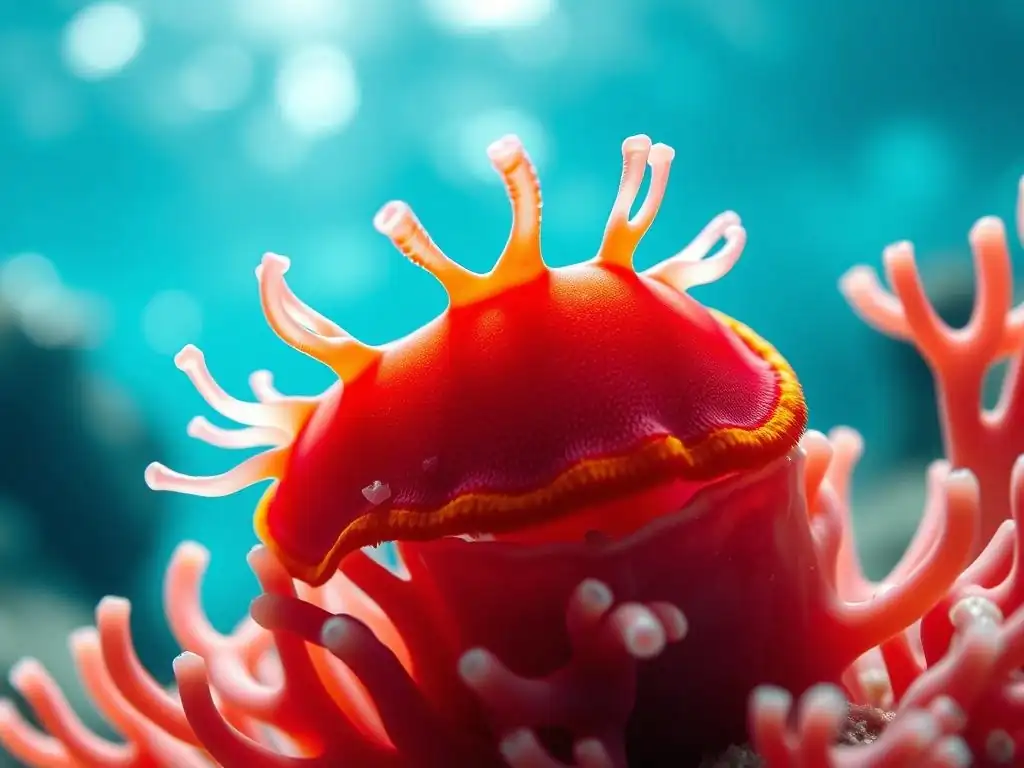
One of the most notorious pest nudibranchs in the reef aquarium hobby is the Montipora-eating nudibranch (MEN), primarily identified as species within the Phestilla genus. These small, often camouflaged nudibranchs are obligate specialists, feeding exclusively on Montipora corals, a popular small polyp stony (SPS) coral.
Their appearance frequently mimics the texture and coloration of the Montipora host, making them incredibly difficult to spot, particularly in their juvenile stages. They will typically hide within the coral's polyps or crevices during the day and emerge at night to feed, leaving behind distinctive white bite marks where the coral tissue has been consumed.
A small infestation of even 5-10 MEN can cause significant damage to a 6-inch Montipora digitata colony within a week, leading to tissue recession and eventual coral death if left unchecked. Control methods are labor-intensive and include manual removal using tweezers or a siphon, often requiring daily inspection.
Freshwater dips can also be effective in dislodging them, but care must be taken not to stress the coral excessively. Some aquarists attempt to introduce certain wrasse species, like the Six-Line Wrasse, hoping they will predate on the nudibranchs, though this is not always a reliable solution and carries the risk of the wrasse nipping at other desirable invertebrates.
Aiptasia Eating Nudibranchs: The Berghia Nudibranch Solution
For aquarists battling outbreaks of the invasive Aiptasia anemone, the Berghia stephanieae nudibranch (formerly Berghia verrucicornis) offers a highly effective and natural biological control solution. These small, translucent aeolid nudibranchs are obligate feeders on Aiptasia anemones, consuming them entirely without harming other corals or invertebrates. Unlike chemical treatments, Berghia will actively seek out and consume Aiptasia of all sizes, making them an invaluable asset for targeted pest control in reef tanks.
A single adult Berghia can consume several small Aiptasia anemones per day, or one large one over a few days. For effective control of a moderate infestation, an initial introduction of 1 Berghia per 10-20 Aiptasia is often recommended to establish a breeding population. However, it's crucial to understand that once the Aiptasia population is depleted, the Berghia will starve and perish if no alternative food source is provided. This specialized colorful nudibranch feeding habit makes them excellent temporary solutions but requires careful management or re-homing once their primary food source is gone.
Nudibranchs that Feed on Sponges: Dietary Preferences
Many species of dorid nudibranchs exhibit highly specialized colorful nudibranch feeding habits centered around sponges. These nudibranchs, often belonging to genera such as Chromodoris, Hypselodoris, and Glossodoris, are renowned for their incredibly vibrant and intricate patterns, which are often directly linked to the pigments and secondary metabolites they absorb from their sponge diets. They typically use their radula to scrape off the tissue of specific sponge species, ingesting both the nutritional components and the defensive chemicals that make the sponges unpalatable to other predators.
A prime example is Hypselodoris bullockii, commonly known as Bullock's Nudibranch, which is often observed feeding on specific blue sponges. Its striking purple and yellow coloration is believed to be derived from these very sponges, showcasing a fascinating connection between its diet and its appearance. While these nudibranchs are beautiful, their extreme dietary specificity makes them incredibly challenging to keep in home aquariums, as the precise sponge species they require are rarely available or identifiable within the hobby. Without their specific food source, these sponge-eating nudibranchs will rapidly starve, making responsible acquisition and care a significant concern.
Aeolid Nudibranchs: Cerata and Kleptocnidae
Aeolid nudibranchs are a distinct group characterized by the presence of numerous finger-like or club-shaped appendages called cerata, which cover their backs. These cerata are not merely decorative; they serve multiple vital functions, including respiration, digestion, and most notably, defense. Many aeolid species are known for their specialized colorful nudibranch feeding habits on cnidarians, such as hydroids, sea anemones, and soft corals. What makes their feeding strategy particularly unique is their ability to sequester the undischarged stinging cells, or nematocysts, from their prey.
This remarkable process, known as kleptocnidae, involves the nudibranch ingesting the nematocysts without triggering them, transporting them through specialized ducts to the tips of their cerata. Once lodged in the cerata, these stolen stinging cells remain potent and can be discharged by the nudibranch for its own defense when threatened. A famous example is Glaucus atlanticus, the "Blue Dragon," which feeds on highly venomous siphonophores like the Portuguese Man o' War and stores their potent nematocysts.
Similarly, the Flabellina iodinea feeds on hydroids and utilizes their stinging cells. This incredible adaptation allows aeolid nudibranchs to deter predators with a powerful, borrowed arsenal, directly linking their diet to their survival mechanism and often their vibrant coloration.
Challenges of Keeping Nudibranchs in Captivity: Meeting Their Dietary Needs
The Importance of Identifying Nudibranch Food Sources Before Introduction
The single most critical factor determining the success or failure of keeping nudibranchs in a captive environment is the precise identification and availability of their specific food source. Given their highly specialized colorful nudibranch feeding habits, introducing a nudibranch to an aquarium without its exact dietary requirement is almost a guaranteed death sentence. Many species will not accept alternative foods, regardless of how nutritious they might appear. This necessitates extensive research into the specific species' natural diet before any acquisition.
Without this crucial understanding, over 90% of nudibranch species introduced to home aquariums without their identified and available specific food source perish within weeks, often within days. Impulse purchases of these beautiful creatures, driven solely by their striking appearance, are a significant ethical concern in the hobby. Responsible aquarists must commit to identifying the precise prey, ensuring its consistent availability, and understanding the long-term implications of their specialized dietary needs before bringing any nudibranch into their system.
Difficulties in Replicating Natural Food Sources in Aquariums
Replicating the natural food sources for the vast majority of nudibranch species in a typical home aquarium setting presents immense and often insurmountable difficulties. Many nudibranchs feed on specific types of sponges, bryozoans, or hydroids that are either exceedingly rare in the aquarium trade, challenging to identify accurately, or practically impossible for the average hobbyist to culture in sufficient quantities. For instance, culturing the specific sponge species required for a Chromodoris annae (Anna's Chromodoris) is a task beyond the capabilities of most home aquarists, leading to the inevitable starvation of the nudibranch.
Furthermore, even if the food source can be identified, maintaining a continuous, healthy supply can be a logistical nightmare. The prey itself may have specific care requirements that are difficult to meet, or it may be consumed faster than it can reproduce or be acquired. This fundamental challenge underscores why only a very limited number of nudibranch species, such as Berghia stephanieae, are ever successfully kept long-term by hobbyists, precisely because their specific Aiptasia food source can be readily propagated or is already present as a pest.
Supplementing Nudibranch Diets: Culturing Food Sources
For the few nudibranch species that can be successfully kept in captivity, the concept of supplementing their diets often translates to actively culturing their specific food sources. This is most feasible for species like Berghia stephanieae, whose exclusive diet of Aiptasia anemones can be intentionally grown and managed.
Aquarists wishing to maintain Berghia long-term, or to ensure a steady supply for ongoing Aiptasia control, often set up a dedicated "Aiptasia farm" in a small, separate tank. This allows for the controlled propagation of the anemones, which can then be periodically transferred to the main display tank or fed directly to the Berghia culture.
Beyond Berghia, the options for culturing specific nudibranch food sources become significantly more complex and, for most species, impractical. While some research has been done on culturing specific hydroids or bryozoans for various nudibranch species, these methods are typically confined to specialized research facilities and are not readily adaptable for the home aquarist. This limitation highlights the stark reality that for the vast majority of nudibranchs, their highly specialized colorful nudibranch feeding habits cannot be sustainably met in a captive environment without advanced aquaculture techniques or continuous access to wild-collected prey.
Identifying and Addressing Nutritional Deficiencies in Nudibranchs
Recognizing Signs of Starvation and Malnutrition
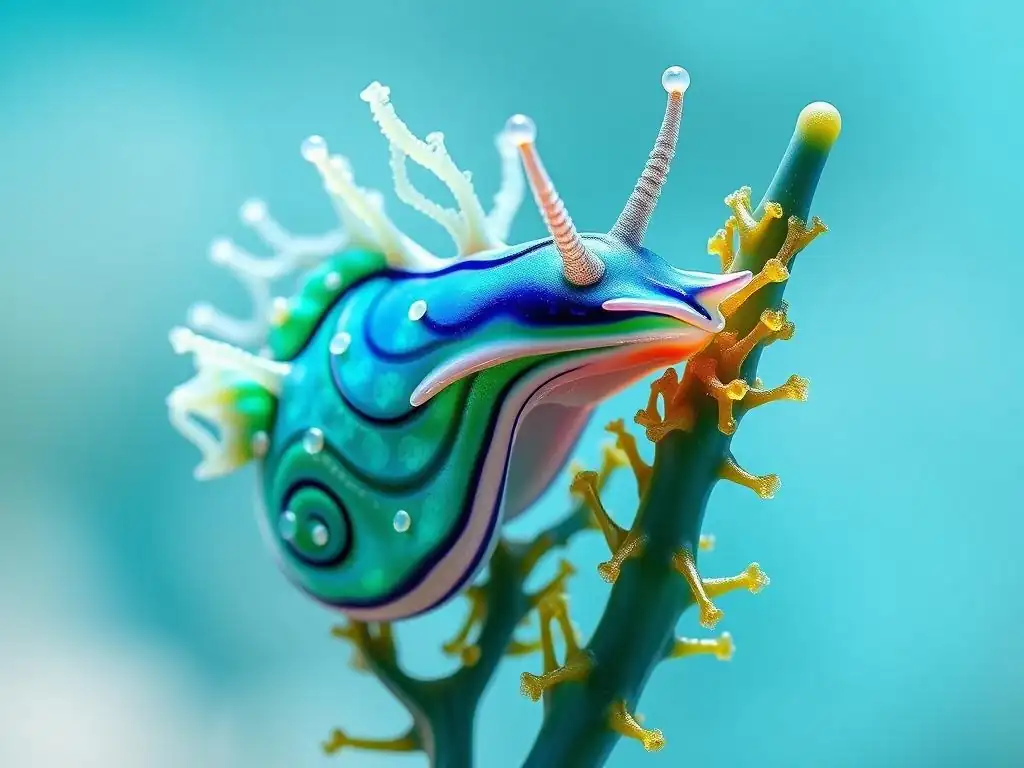
Identifying signs of starvation and malnutrition in nudibranchs is crucial for intervention, although often by the time symptoms are clear, it may be too late. The most prominent and common sign is a noticeable shrinking in size. A healthy nudibranch is typically plump and robust, while a starving one will appear shrunken, emaciated, and often have a reduced volume in its cerata or mantle.
Another key indicator, particularly relevant to their colorful nudibranch feeding habits, is a loss of their vibrant coloration. Many nudibranchs derive their pigments from their diet, so a fading or dulling of their natural hues often signals a lack of appropriate food intake.
Other signs include lethargy and reduced movement; a healthy nudibranch is usually active, exploring its environment. A starving individual may become sluggish, remain stationary for extended periods, or exhibit weak attempts at locomotion. The rhinophores and cerata may also appear retracted or less erect than usual. It's important to act quickly, as a nudibranch can lose up to 50% of its body weight before succumbing to starvation. Prompt recognition of these symptoms and immediate provision of their specific food source are the only ways to potentially reverse the decline.
Adjusting Aquarium Conditions to Support Nudibranch Feeding
Beyond simply providing the correct food, adjusting specific aquarium conditions can significantly support nudibranch feeding and overall health. Adequate water flow is essential, as it helps distribute the chemical cues released by their prey, allowing the nudibranchs to effectively locate their food using their rhinophores. Stagnant water can hinder their ability to find a meal, even if it's nearby. Maintaining stable and optimal water parameters (temperature, salinity, pH, alkalinity, calcium, magnesium) is also critical, as stress from unstable conditions can reduce their feeding drive and overall vitality.
In some cases, it may be necessary to isolate the nudibranch, perhaps in a small container within the main tank or in a dedicated quarantine tank, to ensure it has direct, unimpeded access to its food source. This is particularly useful if the food item is scarce or if there's competition from other tank inhabitants.
For instance, if a Berghia nudibranch is visibly shrinking despite the presence of Aiptasia, moving it to a small, dedicated Aiptasia culture tank can ensure it has a concentrated and continuous food supply, allowing it to recover and thrive. This hands-on approach to environmental management is often vital for the long-term success of these specialized feeders.
The Role of Nudibranchs in a Reef Aquarium Ecosystem
Nudibranchs as Natural Pest Control: Benefits and Limitations
In the context of a reef aquarium, the most recognized beneficial role of nudibranchs is their highly specific function as natural pest control agents. The most prominent example is Berghia stephanieae, which exclusively preys on Aiptasia anemones, offering a chemical-free and targeted solution for these common nuisance pests. Similarly, while often considered a pest themselves in the hobby, Montipora-eating nudibranchs (MEN) do serve a natural role in controlling Montipora coral populations in the wild. This highly specialized colorful nudibranch feeding habit offers a unique approach to managing specific issues within a captive ecosystem.
However, the benefits come with significant limitations. Nudibranchs are not generalist "clean-up crews." Their diets are so precise that a Berghia nudibranch will not touch other common pests like Majano anemones or bubble algae. Once their specific food source is eradicated, they will starve, requiring either re-homing or the establishment of a dedicated food culture. Furthermore, some nudibranch species, like the aforementioned MEN or Zoanthid-eating nudibranchs, are themselves considered pests by aquarists due to their destructive feeding on desirable corals. Therefore, their introduction must be carefully considered based on the specific pest problem and the nudibranch's exact dietary requirements.
Potential Impacts of Nudibranchs on Other Aquarium Inhabitants
Generally, nudibranchs are peaceful inhabitants in a reef aquarium and pose no direct threat to fish or most other invertebrates, unless those organisms happen to be their specific prey. They are not known to nip at or consume healthy corals (unless they are a coral-eating species), nor do they typically compete with other clean-up crew members for food resources. Their impact on the ecosystem is almost entirely limited to their highly specialized dietary interactions.
Conversely, nudibranchs themselves can become prey for various aquarium inhabitants. Certain fish, particularly some wrasse species (e.g., Six-Line Wrasse, Leopard Wrasse), mandarinfish, and even some crabs, may view nudibranchs as a food source, especially if the nudibranch is small or its defensive chemicals are not potent enough to deter the predator. Furthermore, while rare, some nudibranchs, when stressed or consumed, can release defensive chemicals (derived from their diet) into the water column.
While usually not lethal in a well-filtered system, these chemicals could potentially irritate sensitive corals or other invertebrates, causing temporary retraction or stress. A Montipora-eating nudibranch (MEN), for example, poses no direct threat to fish, but it will certainly devastate a prized Montipora coral colony, impacting the overall reef scape and potentially leading to nutrient spikes from the dying coral.
Responsible Nudibranch Acquisition and Care: Ethical Considerations
Sourcing Nudibranchs from Reputable Suppliers
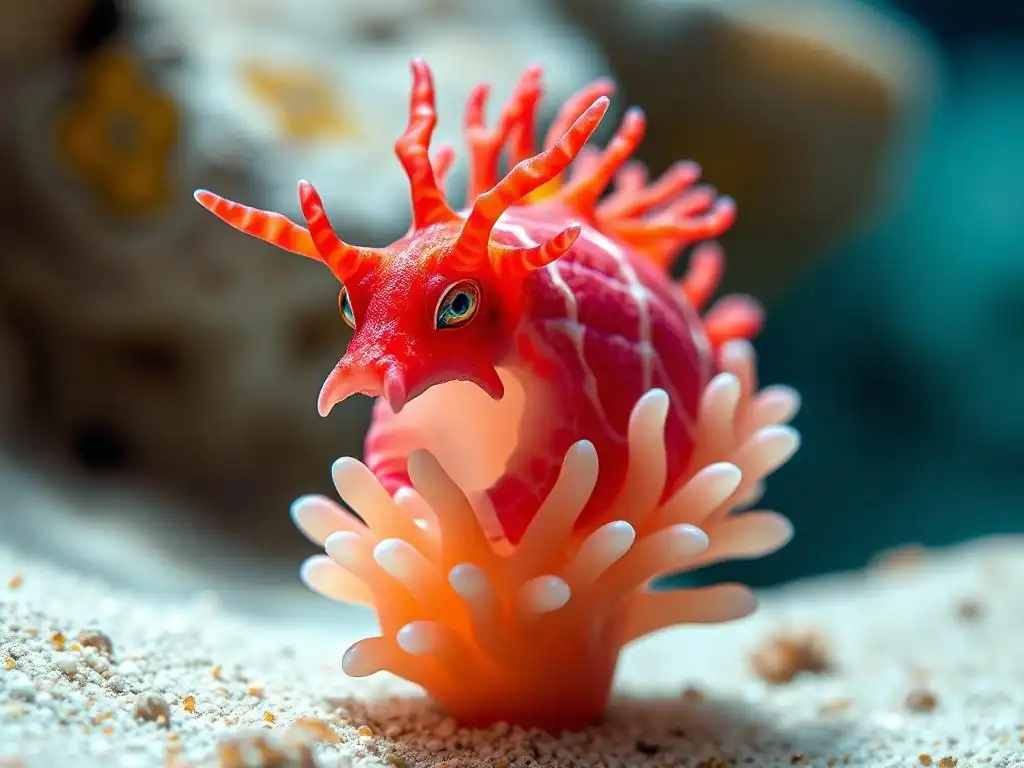
Responsible acquisition of nudibranchs is paramount, given their highly specialized colorful nudibranch feeding habits and the challenges of meeting their dietary needs in captivity. It is crucial to source nudibranchs only from reputable suppliers who possess a thorough understanding of the specific dietary requirements of the species they offer. Such suppliers should be able to confirm the exact food source of the nudibranch and ideally provide information on how it has been fed prior to sale. Avoiding impulse purchases and thoroughly researching the species beforehand is an ethical imperative.
Whenever possible, prioritize nudibranchs that have been aqua-cultured rather than wild-caught. Aqua-cultured species, such as Berghia stephanieae, are typically hardier, less prone to disease, and already accustomed to a captive diet, making their transition to a home aquarium smoother. Currently, only a handful of nudibranch species are regularly aqua-cultured for the hobby dueating to the complexities of their life cycles and specific diets. Supporting these efforts helps reduce pressure on wild populations and promotes more sustainable practices within the marine aquarium trade, ensuring that the colorful nudibranch feeding habits can be observed responsibly.
Acclimation and Quarantine Procedures for New Nudibranchs
Proper acclimation and quarantine procedures are essential steps for introducing any new marine inhabitant, and they are particularly critical for sensitive invertebrates like nudibranchs. Due to their delicate nature and sensitivity to changes in water parameters, a slow drip acclimation method is highly recommended to gradually equalize the temperature, pH, and salinity between the shipping water and the aquarium water. This minimizes stress and reduces the risk of shock, which can be fatal for these fragile creatures.
Following acclimation, a dedicated quarantine tank is not just recommended but often crucial for nudibranchs. This separate system allows the aquarist to closely observe the new nudibranch for signs of feeding, ensuring it is actively consuming its specific food source. For pest-eating nudibranchs, like Berghia, the quarantine tank can double as an "Aiptasia farm," allowing them to begin feeding and grow before being introduced to the main display.
Conversely, for potentially problematic nudibranchs (e.g., Montipora-eating nudibranchs that may hitchhike on corals), a quarantine tank allows for identification and removal before they can wreak havoc in the main system. This diligent approach ensures the health of the new nudibranch and protects the existing aquarium ecosystem.
Conclusion: Appreciating the Beauty and Complexity of Nudibranch Feeding
Summarizing the Importance of Understanding Nudibranch Dietary Needs
The captivating world of nudibranchs, with their astonishing diversity and vibrant colorful nudibranch feeding habits, offers immense beauty and intrigue to the marine aquarist. However, their successful care in captivity hinges entirely on a profound understanding and diligent adherence to their highly specialized dietary requirements.
These creatures are not generalist scavengers; they are obligate feeders, relying on one or a very limited range of specific prey items that must be consistently available. From the sponge-eating dorids that derive their brilliant hues from their diet to the Aiptasia-devouring Berghia nudibranch, each species' survival is inextricably linked to its precise nutritional needs.
Appreciating nudibranchs means acknowledging this complexity. Their mesmerizing appearances are often a direct result of their unique feeding strategies and the compounds they sequester from their prey. Therefore, responsible aquarism dictates thorough research into a nudibranch's specific diet before acquisition, ensuring that its particular food source can be reliably provided. By recognizing and meeting these intricate dietary demands, aquarists can not only witness the full splendor of these marine jewels but also contribute to their ethical and sustainable keeping, fostering a deeper appreciation for the delicate balance of marine ecosystems.
Frequently Asked Questions
What makes nudibranchs so colorful?
Nudibranchs gain their vibrant colors from the pigments in their food. They store these pigments in their tissues, resulting in a dazzling array of hues.
What do nudibranchs typically eat in the wild?
Nudibranchs have highly specialized diets, often feeding on only one or a few types of prey. This includes sponges, hydroids, bryozoans, and even other nudibranchs.
Why is it difficult to keep nudibranchs in aquariums?
Their specialized feeding habits make it challenging to provide them with a consistent food source. Most aquarists struggle to replicate their natural diet.
How can I research a specific nudibranch's diet before acquiring it?
Consult reliable resources like AquariumMastery.com, scientific publications, and expert aquarists. Detailed species profiles are essential for successful care.
Are all nudibranchs difficult to feed in captivity?
While most are challenging, some species are easier to feed than others. Researching their specific dietary needs is crucial for their survival in an aquarium.
Final Reflection: Embracing the Spectrum of Specialization
The vibrant world of nudibranchs, as we've explored, is a testament to the power of specialized adaptation in the face of ecological niches. Their colorful displays are not merely aesthetic; they are often a direct reflection of their highly specific diets, a reminder that beauty and functionality can intertwine in the most unexpected ways. This intricate dance between form and function, between predator and prey, highlights the delicate balance that sustains life beneath the waves and underscores the importance of biodiversity.
The study of these fascinating creatures has profoundly influenced our understanding of marine ecosystems, revealing the interconnectedness of life and the crucial role even the smallest organisms play. It's a constant reminder that every species, no matter how seemingly insignificant, contributes to the richness and resilience of our planet. In nature, nothing exists alone.
- Rachel Carson. This quote perfectly encapsulates the essence of nudibranchs' existence, highlighting their dependence on specific food sources and their contribution to the broader marine food web.
As we conclude this exploration of colorful nudibranch feeding habits, I invite you to reflect on the lessons these tiny creatures offer. Consider how specialization, while seemingly limiting, can unlock incredible potential and beauty. How can you embrace your own unique strengths and contribute to the vibrant tapestry of life around you? Let the nudibranch's dedication to its niche inspire you to find your own, and to celebrate the diversity that makes our world so extraordinary.
Dive Deeper: Embrace the Wonders of the Nudibranch World!
Thank you for exploring the vibrant world of nudibranchs and sea slugs with us! We hope you’ve gained a new appreciation for these colorful, specialized creatures. Ready to take your fascination further?
Here are some actionable steps you can take right now:
- Become a Nudibranch Spotter: Keep an eye out during your next dive or visit to a public aquarium! Share your photos online using the hashtag #AquariumMasteryNudibranchs.
- Research a specific species of nudibranch that fascinates you. Delve into its unique diet, habitat, and conservation status.
- Share this article with fellow marine enthusiasts to spread awareness about these amazing animals.
What's one surprising fact you learned about nudibranchs that you can share with others to spark their interest?