
Dwarf Cichlid Color Morphs: Beauty, Genetics, and Care Differences

Welcome to Aquarium Mastery!
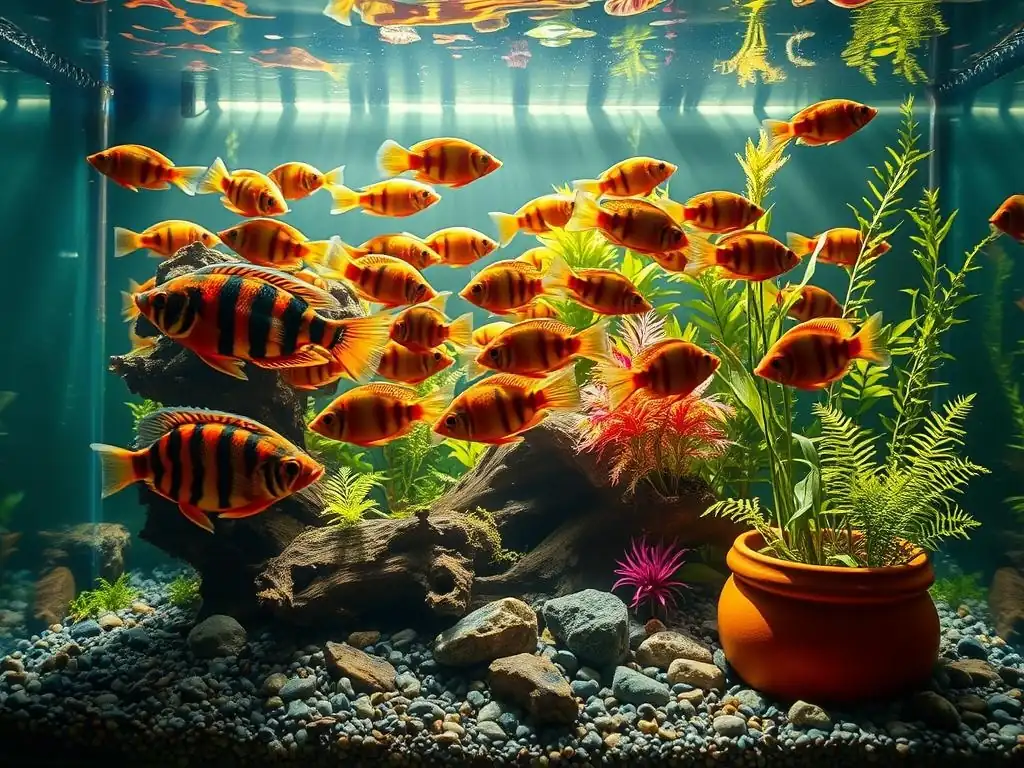
Ever been mesmerized by the vibrant hues of a Dwarf Cichlid? We're diving deep into the captivating world of Dwarf Cichlid Color Morphs, exploring the genetic secrets behind their stunning variations and uncovering if their care differs from standard types. Intrigued? Let's unlock the secrets to keeping these miniature jewels thriving in your freshwater aquarium!
- Apistogramma Color Morphs: Beauty, Genetics, and Care Differences
- Understanding Apistogramma Color Morphs
- Key Differences in Care for Various Apistogramma Color Morphs
- Specific Apistogramma Color Morph Care Guides
- Common Health Issues in Apistogramma Color Morphs
- Selecting the Right Apistogramma Color Morph for Your Aquarium
- Enhancing the Color of Your Apistogramma
- Advanced Topics in Apistogramma Color Morph Genetics
-
Frequently Asked Questions
- What exactly are dwarf cichlid color morphs, and how do they differ from the "standard" coloration?
- Does the care differ significantly between different color morphs of the same dwarf cichlid species?
- How do I ensure that I am getting a genuine dwarf cichlid color morph and not a hybrid or a fish with faded colors?
- Are some dwarf cichlid color morphs more aggressive or peaceful than others?
- What water parameters are most crucial for maintaining vibrant colors in dwarf cichlid color morphs?
- Final Reflection: Unveiling the Spectrum of Dwarf Cichlid Care
- Unleash the Vibrant World of Dwarf Cichlids!
Apistogramma Color Morphs: Beauty, Genetics, and Care Differences
Understanding Apistogramma Color Morphs
What are Apistogramma Color Morphs? A Beginner's Guide
Apistogramma color morphs refer to the distinct and often striking variations in coloration and finnage observed within different species of the Apistogramma genus, a popular group of dwarf cichlids. These variations can range from subtle differences in hue to dramatic shifts in patterns, intensity, and the development of elongated fins.
Unlike distinct species, color morphs are typically genetic variations within a single species or selectively bred lines that enhance specific aesthetic traits, making them highly sought after by aquarists. For instance, the Apistogramma cacatuoides boasts several recognized morphs such as 'Orange Flash,' 'Triple Red,' and 'Super Red,' each displaying unique patterns of red and orange on their fins and bodies.
The appeal of these dwarf cichlid color morphs lies not only in their visual splendor but also in their relatively small size, making them suitable for smaller aquariums (often 10-20 gallons for a pair) compared to larger cichlid species. Understanding these morphs is crucial for aquarists aiming to appreciate the diversity within the Apistogramma genus and to provide appropriate dwarf cichlid color morph care, as certain genetic lines might exhibit subtle differences in robustness or specific needs.
The vibrant displays of blues, reds, yellows, and iridescent scales are a testament to the genus's evolutionary adaptability and the dedication of breeders to highlight these natural beauties.
The Genetic Basis of Color Variations in Apistogramma
The stunning array of colors in Apistogramma dwarf cichlids is primarily governed by complex genetic interactions, involving multiple genes that control the production and distribution of various pigment cells. These cells, known as chromatophores, include melanophores (black/brown), xanthophores (yellow/orange), erythrophores (red), and iridophores (iridescent/structural colors).
For example, the intense red and orange hues seen in Apistogramma cacatuoides 'Triple Red' are often the result of selective breeding that amplifies the expression of erythrophores and xanthophores, concentrating these pigments in the fins and parts of the body. While specific genetic mapping for every Apistogramma color morph is still an ongoing area of study, it's understood that many traits follow polygenic inheritance patterns, meaning multiple genes contribute to the final phenotype.
Beyond simple Mendelian inheritance, environmental factors can also influence the expression of these genetic predispositions. Optimal water parameters, high-quality nutrition, and a stress-free environment can significantly enhance the vibrancy and intensity of a dwarf cichlid's coloration, demonstrating the intricate relationship between genetics and environmental conditions.
Breeders often focus on traits like fin extension, body shape, and specific color patterns, carefully selecting individuals with desirable characteristics to propagate and stabilize new color morphs. This methodical approach ensures that the genetic potential for these striking colors is passed down through generations, allowing aquarists to enjoy increasingly diverse and beautiful dwarf cichlid color morphs.
Popular Apistogramma Color Morph Examples
Among the myriad of Apistogramma species, several have become particularly renowned for their captivating color morphs, each offering unique aesthetic appeal. The Apistogramma cacatuoides, often called the Cockatoo Dwarf Cichlid, is perhaps the most popular, with its 'Orange Flash,' 'Triple Red,' and 'Super Red' morphs displaying varying degrees of red and orange coloration on their dorsal and caudal fins, often with striking black outlines. These morphs are characterized by their elaborate finnage, particularly in males, which resembles a cockatoo's crest.
Another highly sought-after species is Apistogramma agassizii, which boasts morphs like 'Double Red' and 'Fire Red.' These variations exhibit vibrant red or orange coloration extending from the caudal fin along the body, often contrasting with iridescent blue or green scales on their flanks.
The Apistogramma borellii 'Opal' is another exquisite example, known for its iridescent blue and yellow hues, particularly prominent in mature males. This morph often displays a shimmering, almost pearlescent quality across its body, making it a true gem in a planted aquarium.
Similarly, the Apistogramma macmasteri 'Super Red' showcases an intense red and orange coloration across its body and fins, often accompanied by a distinct black lateral spot. Each of these dwarf cichlid color morphs provides a unique visual spectacle, and while their basic care requirements are similar to their wild counterparts, understanding their specific genetic traits is key to appreciating their full beauty and ensuring proper dwarf cichlid color morph care for their longevity and vibrancy.
Key Differences in Care for Various Apistogramma Color Morphs
Do Different Color Morphs Require Specific Tank Conditions?
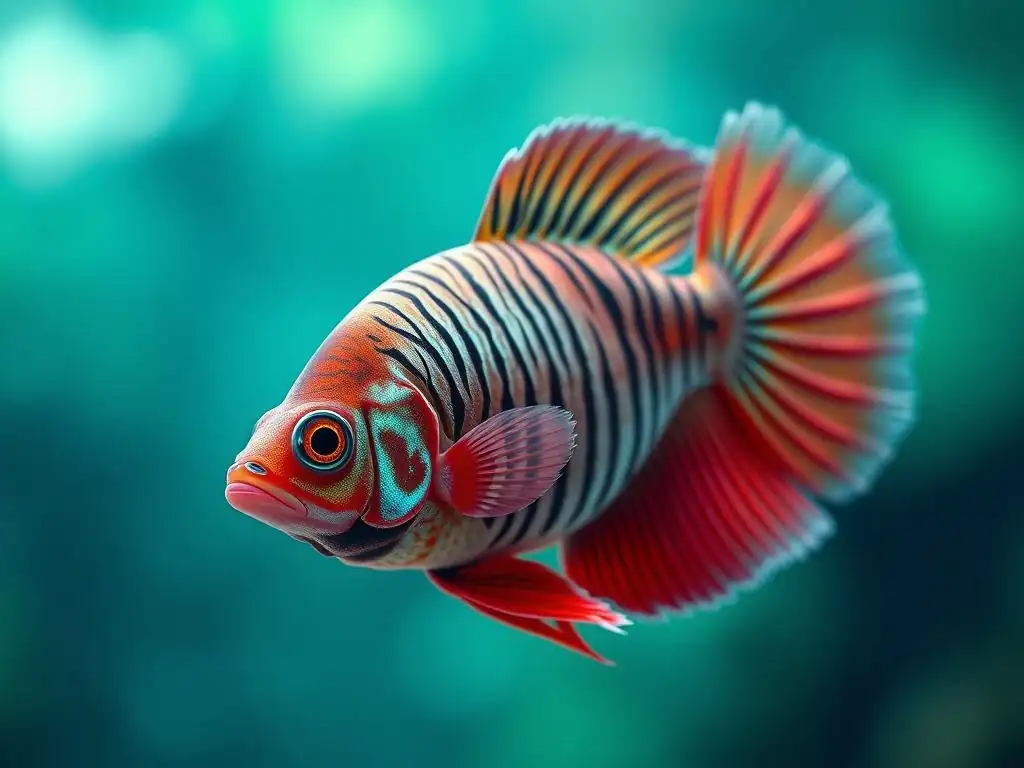
While the core principles of dwarf cichlid care remain consistent across most Apistogramma species and their color morphs, subtle nuances in tank conditions can optimize their health and coloration. Generally, Apistogramma thrive in soft, acidic water, with a pH range of 5.5 to 7.0 and temperatures between 75-82°F (24-28°C).
However, some wild-caught or recently derived morphs might show a slight preference for conditions closer to their ancestral habitats. For instance, species originating from blackwater environments like Apistogramma agassizii might benefit from slightly lower pH (around 5.5-6.5) and the addition of tannins from driftwood or Indian almond leaves, which mimic their natural habitat and can enhance their coloration and overall well-being.
Conversely, some commercially bred color morphs, having been raised in diverse conditions over many generations, can be more adaptable to a slightly wider range of parameters, perhaps tolerating a pH closer to neutral (7.0). Despite this adaptability, maintaining stable water parameters is paramount for all dwarf cichlid color morph care.
Sudden fluctuations in pH, temperature, or hardness can stress these sensitive fish, leading to faded colors and increased susceptibility to disease. Aquarists aiming for peak coloration and breeding success should strive to replicate the ideal conditions for their specific Apistogramma species or morph, ensuring a well-established, mature tank with ample hiding spots and minimal current.
Dietary Needs of Different Apistogramma Color Variations
The dietary needs of different Apistogramma color variations are largely consistent across the genus, as they are primarily micro-predators in their natural habitats, feeding on small invertebrates and detritus. A high-quality diet is crucial for maintaining vibrant coloration and overall health in all dwarf cichlid color morphs. This typically includes a varied regimen of live, frozen, and high-quality prepared foods. Live foods such as brine shrimp, daphnia, mosquito larvae, and small worms (like blackworms or grindal worms) are excellent for conditioning breeding pairs and enhancing color intensity due to their rich nutrient profile.
Frozen foods like bloodworms, mysis shrimp, and finely chopped krill also provide essential proteins and lipids. For daily feeding, a good quality sinking pellet or flake food specifically formulated for cichlids, rich in astaxanthin or spirulina, can significantly contribute to color development.
While specific color morphs do not inherently demand different food types, ensuring a diet rich in carotenoids (found in foods like spirulina, krill, and some specialized color-enhancing pellets) will directly influence the vibrancy of red and orange hues. A varied diet prevents nutritional deficiencies and encourages natural foraging behaviors, which are vital aspects of comprehensive dwarf cichlid color morph care.
Temperament and Compatibility: Color Morph Considerations
The temperament and compatibility of Apistogramma color morphs generally follow the patterns observed in their wild counterparts, though individual personality can vary. Most Apistogramma species are considered peaceful dwarf cichlids suitable for community tanks, provided they are kept with appropriately sized, non-aggressive tank mates. However, males can be territorial, especially during breeding, and this territoriality can be more pronounced in some species or particularly dominant individuals. For example, Apistogramma cacatuoides males tend to be more outwardly assertive than, say, Apistogramma borellii males, regardless of their specific color morph.
When considering a community tank, it's crucial to select tank mates that occupy different levels of the water column and will not compete for food or territory. Small schooling fish like neon tetras, rasboras, or pencil fish are often excellent companions. Avoid fin-nippers or overly boisterous species that could stress the Apistogramma.
For successful dwarf cichlid color morph care, especially when keeping multiple Apistogramma pairs or groups, ample space (at least 20 gallons per pair, with larger tanks for multiple pairs), numerous hiding spots, and visual barriers (from plants and decor) are essential to mitigate aggression and allow each fish to establish its own territory. This thoughtful approach to tank setup directly impacts the well-being and vibrant display of these beautiful cichlids.
Specific Apistogramma Color Morph Care Guides
Caring for Apistogramma cacatuoides Orange Flash: A Detailed Guide
The Apistogramma cacatuoides 'Orange Flash' is a highly popular dwarf cichlid color morph, prized for its striking orange and red highlights on the fins, particularly the caudal and dorsal fins, often resembling a fiery crest. To ensure optimal dwarf cichlid color morph care for this variety, a tank of at least 15-20 gallons is recommended for a single pair, providing ample space for territory establishment.
The water parameters should be soft and acidic, with a pH between 6.0 and 7.0, and a temperature range of 76-80°F (24-27°C). Regular small water changes (15-20% weekly) are crucial to maintain pristine water quality and prevent the buildup of nitrates, which can stress the fish and dull their colors.
The tank environment should be heavily planted with live plants like Cryptocoryne and Java Fern, offering plenty of hiding spots and visual barriers. Driftwood and leaf litter (e.g., Indian almond leaves) are also highly beneficial, releasing tannins that create a natural blackwater environment, which not only enhances their coloration but also provides antibacterial properties.
A varied diet consisting of high-quality flakes or micro-pellets supplemented with frozen or live foods like brine shrimp, daphnia, and bloodworms is essential for maintaining their vibrant orange hues and overall health. Providing caves or overturned clay pots will encourage natural behavior and provide potential breeding sites, key aspects of comprehensive Apistogramma cacatuoides color morph care.
Apistogramma agassizii Double Red Care: Tank Setup and Maintenance
The Apistogramma agassizii 'Double Red' is another captivating dwarf cichlid color morph, distinguished by its vibrant red coloration extending from the caudal fin along the body, often with iridescent blue or green scales on the flanks. For proper dwarf cichlid color morph care of this species, a minimum tank size of 20 gallons is advisable for a single pair, as A. agassizii can be slightly more territorial than some other Apistogramma species.
Water parameters should ideally be soft and acidic, with a pH range of 5.5-6.5 and a temperature of 75-80°F (24-27°C). Consistent water quality is critical; therefore, a reliable filtration system and weekly water changes of 20-25% are recommended.
The tank setup should mimic a natural blackwater stream, featuring a dark substrate, dense planting, and numerous hiding spots created by driftwood, rocks, and ceramic caves. The use of Indian almond leaves or alder cones can further acidify the water and provide beneficial tannins, which are known to enhance the 'Double Red's' coloration and boost their immune system.
Their diet should be rich in protein, including a mix of live foods (such as microworms, grindal worms, and brine shrimp nauplii), frozen foods (like bloodworms and mysis shrimp), and high-quality sinking pellets or flakes that contain color-enhancing ingredients. Providing optimal conditions for Apistogramma agassizii 'Double Red' is fundamental to showcasing its stunning beauty and ensuring its long-term health.
Breeding Apistogramma borellii Opal: Tips for Success
Breeding the Apistogramma borellii 'Opal' is a rewarding experience, as this dwarf cichlid color morph is known for its iridescent blue and yellow hues and relatively peaceful disposition. To encourage spawning, a dedicated breeding tank of at least 10-15 gallons is ideal, though breeding can occur in a larger community tank if conditions are suitable.
The water should be soft (GH 0-5 dH) and acidic (pH 5.0-6.5), with a stable temperature of 78-82°F (26-28°C). The presence of a mature filter and consistent water changes (10-15% every few days) are essential to maintain pristine water quality, which often triggers spawning behavior.
Key to successful breeding of Apistogramma borellii is providing suitable spawning sites. These cichlids are cave spawners, so ceramic caves, small overturned flower pots, or coconut shells are indispensable. The female will typically select a cave and lay her eggs on the ceiling or side, with clutches ranging from 30 to 100 eggs.
The female takes primary responsibility for guarding the eggs and fry, while the male defends the territory. Feeding the breeding pair a high-protein diet of live foods such as newly hatched brine shrimp, daphnia, and microworms will condition them for spawning and provide essential nutrients for the developing fry. Once hatched (typically 3-5 days), the fry can be fed infusoria, then newly hatched brine shrimp, making dwarf cichlid color morph care for the next generation a fulfilling endeavor.
Common Health Issues in Apistogramma Color Morphs
Identifying and Treating Diseases in Apistogramma trifasciata
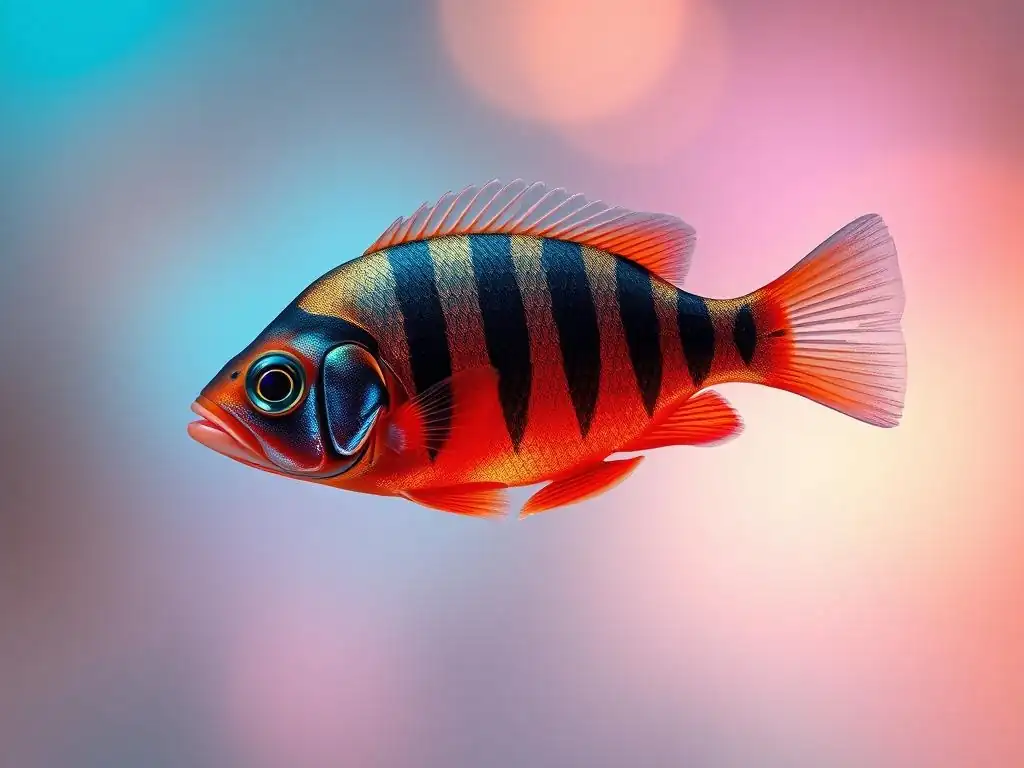
Like all freshwater fish, Apistogramma trifasciata and its color morphs are susceptible to common aquarium diseases, particularly when stressed by poor water quality, improper diet, or incompatible tank mates. One of the most prevalent issues is Ich (White Spot Disease), caused by the parasite Ichthyophthirius multifiliis. Symptoms include small white spots resembling salt grains on the body and fins, rapid breathing, and flashing against objects. Treatment typically involves raising the water temperature gradually to 82-86°F (28-30°C) for several days (if compatible with other tank inhabitants) and using an anti-parasitic medication containing malachite green or formalin, following manufacturer instructions carefully.
Another common ailment is Fin Rot, often caused by bacterial infections exacerbated by poor water conditions or physical injury. Symptoms include frayed, ragged, or disintegrating fins, sometimes with a reddish inflammation at the base. Early treatment with broad-spectrum antibacterial medications, coupled with immediate and significant water changes to improve water quality, is crucial.
Dropsy, characterized by a swollen body and scales protruding outwards (pinecone effect), is usually a symptom of severe internal bacterial infection or organ failure and is often fatal. Prevention through meticulous dwarf cichlid color morph care, focusing on stable, clean water, a balanced diet, and minimizing stress, is far more effective than attempting to cure advanced diseases.
Preventing Health Problems Through Proper Care of Apistogramma Color Morphs
Prevention is the cornerstone of successful dwarf cichlid color morph care and the best defense against health problems. Maintaining pristine and stable water quality is paramount. This includes performing regular, weekly water changes (20-30% of the tank volume), thoroughly vacuuming the substrate to remove uneaten food and detritus, and ensuring efficient filtration. The water parameters, particularly pH, hardness, and temperature, should be kept consistent and within the ideal range for the specific Apistogramma species or morph, as sudden fluctuations can severely stress the fish and compromise their immune system.
A high-quality, varied diet is another critical preventative measure. Feeding a mix of live, frozen, and premium dry foods ensures that Apistogramma receive all necessary nutrients, vitamins, and minerals, which directly contribute to a robust immune system. Overfeeding should be avoided, as it leads to poor water quality and digestive issues.
Providing an appropriately sized tank with ample hiding spots, caves, and visual barriers reduces stress and aggression, especially important for territorial males. Quarantining new fish for 2-4 weeks before introducing them to the main display tank is also a vital step to prevent the introduction of diseases, safeguarding the health of your existing dwarf cichlid color morphs.
Water Quality and its Impact on Apistogramma Coloration
Water quality plays an indispensable role not only in the health but also in the vibrant coloration of Apistogramma dwarf cichlid color morphs. Poor water conditions, characterized by high levels of ammonia, nitrite, or nitrate, can quickly lead to stress, disease, and a noticeable dulling or fading of colors.
For instance, high nitrate levels above 20 ppm over prolonged periods can cause chronic stress, leading to a washed-out appearance in even the most brightly colored morphs like Apistogramma cacatuoides 'Triple Red.' Conversely, pristine water with low nitrate levels (ideally below 10 ppm) allows the fish to display their full genetic potential for coloration.
The specific parameters of pH and water hardness also significantly influence color expression. Many Apistogramma species originate from soft, acidic blackwater environments. Replicating these conditions (e.g., pH 5.5-6.5, GH 0-5 dH) through the use of reverse osmosis (RO) water, peat filtration, or Indian almond leaves can enhance the intensity and depth of their natural hues.
The tannins released by botanical additives not only acidify the water but also provide a natural backdrop that makes colors pop. Optimal dwarf cichlid color morph care thus encompasses rigorous attention to water chemistry, ensuring that environmental factors actively support, rather than detract from, their stunning beauty.
Selecting the Right Apistogramma Color Morph for Your Aquarium
Factors to Consider When Choosing a Color Morph
When selecting an Apistogramma color morph for your aquarium, several factors should be carefully considered to ensure a successful and rewarding experience. Firstly, evaluate the compatibility of the morph's specific needs with your existing tank setup and water parameters. While most Apistogramma prefer soft, acidic water, some morphs or wild-caught variants may have more stringent requirements. For instance, a tank with a naturally high pH might not be ideal for a delicate Apistogramma borellii 'Opal' without significant water modification.
Secondly, consider the adult size and temperament of the chosen morph. While all are dwarf cichlids, some, like A. cacatuoides, can be more territorial, especially males, requiring more space or careful tank mate selection. Research the specific morph's maximum size (typically 2-3 inches for males, smaller for females) and its known aggression levels. Thirdly, assess the availability and cost.
More rare or newly developed dwarf cichlid color morphs might be harder to find and significantly more expensive. Lastly, and perhaps most importantly for aesthetic appeal, consider the specific coloration and finnage that appeals most to you. Whether it's the fiery reds of an 'Orange Flash' or the iridescent blues of an 'Opal,' choose a morph that will bring you joy and complement your aquarium's aesthetic, ensuring you are prepared for its specific dwarf cichlid color morph care needs.
Compatibility with Other Fish Species in a Community Tank
Ensuring compatibility with other fish species is a critical aspect of successful dwarf cichlid color morph care in a community aquarium. Apistogramma are generally peaceful dwarf cichlids, but males can become territorial, particularly during breeding. Therefore, careful selection of tank mates is essential to prevent stress and aggression.
Ideal tank mates include small, peaceful schooling fish that occupy the upper and middle water columns, leaving the bottom territory to the Apistogramma. Examples include various species of Tetras (e.g., Neon Tetras, Cardinal Tetras, Ember Tetras), Rasboras (e.g., Harlequin Rasboras, Chili Rasboras), and Pencilfish. These species are typically too fast for Apistogramma to bother and do not compete for bottom space or food.
Avoid keeping Apistogramma with large, aggressive, or fin-nipping fish that could intimidate or harm them. Also, refrain from housing multiple male Apistogramma of the same or very similar species in tanks smaller than 40-50 gallons unless ample territories are provided. If keeping multiple Apistogramma species, ensure they are distinct enough in appearance and behavior to minimize inter-species aggression.
Providing plenty of hiding spots, caves, and visual barriers through dense planting and driftwood is crucial to allow Apistogramma to establish their territories and retreat when feeling threatened. This thoughtful approach minimizes stress and promotes the vibrant display of your dwarf cichlid color morphs.
Finding Reputable Breeders and Suppliers of Apistogramma Color Morphs
Finding reputable breeders and suppliers is paramount for acquiring healthy and genetically sound Apistogramma color morphs. A reputable source will typically provide detailed information about the fish's origin, specific morph, and care requirements. They prioritize the health and well-being of their fish, often maintaining clean, well-maintained facilities and demonstrating knowledge about the species they sell. Look for suppliers who can accurately identify the scientific name and specific color morph, rather than just generic descriptions, as this indicates a deeper understanding and commitment to quality dwarf cichlid color morph care.
Online forums and local aquarium clubs are excellent resources for recommendations. Many experienced aquarists can point you towards trusted breeders who specialize in Apistogramma. When purchasing online, investigate the seller's shipping practices, guarantees, and customer reviews.
A good breeder will typically offer a live arrival guarantee and use proper packing methods to minimize stress during transit. Visiting local fish stores that specialize in freshwater fish can also be beneficial, allowing you to observe the fish directly for signs of health (active swimming, clear eyes, intact fins, vibrant coloration) before purchase. Investing in fish from a reputable source reduces the risk of introducing diseases into your aquarium and ensures you start with robust, beautiful dwarf cichlid color morphs.
Enhancing the Color of Your Apistogramma
Optimizing Diet for Vibrant Colors
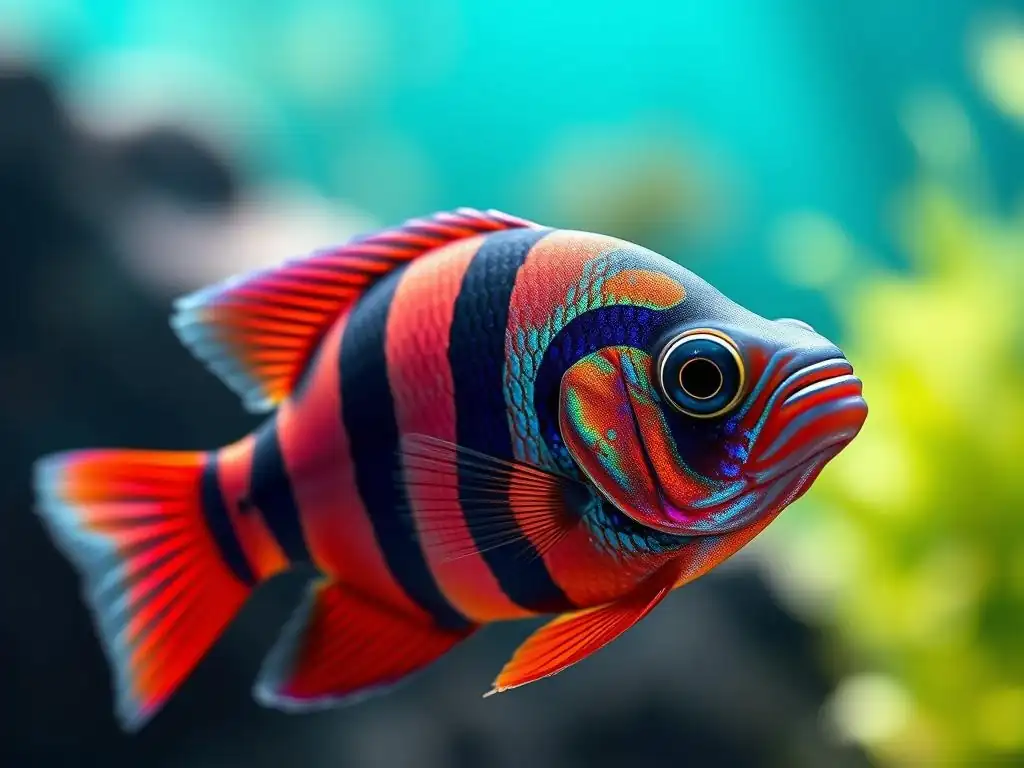
Optimizing the diet is one of the most effective ways to enhance and maintain the vibrant colors of your Apistogramma dwarf cichlid color morphs. The key lies in providing a varied diet rich in natural pigments, particularly carotenoids. These organic pigments are responsible for the red, orange, and yellow hues found in many fish and cannot be synthesized by the fish themselves; they must be obtained through their diet.
Foods rich in carotenoids include spirulina, astaxanthin, and krill. High-quality dry foods specifically formulated as color-enhancing pellets or flakes often contain these ingredients. For example, feeding a premium pellet with a high percentage of spirulina can significantly intensify the blues and yellows in an Apistogramma borellii 'Opal,' while astaxanthin-rich foods will boost the reds in an Apistogramma cacatuoides 'Triple Red.'
Beyond specialized color-enhancing foods, a diverse diet including live and frozen options is crucial. Live foods such as brine shrimp (especially enriched with spirulina), daphnia, and bloodworms not only provide essential nutrients but also stimulate natural hunting behaviors, reducing stress and promoting overall health. Frozen foods like mysis shrimp and finely chopped krill are also excellent sources of protein and natural pigments. Regularly rotating between different food types ensures a comprehensive nutrient intake and prevents "picky eater" habits. Consistent, high-quality nutrition is a fundamental aspect of dwarf cichlid color morph care, directly translating into more intense and striking coloration.
The Role of Lighting in Apistogramma Coloration
Lighting plays a significant, though often underestimated, role in enhancing the perceived and actual coloration of Apistogramma dwarf cichlid color morphs. While lighting doesn't directly alter the fish's genetic pigment production, it dramatically affects how those colors are displayed to the human eye. Full-spectrum LED lights with adjustable color temperatures are ideal. Lights with a higher Kelvin rating (e.g., 6500K to 10000K) often bring out blues and greens, making iridescent scales shimmer more intensely. Conversely, lights with a slightly warmer tone (around 6500K with a red spectrum boost) can make reds and oranges appear more vibrant and saturated.
Beyond color temperature, the intensity and duration of lighting also matter. Excessive or prolonged lighting (more than 8-10 hours a day) can stress Apistogramma, which prefer dimly lit environments in their natural habitat. This stress can lead to faded colors.
Providing shaded areas through dense planting, floating plants, and driftwood allows the fish to seek refuge from intense light, reducing stress and encouraging them to display their best colors when they feel secure. Optimal lighting, therefore, is not just about brightness but about creating an environment that mimics their natural habitat, allowing their true genetic potential for coloration to shine through as part of holistic dwarf cichlid color morph care.
Water Parameters and Color Enhancement
Water parameters are fundamental to the health and, consequently, the vibrant coloration of Apistogramma dwarf cichlid color morphs. Stable and appropriate water chemistry directly influences the fish's well-being, which in turn dictates their ability to display their full genetic potential for color.
Apistogramma species generally thrive in soft to very soft water (GH 0-8 dH) and acidic conditions (pH 5.0-7.0), mimicking their native blackwater or clearwater habitats in South America. When these parameters are consistently maintained within the ideal range for the specific species or morph, stress is minimized, and the fish's immune system is robust, allowing energy to be directed towards pigment production and display.
The presence of tannins from driftwood, Indian almond leaves, or alder cones can also significantly enhance coloration. These natural compounds not only lower pH and soften water but also create a "blackwater" effect that darkens the water slightly, providing a natural contrast that makes the fish's colors appear more intense and saturated. For example, the blues and reds of an Apistogramma agassizii 'Double Red' will pop against a tannin-stained backdrop.
Conversely, hard, alkaline water or fluctuating parameters will stress the fish, leading to dull, faded colors and an increased susceptibility to disease. Therefore, meticulous attention to water parameters is not just about survival but is a core component of optimal dwarf cichlid color morph care for achieving breathtaking coloration.
Advanced Topics in Apistogramma Color Morph Genetics
Understanding Inheritance Patterns in Apistogramma Colorations
Understanding the inheritance patterns of Apistogramma colorations involves delving into the principles of genetics, often a mix of Mendelian and polygenic inheritance. While specific genetic markers for every Apistogramma color morph are not fully documented for hobbyists, observations by breeders suggest that some traits, like fin extensions or certain color intensities, may follow a dominant/recessive pattern.
For example, a highly intense red phenotype in an Apistogramma cacatuoides 'Triple Red' might be the result of a homozygous recessive or dominant gene expression that has been selectively bred for. However, the overall vibrant coloration, which involves multiple pigment types (melanophores, xanthophores, erythrophores, iridophores), is typically polygenic, meaning several genes interact to produce the final complex color pattern.
This polygenic nature explains why even within a single spawn, there can be a range of color intensities and patterns, rather than simple binary outcomes. Environmental factors, such as diet and water quality, also play a crucial role in the expression of these genetic traits, influencing how vividly the colors develop.
Breeders often perform test crosses and line breeding over several generations to isolate and stabilize desired color morphs, observing how traits are passed down. This empirical approach, combined with an understanding of basic genetic principles, forms the backbone of advancing dwarf cichlid color morph development and ensuring the continuation of their striking beauty.
Selective Breeding for Specific Color Traits
Selective breeding is the primary method by which new and enhanced Apistogramma color morphs are developed and stabilized. This process involves carefully choosing parent fish that exhibit the most desirable color traits – such as intense red fins, iridescent blue bodies, or specific patterns – and breeding them together. The goal is to concentrate these genetic traits in successive generations, gradually intensifying and fixing the desired coloration.
For example, to develop an Apistogramma cacatuoides 'Super Red,' breeders would continuously select individuals with the deepest and most widespread red pigmentation in their fins and body, culling those that do not meet the desired standard. This process often takes many generations, sometimes years, to achieve a stable line that consistently produces offspring with the desired characteristics.
Beyond simple color intensity, breeders also focus on other aesthetic traits, such as fin shape, body conformation, and the extent of iridescence. This requires a keen eye for detail and a deep understanding of the species' natural variations.
Maintaining meticulous breeding records, including parentage and offspring phenotypes, is crucial for tracking genetic lines and making informed decisions about future crosses. Successful selective breeding for dwarf cichlid color morphs not only enhances their beauty but also contributes to the genetic diversity within captive populations, offering aquarists an ever-expanding palette of stunning fish and driving innovation in dwarf cichlid color morph care.
The Future of Apistogramma Color Morph Development
The future of Apistogramma color morph development promises an even wider array of stunning variations, driven by dedicated breeders and advancements in understanding fish genetics. As genetic mapping technologies become more accessible, it's conceivable that breeders will gain a deeper insight into the specific genes responsible for certain color traits, allowing for more precise and efficient selective breeding. This could lead to the development of novel color combinations and patterns that are currently rare or non-existent in the hobby. Imagine Apistogramma with entirely new iridescent hues or complex, multi-layered color patterns that are currently only dreamt of.
Furthermore, increased global interest in dwarf cichlids will likely lead to more expeditions and discoveries of new wild Apistogramma species, introducing fresh genetic material into the breeding pool. This influx of new genes can be cross-bred with existing morphs (where compatible and ethical) to create hybrid vigor and introduce new color pathways.
The emphasis will continue to be on developing robust, healthy lines that are not only beautiful but also adaptable to aquarium conditions, ensuring that future dwarf cichlid color morph care remains manageable for aquarists. The intersection of scientific understanding, passionate breeding, and the natural beauty of these fish ensures a vibrant and colorful future for Apistogramma enthusiasts.
Frequently Asked Questions
What exactly are dwarf cichlid color morphs, and how do they differ from the "standard" coloration?
Color morphs are variations within a species that exhibit different color patterns or intensities due to genetic mutations or selective breeding. They differ from the standard coloration by displaying brighter hues, unique patterns, or completely different base colors.
Does the care differ significantly between different color morphs of the same dwarf cichlid species?
Generally, no. While some anecdotal evidence suggests slight variations, the core care requirements – water parameters, diet, and tank size – remain largely the same across color morphs of a specific dwarf cichlid species.
How do I ensure that I am getting a genuine dwarf cichlid color morph and not a hybrid or a fish with faded colors?
Purchase from a reputable breeder or aquarium store that can guarantee the lineage and health of the fish. Look for consistent and vibrant coloration as well as signs of good health, and research the specific characteristics of the color morph you're interested in.
Are some dwarf cichlid color morphs more aggressive or peaceful than others?
Aggression levels are primarily species-specific, but individual temperament can vary. There's no conclusive evidence that color morphs directly influence aggression. Observing the fish before purchase is crucial.
What water parameters are most crucial for maintaining vibrant colors in dwarf cichlid color morphs?
Maintaining stable and appropriate water parameters is vital. This includes pH, temperature, and water hardness. A clean and well-maintained tank promotes optimal health and coloration in your dwarf cichlids.
Final Reflection: Unveiling the Spectrum of Dwarf Cichlid Care
The vibrant tapestry of dwarf cichlid color morphs, as we've explored, isn't just a feast for the eyes; it's a testament to the intricate dance between genetics and environment. Understanding the nuances of each morph's specific needs is paramount to responsible fishkeeping, ensuring these miniature jewels thrive in our aquariums and continue to captivate future generations of aquarists. The information presented here serves as a crucial foundation for anyone venturing into the world of these fascinating fish.
The allure of these colorful creatures has undeniably shaped the aquarium hobby, driving innovation in breeding techniques and a deeper appreciation for the biodiversity within our aquatic ecosystems. My own journey into keeping dwarf cichlids has been a constant learning experience, reinforcing the importance of meticulous research and observation. In the end, we will conserve only what we love; we will love only what we understand; and we will understand only what we are taught.
- Baba Dioum. This quote perfectly encapsulates the responsibility we bear as keepers of these delicate beings.
Now, armed with a greater understanding of dwarf cichlid color morph care, I encourage you to reflect on your own role in the aquarium hobby. Consider how you can contribute to responsible breeding practices, promote ethical sourcing, and share your knowledge with others. Let the beauty of these fish inspire you to become a more informed and conscientious aquarist, ensuring the vibrant future of these captivating creatures for years to come.
Unleash the Vibrant World of Dwarf Cichlids!
Thank you for exploring the mesmerizing world of dwarf cichlid color morphs with us. We hope you've discovered the beauty and unique characteristics that make these little gems so captivating. Now, let's dive into action!
Here's how you can further immerse yourself in the world of these colorful creatures:
- Commit to researching a specific dwarf cichlid color morph that resonates with you and draft a detailed care plan tailored to their needs. This detailed plan should cover everything from tank size to potential tankmates.
- Explore online forums and connect with other dwarf cichlid enthusiasts. Share your newfound knowledge and learn from their experiences.
- Consider a surprising action:Design a small biotope aquarium mimicking the natural environment of your chosen color morph to provide the most enriching habitat possible.
What specific color morph of dwarf cichlid are you most excited to research and potentially add to your aquarium, and what initial challenges do you anticipate facing?