
Delicate Care: Successfully Treating Diseases in Aquarium Shrimp and Snails

Welcome to Aquarium Mastery!
Ever felt helpless watching your vibrant shrimp or snails succumb to a mysterious ailment in your aquarium? Don't worry, you're not alone! Many aquarists face the challenge of identifying and treating diseases in these delicate creatures. This guide dives deep into shrimp snail disease treatment, offering practical advice and proven methods to restore health and vitality to your underwater ecosystem. Curious to learn how to spot the early warning signs and implement effective solutions? Let's explore the secrets to a thriving, disease-free aquarium!
- Understanding Shrimp and Snail Health in Aquariums
- Diagnosing Diseases in Aquarium Shrimp
- Diagnosing Diseases in Aquarium Snails
- Shrimp and Snail Disease Treatment Strategies
- Preventing Diseases in Aquarium Shrimp and Snails
-
Frequently Asked Questions
- How can I identify a disease affecting my aquarium shrimp or snails?
- What are some common diseases that affect aquarium shrimp and snails?
- What are the best practices for treating diseases in aquarium shrimp and snails?
- How can I prevent diseases from occurring in my shrimp and snail aquarium?
- Are there any natural treatments I can use for shrimp and snail diseases?
- Final Reflection: The Fragile Ecosystem Within
- Unleash the Healing Power: Transform Your Shrimp and Snail Care Today!
Understanding Shrimp and Snail Health in Aquariums
Recognizing Healthy Shrimp and Snail Behavior
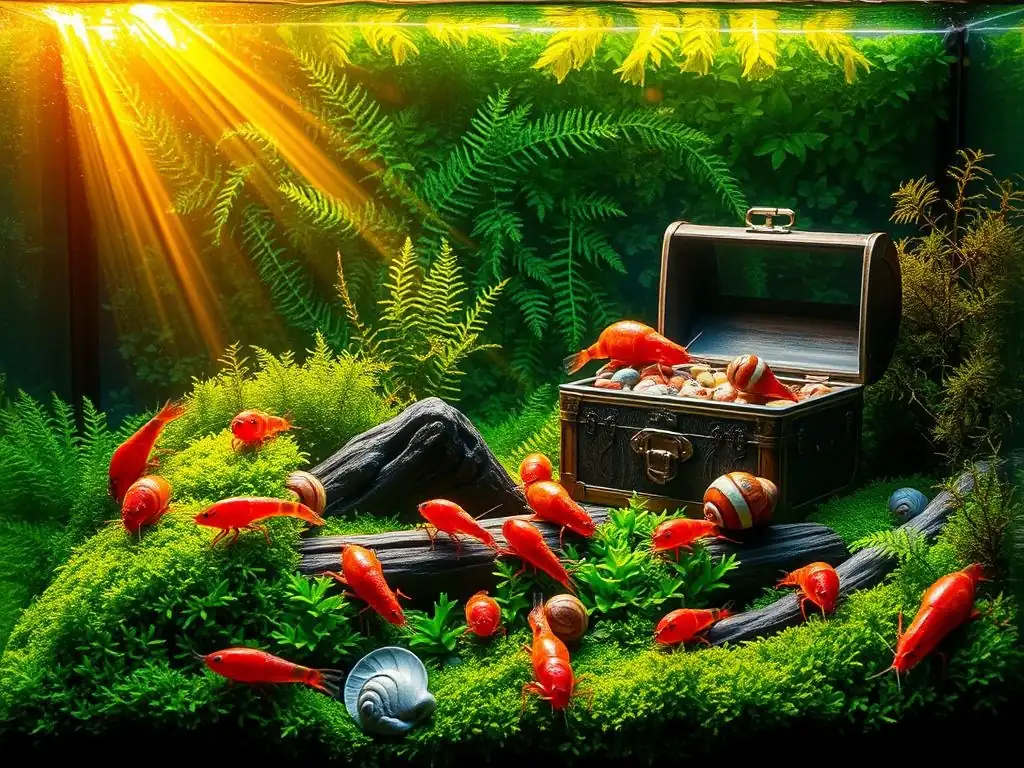
Healthy aquarium shrimp exhibit active foraging behavior, constantly grazing on biofilm, algae, and detritus. Their exoskeletons should appear clear and vibrant, reflecting their natural coloration, whether it's the striking red of a Cherry Shrimp or the translucent beauty of an Amano. Regular, successful molting is a key indicator of good health in shrimp, typically occurring every few weeks for adults, leaving behind a pristine, intact shed exoskeleton.
Similarly, healthy snails demonstrate consistent movement throughout the aquarium, diligently cleaning surfaces and consuming algae. Their shells should be smooth, free from pitting or erosion, and their antennae should be extended and actively exploring their surroundings. Species like Nerite snails will often be seen clinging firmly to glass or decorations, while Mystery snails will glide smoothly across the substrate, their siphons extended to breathe. A snail that is consistently retracted into its shell, unresponsive, or floating aimlessly is often a sign of distress.
Identifying Common Symptoms of Disease in Aquarium Invertebrates
When shrimp or snails begin to show signs of illness, the symptoms can range from subtle behavioral changes to obvious physical ailments. For shrimp, common indicators of distress include lethargy, reduced appetite, or a general lack of activity, where they may remain motionless for extended periods.
Physical signs can include a cloudy or opaque appearance to their bodies, often referred to as "milky shrimp," or the development of abnormal growths or discolorations on their exoskeleton, such as reddish patches or white spots. Difficulty during molting, where the shrimp gets stuck in its old shell, is also a critical symptom often leading to death.
Snails, too, exhibit specific symptoms when unwell. A snail consistently retracted deep within its shell, even when food is present, is a red flag. Shell problems like pitting, erosion, or even holes are common, especially in soft water conditions. Other signs include a slimy film on their body, a swollen or discolored foot, or an inability to properly close their operculum. Unlike fish, which might show rapid gill movements or gasping, invertebrate distress is often characterized by a general decline in activity and changes in physical appearance, necessitating keen observation for effective shrimp snail disease treatment.
Diagnosing Diseases in Aquarium Shrimp
Bacterial Infections in Shrimp: Identification and Treatment
Types of Bacterial Infections Affecting Shrimp
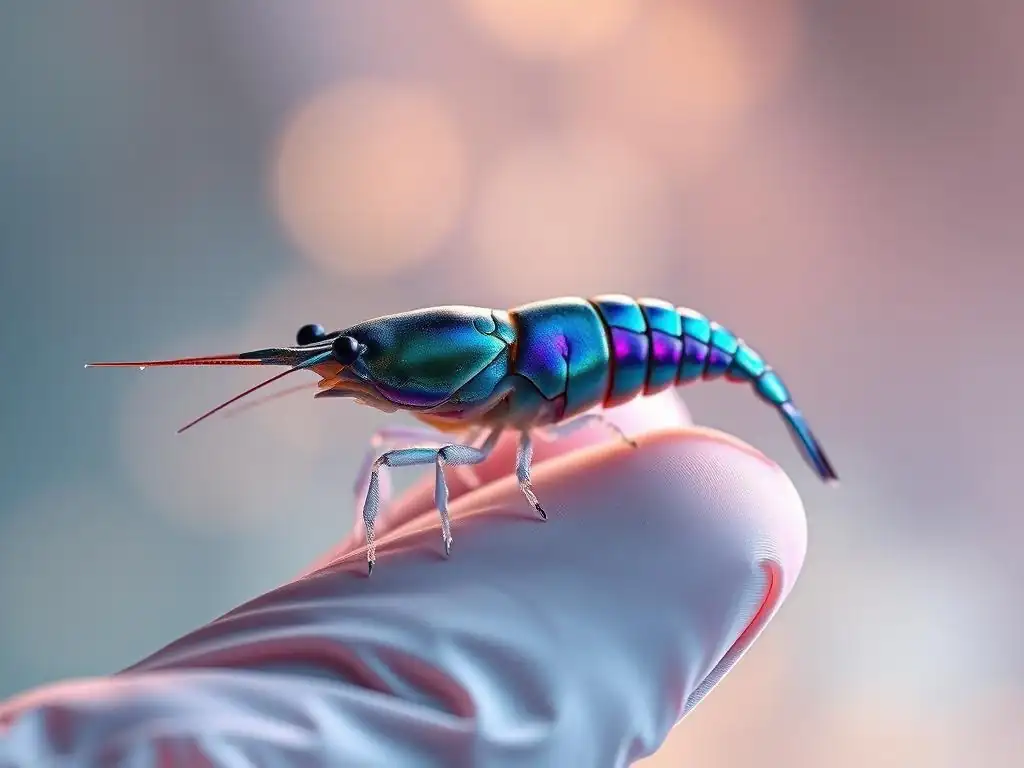
Bacterial infections are a common cause of mortality in aquarium shrimp, often exacerbated by poor water quality or stress. Species from the Vibrio genus are frequently implicated, leading to conditions sometimes termed "Red Spot Disease" or "Vibriosis," characterized by reddish discoloration, particularly around the gills or appendages. Other common bacterial culprits include Aeromonas and Pseudomonas species, which can cause systemic infections or localized lesions, often entering the shrimp's body through minor injuries or during a compromised molt.
These bacteria typically thrive in environments with high organic loads and fluctuating parameters, turning opportunistic pathogens into significant threats. They can cause septicemia, a systemic infection of the bloodstream, leading to rapid decline. The rapid proliferation of these bacteria in an unhealthy environment underscores the importance of stringent husbandry practices in preventing and managing shrimp diseases.
Symptoms of Bacterial Infections in Shrimp
Recognizing bacterial infections in shrimp early is crucial for successful shrimp snail disease treatment. Visible symptoms often include a reddish tint to the shrimp's body, especially noticeable on translucent species, or distinct red spots that may appear anywhere on the exoskeleton. The shrimp's body might become cloudy or opaque, losing its natural translucency, which is often a sign of internal bacterial proliferation. Lesions or open sores can also develop on the body or appendages.
Behaviorally, infected shrimp often exhibit lethargy, reduced feeding, and erratic swimming patterns, sometimes twitching or swimming erratically before becoming completely still. They may isolate themselves from the rest of the colony and show an inability to molt properly. In severe cases, rapid progression from initial symptoms to death can occur within 24 to 48 hours, highlighting the need for prompt intervention.
Shrimp Bacterial Infection Treatment Options
Treating bacterial infections in shrimp requires careful consideration due to their sensitivity to many common fish medications. Antibiotics like Kanamycin (often found in products like Kanaplex) or Nitrofurazone (found in Furan-2) are generally considered safer options for shrimp. These medications should be administered in a quarantine tank at a reduced dosage compared to fish, typically 50-75% of the recommended fish dose, with precise measurement to avoid overdose. A common treatment protocol involves dosing every 48 hours with a water change before each re-dose, for a duration of 5-7 days.
Beyond medication, improving water quality is paramount. This involves immediate large water changes (30-50%) in the main tank, thorough gravel vacuuming to remove decaying organic matter, and ensuring efficient filtration. Maintaining stable water parameters (e.g., ammonia and nitrite at 0 ppm, nitrates below 20 ppm, and consistent pH and temperature) significantly aids recovery and prevents recurrence. For effective shrimp disease treatment, a holistic approach combining medication with environmental improvements is essential.
Fungal Infections in Shrimp: Prevention and Cure
Recognizing Fungal Infections in Shrimp
Fungal infections in aquarium shrimp often appear as distinct, cotton-like growths or fuzzy patches on the shrimp's exoskeleton, gills, or mouthparts. The most common culprit is Saprolegnia, a water mold that thrives in stagnant or poorly oxygenated water with high organic loads. These growths can range from small, localized tufts to extensive coverings that impede movement and respiration.
It's important to differentiate fungal infections from external parasites like Scutariella Japonica, which appear as small white worms. Fungal infections typically have a more amorphous, cottony texture. These infections are usually secondary, meaning they attack shrimp that are already weakened by stress, poor water conditions, injury, or other underlying diseases, making a compromised immune system a significant predisposing factor.
Effective Fungal Infection Treatments for Shrimp
Treating fungal infections in shrimp requires a gentle yet effective approach. Methylene Blue is a relatively safe option for shrimp, often used as a short-term dip or at very dilute concentrations in a quarantine tank. A common dip involves 1-2 drops of a standard Methylene Blue solution per gallon of water for 30-60 minutes, with careful observation. Alternatively, a long-term treatment at a very low concentration (e.g., 0.5 ppm) in a quarantine tank can be effective over several days.
However, the most crucial aspect of fungal shrimp snail disease treatment is addressing the underlying causes. This includes immediate and significant improvements to water quality: performing large water changes, removing any decaying organic matter, and ensuring proper aeration and filtration. Maintaining stable water parameters, providing a balanced diet, and avoiding overcrowding will strengthen the shrimp's immune system, making them less susceptible to opportunistic fungal attacks in the future.
Parasitic Infections in Shrimp: A Comprehensive Guide
Common Shrimp Parasites and Their Effects
Shrimp can be afflicted by various external parasites, which, while not always immediately fatal, can cause significant stress and lead to secondary infections. One of the most commonly encountered is Scutariella Japonica, a small, white, segmented worm-like parasite that attaches to the shrimp's rostrum (nose) and head. Though often mistaken for fungal growth, these worms are distinct and can be seen with a magnifying glass. Another common protozoan parasite is Vorticella, which appears as small, bell-shaped organisms forming white, fuzzy colonies, typically on the shrimp's gills or body, often indicative of poor water quality.
These parasites irritate the shrimp, leading to increased stress, reduced feeding, and compromised molting. Scutariella can physically impede molting, trapping the shrimp in its old exoskeleton, which is often fatal. Vorticella can impair gill function if infestations are severe, leading to respiratory distress.
Treating Parasitic Infections in Shrimp
Treating parasitic infections in shrimp requires careful selection of medication due to their high sensitivity. For Scutariella Japonica, a short-term salt dip can be effective: 1 tablespoon of aquarium salt per gallon of water for 30-60 seconds, with the shrimp closely monitored for signs of distress. A more prolonged, low-concentration salt bath (e.g., 0.5-1 teaspoon per gallon) in a quarantine tank over several days can also be an option. For Vorticella, improving water quality is often the primary treatment, as these protozoa thrive in high organic loads. Methylene Blue dips, as described for fungal infections, can also help.
While some fish antiparasitics contain Praziquantel (e.g., PraziPro), which can be effective against certain trematodes, its use in shrimp tanks must be approached with extreme caution and at significantly reduced dosages. Always research specific product compatibility with invertebrates before administering any medication. The best long-term shrimp snail disease treatment strategy for parasites remains prevention through rigorous quarantine of new arrivals and impeccable tank hygiene.
Muscular Necrosis in Shrimp: Causes and Mitigation
Understanding Muscular Necrosis (White Muscle Disease)
Muscular necrosis, often referred to as "White Muscle Disease," is a severe condition in shrimp characterized by a distinct milky white, opaque discoloration of the shrimp's muscle tissue. This opaqueness typically starts in the tail segment and progressively spreads forward, eventually affecting the entire body. Once the condition becomes widespread, it is often irreversible and almost always fatal for the affected individual.
The primary causes of muscular necrosis are severe stress and rapid, drastic changes in environmental conditions. This includes sudden fluctuations in water temperature, abrupt shifts in pH or total dissolved solids (TDS), high levels of ammonia or nitrite, and prolonged exposure to poor water quality. Overcrowding, aggressive tank mates, or even rough handling can also contribute to the stress leading to this condition. While sometimes attributed to viral agents, environmental stressors are widely recognized as the most significant triggers.
Minimizing the Risk of Muscular Necrosis in Shrimp
Preventing muscular necrosis hinges entirely on maintaining an exceptionally stable and low-stress environment for your shrimp. This means ensuring consistent water parameters: temperature, pH, GH (general hardness), and KH (carbonate hardness) should remain as stable as possible, avoiding any sudden swings. For instance, maintaining a steady temperature of 72-78°F (22-26°C) and a pH between 6.5-7.5 is crucial for many popular dwarf shrimp species.
Proper acclimation of new shrimp using a drip acclimation method over at least 1-2 hours is vital to minimize shock. Adequate tank size for the colony prevents overcrowding, and a balanced diet ensures the shrimp receive all necessary nutrients to maintain a robust immune system. Regular, small water changes (10-20% weekly) with temperature-matched, dechlorinated water are preferred over large, infrequent changes. While treating individual shrimp with muscular necrosis is often futile, immediately addressing the underlying environmental issues can prevent the spread of the condition to other colony members, making prevention the best shrimp snail disease treatment.
Diagnosing Diseases in Aquarium Snails
Snail Shell Problems: Causes and Solutions
Identifying Shell Erosion in Snails
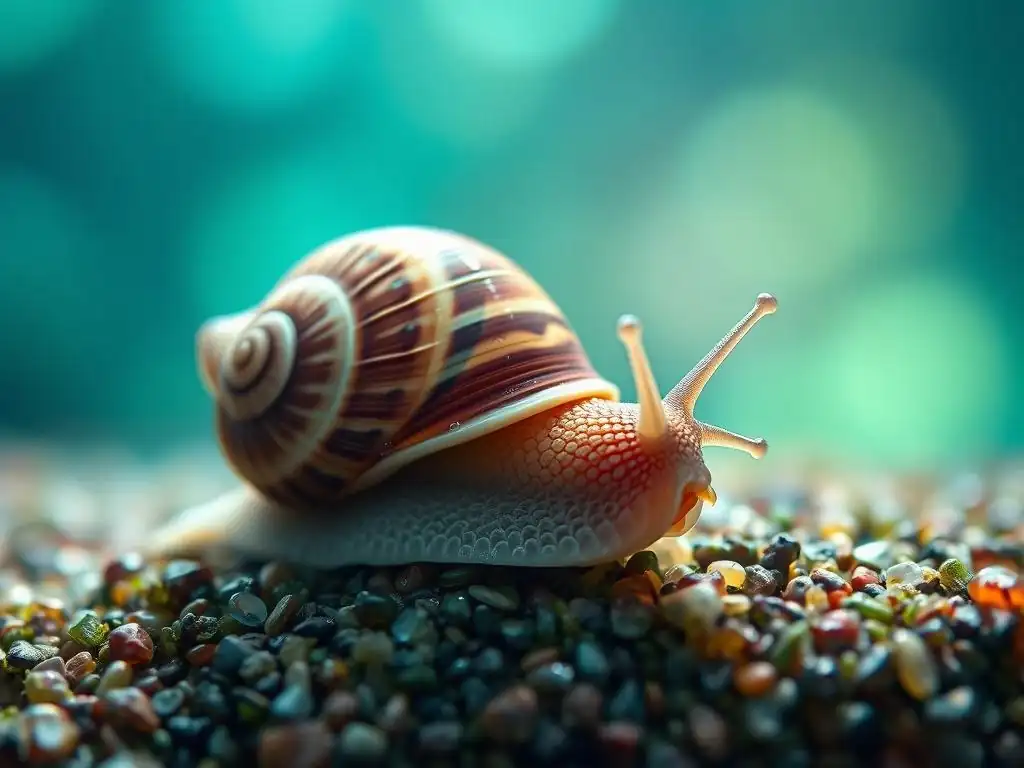
Shell problems are among the most common ailments affecting aquarium snails, often manifesting as visible signs of erosion, pitting, or thinning of the shell. You might observe rough patches, small holes, or a general dullness and loss of the shell's natural luster. This is particularly noticeable in species like Mystery Snails, Nerite Snails, and Apple Snails, whose shells are prominent. Severe erosion can expose the snail's delicate mantle tissue, making it vulnerable to infection and significantly impacting its health.
The primary cause of shell erosion is acidic water (low pH), which chemically dissolves the calcium carbonate that forms the snail's shell. Water with a pH consistently below 7.0 is problematic, especially if the general hardness (GH) and carbonate hardness (KH) are also low, indicating insufficient buffering capacity and mineral content. A lack of available calcium in the water or diet also contributes to poor shell development and repair.
Treating and Preventing Shell Erosion
Treating shell erosion primarily involves adjusting water parameters to provide a calcium-rich, stable environment. The target pH should be maintained between 7.0 and 8.0, with a general hardness (GH) of at least 8-15 dGH to ensure sufficient calcium availability. Carbonate hardness (KH) should also be stable, ideally above 3 dKH, to provide buffering capacity against pH swings. Aquarists can raise GH and KH by adding crushed coral, aragonite, or specialized mineral supplements to the filter or substrate. Cuttlebone, commonly used for birds, can also be added directly to the tank to slowly release calcium.
Prevention is key for snail shell health. Regular testing of pH, GH, and KH is essential. Supplementing the snails' diet with calcium-rich foods like blanched spinach, kale, zucchini, or specialized snail foods fortified with calcium helps ensure they have the building blocks for strong shells. Avoiding sudden large water changes with unconditioned water also minimizes stress and contributes to stable parameters, forming a vital part of snail disease treatment.
Parasitic Infections in Snails: Identification and Treatment
Recognizing Common Snail Parasites
While less commonly discussed than fish parasites, snails can indeed host various parasitic organisms, though many are microscopic or internal, making direct visual identification challenging. External parasites might appear as small, white, worm-like organisms or tiny spots on the snail's foot or shell, causing irritation and unusual behavior.
However, the more concerning snail parasites are often internal, such as trematodes (flukes) that can complete parts of their life cycle within snails before moving to other hosts (e.g., fish or birds). These internal parasites are usually not visible but can cause lethargy, loss of appetite, abnormal waste, or a general decline in the snail's vitality.
A snail infested with internal parasites might exhibit reduced activity, spend more time retracted into its shell, or have a distended body. The presence of unusual growths or discoloration on the snail's body or operculum can also sometimes indicate a parasitic issue. Often, the only sign is a snail that appears "unthrifty" or fails to thrive despite optimal water conditions and feeding.
Effective Treatments for Snail Parasitic Infections
Treating parasitic infections in snails is notoriously difficult due to their extreme sensitivity to many common antiparasitic medications, particularly those containing copper, which is highly toxic to all invertebrates. Praziquantel-based medications (e.g., PraziPro) are sometimes considered for internal trematode infections, but even at significantly reduced dosages, they must be used with extreme caution and only in a dedicated quarantine tank. Many aquarists opt against medication for snails due to the high risk of mortality.
Therefore, the most effective "snail disease treatment" for parasites is prevention. This involves rigorous quarantine protocols for all new snails and live plants before introducing them to the main aquarium. A quarantine period of 4-6 weeks allows for observation and, if necessary, treatment in isolation. Avoiding the introduction of wild-caught snails or plants from unknown sources also significantly reduces the risk of introducing parasites into a home aquarium. Maintaining pristine water quality and a balanced diet helps snails naturally resist minor parasitic infestations.
Bacterial Infections in Snails: Symptoms and Management
Identifying Bacterial Issues in Snails
Bacterial infections in aquarium snails are often a consequence of poor water quality, high organic waste, or injury that compromises the snail's natural defenses. Symptoms typically include a marked increase in lethargy, with the snail remaining inactive and retracted into its shell for prolonged periods, even when food is available. The snail may refuse to eat, and its foot might appear discolored, swollen, or slimy. In severe cases, lesions or open sores can develop on the snail's soft body, and the operculum (the "door" that closes the shell) might not close completely, leaving the snail vulnerable.
A foul odor emanating from the snail is a strong indicator of a severe bacterial infection or even death. These infections can quickly lead to systemic failure if not addressed, making early detection vital for any potential snail disease treatment.
Treating Bacterial Infections in Aquarium Snails
Treating bacterial infections in snails is challenging due to their sensitivity to many broad-spectrum antibiotics commonly used for fish. Medications like Kanamycin (Kanaplex) might be considered, but only at very low dosages (e.g., 25-50% of the recommended fish dose) and exclusively in a quarantine tank. Even then, success rates vary, and the risk to the snail is high. Medications containing erythromycin or minocycline, while sometimes used for fish, are generally too harsh for snails.
The most critical and often most effective "snail disease treatment" for bacterial issues is immediate and significant improvement of water quality. This involves performing large water changes (50% or more), thoroughly cleaning the substrate to remove decaying organic matter, and ensuring that filtration is adequate and functioning properly.
Reducing feeding to prevent excess waste and maintaining stable, optimal water parameters (ammonia and nitrite at 0 ppm, nitrates low) will create an environment conducive to the snail's natural recovery. In many cases, if the infection is not too advanced, these environmental improvements alone can help the snail overcome the bacterial challenge.
Shrimp and Snail Disease Treatment Strategies
Quarantine Procedures for Sick Shrimp and Snails
Setting Up a Quarantine Tank
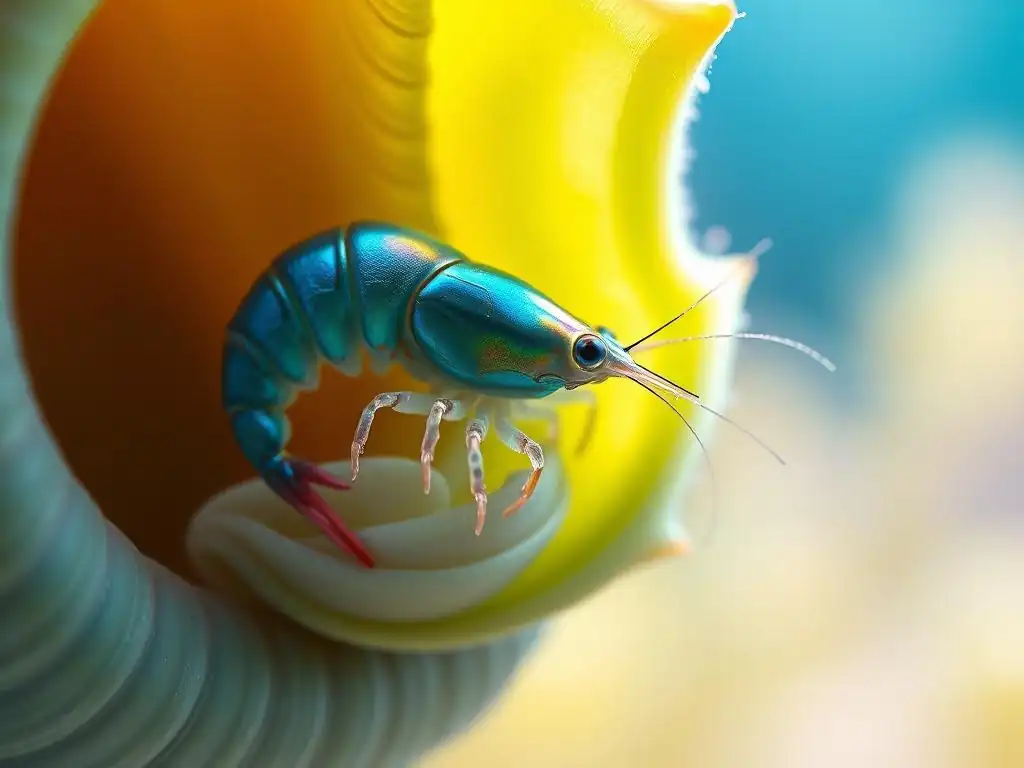
A dedicated quarantine tank is an indispensable tool for any serious aquarist, especially when dealing with sick shrimp and snails or introducing new invertebrates. For these delicate creatures, a small tank, typically 5-10 gallons, is often sufficient.
It should be equipped with a reliable heater to maintain stable temperatures, a gentle sponge filter for biological and mechanical filtration (which is easy to clean and doesn't create strong currents), and a few simple hiding spots like PVC pipes or small ceramic decorations. Crucially, avoid using substrate or elaborate decor, as this makes cleaning and observation much easier during the shrimp snail disease treatment process.
The water in the quarantine tank should initially match the parameters of the main display tank to minimize stress during transfer. This allows for a stable environment where medications can be administered precisely without affecting the main colony or beneficial bacteria. Minimal lighting is recommended to further reduce stress on the sick invertebrates.
Quarantine Tank Best Practices
The primary purpose of a quarantine tank for sick shrimp and snails is to prevent the spread of disease to the main aquarium population, allow for precise medication dosing without harming the main tank's ecosystem, and enable close observation of the affected individuals. For new invertebrates, a minimum quarantine period of 2-4 weeks is highly recommended. During this time, observe them closely for any signs of illness, parasites, or abnormal behavior before introducing them to the established tank.
When treating sick invertebrates, daily observation is paramount. Perform small, regular water changes (e.g., 25% daily or every other day, depending on medication instructions) in the quarantine tank to maintain water quality and replenish medication as needed. After the treatment period, thoroughly clean and sterilize the quarantine tank and all its equipment before its next use. This meticulous approach significantly improves the success rate of shrimp disease treatment and snail disease treatment.
Medication Options for Invertebrate Diseases
Choosing Safe Medications for Shrimp and Snails
Selecting the correct medication for shrimp and snail diseases is critical, as these invertebrates are exceptionally sensitive to many common fish medications. It is imperative to avoid any products containing copper, formaldehyde, or certain dyes like Malachite Green, as these are highly toxic and often lethal to shrimp and snails, even at low concentrations. Always meticulously check the ingredient list of any medication before considering its use in an invertebrate tank.
Generally safer options for shrimp snail disease treatment include Kanamycin (found in products like Kanaplex) for bacterial infections, and Nitrofurazone (found in Furan-2) for certain bacterial and fungal issues. Methylene Blue can be used for external fungal or parasitic issues, typically as a short-term dip. For some parasitic worms, Praziquantel (e.g., PraziPro) might be considered, but always at significantly reduced dosages and with extreme caution. Researching specific product compatibility with the exact invertebrate species you keep is non-negotiable.
Administering Medications Effectively
Effective medication administration for shrimp and snails requires precision and careful monitoring. Always follow the product's instructions, but be prepared to use a reduced dosage (often 25-75% of the fish-recommended dose) due to invertebrate sensitivity. It is crucial to accurately measure the water volume of your quarantine tank to ensure correct dosing. Dissolve powdered medications fully in a small amount of tank water before adding them to the quarantine tank to ensure even distribution and prevent concentrated pockets.
During treatment, closely observe the invertebrates for any signs of adverse reactions, such as increased lethargy, erratic movements, or death. Perform water changes as recommended between doses, and always remove activated carbon filtration from the quarantine tank, as it will absorb the medication. Patience and consistent adherence to the treatment protocol are vital for successful shrimp disease treatment and snail disease treatment.
Natural Treatments and Remedies for Shrimp and Snail Ailments
Using Natural Remedies to Boost Invertebrate Health
While not a substitute for medication in severe cases, several natural remedies can significantly boost the health and resilience of aquarium shrimp and snails, helping them to prevent and recover from ailments. Indian Almond Leaves (Catappa leaves) are highly popular; they release beneficial tannins into the water, which possess mild antibacterial and antifungal properties, reduce stress, and can slightly lower pH. Alder cones offer similar benefits. These natural additives create a more natural and therapeutic environment for invertebrates.
Furthermore, ensuring adequate mineral content in the water is a natural remedy for promoting robust health. For shrimp, specialized mineral supplements like SaltyShrimp GH/KH+ can ensure proper molting. For snails, adding calcium-rich foods like blanched vegetables (e.g., spinach, kale) or providing cuttlebone helps strengthen their shells, preventing common issues like erosion. These methods support the invertebrates' natural defenses.
The Role of Water Quality in Natural Treatment
The single most powerful "natural treatment" for shrimp and snail ailments is pristine water quality. Stable and optimal water parameters—zero ammonia, zero nitrite, and low nitrates (ideally below 20 ppm)—are foundational to invertebrate health and recovery. Fluctuations in pH, temperature, or hardness can cause immense stress, weakening the immune system and making shrimp and snails highly susceptible to disease.
Regular, small water changes (e.g., 10-20% weekly) with temperature-matched, dechlorinated water are essential for diluting toxins, replenishing vital minerals, and maintaining overall water purity. Adequate filtration, proper aeration, and avoiding overfeeding are also critical components. By consistently providing a clean, stable, and well-maintained environment, aquarists can significantly reduce the incidence of disease and foster a natural resilience in their shrimp and snail populations, making it the cornerstone of any shrimp snail disease treatment strategy.
Preventing Diseases in Aquarium Shrimp and Snails
Maintaining Optimal Water Parameters for Shrimp and Snails
Water Quality Testing and Adjustment
Maintaining stable and optimal water parameters is the cornerstone of disease prevention for aquarium shrimp and snails. Regular water testing is non-negotiable. Key parameters to monitor include ammonia (must be 0 ppm), nitrite (must be 0 ppm), and nitrate (ideally below 20 ppm). pH levels are species-specific, generally ranging from 6.5-7.5 for most dwarf shrimp and 7.0-8.0 for many snails. General hardness (GH) is vital for molting in shrimp (typically 4-8 dGH) and shell health in snails (8-15 dGH), while carbonate hardness (KH) (3-5 dKH) provides essential buffering capacity.
If parameters are outside the optimal range, adjustments must be made gradually to avoid shocking the delicate invertebrates. This might involve using pH buffers, mineral supplements (e.g., SaltyShrimp GH/KH+ for shrimp remineralizing RO water), or adding calcium sources like crushed coral for snails. Consistent monitoring and proactive adjustment are far more effective than reactive shrimp snail disease treatment.
The Importance of Regular Water Changes
Regular water changes are fundamental to maintaining pristine water quality and preventing disease in shrimp and snail aquariums. They dilute accumulated nitrates and other dissolved organic compounds, which can stress invertebrates and create conditions conducive to bacterial and parasitic outbreaks. Water changes also replenish essential trace minerals that are gradually depleted over time.
For most established shrimp and snail tanks, performing 10-20% water changes weekly is a good starting point. Always use dechlorinated water that is temperature-matched to the aquarium to prevent sudden thermal shock. Implementing gradual water changes, such as using a drip system for replenishment, can further minimize stress on these sensitive creatures. This consistent husbandry practice significantly reduces the overall disease risk and supports a healthy, thriving invertebrate population.
Proper Feeding Practices for Healthy Invertebrates
Choosing the Right Food for Shrimp and Snails
A balanced and appropriate diet is crucial for bolstering the immune systems of aquarium shrimp and snails, making them more resilient to disease. For shrimp, a varied diet should include specialized shrimp pellets that offer a blend of spirulina, algae, and protein, supplemented with blanched vegetables like zucchini or spinach. Occasional protein sources such as high-quality flake food or specific invertebrate protein pellets can also be beneficial. Snails thrive on algae wafers, blanched vegetables, and calcium-rich foods to support strong shell growth.
Providing a diverse range of foods ensures that all nutritional requirements are met, promoting vibrant coloration, successful molting in shrimp, and robust shell development in snails. A well-nourished invertebrate is naturally better equipped to resist pathogens and recover from any necessary shrimp snail disease treatment.
Avoiding Overfeeding
Overfeeding is one of the most common mistakes in aquarium keeping and a significant contributor to disease outbreaks, especially in invertebrate tanks. Uneaten food quickly decomposes, leading to dangerous spikes in ammonia and nitrite, followed by elevated nitrate levels. These poor water conditions are highly stressful for shrimp and snails, weakening their immune systems and creating an ideal breeding ground for harmful bacteria and opportunistic parasites.
To prevent overfeeding, offer only small amounts of food that can be consumed within a few hours. For many shrimp and snails, feeding every other day or a few times a week is sufficient, depending on the tank's size and population density. Always remove any uneaten food promptly to maintain pristine water quality, which is paramount for disease prevention and effective shrimp snail disease treatment.
Introducing New Shrimp and Snails to the Aquarium Safely
Acclimation Protocols for New Invertebrates
The proper acclimation of new shrimp and snails is a critical step in preventing disease and ensuring their long-term health. The drip acclimation method is highly recommended as it gradually equalizes water parameters (pH, temperature, TDS) between the transport water and the aquarium water, minimizing shock. This process should ideally take 1-3 hours, allowing the invertebrates to slowly adjust to their new environment.
During acclimation, it is crucial to avoid adding the transport water directly to the main aquarium, as it may contain pathogens, unwanted chemicals, or high levels of ammonia. Instead, discard the transport water once the invertebrates are safely transferred. This meticulous acclimation process significantly reduces stress, making new arrivals less susceptible to illness and less likely to introduce problems that would require extensive shrimp snail disease treatment.
The Importance of Observation After Introduction
After introducing new shrimp and snails to the aquarium, vigilant observation for several days to weeks is paramount. During this period, closely monitor them for any signs of stress, abnormal behavior, or visible symptoms of disease, such as lethargy, unusual spots, or physical abnormalities. Early detection of any issues allows for prompt intervention, potentially isolating the affected individual to a quarantine tank before a problem spreads to the entire colony.
This period of careful monitoring also allows you to confirm that the new invertebrates are adapting well to their new environment and feeding properly. Any signs of distress should trigger immediate action, whether it's adjusting water parameters, initiating a quarantine period, or beginning a targeted shrimp snail disease treatment. Proactive observation is a key preventative measure against widespread health issues in your aquarium.
Frequently Asked Questions
How can I identify a disease affecting my aquarium shrimp or snails?
Look for unusual behavior, such as lethargy or erratic swimming, and physical changes like spots, discoloration, or shell abnormalities. Early detection is crucial for successful disease treatment.
What are some common diseases that affect aquarium shrimp and snails?
Common issues include bacterial infections, fungal infections, and parasitic infestations. Recognizing the specific disease is important for selecting the correct treatment method.
What are the best practices for treating diseases in aquarium shrimp and snails?
Isolate affected individuals in a quarantine tank to prevent spread. Use medications specifically formulated for invertebrates, following dosage instructions carefully.
How can I prevent diseases from occurring in my shrimp and snail aquarium?
Maintain excellent water quality through regular water changes and filtration. Avoid overcrowding the tank and provide a balanced diet.
Are there any natural treatments I can use for shrimp and snail diseases?
Indian almond leaves and alder cones can have mild antibacterial and antifungal properties. However, for serious infections, medications may be necessary for effective treatment.
Final Reflection: The Fragile Ecosystem Within
The insights shared throughout this article, detailing the nuances of shrimp and snail disease treatment, are more crucial now than ever. As the popularity of aquascaping and invertebrate keeping continues to surge, so too does the responsibility to understand and address the unique health challenges faced by these delicate creatures. Neglecting their well-being not only impacts individual animals but also threatens the stability of entire aquatic ecosystems, both within our tanks and, by extension, the broader environment.
This journey into the world of shrimp and snail health has underscored the profound interconnectedness of life, even within the confines of a glass box. It's a humbling reminder that even the smallest creatures deserve our respect and diligent care, and that our actions as aquarists have far-reaching consequences. The greatness of a nation and its moral progress can be judged by the way its animals are treated.
- Mahatma Gandhi. This quote, though broad, resonates deeply with the commitment required to provide proper treatment and preventative care for these often-overlooked members of our aquatic communities.
Now, armed with knowledge and a deeper understanding of shrimp and snail disease treatment, I encourage you to reflect on your own practices. Are you providing the optimal environment for your invertebrates to thrive? Are you vigilant in observing their behavior and addressing potential health issues promptly? Let this article serve as a catalyst for continuous learning and a renewed commitment to the well-being of these fascinating creatures. By embracing responsible aquascaping practices, you contribute to a healthier, more sustainable future for all.
Unleash the Healing Power: Transform Your Shrimp and Snail Care Today!
Thank you for diving deep into the world of aquarium shrimp and snail health! We hope this article has equipped you with the knowledge to identify and address common diseases, ensuring a thriving ecosystem for your tiny friends. Now, let's put that knowledge into action!
Here are a few things you can do right now:
- Immediately inspect your aquarium for any signs of disease we discussed, and isolate any affected creatures to prevent further spread.
- Share this guide with fellow aquarium enthusiasts to spread awareness and help others protect their aquatic companions.
- Consider creating a simple quarantine tank setup. This will allow you to quickly and humanely deal with an infected shrimp or snail.
What specific disease symptom from the article will you be on the lookout for first in your aquarium?