
No More Nightmares: Breaking the Cycle of Recurring Fish Diseases

Welcome to Aquarium Mastery!
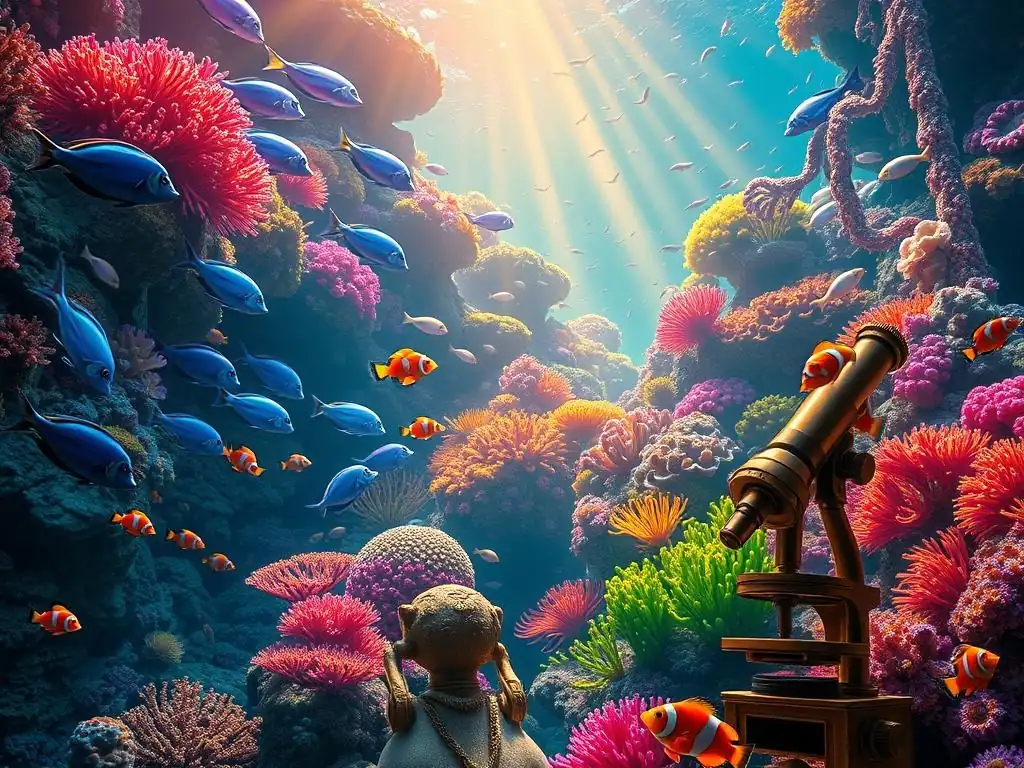
Tired of seeing your finned friends constantly battling the same illnesses? You're not alone! This guide, " No More Nightmares: Breaking the Cycle of Recurring Fish Diseases," dives deep into why those pesky ailments keep coming back and, more importantly, how to stop them for good. Discover the secrets to a healthier, happier aquarium and kiss those recurring nightmares goodbye. Ready to finally achieve true Aquarium Mastery? Let's get started!
- Understanding Recurring Fish Diseases: A Comprehensive Guide
- Diagnosing Recurring Fish Diseases: A Step-by-Step Approach
- Recurring Fish Diseases Treatment Guide: Effective Strategies
- Preventing Recurring Fish Diseases: Long-Term Solutions for a Healthy Aquarium
- Breaking the Cycle: A Proactive Approach to Fish Disease Management
- Advanced Strategies for Preventing Recurring Fish Diseases
- Conclusion: Achieving a Healthy and Disease-Free Aquarium
-
Frequently Asked Questions
- What are the most common reasons for fish diseases to recur in an aquarium?
- How important is quarantine when introducing new fish to an established aquarium?
- What role does water chemistry play in preventing recurring fish diseases?
- Besides medication, what are some holistic approaches to treating recurring fish diseases?
- Where can I find a comprehensive guide to identify and treat specific recurring fish diseases?
- Final Reflection: A Future of Thriving Aquariums
- Dive Deeper: Transform Your Tank Today!
Understanding Recurring Fish Diseases: A Comprehensive Guide
Why Do Fish Diseases Keep Coming Back? Common Causes Explained
Recurring fish diseases often plague aquarists, turning what should be a relaxing hobby into a source of frustration. One primary reason for persistent outbreaks is incomplete treatment, where a medication course is stopped prematurely once visible symptoms subside. For instance, many parasitic infections, like Ich (White Spot Disease), have complex life cycles with stages that are resistant to medication or reside off the fish.
If treatment doesn't cover the full life cycle, typically 10-14 days for Ich at warmer temperatures, dormant stages can re-emerge, leading to a new outbreak within days or weeks. Studies suggest that up to 70% of Ich recurrences are due to not completing the full treatment cycle.
Another significant factor contributing to recurring fish illnesses is underlying environmental stressors that weaken fish immune systems. Poor water quality, characterized by elevated ammonia, nitrite, or nitrate levels, constantly compromises a fish's ability to fight off pathogens. Overcrowding, where the bioload exceeds the filtration capacity, also leads to chronic stress and poor water conditions, making fish highly susceptible to opportunistic pathogens.
Furthermore, incompatible tank mates, inadequate diet, or fluctuating water temperatures (even changes of just 2-3°F over a few hours) can create a constant state of physiological stress, making fish vulnerable to recurring bacterial or parasitic infections. Addressing these stressors is paramount for any effective recurring fish diseases treatment guide.
Identifying the Root Cause of Recurring Fish Illnesses in Aquariums
Identifying the true root cause of recurring fish illnesses requires a methodical approach that goes beyond just treating symptoms. It involves a thorough review of the aquarium's history, including past disease outbreaks, treatments administered, water parameter logs, and fish introductions. Often, the initial diagnosis might have been correct, but the underlying stressor that allowed the disease to take hold or recur was overlooked. For example, a recurring fin rot issue might not be just a bacterial problem, but a symptom of chronic bullying by a more aggressive tank mate or consistently high nitrate levels, which can suppress immune function.
A comprehensive investigation into the root cause also necessitates careful observation of fish behavior, detailed water testing, and sometimes, a review of husbandry practices. Are water changes consistently performed? Is the filter media cleaned regularly? Is the diet varied and nutritious?
Is the tank appropriately stocked? Every element of the aquarium environment and maintenance routine plays a role in fish health. For instance, a tank with a pH crash (e.g., from 7.5 to 6.0 overnight) due to neglected water changes or insufficient buffering capacity can severely stress fish, making them prone to recurring fungal or bacterial infections. Pinpointing these specific triggers is the cornerstone of a successful recurring fish diseases treatment guide.
Diagnosing Recurring Fish Diseases: A Step-by-Step Approach
Observing Fish Behavior: Early Signs of Recurring Illness
Observing your fish's behavior is often the first and most critical step in diagnosing recurring fish illnesses. Subtle changes can indicate stress or the onset of disease long before physical symptoms appear. Look for deviations from normal swimming patterns, such as lethargy, listlessness, or erratic darting movements ("flashing" against tank decor or substrate, indicating irritation). A healthy fish typically exhibits active, purposeful swimming. For example, a sudden drop in feeding enthusiasm, where fish ignore food they normally devour, can be an early warning sign, sometimes preceding visible symptoms by 24 to 48 hours.
Other key behavioral indicators include clamped fins (fins held close to the body, indicating discomfort), labored breathing (rapid gill movements), or unusual hiding. While hiding is normal for some species, excessive or uncharacteristic hiding in open-swimming fish suggests distress. Changes in coloration, such as dulling or darkening, can also signal illness. For instance, fish suffering from internal parasites might show a significant loss of color and become emaciated despite eating, even before any external symptoms of recurring fish diseases are apparent. Consistent daily observation, taking note of these subtle cues, empowers aquarists to intervene promptly.
Testing Your Aquarium Water: Key Parameters to Monitor for Disease Prevention
Regular and accurate water testing is fundamental to preventing and diagnosing recurring fish diseases, as pristine water quality is the bedrock of fish health. The most crucial parameters to monitor are ammonia, nitrite, and nitrate.
Ammonia and nitrite should always read 0 parts per million (ppm) in a cycled aquarium; even slight elevations (e.g., 0.25 ppm ammonia) can cause severe stress and gill damage, making fish highly susceptible to opportunistic infections. Nitrate, the end product of the nitrogen cycle, should ideally be kept below 20 ppm for freshwater tanks and under 10 ppm for sensitive marine setups, as chronic high nitrate levels suppress the immune system.
Beyond nitrogenous compounds, pH, temperature, and hardness (GH/KH) also play vital roles. pH stability is more important than a specific pH value, though most tropical fish thrive between 6.5 and 7.5. Sudden pH swings of even 0.5 units can induce severe stress.
Temperature must be stable and within the species' preferred range; fluctuations of more than 1-2°F daily can weaken fish. General hardness (GH) impacts osmoregulation, while carbonate hardness (KH) buffers pH, preventing dangerous crashes. Maintaining these parameters within optimal and stable ranges, perhaps with weekly tests, is a critical component of any effective recurring fish diseases treatment guide, as poor water quality is a leading cause of recurring fish illnesses.
Microscopic Examination: Identifying Common Fish Parasites and Pathogens
When recurring fish diseases persist despite conventional water management and observation, microscopic examination can be an invaluable diagnostic tool. This method allows aquarists to directly identify the causative agent, such as external parasites or bacterial colonies, that are too small to be seen with the naked eye.
For instance, Ich (Ichthyophthirius multifiliis) trophonts, though visible as white spots, can be confirmed under a microscope by their characteristic horseshoe-shaped macronucleus, typically ranging from 0.5 to 1.0 mm in size. Other common external parasites like Costia (Ichthyobodo necator) or Chilodonella are much smaller (around 0.01-0.05 mm) and cause symptoms like flashing and excess slime coat, but require a microscope for definitive identification.
To perform a microscopic examination, a small sample of slime coat (mucus) is gently scraped from the fish's body using a blunt object, or a fin clip is taken. This sample is then placed on a microscope slide with a drop of tank water and viewed under magnification (typically 40x to 400x).
Identifying parasites like Gyrodactylus (skin flukes) or Dactylogyrus (gill flukes), which are often responsible for recurring respiratory issues or skin irritation, becomes straightforward. This precise identification ensures that the correct medication is chosen, preventing the guesswork that often leads to incomplete treatments and the frustrating cycle of recurring fish illnesses.
Recurring Fish Diseases Treatment Guide: Effective Strategies
Quarantine Procedures: Isolating and Treating Sick Fish
A robust quarantine procedure is an indispensable strategy in any recurring fish diseases treatment guide, serving as the first line of defense against both new and recurring outbreaks. A dedicated quarantine tank, typically 10-20 gallons for smaller fish, should be set up with a heater, sponge filter, and an air stone, but no substrate or elaborate decorations, which can absorb medications.
When a fish shows signs of illness, especially if it's a recurring issue, immediately moving it to this isolation tank prevents the potential spread of pathogens to the main display tank and allows for focused treatment without impacting the established biological filter or other inhabitants.
The quarantine period also provides an opportunity to observe the fish closely without the distractions of a busy main tank. Treatment protocols can be administered precisely, often at higher concentrations or for longer durations than would be safe in a community tank.
For example, treating a recurring bacterial infection with antibiotics in a bare-bottom quarantine tank ensures that the medication reaches the fish effectively and doesn't decimate the beneficial bacteria in the main tank's filter. A standard quarantine period for new fish, even seemingly healthy ones, is 4-6 weeks to ensure any latent diseases manifest and can be treated before introduction to the main aquarium, significantly reducing the risk of recurring fish illnesses.
Medication Options: Choosing the Right Treatment for Recurring Fish Diseases
Choosing the correct medication is paramount for breaking the cycle of recurring fish diseases. The selection must be based on an accurate diagnosis, as using the wrong medication is ineffective and can even harm the fish or the beneficial bacteria in the filter. For bacterial infections, common medications include broad-spectrum antibiotics like nitrofurazone, kanamycin, or erythromycin. For parasitic infections, antiparasitics such as metronidazole (for internal parasites like Hexamita) or praziquantel (for flukes) are often used. Fungal infections, though less common as primary issues, might be treated with antifungal agents like malachite green or phenoxyethanol.
It is crucial to follow the manufacturer's dosage instructions precisely and complete the entire recommended course of treatment, even if symptoms improve rapidly. Many recurring fish illnesses, especially those caused by bacteria or parasites, will rebound if the pathogen population isn't fully eradicated. For instance, a typical antibiotic course might last 7-10 days. Stopping at day 3 because the fish looks better can leave behind a resistant strain of bacteria, making future recurring fish diseases even harder to treat. Always remove activated carbon during treatment, as it will absorb the medication, rendering it ineffective.
Natural Treatments: Supporting Fish Health and Immunity
While not standalone cures for severe recurring fish diseases, natural treatments can play a significant supportive role in boosting fish immunity and creating an environment less conducive to pathogen proliferation. Aquarium salt (non-iodized rock salt or specific aquarium salt) is a versatile natural remedy. At low concentrations (e.g., 1 teaspoon per 5 gallons), it can reduce stress, aid gill function, and help prevent nitrite poisoning. At slightly higher concentrations (e.g., 1-3 teaspoons per gallon), it can be effective against some external parasites like Ich, by disrupting their osmotic balance, and can help alleviate secondary bacterial infections.
Indian almond leaves (Terminalia catappa) are another popular natural additive. When steeped in aquarium water, they release tannins and humic acids, which impart a natural brown tint. These compounds have mild antibacterial and antifungal properties, reduce stress by mimicking natural blackwater environments, and can promote healing. Some aquarists report a reduction in recurring fin rot and general malaise in tanks where Indian almond leaves are regularly used. While these natural approaches won't cure advanced recurring fish illnesses, they are excellent for bolstering fish health and preventing minor issues from escalating, complementing a comprehensive recurring fish diseases treatment guide.
Preventing Recurring Fish Diseases: Long-Term Solutions for a Healthy Aquarium
Optimizing Aquarium Water Quality: The Foundation of Fish Health
Optimizing aquarium water quality is the single most critical long-term solution for preventing recurring fish diseases. Consistently stable and pristine water parameters directly translate to robust fish immune systems. This involves regular partial water changes, typically 25-30% weekly for a moderately stocked freshwater tank, or 10-20% weekly for marine systems. These changes dilute nitrates, replenish essential minerals, and remove accumulated organic waste. For instance, maintaining nitrates below 20 ppm significantly reduces chronic stress on fish, making them far less susceptible to common recurring fish illnesses like fin rot or Ich.
Beyond water changes, effective filtration is non-negotiable. A multi-stage filtration system including mechanical (sponges, filter floss), biological (ceramic rings, bio-balls), and chemical (activated carbon, specialized resins) media ensures comprehensive removal of particulate matter, conversion of toxic ammonia/nitrite, and absorption of dissolved organic compounds. Regularly rinsing mechanical media in old tank water (to preserve beneficial bacteria) and replacing chemical media as recommended are vital steps. Consistent monitoring with a reliable test kit (e.g., weekly tests for ammonia, nitrite, nitrate, pH) allows for immediate intervention if parameters deviate, preventing the underlying stress that often triggers recurring fish diseases.
Maintaining a Balanced Ecosystem: Promoting Beneficial Bacteria and Microorganisms
A balanced aquarium ecosystem, underpinned by a robust colony of beneficial nitrifying bacteria, is essential for preventing recurring fish diseases. These bacteria, primarily Nitrosomonas and Nitrobacter, colonize filter media and substrate, converting toxic ammonia into nitrite, and then nitrite into less harmful nitrate. A properly cycled tank, which typically takes 4-6 weeks for a new setup, establishes this crucial bacterial foundation. Without it, ammonia and nitrite spikes occur, severely stressing fish and leaving them highly vulnerable to opportunistic pathogens and recurring fish illnesses.
Aquarists must avoid practices that can harm these vital bacterial colonies. Over-cleaning the filter (especially with chlorinated tap water), using strong medications in the main display tank that are not "reef-safe" or "plant-safe," or sudden, drastic changes in water parameters can decimate bacterial populations. Instead, clean filter media gently using old tank water during water changes. Introducing beneficial bacteria supplements during setup or after medication can help re-establish a healthy balance. A thriving microbiome not only keeps water parameters stable but also contributes to the overall resilience of the aquatic environment against recurring fish diseases.
Proper Nutrition: Feeding Your Fish a Healthy and Varied Diet
Proper nutrition is a cornerstone of fish health and a powerful preventative measure against recurring fish diseases. A diet that is varied, high-quality, and appropriate for the specific species strengthens the fish's immune system, making them more resilient to pathogens. Relying solely on a single type of flake food, even a "premium" one, often leads to nutritional deficiencies over time. Instead, offer a mix of high-quality flakes or pellets, supplemented with frozen foods (like bloodworms, brine shrimp, mysis shrimp) and occasional live foods (like daphnia or grindal worms) to provide a complete spectrum of vitamins, minerals, and proteins.
The frequency and quantity of feeding are also critical. Overfeeding leads to excess waste, deteriorating water quality, and potential digestive issues in fish. Feed small amounts 2-3 times a day, only what your fish can consume within 2-3 minutes, to prevent uneaten food from decaying. For example, a varied diet rich in spirulina can significantly boost the immune response of herbivorous fish, reducing their susceptibility to common recurring illnesses. A well-nourished fish has the energy and biological resources to fight off infections, making proper nutrition an indispensable part of any recurring fish diseases treatment guide.
Reducing Stress: Minimizing Environmental Factors That Can Trigger Disease
Reducing stress is paramount in preventing recurring fish diseases, as chronic stress severely compromises a fish's immune system, making them highly susceptible to opportunistic infections. Several environmental factors commonly contribute to stress. Overcrowding, for instance, leads to competition for resources, increased aggression, and rapid deterioration of water quality. A general rule of thumb for smaller fish is one inch of fish per gallon, but this varies significantly by species and temperament. For example, a 20-gallon tank might comfortably house 5-6 small tetras, but would be severely overcrowded with just two adult cichlids, leading to constant stress.
Incompatible tank mates are another major stressor. Placing aggressive species with peaceful ones, or keeping solitary fish in groups, can result in constant harassment, fin nipping, and suppressed feeding. Providing adequate hiding spots (caves, plants, driftwood) allows fish to retreat and feel secure, which significantly reduces stress levels. Stable water parameters, consistent lighting cycles (e.g., 10-12 hours on, 12-14 hours off), and minimizing sudden loud noises or vibrations near the tank also contribute to a low-stress environment. By addressing these factors proactively, aquarists can create a sanctuary where fish thrive and are naturally more resistant to recurring fish illnesses.
Breaking the Cycle: A Proactive Approach to Fish Disease Management
Implementing a Regular Maintenance Schedule: Preventing Future Outbreaks
Implementing a rigorous and consistent maintenance schedule is the cornerstone of preventing future outbreaks and breaking the cycle of recurring fish diseases. This goes beyond just weekly water changes. A comprehensive schedule should include weekly tasks such as testing water parameters (ammonia, nitrite, nitrate, pH), performing a 25-30% water change, and cleaning the filter's mechanical media (sponges/floss) by rinsing them in old tank water. These weekly actions proactively remove waste and maintain stable water chemistry, which are critical for immune health.
Monthly or bi-monthly tasks should include siphoning the gravel or substrate thoroughly to remove trapped detritus, cleaning the heater and filter tubes to prevent biofilm buildup, and inspecting all equipment for wear. For example, replacing activated carbon every 3-4 weeks ensures it continues to effectively remove dissolved organic pollutants. Documenting these maintenance activities and water parameters in a logbook helps identify patterns and potential issues before they escalate into recurring fish illnesses. A well-maintained aquarium is a resilient one, significantly reducing the likelihood of disease recurrence.
Introducing New Fish Safely: Quarantine and Acclimation Protocols
The introduction of new fish is a common trigger for recurring disease outbreaks in an otherwise healthy established aquarium. New fish, even if they appear perfectly healthy, can carry dormant pathogens that become active under stress or introduce entirely new diseases to which your existing fish have no immunity. Therefore, a strict quarantine protocol for all new arrivals is non-negotiable. This involves housing new fish in a separate, fully cycled quarantine tank (minimum 10-gallon for small fish) for a period of 4-6 weeks before introducing them to the main display tank.
During this quarantine period, observe the new fish closely for any signs of illness (e.g., clamped fins, flashing, spots, labored breathing). Treat any observed symptoms proactively in the quarantine tank. Many aquarists also perform preventative treatments for common parasites like Ich or internal parasites during this time.
Proper acclimation is equally important; use a slow drip acclimation method (e.g., 30 minutes to 1 hour) to gradually match the new fish's water parameters to those of the quarantine tank, minimizing stress. This diligent approach significantly reduces the risk of introducing new pathogens that could lead to recurring fish diseases in your main aquarium.
Identifying, Treating, and Preventing Recurring Ich (White Spot Disease)
Recurring Ich (Ichthyophthirius multifiliis) is one of the most frustrating recurring fish diseases, primarily because of its complex life cycle. The visible white spots are trophonts feeding on the fish. They then drop off to form tomonts (cysts) on the substrate, which release hundreds of free-swimming theronts (infective stage) that seek out new hosts. Incomplete treatment, often stopping medication once the white spots disappear from the fish, leaves the tomonts and theronts alive, leading to a new outbreak within days or weeks.
Effective treatment for recurring Ich involves elevating the tank temperature (e.g., gradually to 82-86°F for 10-14 days for most tropical species, ensuring adequate aeration) to speed up the parasite's life cycle, making it more vulnerable to medication. Simultaneously, use an Ich-specific medication containing malachite green or formalin (e.g., Kordon's Rid-Ich Plus, API Super Ick Cure) for the full recommended duration, usually 7-10 days, even if fish appear healthy.
Prevention focuses on rigorous 4-6 week quarantine for all new fish and maintaining stable, optimal water parameters to minimize stress. This multi-pronged approach is essential for a comprehensive recurring fish diseases treatment guide aimed at eradicating Ich.
Addressing Recurring Columnaris (Cottonmouth Disease)
Recurring Columnaris, caused by the bacterium Flavobacterium columnare, is a highly virulent bacterial infection often mistaken for a fungal infection due to its "cottony" appearance on the mouth, fins, or body. It manifests as white or grayish patches, often with red edges, and can rapidly progress to tissue necrosis. This disease frequently recurs in tanks with chronic poor water quality, elevated organic waste, or high stress levels, as these conditions favor the opportunistic bacterium.
Treatment for recurring Columnaris requires immediate action, usually with strong broad-spectrum antibiotics like Furan-2 (nitrofurazone) or Kanaplex (kanamycin) administered in a hospital or quarantine tank. It is crucial to follow the full medication course, typically 5-7 days, and combine it with aggressive water quality improvement.
This includes performing significant daily water changes (e.g., 50%) in the treatment tank to reduce bacterial load and removing any organic detritus. Preventing recurrence hinges on maintaining pristine water parameters (ammonia and nitrite at 0 ppm, nitrates below 20 ppm), ensuring proper filtration, avoiding overcrowding, and providing a varied, nutritious diet to boost fish immunity against this persistent recurring fish illness.
Advanced Strategies for Preventing Recurring Fish Diseases
UV Sterilization: Eliminating Pathogens in Aquarium Water
Ultraviolet (UV) sterilization is an advanced strategy that can significantly reduce the incidence of recurring fish diseases by eliminating free-floating pathogens in the aquarium water column. A UV sterilizer works by passing aquarium water through a chamber containing a UV-C light bulb. This specific wavelength of UV light (typically 254 nanometers) disrupts the DNA of bacteria, viruses, algae spores, and free-swimming stages of parasites (like Ich theronts), rendering them unable to reproduce and infect fish.
For effective sterilization, the water flow rate through the UV unit must be appropriate for the unit's wattage and the desired kill rate. For example, a 20-watt UV sterilizer might require a flow rate of 20-30 gallons per hour to effectively kill protozoa like Ich, while a higher flow rate might only control algae. While UV sterilizers do not remove pathogens attached to fish or substrate, they drastically reduce the overall pathogen load in the water, thereby minimizing the chances of new infections and preventing the spread of recurring fish illnesses, especially in densely stocked or sensitive aquariums.
Ozone Treatment: Enhancing Water Quality and Disinfection
Ozone (O3) treatment is another powerful advanced method used to enhance water quality and disinfect aquarium water, thereby preventing recurring fish diseases. Ozone is a highly reactive form of oxygen that acts as a strong oxidizer. When injected into aquarium water, it rapidly breaks down organic pollutants, clarifies the water, and effectively kills bacteria, viruses, and parasites. This process also increases the oxygen reduction potential (ORP) of the water, a measurable indicator of water cleanliness and oxidative power.
Ozone generators must be used with extreme caution and typically with an ORP controller to prevent overdosing, as excessive ozone can be toxic to fish and beneficial bacteria. A target ORP range for freshwater aquariums is generally 300-450 mV. Ozone is often injected into a protein skimmer or a reaction chamber before the water returns to the main tank, ensuring proper mixing and off-gassing of residual ozone. While more complex to implement than UV, ozone can be highly effective in maintaining exceptionally clean water and significantly reducing the risk of recurring fish illnesses in advanced setups.
Probiotic Use: Boosting Fish Immunity and Gut Health
The use of probiotics, beneficial microorganisms, is an emerging advanced strategy for preventing recurring fish diseases by supporting fish immunity and gut health. Similar to probiotics for humans, fish-specific probiotics (e.g., strains of Bacillus subtilis, Lactobacillus acidophilus) can be incorporated into fish food or added directly to the aquarium water. When ingested, these probiotics colonize the fish's gut, improving digestion and nutrient absorption. A healthy gut microbiome is directly linked to a stronger overall immune response in fish.
Beyond gut health, some aquatic probiotics can also help improve water quality by breaking down organic waste, thus reducing the burden on the filtration system. For example, specific probiotic blends have been shown to reduce ammonia and nitrite levels by enhancing the nitrogen cycle. While not a direct cure for active infections, consistent probiotic use can strengthen a fish's natural defenses, making them more resilient to environmental stressors and less susceptible to opportunistic pathogens that often lead to recurring fish illnesses. This proactive approach helps build long-term resistance, reducing the need for a reactive recurring fish diseases treatment guide.
Conclusion: Achieving a Healthy and Disease-Free Aquarium
Breaking the cycle of recurring fish diseases is an achievable goal for any aquarist, transforming the hobby from a source of frustration into one of sustained enjoyment. The key lies in shifting from a reactive approach—treating symptoms as they appear—to a proactive, holistic strategy that prioritizes prevention and understanding root causes. This comprehensive recurring fish diseases treatment guide emphasizes that consistent, pristine water quality is non-negotiable, serving as the foundation for fish health and a robust immune system.
By diligently implementing regular maintenance schedules, rigorously quarantining all new fish, providing a varied and nutritious diet, and meticulously managing environmental stressors, aquarists can significantly reduce the likelihood of recurring fish illnesses. Furthermore, knowing how to accurately diagnose and apply targeted treatments, whether for persistent Ich or recurring Columnaris, ensures that when issues do arise, they are dealt with decisively. Embracing advanced strategies like UV sterilization or probiotics can provide an extra layer of protection, ultimately leading to a thriving, vibrant, and disease-free aquarium ecosystem.
Frequently Asked Questions
What are the most common reasons for fish diseases to recur in an aquarium?
Recurrence often stems from poor water quality, inadequate quarantine procedures for new fish, or underlying stress factors affecting the fish's immune system. These weakened fish are then susceptible to diseases.
How important is quarantine when introducing new fish to an established aquarium?
Quarantine is crucial to prevent the spread of disease. It allows you to observe new fish for signs of illness and treat them before they contaminate the main tank, saving you heartache and money.
What role does water chemistry play in preventing recurring fish diseases?
Maintaining stable and appropriate water parameters is vital. Fluctuations in pH, ammonia, nitrite, and nitrate levels can severely stress fish, making them vulnerable to disease outbreaks and subsequent recurrences.
Besides medication, what are some holistic approaches to treating recurring fish diseases?
Improving the fish's environment is key. This includes ensuring optimal water quality, providing a balanced diet, reducing stress through adequate hiding places, and maintaining a stable temperature.
Where can I find a comprehensive guide to identify and treat specific recurring fish diseases?
AquariumMastery.com offers a detailed "Recurring Fish Diseases Treatment Guide" that outlines specific diseases, their symptoms, and effective treatment options. The guide includes valuable information for aquarists of all levels.
Final Reflection: A Future of Thriving Aquariums
The fight against recurring fish diseases is more than just a technical challenge; it's a commitment to responsible aquarium keeping and the well-being of these delicate creatures. As we've explored the multifaceted approach to prevention and treatment, it's clear that proactive measures and informed decisions are crucial in breaking the cycle of recurring ailments, ensuring our aquatic companions live healthier, happier lives.
This journey into understanding recurring fish diseases has profoundly impacted the way we perceive our role as caretakers. It highlights the interconnectedness of the aquarium ecosystem and the importance of diligent observation and preventative care. The best cure is prevention,
as the saying goes, and this holds especially true in the delicate world of aquariums, where a small imbalance can quickly escalate into a widespread problem.
Now, armed with the knowledge and strategies outlined in this guide, I encourage you to reflect on your own aquarium practices. Are you truly providing the optimal environment for your fish to thrive? Let this be a call to action – a commitment to continuous learning, proactive care, and a deeper understanding of the delicate ecosystems we create within our homes. By embracing these principles, we can collectively build a future where recurring fish diseases are a rarity, and our aquariums are vibrant testaments to our dedication and compassion.
Dive Deeper: Transform Your Tank Today!
Thank you for exploring ways to keep your aquatic friends healthy and happy! Now it’s time to put that knowledge into action and create a thriving aquarium.
Here's how you can start:
- Immediately review your tank's water parameters (pH, ammonia, nitrite, nitrate) and perform a partial water change if necessary. This is crucial for breaking the cycle of disease!
- Consider adding a quarantine tank to your setup to observe new fish before introducing them to your main aquarium.
- Share this article with fellow aquarists to spread awareness about preventing recurring fish diseases and building a healthier community.
What small change will you make this week to ensure a healthier environment for your fish?