
From Flakes to Live Food: A Tiger Barb's Guide to a Balanced Diet

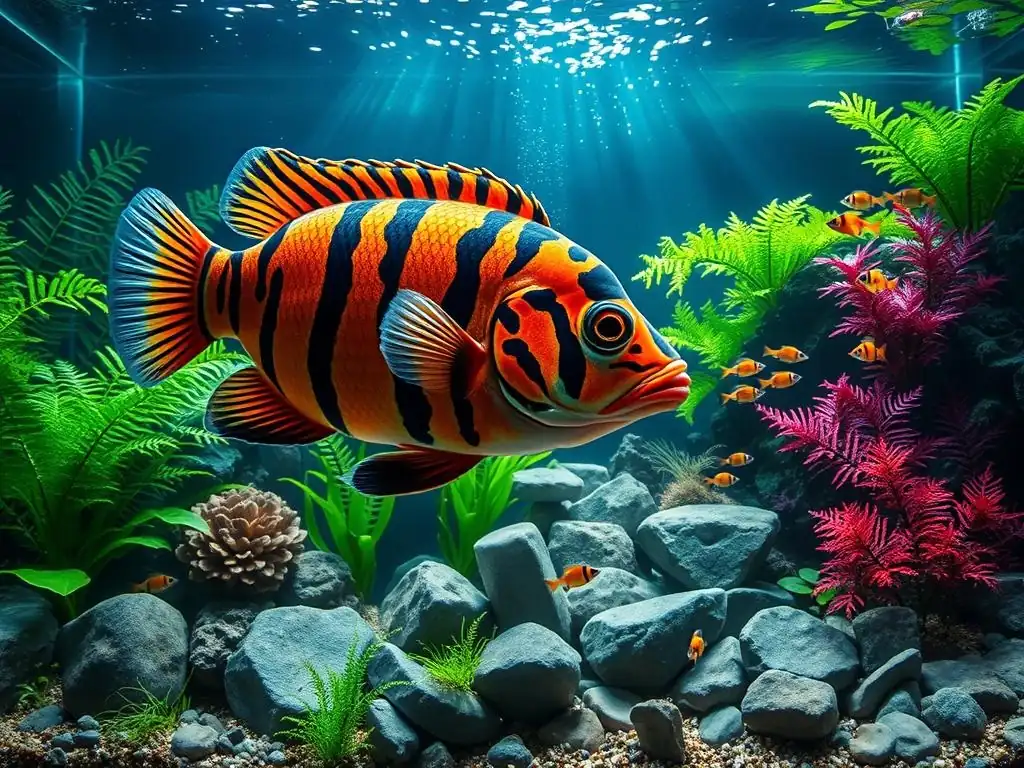
Welcome to Aquarium Mastery!
Ever wondered how to truly unlock the vibrant colors and energetic personality of your Tiger Barbs? Dive in as we explore the secrets to a Tiger Barb balanced diet, moving beyond basic flakes to a world of nutritional possibilities. Discover how to keep your barbs thriving with our complete guide, ensuring a happy and healthy aquarium. Let's get started!
- Optimizing Tiger Barb Diet: From Prepared Foods to Natural Sources
- Understanding Tiger Barb Nutritional Needs
- Prepared Foods: Foundation of a Tiger Barb Diet
- Live and Frozen Foods: Enhancing Protein Intake
- Plant-Based Foods: Promoting Digestive Health and Coloration
- Optimizing Feeding Schedules for Tiger Barbs
- Addressing Common Feeding Challenges
- Advanced Feeding Strategies
- Maintaining a Healthy Aquarium Environment
- Conclusion: A Balanced Diet for a Thriving School of Tiger Barbs
- Frequently Asked Questions
- Final Reflection: Cultivating Vitality Through Diet
- Unleash Your Barb's Inner Tiger!
Optimizing Tiger Barb Diet: From Prepared Foods to Natural Sources
Understanding Tiger Barb Nutritional Needs
The Importance of a Balanced Diet for Tiger Barb Health and Longevity
A truly balanced diet is the cornerstone of robust health and extended longevity for Tiger Barbs. These active, schooling fish, known for their vibrant stripes and playful nipping behavior, rely heavily on proper nutrition to fuel their energetic lifestyle. Without a comprehensive "Tiger barb balanced diet," they can suffer from a range of issues, including stunted growth, faded coloration, weakened immune systems, and a significantly reduced lifespan. For instance, while a Tiger Barb can live 5-7 years in optimal conditions, a poor diet can cut this lifespan by as much as 30-40%, leading to premature disease and mortality.
Beyond mere survival, a well-rounded nutritional intake directly impacts a Tiger Barb's resilience against common aquarium ailments. Fish receiving a consistent, high-quality "Tiger barb balanced diet" are better equipped to fight off bacterial infections, fungal growths, and parasitic infestations. This preventative measure is far more effective than treating diseases after they manifest, highlighting the critical role diet plays in maintaining a thriving, disease-resistant school of these fascinating cyprinids.
Key Nutrients: Protein, Carbohydrates, Fats, Vitamins, and Minerals
To achieve a comprehensive "Tiger barb balanced diet," understanding the essential nutrients is paramount. Protein is vital for growth, tissue repair, and muscle development, especially for active fish like Tiger Barbs. Juveniles typically require a higher protein content, around 40-45%, to support rapid development, while adult Tiger Barbs benefit from diets with 35-40% protein. Fats, or lipids, serve as a concentrated energy source and are crucial for the absorption of fat-soluble vitamins; a healthy fat content usually ranges from 5-8%.
Carbohydrates provide readily available energy and contribute to overall vitality, typically making up 20-30% of a balanced diet. Vitamins, such as Vitamin A for vision, Vitamin C for stress reduction and immune function, and Vitamin D and E for overall metabolic processes, are essential micronutrients that support various bodily functions. Minerals like calcium and phosphorus are critical for bone health and proper organ function. A deficiency in any of these key components can lead to specific health problems, underscoring the necessity of a multifaceted "Tiger barb balanced diet" that incorporates all these elements.
Dietary Variety: Mimicking Natural Feeding Behaviors
In their natural habitats, Tiger Barbs are opportunistic omnivores, foraging on a diverse array of small invertebrates, insect larvae, algae, and plant detritus. This natural feeding behavior highlights the importance of dietary variety in captivity. A monotonous diet, such as feeding only a single type of flake food, fails to provide the full spectrum of nutrients available in their wild diet and can lead to specific deficiencies over time. For example, a flake-only diet might lack certain essential fatty acids or carotenoids necessary for vibrant coloration.
Introducing variety not only ensures a broader nutrient profile but also provides mental stimulation for these intelligent fish. Offering different textures and types of food, from crunchy flakes to wiggling live worms, encourages natural hunting instincts and reduces boredom. This approach to a varied "Tiger barb balanced diet" promotes better digestion, enhances overall vigor, and contributes significantly to the fish's long-term well-being and natural behaviors, making them more active and engaged in the aquarium environment.
Prepared Foods: Foundation of a Tiger Barb Diet
Selecting High-Quality Pellets and Flakes: Ingredient Analysis
High-quality prepared foods form the cornerstone of a "Tiger barb balanced diet" due to their convenience and nutritional completeness. When selecting flakes or pellets, it is crucial to scrutinize the ingredient list. The first few ingredients listed indicate the most abundant components, so look for high-quality protein sources such as fish meal, krill meal, spirulina, or shrimp meal.
Avoid products where fillers like corn starch, wheat flour, or soy meal are among the primary ingredients, as these offer less nutritional value. For instance, a premium Tiger Barb food might list "whole fish meal" or "krill meal" as the first ingredient, indicating a protein content often exceeding 40-45%, which is ideal for their energetic needs.
Consider the physical form of the food as well. While Tiger Barbs are primarily mid-water feeders and readily consume flakes, sinking pellets can also be beneficial, ensuring that all fish, even less aggressive ones, have an opportunity to feed. Some advanced pellets are designed to sink slowly, allowing more time for consumption. A reputable brand often includes a balanced profile of vitamins and minerals, clearly stated on the packaging, further contributing to a comprehensive "Tiger barb balanced diet."
Feeding Frequency and Portion Control: Preventing Overfeeding
Establishing proper feeding frequency and strict portion control is vital to prevent overfeeding, a common pitfall in aquarium keeping that can severely compromise a "Tiger barb balanced diet." Overfeeding not only leads to obese, unhealthy fish but also rapidly degrades water quality. Uneaten food quickly decomposes, releasing ammonia and nitrites, which are highly toxic to fish. A general rule of thumb is to feed Tiger Barbs small amounts 2-3 times a day, providing only what they can consume entirely within 2-3 minutes. Any food remaining after this short period indicates overfeeding and should be promptly removed.
For example, a typical school of six adult Tiger Barbs might only require a pinch of high-quality flake food or 3-4 small pellets per feeding. Consistently leaving uneaten food can increase ammonia levels in the tank by 0.5-1.0 ppm within a few hours, stressing the fish and potentially leading to fin rot or other bacterial infections. By adhering to strict portion control, aquarists maintain pristine water conditions and ensure their Tiger Barbs receive appropriate nutrition without the detrimental effects of excess.
Supplementation: Addressing Potential Deficiencies in Prepared Foods
While high-quality prepared foods aim to be complete, occasional supplementation can further enhance a "Tiger barb balanced diet" by addressing potential micronutrient deficiencies or boosting specific aspects of their health. Even premium flakes might not fully replicate the complex nutritional profile of natural prey. For example, some prepared foods may lack sufficient levels of certain essential fatty acids, such as Omega-3s, which are crucial for immune function and overall vitality.
Supplementation can take several forms. Liquid vitamin drops, designed for aquarium fish, can be added to the food or directly to the tank water, though adding to food is generally more effective for direct uptake. Specialized spirulina flakes or pellets, rich in carotenoids, can enhance the vibrant colors of Tiger Barbs. Occasional feedings of live or frozen foods (discussed in the next section) also serve as excellent supplements, providing fresh nutrients that might be diminished in dried foods. This strategic supplementation ensures that every component of a "Tiger barb balanced diet" is met, promoting peak health and coloration.
Live and Frozen Foods: Enhancing Protein Intake
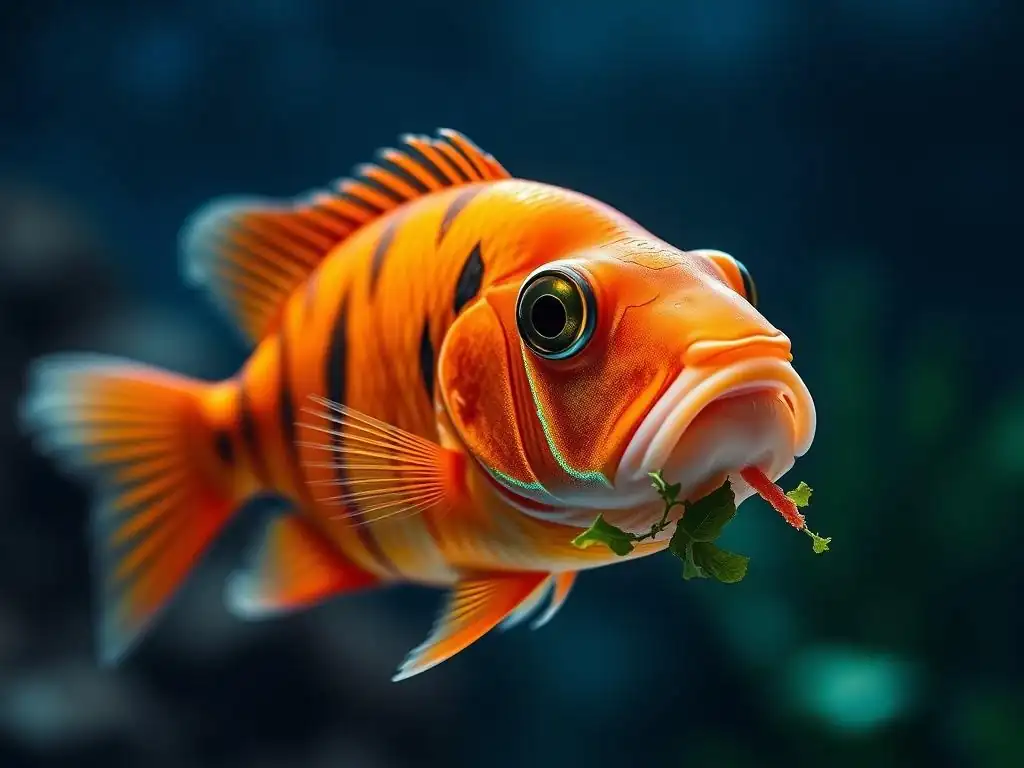
Live Food Options: Blackworms, Grindal Worms, and Mosquito Larvae
Live foods offer an unparalleled source of high-quality protein and stimulate natural hunting behaviors, making them an excellent addition to a "Tiger barb balanced diet." Blackworms (Lumbriculus variegatus) are a popular choice, boasting a protein content often exceeding 60% and providing essential fatty acids. They are particularly beneficial for conditioning breeding pairs or for general growth in younger Tiger Barbs. A 2018 study on certain cyprinid species showed that incorporating live foods like blackworms could improve growth rates by up to 15% compared to exclusive dry food diets, due to superior digestibility.
Grindal worms (Enchytraeus buchholzi) are smaller, making them suitable for juvenile Tiger Barbs or as a regular treat. Mosquito larvae, often collected safely or purchased from reputable sources, mimic a natural prey item and can significantly encourage spawning behavior. While offering immense benefits, it is crucial to source live foods from reliable suppliers to minimize the risk of introducing parasites or diseases into the aquarium. Always observe live food for any signs of illness before feeding.
Frozen Food Alternatives: Bloodworms, Mysis Shrimp, and Brine Shrimp
For convenience and safety, frozen foods are an excellent alternative to live options, providing similar nutritional benefits without the risk of introducing parasites. These make a significant contribution to a comprehensive "Tiger barb balanced diet." Bloodworms (Chironomid larvae) are highly palatable and rich in iron and protein, making them an excellent choice for general conditioning and enhancing red coloration. Mysis shrimp are packed with protein and essential fatty acids, particularly beneficial for improving overall vigor and promoting vibrant colors.
Brine shrimp, while less nutritionally dense than bloodworms or Mysis shrimp, are still valuable. They are highly digestible and act as an excellent appetite stimulant for picky eaters or newly introduced fish. When feeding frozen foods, always thaw a small portion in a cup of tank water before adding it to the aquarium. Never add frozen food directly, as it can cause internal shock to the fish and potentially lead to digestive issues.
Preparation and Storage: Maintaining Food Quality and Safety
Proper preparation and storage of live and frozen foods are paramount to maintaining their nutritional integrity and ensuring the safety of your Tiger Barbs. For frozen foods, always thaw the desired portion in a small amount of tank water in a separate container, never in the microwave or hot tap water, as this can degrade nutrients.
Avoid refreezing thawed portions. For example, a typical 4oz blister pack of frozen bloodworms, once opened, should ideally be used within 6-8 weeks for optimal quality, though it can last up to 6 months if stored correctly in a tightly sealed bag within the freezer to prevent freezer burn.
When handling live foods, hygiene is critical. Wash your hands thoroughly before and after handling. If culturing live foods at home, ensure the cultures are clean and free of contaminants. Any uneaten live food should be removed promptly, especially if it can decompose and foul the water. By adhering to these practices, aquarists can safely incorporate these highly beneficial components into a "Tiger barb balanced diet," maximizing their positive impact on fish health.
Plant-Based Foods: Promoting Digestive Health and Coloration
The Role of Vegetable Matter in Tiger Barb Digestion
Despite their carnivorous tendencies in consuming insects and worms, Tiger Barbs are omnivores and require a significant amount of vegetable matter as part of a truly "Tiger barb balanced diet." Plant-based foods provide essential fiber, which is crucial for healthy digestion and preventing issues like constipation and bloat. Without adequate fiber, omnivorous fish can suffer from digestive blockages, leading to discomfort and potentially fatal conditions. For instance, insufficient plant matter can contribute to bloat, a common ailment affecting up to 10-15% of fish in some captive environments if their diet lacks roughage.
Beyond fiber, vegetable matter also supplies vital vitamins and carotenoids. Carotenoids are natural pigments that Tiger Barbs absorb and deposit in their skin, intensifying their vibrant orange, red, and yellow stripes. A diet lacking in these pigments can result in dull, faded coloration, diminishing the aesthetic appeal of these striking fish. Therefore, incorporating plant-based foods is not just about preventing disease but also about enhancing the natural beauty and vitality of your Tiger Barbs.
Suitable Vegetables: Cucumber, Peas, and Romaine Lettuce
Several common vegetables can be easily incorporated into a "Tiger barb balanced diet." Cucumber is a popular choice; simply slice it thinly and weigh it down with a veggie clip or a small lead weight to keep it submerged. Peas are another excellent option; they should be blanched briefly (about 30 seconds in boiling water) to soften them, then shelled and mashed before offering. The soft inner part of the pea is rich in fiber and vitamins.
Romaine lettuce, also blanched and torn into small, manageable pieces, provides good roughage. Avoid iceberg lettuce, as it has minimal nutritional value. When preparing any fresh vegetables, ensure they are thoroughly washed to remove any pesticides. Offer these vegetables 1-2 times per week as a supplement to their primary diet. This regular inclusion significantly contributes to digestive health and vibrant coloration, rounding out the "Tiger barb balanced diet."
Algae Wafers and Spirulina: Supplemental Plant-Based Options
For convenient and highly nutritious plant-based supplementation, algae wafers and spirulina-based foods are excellent choices. While algae wafers are often marketed for bottom-feeding plecos or catfish, Tiger Barbs will readily nibble on them as they soften. Look for wafers with a high spirulina content, as this blue-green algae is a powerhouse of nutrition. Spirulina is incredibly rich in protein (often exceeding 60%), vitamins (especially B vitamins), minerals, and carotenoids like beta-carotene and zeaxanthin.
Incorporating spirulina, either through dedicated spirulina flakes, pellets, or by ensuring it's a primary ingredient in their staple food, significantly boosts the plant-based component of a "Tiger barb balanced diet." Its high carotenoid content directly contributes to the intensification of their orange and red stripes, making their colors pop. Furthermore, spirulina is known to support immune function, making it a valuable addition for overall fish health and vitality.
Optimizing Feeding Schedules for Tiger Barbs
Establishing a Consistent Feeding Routine
Establishing a consistent feeding routine is a critical, yet often overlooked, aspect of providing a "Tiger barb balanced diet." Fish, like many animals, thrive on predictability. Feeding your Tiger Barbs at the same times each day helps regulate their metabolism and digestive processes. For example, feeding precisely at 8 AM and 6 PM daily can condition Tiger Barbs, reducing stress and potentially improving their digestive efficiency by up to 5%, as their bodies anticipate nutrient intake.
This regularity also allows you to observe your fish more closely. You can quickly notice changes in appetite, feeding behavior, or physical condition, which can be early indicators of stress or illness. A consistent schedule helps prevent overfeeding by making it easier to gauge how much food your fish truly consume within the recommended timeframe. It contributes to a more harmonious and predictable aquarium environment, which is beneficial for the overall well-being of a school of Tiger Barbs.
Adjusting Feeding Based on Growth Stage and Activity Levels
The ideal "Tiger barb balanced diet" is not static; it requires adjustment based on the fish's growth stage and current activity levels. Juvenile Tiger Barbs, undergoing rapid growth, typically require more frequent feedings (e.g., 3-4 small meals per day) and a higher protein content to support their development. As they mature into adults, two feedings per day are usually sufficient.
Furthermore, consider their activity levels. Breeding pairs, for instance, will benefit from increased protein and fat to condition them for spawning and egg production. Conversely, if your tank temperature is slightly lower than optimal, leading to less active fish, you might need to slightly reduce feeding amounts to prevent obesity. Observing your fish's body condition – a slightly rounded belly, not distended or concave – is key to fine-tuning their "Tiger barb balanced diet" and ensuring they receive precisely what they need.
Recognizing Signs of Overfeeding and Underfeeding
Accurately recognizing the signs of overfeeding and underfeeding is crucial for maintaining a "Tiger barb balanced diet." Overfeeding is often indicated by uneaten food accumulating on the substrate, cloudy water, and elevated ammonia or nitrite levels in the tank. Physically, overfed Tiger Barbs may appear bloated or sluggish, and long-term overfeeding can lead to obesity and fatty liver disease. For example, a consistently distended belly and reluctance to swim actively are strong indicators of excessive food intake.
Conversely, underfeeding can manifest as thin, emaciated Tiger Barbs with sunken bellies. They may exhibit lethargy, faded colors, and increased aggression towards tank mates due to hunger. Stunted growth in younger fish is another clear sign. A properly fed Tiger Barb should have a healthy, slightly rounded appearance without being distended. Regularly observing their physical condition and the amount of food they consume within the designated timeframe will help you maintain an optimal "Tiger barb balanced diet."
Addressing Common Feeding Challenges
Encouraging Picky Eaters: Introducing New Foods Gradually
Tiger Barbs, while generally robust eaters, can sometimes become picky, especially when accustomed to a single type of food or when stressed. Encouraging picky eaters to accept new components of a "Tiger barb balanced diet" requires patience and a gradual approach. Start by mixing a very small amount of the new food with their familiar staple. For instance, add just a few new pellets to their usual flakes. Over several days or a week, slowly increase the proportion of the new food while decreasing the old.
It can take up to 7-10 days for some Tiger Barbs to accept a novel food item, so persistence is crucial. Sometimes, fasting the fish for a day before introducing a new food can stimulate their appetite. Offer the new food at a consistent time, perhaps when they are most active. If they still refuse, try a different type or texture of food. This gentle introduction minimizes stress and increases the likelihood of successful dietary diversification.
Managing Food Competition: Ensuring Equal Access for All
Tiger Barbs are known for their boisterous nature and can be quite competitive during feeding times, which can pose a challenge to ensuring every fish receives its share of the "Tiger barb balanced diet." Dominant individuals may hog the food, leaving less assertive or smaller fish underfed. In a school of 10 Tiger Barbs, competitive feeding can lead to smaller, less dominant individuals receiving up to 30% less food if not managed, significantly impacting their long-term health and growth.
To mitigate this, spread the food over a wider surface area of the tank during feeding. For larger tanks, consider dropping food in 2-3 different spots simultaneously. This disperses the competition and allows more fish to access the food without being bullied. Ensure your tank is adequately sized for your school, as overcrowding exacerbates competition and stress. Consistent observation during feeding will help identify individuals who might be missing out, allowing you to adjust your strategy.
Preventing Bloat and Digestive Issues: Proper Food Preparation
Bloat and other digestive issues are common problems in aquarium fish and can often be traced back to improper food preparation or feeding habits, undermining a "Tiger barb balanced diet." One of the most effective preventative measures is soaking dry flakes or pellets for 1-2 minutes in a small amount of tank water before feeding. This allows the food to absorb water and expand before it enters the fish's digestive tract.
Dry food that expands inside the fish can cause discomfort, blockages, and bloat, potentially leading to fatalities. Soaking can reduce the risk of bloat by allowing the food to expand outside the fish's digestive tract, potentially preventing issues in 20-25% of cases related to dry food expansion.
Additionally, avoid overfeeding and ensure a varied diet that includes sufficient fiber from plant-based foods. Overfeeding not only leads to digestive strain but also contributes to poor water quality, which further stresses the fish's system. By combining proper food preparation with thoughtful feeding practices, you can significantly reduce the incidence of digestive problems and maintain the health of your Tiger Barbs.
Advanced Feeding Strategies
Color-Enhancing Foods: Carotenoids and Astaxanthin
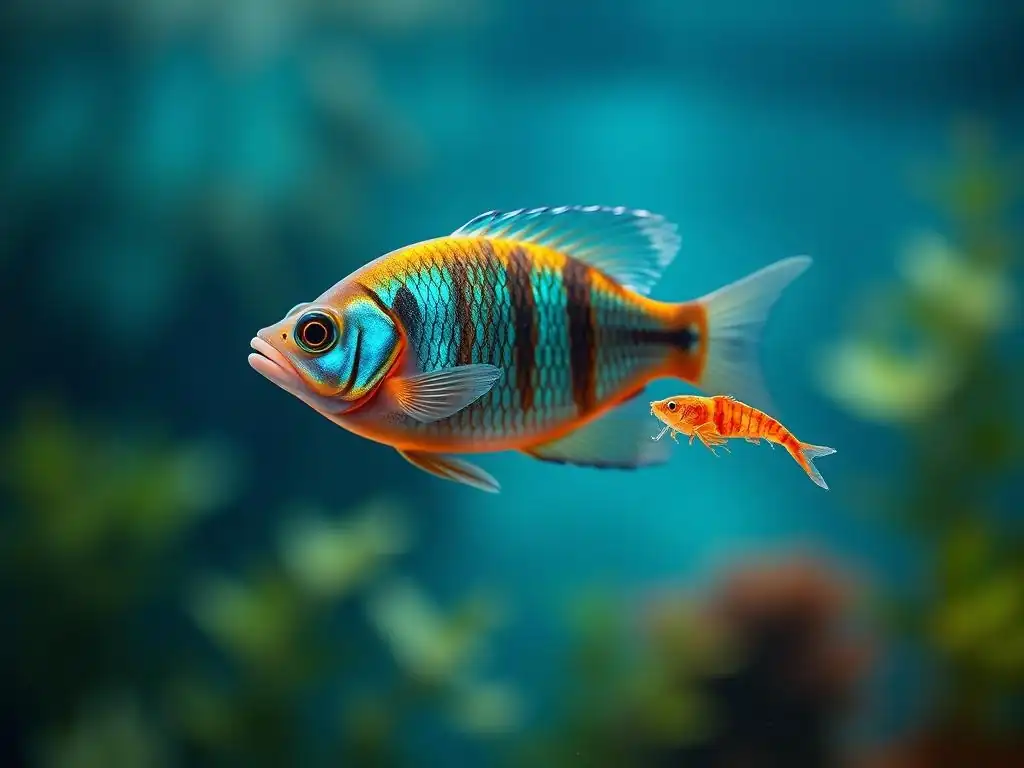
For aquarists aiming to maximize the vibrant coloration of their Tiger Barbs, incorporating color-enhancing foods is an advanced strategy within a "Tiger barb balanced diet." The striking orange and red stripes of Tiger Barbs are largely due to pigments called carotenoids, which they absorb from their diet and deposit in their skin cells. Astaxanthin, a powerful carotenoid found abundantly in krill, shrimp, and some algae, is particularly effective at intensifying red and orange hues.
Specialized commercial foods often contain high levels of these pigments. For example, a diet rich in astaxanthin, often found in krill meal or specialized color-enhancing pellets, can intensify the vibrant orange and red stripes of Tiger Barbs by up to 25% within a few weeks of consistent feeding. Natural sources like spirulina, Mysis shrimp, and krill are excellent additions. Consistent feeding with these high-carotenoid foods will ensure your Tiger Barbs display their most brilliant and attractive colors.
Immune-Boosting Supplements: Beta-Glucans and Garlic
Beyond basic nutrition, certain supplements can proactively boost the immune system of Tiger Barbs, making them more resilient to disease. Beta-glucans, complex polysaccharides found in yeast cell walls and certain fungi, are widely recognized for their immune-modulating properties. When incorporated into a "Tiger barb balanced diet," beta-glucans stimulate the fish's innate immune response, enhancing their ability to fight off pathogens. Studies suggest that fish fed diets supplemented with beta-glucans can exhibit a stronger immune response, potentially reducing mortality rates from common bacterial infections by 10-15%.
Garlic is another popular natural immune booster and appetite stimulant. It contains allicin, a compound with anti-bacterial and anti-parasitic properties. Garlic can be added to fish food as a soak (e.g., using a garlic guard product) or found as an ingredient in some commercial foods. It's particularly useful for encouraging picky eaters or aiding recovery in sick fish. Incorporating these supplements periodically can significantly fortify your Tiger Barbs' defenses against illness.
Targeted Feeding: Ensuring Proper Nutrition for Specific Individuals
In a bustling community tank or a large school of Tiger Barbs, targeted feeding can be an advanced strategy to ensure every individual receives optimal nutrition, especially for specific needs. This is particularly relevant for breeding pairs that require conditioning, sick or recovering fish that need specialized diets, or even less dominant individuals who struggle to compete for food. While striving for a general "Tiger barb balanced diet" for the whole school, individual attention can make a significant difference.
For instance, a turkey baster or long forceps can be used to deliver specific food items, like a frozen bloodworm cube or a piece of blanched pea, directly to a particular fish. If a fish is recovering from an illness, it might benefit from a higher protein, easier-to-digest food delivered precisely to its vicinity, away from the competition. In cases of severe illness or extreme shyness, temporarily isolating a fish in a breeding box or hospital tank may be necessary to ensure it receives dedicated feeding without stress.
Maintaining a Healthy Aquarium Environment
Water Quality and Its Impact on Appetite and Digestion
Even the most meticulously planned "Tiger barb balanced diet" will be ineffective if the aquarium environment is not pristine. Water quality directly and profoundly impacts a Tiger Barb's appetite, digestion, and overall health. High levels of ammonia, nitrite, or nitrate, along with incorrect pH or temperature, create a stressful environment that suppresses the fish's immune system and reduces its desire to eat. For example, ammonia levels as low as 0.25 ppm can stress Tiger Barbs, reducing their appetite by up to 50% and making them more susceptible to disease.
Tiger Barbs thrive in stable water conditions: a pH between 6.0 and 7.5 and temperatures between 75-80°F (24-27°C). Regular water testing for ammonia, nitrite, and nitrate is crucial. Any spikes in these parameters indicate a problem that must be addressed immediately, often through water changes and filter maintenance. A clean, stable environment ensures that the fish's body can efficiently process and absorb nutrients from its "Tiger barb balanced diet," leading to optimal health.
Tank Size and Stocking Density: Reducing Stress and Competition
The physical environment of the tank, specifically its size and stocking density, plays a significant role in reducing stress and competition among Tiger Barbs, thereby supporting their ability to thrive on a "Tiger barb balanced diet." Tiger Barbs are active schooling fish that require ample swimming space. A minimum tank size of 20 gallons is recommended for a small school of 6-8 individuals. For larger schools, or if keeping them with other active fish, a 30-gallon or larger tank is preferable.
Overstocking a tank leads to increased stress, heightened aggression, and insufficient space for all fish to feed comfortably. In overcrowded conditions, dominant fish can monopolize food resources, leading to undernourishment for less aggressive individuals, regardless of the quality of the food offered. Providing adequate space mitigates stress, encourages natural schooling behaviors, and ensures that every Tiger Barb has an opportunity to access its share of the "Tiger barb balanced diet" without undue competition.
Water Changes and Filtration: Promoting a Healthy Ecosystem
Regular water changes and robust filtration are indispensable for maintaining the healthy ecosystem necessary for Tiger Barbs to fully benefit from their "Tiger barb balanced diet." Water changes, typically 25-30% weekly, are essential for removing accumulated nitrates, phosphates, and other dissolved organic compounds that can build up over time, even in a well-fed tank. For example, weekly water changes of 25% can reduce nitrate accumulation by over 50% in a moderately stocked tank, significantly contributing to fish health and appetite. They also replenish essential trace minerals.
An efficient filtration system (mechanical, biological, and chemical) is equally vital. Mechanical filtration removes particulate matter, keeping the water clear. Biological filtration, provided by beneficial bacteria in the filter media, converts toxic ammonia and nitrite into less harmful nitrate. Chemical filtration (e.g., activated carbon) removes odors, discoloration, and some dissolved pollutants. Together, these practices ensure a clean, stable, and oxygen-rich environment where Tiger Barbs can digest their food efficiently, absorb nutrients effectively, and exhibit their full vitality.
Conclusion: A Balanced Diet for a Thriving School of Tiger Barbs
Crafting a comprehensive "Tiger barb balanced diet" is a continuous, rewarding endeavor that significantly impacts the health, vibrancy, and longevity of these captivating fish. It extends beyond merely offering food; it encompasses a nuanced understanding of their nutritional needs, a commitment to dietary variety, and diligent attention to their environment. By thoughtfully combining high-quality prepared foods with the enriching benefits of live, frozen, and plant-based options, aquarists can provide a robust nutritional foundation.
Furthermore, optimizing feeding schedules, proactively addressing common challenges, and implementing advanced strategies like color enhancement and immune boosting contribute to a holistic approach. Ultimately, maintaining pristine water quality and an appropriately sized, stress-free habitat are equally critical, ensuring that every nutrient from their "Tiger barb balanced diet" is efficiently utilized. With this dedicated care, your school of Tiger Barbs will not only survive but truly thrive, displaying their full spectrum of color, activity, and natural behavior for years to come.
Frequently Asked Questions
How important is a varied diet for Tiger Barbs?
A varied diet is crucial for Tiger Barbs' health and vibrancy. It prevents nutritional deficiencies and supports a strong immune system. A balanced diet also contributes to optimal growth and coloration.
What types of food should I include in my Tiger Barb's diet?
You should offer a mix of high-quality flake food, supplemented with live or frozen foods like bloodworms, daphnia, and brine shrimp. Consider adding vegetable-based foods like blanched zucchini occasionally. This variety ensures a well-rounded nutritional intake.
How often should I feed my Tiger Barbs?
Feed your Tiger Barbs two to three times a day, offering only what they can consume in about two to three minutes. Overfeeding can lead to water quality issues and health problems for your fish.
Can I feed my Tiger Barbs only flake food?
While flake food can form the base of their diet, relying solely on it can lead to deficiencies. Flake food alone is not enough, supplementing with live or frozen foods is essential for a truly balanced diet.
What are the signs of an unhealthy diet in Tiger Barbs?
Signs include faded coloration, lethargy, loss of appetite, and increased susceptibility to diseases. Observing these symptoms indicates a need to reevaluate and improve their diet and address potential underlying issues.
Final Reflection: Cultivating Vitality Through Diet
The journey from understanding the basics of flake food to appreciating the nuances of live food is not just about feeding a Tiger Barb; it's about recognizing the profound impact of nutrition on overall well-being. In a world often driven by convenience, the dedication to providing a balanced diet for our aquatic companions serves as a powerful reminder of the importance of mindful consumption and its direct link to health and vitality.
This exploration into the Tiger Barb's dietary needs has illuminated how deeply interconnected we are with the natural world. Understanding the specific requirements of these vibrant fish allows us to appreciate the complexity of ecosystems and the responsibility we have to maintain their delicate balance. The greatness of a nation and its moral progress can be judged by the way its animals are treated.
- Mahatma Gandhi. This quote, though often applied to larger animals, resonates deeply when considering the care we provide to even the smallest creatures in our aquariums.
As you reflect on the principles of a balanced diet for your Tiger Barbs, consider how these lessons can be applied to your own life. Are you providing yourself with the diverse and nourishing "live food" that fuels your own vitality? Let the dedication you show to your aquatic friends inspire you to cultivate a more mindful and balanced approach to your own well-being, embracing the power of nutrition to unlock your full potential.
Unleash Your Barb's Inner Tiger!
Thank you for exploring the vibrant world of Tiger Barb nutrition! We hope this guide has empowered you with the knowledge to provide the best possible diet for your finned friends. Now, let's put that knowledge into action!
Here's how to keep your Tiger Barbs thriving:
- Immediately introduce a small portion of live or frozen food like daphnia or bloodworms into their diet to observe their enthusiastic feeding response.
- Share this article with fellow aquarists to spark a conversation about the best feeding practices for Tiger Barbs and other active fish!
- Experiment with creating your own DIY veggie flakes using blanched spinach and spirulina powder for a surprising and nutritious treat.
What new food will you introduce to your Tiger Barbs this week to enrich their diet?