
Wild Beauty, Aquarium Star: The Origins and Unique Needs of Denison Barbs

Welcome to Aquarium Mastery!
Ever been captivated by a flash of vibrant color darting through a freshwater tank? We certainly have! Prepare to dive deep into the world of one of the most stunning and sought-after aquarium inhabitants. Today, we're unlocking the secrets to thriving with these gems. Intrigued? Then let's unravel the mysteries and explore the Denison barbs care requirements in detail, ensuring your tank becomes a perfect paradise for these wild beauties.
- Unveiling the Denison Barb: A Striking Addition to Your Freshwater Aquarium
- Understanding the Natural Habitat and Origins of Denison Barbs
- Denison Barbs Care Requirements: A Comprehensive Guide
- Denison Barb Behavior and Social Dynamics
- Maintaining the Health of Your Denison Barbs
- Breeding Denison Barbs: Challenges and Possibilities
- The Future of Denison Barbs in the Aquarium Hobby
- Conclusion: Mastering Denison Barbs Care for a Thriving Aquarium
-
Frequently Asked Questions
- How large do Denison barbs typically grow in an aquarium?
- What are the ideal water parameters for Denison barbs in a freshwater aquarium?
- Are Denison barbs compatible with other fish species in a community tank?
- What type of diet do Denison barbs require to maintain their vibrant colors and health?
- What are some common health issues to watch out for in Denison barbs?
- Final Reflection: Appreciating the Delicate Balance
- Unleash the Denison Barb's Splendor in Your Aquarium!
Unveiling the Denison Barb: A Striking Addition to Your Freshwater Aquarium
Introducing the Denison Barb (Sahyadria denisonii): A Profile
The Denison Barb, scientifically known as Sahyadria denisonii (formerly Puntius denisonii), is a highly sought-after freshwater fish renowned for its striking appearance and active demeanor. Native to the clear, fast-flowing rivers and streams of the Western Ghats in Kerala and Karnataka, India, this species boasts a sleek, torpedo-shaped body adorned with a vibrant red stripe running from its snout to mid-body, complemented by a prominent black line extending to its caudal fin. Adults typically reach a size of 4 to 6 inches (approximately 10 to 15 cm) in a well-maintained aquarium environment, offering a graceful and dynamic presence.
Beyond their captivating coloration, Denison Barbs are appreciated for their peaceful yet energetic schooling behavior. They are known for their longevity, often living 5 to 8 years or even longer when provided with optimal Denison barbs care requirements. Their active swimming habits and elegant movements make them a focal point in larger community aquariums, adding a touch of wild beauty to the domestic setting. Understanding their natural characteristics is the first step toward successfully keeping these magnificent fish.
Why Denison Barbs are Popular Among Aquarists
Denison Barbs have surged in popularity within the aquarium hobby due to a compelling combination of aesthetic appeal and engaging behavior. Their unique red and black lateral stripes against a shimmering silver body create a visually stunning contrast, making them stand out even in tanks with diverse populations. Unlike some other barbs, their generally peaceful temperament allows them to be successfully integrated into many community setups, provided their specific needs are met.
Their active, schooling nature adds dynamic movement and visual interest to an aquarium. A well-established school of Denison Barbs swimming synchronously is a truly mesmerizing sight, captivating observers with their coordinated movements. While they do present specific Denison barbs care requirements, particularly regarding tank size and water quality, aquarists often find the effort highly rewarding, as these fish thrive and display their full potential in appropriate conditions.
Understanding the Natural Habitat and Origins of Denison Barbs
The Native Environment: Discovering Denison Barbs in India
The Denison Barb originates from the pristine, highly oxygenated waters of the Western Ghats mountain range in southwestern India, specifically in the states of Kerala and Karnataka. These rivers and streams are characterized by their clear, cool, and fast-flowing currents, which are essential for the species' survival. The natural substrate typically consists of smooth rocks, gravel, and sand, with abundant submerged driftwood and dense riparian vegetation along the banks providing shelter and foraging opportunities.
The climate in their native region is monsoonal, leading to significant seasonal variations in water levels and flow rates. Denison Barbs are adapted to these dynamic conditions, thriving in water temperatures that typically range from 68°F to 77°F (20°C to 25°C) and a slightly acidic to neutral pH of 6.5 to 7.5. Their presence in these specific ecological niches underscores their need for highly oxygenated water and strong currents, which are critical aspects to consider when replicating their environment in an aquarium.
Replicating the Natural Habitat: Key Considerations for Your Tank
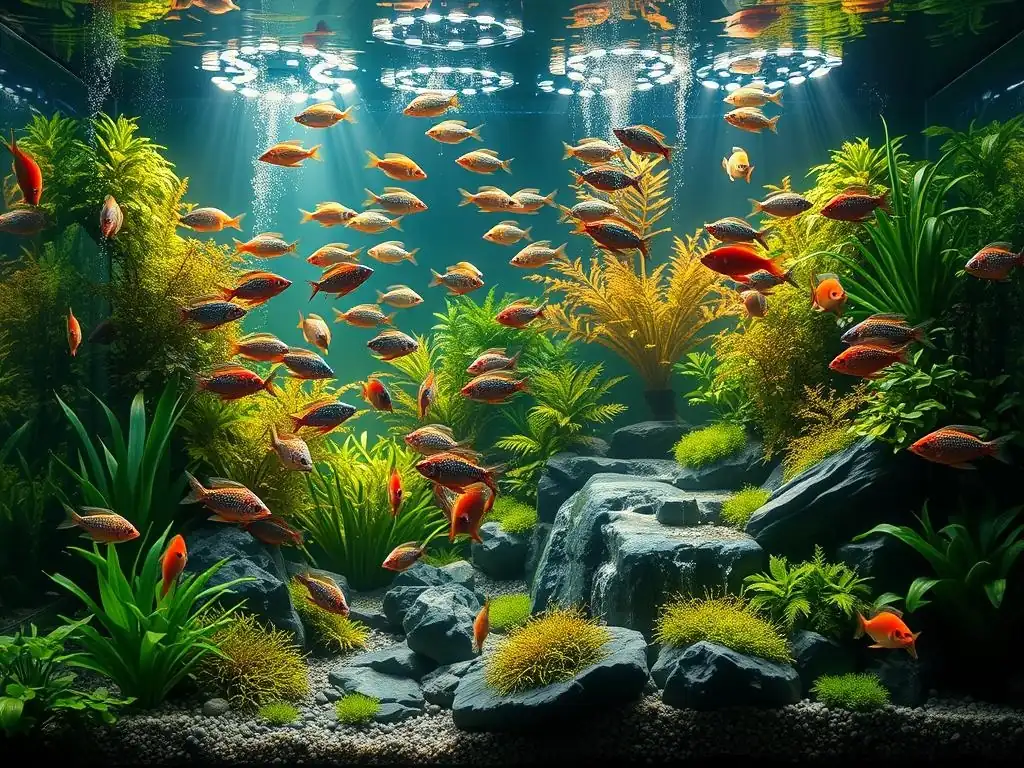
Successfully keeping Denison Barbs hinges on replicating aspects of their natural fast-flowing, oxygen-rich riverine habitat. A strong filtration system, such as an external canister filter, is paramount not only for maintaining pristine water quality but also for generating the necessary water flow and aeration. Additional powerheads can be incorporated to create areas of higher current, mimicking the brisk movement of their native streams. Maintaining a consistent water temperature within their preferred range of 68-77°F (20-25°C) is also vital, as fluctuations can stress these sensitive fish.
For the aquascape, consider using a substrate of fine gravel or sand, adorned with smooth river rocks and ample driftwood. These elements provide visual interest and mimic natural hiding spots while allowing plenty of open swimming space. Robust, hardy plants like Anubias, Java Fern, or Cryptocoryne species, which can be anchored to driftwood or rocks, are ideal as they can withstand strong currents and do not require extensive substrate for rooting. Providing a well-structured environment that caters to their active swimming and schooling instincts is a fundamental aspect of their Denison barbs care requirements.
Denison Barbs Care Requirements: A Comprehensive Guide
Water Parameters for Denison Barbs: Maintaining Optimal Conditions
Temperature and pH Levels for Healthy Denison Barbs
Maintaining stable and appropriate water parameters is paramount for the health and longevity of Denison Barbs. The ideal water temperature range for these fish is generally between 68°F and 77°F (20°C and 25°C). Consistency within this range is more crucial than hitting an exact number; sudden temperature fluctuations can cause significant stress, weakening their immune systems and making them susceptible to diseases like Ich. A reliable aquarium heater with a thermostat is essential to prevent such drastic changes.
Regarding pH, Denison Barbs thrive in water that is slightly acidic to neutral, with a recommended range of 6.5 to 7.5. While they can tolerate a small deviation, maintaining stability is key. Similarly, the water hardness should be soft to medium-hard, typically between 5 and 15 dGH. Regularly testing your aquarium water for temperature, pH, ammonia, nitrite, and nitrate levels is a non-negotiable part of fulfilling the specific Denison barbs care requirements to ensure their continued vitality.
The Importance of Water Changes for Denison Barb Wellbeing
Regular and consistent partial water changes are one of the most critical aspects of maintaining optimal water quality for Denison Barbs. It is recommended to perform weekly water changes of 25-30% of the tank's volume. This routine helps to remove accumulated nitrates, phosphates, and other dissolved organic compounds that can become toxic over time, even with a robust filtration system. Fresh water also replenishes essential minerals and trace elements that are utilized by the fish and plants.
Failing to conduct regular water changes can lead to a decline in water quality, manifesting as elevated nitrate levels, which directly contribute to stress, dull coloration, and increased susceptibility to diseases such as fin rot and bacterial infections. Always use a high-quality water conditioner to neutralize chlorine and chloramines from tap water before adding it to the aquarium. Adhering to a strict water change schedule is a foundational element among the Denison barbs care requirements that directly impacts their health and vibrant appearance.
Denison Barb Tank Size and Setup: Creating the Ideal Environment
Minimum Tank Size Recommendations for a School of Denison Barbs
Denison Barbs are incredibly active and fast-swimming fish, and their schooling nature necessitates ample space. For a small school of 5-6 individuals, a minimum tank size of 55 gallons (approximately 208 liters) is generally recommended. However, a 75-gallon (approximately 284 liters) or larger aquarium is significantly better, allowing for a more natural display of their schooling behavior and reducing stress. The emphasis should be on horizontal swimming space rather than vertical height, as they primarily occupy the middle and upper water columns.
Housing these fish in tanks that are too small can lead to stunted growth, increased aggression among school members, and heightened stress levels, making them more prone to illness. Given their potential adult size of 4-6 inches, a larger volume of water also helps to maintain stable water parameters, which is crucial for these sensitive fish. Providing generous swimming room is a key consideration among the Denison barbs care requirements for a thriving and harmonious school.
Substrate, Décor, and Plant Choices for Denison Barb Tanks
When setting up a tank for Denison Barbs, selecting the appropriate substrate, décor, and plants is vital to mimic their natural habitat and cater to their active lifestyle. A fine gravel or sand substrate is suitable, as it reflects the riverbeds they inhabit in the wild. For décor, smooth river rocks and pieces of driftwood are excellent choices; they provide visual interest, offer potential hiding spots, and can help to break up lines of sight, which can reduce minor squabbles within the school.
Plant selection should focus on hardy species that can withstand strong currents and do not require deep substrate, as Denison Barbs are not known for digging. Excellent choices include Anubias species, Java Fern ( Microsorum pteropus), and Cryptocoryne species, which can be attached to driftwood or rocks. It is crucial to leave plenty of open swimming space in the middle and upper areas of the tank, as these fish are constantly on the move. A balanced approach to aquascaping ensures both aesthetic appeal and the fulfillment of essential Denison barbs care requirements for their well-being.
Denison Barb Diet and Feeding: Ensuring Proper Nutrition
What Do Denison Barbs Eat in the Wild?
In their natural habitat, Denison Barbs are opportunistic omnivores with a diverse diet. Their primary food sources include small insects and their larvae, such as mosquito larvae and various aquatic insect nymphs, which they forage from the water column or from submerged vegetation. They also consume small crustaceans, a variety of algae, and some detritus or plant matter. This varied diet in the wild provides them with a broad spectrum of nutrients, essential for their vibrant coloration and energetic lifestyle.
Their feeding behavior involves actively grazing on biofilm and algae-covered surfaces, as well as darting through the water to catch passing prey. This natural foraging habit suggests that in an aquarium setting, they will benefit from a diet that replicates this diversity, ensuring they receive all necessary vitamins, minerals, and proteins. Understanding their natural feeding patterns is crucial for developing an optimal feeding strategy as part of comprehensive Denison barbs care requirements.
Optimal Feeding Schedule and Food Types for Aquarium Denison Barbs
To ensure Denison Barbs receive balanced nutrition and maintain their health in an aquarium, a varied diet is essential. They should be fed 2-3 times a day, offering small portions that they can consume within 2-3 minutes. A high-quality flake food or sinking pellet should form the staple of their diet, providing foundational nutrients. These should be supplemented regularly with a variety of frozen foods such as bloodworms, brine shrimp, daphnia, and mysis shrimp, which offer essential proteins and fatty acids.
Live foods, such as live brine shrimp or blackworms, can be offered occasionally as a treat and to encourage natural hunting behaviors, though care must be taken to ensure they are disease-free. Additionally, incorporating vegetable matter, such as spirulina flakes or blanched zucchini slices, can provide necessary fiber and prevent digestive issues. A diverse feeding regimen is a fundamental component of the Denison barbs care requirements, contributing significantly to their vibrant colors, strong immune system, and overall longevity.
Denison Barb Tank Mates: Choosing Compatible Species
Ideal Tank Mates for Denison Barbs
Selecting appropriate tank mates is crucial for a peaceful and thriving Denison Barb aquarium. Ideal companions are fish of similar size and temperament that can tolerate strong currents and similar water parameters. Good choices often include various species of Rainbowfish, such as Boeseman's Rainbowfish or Turquoise Rainbowfish, which share their active swimming habits and vibrant colors. Other suitable options include larger, peaceful Rasboras like Harlequin Rasboras, and certain loach species, such as Yo-Yo Loaches or Kuhli Loaches, which occupy the lower levels of the tank.
Additionally, larger Tetras, like Congo Tetras or Lemon Tetras, can make excellent tank mates, as can some peaceful, medium-sized cichlids like German Blue Rams, provided the tank is sufficiently large and offers ample hiding spots. It is vital to remember that Denison Barbs are schooling fish and should be kept in groups of at least 6-8 individuals to reduce stress and prevent them from nipping the fins of other tank inhabitants. Careful consideration of compatibility is a key part of the overall Denison barbs care requirements.
Species to Avoid Housing with Denison Barbs
While generally peaceful, Denison Barbs are active and fast swimmers, which means certain species are not suitable tank mates. Avoid housing them with very small, delicate, or slow-moving fish, such as Guppies, Neon Tetras, or Bettas, as the Denison Barbs' rapid movements and competitive feeding could stress them or lead to fin nipping. Fish with long, flowing fins, like Angelfish or Gouramis, are also generally not recommended, as their fins can be irresistible targets for Denison Barbs, especially if the barbs are not kept in a sufficiently large school.
Furthermore, highly aggressive or overtly territorial species should be avoided, as they can intimidate or harm Denison Barbs. Examples include some larger, more aggressive cichlids or certain types of Gouramis. Similarly, species requiring vastly different water parameters, such as extremely soft or highly alkaline water, should not be housed with Denison Barbs. Ensuring appropriate tank mates is as important as water quality when considering comprehensive Denison barbs care requirements.
Understanding Denison Barb Schooling Behavior
Denison Barbs are quintessential schooling fish, and understanding this fundamental aspect of their behavior is vital for their well-being in an aquarium. They exhibit a strong instinct to swim together in a cohesive group, typically preferring schools of at least 6 individuals, though 8-10 or more is ideal. When kept in insufficient numbers, Denison Barbs can become stressed, shy, and prone to illness, often losing their vibrant coloration and displaying erratic or aggressive behavior, sometimes even nipping the fins of other tank mates.
In a proper school, these fish display their most natural and captivating behaviors. They swim synchronously, creating a dynamic and visually stunning display as they navigate the tank's currents. This schooling behavior not only reduces individual stress but also enhances their confidence, allowing them to forage and explore more openly. Providing ample space for their schooling activities is a critical component of their Denison barbs care requirements, contributing significantly to their overall health and happiness.
Recognizing Signs of Stress or Illness in Denison Barbs
Early detection of stress or illness is crucial for the successful treatment and long-term health of Denison Barbs. Healthy Denison Barbs are active, vibrant, and constantly on the move, exhibiting strong schooling behavior. Signs of stress or illness can manifest both behaviorally and physically. Behavioral indicators include lethargy, hiding excessively, erratic or jerky swimming, gasping at the surface, or a sudden loss of appetite. They may also separate from the school, becoming withdrawn and listless.
Physical signs to watch for include faded coloration, clamped fins (held close to the body), white spots (indicative of Ich), frayed or deteriorating fins (often a sign of fin rot), bloating, or visible lesions, growths, or parasites on their bodies. Any deviation from their normal vibrant appearance and active behavior should prompt an immediate check of water parameters and a thorough observation of the fish. Prompt action based on these observations is a vital part of effective Denison barbs care requirements.
Maintaining the Health of Your Denison Barbs
Common Diseases Affecting Denison Barbs and Their Treatments
Denison Barbs, like all aquarium fish, are susceptible to various common diseases, often triggered by poor water quality, stress, or sudden parameter fluctuations. Ichthyophthirius multifiliis, commonly known as Ich or White Spot Disease, is one of the most prevalent. It appears as small, white spots resembling salt grains on the fish's body and fins, caused by a protozoan parasite. Treatment typically involves slowly raising the water temperature to 80-82°F (27-28°C) and using anti-parasitic medications specifically formulated for Ich, following product instructions carefully.
Bacterial infections, such as Fin Rot, are also common, often presenting as frayed, decaying fins and a general dullness in appearance. These are frequently a result of poor water conditions or physical injury. Treatment involves improving water quality through increased water changes and administering broad-spectrum antibacterial medications. Fungal infections, characterized by cotton-like growths on the body or fins, usually occur as secondary infections to existing injuries or stress. Anti-fungal treatments are effective, but addressing the underlying cause is paramount for long-term health and is a key aspect of Denison barbs care requirements.
Preventing Illness in Your Denison Barb Aquarium
Prevention is always better than cure when it comes to fish health, and this holds especially true for Denison Barbs. The cornerstone of preventing illness is maintaining consistently pristine water quality. This means adhering strictly to a schedule of weekly partial water changes (25-30%) and ensuring your filtration system is robust and well-maintained. Stable water parameters, including temperature, pH, and hardness, are crucial; avoid sudden fluctuations that can stress the fish and compromise their immune systems.
A balanced and varied diet, as previously discussed, is also vital for building a strong immune system. Overfeeding should be avoided as it can lead to poor water quality. Furthermore, providing an adequately sized tank with appropriate décor and ensuring they are kept in a large school (at least 6-8 individuals) significantly reduces stress, which is a major precursor to disease.
Finally, always quarantine new fish for at least 2-4 weeks in a separate tank before introducing them to your main aquarium to prevent the introduction of pathogens. Adhering to these preventative measures is a fundamental part of the comprehensive Denison barbs care requirements.
Breeding Denison Barbs: Challenges and Possibilities
The Difficulty of Breeding Denison Barbs in Captivity
Breeding Denison Barbs in a home aquarium setting is notoriously challenging and rarely achieved by hobbyists. Unlike many other popular aquarium fish, Denison Barbs do not readily spawn in typical captive conditions. They are egg scatterers, meaning they release non-adhesive eggs that fall to the substrate, often becoming food for the parents or other tank inhabitants. The specific triggers for spawning are believed to be very precise, mimicking the environmental cues of their natural habitat, such as significant changes in water parameters, including very soft and acidic water, and abundant live food, often associated with monsoon seasons.
Successfully inducing spawning requires a dedicated breeding tank with extremely soft water (near 0-2 dGH), a low pH (around 6.0-6.5), and specific temperature fluctuations, combined with highly oxygenated water flow. Even with these conditions, success is not guaranteed, and the eggs and fry are incredibly delicate, requiring specialized care for survival. The intricate nature of their breeding requirements makes it one of the most complex aspects of Denison barbs care requirements for advanced aquarists.
Commercial Breeding Techniques and Research
Despite the difficulties for home hobbyists, commercial breeding of Denison Barbs has seen increasing success, primarily in large-scale aquaculture facilities, particularly in Southeast Asia (e.g., Singapore, Indonesia). These operations often rely on hormone induction techniques, such as the use of Ovaprim or human chorionic gonadotropin (HCG), to stimulate spawning in mature adults. This method bypasses the need for the precise environmental triggers that are so difficult to replicate naturally.
Commercial breeding facilities also utilize specialized breeding tanks with controlled water parameters, often employing reverse osmosis (RO) water to achieve the extremely soft and acidic conditions required for egg viability. The fry, once hatched, are incredibly small and require microscopic foods like infusoria or specialized liquid fry foods before transitioning to Artemia nauplii. Ongoing research continues to refine these techniques, aiming to improve breeding success rates and reduce reliance on wild-caught specimens, which is vital for the species' conservation.
The Future of Denison Barbs in the Aquarium Hobby
Conservation Efforts for Wild Denison Barb Populations
The popularity of the Denison Barb in the aquarium trade has unfortunately placed significant pressure on its wild populations in the Western Ghats of India. Over-collection for export, combined with habitat degradation due to pollution from agriculture and industry, and the construction of dams, has led to a drastic decline in their numbers. Consequently, the species is listed as Endangered on the IUCN Red List of Threatened Species, highlighting the urgent need for conservation.
Conservation efforts include stricter regulations on collection, the establishment of protected areas within their native range, and community-based initiatives to raise awareness about sustainable practices. Furthermore, the promotion of captive breeding programs is crucial to reduce the demand for wild-caught fish, thereby alleviating pressure on natural populations. Supporting these efforts is an ethical responsibility for anyone interested in the Denison barbs care requirements and the future of the species.
Responsible Sourcing of Denison Barbs for Aquariums
As responsible aquarists, our choices directly impact the future of species like the Denison Barb. To contribute to their conservation, it is paramount to prioritize the purchase of tank-bred or commercially farmed Denison Barbs over wild-caught specimens. While wild-caught fish may still be available, opting for aquaculture-sourced individuals helps to reduce the collection pressure on their dwindling natural populations. Many reputable fish stores and suppliers now clearly indicate the origin of their fish.
Before purchasing, inquire about the source of the Denison Barbs from your local fish store or online vendor. Supporting businesses that actively promote and sell tank-bred fish is a powerful way to vote with your wallet for sustainable practices. By making informed choices, aquarists can enjoy these beautiful fish while ensuring that their hobby does not inadvertently contribute to the decline of wild populations. Responsible sourcing is a vital, often overlooked, aspect of the broader Denison barbs care requirements that extends beyond the aquarium.
Conclusion: Mastering Denison Barbs Care for a Thriving Aquarium
Key Considerations for Long-Term Denison Barb Health and Happiness
Mastering the Denison barbs care requirements is a rewarding endeavor that culminates in a vibrant and dynamic freshwater aquarium. The long-term health and happiness of these striking fish hinge on several critical factors. Paramount among these is providing an adequately sized aquarium, ideally 75 gallons or larger for a school of 6-8 individuals, to accommodate their active swimming and schooling behavior. This ample space is fundamental for reducing stress and preventing aggression within the group.
Equally important is the diligent maintenance of pristine water quality and stable parameters. Regular weekly partial water changes (25-30%), robust filtration, and consistent temperature (68-77°F) and pH (6.5-7.5) levels are non-negotiable. A varied and high-quality diet, consisting of flakes, pellets, and a mix of frozen and occasional live foods, is essential for their nutrition and vibrant coloration. By committing to these comprehensive care guidelines, aquarists can enjoy the wild beauty and engaging behavior of Denison Barbs for many years, making them a true star in any well-maintained freshwater setup.
Frequently Asked Questions
How large do Denison barbs typically grow in an aquarium?
Denison barbs, also known as Roseline Sharks, can reach up to 6 inches (15 cm) in length. Providing them with a spacious tank is crucial for their well-being.
What are the ideal water parameters for Denison barbs in a freshwater aquarium?
These fish thrive in slightly acidic to neutral water, with a pH range of 6.5 to 7.5. The water temperature should be maintained between 73°F and 79°F (23°C to 26°C).
Are Denison barbs compatible with other fish species in a community tank?
Yes, Denison barbs are generally peaceful and can coexist with other similarly sized, non-aggressive fish. Avoid keeping them with fin-nipping species.
What type of diet do Denison barbs require to maintain their vibrant colors and health?
Denison barbs are omnivores and benefit from a varied diet. Offer them high-quality flake food, frozen foods like bloodworms, and vegetable matter such as spirulina flakes.
What are some common health issues to watch out for in Denison barbs?
While generally hardy, they can be susceptible to Ich (white spot disease) and other parasitic infections. Maintaining excellent water quality is the best preventative measure.
Final Reflection: Appreciating the Delicate Balance
The journey into understanding Denison barbs, as we've explored, is more than just mastering their care requirements; it's about recognizing the delicate interplay between their wild origins and their lives within our aquariums. Their vibrant beauty, so captivating to the eye, serves as a constant reminder of the responsibility we bear to provide environments that honor their natural instincts and promote their well-being.
The enduring popularity of Denison barbs underscores their impact on the aquarium hobby, but it also highlights the crucial need for informed and ethical practices. My own fascination with these fish stems from a deep respect for their resilience and a commitment to ensuring their continued survival in both captive and wild settings. In the end, we will conserve only what we love; we will love only what we understand; and we will understand only what we are taught.
- Baba Dioum's words resonate deeply, urging us to educate ourselves and others about the intricate needs of these magnificent creatures.
As you close this article, I invite you to reflect on your own role in the aquarium hobby. Consider how you can contribute to the well-being of Denison barbs and other aquatic species, not just by meeting their basic needs, but by striving to create environments that truly allow them to thrive. Let's all commit to being responsible stewards of these "wild beauties," ensuring their vibrant presence continues to grace our aquariums for generations to come.
Unleash the Denison Barb's Splendor in Your Aquarium!
Thank you for diving deep into the captivating world of Denison Barbs. Now that you've uncovered the secrets to their origins and unique needs, it's time to bring this knowledge to life!
Here are a few actionable steps you can take to ensure your Denison Barbs thrive:
- Re-evaluate your aquarium setup: Is it spacious enough to accommodate a school of these active swimmers and does it mimic their natural riverine habitat? Prioritize their need for ample swimming space.
- Dive deeper and research appropriate tank mates. Share your findings in online aquarium forums and learn from experienced keepers.
- Inspire other aquarists! Share this article on your favorite social media platforms and spark a conversation about the beauty and responsibility of keeping Denison Barbs.
What specific adjustments will you make to your aquarium today to better suit these majestic fish?