
Understanding Featherfin Behavior: From Courtship Dances to Territorial Displays

Welcome to Aquarium Mastery!
Ever wondered what's really going on beneath the surface of your freshwater aquarium? Dive in to uncover the secrets of fish behavior, starting with a fascinating exploration into what Featherfin aggression behavior causes. Is it simple territoriality, or something more complex? Prepare to decode the underwater dramas and become a true aquarium master!
- Introduction to Featherfin Cichlid Behavior in the Aquarium
- Featherfin Courtship and Breeding Behavior
- Featherfin Aggression Behavior Causes & Management
- Featherfin Cichlid Territorial Displays
- Featherfin Communication: Beyond Aggression and Courtship
- Preventing Featherfin Aggression: A Proactive Approach
- Featherfin Cichlid Behavior and Water Quality
- Conclusion: Promoting a Harmonious Featherfin Aquarium
-
Frequently Asked Questions
- How can I identify if my Featherfin catfish is displaying aggression?
- What are the primary causes of aggression in Featherfin catfish?
- Is Featherfin aggression more common in freshwater or saltwater aquariums?
- What can I do to reduce aggression between Featherfin catfish in my aquarium?
- How does courtship behavior differ from aggressive behavior in Featherfin catfish?
- Final Reflection: Decoding the Language of Featherfins
- Dive Deeper: Unleash Your Featherfin Savvy!
Introduction to Featherfin Cichlid Behavior in the Aquarium
Featherfin Cichlids: An Overview of Their Unique Traits
Featherfin cichlids, primarily belonging to the Ophthalmotilapia and Cyprichromis genera from Lake Tanganyika, are renowned for their striking beauty and fascinating social structures. Named for the elongated, feather-like extensions on their pelvic fins, particularly prominent in males, these fish exhibit a captivating array of behaviors ranging from intricate courtship displays to assertive territorial defense. Unlike many other cichlids, Cyprichromis species are pelagic, meaning they spend most of their time in the open water column, while Ophthalmotilapia are often found nearer the substrate or rocky areas. Their unique ecological niches contribute to their distinct behavioral patterns observed in home aquariums.
These cichlids are native to the highly stable alkaline waters of Lake Tanganyika, where water parameters typically hover around a pH of 8.0-9.0, a GH of 10-20 dGH, and temperatures between 76-80°F (24-27°C). Their natural environment, characterized by vast open spaces and rocky outcrops, heavily influences their social dynamics and territorial instincts. Understanding these inherent traits is fundamental for any aquarist aiming to successfully keep and breed featherfins, as their well-being and behavioral expression are intrinsically linked to a properly simulated habitat.
Why Understanding Featherfin Behavior is Crucial for Aquarium Success
Grasping the nuances of featherfin cichlid behavior is paramount for ensuring a thriving and harmonious aquarium environment. These fish, while beautiful, can exhibit complex social interactions that, if misunderstood, can lead to stress, injury, or even death among tank inhabitants. From subtle fin flicks indicating mood to overt displays of aggression, every action carries significance. Recognizing these signals allows aquarists to proactively address potential issues, such as identifying the early signs of featherfin aggression behavior causes, and implement preventative measures before problems escalate.
Moreover, a deep understanding of their natural behaviors, particularly their courtship rituals and territorial needs, is essential for successful breeding. Without the right conditions to encourage their natural instincts, featherfins may fail to breed, or their fry may not survive. By meticulously observing and interpreting their actions, aquarists can optimize tank setups, manage aggression, and create a truly enriching habitat that allows these remarkable cichlids to display their full behavioral repertoire, leading to a more rewarding experience for both fish and keeper.
Featherfin Courtship and Breeding Behavior
The Featherfin Courtship Dance: A Detailed Look
The courtship of featherfin cichlids, especially Ophthalmotilapia species, is a mesmerizing spectacle, often involving elaborate "dances" performed by the males to attract females. A male featherfin will typically select a display area, often a flat rock or a cleared patch of substrate, and begin to showcase his vibrant colors and magnificent finnage. During this display, the male will extend his pelvic fins, which can be strikingly long and filamentous, and quiver his body, sometimes in a circular motion around the female. This visual spectacle is a clear signal of his readiness to breed and his genetic fitness.
For instance, a male Ophthalmotilapia ventralis might flare his dorsal and caudal fins, making himself appear larger, while rapidly vibrating his body. He may also swim in tight circles or figure-eights around the female, attempting to guide her to his chosen spawning site. This dance is not merely for show; it communicates vital information about the male's health, territorial prowess, and suitability as a mate, influencing the female's decision to accept his advances. The intensity and duration of the dance can vary, but it is always a critical prelude to the actual spawning process.
Spawning Rituals of Featherfin Cichlids
Once a female featherfin accepts a male's courtship, the spawning ritual commences, typically at the male's pre-selected site. For Ophthalmotilapia, this is often a flat rock or a depression in the sand. The female will deposit a small clutch of eggs, usually between 5 to 20 eggs per batch, which the male will then fertilize. Immediately after fertilization, the female will meticulously gather the eggs into her mouth, where they will be incubated. This mouthbrooding behavior is a hallmark of many Tanganyikan cichlids, providing exceptional protection for the developing embryos.
Cyprichromis species, being pelagic, have a slightly different spawning approach. The female releases eggs in the open water, which are then quickly fertilized by the male before she gathers them into her mouth. The male Cyprichromis often displays his 'egg spots' on his anal fin, which the female may nip at, stimulating her to take the eggs into her mouth, or even to pick up sperm from the male as she attempts to gather the 'eggs'.
This intricate dance ensures fertilization occurs efficiently in their open-water environment. The entire spawning process can last for several hours, with multiple clutches laid and collected.
Parental Care in Featherfin Cichlids: Protecting the Fry
Parental care in featherfin cichlids is almost exclusively performed by the female, who diligently mouthbroods her eggs and subsequently the fry. The incubation period typically lasts between 21 to 28 days, depending on water temperature. During this time, the female will not eat, relying on her stored energy reserves. She will constantly aerate the eggs by gently chewing or rolling them in her mouth, preventing fungal growth and ensuring proper development. Her mouth becomes a secure, portable incubator, protecting the delicate eggs from predators.
Once the fry are free-swimming, which usually occurs after about three to four weeks, the female will periodically release them to forage for microscopic food particles. However, at the slightest sign of danger, she will signal for them to return to the safety of her mouth. This protective behavior continues for several weeks, often up to six to eight weeks, until the fry are large enough to fend for themselves. This prolonged parental care significantly increases the survival rate of the offspring, showcasing the strong maternal instincts characteristic of these fascinating cichlids.
Featherfin Aggression Behavior Causes & Management
Identifying Sources of Featherfin Aggression
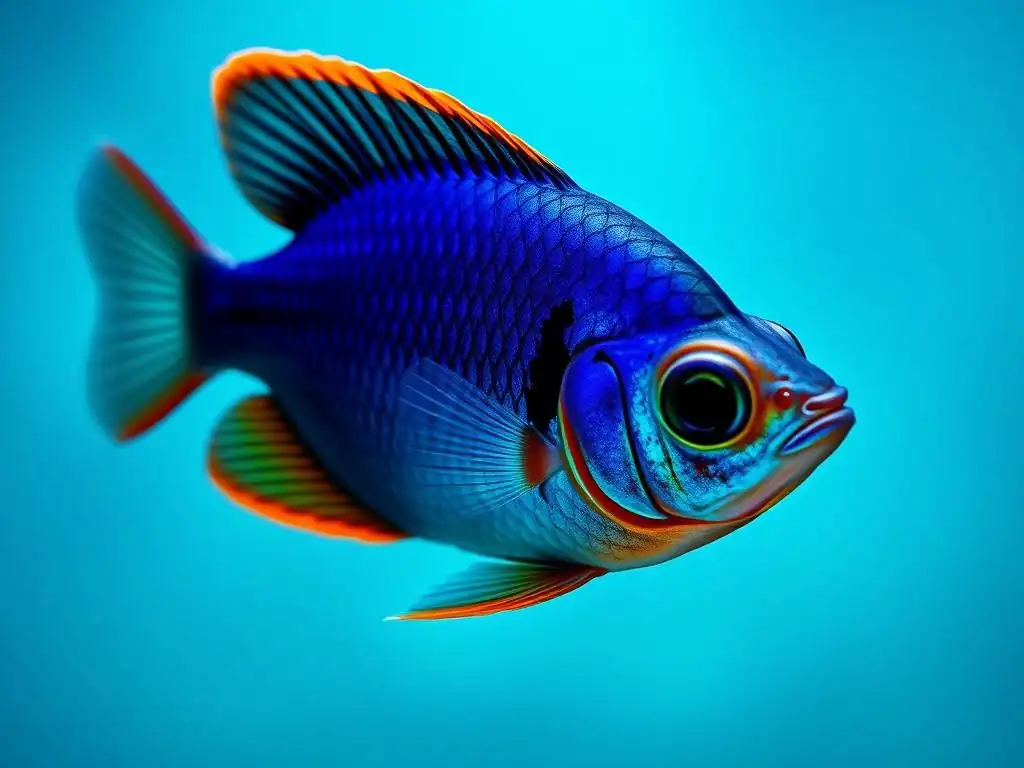
Featherfin cichlids, while generally peaceful for Tanganyikans, can exhibit aggression, particularly when their environmental needs are not met or during breeding periods. Understanding the specific featherfin aggression behavior causes is crucial for maintaining a harmonious tank. Aggression is often a symptom of underlying stress or competition, rather than an inherent malevolence. Common triggers include insufficient space, territorial disputes, and incompatible tank mates. Identifying these root causes is the first step in mitigating problematic behaviors.
The intensity and frequency of featherfin aggression can vary significantly between species and even individuals. For instance, Ophthalmotilapia males tend to be more territorial and aggressive towards conspecifics than Cyprichromis males, especially when defending a spawning site. Unchecked aggression can lead to chronic stress, fin nipping, physical injuries, and even death for weaker or submissive fish, highlighting the importance of proactive management based on understanding these behavioral triggers.
Overcrowding as a Cause of Featherfin Aggression
One of the most common featherfin aggression behavior causes is an overcrowded aquarium. When too many fish are housed in a confined space, natural territories shrink, leading to increased competition for resources such as food, hiding spots, and breeding sites. This heightened competition inevitably results in stress and aggressive interactions, as individuals attempt to assert dominance and secure their share of limited resources. Even a slight increase in population density beyond the tank's capacity can trigger significant behavioral changes.
For a group of 6-8 Ophthalmotilapia featherfins, a minimum tank size of 75 gallons (approximately 280 liters) is generally recommended to provide adequate swimming space and allow for the establishment of territories without excessive conflict. For Cyprichromis species, which are pelagic and prefer vertical space, a tall 55-gallon tank (around 200 liters) might suffice for a small colony, but larger tanks like 75-125 gallons are always better for larger groups or mixed species tanks. When space is limited, dominant males may relentlessly pursue subordinates, preventing them from feeding or resting, leading to weakened immune systems and susceptibility to disease.
Territory Disputes and Dominance Hierarchies
Featherfin cichlids, particularly males, are inherently territorial, and disputes over preferred areas are a significant featherfin aggression behavior cause. Males will establish and defend territories, especially during breeding season, to attract females and secure spawning sites. These territories can be centered around a specific rock, a patch of sand, or even a particular section of the open water column. The intensity of territorial defense is directly proportional to the perceived value of the territory and the presence of rivals.
Dominance hierarchies also play a crucial role in featherfin social dynamics. Within a group, a dominant male will typically emerge, asserting his authority over others. This hierarchy is maintained through various displays, and if the balance is disrupted (e.g., by introducing a new male, or if a previously submissive male decides to challenge the alpha), aggressive confrontations can erupt. These disputes often involve chasing, fin flaring, and even direct physical contact like mouth-fighting, as individuals vie for status and control.
Incompatible Tank Mates: Triggering Aggression
Introducing incompatible tank mates is another major featherfin aggression behavior cause. Featherfins thrive in specific water parameters and have distinct behavioral needs. Housing them with fish that are either too aggressive, too timid, or have vastly different environmental requirements can lead to stress and aggression. For example, pairing featherfins with highly aggressive Mbuna cichlids, known for their relentless territoriality, will almost certainly result in constant harassment and injury to the featherfins.
Conversely, very docile or slow-moving fish can become targets of featherfin aggression, especially if they are perceived as encroaching on territory or are simply too vulnerable to defend themselves. Furthermore, fish that occupy the same ecological niche as featherfins (e.g., other open-water cichlids with similar body shapes) can lead to increased competition and inter-species aggression. Careful selection of tank mates, prioritizing species from similar habitats with compatible temperaments, is essential to prevent this type of aggression.
Managing Featherfin Aggression: Practical Strategies
Effective management of featherfin aggression requires a multi-faceted approach that addresses the identified causes. By understanding the root featherfin aggression behavior causes, aquarists can implement strategies that promote a peaceful environment. This involves careful planning of tank size and layout, optimizing water parameters, and thoughtful selection of tank mates to minimize stress and competition.
Proactive intervention is always more effective than reactive measures. Consistent observation and swift action when early signs of aggression appear can prevent escalation and ensure the well-being of all inhabitants. The goal is to create an environment where featherfins can express their natural behaviors without causing harm to themselves or others, leading to a vibrant and healthy display.
Tank Size and Layout: Providing Adequate Space
Providing an appropriately sized tank is fundamental to managing featherfin aggression. As discussed, overcrowding is a primary featherfin aggression behavior cause. A general guideline for Ophthalmotilapia is a minimum of 75 gallons for a small group (e.g., one male and three to four females, or a larger group of 6-8 with a male-to-female ratio of 1:3 or more). For Cyprichromis species, which are pelagic, a tall 55-gallon tank can house a small colony (e.g., 8-10 individuals), but a 90-gallon or larger is preferable for a thriving group, allowing ample vertical swimming space.
Tank layout is equally important. While Cyprichromis prefer open water, Ophthalmotilapia benefit from strategic placement of rockwork. Creating visual barriers and distinct territories with rocks, caves, or tall plants (if suitable for Tanganyikans, like Anubias or Java Fern attached to decor) can help break up lines of sight and provide refuge for subordinate fish. This allows dominant individuals to establish their territories without constantly seeing and harassing others, significantly reducing the potential for aggression.
Introducing Substrates and Rockwork: Creating Territories
The type and arrangement of substrate and rockwork are critical for mitigating featherfin aggression, especially for Ophthalmotilapia species. A fine sand substrate is ideal, as it allows featherfins to sift through it naturally and, for some species, to dig small depressions for spawning. Providing ample rock formations, slate, or artificial caves can create distinct territories and hiding spots. These structures serve as visual barriers and safe zones, reducing direct confrontations.
When arranging rockwork, aim for multiple "line-of-sight" breaks. This means that a fish cannot see the entire tank from any single point, which helps to diffuse aggression by preventing constant visual contact between dominant and subordinate individuals. For Ophthalmotilapia, flat rocks can serve as ideal spawning sites, while vertical structures provide refuge. Even for Cyprichromis, while they prefer open water, a few tall rock structures can offer a sense of security and break up the tank's monotony.
Optimizing Water Parameters: Maintaining a Stress-Free Environment
Maintaining optimal water parameters is crucial for reducing stress, which is often an underlying featherfin aggression behavior cause. Featherfin cichlids are highly sensitive to water quality fluctuations and require stable, pristine conditions.
- Temperature: Maintain a stable temperature between 76-80°F (24-27°C).
- pH: Keep pH levels consistently high, typically 8.0-9.0.
- Hardness: Aim for high general hardness (GH) and carbonate hardness (KH), usually 10-20 dGH and 10-15 dKH respectively.
Regular water changes (e.g., 25-30% weekly) are essential to keep nitrates low (below 20 ppm) and replenish essential minerals. Using a reliable test kit to monitor ammonia, nitrite, and nitrate levels, as well as pH and hardness, is non-negotiable. Poor water quality can lead to weakened immune systems, increased stress, and consequently, higher levels of featherfin aggression due to discomfort and irritability. A healthy environment promotes peaceful behavior.
Water Parameter Guidelines for Featherfin Cichlids:

*   **Temperature:** 76-80°F (24-27°C)
*   **pH:** 8.0 - 9.0
*   **General Hardness (GH):** 10 - 20 dGH
*   **Carbonate Hardness (KH):** 10 - 15 dKH
*   **Ammonia (NH3/NH4+):** 0 ppm
*   **Nitrite (NO2-):** 0 ppm
*   **Nitrate (NO3-):** < 20 ppm
Choosing Compatible Tank Mates for Featherfin Cichlids
Careful selection of tank mates is paramount in preventing featherfin aggression behavior causes related to inter-species conflict. The best tank mates for featherfins are often other Tanganyikan cichlids that share similar water requirements and temperament but occupy different niches within the tank. This minimizes direct competition for space and resources.
Consider the following types of tank mates:
- Other pelagic Tanganyikans: Paracyprichromis species or other Cyprichromis variants can coexist well with Cyprichromis featherfins, as they share the open water column.
- Shell dwellers: Species like Neolamprologus multifasciatus or Lamprologus ocellatus are excellent choices as they inhabit the substrate, utilizing snail shells for homes, and generally ignore the mid-to-upper water column featherfins.
- Small rock dwellers: Some smaller Julidochromis or Altolamprologus species might be compatible, provided they have their own distinct rockwork and are not overly aggressive.
- Avoid: Highly aggressive Mbuna cichlids from Lake Malawi, large predatory cichlids, or very small, timid community fish that could be seen as food or easily stressed.
When introducing new fish, always do so carefully, preferably after lights out, and observe interactions closely for the first few days. A well-chosen community is key to minimizing featherfin aggression.
Featherfin Cichlid Territorial Displays
Defining Territory in the Featherfin Cichlid Aquarium
For featherfin cichlids, particularly the more substrate-oriented Ophthalmotilapia species, territory is a clearly defined space that an individual, usually a male, actively defends against perceived intruders. This territory is not just a physical space but also a resource zone, providing access to food, shelter, and crucial spawning sites. The size and location of a territory can vary depending on the individual's dominance, the tank's overall size, and the availability of suitable landmarks like rocks or sand depressions.
In the aquarium, a male featherfin might claim a flat rock as his spawning bed, or a specific corner of the tank. For Cyprichromis species, while less tied to substrate, a male may establish a vertical "pillar" of water column space that he patrols and defends. These territories are essential for their breeding success and overall well-being, as they reduce stress by providing a sense of security and control over their immediate environment. Understanding these territorial needs is crucial for proper tank design and preventing featherfin aggression behavior causes related to spatial conflicts.
Types of Territorial Displays Exhibited by Featherfins
Featherfin cichlids employ a range of visual and physical displays to assert their dominance and defend their territories, often before resorting to direct aggression. These displays are a form of communication, signaling intent and warning rivals. Recognizing these behaviors helps aquarists interpret the social dynamics within the tank and identify potential issues early.
Fin Flaring and Body Posturing
One of the most common and striking territorial displays is fin flaring. A featherfin male, when asserting dominance or warning a rival, will fully extend his dorsal, caudal, and especially his elongated pelvic fins, making himself appear larger and more imposing. This display is often accompanied by a lateral presentation of the body, where the fish turns sideways to the perceived threat, showcasing his full size and vibrant coloration. This posture is a clear "I'm bigger than you" message, often used to avoid actual physical combat.
The intensity of fin flaring can indicate the level of threat perceived. A subtle flare might be a mild warning, while a full, prolonged display signifies a serious challenge or defense. These displays are particularly prominent during breeding season when males are actively defending their spawning sites and vying for female attention, and can be an early indicator of potential featherfin aggression.
Mouth Fighting and Nipping
If fin flaring and posturing fail to deter an intruder, featherfins may escalate to more direct physical contact, such as mouth fighting or nipping. Mouth fighting involves two fish locking jaws and pushing against each other, a test of strength and dominance. This behavior is typically seen between males of similar size and aggression levels, often vying for the same territory or social standing. While it can appear violent, it is often a ritualized form of combat aimed at establishing dominance without causing severe injury, though minor lip damage can occur.
Nipping, on the other hand, is a more direct form of aggression, where one fish rapidly bites at the fins or body of another. This is often used by a dominant fish to chase away a subordinate or an unwelcome intruder. Fin nipping can lead to torn fins and stress, making the affected fish vulnerable to disease. Persistent nipping is a clear sign of unresolved featherfin aggression behavior causes and requires immediate intervention.
Chasing and Blocking
Chasing is a very common territorial display where a dominant fish pursues an intruder or subordinate, attempting to drive them out of their claimed space. This can range from short, quick dashes to prolonged pursuits across the tank. The intent is to intimidate and exhaust the target, forcing them to retreat or find a less desirable area. Blocking involves a dominant fish positioning itself in a way that physically obstructs a subordinate's path, preventing access to a specific area or resource.
These behaviors are often seen when territories overlap or when food is introduced, leading to competition. While chasing might seem harmless initially, chronic chasing can lead to severe stress for the pursued fish, preventing them from feeding adequately or resting, and ultimately impacting their health. Recognizing the frequency and intensity of chasing is key to identifying potential featherfin aggression issues.
Interpreting Featherfin Territorial Signals
Interpreting featherfin territorial signals accurately is vital for proactive aquarium management. A fish that is constantly flaring its fins, even when no obvious threat is present, might be experiencing chronic stress due to perceived overcrowding or lack of suitable territory. Similarly, consistent chasing or nipping indicates that the existing tank setup or social structure is not conducive to peaceful coexistence.
Aquarists should observe not only the aggressor but also the recipient of the aggression. A fish that is consistently hiding, has clamped fins, faded coloration, or is struggling to feed is clearly stressed and potentially being bullied. These are strong indicators that the featherfin aggression behavior causes need to be addressed. By understanding these signals, aquarists can adjust tank decor, introduce more hiding spots, or reconsider stocking levels to alleviate stress and promote a more harmonious environment.
Featherfin Communication: Beyond Aggression and Courtship
Understanding Featherfin Body Language
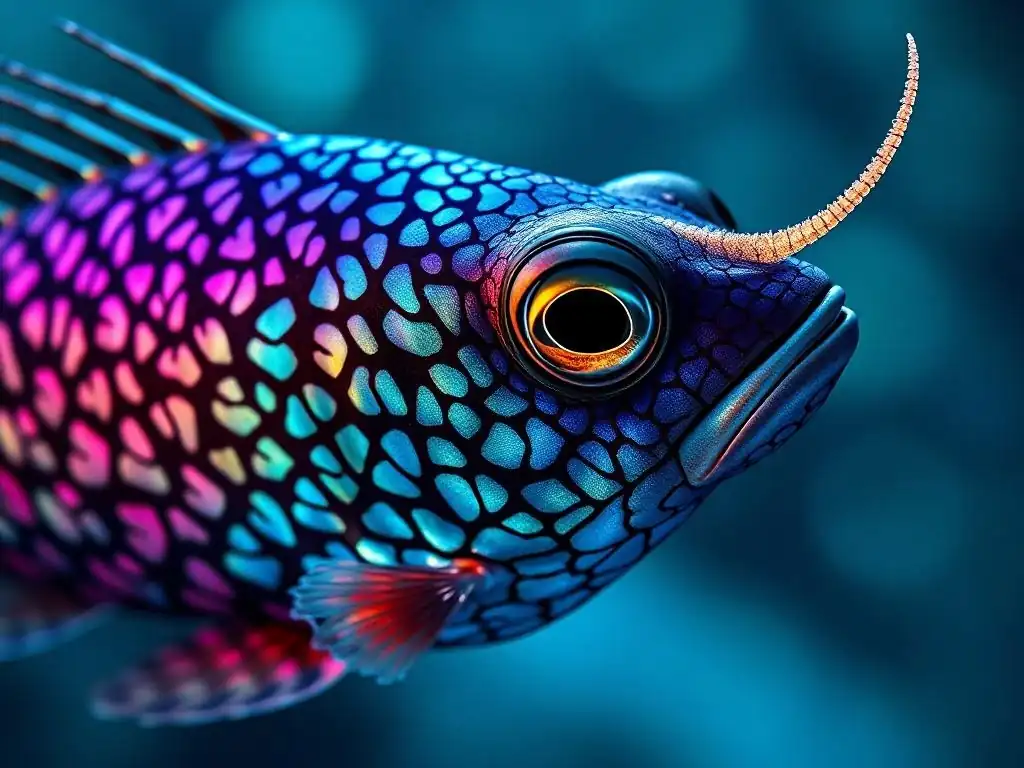
Featherfin cichlids communicate extensively through their body language, conveying a range of emotions and intentions beyond just aggression and courtship. Subtle shifts in posture, fin positioning, and swimming patterns can provide valuable insights into their well-being and social interactions. For instance, clamped fins, particularly the dorsal and caudal, often indicate stress, illness, or submission. A fish with clamped fins and faded coloration is likely feeling threatened or unwell.
Conversely, a confident and healthy featherfin will typically hold its fins erect and display vibrant coloration. Rapid, jerky movements might indicate alarm or agitation, while slow, deliberate movements could signify exploration or calm. Observing these non-verbal cues consistently allows aquarists to gauge the overall health and mood of their fish, enabling early detection of problems before they escalate into overt featherfin aggression or illness.
The Role of Coloration in Featherfin Communication
Coloration plays a critical role in featherfin communication, serving as a visual semaphore for status, mood, and reproductive readiness. Male featherfins, especially species like Ophthalmotilapia ventralis, exhibit spectacular iridescence and vibrant hues, particularly during courtship and territorial displays. These colors intensify when a male is asserting dominance or attempting to attract a mate, signaling his health and genetic quality.
Conversely, a stressed, sick, or submissive featherfin will often display faded or dull coloration. This loss of vibrancy is a clear indication that something is amiss, whether it's poor water quality, bullying from a dominant tank mate, or an underlying health issue. Rapid color changes can also occur during social interactions, with a dominant fish brightening and a subordinate fish darkening or paling in response. Understanding these color shifts is an invaluable tool for interpreting featherfin behavior and addressing potential featherfin aggression behavior causes.
Preventing Featherfin Aggression: A Proactive Approach
Quarantine and Acclimation: Minimizing Stress
A crucial proactive step in preventing featherfin aggression is proper quarantine and acclimation of new fish. Introducing new fish directly into an established tank can disrupt existing hierarchies, introduce diseases, and trigger aggression as residents perceive the newcomers as intruders. A separate quarantine tank, typically 10-20 gallons, allows new fish to acclimate to aquarium life gradually and for any potential illnesses to be identified and treated without infecting the main display tank.
During the 3-4 week quarantine period, new fish can recover from the stress of transport and adjust to new water parameters. This also gives them time to build strength before facing the social dynamics of the main tank. When finally introducing them to the display tank, dimming the lights or rearranging some decor can help minimize territorial disputes, as established residents may be less likely to defend "new" territories immediately, reducing the likelihood of featherfin aggression.
Proper Feeding Strategies: Reducing Competition
Poor feeding strategies can be an overlooked featherfin aggression behavior cause. When food is scarce or distributed unevenly, competition intensifies, leading to aggressive interactions. To mitigate this, feed featherfins small amounts multiple times a day rather than one large meal. This ensures that all fish, including submissive individuals, have an opportunity to eat without being outcompeted by more dominant tank mates.
Broadcasting food across the tank's surface or introducing food at multiple points simultaneously can also help diffuse competition. For bottom-dwelling featherfins, ensuring some food reaches the substrate is important. A varied diet of high-quality flakes, pellets, and frozen foods (like brine shrimp or mysis shrimp) provides essential nutrients and keeps fish healthy and less prone to stress-induced aggression.
Regular Observation: Identifying Early Warning Signs of Aggression
Consistent and diligent observation of your featherfin cichlids is perhaps the most important proactive measure against aggression. Daily checks allow aquarists to identify early warning signs before minor squabbles escalate into serious conflicts. Look for:
- Persistent chasing: One fish constantly pursuing another.
- Fin nips or tears: Physical damage indicating direct aggression.
- Faded coloration or clamped fins: Signs of stress in the bullied fish.
- Fish hiding excessively: A submissive fish attempting to avoid conflict.
- Loss of appetite: Stressed fish may refuse to eat.
By recognizing these subtle cues, aquarists can intervene promptly. This might involve rearranging decor to break up lines of sight, adding more hiding spots, or, in extreme cases, temporarily removing an overly aggressive individual to "cool down" in a separate tank. Early detection and intervention are key to managing featherfin aggression successfully.
Featherfin Cichlid Behavior and Water Quality
The Impact of Water Parameters on Featherfin Behavior
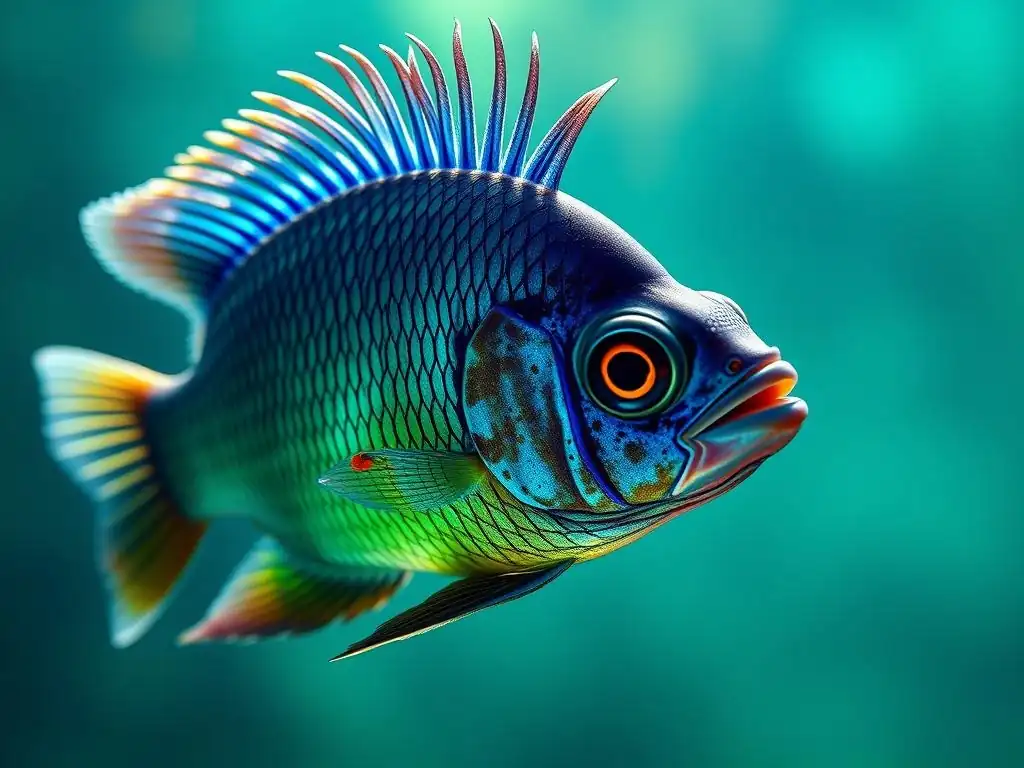
Water quality is intrinsically linked to featherfin cichlid behavior. Deviations from their preferred Lake Tanganyika parameters can induce significant stress, which in turn is a primary featherfin aggression behavior cause. For instance, low pH or soft water, which is far from their natural alkaline and hard water habitat, can compromise their osmoregulation, leading to chronic stress and a weakened immune system. Stressed fish are more prone to exhibiting erratic and aggressive behaviors.
High levels of ammonia, nitrite, or nitrate are particularly detrimental. Ammonia and nitrite are highly toxic, causing gill damage and internal stress, while even elevated nitrates can suppress fish immune systems over time. Fish suffering from poor water quality will often appear lethargic, exhibit clamped fins, dull coloration, and may become unusually aggressive or withdrawn. Maintaining stable and pristine water conditions is therefore not just about survival, but about promoting natural, peaceful behavior.
Maintaining Optimal Water Conditions for Peaceful Coexistence
To ensure peaceful coexistence among featherfin cichlids, meticulous attention to water quality is non-negotiable. Regular, consistent water changes (e.g., 25-30% weekly) are essential to dilute nitrates and replenish important minerals. Using a high-quality water conditioner that neutralizes chlorine and chloramines is also crucial.
Furthermore, robust filtration is necessary to handle the bioload of these fish. A combination of mechanical, biological, and chemical filtration (e.g., sponges, ceramic media, activated carbon) will help maintain crystal-clear water and stable parameters. Regular testing of water parameters (ammonia, nitrite, nitrate, pH, GH, KH) using reliable test kits allows for immediate corrective action if parameters drift. A well-maintained, stable aquatic environment significantly reduces stress, thereby minimizing featherfin aggression behavior causes linked to environmental discomfort.
Conclusion: Promoting a Harmonious Featherfin Aquarium
Key Takeaways for Understanding and Managing Featherfin Behavior
Understanding featherfin cichlid behavior is a cornerstone of successful aquarism. These captivating fish offer a window into complex social dynamics, from elaborate courtship rituals to intricate territorial displays. Recognizing the specific featherfin aggression behavior causes, such as overcrowding, territory disputes, and incompatible tank mates, empowers aquarists to proactively manage their tank environments. By providing ample space, strategic decor, optimal water parameters, and carefully chosen tank mates, much of the problematic aggression can be mitigated.
Ultimately, a harmonious featherfin aquarium is a product of informed observation and diligent care. Paying attention to subtle body language cues, color changes, and the overall demeanor of your fish provides invaluable insight into their well-being. By fostering an environment that respects their natural instincts and needs, featherfin cichlids will not only thrive but also display the full spectrum of their fascinating behaviors, making them an endlessly rewarding addition to any dedicated aquarist's collection.
Further Resources for Featherfin Cichlid Care
For those seeking to deepen their knowledge and enhance their featherfin cichlid care, a wealth of information is available. Consult reputable online forums and communities dedicated to African cichlids, where experienced aquarists share practical advice and insights. Dive into specialized books and scientific articles focusing on Lake Tanganyika cichlids, which often provide detailed species-specific information on behavior, diet, and breeding. Finally, visiting local fish stores that specialize in cichlids can offer opportunities to speak with knowledgeable staff and observe these magnificent fish firsthand, further enriching your understanding of their unique behavioral patterns.
Frequently Asked Questions
How can I identify if my Featherfin catfish is displaying aggression?
Featherfin aggression often manifests as chasing, nipping fins, and establishing dominance through physical displays. Watch for these behaviors, especially towards other Featherfins or similar-looking fish.
What are the primary causes of aggression in Featherfin catfish?
Overcrowding, insufficient hiding places, and competition for limited resources (food and territory) are common triggers. Introducing new fish can also disrupt the established social hierarchy and spark aggression.
Is Featherfin aggression more common in freshwater or saltwater aquariums?
Featherfin catfish are freshwater fish, therefore, aggression is only relevant in freshwater aquarium settings. Their behavior is not a factor in saltwater aquariums.
What can I do to reduce aggression between Featherfin catfish in my aquarium?
Increase the number of hiding spots with rocks, caves, and plants. Ensure adequate tank size to minimize territorial disputes. Regularly monitor water parameters to maintain optimal conditions.
How does courtship behavior differ from aggressive behavior in Featherfin catfish?
Courtship dances are usually more subtle and involve mutual displays, while aggression is directed and often results in physical contact or chasing. Look for signs of reciprocal interest versus one-sided dominance.
Final Reflection: Decoding the Language of Featherfins
The intricate dance of Featherfin behavior, as we've explored, isn't just a fascinating spectacle; it's a vital key to understanding and mitigating Featherfin aggression behavior causes in our aquariums. Recognizing the subtle nuances of their courtship displays, territorial markings, and even their seemingly random movements allows us to create environments that minimize stress and promote harmonious coexistence.
This exploration into the Featherfin's world has profoundly influenced my perspective on responsible fishkeeping. It's a constant reminder that we are not simply caretakers, but active participants in a delicate ecosystem. In the end, we will conserve only what we love; we will love only what we understand; and we will understand only what we are taught.
- Baba Dioum. This quote perfectly encapsulates the importance of understanding the animals we bring into our lives, and the responsibility we bear to provide them with the best possible environment.
Now, armed with this knowledge, I invite you to reflect on your own aquariums. Are you truly observing your Featherfins, deciphering their silent language? Are you providing them with the space, the resources, and the understanding they need to thrive? Let's strive to create aquariums not just as displays of beauty, but as havens of peace and well-being for these fascinating creatures.
Dive Deeper: Unleash Your Featherfin Savvy!
Thanks for exploring the fascinating world of Featherfin Synodontis! We hope you've gained a deeper appreciation for these captivating creatures and their intricate behaviors. Now, let's put that knowledge into action!
- Put your new-found knowledge into action by re-evaluating your tank setup to ensure it replicates a more natural environment for your Featherfins!
- Share your favorite Featherfin fact with a fellow aquarist and spark a conversation about their amazing behaviors.
- Surprise yourself by documenting your Featherfin's unique behaviors for a week. You might discover something completely new!
What's the first Featherfin behavior you're excited to observe in your own tank? Share your thoughts below!