
Where to Buy Quality Dwarf Cichlids: Reputable Sources & What to Ask

Welcome to Aquarium Mastery!
Dive into the fascinating world of freshwater aquariums! Are you captivated by the vibrant colors and unique personalities of dwarf cichlids? Then you're in the right place. Before you bring these captivating fish home, discover our guide on finding dwarf cichlid fish breeders you can trust and the essential questions to ask. Get ready to create the perfect haven for your new finned friends! Curious to know where to start? Read on!
- Identifying Reputable Dwarf Cichlid Fish Breeders: A Guide for Aquarium Enthusiasts
- Why Source Dwarf Cichlids from Reputable Breeders?
- Top Sources for Buying Dwarf Cichlids
- Identifying Reputable Dwarf Cichlid Fish Breeders: Red Flags and Green Lights
-
Key Questions to Ask Before Buying Dwarf Cichlids
- Inquiring About the Dwarf Cichlid's Origin and Genetics
- Asking About Water Parameters and Quarantine Procedures
- Understanding the Dwarf Cichlid's Diet and Feeding Schedule
- Determining the Dwarf Cichlid's Temperament and Compatibility
- Investigating the Breeder's Disease Prevention and Treatment Methods
- Specific Dwarf Cichlid Varieties and Where to Find Them
- Acclimating Your New Dwarf Cichlids: A Gradual Introduction
- Maintaining a Healthy Dwarf Cichlid Aquarium: Long-Term Care
- Conclusion: Investing in Quality Dwarf Cichlids for a Stunning Aquarium
-
Frequently Asked Questions
- Where can I find reputable sources for buying dwarf cichlids?
- What are some crucial questions to ask before purchasing dwarf cichlids?
- What should I look for to ensure the dwarf cichlids are healthy?
- Why is it important to buy from experienced dwarf cichlid fish breeders?
- What role does water chemistry play in the successful keeping of dwarf cichlids?
- Final Reflection: Cultivating a Vibrant Aquatic World
- Unleash the Vibrant World of Dwarf Cichlids!
Identifying Reputable Dwarf Cichlid Fish Breeders: A Guide for Aquarium Enthusiasts
Purchasing dwarf cichlids, such as the vibrant Ram Cichlids (Mikrogeophagus ramirezi), intricate Apistogramma species, or the charming Kribensis (Pelvicachromis pulcher), is a significant step for any aquarist aiming for a thriving freshwater setup. The health and longevity of these beautiful fish largely depend on their source. Identifying reputable dwarf cichlid fish breeders is paramount, as it ensures you acquire robust, genetically sound specimens accustomed to captive conditions. This guide will walk you through the essential aspects of sourcing these fascinating fish.
A reputable dwarf cichlid fish breeder prioritizes the welfare of their fish above all else, focusing on strong genetic lines, optimal breeding conditions, and diligent health management. They understand the specific needs of each dwarf cichlid species, from water parameters like the slightly acidic pH (around 6.0-7.0) preferred by many Apistogramma species to the warmer temperatures (25-29°C) ideal for Rams. Engaging with such breeders not only secures healthy fish but also provides invaluable knowledge and support for your aquarium journey.
Why Source Dwarf Cichlids from Reputable Breeders?
Ensuring Healthy and Vibrant Dwarf Cichlids
Sourcing dwarf cichlids from reputable dwarf cichlid fish breeders significantly increases your chances of acquiring healthy and vibrant specimens. These breeders meticulously manage their breeding stock, often focusing on specific bloodlines to enhance desirable traits such as vivid coloration, proper fin development, and robust immune systems. For instance, a well-bred Electric Blue Ram will display intense, uniform blue hues, a stark contrast to the duller, stress-barred appearance of a poorly kept fish. They maintain stringent water quality standards, typically performing regular water changes and monitoring parameters closely, which minimizes stress and exposure to pathogens for the fry and juveniles.
Furthermore, reputable dwarf cichlid fish breeders often have a deep understanding of genetic diversity within their lines, preventing issues related to inbreeding depression. This commitment to genetic health means the fish you purchase are less susceptible to common ailments and genetic deformities, ensuring they not only survive but truly thrive in your home aquarium. This attention to detail from the earliest stages of life contributes directly to the fish's overall vitality and longevity, making them a worthwhile investment for any dedicated aquarist.
Avoiding Common Problems with Poorly Bred Dwarf Cichlids
Opting for dwarf cichlids from less reputable sources or general wholesalers can lead to a host of common, frustrating problems. Fish from these environments are often subjected to overcrowding, poor water quality, and inadequate nutrition, which severely compromises their health. For example, dwarf cichlids kept in crowded tanks with infrequent water changes are highly prone to bacterial infections like fin rot or columnaris, or parasitic infestations such as ich (white spot disease). These issues can manifest shortly after introduction to your tank, potentially spreading to existing inhabitants and causing significant stress and financial outlay for treatment.
Moreover, poorly bred dwarf cichlids may exhibit stunted growth, faded coloration, or behavioral issues stemming from chronic stress and genetic weaknesses. A Kribensis cichlid, for instance, might never develop its characteristic vibrant pink belly if its early life was spent in substandard conditions. Such fish often have compromised immune systems, making them chronically susceptible to disease and reducing their lifespan considerably, often to just a few months rather than their potential 2-3 years. Investing in quality from dedicated dwarf cichlid fish breeders helps circumvent these disheartening challenges, ensuring a more rewarding aquarium experience.
Supporting Ethical and Sustainable Aquarium Practices
Choosing to purchase from reputable dwarf cichlid fish breeders is a direct endorsement of ethical and sustainable practices within the aquarium hobby. These breeders are typically committed to the humane treatment of their fish, providing spacious, clean tanks, appropriate diets, and environments that mimic natural conditions as much as possible. They often invest in advanced filtration systems and adhere to strict quarantine protocols for new breeding stock, preventing the introduction and spread of diseases. This contrasts sharply with large-scale, profit-driven operations that may prioritize volume over welfare, sometimes leading to inhumane conditions.
Supporting these dedicated dwarf cichlid fish breeders also encourages the development and preservation of captive-bred strains, reducing reliance on wild-caught specimens. While some dwarf cichlid species are still sustainably wild-caught, captive breeding lessens the environmental impact on natural habitats and minimizes the stress fish endure during capture and transport. For example, many of the beautiful Apistogramma species commonly available today are the result of generations of dedicated captive breeding efforts, showcasing the success of sustainable practices. Your purchase helps sustain a community that values the well-being of the fish and the future of the hobby.
Top Sources for Buying Dwarf Cichlids
Online Dwarf Cichlid Fish Breeders: Advantages and Considerations
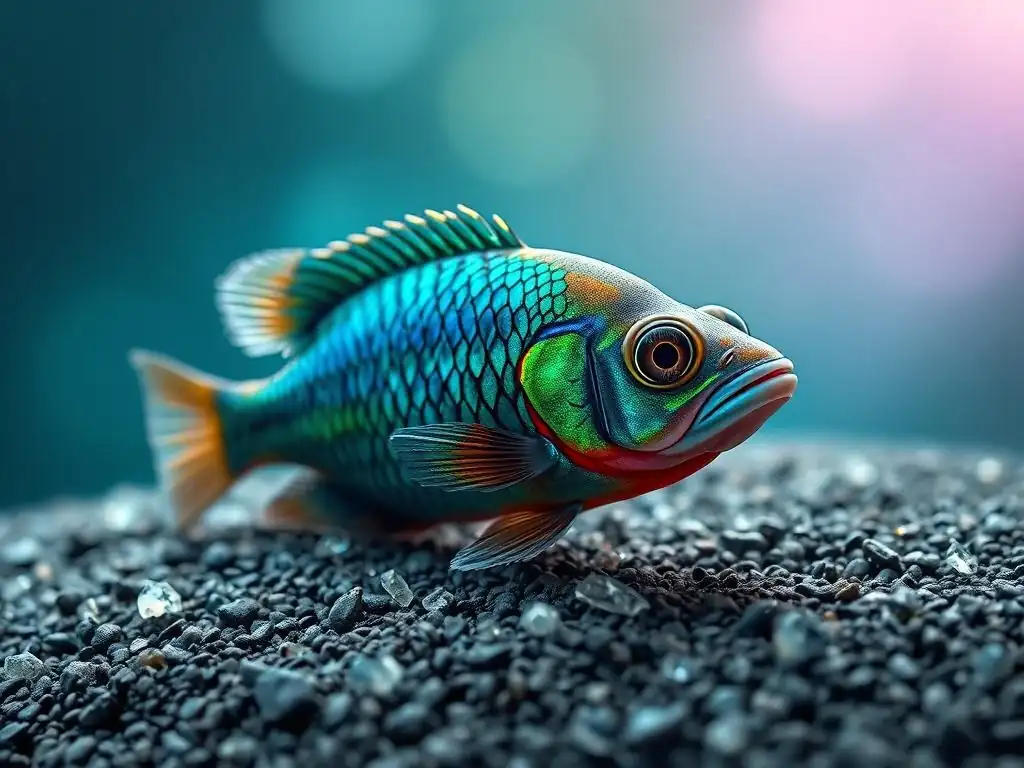
Online dwarf cichlid fish breeders have become a prominent source for aquarists seeking specific or rare species. A major advantage is the unparalleled selection; you can often find unique color morphs of Ram cichlids, such as German Blue Rams, Gold Rams, or even rarer species like the Bolivian Ram (Mikrogeophagus altispinosus), that are not typically available in local stores.
Online breeders often specialize in certain types of dwarf cichlids, allowing them to focus on optimal breeding conditions and genetic purity. For example, some breeders dedicate themselves solely to Apistogramma species, offering dozens of distinct varieties like Apistogramma cacatuoides 'Triple Red' or Apistogramma agassizii 'Fire Red'.
However, purchasing dwarf cichlids online requires careful consideration. The primary concern is the stress of shipping. Fish are typically packed in insulated boxes with oxygen and heat packs (depending on the weather), but even short journeys can be taxing.
It's crucial to research the breeder's shipping policies, live arrival guarantees, and reviews from other customers. Look for dwarf cichlid fish breeders who prioritize fish welfare during transit, often using express shipping options. Always inquire about their packing methods and whether they ship directly to your door or require pickup at a shipping hub, which can sometimes reduce transit time and stress.
Local Fish Stores (LFS) with Quality Dwarf Cichlids
Local Fish Stores (LFS) can be an excellent source for purchasing dwarf cichlids, offering the distinct advantage of allowing you to visually inspect the fish before buying. You can observe their behavior, coloration, and overall health in person, checking for signs of disease like clamped fins, white spots, or labored breathing. A good LFS will have clean tanks, clear water, and knowledgeable staff who can answer questions about the dwarf cichlids' origins, diet, and compatibility. They often carry popular species like Kribensis cichlids, which are hardy and relatively easy to find.
However, the quality of LFS can vary significantly. Some stores may source their fish from large, impersonal wholesalers, leading to fish that are stressed or have been exposed to various pathogens. It's vital to identify LFS that prioritize the health of their stock.
Look for stores with separate quarantine tanks for newly arrived fish, indicating a commitment to preventing disease spread. Ask staff about their water parameters for dwarf cichlids, their feeding routines, and their return policy for sick or deceased fish. Building a relationship with a reputable LFS can provide ongoing support and access to healthy, locally acclimated dwarf cichlids.
Aquarium Clubs and Cichlid Societies: Networking and Expertise
Aquarium clubs and specialized cichlid societies are invaluable resources for finding high-quality dwarf cichlids and connecting with experienced hobbyists. Many members of these clubs are dedicated dwarf cichlid fish breeders themselves, often breeding rare or particularly robust strains in their home setups. These individuals are passionate about the hobby and often sell or trade their excess fish directly to other members. This direct-from-hobbyist source often means the fish are well-acclimated to home aquarium conditions and have received meticulous care from birth.
These clubs also offer unparalleled access to expertise. You can gain insights into specific dwarf cichlid care requirements, breeding techniques, and troubleshooting common issues. Many clubs host "fish swaps" or auctions where members can buy and sell fish, providing a community-driven marketplace for healthy specimens. For instance, you might find a member specializing in a rare Apistogramma species that thrives in your local water conditions. Engaging with these groups not only helps you acquire quality fish but also fosters a deeper understanding and appreciation for the dwarf cichlid hobby.
Cichlid Auctions and Shows: Opportunities and Risks
Cichlid auctions and shows, often hosted by aquarium clubs or specialized cichlid societies, present unique opportunities to acquire dwarf cichlids, sometimes at competitive prices. These events typically feature a wide variety of fish, including rare or uncommon species that might not be available elsewhere. You might find a breeding pair of German Blue Rams or a specific Apistogramma form that a hobbyist breeder is liquidating. The direct interaction with the sellers, who are often the dwarf cichlid fish breeders themselves, allows for direct questions about the fish's history and care.
However, buying at auctions also carries inherent risks. While many fish are from reputable hobbyist breeders, some might be from less scrupulous sources or hobbyists who are simply offloading fish without full disclosure of their health history. The stress of being transported to and displayed at an auction can also temporarily compromise a fish's immune system, making it more susceptible to disease once introduced to a new tank.
It is crucial to have a dedicated quarantine tank ready for any fish acquired from an auction. Carefully observe the fish's behavior and appearance during the auction, and be prepared to ask pointed questions about their current water parameters and diet.
Identifying Reputable Dwarf Cichlid Fish Breeders: Red Flags and Green Lights
Signs of a Responsible Dwarf Cichlid Fish Breeder
Identifying a responsible dwarf cichlid fish breeder involves observing several key indicators that point towards their dedication to fish welfare and quality. Firstly, transparency is crucial; reputable breeders are usually eager to share information about their breeding practices, the lineage of their fish, and the specific water parameters they maintain. They will often provide details about the parent fish, their diet, and any specific genetic traits they are breeding for. For example, a breeder of Apistogramma species might discuss their success rates with specific water hardness levels or their methods for sexing young fry.
Secondly, a responsible dwarf cichlid fish breeder maintains impeccably clean and organized facilities. Whether it's a dedicated fish room or a section of their home, the tanks should be spotless, free of algae buildup, and show no signs of overcrowding. Fish should appear active, vibrant, and free of visible diseases or deformities.
They will also typically offer a health guarantee or a live arrival guarantee for shipped fish, demonstrating confidence in their stock. Furthermore, they should be responsive to questions both before and after a purchase, offering ongoing support and advice, which is a hallmark of truly dedicated dwarf cichlid fish breeders.
Signs of a Potentially Problematic Source
Conversely, several warning signs can indicate a potentially problematic source for dwarf cichlids. One major red flag is a lack of transparency or reluctance to answer questions about their breeding practices, fish origins, or water parameters. If a seller is vague about the conditions their fish are kept in or avoids discussing potential health issues, it should raise immediate concerns. Similarly, a facility that appears dirty, overcrowded, or has fish exhibiting signs of stress or disease (e.g., clamped fins, faded colors, rapid breathing, visible parasites) is a clear indication of poor husbandry.
Another warning sign is an unwillingness to provide a health or live arrival guarantee, especially for shipped fish. While accidents can happen during shipping, a reputable dwarf cichlid fish breeder stands behind their product. Be wary of unusually low prices that seem too good to be true, as this often indicates compromised quality or health. Finally, if the seller pressures you into a quick purchase without allowing time for questions or observation, or if they seem more interested in making a sale than ensuring the fish's well-being, it's advisable to seek dwarf cichlids elsewhere.
Key Questions to Ask Before Buying Dwarf Cichlids
Inquiring About the Dwarf Cichlid's Origin and Genetics
Before purchasing dwarf cichlids, it's essential to inquire about their origin and genetic background. Ask the dwarf cichlid fish breeder if the fish are wild-caught or captive-bred. While wild-caught specimens can be stunning, captive-bred fish are generally hardier and better adapted to aquarium life, having never experienced the stress of capture and transportation from their natural habitats. If they are captive-bred, ask about the lineage: are they F1 (first generation offspring of wild parents) or multiple generations removed from wild stock? Understanding the genetic background can provide insights into their potential size, coloration, and temperament.
Furthermore, inquire about any specific genetic traits the breeder is focusing on. For instance, some dwarf cichlid fish breeders specialize in specific color morphs of Ram cichlids, such as 'Electric Blue' or 'Gold', or particular fin types. Understanding the genetic goals of the breeder can help you select fish that will meet your aesthetic preferences and ensure you are getting a true representation of the advertised variety. This conversation also reveals the breeder's depth of knowledge and commitment to maintaining strong, healthy genetic lines.
Asking About Water Parameters and Quarantine Procedures
Understanding the water parameters the dwarf cichlids are currently living in is crucial for successful acclimation. Ask the dwarf cichlid fish breeder about the specific pH, GH (general hardness), KH (carbonate hardness), and temperature of their tanks. For instance, many Apistogramma species prefer soft, acidic water (pH 5.5-6.5, GH 2-6 dGH), while some Kribensis varieties are more tolerant of a wider range. Knowing these parameters allows you to match your aquarium water as closely as possible during the acclimation process, minimizing stress for the new fish.
Equally important are the breeder's quarantine procedures. Inquire whether new breeding stock or any fish entering their facility undergo a quarantine period. A responsible dwarf cichlid fish breeder will typically quarantine new fish for at least 2-4 weeks, observing them for any signs of disease before introducing them to their main breeding tanks or selling them. This practice significantly reduces the risk of introducing pathogens into your home aquarium. Ask about their disease prevention protocols and what steps they take if a fish shows signs of illness.
Understanding the Dwarf Cichlid's Diet and Feeding Schedule
A critical aspect of dwarf cichlid care is their diet, and knowing what the fish have been eating previously can ease their transition into your aquarium. Ask the dwarf cichlid fish breeder about the specific foods they feed their dwarf cichlids, including types of flakes, pellets, frozen foods (e.g., bloodworms, brine shrimp, daphnia), and live foods. Many dwarf cichlids are carnivorous or omnivorous, with a preference for protein-rich diets. For example, Apistogramma species thrive on a varied diet of live and frozen foods.
Also, inquire about their feeding schedule and frequency. Some dwarf cichlid fish breeders feed multiple small meals throughout the day, which can aid growth and reduce waste. Knowing their established diet allows you to offer familiar foods initially, encouraging the fish to eat and settle in more quickly. You can then gradually introduce your preferred high-quality foods. This continuity in diet helps prevent digestive upset and ensures the fish remain robust and healthy.
Determining the Dwarf Cichlid's Temperament and Compatibility
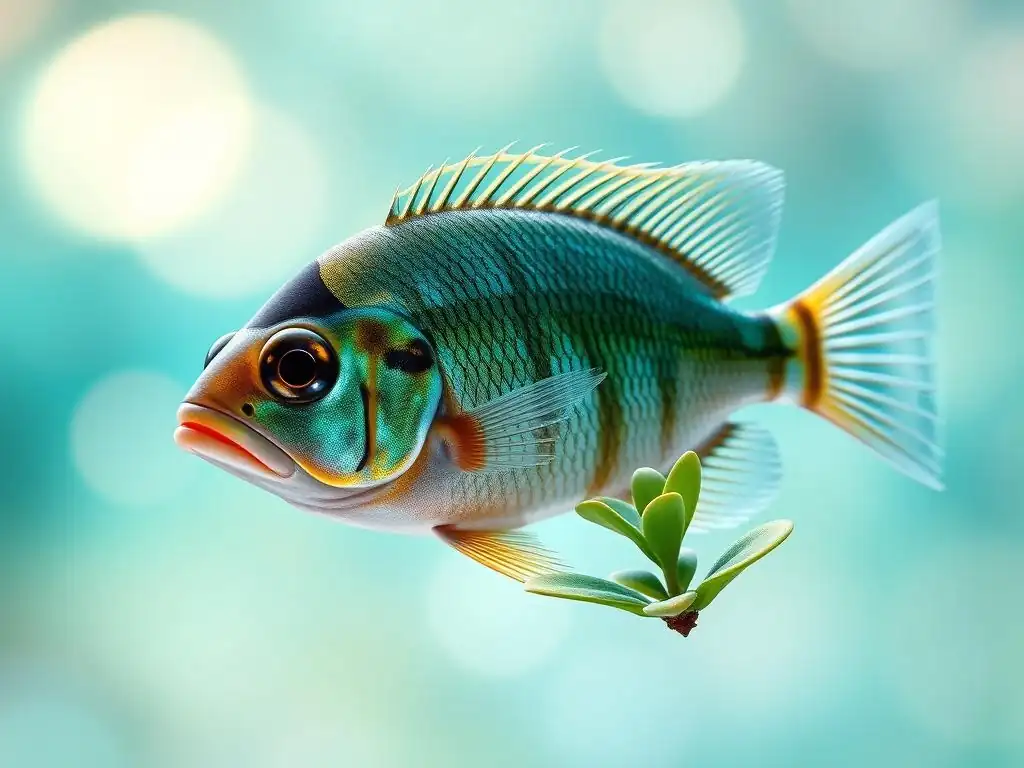
Dwarf cichlids, while generally smaller and less aggressive than their larger cichlid cousins, still possess distinct personalities and territorial tendencies. It is vital to ask the dwarf cichlid fish breeder about the specific temperament of the species or even the individual fish you are considering. For example, while German Blue Rams are often peaceful and can be kept in pairs or small groups, some Apistogramma species, particularly males, can be quite territorial, especially during breeding.
Inquire about their compatibility with other fish. If you plan to keep them in a community tank, ask the dwarf cichlid fish breeder for their recommendations on suitable tank mates. They can provide valuable insights based on their experience, such as avoiding overly boisterous or fin-nipping species. Understanding their typical behavior, whether they are more shy, active, or prone to aggression, will help you choose fish that will integrate well into your existing aquarium setup and minimize potential conflicts.
Investigating the Breeder's Disease Prevention and Treatment Methods
A responsible dwarf cichlid fish breeder will have clear protocols for disease prevention and treatment. It is important to ask about their approach to managing fish health within their facility. Inquire about how often they observe their fish for signs of illness, what preventative measures they employ (e.g., specific water treatments, UV sterilizers), and their general philosophy on medication. For example, some dwarf cichlid fish breeders might prefer natural remedies and pristine water conditions to chemical treatments.
Ask what specific treatments they use if a fish does get sick. This information can be incredibly useful if your newly acquired dwarf cichlid develops an issue later, as you'll know what medications they may have already been exposed to or responded well to. A breeder's willingness to discuss their disease management strategies openly is a strong indicator of their commitment to the long-term health of their fish and their reputation as a reliable source of quality dwarf cichlids.
Specific Dwarf Cichlid Varieties and Where to Find Them
Finding Quality Ram Cichlids from Specialized Breeders
Ram cichlids, including popular varieties like German Blue Rams, Electric Blue Rams, and Gold Rams, are highly sought after for their vibrant colors and peaceful demeanor. To find quality Ram cichlids, specialized dwarf cichlid fish breeders are often the best source.
These breeders typically focus on enhancing color intensity and finnage through selective breeding, ensuring you receive fish with superior genetics and health. For instance, a dedicated breeder of German Blue Rams will often show off the deep blue bodies, red eyes, and black spotting that define a high-quality specimen, often maintaining specific water parameters (pH 6.0-7.0, GH 5-10 dGH, temp 26-29°C) ideal for their propagation.
Online forums and dedicated cichlid groups are excellent places to find recommendations for these specialized dwarf cichlid fish breeders. Many hobbyists who have successfully bred multiple generations of Rams will sell their offspring, providing a direct link to healthy, home-bred fish. While local fish stores may carry Rams, the quality can vary; look for stores that specifically label their Rams as "German Bred" or "Tank Bred" and ensure they appear active and vibrantly colored in the tank.
Sourcing Healthy Apistogramma Species
Apistogramma species are incredibly diverse, with hundreds of described and undescribed forms, each boasting unique patterns and behaviors. Sourcing healthy Apistogramma often requires looking beyond general pet stores, as many species are delicate and require specific care. Specialized dwarf cichlid fish breeders who focus solely on Apistogramma are your best bet. These individuals often maintain numerous breeding tanks, each tailored to the specific water chemistry and environmental needs of different Apisto species, such as the soft, acidic water preferred by Apistogramma cacatuoides or Apistogramma agassizii.
Online Apistogramma communities and dedicated cichlid societies are prime locations to find these expert dwarf cichlid fish breeders. They often have rare or less common species available that are robust and well-acclimated to captive life, having been bred over multiple generations. When contacting these breeders, ask about the specific species' requirements, their preferred diet, and their current water parameters. Always ensure the fish appear alert, with clear eyes and full, undamaged fins, as Apistogramma can be prone to stress if not handled correctly.
Locating Kribensis Cichlids from Trustworthy Sources
Kribensis cichlids (Pelvicachromis pulcher) are among the hardiest and most popular dwarf cichlids, known for their beautiful coloration and relatively easy breeding. Due to their adaptability, they are often available at a wider range of sources, but finding truly healthy and vibrant specimens still benefits from seeking out trustworthy dwarf cichlid fish breeders or dedicated fish stores. Look for Kribensis with bright, well-defined colors, especially the characteristic pinkish-purple belly of breeding females. Their fins should be fully extended and free of nips or tears.
Many local fish stores that specialize in freshwater fish will carry Kribensis, and it's easier to assess their health in person. However, hobbyist dwarf cichlid fish breeders are often the best source for fish with strong genetics and optimal health, as they typically raise them in less crowded, stable conditions. Check local aquarium club listings for members who breed Kribensis, as these fish are prolific breeders and often available directly from hobbyists. Ensure the fish are active and show curiosity, a good sign of a well-adjusted Kribensis.
Finding Other Dwarf Cichlid Species from Reputable Breeders
Beyond the well-known Rams, Apistos, and Kribensis, there are many other fascinating dwarf cichlid species, such as the Bolivian Ram (Mikrogeophagus altispinosus), Checkerboard Cichlids (Dicrossus filamentosus), and various species of Nannacara or Laetacara. Finding these less common dwarf cichlids often requires a more targeted search. Reputable dwarf cichlid fish breeders specializing in South American or West African cichlids are the ideal source. These breeders possess the specific knowledge and facilities to successfully breed and raise these particular species, which may have unique habitat or dietary needs.
Online forums, specialized fishkeeping websites, and rare fish exporters are common avenues for locating these niche dwarf cichlid fish breeders. When inquiring, be specific about the species you are looking for and ask detailed questions about their care. For example, Checkerboard Cichlids require very soft, acidic water and thrive in heavily planted tanks with plenty of hiding spots. A knowledgeable breeder will be able to provide precise guidance on these requirements, ensuring you are well-prepared to provide an optimal environment for these unique and rewarding dwarf cichlids.
Acclimating Your New Dwarf Cichlids: A Gradual Introduction
The Importance of Careful Acclimation to Minimize Stress
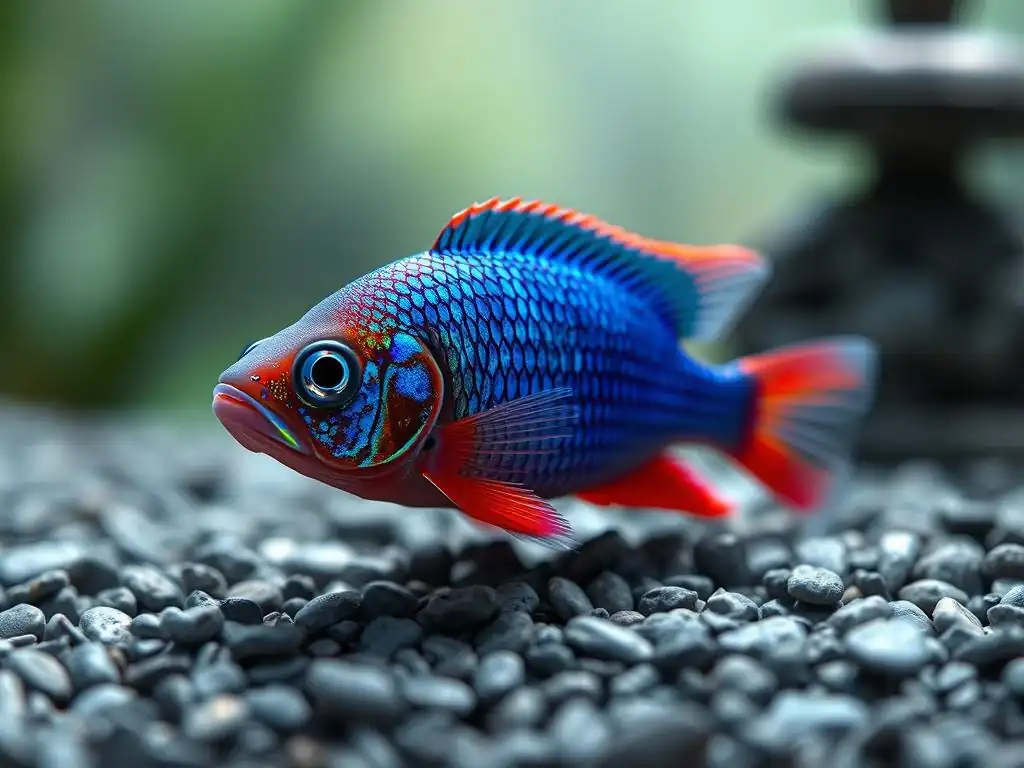
Careful acclimation is a critical step in introducing your new dwarf cichlids to their aquarium, regardless of how reputable the dwarf cichlid fish breeders are. The journey from the breeder's tank to your home, even a short one, involves significant changes in water parameters (temperature, pH, hardness), lighting, and environment. These shifts can induce severe stress, which weakens the fish's immune system and makes them highly susceptible to disease, such as ich or bacterial infections. A gradual acclimation process allows the fish to slowly adjust to their new surroundings, minimizing shock and ensuring a smoother transition.
Ignoring proper acclimation can lead to immediate fatalities or long-term health issues for your dwarf cichlids. For instance, a sudden change in pH by even 0.5 units can cause pH shock, damaging gills and other internal organs. Temperature shock, even a difference of a few degrees, can be equally detrimental. By taking the time to acclimate them properly, you significantly increase the chances of your new dwarf cichlids thriving and displaying their full beauty and natural behaviors in their new home. This initial investment of time pays dividends in the long-term health and vitality of your fish.
Step-by-Step Acclimation Guide for Dwarf Cichlids
Acclimating your new dwarf cichlids should be a calm, unhurried process.
- Dim the lights: Before opening the shipping box, dim your aquarium lights and the room lights. This reduces stress on the fish when they are first exposed to light after being in darkness during transit.
- Float the bag: Place the sealed bag containing the dwarf cichlids into your aquarium. Allow it to float for 15-20 minutes. This equalizes the water temperature inside the bag with your aquarium water, preventing temperature shock.
- Open the bag and add small amounts of tank water: After temperature equalization, open the bag and roll down the edges to create an air pocket. Using a clean cup, begin adding small amounts of your aquarium water into the bag every 5-10 minutes. Aim to double the volume of water in the bag over a period of 30-60 minutes, depending on the sensitivity of the species and the perceived difference in water parameters. For very sensitive dwarf cichlids like some Apistogramma, a drip acclimation method using airline tubing to slowly drip tank water into the bag is preferable.
- Transfer the fish: Once acclimation is complete, gently net the dwarf cichlids from the bag and place them into your aquarium. Never introduce the water from the shipping bag into your main tank, as it may contain ammonia buildup or pathogens from the breeder's facility.
- Monitor: Keep the aquarium lights dim for the first few hours or even the entire day after introduction. Observe your new dwarf cichlids closely for signs of stress or illness. Avoid feeding them immediately; wait at least 12-24 hours to allow them to settle. Consider a quarantine tank for 2-4 weeks before introducing them to your main display tank.
Maintaining a Healthy Dwarf Cichlid Aquarium: Long-Term Care
Water Quality and Regular Maintenance for Dwarf Cichlids
Maintaining pristine water quality is the cornerstone of long-term health for dwarf cichlids. These fish, especially species like Ram cichlids and Apistogrammas, are sensitive to fluctuating water parameters and accumulated nitrates. Regular water changes are essential; a weekly water change of 20-30% is generally recommended for most dwarf cichlid setups, ensuring that nitrates remain below 20 ppm.
Consistent monitoring of pH, ammonia, nitrite, and nitrate levels using a reliable test kit is also crucial. For example, many dwarf cichlids prefer slightly acidic to neutral pH (6.0-7.5) and soft to moderately hard water, so adjustments may be necessary depending on your tap water.
Beyond water changes, effective filtration is vital. A good canister filter or hang-on-back filter with adequate mechanical, biological, and chemical filtration will help maintain clarity and remove toxins. Regular cleaning of filter media, without sterilizing beneficial bacteria, is also important. Providing plenty of hiding spots and territories with driftwood, caves, and live plants helps reduce stress and aggression among dwarf cichlids, contributing to their overall well-being. A stable environment, combined with diligent maintenance, mimics the conditions provided by expert dwarf cichlid fish breeders, promoting robust health and vibrant coloration.
Choosing Appropriate Tank Mates for Dwarf Cichlids
Selecting appropriate tank mates is crucial for the peaceful coexistence and long-term health of dwarf cichlids in a community aquarium. While dwarf cichlids are generally less aggressive than their larger cousins, many species are territorial, particularly during breeding. Ideal tank mates are peaceful, similarly sized or slightly smaller fish that occupy different levels of the water column. Good choices often include small schooling fish like Neon Tetras, Cardinal Tetras, Rummy-nose Tetras, or Harlequin Rasboras, which primarily swim in the mid to upper levels.
Bottom dwellers that are not overly competitive or aggressive, such as peaceful corydoras catfish (e.g., Corydoras aeneus or Corydoras panda) or certain small plecos (e.g., Bristlenose Pleco), can also be suitable. Avoid fin-nipping species like Tiger Barbs or overly boisterous fish that might stress out the more reserved dwarf cichlids. Also, steer clear of fish that require significantly different water parameters. Researching the specific dwarf cichlid species you keep and its known compatibility with other fish is paramount, often drawing on the knowledge gained from reputable dwarf cichlid fish breeders.
Preventing and Treating Common Dwarf Cichlid Diseases
Preventing common dwarf cichlid diseases is far more effective than treating them, and it largely hinges on maintaining excellent water quality and a low-stress environment. A stable aquarium with consistent parameters, regular water changes, and a varied, high-quality diet are your primary defenses. Overfeeding should be avoided as it leads to excess waste and ammonia spikes, both major contributors to fish stress and disease. Quarantining all new fish for 2-4 weeks in a separate tank is a critical preventative measure, preventing the introduction of pathogens from new dwarf cichlids, even those from reputable dwarf cichlid fish breeders.
Despite best efforts, diseases can sometimes occur. Common ailments include Ich (white spot disease), bacterial infections (fin rot, columnaris), and internal parasites. Early detection is key; observe your dwarf cichlids daily for changes in behavior, appetite, coloration, or physical appearance. If a fish shows signs of illness, prompt diagnosis and appropriate treatment are necessary. Often, improving water quality can resolve minor issues. For more severe cases, specific medications may be required, but always follow dosage instructions carefully and consider treating in a separate hospital tank to avoid medicating the main aquarium inhabitants or beneficial bacteria.
Conclusion: Investing in Quality Dwarf Cichlids for a Stunning Aquarium
Investing in quality dwarf cichlids from reputable dwarf cichlid fish breeders is the most important step towards establishing a stunning and thriving aquarium. By prioritizing sources that emphasize genetic health, ethical practices, and meticulous care, you are not just buying fish; you are acquiring robust, vibrant specimens with the best chance of long-term success. This proactive approach minimizes the common pitfalls associated with poorly sourced fish, saving you potential heartache, time, and financial resources on treatments.
The journey of acquiring dwarf cichlids extends beyond the purchase. Careful acclimation, diligent water quality management, thoughtful tank mate selection, and proactive disease prevention are all crucial for their continued well-being. By following these guidelines and leveraging the expertise of dedicated dwarf cichlid fish breeders, you can cultivate an aquarium that showcases the captivating beauty and intricate behaviors of these remarkable freshwater fish, providing immense enjoyment for years to come.
Frequently Asked Questions
Where can I find reputable sources for buying dwarf cichlids?
You can find reliable breeders and sellers at local aquarium clubs, specialized online forums, and reputable online retailers that guarantee healthy fish.
What are some crucial questions to ask before purchasing dwarf cichlids?
Inquire about the fish's age and origin, their water parameters (pH, temperature, hardness) at the source, and if they have been quarantined and treated for any diseases.
What should I look for to ensure the dwarf cichlids are healthy?
Observe their behavior for activeness and alertness, check for bright coloration and intact fins, and ensure they are eating regularly and not showing signs of illness.
Why is it important to buy from experienced dwarf cichlid fish breeders?
Experienced breeders often have a better understanding of the specific needs of dwarf cichlids, can provide valuable advice on care and breeding, and are more likely to offer healthy and well-adjusted fish.
What role does water chemistry play in the successful keeping of dwarf cichlids?
Dwarf cichlids are sensitive to water parameters, so knowing the breeder's water chemistry helps you acclimate them smoothly and maintain the ideal water conditions for their health and well-being.
Final Reflection: Cultivating a Vibrant Aquatic World
The journey into keeping dwarf cichlids is more than just acquiring fish; it's about fostering a miniature ecosystem. The importance of sourcing these delicate creatures from reputable breeders cannot be overstated, as it directly impacts their health, longevity, and the overall success of your aquarium. Neglecting this crucial step risks introducing disease, perpetuating unethical breeding practices, and ultimately, diminishing the joy of this rewarding hobby.
The impact of responsible sourcing extends far beyond the individual aquarist. It shapes the future of the hobby, influencing breeding standards and promoting the conservation of these fascinating species. By supporting ethical dwarf cichlid fish breeders, we contribute to a sustainable and thriving aquatic community. The greatness of a nation and its moral progress can be judged by the way its animals are treated.
- Mahatma Gandhi. This quote, while often applied to larger animals, resonates deeply with the care and respect we owe to even the smallest inhabitants of our aquariums.
Now, armed with the knowledge of where to find quality dwarf cichlids and what questions to ask, I invite you to reflect on your role in this vibrant ecosystem. Consider the impact of your choices and strive to support breeders who prioritize the well-being of their fish. By doing so, you not only enhance your own aquarium experience but also contribute to a more ethical and sustainable future for the dwarf cichlid hobby. Let's cultivate a world where these miniature wonders thrive, both in our tanks and in their natural habitats.
Unleash the Vibrant World of Dwarf Cichlids!
Thank you for diving into the captivating world of dwarf cichlids with us! Now that you're armed with the knowledge to find reputable sources, let's translate that passion into action and bring some stunning new additions to your aquarium.
- Boldly seek out a local breeder: Instead of relying solely on large retailers, actively search for a local cichlid breeder in your area. They often offer healthier, acclimatized fish and invaluable personalized advice.
- Delve deeper into online forums: Participate in dedicated cichlid forums and groups. Share your tank setup, ask specific questions, and learn from experienced hobbyists. You might even uncover hidden gems and exclusive opportunities to acquire rare specimens.
- Share your success stories! Once you've acquired your dwarf cichlids, document their acclimation and behavior. Share your experiences on social media, helping fellow enthusiasts and spreading the joy of keeping these fascinating fish.
What are some unusual questions you're planning to ask your potential dwarf cichlid source to gauge their expertise and commitment to fish health?