
Breeding Mbuna Cichlids: A Comprehensive Guide to Mouthbrooding Marvels

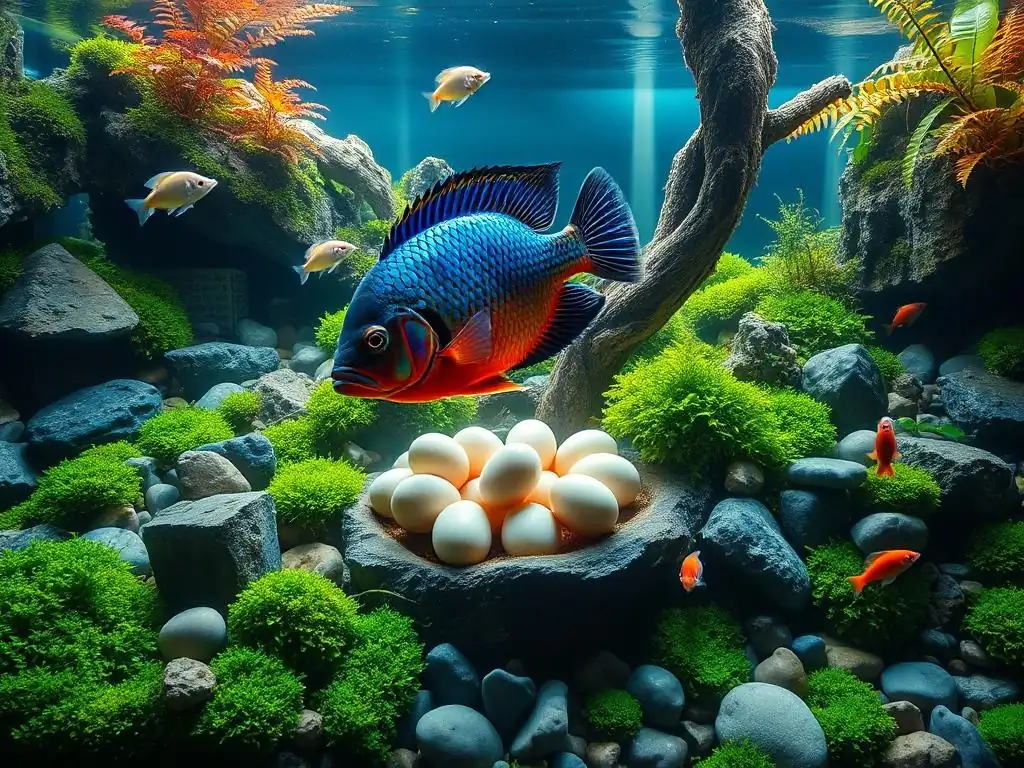
Welcome to Aquarium Mastery!
Ever wondered about the secret lives of Mbuna cichlids? Get ready to dive deep into the fascinating world of mouthbrooding with our comprehensive guide. Discover the tips and tricks to successfully breed these vibrant African cichlids in your own aquarium. Curious how to witness this incredible natural process firsthand? Let's unlock the secrets together...
- Breeding Mbuna Cichlids: A Comprehensive Guide
- Understanding Mbuna Cichlids and Mouthbrooding Behavior
- Preparing for Breeding: Setting Up a Breeding Tank
- Identifying Male and Female Mbuna Cichlids
- The Breeding Process: From Courtship to Fry Release
- Caring for a Mouthbrooding Female
- Fry Care: Raising Healthy Baby Cichlids
- Troubleshooting Common Problems
- Optimizing Breeding Success: Advanced Techniques
- Breeding: A Rewarding Experience
-
Frequently Asked Questions
- What is mouthbrooding, and why is it important for Mbuna cichlids?
- What are the key water parameters required for successful Mbuna cichlid breeding?
- How can I identify a female Mbuna cichlid that is holding eggs?
- What should I feed Mbuna cichlid fry after they are released from the mother's mouth?
- What are some common challenges faced when breeding Mbuna cichlids, and how can I overcome them?
- Final Reflection: The Enduring Wonder of Mbuna Mouthbrooding
- Dive Deeper: Unlock the Secrets of Mbuna Breeding!
Breeding Mbuna Cichlids: A Comprehensive Guide
Understanding Mbuna Cichlids and Mouthbrooding Behavior
What are Mbuna Cichlids? An Introduction
Mbuna cichlids are a fascinating group of freshwater fish endemic to Lake Malawi in East Africa. Their name, "Mbuna," translates to "rock-dweller" in the local Tonga language, accurately describing their natural habitat among rocky shores and crevices. These vibrant, active fish are highly territorial and are renowned for their stunning array of colors, from the brilliant blues of Pseudotropheus demasoni to the electric yellows of Labidochromis caeruleus (Electric Yellow Cichlid). Their unique beauty and engaging behaviors have made them immensely popular among aquarium enthusiasts, though their aggressive nature requires careful tank planning.
Unlike many other aquarium fish, Mbuna cichlids exhibit a distinct and highly evolved breeding strategy known as mouthbrooding. This protective parental care mechanism is a cornerstone of their reproductive success in the competitive environment of Lake Malawi. Understanding this behavior is crucial for anyone looking to successfully breed these captivating fish. The intricacies of their social structure and reproductive rituals are what make them a truly rewarding species to keep and observe.
The Process of Mouthbrooding
Mouthbrooding is a remarkable reproductive strategy where the female Mbuna cichlid carries and incubates her eggs and subsequently the hatched fry within her buccal cavity (mouth) until they are large enough to be released. The process begins after spawning, when the female quickly collects the fertilized eggs into her mouth. She will hold these eggs for approximately 21 to 28 days, depending on factors such as water temperature and species. During this period, the female typically refrains from eating, dedicating all her energy to protecting her developing offspring.
Once the fry have absorbed their yolk sacs and are free-swimming, the female will begin to release them. This release is often gradual, with the fry darting out to explore their surroundings and quickly retreating back into the safety of their mother's mouth if danger approaches. This protective behavior continues for several days or even weeks until the fry are deemed large enough to fend for themselves. This detailed Mbuna cichlid mouthbrooding guide emphasizes the female's pivotal role in ensuring the survival of her brood.
Advantages of Mouthbrooding for Fry Survival
The mouthbrooding strategy offers significant evolutionary advantages for Mbuna cichlid fry, dramatically increasing their chances of survival in a hostile environment. Firstly, it provides unparalleled protection from predators, including other tank inhabitants and even the male parent, who might otherwise prey on the vulnerable eggs or newly hatched fry. The mother's mouth acts as a mobile, living incubator, shielding the delicate offspring from external threats.
Secondly, the mother's mouth provides a stable and controlled environment for development. Factors like water temperature, pH, and oxygen levels are consistently maintained within the ideal range for the developing eggs and fry, far more so than if they were left exposed on a substrate.
Studies have shown that mouthbrooded fry typically have a much higher survival rate compared to species that scatter their eggs or lay them on open surfaces. This advanced parental care is a key reason why Mbuna cichlids thrive in their natural habitat and can be successfully bred in captivity, making this Mbuna cichlid mouthbrooding guide particularly useful for aquarists.
Preparing for Breeding: Setting Up a Breeding Tank
Tank Size and Setup
Successfully breeding Mbuna cichlids begins with the right environment, and tank size is paramount. For a dedicated breeding group, a minimum tank size of 50 to 75 gallons (approximately 190 to 285 liters) is recommended. This provides ample space for a male and several females, helping to disperse aggression and establish territories.
A larger tank, such as 90 gallons (340 liters) or more, is even better, especially for multiple breeding groups or larger Mbuna species like Metriaclima estherae. The tank should be equipped with robust filtration, ideally an external canister filter or a powerful hang-on-back filter, to handle the bioload and maintain pristine water quality, which is critical for a successful Mbuna cichlid breeding process.
The physical setup within the tank is equally important. Mbuna cichlids, being rock-dwellers, require an abundance of rockwork to create caves, crevices, and visual barriers. These structures serve as crucial hiding spots for females, especially when mouthbrooding, and help to define territories for males, reducing overall aggression. Ensure rocks are securely stacked to prevent collapses, which could injure fish or damage the tank.
Essential Water Parameters
Maintaining stable and appropriate water parameters is non-negotiable for breeding Mbuna cichlids. These fish originate from Lake Malawi, which has very specific water chemistry. The ideal pH range for Mbuna cichlids is between 7.8 and 8.6, with a general hardness (GH) of 10-20 dGH (degrees of General Hardness) and a carbonate hardness (KH) of 10-18 dKH. The water temperature should be kept consistently between 76-82°F (24-28°C). Fluctuations in these parameters can cause significant stress, leading to health issues, reduced breeding activity, or even a female spitting out her eggs prematurely.
Regular water testing is essential to monitor ammonia, nitrite, and nitrate levels. Ammonia and nitrite should always be zero, while nitrates should be kept below 20 ppm through consistent weekly water changes of 25-30%. Using a high-quality water conditioner that neutralizes chlorine and chloramines is also vital. Some aquarists use Rift Lake cichlid salts or crushed coral in the substrate to help maintain the high pH and hardness levels required for optimal Mbuna cichlid mouthbrooding success.
Substrate and Decorations
The choice of substrate plays a significant role in maintaining the correct water chemistry and providing a natural environment for Mbuna cichlids. A fine sand substrate, such as play sand or pool filter sand, is highly recommended. Not only does it mimic their natural habitat, but it also allows males to dig spawning pits, a crucial part of their courtship ritual.
Crushed coral or aragonite sand can also be used as they gradually dissolve, helping to buffer the water and maintain the high pH and hardness levels preferred by Mbuna. Avoid coarse gravel, which can trap detritus and is not conducive to their digging behavior.
Beyond the substrate, decorations should primarily consist of abundant rock formations. Limestone, lava rock, or Texas Holey Rock are excellent choices as they are inert or can even help buffer the water. Arrange the rocks to create numerous caves, tunnels, and visual breaks.
Aim for a structure that offers multiple territories and escape routes, which is vital for managing the inherent aggression of Mbuna. Avoid decorations with sharp edges that could injure the fish. While live plants can be challenging with Mbuna due to their digging and herbivorous tendencies, hardy plants like Anubias or Java Fern tied to rocks might survive, though they are not essential for a successful Mbuna cichlid breeding guide.
Selecting Compatible Species
When setting up a breeding tank for Mbuna cichlids, selecting compatible species is crucial for minimizing aggression and promoting successful breeding. The general rule is to keep only Mbuna species together, avoiding mixing them with Peacock cichlids or Haplochromine cichlids, as their aggression levels and dietary needs often differ. Within the Mbuna group, aim for species that are similar in size and aggression level. For instance, highly aggressive species like Melanochromis auratus might not be ideal tank mates for more docile Mbuna like Labidochromis caeruleus.
A common strategy to reduce aggression and encourage breeding is to maintain a male-to-female ratio of at least 1 male to 3-4 females for each species. This helps to spread out the male's attention and reduces stress on individual females. For example, a 75-gallon tank might house one male Pseudotropheus demasoni with four females, and one male Labidochromis caeruleus with three females.
Introducing too many males or an imbalanced sex ratio can lead to severe territorial disputes and even fatalities. Researching the specific temperament of each Mbuna species before adding them to your breeding setup is a key step in this comprehensive Mbuna cichlid mouthbrooding guide.
Identifying Male and Female Mbuna Cichlids
Visual Differences
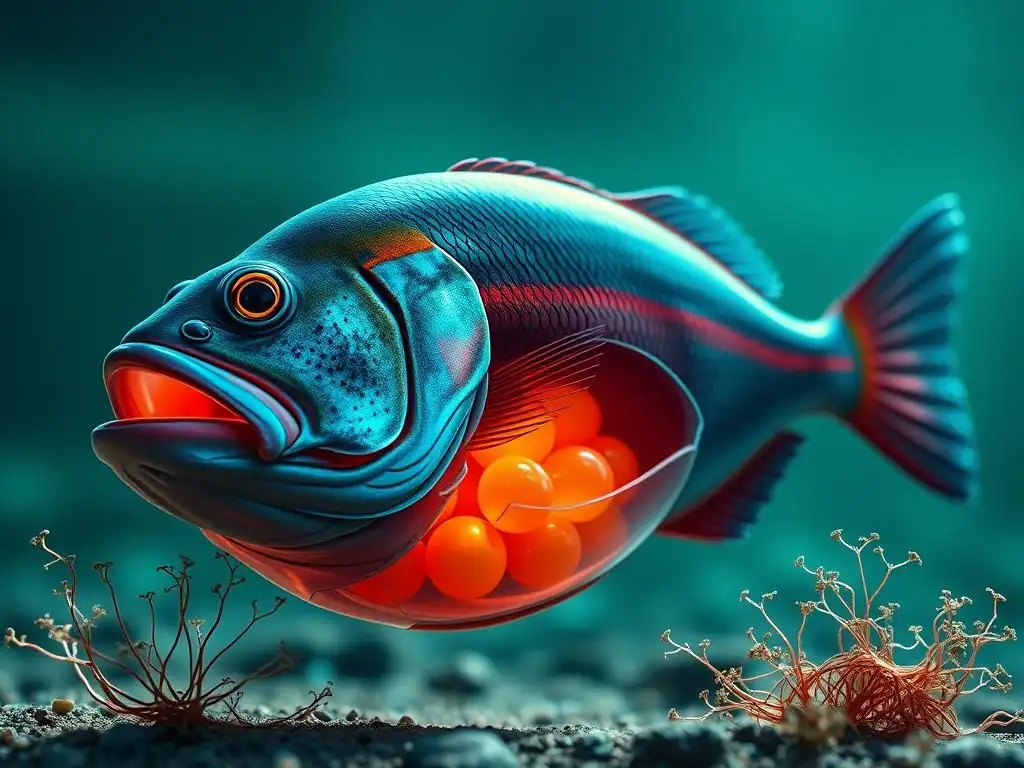
Distinguishing between male and female Mbuna cichlids can sometimes be challenging, especially with younger fish, but several visual cues become more apparent as they mature. Males are typically larger and exhibit more vibrant, intense coloration, particularly during breeding periods when they display their full splendor to attract females. For example, a male Metriaclima estherae (Red Zebra Cichlid) will often have a deeper red or orange hue compared to the more subdued female.
Males also tend to have more pronounced and numerous "egg spots" (ocelli) on their anal fins. While females can also possess these spots, they are usually fewer and less distinct.
Another visual indicator can be the finnage; males often have longer, more pointed dorsal and anal fins, whereas females' fins tend to be rounder and shorter. The body shape can also offer clues; mature females, especially when gravid (carrying eggs), may appear fuller or rounder in the belly compared to the more streamlined males. However, these visual differences are not always definitive and can vary significantly between species, making careful observation over time an important part of any Mbuna cichlid mouthbrooding guide.
Observing Behavior
Beyond visual cues, observing the behavior of your Mbuna cichlids provides invaluable insight into their sex and readiness to breed. Males are typically more territorial and aggressive, actively defending their chosen rock or sand pit. They will frequently display to other fish by flaring their fins, quivering, and attempting to chase away intruders. During courtship, a male will intensify his colors, swim in a "shivering" motion, and attempt to lure a female to his spawning site. This behavior is a strong indicator of a mature, breeding-ready male.
Females, on the other hand, are generally less aggressive and more subdued. While they can still be territorial, their displays are usually less intense. A receptive female will approach the male's territory, inspect his prepared spawning pit, and eventually engage in the circling behavior that precedes egg laying. Observing a female with a distended buccal cavity (swollen mouth) is a definitive sign that she is mouthbrooding, confirming her sex and successful breeding. This behavioral analysis is a critical component of a comprehensive Mbuna cichlid mouthbrooding guide.
Choosing a Healthy Breeding Pair
Selecting healthy and vigorous individuals is paramount for successful Mbuna cichlid breeding. When choosing a breeding pair or group, look for fish that are active, alert, and exhibit full, vibrant coloration appropriate for their species. Avoid fish that appear lethargic, have clamped fins, faded colors, or any signs of disease such as fin rot, ich, or bloating. Healthy fish are more likely to breed successfully and produce robust offspring.
It's often recommended to start with a group of juvenile Mbuna (e.g., 6-8 individuals) and allow them to grow out together. This increases the chances of acquiring a balanced sex ratio and allows the fish to establish a natural social hierarchy. Once they mature, you can select the most dominant male and several healthy females for your dedicated breeding setup, typically a ratio of one male to three or four females. This ratio helps to distribute the male's breeding aggression and reduces stress on individual females, leading to a more consistent Mbuna cichlid breeding process.
The Breeding Process: From Courtship to Fry Release
Courtship Rituals and Spawning
The breeding process in Mbuna cichlids is a fascinating display of natural instinct, beginning with elaborate courtship rituals. The male, vibrant in his breeding colors, will select a territory, often a flat rock or a pit he has dug in the sand. He will then vigorously defend this area, displaying to passing females by flaring his fins, quivering his body, and performing a series of enticing dances.
His goal is to lure a receptive female to his spawning site. A female ready to breed will approach his territory, inspect the pit, and eventually respond to his advances, indicating her readiness to lay eggs.
Once the female accepts the male's invitation, they will begin to circle each other tightly over the chosen spawning site. This circling behavior is characteristic of Mbuna cichlid mouthbrooding and is where the actual egg laying and fertilization occur. The male will often nip at the female's vent area, encouraging her to release an egg.
Egg Laying and Fertilization
During the circling dance, the female will release a small number of eggs, typically 1 to 5 at a time, directly onto the spawning surface. Immediately after laying, she will quickly turn around and scoop these eggs into her mouth. As she does this, the male will present his anal fin, which bears the distinctive "egg spots."
The female, mistaking these spots for additional eggs, will attempt to pick them up. In doing so, she inadvertently takes in sperm released by the male, fertilizing the eggs already held within her mouth. This ingenious method ensures that fertilization occurs internally, within the protective confines of her buccal cavity, a key aspect of the Mbuna cichlid mouthbrooding guide.
This process of laying a few eggs, picking them up, and then "mouthing" the male's egg spots for fertilization is repeated multiple times. A single spawning session can last for an hour or more, with the female laying anywhere from 10 to 60 eggs, depending on her size, age, and species. Once all eggs are laid and safely secured in her mouth, the female will retreat to a secluded spot, beginning the arduous incubation period.
The Female's Role: Holding and Protecting the Eggs
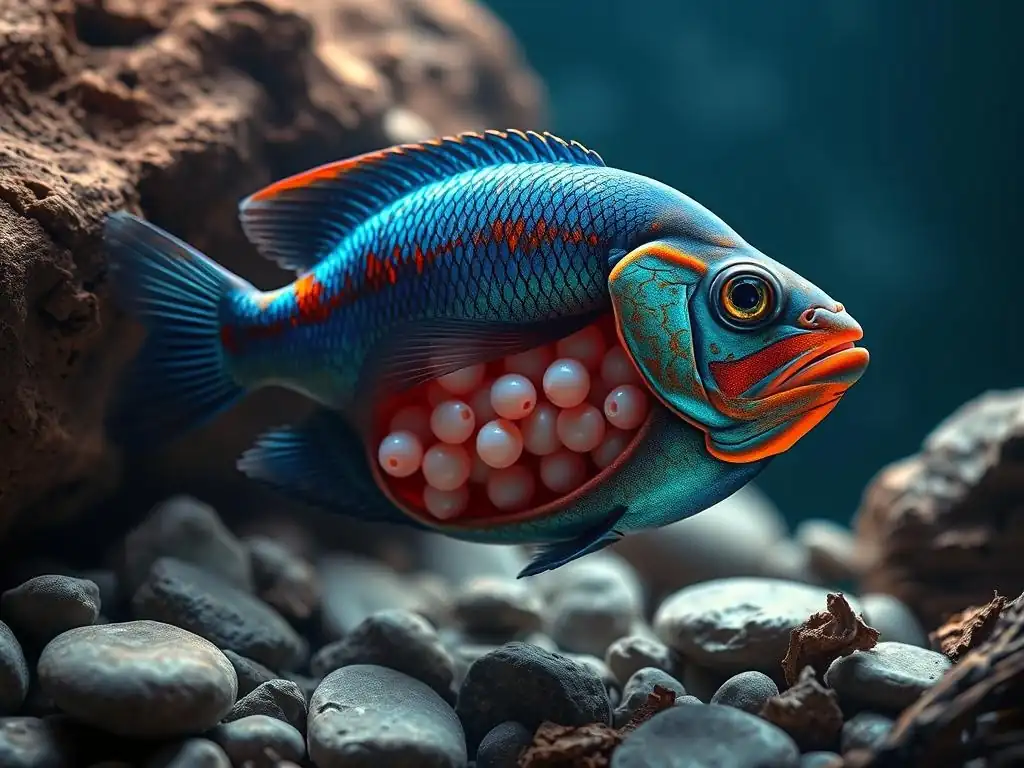
Once the eggs are fertilized and safely held in her mouth, the female Mbuna cichlid enters a crucial phase known as "holding." Her buccal cavity will appear noticeably distended, and she will typically become reclusive, seeking out caves or other hiding spots to avoid stress and potential aggression from other tank inhabitants. During this entire incubation period, which typically lasts between 21 to 28 days (though it can vary based on species and water temperature), the female will not eat. She relies entirely on her stored energy reserves to sustain herself and her developing brood.
Her dedication to protecting the eggs is absolute; she will constantly "tumble" them within her mouth, rotating them to ensure proper oxygenation and to prevent fungal growth. She will also vigorously defend her hiding spot if approached, demonstrating her commitment to the survival of her offspring. This period of holding is the most vulnerable time for the female, and providing a safe, stress-free environment is paramount for a successful Mbuna cichlid mouthbrooding outcome.
Caring for a Mouthbrooding Female
Maintaining Water Conditions
Caring for a mouthbrooding female Mbuna cichlid requires meticulous attention to water conditions to minimize stress and ensure the successful development of her fry. Stability is key: maintain the water temperature consistently between 78-80°F (25.5-26.5°C), and ensure the pH remains within the ideal range of 7.8-8.6. Fluctuations can cause the female to become stressed and prematurely spit out her eggs. Ammonia and nitrite levels must remain at zero, and nitrates should be kept as low as possible, ideally below 10-15 ppm.
Regular, small water changes are crucial, even if the female is in a dedicated breeding tank. A 10-15% water change every 2-3 days can help maintain pristine conditions without causing significant shifts in parameters. If the female is holding in a community tank, ensure the overall tank maintenance is exemplary, as poor water quality affects all inhabitants and can induce stress in the mouthbrooding female. A stable and clean environment is a cornerstone of this Mbuna cichlid mouthbrooding guide.
Feeding
One of the most notable aspects of caring for a mouthbrooding female is that she will typically abstain from eating throughout the entire incubation period. Her mouth is full of eggs and then fry, preventing her from ingesting food. This fasting period can last for three to four weeks, during which she relies entirely on her fat reserves. Therefore, it's vital that the female is well-conditioned and healthy before she spawns. Ensure she receives a high-quality, varied diet rich in spirulina and other vegetable matter in the weeks leading up to breeding.
Once the female releases her fry, she will be quite thin and hungry. Begin offering her small, frequent meals of high-quality flake food, small pellets, or frozen foods like spirulina brine shrimp. It's important not to overfeed her initially, as her digestive system will need to readjust. Gradually increase her portion sizes as she regains her strength. Providing her with nutritious food post-release will help her recover quickly and prepare her for future breeding attempts, a vital tip for any Mbuna cichlid breeding guide.
Recognizing Signs of Stress
Identifying signs of stress in a mouthbrooding female is crucial for preventing premature egg spitting. A stressed female may exhibit several tell-tale behaviors. She might become excessively reclusive, hiding constantly and refusing to come out even for short periods. Conversely, some stressed females might become agitated, darting frantically around the tank or bumping into tank walls. Her coloration may darken significantly, or she might appear paler than usual.
Physical signs of stress include clamped fins (fins held close to the body) and rapid gill movement, indicating labored breathing. Most definitively, if a female begins to "chew" or "spit" her eggs out, even momentarily, it's a strong indication of severe stress. Common stressors include poor water quality, overly aggressive tank mates, insufficient hiding spots, or too many disturbances in the tank. Promptly addressing these issues is essential for the success of your Mbuna cichlid mouthbrooding efforts.
Fry Care: Raising Healthy Baby Cichlids
When and How to Release Fry
Mbuna cichlid fry are typically released by the female after approximately 21 to 28 days of incubation. At this point, they are miniature versions of their parents, with their yolk sacs fully absorbed and capable of free-swimming. The female will often begin "testing the waters" by releasing a few fry at a time, allowing them to explore briefly before recalling them back into her mouth if she senses danger. This gradual release can last for several days.
There are two primary methods for managing fry release. The first is to allow the female to release them naturally within the main tank, provided there are ample hiding spots (e.g., small rock crevices, dense plant thickets) for the fry to escape predation from other fish, including the parents. The second, more common method for maximizing fry survival, is to gently move the mouthbrooding female to a separate, dedicated "fry tank" a few days before the expected release.
This allows her to release the fry in a safe, predator-free environment. Once the fry are released, the female can be returned to the main tank, allowing her to recover and resume feeding. This Mbuna cichlid mouthbrooding guide emphasizes the importance of a safe environment for new fry.
Setting Up a Grow-Out Tank
A dedicated grow-out tank is essential for raising healthy Mbuna cichlid fry. For the initial weeks, a 10-20 gallon (38-75 liter) tank is sufficient for a single brood of 30-50 fry. This tank should be equipped with a gentle filtration system, such as a sponge filter, which provides excellent biological filtration without creating strong currents that could overwhelm the tiny fry. Ensure the water parameters in the grow-out tank match those of the main tank to avoid shocking the fry during transfer.
The substrate for a fry tank can be bare bottom for easy cleaning, or a very thin layer of fine sand. Provide plenty of small hiding spots, such as small pieces of PVC pipe, tiny rock caves, or plastic plants, where the fry can feel secure. Maintaining a consistent temperature of 78-80°F (25.5-26.5°C) is important for optimal growth. As the fry grow, they will require larger tanks to prevent stunting and maintain water quality, which is critical for their development and a key point in any comprehensive Mbuna cichlid breeding guide.
Feeding Fry: First Foods and Growth
Feeding Mbuna cichlid fry correctly is crucial for their rapid growth and development. For their first foods, once the yolk sac is fully absorbed, finely crushed high-quality spirulina flakes or a specialized cichlid fry powder are excellent choices. Feed very small amounts multiple times a day (4-6 times), as fry have high metabolisms and small stomachs. Overfeeding can quickly foul the water, so only offer what they can consume within a few minutes.
As the fry grow, typically after the first week, you can introduce more varied and protein-rich foods. Newly hatched brine shrimp nauplii are an excellent live food source that promotes rapid growth and strong coloration. Other options include microworms or finely ground freeze-dried krill. By the time they are 1-2 inches long, they can gradually transition to adult Mbuna cichlid pellets or flakes, crushed into smaller pieces. Consistent, nutritious feeding is a cornerstone of raising robust Mbuna cichlid fry and achieving success with this Mbuna cichlid mouthbrooding guide.
Preventing Diseases and Maintaining Water Quality
Maintaining pristine water quality is the single most important factor in preventing diseases and ensuring the healthy growth of Mbuna cichlid fry. Fry are particularly susceptible to ammonia and nitrite spikes, which can be lethal. Daily small water changes (10-20%) are highly recommended for fry tanks to keep nitrates low and replenish essential minerals. Use an airline tube to siphon out uneaten food and detritus from the bottom of the tank, as decaying organic matter quickly degrades water quality.
Regular monitoring of water parameters (ammonia, nitrite, nitrate, pH, temperature) is essential. Ensure the sponge filter is clean and functioning effectively, providing both mechanical and biological filtration. Avoid introducing new fish or decorations without proper quarantine, as they can carry pathogens. A clean, stable environment, combined with a nutritious diet, significantly reduces the risk of common fry ailments like bloat or fin rot, ensuring your Mbuna cichlid breeding efforts yield healthy offspring.
Troubleshooting Common Problems
Infertile Eggs and Low Hatch Rates
Encountering infertile eggs or experiencing low hatch rates can be frustrating when breeding Mbuna cichlids. Several factors can contribute to this issue. One common cause is an inexperienced or overly young male who may not be effectively fertilizing the eggs. Conversely, an older male nearing the end of his reproductive prime might also have lower fertility. Poor water quality, particularly elevated nitrates or fluctuating pH, can also stress the fish and negatively impact egg viability.
To address this, ensure your breeding pair is mature and healthy, ideally between 1.5 to 3 years old. Optimize water parameters to the specific needs of Mbuna (pH 7.8-8.6, stable temperature 78-80°F). Observe the male's behavior during spawning; ensure he is actively participating in the fertilization process. Sometimes, introducing another healthy male or increasing the female-to-male ratio (e.g., 1 male to 4-5 females) can alleviate stress on individual females and improve the overall success rate of your Mbuna cichlid mouthbrooding guide.
Female Spitting Eggs: Understanding and Prevention
One of the most disheartening problems in Mbuna cichlid breeding is when a female prematurely spits out her eggs or fry. This behavior is almost always a sign of severe stress. Common stressors include aggressive tank mates, insufficient hiding spots, excessive disturbances (e.g., too much light, frequent tank cleaning during holding), or poor water quality (e.g., ammonia or nitrite spikes, rapid pH/temperature shifts). First-time mothers are also more prone to spitting due to inexperience or nervousness.
To prevent this, isolate the mouthbrooding female in a dedicated "holding tank" as soon as you confirm she is holding. This tank should be quiet, dimly lit, and have stable water parameters that match the main tank. Provide her with a small cave or PVC pipe for security. Minimize disturbances and avoid trying to feed her during this period. Some aquarists even float a small piece of dark material over the holding tank to provide extra shade and security. By reducing all potential stressors, you significantly increase the chances of a successful Mbuna cichlid mouthbrooding outcome.
Aggression During Breeding: Managing Conflicts
Aggression is an inherent trait of Mbuna cichlids, and it can intensify significantly during breeding periods. Males become highly territorial, aggressively defending their spawning sites and constantly harassing females to breed. This aggression can lead to stress, injury, or even death, particularly for females who are constantly pursued or for weaker males. Overstocking the tank is a common strategy employed by Mbuna keepers to "spread out" aggression, but it needs to be done carefully.
To manage aggression in a breeding setup, ensure your tank is amply sized (e.g., 75 gallons or more for a breeding group) and heavily decorated with numerous rock formations creating multiple territories and visual barriers. Maintain a high female-to-male ratio (e.g., 1 male to 3-4 females per species) to diffuse the male's attention. If a particular fish is excessively aggressive or being bullied, consider removing it from the tank. Sometimes, rearranging the rockwork can disrupt established territories and reduce conflict. Careful observation and proactive intervention are key to a harmonious Mbuna cichlid breeding environment.
Optimizing Breeding Success: Advanced Techniques
Using Breeding Traps
Breeding traps, also known as breeding boxes or breeder nets, are a useful tool for optimizing Mbuna cichlid breeding success, particularly for protecting fry. These are small, perforated containers that can be hung inside the main aquarium, allowing water to circulate while isolating their occupants. Aquarists often use them to temporarily house a mouthbrooding female in the final days of her holding period. This allows her to release her fry safely within the main tank's water parameters, but protected from predation by other fish, including the parents.
The primary advantage of a breeding trap is that it minimizes the stress on the female compared to moving her to an entirely separate tank. Once the fry are released, they remain in the trap, safe from the larger fish, while the female can be released back into the main tank to recover and resume feeding. This method simplifies fry collection and reduces the risk of the female spitting her eggs due to the shock of relocation. It's a practical addition to any Mbuna cichlid mouthbrooding guide aiming for higher fry yields.
Artificial Incubation
Artificial incubation, also known as "stripping," is an advanced technique used to increase the yield of Mbuna cichlid fry. This method involves carefully removing the eggs from the female's mouth and incubating them externally in an "egg tumbler" or a heavily aerated container. The egg tumbler mimics the female's natural tumbling action, ensuring proper oxygenation and preventing fungal growth. This technique is often employed when a female is a repeat spitter, or when maximum fry production is desired.
To perform artificial incubation, the female is gently caught and held, and her mouth is carefully opened to release the eggs. The eggs are then immediately transferred to a pre-setup egg tumbler with water parameters matching the main tank. Methylene blue can be added to the water as an anti-fungal agent. While this method requires more hands-on care and attention to water quality, it frees the female from the strenuous holding period, allowing her to recover faster and potentially breed again sooner, contributing to a more efficient Mbuna cichlid breeding process.
Genetic Considerations: Selective Breeding
For serious aquarists looking to advance their Mbuna cichlid breeding efforts, understanding genetic considerations and practicing selective breeding can be highly rewarding. Selective breeding involves choosing specific individuals with desirable traits (e.g., vibrant coloration, robust health, ideal finnage, peaceful temperament) to parent the next generation. This helps to enhance specific characteristics within your line of fish and can lead to stunning, high-quality specimens. For example, a breeder might select the most intensely colored Electric Yellow Cichlids to ensure their offspring inherit that brilliant yellow.
Conversely, it's crucial to avoid excessive inbreeding, which can lead to a reduction in genetic diversity, making the fish more susceptible to diseases, deformities, and reduced vitality over generations. Introducing new, unrelated bloodlines periodically can help maintain genetic strength. Keeping detailed records of parentage, spawning dates, and fry characteristics is essential for any successful selective breeding program, ensuring the long-term health and quality of your Mbuna cichlid stock and contributing positively to the hobby's understanding of Mbuna cichlid mouthbrooding genetics.
Breeding: A Rewarding Experience
The Satisfaction of Success
Successfully breeding Mbuna cichlids is one of the most rewarding experiences an aquarist can undertake. Witnessing the intricate courtship rituals, the dedication of the mouthbrooding female, and finally, the emergence of healthy, vibrant fry from her mouth, is a truly captivating spectacle. It provides a deep sense of accomplishment and validates the effort invested in setting up and maintaining the optimal breeding environment. Seeing your tiny fry grow into robust, colorful juveniles is a testament to your care and understanding of the Mbuna cichlid breeding process.
Beyond the initial spawn, the ongoing joy comes from observing the natural behaviors of these fascinating fish in a controlled setting. Each successful brood reinforces your knowledge and allows you to refine your techniques, leading to even greater success in future breeding attempts. This journey of learning and achievement is a significant part of the satisfaction derived from this Mbuna cichlid mouthbrooding guide.
Contributing to the Hobby
Breeding Mbuna cichlids not only brings personal satisfaction but also offers a valuable contribution to the wider aquarium hobby. Captive-bred fish are generally hardier and better adapted to aquarium life than wild-caught specimens, reducing stress on wild populations and promoting sustainable practices. By successfully raising Mbuna fry, you can provide healthy, high-quality fish to other enthusiasts, helping them start their own Mbuna tanks or expand their collections.
Sharing your knowledge and experience with fellow aquarists, perhaps through forums or local fish clubs, further enriches the community. Documenting your Mbuna cichlid breeding process and sharing tips on Mbuna cichlid mouthbrooding techniques can inspire and educate others, fostering a deeper appreciation for these incredible fish and ensuring the hobby continues to thrive responsibly.
Ethical Considerations
As with any form of animal husbandry, breeding Mbuna cichlids comes with ethical responsibilities. It is crucial to only breed healthy, well-conditioned fish to ensure the production of robust offspring. Avoid breeding fish that show signs of genetic deformities, chronic illness, or extreme aggression that could be passed down. Always have a plan for the fry you produce. Overpopulation can quickly become a problem, so ensure you have sufficient tank space to house them as they grow, or a reliable outlet for selling or rehoming them.
Never release non-native fish, including Mbuna cichlids, into local waterways, as this can have devastating impacts on native ecosystems. Responsible breeding also includes maintaining excellent water quality for all fish, not just the breeding pair, and providing appropriate diets. By adhering to these ethical considerations, you contribute positively to the welfare of your fish and the integrity of the aquarium hobby, making your Mbuna cichlid mouthbrooding guide a truly responsible resource.
Frequently Asked Questions
What is mouthbrooding, and why is it important for Mbuna cichlids?
Mouthbrooding is a parental care strategy where the female holds the fertilized eggs in her mouth until they hatch. This increases the survival rate of the fry, protecting them from predators and environmental hazards.
What are the key water parameters required for successful Mbuna cichlid breeding?
Maintaining stable and optimal water parameters is crucial. This typically includes a pH of 7.8-8.6, a temperature of 76-82°F (24-28°C), and consistent water changes to minimize nitrates.
How can I identify a female Mbuna cichlid that is holding eggs?
A holding female will often appear less active and may refuse food. You'll notice a bulge under her chin where she's storing the eggs, and she may have a more withdrawn demeanor.
What should I feed Mbuna cichlid fry after they are released from the mother's mouth?
Newly released fry require small, nutritious food. Suitable options include crushed flake food, baby brine shrimp, or commercially available fry food, fed multiple times a day in small amounts.
What are some common challenges faced when breeding Mbuna cichlids, and how can I overcome them?
Common issues include aggression from other tank mates, poor water quality, and the female prematurely spitting out the eggs. Providing adequate hiding places, maintaining pristine water, and potentially separating the holding female can help.
Final Reflection: The Enduring Wonder of Mbuna Mouthbrooding
The intricate dance of Mbuna cichlid breeding, as explored in this guide, isn't just about fishkeeping; it's a microcosm of life itself, showcasing the power of instinct and the dedication to nurturing offspring. The remarkable mouthbrooding behavior of these vibrant fish serves as a potent reminder of the diverse and often surprising strategies employed by nature to ensure survival. This guide, hopefully, has illuminated the path for enthusiasts to witness and participate in this incredible process, fostering a deeper appreciation for the aquatic world.
The influence of Mbuna cichlids extends beyond the aquarium, captivating hobbyists with their vibrant colors and complex social structures. Their unique mouthbrooding behavior continues to fascinate and inspire, prompting us to reflect on the dedication and sacrifice inherent in parenthood, regardless of species. The best and most beautiful things in the world cannot be seen or even touched - they must be felt with the heart.
- Helen Keller. This quote resonates deeply when observing the unwavering commitment of a Mbuna mother to her brood, a testament to the power of instinctual love.
Now, as you embark on your own journey with these mouthbrooding marvels, remember that patience, observation, and a genuine respect for their natural behaviors are key. Let the lessons learned from this guide inspire you not only to successfully breed Mbuna cichlids, but also to cultivate a deeper understanding and appreciation for the delicate balance of the aquatic ecosystem. Consider how you can apply the principles of careful observation and nurturing to other aspects of your life, fostering growth and resilience in all that you do.
Dive Deeper: Unlock the Secrets of Mbuna Breeding!
Thanks for exploring the fascinating world of Mbuna cichlids with us! We hope this guide has illuminated the path to successfully breeding these vibrant fish. Now, let's put that knowledge into action and truly master Mbuna breeding.
Here's what you can do next:
- Start planning your Mbuna breeding setup. Identify the species you want to breed, research their specific needs, and design an aquarium environment tailored to their requirements. Don't delay – preparation is key to success!
- Share your experiences and questions! Join our online forum dedicated to cichlid enthusiasts at AquariumMastery.com to learn from others and contribute your own insights.
- Experiment with different tank setups and breeding techniques. Try incorporating unexpected elements like specific rock formations or water flow patterns to stimulate spawning.
What unique element will you introduce to your Mbuna breeding setup to create the ideal environment for successful spawning?