
Observing Triggerfish Feeding Mechanisms: Powerful Jaws and Clever Strategies at Work

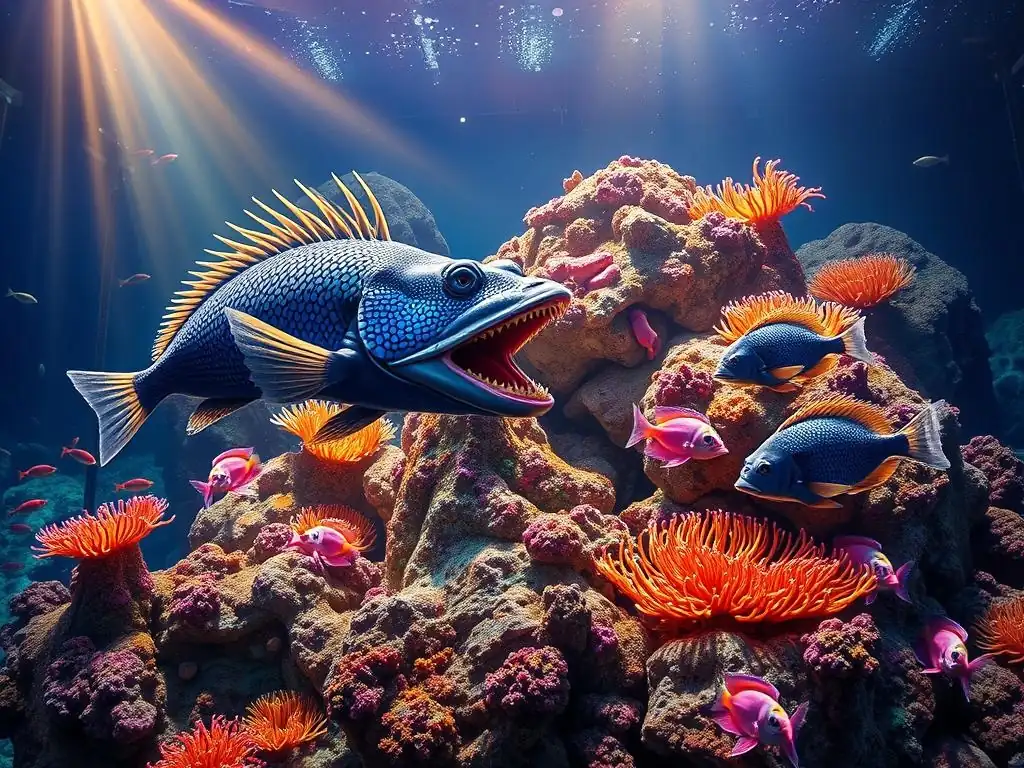
Welcome to Aquarium Mastery!
Ever wondered how a fish with such a striking appearance could be so remarkably intelligent when it comes to feeding? Dive into our comprehensive guide and unlock the secrets of Triggerfish feeding behavior strategies. Discover the power behind those formidable jaws and the clever tactics they employ to secure their next meal. Ready to unravel the mysteries of these fascinating saltwater predators? Let's explore!
- Introduction to Triggerfish Feeding Behavior
- The Anatomy Behind the Bite: Triggerfish Jaw Morphology
- Triggerfish Feeding Behavior Strategies in the Wild
- Triggerfish Diet in the Wild: A Varied Menu
- Replicating Natural Triggerfish Feeding Behaviors in the Aquarium
- Encouraging Natural Foraging Behaviors in the Aquarium
- Potential Feeding Problems and Solutions in Triggerfish
- Understanding Triggerfish Predatory Techniques
- Case Study: Observing a Specific Triggerfish Species Feeding
- Conclusion: Mastering Triggerfish Feeding for a Thriving Aquarium
-
Frequently Asked Questions
- How do triggerfish use their powerful jaws for feeding?
- What are some common feeding strategies employed by triggerfish in the aquarium?
- What types of food should I offer my triggerfish in an aquarium setting?
- Are there any specific feeding behaviors I should watch out for to ensure my triggerfish is healthy?
- How often should I feed my triggerfish to maintain its health and well-being?
- Final Reflection: Unlocking the Secrets of Survival
- Unleash Your Inner Marine Biologist!
Introduction to Triggerfish Feeding Behavior
Triggerfish: A Unique Predator in the Reef Environment
Triggerfish are renowned inhabitants of coral reefs, recognized for their vibrant colors, distinctive body shapes, and formidable predatory capabilities. Unlike many other reef fish that graze on algae or pick at tiny invertebrates, triggerfish are active hunters, equipped with specialized anatomical features that allow them to tackle a diverse range of prey. Their unique set of "Triggerfish feeding behavior strategies" makes them one of the most intriguing and effective predators in their ecosystem, playing a significant role in controlling populations of various bottom-dwelling organisms.
These fascinating fish exhibit a high degree of intelligence and adaptability in their hunting methods. From their ability to manipulate objects to their powerful crushing jaws, every aspect of their biology points to a life dedicated to mastering the art of the hunt. Understanding these inherent behaviors provides crucial insight into their ecological niche and helps aquarists appreciate the complex lives led by these captivating marine creatures.
The Importance of Understanding Triggerfish Feeding Habits for Aquarium Keepers
For saltwater aquarium enthusiasts, comprehending the intricate feeding habits of triggerfish is paramount to their successful care and long-term health in captivity. Without replicating their natural dietary needs and encouraging their innate "Triggerfish feeding behavior strategies," these fish can suffer from nutritional deficiencies, dental problems, or behavioral issues such as aggression stemming from unfulfilled natural instincts. A well-fed triggerfish, provided with a diet that challenges its powerful jaws and encourages foraging, is far more likely to thrive and display its full array of natural behaviors.
Moreover, knowledge of their feeding strategies helps aquarists make informed decisions about tank mates and aquascaping. Their predatory nature means that small, slow-moving invertebrates or even smaller fish can become unintended prey. By understanding how they hunt and what they prefer to eat, keepers can design an environment that is both safe for the triggerfish and compatible with other inhabitants, ensuring a harmonious and healthy aquarium ecosystem.
The Anatomy Behind the Bite: Triggerfish Jaw Morphology
Powerful Jaws and Teeth: Adaptations for Crushing and Tearing
The most striking feature of a triggerfish's feeding apparatus is its remarkably powerful jaws and specialized dentition. Their mouths are relatively small but house a set of robust, often conical teeth arranged in two rows in the upper jaw and one row in the lower jaw.
These teeth are not designed for delicate nipping but rather for crushing and tearing through the tough exoskeletons of crustaceans, the hard shells of mollusks, and the spiny defenses of echinoderms like sea urchins. The jaw muscles are exceptionally strong, allowing them to exert significant force, making them highly efficient at breaking open prey that most other fish cannot access.
This powerful bite is a direct evolutionary adaptation to their diet, enabling them to exploit food sources that are well-protected. For instance, a medium-sized triggerfish, such as a Picasso Triggerfish (Rhinecanthus aculeatus), can easily crush the shell of a small hermit crab or a snail within a matter of seconds, demonstrating the formidable strength behind their bite. This makes their "Triggerfish feeding behavior strategies" particularly effective in environments rich with hard-shelled invertebrates.
The Role of the Triggerfish's Strong Bite in Its Diet
The immense strength of a triggerfish's bite dictates its primary food sources and sets it apart from many other reef fish. Their powerful jaws are perfectly suited for a durophagous diet, meaning they specialize in consuming hard-shelled organisms. This allows them to access a niche of prey items that are largely unavailable to fish with weaker jaws or different tooth structures. Without this specialized anatomy, their signature "Triggerfish feeding behavior strategies" of crushing and tearing would be impossible.
Beyond simply breaking shells, their bite also allows them to firmly grasp and manipulate prey. They can hold onto a slippery crab or a spiny urchin while repositioning it for a more effective attack. This combination of strength and dexterity in their jaw movements is central to their predatory success, ensuring they can process even the most challenging food items found on the reef.
Triggerfish Jaw Anatomy Diagram
Imagine a detailed illustration of a triggerfish's head, focusing on its mouth and internal jaw structure. The diagram would highlight the thick, muscular cheeks indicative of powerful adductor muscles that close the jaw with immense force. The upper and lower jaws, appearing almost beak-like, would be shown armed with distinct, often chisel-shaped or conical teeth visible at the front, designed for initial penetration and crushing.
Further back in the mouth, additional, more rounded teeth might be depicted, suitable for grinding down tougher materials. The overall impression conveyed would be one of incredible robustness and specialized design, perfectly adapted for the demanding "Triggerfish feeding behavior strategies" of cracking and tearing through calcified structures.
Triggerfish Feeding Behavior Strategies in the Wild
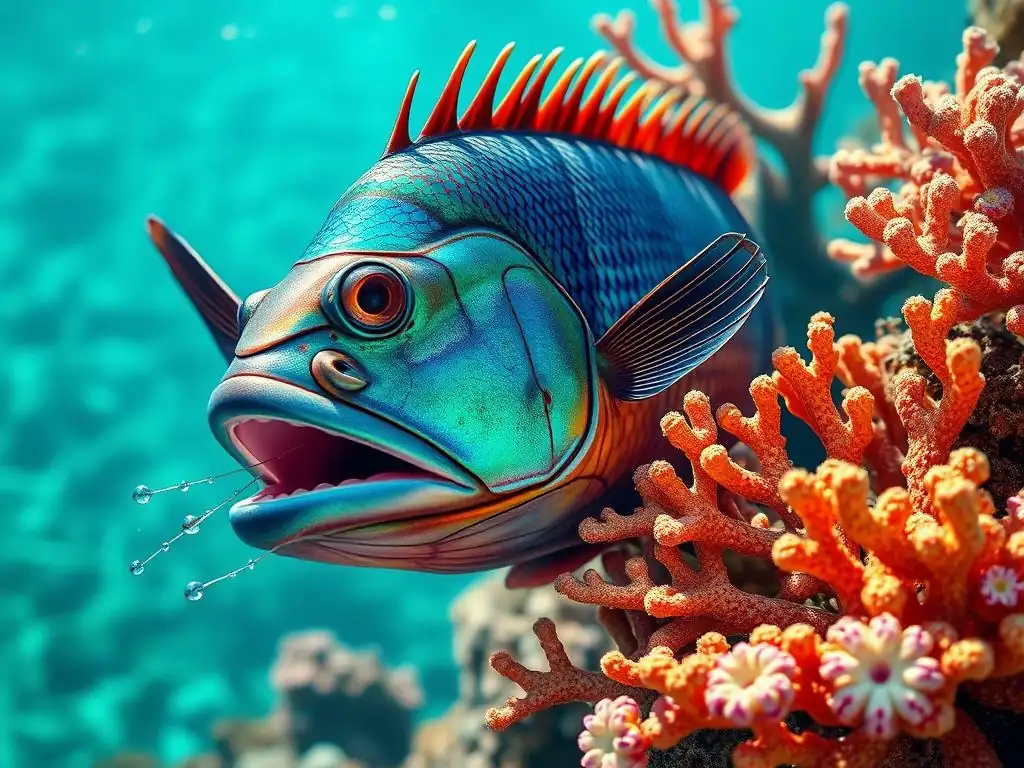
Many triggerfish species are adept bottom-dwellers, spending a significant portion of their active time foraging for hidden prey within the sand, rubble, and crevices of the reef. This involves a methodical process of exploration, often characterized by the fish swimming slowly along the substrate, eyes scanning for any sign of movement or irregularity. Once a potential food source is detected, the triggerfish will often use its snout to probe and dig, or even physically flip over small rocks and pieces of coral rubble to expose concealed invertebrates.
This unearthing behavior is particularly common among species like the Lagoon Triggerfish (Rhinecanthus aculeatus) and the Huma Huma Triggerfish (Rhinecanthus rectangulus). They might spend several minutes systematically overturning small stones, indicating a patient and persistent approach to their "Triggerfish feeding behavior strategies." This active search helps them uncover crabs, snails, and worms that would otherwise remain hidden from most other predators.
Blowing Water Jets: Exposing Concealed Food Sources
One of the most remarkable and intelligent "Triggerfish feeding behavior strategies" involves using directed jets of water to uncover buried prey. When a triggerfish suspects prey is hidden beneath the sand or within a narrow crevice, it will position itself directly above the spot and forcefully expel water from its mouth, creating a powerful stream that displaces the substrate. This technique effectively exposes buried worms, small crustaceans, or clams that are otherwise invisible to the naked eye.
This behavior is a testament to their problem-solving abilities and their sophisticated hunting repertoire. Observations in natural habitats have shown triggerfish repeatedly blasting water until the desired prey is fully exposed and then quickly darting in to seize it. This method demonstrates an advanced understanding of their environment and the physics required to manipulate it for their benefit.
Triggerfish Tool Use: Using Rocks to Expose Sea Urchins
Perhaps the most famous example of advanced "Triggerfish feeding behavior strategies" is their documented use of tools, particularly in handling sea urchins. Certain species, most notably the Clown Triggerfish (Balistoides conspicillum) and the Queen Triggerfish (Balistes vetula), have been observed carefully picking up sea urchins and carrying them to a nearby flat rock or hard surface. Once at the chosen spot, the triggerfish will then repeatedly drop the urchin onto the rock or flip it over, aiming to expose its vulnerable, spineless underside.
This deliberate and intelligent manipulation of objects to achieve a feeding goal is a rare and complex behavior in the animal kingdom, placing triggerfish among a select group of species known for tool use. By breaking through the urchin's formidable defenses, they gain access to a highly nutritious food source that would otherwise be inaccessible. This sophisticated approach highlights their cognitive abilities and their remarkable adaptability in securing meals.
Common Prey Items: Crustaceans, Mollusks, and Echinoderms
In their natural reef habitats, triggerfish exhibit a highly varied diet primarily composed of hard-shelled invertebrates. Their powerful jaws and clever "Triggerfish feeding behavior strategies" allow them to prey upon a wide array of organisms that are often inaccessible to other fish. Common prey items include various species of crabs, ranging from small hermit crabs to larger decorator crabs, which they expertly crush and consume. Mollusks, such as snails, clams, and even oysters, are also staple foods, with triggerfish demonstrating remarkable skill in extracting the soft body from within the shell.
Echinoderms form another significant portion of their diet. Sea urchins, with their formidable spines, are a favorite target, often tackled using the aforementioned tool-use strategy. Brittle stars and sea stars are also readily consumed. This diverse predatory menu ensures a comprehensive intake of nutrients, supporting their robust health and vibrant coloration.
Opportunistic Feeding: Adapting to Available Food Sources
While triggerfish have preferred prey, their "Triggerfish feeding behavior strategies" also include a strong element of opportunism. They are not strictly limited to specific invertebrates and will readily adapt their diet based on the availability of food sources in their immediate environment. If a particular reef area experiences a boom in a certain type of crustacean, triggerfish will capitalize on it. Conversely, if preferred prey is scarce, they will expand their search to include other accessible organisms.
This adaptability is crucial for their survival in dynamic reef ecosystems. It means they can thrive in various micro-habitats, from sandy flats to rocky outcrops, as long as there is a sufficient supply of suitable food. This opportunistic approach also extends to consuming small fish, worms, and even detritus if larger prey is not readily available, though these typically form a smaller part of their diet.
The Impact of Diet on Triggerfish Health and Coloration
The quality and variety of a triggerfish's diet directly impact its overall health, vitality, and the intensity of its coloration. A natural diet rich in crustaceans, mollusks, and echinoderms provides essential proteins, fats, vitamins, and minerals necessary for growth, tissue repair, and immune function. For instance, the chitin found in the exoskeletons of crustaceans is believed to aid in digestion and provide valuable roughage. A well-nourished triggerfish will typically display bright, vivid colors, reflecting its prime condition.
Conversely, a diet lacking in diversity or essential nutrients can lead to various health problems. Nutritional deficiencies can manifest as faded colors, stunted growth, fin erosion, or susceptibility to common aquarium diseases. In severe cases, a lack of hard-shelled foods can even lead to dental overgrowth or malformation, as their teeth are designed for constant wear from crushing. Therefore, replicating their natural "Triggerfish feeding behavior strategies" in captivity is vital for maintaining their long-term well-being.
Replicating Natural Triggerfish Feeding Behaviors in the Aquarium
Providing a Varied Diet: Mimicking Wild Food Sources
To ensure the optimal health and vitality of captive triggerfish, it is crucial for aquarists to provide a varied diet that closely mimics their natural "Triggerfish feeding behavior strategies" and food sources in the wild. Relying on a single type of food, even a high-quality one, will inevitably lead to nutritional deficiencies over time. Instead, a rotation of different food items should be offered, encompassing a range of textures, nutrient profiles, and sizes. This variety not only ensures a balanced intake of all necessary vitamins and minerals but also keeps the fish engaged and prevents boredom.
For example, on one day, a triggerfish might be offered frozen krill, while the next day it receives pieces of squid, followed by clams or shell-on snails. This diversity stimulates their predatory instincts and provides the necessary challenges for their powerful jaws, mirroring the varied menu they would encounter on a natural reef.
Suitable Foods for Captive Triggerfish: Krill, Shrimp, Squid, and Shell-on Snails
When selecting foods for captive triggerfish, the goal is to provide items that are both nutritious and suitable for their specialized feeding apparatus. Excellent choices include frozen krill, which is readily accepted by most species and provides good protein and carotenoids for color. Various types of frozen shrimp, such as mysis shrimp or larger cocktail shrimp (cut into appropriate sizes), are also highly palatable and offer a good source of protein. Squid, either whole or cut into strips, is another staple, providing a chewy texture that exercises their jaws.
Crucially, shell-on foods like small snails (e.g., pond snails, ramshorn snails from a clean source) or small clams are invaluable. These items allow triggerfish to engage their natural "Triggerfish feeding behavior strategies" of crushing and tearing, which is vital for preventing dental overgrowth and providing mental stimulation. Other suitable options include silversides, chunks of fish flesh (e.g., cod, pollock), and specialized triggerfish pellets or sticks, though these should only form a small part of the diet.
Feeding Frequency and Portion Sizes: Maintaining Optimal Health
Establishing an appropriate feeding frequency and portion size is essential for maintaining optimal health and water quality in a triggerfish aquarium. For juvenile triggerfish, which are actively growing, feeding 2-3 times per day is generally recommended. Adult triggerfish, however, typically thrive on a feeding schedule of once per day or every other day, depending on their size, species, and activity level. Overfeeding is a common mistake that can lead to obesity, poor water quality, and an increased risk of disease.
Portion sizes should be carefully managed; offer only what the triggerfish can consume within a few minutes. For instance, a 6-inch triggerfish might consume 3-5 pieces of krill or a similarly sized piece of squid per feeding. Any uneaten food should be promptly removed to prevent decomposition and the subsequent rise in nitrates and phosphates. Consistent monitoring of the fish's body condition and adjusting feeding amounts accordingly are key "Triggerfish feeding behavior strategies" for responsible aquarists.
Encouraging Natural Foraging Behaviors in the Aquarium
Aquascaping for Foraging: Creating a Natural Habitat
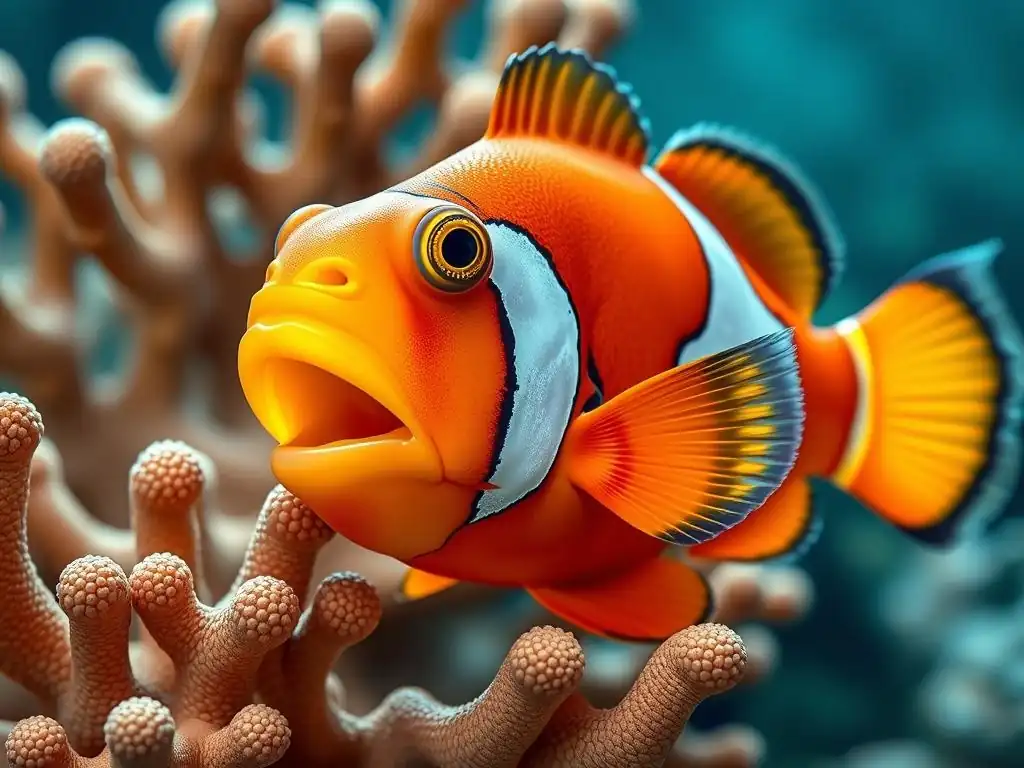
To truly replicate natural "Triggerfish feeding behavior strategies" in the aquarium, thoughtful aquascaping is essential. A well-designed tank should provide plenty of live rock with numerous caves, crevices, and overhangs, mimicking the complex structures found on a natural reef. This allows the triggerfish to explore, hide, and actively search for food, rather than simply waiting for food to be dropped from above. A deep sand bed (at least 3-4 inches) can also encourage digging and sifting behaviors, especially for species known to blast water jets in the wild.
Incorporating various sizes of rock and rubble on the substrate can also stimulate their natural inclination to flip over objects in search of hidden morsels. By creating a dynamic and engaging environment, aquarists can significantly enhance the mental and physical well-being of their triggerfish, reducing stress and promoting more natural behaviors.
Hiding Food: Simulating Natural Prey Availability
A powerful technique to encourage natural "Triggerfish feeding behavior strategies" is to hide food within the aquascape rather than simply broadcasting it into the water column. Small pieces of shrimp, squid, or even whole snails can be tucked into crevices in the live rock, placed under small pieces of rubble, or even lightly buried in the sand. This forces the triggerfish to actively forage, search, and work for its food, mimicking the challenge of finding prey in the wild.
This method not only provides valuable mental stimulation but also encourages the triggerfish to utilize its natural digging, probing, and flipping behaviors. It transforms feeding time from a passive event into an engaging activity, which can significantly reduce boredom and associated behavioral problems, such as aggression towards tank mates due to lack of stimulation.
Using Live Foods: Stimulating Hunting Instincts
While a staple diet of frozen foods is practical and nutritious, occasionally offering live foods can provide unparalleled stimulation for a triggerfish's hunting instincts. Small ghost shrimp, feeder crabs, or even small, ethically sourced marine snails can be introduced into the tank, allowing the triggerfish to actively stalk, chase, and capture its prey. This provides a full sensory experience that frozen foods cannot replicate, engaging their predatory "Triggerfish feeding behavior strategies" in their entirety.
However, caution must be exercised when using live foods. Ensure that the live prey is disease-free and sourced from reputable suppliers to avoid introducing pathogens into the aquarium. While not a daily necessity, incorporating live food into the diet once every week or two can be an excellent way to enrich the triggerfish's environment and promote highly natural and vigorous feeding behaviors.
Potential Feeding Problems and Solutions in Triggerfish
Finicky Eaters: Strategies for Encouraging Appetite
Occasionally, a new triggerfish may refuse to eat, appearing finicky or stressed. This can be due to a new environment, previous diet, or general stress. To encourage appetite, first ensure excellent water quality and stable parameters. Offer a variety of foods, trying different textures and sizes. Soaking frozen foods in a high-quality garlic extract or a vitamin supplement can often entice reluctant eaters, as the strong aroma can stimulate their feeding response.
If the fish still refuses, try offering a small piece of live food, such as a ghost shrimp, which often proves irresistible and can kickstart their appetite for other foods. Patience is key; continue to offer small amounts of varied food several times a day. If the fish continues to refuse food for more than a few days, consult with an experienced marine aquarist or veterinarian to rule out underlying health issues.
Aggressive Feeding Behavior: Managing Competition in the Tank
Triggerfish are known for their assertive and sometimes aggressive nature, which can extend to their feeding behavior. In a community tank, they may outcompete slower-feeding tank mates or even nip at them during feeding time. To manage aggressive "Triggerfish feeding behavior strategies," consider feeding the triggerfish first, allowing it to consume a portion of its meal before introducing food for other inhabitants. This can satiate its initial hunger and reduce competition.
Another strategy is to scatter food widely across the tank, creating multiple feeding zones to distribute the food and reduce direct confrontation. If aggression remains a significant issue, it may be necessary to house the triggerfish in a species-specific tank or with very robust, fast-moving tank mates that can hold their own. Careful observation during feeding is crucial to ensure all fish are receiving adequate nutrition.
Nutritional Deficiencies: Identifying and Addressing Issues
Despite regular feeding, triggerfish can develop nutritional deficiencies if their diet lacks variety or essential nutrients. Symptoms may include faded coloration, lethargy, poor growth, fin erosion, or in severe cases, Head and Lateral Line Erosion (HLLE). Identifying these issues early is vital for successful intervention. The primary solution is to reassess and diversify the diet, ensuring a broad spectrum of high-quality foods are offered, mimicking their natural "Triggerfish feeding behavior strategies."
Supplementing the diet with marine-specific vitamin preparations, either by soaking food or adding directly to the water (though food soaking is more effective), can help address existing deficiencies. Ensure that hard-shelled foods are regularly provided to prevent dental issues and promote healthy jaw development. Consistent monitoring of the fish's appearance and behavior, along with regular water quality testing, will help prevent and address nutritional problems effectively.
Understanding Triggerfish Predatory Techniques
The Art of Ambush: Lying in Wait Near Coral Outcroppings
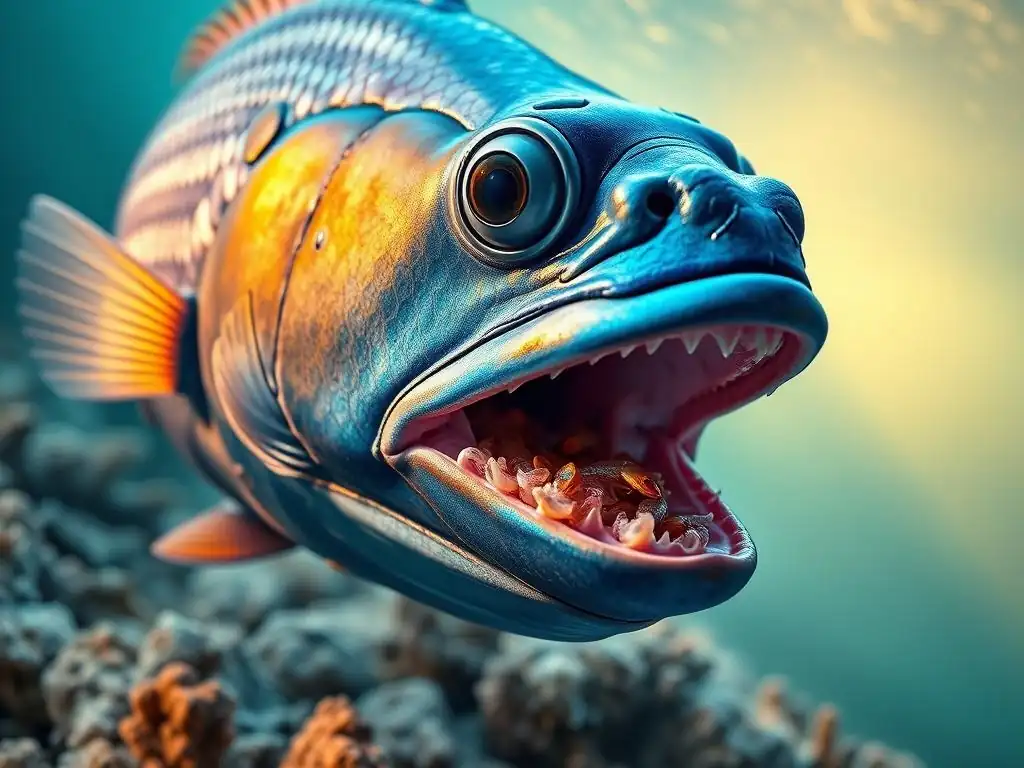
While triggerfish are known for their active foraging, some species also employ ambush tactics as part of their diverse "Triggerfish feeding behavior strategies." They may position themselves strategically near coral outcroppings, rock formations, or dense patches of macroalgae, patiently waiting for unsuspecting prey to venture within striking distance. Their cryptic coloration or ability to rapidly change shades can aid in camouflage, allowing them to blend seamlessly with their surroundings.
When a suitable prey item, such as a small fish or a shrimp, swims by, the triggerfish will execute a swift, powerful lunge, seizing its meal in a sudden burst of speed. This method conserves energy compared to constant foraging and is particularly effective for larger, more piscivorous species or when targeting faster-moving prey that cannot be easily dug out of the substrate.
Crushing Defenses: Overcoming Shells and Exoskeletons
The hallmark of triggerfish predation is their unparalleled ability to overcome the robust defenses of their prey, particularly hard shells and exoskeletons. Their powerful jaws, combined with their specialized teeth, allow them to methodically crush and break through the protective layers of crabs, snails, and clams. This process often involves repeated biting and grinding, sometimes accompanied by a shaking motion of the head to apply leverage.
For example, a triggerfish encountering a large conch snail might spend several minutes persistently biting at the shell's weakest points, or even attempt to flip it over to access the softer foot. This persistence and the sheer force they can generate are critical to their "Triggerfish feeding behavior strategies," enabling them to tap into a food source that is impenetrable to most other reef inhabitants. This unique adaptation ensures their survival and dominance in their specific ecological niche.
Triggerfish Cracking a Shell GIF
Imagine a short, looping animation showing a triggerfish engaged in its characteristic shell-cracking behavior. The sequence would begin with the triggerfish, perhaps a Balistoides conspicillum, firmly grasping a small clam or snail shell in its mouth. Its powerful jaws would be seen clenching, and its head would repeatedly shake from side to side, applying immense leverage and pressure.
With each forceful movement, a small piece of the shell might chip away, or a crack might propagate. Finally, after a few determined efforts, the shell would visibly split or shatter, allowing the triggerfish to quickly consume the exposed soft tissue. This visual would perfectly illustrate the raw power and determination inherent in their "Triggerfish feeding behavior strategies."
Case Study: Observing a Specific Triggerfish Species Feeding
The Clown Triggerfish Feeding Habits
The Clown Triggerfish (Balistoides conspicillum) is perhaps one of the most iconic and visually stunning triggerfish, renowned not only for its striking coloration but also for its bold and intelligent "Triggerfish feeding behavior strategies." In the wild, they are primarily durophagous, with a strong preference for crustaceans, mollusks, and especially sea urchins. Their feeding habits are characterized by a combination of active foraging, powerful crushing, and, famously, tool use. They are known to be highly territorial and assertive feeders, often dominating feeding opportunities in their natural reef habitats.
Their diet is rich in hard-shelled organisms, and they demonstrate remarkable skill in extracting the edible parts. Observations suggest that a significant portion of their active day is spent patrolling rocky outcrops and sandy patches, actively searching for prey. Their intelligence is particularly evident in their problem-solving approach to difficult prey like sea urchins, showcasing a sophisticated understanding of their environment and food sources.
Detailed Observations of Foraging and Predation
In a controlled environment, a mature, 12-inch Clown Triggerfish in a 250-gallon reef aquarium was observed over several days to document its "Triggerfish feeding behavior strategies." The fish exhibited active foraging, spending approximately 40% of its time during daylight hours exploring rock crevices and sifting through the sand bed. When a small, live hermit crab (approximately 1.5 inches in diameter) was introduced, the triggerfish immediately detected its presence.
It approached cautiously, then quickly flipped the crab over with its snout, exposing its vulnerable underside. Two swift, powerful bites were enough to crush the crab's shell, and the triggerfish consumed the contents within seconds.
Further observation showed the triggerfish regularly picking up small, empty snail shells from the substrate, mouthing them, and occasionally dropping them, appearing to test them for potential food. When shell-on shrimp were offered, the triggerfish would grasp them firmly, shake its head vigorously, and then meticulously pick off pieces of the shell before consuming the meat. This demonstrates a combination of raw power and refined technique in its predatory approach.
Lessons Learned: Applying Insights to Aquarium Care
The detailed observations of the Clown Triggerfish's feeding habits underscore several critical lessons for aquarium care. Firstly, the sheer power of their bite and their preference for hard-shelled prey highlight the absolute necessity of providing appropriate, shell-on foods in captivity. Neglecting this aspect can lead to dental overgrowth and a lack of mental stimulation. Secondly, their active foraging behavior emphasizes the importance of a complex aquascape with plenty of hiding spots and areas to explore, allowing them to exhibit natural "Triggerfish feeding behavior strategies."
Finally, their assertive nature during feeding means that in a community tank, careful consideration must be given to tank mates and feeding protocols to ensure all inhabitants receive adequate nutrition without undue stress. Providing adequate space and engaging feeding methods, such as hiding food, is paramount for maintaining a healthy and behaviorally enriched Clown Triggerfish.
Conclusion: Mastering Triggerfish Feeding for a Thriving Aquarium
The Key to Success: Understanding and Replicating Natural Behaviors
Mastering the care of triggerfish in a home aquarium fundamentally hinges on a deep understanding and diligent replication of their natural "Triggerfish feeding behavior strategies." These captivating marine predators are equipped with powerful jaws and exhibit complex hunting techniques, from unearthing hidden prey with water jets to sophisticated tool use.
Recognizing that their health, vibrant coloration, and overall well-being are inextricably linked to a diet that mirrors their wild counterparts is the cornerstone of successful triggerfish husbandry. By providing a diverse array of hard-shelled foods and designing an aquascape that encourages active foraging, aquarists can meet both their nutritional needs and their innate behavioral requirements, fostering a thriving and engaging display.
Further Research: Expanding Our Knowledge of Triggerfish Feeding
While significant progress has been made in understanding triggerfish feeding mechanisms, the vast diversity of triggerfish species and their varied habitats suggest there is still much to learn. Continued observation, both in the wild and in controlled aquarium environments, will undoubtedly yield further insights into their nuanced "Triggerfish feeding behavior strategies."
Aquarists and researchers alike are encouraged to share their detailed observations, contributing to a collective knowledge base that continually refines best practices for their care. As our understanding expands, we can ensure that these magnificent and intelligent fish continue to thrive under human care, showcasing their remarkable predatory prowess for generations to come.
Frequently Asked Questions
How do triggerfish use their powerful jaws for feeding?
Triggerfish possess remarkably powerful jaws and teeth, allowing them to crush shells, break apart coral, and even manipulate rocks to access food. This unique jaw structure is crucial for their diverse diet.
What are some common feeding strategies employed by triggerfish in the aquarium?
Triggerfish exhibit various feeding strategies, including blowing water to uncover hidden prey, using their strong jaws to crush hard-shelled invertebrates, and even rearranging the substrate in search of food. They're known for their resourcefulness and intelligence in finding meals.
What types of food should I offer my triggerfish in an aquarium setting?
A balanced diet for triggerfish should include a variety of meaty foods such as crustaceans, mollusks, and high-quality marine fish pellets. Offering frozen foods like krill and mysis shrimp can also supplement their diet.
Are there any specific feeding behaviors I should watch out for to ensure my triggerfish is healthy?
Observe your triggerfish for signs of healthy feeding, such as enthusiastically consuming food and actively foraging. Loss of appetite or difficulty eating could indicate underlying health issues, such as poor water quality or parasitic infection.
How often should I feed my triggerfish to maintain its health and well-being?
Generally, juvenile triggerfish should be fed multiple small meals throughout the day, while adult triggerfish can be fed once or twice daily. Adjust the amount of food based on your fish's size and activity level, avoiding overfeeding to prevent water quality problems.
Final Reflection: Unlocking the Secrets of Survival
The intricate feeding mechanisms of the triggerfish, as explored throughout this article, are not merely biological curiosities, but rather a testament to the power of adaptation and the relentless drive for survival. Understanding these "Triggerfish feeding behavior strategies" offers a crucial lens through which we can appreciate the delicate balance within marine ecosystems and the ingenious solutions life develops to thrive. These observations highlight the interconnectedness of species and the importance of preserving biodiversity in the face of increasing environmental pressures.
The study of triggerfish feeding behavior has profoundly influenced our understanding of ecological niches and the evolutionary arms race that shapes marine life. Witnessing their powerful jaws and clever strategies firsthand evokes a sense of wonder and underscores the importance of continued research and conservation efforts. In the end, we will conserve only what we love; we will love only what we understand; and we will understand only what we are taught.
- Baba Dioum. This quote resonates deeply, reminding us that education and awareness are paramount to protecting these fascinating creatures and their habitats.
As we conclude this exploration into the world of triggerfish feeding strategies, I invite you to reflect on the ingenuity and resilience displayed by these remarkable animals. Consider how their adaptations inspire us to approach challenges with creativity and determination. Let us all strive to be better stewards of our planet, ensuring that future generations have the opportunity to witness and learn from the wonders of the natural world, including the captivating feeding behaviors of the triggerfish.
Unleash Your Inner Marine Biologist!
Thank you for diving into the fascinating world of triggerfish feeding! We hope you've gained a new appreciation for these powerful and intelligent creatures. Now it's time to put that knowledge into action.
Here's how you can continue your exploration:
- Share your most fascinating triggerfish fact with another aquarium enthusiast! Help spread the word about these amazing animals.
- Design a theoretical enrichment activity for a triggerfish in captivity, focusing on replicating its natural feeding challenges. What surprising tools or puzzles could you use?
- If you're a seasoned aquarist, research the specific dietary needs of different triggerfish species and evaluate if your current feeding strategy is meeting those requirements.
What innovative triggerfish feeding strategy have you witnessed or could you imagine being effective in the wild?