
Brooklynella & Clownfish Disease: Prevention, Symptoms & Treatment Secrets

Welcome to Aquarium Mastery!
Ever wondered how to keep your clownfish thriving and avoid the dreaded Brooklynella? This saltwater scourge can devastate a tank, but armed with the right knowledge, you can protect your aquatic friends. Dive into our comprehensive guide to Brooklynella treatment, prevention, and understanding clownfish disease – discover the secrets to a healthy and vibrant saltwater aquarium! Ready to learn more?
- Understanding Brooklynella: A Rapidly Spreading Threat
- Identifying Brooklynella in Fish: Spotting the Early Symptoms
- Brooklynella Prevention: Safeguarding Your Fish
- Brooklynella Treatment: Effective Strategies for Saving Your Fish
- Post-Treatment Care: Ensuring Full Recovery for Your Fish
- Preventing Brooklynella Recurrence: Long-Term Fish Health
- Brooklynella Treatment Failure: Troubleshooting and Alternative Approaches
- Brooklynella and Clownfish Disease: A Summary of Key Takeaways
-
Frequently Asked Questions
- What is Brooklynella, and why is it called "Clownfish Disease"?
- What are the most common symptoms of Brooklynella in clownfish?
- How can I prevent Brooklynella from entering my aquarium?
- What are the most effective treatments for Brooklynella?
- What are some key steps to take after treating Brooklynella to ensure the aquarium remains healthy?
- Final Reflection: Protecting Our Aquatic Companions
- Heal Your Clownfish: Stop Brooklynella Now!
Understanding Brooklynella: A Rapidly Spreading Threat
What is Brooklynella hostilis and Why Is It Dangerous to Clownfish?
Brooklynella hostilis is a highly virulent ciliate protozoan responsible for "Clownfish Disease," though it can infect other marine fish species. This parasite directly reproduces on the fish's skin and gills without an encysted stage in the substrate, meaning its life cycle is incredibly rapid, often leading to severe symptoms and death within 24-72 hours of visible infection. Its rapid proliferation on the fish's delicate tissues causes significant cellular damage, leading to osmoregulatory failure and severe respiratory distress as the gills become compromised.
The danger of Brooklynella hostilis lies in its rapid infection cycle and high mortality rate, especially among clownfish. Unlike some other external parasites, Brooklynella does not require an intermediate host or a dormant stage, allowing it to spread quickly from fish to fish in a confined aquarium environment. This direct life cycle means that if one fish shows symptoms, it's highly probable that others in the tank are already infected or will be very soon. Without swift and appropriate Brooklynella treatment, an entire tank of fish can be wiped out in a matter of days, making early detection and immediate action critical.
Brooklynella vs. Other Common Marine Fish Diseases
Differentiating Brooklynella hostilis from other common marine fish diseases like Marine Ich (Cryptocaryon irritans) and Marine Velvet (Amyloodinium ocellatum) is crucial for effective Brooklynella treatment. While all three are external parasites causing distress, their appearances and life cycles differ significantly. Marine Ich typically presents as distinct white spots resembling grains of salt on the fish's body and fins, caused by the tomont stage encysting in the substrate. Marine Velvet, on the other hand, appears as a fine, dusty, yellowish or brownish coating, often described as "gold dust," and is caused by dinoflagellates.
Brooklynella, by contrast, manifests as a thick, white, slimy film or patches on the fish's skin, often appearing as if the fish is shedding its outer layer. This mucus layer can slough off in large pieces. Unlike Ich or Velvet, there are usually no discrete "spots" with Brooklynella. Furthermore, Brooklynella infections progress much faster, with fish often showing severe lethargy, rapid breathing, and flashing against tank decor almost immediately. The absence of a substrate-dwelling stage means that environmental treatments aimed at breaking a life cycle in the sand (like fallow periods for Ich) are not effective for Brooklynella prevention or eradication from the tank itself, though medicating the water is still essential.
Identifying Brooklynella in Fish: Spotting the Early Symptoms
Recognizing the Classic Signs of Brooklynella Infection
The early signs of Brooklynella hostilis infection can be subtle but quickly escalate. One of the most common initial symptoms is respiratory distress, indicated by rapid gill movement or gasping at the surface, as the parasite attacks the gill filaments. Fish may also exhibit lethargy, hovering near the bottom or in corners of the tank, and a loss of appetite. These general symptoms can be indicative of various ailments, but combined with other signs, they point strongly towards clownfish disease.
As the infection progresses, more specific visual cues emerge. The most characteristic sign is the development of a thick, grayish-white, slimy coating over the fish's body, often concentrated around the head and gills. This excessive mucus production is the fish's immune response trying to slough off the parasites. Affected fish may also display frayed fins, cloudy eyes, and a general dulling of coloration. Clownfish, being particularly susceptible, often show these signs first and most severely, sometimes appearing to "melt" as their skin rapidly deteriorates.
Differentiating Brooklynella from Marine Ich and Marine Velvet
Accurate diagnosis is paramount for effective Brooklynella treatment, and distinguishing it from Marine Ich and Marine Velvet is a critical step. While all three cause irritation and potentially rapid death, their visual presentation differs. Marine Ich is characterized by distinct, salt-like white spots (trophonts) embedded in the skin, typically uniform in size, ranging from 0.5mm to 1mm. Marine Velvet presents as a very fine, often yellowish or brownish dust-like coating, sometimes described as a "powdered sugar" appearance, and is best observed under specific lighting.
Brooklynella, in contrast, does not produce individual spots or a dusty coating. Instead, it causes large, diffuse patches of cloudy, white, or gray mucus that can peel away in sheets. The fish's skin may appear to be sloughing off, and the overall appearance is more of a "rotting" or "slimy" decay rather than distinct external parasites.
Furthermore, the progression of Brooklynella is often alarmingly fast; fish can go from seemingly healthy to near-death within 24-48 hours, a speed that often outpaces the observable progression of Ich or Velvet in their early stages. The lack of visible individual parasites on the fish's body, coupled with severe respiratory distress and excessive mucus production, strongly indicates Brooklynella hostilis.
Advanced Stages of Brooklynella: What to Watch For
In its advanced stages, Brooklynella hostilis infection becomes devastating, with the fish's condition deteriorating rapidly. The thick, white, slimy coating will cover most of the body, making the fish appear severely disfigured. Large patches of skin may slough off, exposing raw tissue and making the fish highly susceptible to secondary bacterial and fungal infections. The gills will be severely compromised, leading to extreme difficulty breathing, with fish often gasping frantically at the surface or exhibiting labored respiration while resting on the substrate.
At this point, fish will typically refuse food entirely and exhibit severe lethargy, often lying motionless or swimming erratically. Their eyes may become heavily clouded, and fins can be completely clamped or severely tattered. Mortality rates in advanced stages are extremely high, often exceeding 90% if not aggressively treated. For instance, in a study of wild-caught clownfish, untreated Brooklynella outbreaks resulted in 100% mortality within 72 hours for heavily infected individuals. Immediate and potent Brooklynella treatment is essential once these advanced symptoms are observed, though the chances of full recovery diminish significantly.
Brooklynella Prevention: Safeguarding Your Fish
Quarantine Protocols: The First Line of Defense Against Brooklynella
Implementing strict quarantine protocols is arguably the most effective prevention strategy against introducing Brooklynella hostilis and other pathogens into your display tank. All new fish, regardless of their apparent health, should undergo a mandatory quarantine period of at least 4-6 weeks in a separate, dedicated quarantine tank (QT). This allows time for any latent diseases to manifest and for proactive treatments to be administered without risking the main aquarium's established ecosystem. A typical QT setup includes a heater, thermometer, sponge filter, and PVC pipes for hiding, ensuring minimal stress.
During quarantine, observe new fish daily for any signs of illness, such as unusual swimming patterns, clamped fins, labored breathing, or changes in appetite. Many aquarists opt for a prophylactic treatment regimen during this period, even if no symptoms are present. For example, a freshwater dip followed by a formalin bath on arrival can significantly reduce the parasitic load, including Brooklynella. This proactive approach helps to catch potential infections before they can spread to your main tank, saving you from a costly and stressful Brooklynella treatment in a larger, more complex system.
Maintaining Optimal Water Quality to Boost Fish Immunity
Consistent and optimal water quality is fundamental to fish health and disease prevention, including Brooklynella. Stress is a major contributing factor to weakened immune systems, making fish more susceptible to parasitic infections. Poor water parameters, such as elevated ammonia, nitrite, or nitrate levels, can severely stress fish, depleting their energy reserves and making them vulnerable. Regular water testing (at least weekly) for ammonia (0 ppm), nitrite (0 ppm), nitrate (<20 ppm), salinity (1.023-1.026 specific gravity), pH (8.1-8.4), and temperature (76-80°F) is essential.
Performing routine partial water changes (e.g., 10-20% weekly or bi-weekly depending on bioload) helps to maintain stable parameters and remove accumulated toxins, reducing stress on fish. For instance, maintaining nitrates below 10 ppm for sensitive species like clownfish can significantly improve their overall resilience. Furthermore, ensuring proper filtration (mechanical, chemical, and biological) and adequate oxygenation supports a healthy aquatic environment. A robust biological filter efficiently converts harmful ammonia and nitrite, while good circulation prevents dead spots where pathogens might thrive. These practices bolster fish immunity, making them more resistant to opportunistic parasites like Brooklynella hostilis.
Choosing Healthy Fish: Avoiding Infected Specimens
The process of selecting healthy fish from a reputable supplier is a critical step in Brooklynella prevention. When purchasing new specimens, carefully observe them in the store's tanks for at least 15-20 minutes. Look for active, alert fish that are swimming naturally, not gasping at the surface, hiding excessively, or displaying clamped fins. Healthy fish should have clear eyes, intact fins, and vibrant coloration. Avoid any fish that show signs of external parasites, such as white spots (Ich), a dusty coating (Velvet), or, most importantly for clownfish disease, a slimy, peeling appearance or excessive mucus.
Inquire about the store's quarantine procedures and sourcing. Reputable fish stores often have their own quarantine protocols and can provide information on how long a fish has been in their care. It's also wise to avoid purchasing fish from tanks that contain obviously sick or dead fish, as pathogens like Brooklynella can spread rapidly. For example, if a tank has a clownfish with classic Brooklynella symptoms, even seemingly healthy fish in adjacent tanks could be carriers. Opting for fish that are actively eating and exhibiting normal behavior significantly reduces the risk of bringing home an already infected specimen, thereby minimizing the need for emergency Brooklynella treatment.
Brooklynella Treatment: Effective Strategies for Saving Your Fish
The Importance of Early Brooklynella Treatment
Given the rapid progression and high mortality rate of Brooklynella hostilis, initiating Brooklynella treatment at the earliest sign of infection is paramount. Unlike some slower-acting diseases, delaying treatment by even 12-24 hours can significantly diminish a fish's chances of survival. The parasite reproduces directly on the fish, quickly overwhelming the gills and skin, leading to severe respiratory distress and osmoregulatory collapse. For instance, an untreated clownfish can succumb to Brooklynella within 48-72 hours of showing initial symptoms.
Early intervention means that a less aggressive or shorter course of treatment might be sufficient, reducing stress on the fish and minimizing the impact on the overall aquarium environment. Once symptoms like rapid breathing, lethargy, or the characteristic slimy film are observed, immediate action should be taken to transfer the affected fish to a hospital tank for medication. Treating the entire display tank is often necessary if multiple fish are affected or if the fish cannot be easily removed, but this comes with its own set of challenges, especially in reef systems. The principle remains: the faster the Brooklynella treatment begins, the higher the likelihood of a successful outcome and the survival of your fish.
Formalin-Based Treatments: A Primary Approach for Brooklynella
Formalin, a solution of formaldehyde gas in water, is one of the most effective and widely used Brooklynella treatment options. It acts as a potent antiparasitic agent that directly kills Brooklynella hostilis protozoa on contact. Formalin can be administered as a short-term dip or a prolonged bath in a hospital tank. For dips, a common concentration is 1-2 ml of 37% formalin per gallon of freshwater or saltwater, with the fish immersed for 30-60 minutes, provided they show no signs of severe distress. This method offers immediate relief and can quickly reduce the parasitic load.
For more severe or persistent infections, a prolonged bath in a hospital tank is often recommended. A typical dosage for a bath is 0.15 ml of 37% formalin per gallon of water, administered every 24-48 hours with a significant water change (e.g., 50%) before each re-dosing. It's crucial to ensure good aeration during formalin treatment, as it depletes oxygen.
Carbon filtration should be removed, and protein skimmers turned off if treating in the main tank (though a hospital tank is highly preferred). Formalin is toxic to invertebrates and beneficial bacteria, so it should never be used in a reef tank or with live rock. Careful monitoring of fish behavior and water parameters throughout the treatment course is essential to avoid overdosing or further stressing the fish.
Formalin Dosage and Procedure
When using formalin for Brooklynella treatment, precision in dosage and careful procedure are critical due to its toxicity. For a short-term freshwater or saltwater dip, prepare a separate container with water from the main tank or declorinated freshwater, matching its temperature. Add 1-2 ml of 37% formalin per gallon of water. Gently net the infected fish and immerse it in the dip solution for no longer than 30-60 minutes. Observe the fish constantly; if it shows extreme distress (e.g., lying on its side, rapid color loss), remove it immediately and return it to a clean, well-aerated hospital tank. This dip can be repeated daily for 2-3 days if necessary.
For prolonged bath treatment in a hospital tank, the dosage is typically lower. A common recommendation is 0.15 ml of 37% formalin per gallon of water, administered every 24-48 hours. Before each subsequent dose, perform a 50% water change to remove accumulated medication and waste.
The treatment duration usually spans 3-5 days, or until all symptoms have completely disappeared for at least 48 hours. Ensure the hospital tank is well-aerated with an air stone and that no carbon filtration is present, as carbon will remove the medication. Always use protective gloves and work in a well-ventilated area when handling formalin.
Freshwater Dips: A Rapid Initial Response for Brooklynella
A freshwater dip is a rapid, non-medicinal initial Brooklynella treatment that can provide immediate relief by causing osmotic shock to the parasites. Brooklynella hostilis is a freshwater organism, and a sudden change in salinity can cause its cells to burst. To perform a freshwater dip, prepare a separate container with dechlorinated tap water that is precisely matched in pH and temperature to the fish's aquarium water. The pH matching is crucial to prevent pH shock, which can be as detrimental as osmotic shock.
Gently net the infected fish and immerse it in the freshwater dip for 3-5 minutes, or until the fish shows signs of distress (e.g., lying on its side, erratic swimming). During the dip, you might observe the slimy mucus coating peeling off the fish, carrying many parasites with it. This method provides immediate relief and reduces the parasitic load, but it is not a cure on its own. It should be followed immediately by transfer to a hospital tank for more comprehensive Brooklynella treatment with medication like formalin. Freshwater dips can be repeated daily for a few days, but prolonged exposure can be stressful or fatal to marine fish.
Freshwater Dip Procedure and Considerations
To execute a freshwater dip effectively for clownfish disease, meticulous preparation is vital. First, prepare a separate, clean container (e.g., a 5-gallon bucket) with dechlorinated tap water. Test the pH of your main aquarium water and adjust the pH of the freshwater in the dip container to match it exactly, using a marine buffer if necessary (e.g., aiming for pH 8.2). Crucially, ensure the temperature of the freshwater is identical to the aquarium water to within 1-2 degrees Fahrenheit (e.g., 78°F). This minimizes temperature shock, which can be highly detrimental.
Gently net the infected fish and place it into the prepared freshwater dip. Observe the fish constantly during the dip. The typical duration is 3 to 5 minutes, but remove the fish immediately if it shows severe signs of distress, such as rapid breathing, loss of balance, lying on its side, or erratic darting. You might see pieces of mucus sloughing off the fish, which is a sign the dip is working. After the dip, immediately transfer the fish to a dedicated hospital tank containing clean, properly conditioned saltwater, ideally with medication already present for ongoing Brooklynella treatment. This procedure is a temporary measure and must be followed by a comprehensive treatment plan.
Medications and Baths: Other Options for Brooklynella
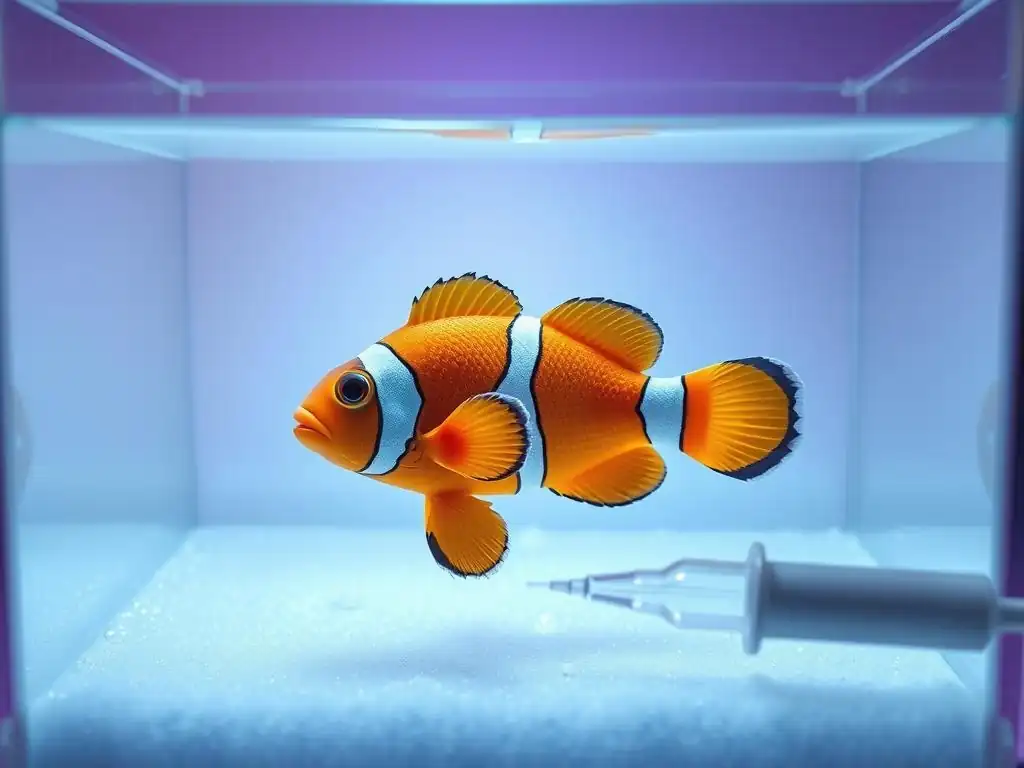
Beyond formalin, other medications can be considered for Brooklynella treatment, though their efficacy can vary. Metronidazole, an antibiotic and antiprotozoal, is sometimes used, particularly when secondary bacterial infections are suspected. It can be administered via food soaks or as a bath in a hospital tank. While less potent against Brooklynella than formalin, it is generally safer for fish and beneficial bacteria, making it a consideration for milder cases or as part of a multi-drug approach. Dosage typically involves 250-500 mg per 10 gallons every 24 hours, with a 25% water change before each dose.
Another option, though less common for direct Brooklynella eradication, is hydrogen peroxide. Some aquarists use very dilute hydrogen peroxide baths (e.g., 10-15 ml of 3% hydrogen peroxide per gallon for 30 minutes) as a dip, similar to freshwater dips, to strip parasites and aid in oxygenation. However, this is an advanced technique and requires extreme caution due to its oxidizing properties.
Malachite Green, often combined with formalin in proprietary formulas, is also effective against Brooklynella. These combined treatments often offer synergistic effects, hitting the parasite from multiple angles. Always research specific product instructions thoroughly and consult with experienced aquarists or veterinarians before combining medications or using less common treatments.
Other Medication Dosage and Procedure
When considering other medications for Brooklynella treatment, such as metronidazole, precise dosage and procedure are crucial. For a metronidazole bath, dissolve 250-500 mg of pure metronidazole powder per 10 gallons of water in a hospital tank. Administer this dose every 24 hours for 5-7 days. Before each subsequent dose, perform a 25% water change to prevent medication buildup. Metronidazole is light-sensitive, so keeping the hospital tank dimly lit or covered is advisable. It is generally safer for invertebrates and beneficial bacteria than formalin, making it a potential option if a hospital tank is not immediately available, though still not recommended for direct reef tank use.
For combined treatments containing Malachite Green and Formalin (e.g., commercial products like Paraguard or QuickCure), always follow the manufacturer's specific instructions for dosage and duration. These products are often highly effective but also more potent and can be stressful to fish, especially if overdosed. Typically, doses are administered every 12-24 hours for several days, often with partial water changes in between. Regardless of the medication chosen, ensure the hospital tank is well-aerated, free of carbon filtration, and regularly monitored for water parameters and fish response. Discontinue treatment if fish show severe adverse reactions.
Treating Brooklynella in a Reef Tank: Special Considerations
Treating Brooklynella hostilis directly in a reef tank is highly problematic and generally not recommended due to the toxicity of effective medications to invertebrates and beneficial bacteria. Medications like formalin, metronidazole, and copper (though copper is largely ineffective for Brooklynella) are lethal to corals, anemones, shrimp, crabs, snails, and the nitrifying bacteria essential for the nitrogen cycle. Introducing these chemicals will crash your biological filter, cause invertebrate die-offs, and potentially create a more toxic environment for your fish.
The safest and most effective approach for Brooklynella treatment in a reef tank scenario is to remove all infected fish to a separate, dedicated hospital tank for treatment. While the main display tank cannot be treated directly for Brooklynella, the parasite has a direct life cycle and does not persist in the water column or substrate for extended periods without a host. If all fish are removed and treated elsewhere, the display tank should become free of Brooklynella hostilis within a few days to a week, as the parasites will die without a host. This strategy protects your reef inhabitants and preserves the delicate balance of your established system, minimizing the chances of clownfish disease returning to an otherwise healthy environment.
Post-Treatment Care: Ensuring Full Recovery for Your Fish
Monitoring Fish After Brooklynella Treatment
After completing a course of Brooklynella treatment, continuous and diligent monitoring of your fish is crucial for ensuring their full recovery and preventing relapse. Observe their behavior, appetite, coloration, and overall appearance for at least 7-10 days post-treatment. Look for any lingering signs of the disease, such as rapid breathing, lethargy, or residual slimy patches. Fish that have recovered from Brooklynella may still be weakened and susceptible to secondary infections, so vigilance is key.
During this post-treatment phase in the hospital tank, focus on providing optimal water quality and a stress-free environment. Maintain stable temperature and salinity, and perform regular small water changes (e.g., 10-15% every other day) to keep parameters pristine. Offer high-quality, nutritious foods to help them regain strength and rebuild their immune systems. For instance, feeding a variety of frozen foods enriched with vitamins, such as spirulina brine shrimp or mysis shrimp, can significantly aid recovery. Any signs of a return of clownfish disease symptoms warrant immediate re-evaluation and potentially a new course of Brooklynella treatment.
Restoring a Healthy Aquarium Environment After a Brooklynella Outbreak
Restoring a healthy aquarium environment after a Brooklynella outbreak, particularly if it affected the display tank, is essential for long-term fish health and prevention of future issues. If medications like formalin were used in the display tank (which is generally discouraged for reef tanks), a significant water change (50% or more) is necessary to dilute residual medication. Activated carbon can then be added to the filtration system to remove any remaining chemical traces. Monitor water parameters closely, especially ammonia and nitrite, as the biological filter may have been impacted.
For reef tanks where fish were removed for treatment, the display tank should be allowed to run fish-free for at least 7-10 days. Since Brooklynella hostilis has a direct life cycle and cannot survive long without a host, this fallow period ensures any remaining free-swimming parasites in the water column will die off. During this time, continue regular maintenance, including water changes and filter cleaning, to maintain a pristine environment. Re-establishing beneficial bacteria, if necessary, can be done by adding bacterial supplements or media from a healthy, established tank. This thorough environmental reset is vital for minimizing recurrence of clownfish disease.
Reintroducing Fish to the Main Tank: Minimizing Recurrence
The reintroduction of fish to the main display tank after Brooklynella treatment and a period of observation in the hospital tank must be done carefully to minimize the risk of recurrence. Before transfer, ensure the fish are completely symptom-free for at least 7-10 days and are eating well and behaving normally. The main display tank should also have undergone its own "fallow" period (if all fish were removed) or thorough water changes and carbon filtration if it was treated.
Acclimation is key to reducing stress. Use a drip acclimation method, slowly introducing the display tank water into the hospital tank over an hour or more, to gradually adjust the fish to the main tank's water parameters. Avoid transferring any water from the hospital tank into the display tank, as it may contain residual parasites or medications. Once acclimated, gently release the fish into the main tank. Continue to monitor them closely for several weeks, observing for any signs of stress or returning symptoms. A successful Brooklynella treatment is only complete when the fish are thriving and stable in their long-term environment, reinforcing the importance of diligent post-care and prevention strategies.
Preventing Brooklynella Recurrence: Long-Term Fish Health
Regular Observation and Proactive Measures
Long-term prevention of Brooklynella hostilis recurrence hinges on consistent, regular observation of your fish and proactive maintenance practices. Daily visual checks of your fish's behavior, appearance, and feeding habits can help identify subtle changes that might indicate the onset of disease before it escalates. For instance, a clownfish that is usually active but suddenly becomes lethargic or displays clamped fins warrants immediate attention. Early detection is a cornerstone of effective Brooklynella treatment and preventing widespread outbreaks.
Beyond observation, proactive measures like maintaining a stable environment are crucial. Avoid sudden fluctuations in temperature, salinity, or pH, which can stress fish and compromise their immune systems. Regularly clean filtration media and perform routine water changes to keep nutrient levels low and water quality high. Consider incorporating beneficial supplements, such as vitamin C-enriched foods, which can boost fish immunity. For example, some aquarists feed spirulina flakes or pellets fortified with vitamins several times a week to enhance overall fish vitality, making them more resilient to pathogens like Brooklynella.
Maintaining a Stress-Free Environment for Fish
A stress-free environment is paramount for long-term fish health and robust disease prevention, including against Brooklynella hostilis. Stress weakens a fish's immune system, making it highly susceptible to parasitic infections. Factors contributing to stress include overcrowding, aggressive tank mates, inadequate hiding spots, and inconsistent feeding schedules. Ensure your tank is appropriately sized for its inhabitants, following guidelines such as the "one inch of fish per gallon" rule as a very basic starting point, but considering adult size and specific species needs more accurately.
Provide ample hiding spots using live rock, PVC pipes, or artificial decor, especially for shy or territorial species like clownfish, which helps reduce anxiety and aggression. Maintain a consistent daily routine for lights and feeding. Avoid sudden, jarring movements near the tank or loud noises. For example, a study showed that fish exposed to constant loud noises exhibited elevated stress hormones and increased susceptibility to disease. By minimizing these stressors, you empower your fish's natural defenses, making them significantly less vulnerable to clownfish disease and other common ailments, thereby reducing the likelihood of needing emergency Brooklynella treatment.
Quarantine and Prophylactic Measures for New Arrivals
The most impactful long-term prevention strategy against Brooklynella hostilis entering your main display tank is the consistent and rigorous application of quarantine protocols for all new fish. A dedicated quarantine tank (QT) should be set up and maintained specifically for new arrivals, separate from your main system. This allows for a minimum 4-6 week observation period during which any latent diseases, including clownfish disease, can manifest. This period is also ideal for administering prophylactic treatments.
For instance, upon arrival, many experienced aquarists will give new fish a brief freshwater dip followed by a formalin bath in the QT. This proactive Brooklynella treatment helps eliminate external parasites before they have a chance to establish themselves. Some even follow a more comprehensive regimen, including a broad-spectrum antiparasitic treatment (like metronidazole) during the quarantine period. This systematic approach ensures that only healthy, disease-free fish are introduced to your established ecosystem, drastically reducing the risk of a Brooklynella outbreak and protecting your existing aquatic inhabitants from potential exposure.
Brooklynella Treatment Failure: Troubleshooting and Alternative Approaches
Understanding Potential Reasons for Treatment Ineffectiveness in Brooklynella Cases
When Brooklynella treatment fails, several factors could be at play, highlighting the need for careful troubleshooting. One common reason is misdiagnosis; if the infection was not Brooklynella hostilis but rather Ich or Velvet, the chosen treatment (e.g., formalin for Brooklynella) might be ineffective against the actual pathogen. Another critical factor is the advanced stage of the disease at the time of treatment initiation. As Brooklynella progresses rapidly, fish with severe gill damage or secondary infections may be too weak to recover, regardless of the medication used.
Incorrect medication dosage or administration is another frequent cause of failure. Underdosing will not kill the parasites effectively, while overdosing can harm or kill the fish. For example, using a formalin solution that has expired or been improperly stored can lead to reduced efficacy. Furthermore, poor water quality in the hospital tank during treatment can add stress to the fish, hindering their recovery. High ammonia or nitrite levels, or unstable pH, can suppress the fish's immune response and counteract the benefits of the medication. Each of these elements must be critically reviewed when Brooklynella treatment does not yield the expected results.
Exploring Secondary Infections and Complications
Brooklynella hostilis infections, particularly in their advanced stages, often lead to secondary bacterial and fungal infections, which can complicate Brooklynella treatment and contribute to treatment failure. The parasitic ciliate damages the fish's protective mucus layer and skin, creating open wounds and entry points for opportunistic pathogens already present in the water. For example, a fish with extensive skin lesions from Brooklynella is highly susceptible to common bacterial infections like Vibrio species or Columnaris.
These secondary infections require separate or combined treatment, as antiparasitic medications alone will not address them. Symptoms like fin rot, cloudy eyes, body sores, or cottony growths (fungus) appearing during or after Brooklynella treatment indicate secondary issues. Broad-spectrum antibiotics (e.g., Furan-2, Maracyn) may be necessary to combat bacterial infections, while antifungal agents (e.g., methylene blue, certain proprietary fungal treatments) can address fungal complications. Overlooking these secondary issues can lead to continued decline and mortality, even if the primary Brooklynella infection has been eradicated.
Consulting with a Veterinarian or Experienced Aquarist
When Brooklynella treatment proves ineffective, or if you are dealing with a particularly severe or recurrent outbreak of clownfish disease, consulting with a qualified aquatic veterinarian or a highly experienced marine aquarist is a valuable next step. These professionals possess in-depth knowledge of fish pathology, pharmacology, and aquarium systems that can be crucial for diagnosing complex cases and tailoring treatment plans. A veterinarian may be able to perform diagnostic tests, such as microscopic examination of skin or gill scrapes, to confirm the pathogen and rule out other diseases that might mimic Brooklynella symptoms.
They can also advise on appropriate dosages, medication interactions, and alternative treatment protocols that might not be commonly known to the average hobbyist. For instance, a vet might recommend a specific antibiotic for a secondary bacterial infection based on the observed symptoms or suggest a different formalin concentration based on the fish's condition. While access to aquatic vets can be limited, many experienced aquarists or local fish store owners with a strong reputation for fish health can offer practical advice and guidance based on years of hands-on experience, providing an invaluable resource when facing stubborn Brooklynella challenges.
Brooklynella and Clownfish Disease: A Summary of Key Takeaways
Key Prevention Strategies for Brooklynella Disease
Effective prevention of clownfish disease (Brooklynella hostilis) is paramount due to its rapid progression and high mortality rate. The single most crucial strategy is implementing and strictly adhering to a quarantine protocol for all new fish, typically 4-6 weeks in a dedicated hospital tank. This allows for observation and prophylactic Brooklynella treatment before introducing fish to the main display tank. During quarantine, freshwater dips and formalin baths can be used as initial prophylactic measures.
Beyond quarantine, maintaining pristine water quality in the main display tank is vital to boost fish immunity and reduce stress, making them less susceptible to infections. This includes regular water changes, consistent parameter monitoring (ammonia, nitrite, nitrate, pH, salinity, temperature), and adequate filtration. Choosing healthy fish from reputable sources, avoiding any that show signs of disease or stress in the store, is also a critical first line of defense. A well-fed, stress-free fish in a stable environment is far more resilient to pathogens.
Essential Steps for Effective Brooklynella Treatment
When Brooklynella hostilis is suspected, immediate and decisive Brooklynella treatment is essential for survival, given the disease's rapid onset. The first critical step is prompt diagnosis, differentiating it from Marine Ich or Velvet by observing the characteristic slimy, peeling skin and severe respiratory distress without distinct spots. Once diagnosed, affected fish should be immediately transferred to a dedicated hospital tank for treatment, as most effective medications are harmful to invertebrates and beneficial bacteria in a reef tank.
The primary and most effective Brooklynella treatment involves formalin-based medications, either as short-term dips (30-60 minutes at 1-2 ml/gallon) or prolonged baths (0.15 ml/gallon every 24-48 hours with water changes) in the hospital tank. Freshwater dips (3-5 minutes, pH and temperature matched) can offer rapid, temporary relief by stripping parasites and should precede medication. Throughout treatment, ensure excellent aeration, remove carbon filtration, and continuously monitor fish for signs of distress. Post-treatment, a 7-10 day observation period in the hospital tank, followed by slow reintroduction to a healthy, possibly fallowed, main tank, is crucial for full recovery and preventing recurrence.
Frequently Asked Questions
What is Brooklynella, and why is it called "Clownfish Disease"?
Brooklynella is a parasitic infection that commonly affects clownfish, hence the nickname "Clownfish Disease." It's a protozoan parasite that can quickly spread in aquariums.
What are the most common symptoms of Brooklynella in clownfish?
Common symptoms include excessive mucus production (often appearing as a white film), rapid breathing, and lethargy. Fish may also stop eating and rub against objects in the tank.
How can I prevent Brooklynella from entering my aquarium?
Quarantine new fish in a separate tank for several weeks to observe for signs of disease. Practicing good aquarium hygiene and maintaining stable water parameters also helps prevent outbreaks.
What are the most effective treatments for Brooklynella?
Common treatments involve formalin baths or copper-based medications, but these must be used carefully and according to instructions. Consult a veterinarian for proper diagnosis and treatment advice.
What are some key steps to take after treating Brooklynella to ensure the aquarium remains healthy?
After treatment, perform water changes to remove medication and maintain excellent water quality. Continue to observe fish closely for any signs of relapse.
Final Reflection: Protecting Our Aquatic Companions
The information presented throughout this article underscores the critical importance of proactive aquarium management in safeguarding our beloved clownfish from the devastating effects of Brooklynella. Understanding the nuances of prevention, recognizing early symptoms, and implementing effective treatment strategies are not merely best practices; they are essential responsibilities for any aquarist dedicated to the well-being of their aquatic charges. The fight against Brooklynella is a continuous one, demanding vigilance and a commitment to creating a healthy and thriving environment.
This persistent threat highlights the delicate balance within our aquariums and the profound impact we have on the lives of these creatures. My own experiences with clownfish have instilled in me a deep respect for their resilience and a strong desire to protect them from preventable suffering. The greatness of a nation and its moral progress can be judged by the way its animals are treated.
- Mahatma Gandhi. This quote resonates deeply when considering the care we provide to our aquarium inhabitants; their health and happiness are a direct reflection of our commitment to responsible stewardship.
As you close this article, I encourage you to reflect on the knowledge you've gained and consider how you can apply it to your own aquarium practices. Let this be a catalyst for enhanced observation, diligent maintenance, and a renewed dedication to providing the best possible care for your clownfish. By embracing a proactive approach and sharing this information with fellow aquarists, we can collectively work towards a future where Brooklynella is a far less prevalent threat, ensuring the continued health and vibrancy of these captivating creatures.
Heal Your Clownfish: Stop Brooklynella Now!
Thanks for diving into the world of clownfish health! We hope this article has equipped you with the knowledge to identify and combat Brooklynella. Now it's time to take action and ensure your beloved clownfish thrive.
- Act Now: Closely Observe your Clownfish: for the first signs of Brooklynella – rapid breathing and excessive mucus production are key!
- Explore quarantine protocols to prevent the spread of disease within your aquarium community.
- Share this vital information with fellow aquarium enthusiasts to help protect their clownfish, too!
What specific preventive measures will you implement this week to protect your clownfish from Brooklynella?