
Understanding Soft Coral Flow Needs: From Gentle Sways to Active Currents

Welcome to Aquarium Mastery!
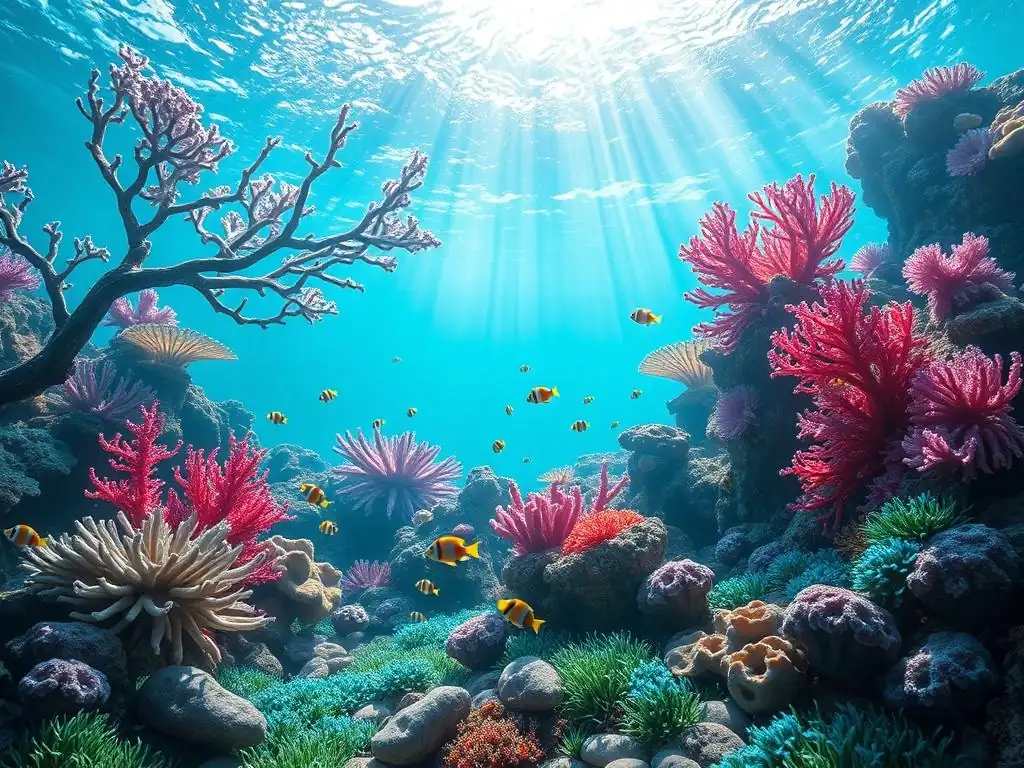
Ever wondered how to give your soft corals the perfect aquatic dance floor? This article dives deep into soft coral flow requirements, uncovering the secrets to keeping these mesmerizing creatures thriving. From gentle sways to active currents, we'll unravel what it takes to create an environment where your corals not only survive, but truly flourish. Ready to learn more and see your soft corals reach their full potential? Let's dive in!
- Introduction to Soft Coral Flow Requirements in Reef Aquariums
- Identifying Optimal Water Flow for Different Soft Coral Species
- Assessing Water Flow in Your Reef Tank
- Achieving Ideal Soft Coral Flow: Equipment and Techniques
- Troubleshooting Common Flow-Related Problems in Soft Corals
- Fine-Tuning Flow for Soft Coral Propagation and Fragging
- Maintaining Consistent Flow for Long-Term Soft Coral Health
- Conclusion: Mastering Soft Coral Flow for a Thriving Reef Aquarium
-
Frequently Asked Questions
- How important is flow for soft corals in a reef aquarium?
- What happens if soft corals don't get enough water flow?
- What is the difference between "gentle" and "active" flow for soft corals?
- How can I determine the appropriate flow rate for my specific soft corals?
- Can too much water flow harm soft corals?
- Final Reflection: Embracing the Dance of the Reef
- Cultivate Your Reef: Inspire Thriving Colors!
Introduction to Soft Coral Flow Requirements in Reef Aquariums
Why Water Flow is Crucial for Soft Coral Health
Water flow is an indispensable element for the vitality and longevity of soft corals within a reef aquarium. It serves multiple critical functions, acting as the lifeblood that delivers essential nutrients and removes metabolic waste products. Without adequate and appropriate water movement, soft corals cannot efficiently perform vital processes such as gas exchange, where oxygen is absorbed and carbon dioxide is expelled, or filter feeding, which many soft corals rely on for sustenance.
Beyond nutrient delivery and waste removal, proper water flow is crucial for preventing the accumulation of detritus and sediment on the coral's delicate tissues. Stagnant areas can lead to the settlement of organic matter, which can smother polyps, encourage the growth of nuisance algae like cyanobacteria, or even lead to tissue necrosis. For instance, studies on coral physiology, such as those by Fabricius (2005), consistently highlight how varying flow conditions directly impact a coral's feeding efficiency and overall health, demonstrating that meeting specific soft coral flow requirements is paramount for a thriving system.
Understanding the Different Types of Soft Corals and Their Flow Preferences
Soft corals exhibit a remarkable diversity in form, size, and ecological niche, which directly translates to their varied soft coral flow requirements. Unlike their stony counterparts, soft corals lack a rigid aragonite skeleton, often relying on hydrostatic pressure or internal sclerites for support. This structural difference means they respond to water movement in unique ways, from gentle swaying to firm resistance against strong currents.
In their natural reef habitats, soft corals are found across a wide spectrum of flow environments. Some, like the delicate mushroom corals, thrive in sheltered, low-energy zones, while others, such as many branching gorgonians, are adapted to constant, vigorous surge. Understanding these inherent preferences is key to successful placement and cultivation in a home aquarium. Providing the correct soft coral water flow needs ensures optimal polyp extension, feeding, and waste expulsion, preventing stress and promoting robust growth across your entire soft coral collection.
Identifying Optimal Water Flow for Different Soft Coral Species
Gentle Flow for Mushroom Corals (Discosoma, Rhodactis)
Mushroom corals, including genera such as Discosoma and Rhodactis, are renowned for their low soft coral flow requirements. These corals typically originate from deeper, more sheltered parts of the reef or cryptic areas where water movement is minimal. Their large, fleshy polyps are designed to passively absorb nutrients and photosynthesize effectively without being subjected to strong currents that could cause them to retract or detach.
In an aquarium setting, gentle flow means a barely perceptible current that allows the mushroom polyp to fully extend its disc without any signs of stress or being "blown around." Overly strong flow can cause these corals to detach from their frag plugs or rockwork, leading to them rolling around the tank, which is a common issue for aquarists. For a typical reef tank, providing a flow rate equivalent to less than 5-10 times the total tank volume per hour in their immediate vicinity is often ideal for these delicate soft corals.
Moderate Flow for Leather Corals (Sarcophyton, Lobophytum)
Leather corals, encompassing popular genera like Sarcophyton (Toadstool Leather) and Lobophytum (Devil's Hand), generally prefer moderate soft coral flow requirements. These corals are often found in diverse reef zones, from lagoons to outer slopes, where they experience consistent but not overly turbulent water movement. Moderate flow is crucial for these corals as it aids in their natural process of "sloughing off" a waxy layer of old tissue, which helps remove accumulated detritus and algae, allowing for better light penetration and polyp extension.
An ideal moderate flow allows the polyps of a leather coral to fully extend and sway gently without being flattened against the main body of the colony. If the flow is too low, detritus can accumulate on their broad surfaces, leading to tissue irritation and potential issues. Conversely, excessively strong, direct flow can cause them to retract for extended periods. Aiming for a water turnover rate of 10-20 times the tank volume per hour, distributed indirectly, typically meets the soft coral water flow needs for most leather coral species, promoting healthy growth and regular shedding cycles.
Stronger Flow for Gorgonians and Sea Fans (Gorgonacea)
Many gorgonians and sea fans, particularly the photosynthetic varieties commonly kept in reef aquariums, have significantly stronger soft coral flow requirements compared to other soft corals. These highly adapted filter feeders often inhabit exposed reef crests or fore-reef slopes in nature, where they are subjected to constant, sweeping currents. Their branching structures are specifically designed to maximize their surface area for capturing suspended food particles from the water column.
In the aquarium, providing strong, yet often indirect and turbulent, flow is paramount for their health. This mimics the chaotic but consistent flow patterns of their natural environment, preventing dead spots and ensuring a continuous supply of food and oxygen. For instance, photosynthetic gorgonians like Plexaura flexuosa or Muriceopsis flavida thrive in areas experiencing flow rates that can exceed 30-40 times the tank volume per hour. Insufficient flow for these species often leads to starvation, tissue recession, and a failure to extend their polyps fully, demonstrating the critical nature of meeting their specific soft coral flow requirements.
Specific Flow Considerations for Zoanthids and Palythoas
Zoanthids and Palythoas, often grouped together due to their similar polyp structure and colonial growth, are remarkably adaptable when it comes to soft coral flow requirements, tolerating a wider range than many other soft corals. However, they generally thrive in moderate to strong, indirect flow. While they can survive in lower flow, optimal conditions prevent the accumulation of detritus within their tightly packed colonies, which can otherwise lead to irritation, tissue recession, or the proliferation of nuisance algae.
The ideal flow for Zoanthids and Palythoas allows their polyps to remain fully extended and gently sway, indicating good water movement around each individual polyp. If the flow is too direct and blasting, the polyps may shrink or remain closed, indicating stress. Conversely, stagnant water around their colony bases can lead to unsightly detritus buildup and localized algae blooms. Providing a turnover rate of 15-25 times the tank volume per hour, directed to create turbulent but not blasting flow, generally meets their soft coral water flow needs, ensuring vibrant coloration and robust colonial expansion.
Assessing Water Flow in Your Reef Tank
Visual Cues: Observing Soft Coral Behavior to Gauge Flow
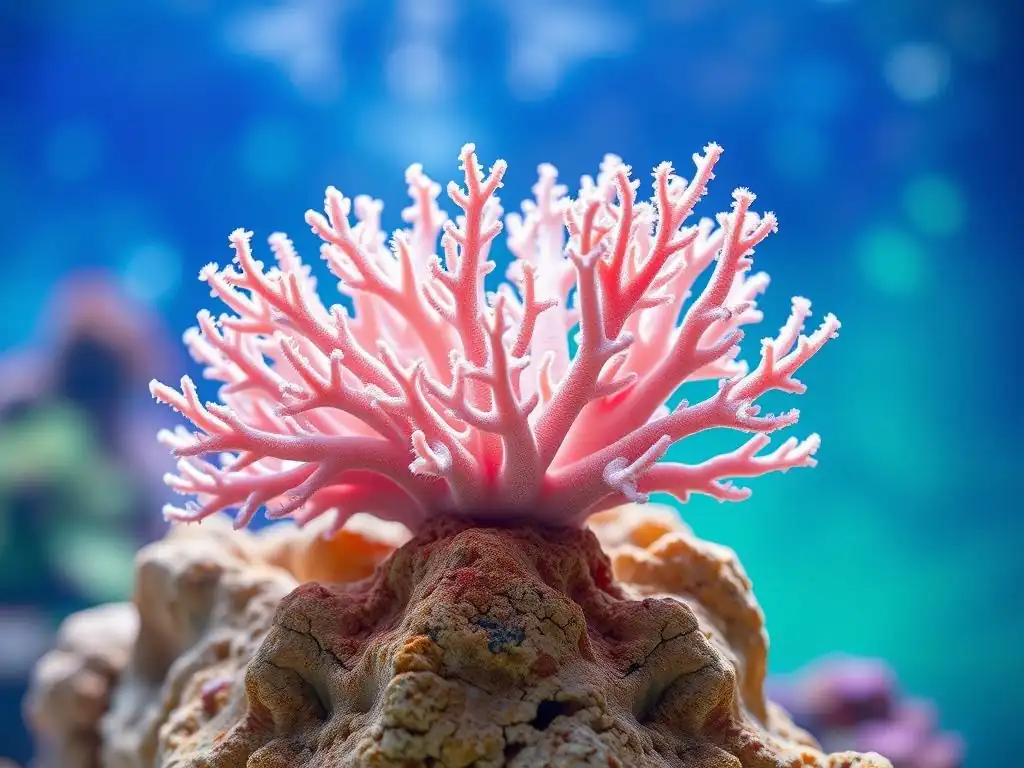
One of the most effective and accessible methods for assessing soft coral flow requirements in your reef tank is through direct observation of your corals' behavior. Healthy soft corals will typically display fully extended polyps that gently sway with the current, indicating they are comfortable and receiving adequate water movement for gas exchange and nutrient uptake. For instance, a Sarcophyton leather coral with its polyps fully extended and gently undulating is a strong indicator of optimal flow.
Conversely, signs of insufficient or excessive flow are often evident in their appearance. If a soft coral's polyps are consistently retracted, or if detritus visibly accumulates on its surface, the flow is likely inadequate. For example, a Discosoma mushroom coral frequently detaching or rolling around suggests flow that is too strong. Similarly, a Gorgonian showing signs of tissue recession or appearing "blown out" might be suffering from excessive, direct flow. Regular visual checks provide invaluable insight into whether your current setup meets your soft coral water flow needs.
Using a Flow Meter or Powerhead to Measure Water Movement
While less common for the average hobbyist, specialized flow meters can provide precise measurements of water movement in specific areas of your tank, offering quantitative data on soft coral flow requirements. These devices can help identify variations in flow rates throughout the aquarium, allowing for more precise adjustments to powerhead placement and intensity. However, their cost and complexity often make them impractical for most home setups.
A more accessible method involves understanding the rated GPH (gallons per hour) of your powerheads and circulation pumps. While the actual in-tank flow will be significantly less than the pump's rated output due to impedance from rockwork and other obstacles, these ratings provide a baseline for your total water movement. For example, knowing that a 100-gallon tank has two 1000 GPH powerheads gives you a general idea of the potential turnover, which can be adjusted to meet the specific soft coral flow requirements of your inhabitants, though fine-tuning still relies on visual cues.
Visualizing Flow Patterns with Food or Dye
To gain a clearer understanding of the actual flow patterns and identify potential dead spots or areas of direct impingement, you can use simple visual aids such as frozen food or a small amount of non-toxic dye. Dropping a pinch of flake food, a few frozen mysis shrimp, or a tiny amount of methylene blue into the water column and observing its movement can reveal how currents are distributed throughout your tank.
If the food or dye settles quickly in a particular corner or behind a piece of rockwork, that indicates a dead spot where water movement is minimal. These areas are prone to detritus accumulation and can negatively impact soft coral flow requirements for corals placed there. Conversely, if the particles are immediately blasted against a specific coral, that area might be experiencing excessive direct flow. This practical method offers a real-time visualization of your tank's hydrodynamics, allowing you to fine-tune powerhead placement to achieve optimal soft coral water flow needs.
Achieving Ideal Soft Coral Flow: Equipment and Techniques
Powerheads: Selecting the Right Size and Placement
Powerheads are the primary tools for generating water flow in a reef aquarium, crucial for meeting diverse soft coral flow requirements. When selecting powerheads, consider the size of your tank and the specific flow needs of your corals. For instance, a 50-gallon tank might benefit from two smaller powerheads (e.g., 500-750 GPH each) rather than one large unit. This allows for more varied and indirect flow, which is generally preferred by soft corals.
Strategic placement is key. Mounting powerheads on opposing sides of the tank, slightly angled towards the front glass or towards each other, can create chaotic, multi-directional flow that mimics natural reef currents. Avoid directing powerheads straight at soft corals, as this can cause stress and tissue damage. Instead, aim for indirect flow that gently sways the corals. Regularly adjusting the angle and position of powerheads can help adapt to the growth of corals and ensure consistent soft coral water flow needs are met across the entire display.
Wave Makers: Simulating Natural Reef Currents
Wave makers are advanced circulation devices that excel at simulating the dynamic, oscillating currents found in natural reef environments, providing a highly beneficial solution for soft coral flow requirements. Unlike standard powerheads that produce a constant stream, wave makers can be programmed to create pulsating, surging, or random flow patterns. This prevents laminar (unidirectional) flow, which can be detrimental to corals over time, and promotes a more natural, turbulent environment.
Modern wave makers, such as those from EcoTech Marine's VorTech series or Maxspect's Gyre series, offer sophisticated control over flow intensity and pattern. For example, a VorTech MP40wQD can generate up to 4,500 GPH, and when paired with another unit, can create powerful yet natural-feeling surges that sweep detritus from rockwork and ensure comprehensive water movement. This dynamic flow not only meets the diverse soft coral flow requirements but also encourages more natural polyp extension and overall coral health.
Circulation Pumps: Ensuring Even Water Distribution
Beyond dedicated powerheads and wave makers, the tank's main return pump, typically located in the sump, significantly contributes to the overall circulation and can impact soft coral flow requirements. While its primary role is to return filtered water to the display tank, its flow rate adds to the total water turnover. For example, a return pump rated at 800 GPH for a 75-gallon tank provides a fundamental level of circulation throughout the system.
However, return pumps alone are rarely sufficient to provide the varied and intense flow that many soft corals require. They often create a more laminar flow pattern from a single point. Therefore, supplementing the return pump's output with well-placed powerheads or wave makers is crucial. This ensures that the soft coral water flow needs are met not just generally, but specifically in all areas of the display, including behind rockwork and in corners where dead spots can easily form.
Gyre Pumps and Closed Loop Systems
Gyre pumps and closed-loop systems represent more advanced methods for achieving optimal soft coral flow requirements, particularly in larger or more complex reef aquariums. Gyre pumps, like the Maxspect Gyre series, are designed to create a broad, sheet-like flow rather than a concentrated stream. This wide, laminar flow can sweep across an entire tank, effectively minimizing dead spots and providing consistent, gentle yet powerful movement across a large area. A Gyre XF230, for instance, can produce up to 2,300 GPH of wide flow, making it ideal for tanks over 100 gallons where uniform soft coral flow requirements are critical.
Closed-loop systems involve a dedicated pump that draws water from within the display tank (via internal plumbing) and returns it through strategically placed outlets, without passing through the sump. While more complex to install, they offer unparalleled control over flow direction, intensity, and pattern, often remaining completely hidden. This allows for extremely powerful and customizable flow tailored precisely to specific soft coral water flow needs without adding visible equipment to the display, resulting in a cleaner aesthetic.
Signs of Insufficient Flow: Tissue Recession and Algae Growth
Insufficient water flow is a common culprit behind various soft coral ailments. One of the most prominent signs is the accumulation of detritus and sediment on the coral's surface, particularly noticeable on leathery corals like Sarcophyton. If a Sarcophyton remains closed for extended periods without sloughing, or if its base shows signs of tissue recession (shrinking or paling), inadequate flow is a prime suspect. This leads to waste buildup, reduced gas exchange, and an increased risk of bacterial infections.
Furthermore, persistent insufficient flow often correlates with the localized growth of nuisance algae, such as brown diatoms or red cyanobacteria, directly on the coral tissue or surrounding rockwork. These algae thrive in low-flow, high-nutrient areas. For example, if a colony of Zoanthids consistently collects debris between its polyps, or if the base of a mushroom coral is covered in algae, it strongly suggests that the soft coral flow requirements are not being met in that specific area, hindering their ability to thrive.
Addressing Excessive Flow: Coral Stress and Detachment
While insufficient flow is detrimental, excessive or direct flow can be equally problematic, causing significant stress to soft corals. Signs of excessive flow include constantly retracted polyps, a "blown out" or flattened appearance, or even physical damage such as tearing of delicate tissues. For instance, Discosoma mushroom corals, which prefer gentle flow, may detach from their frag plugs or rockwork and tumble around the tank if subjected to overly strong currents.
Larger soft corals like Sarcophyton might appear perpetually "deflated" or remain closed for days, indicating they are expending too much energy trying to resist the current. In extreme cases, delicate branching gorgonians might even suffer torn tissue or broken branches if subjected to relentless, non-random, and extremely high flow. Addressing excessive flow typically involves redirecting powerheads, reducing their intensity, or repositioning the affected coral to a more sheltered spot to better match its soft coral water flow needs.
Dealing with Dead Spots: Improving Circulation in Specific Areas
Dead spots are areas within the aquarium where water movement is minimal or nonexistent. These stagnant zones commonly occur behind large rock structures, in tank corners, or beneath large coral colonies. They are problematic because they allow detritus, uneaten food, and metabolic wastes to accumulate, creating localized pockets of elevated nutrients and low oxygen. Such conditions are prime breeding grounds for nuisance algae, like localized patches of cyano bacteria or diatoms, which can smother corals and degrade water quality.
Identifying dead spots can be done by observing where detritus settles or by using the food flake test mentioned earlier. Once identified, improving circulation in these areas is crucial for meeting overall soft coral flow requirements. Solutions include adding a small nano powerhead (e.g., a Hydor Koralia Nano 240 GPH) pointed towards the dead zone, repositioning existing powerheads to sweep through the area, or even subtly rearranging rockwork to facilitate better water movement. Ensuring uniform circulation throughout the tank is vital for the long-term health of all inhabitants.
Fine-Tuning Flow for Soft Coral Propagation and Fragging
Increased Flow for Faster Healing and Growth
When propagating soft corals through fragging, fine-tuning the water flow can significantly impact the healing process and subsequent growth of the new frag. After a soft coral, such as a Sarcophyton or Xenia, has been cut, the exposed tissue is vulnerable. Providing slightly increased, but still indirect and gentle, flow around the newly cut frag can accelerate its healing and aid in its attachment to a new frag plug or rock.
The enhanced water movement helps to deliver more oxygen and essential nutrients to the healing tissue, promoting cellular regeneration. It also assists in flushing away any cellular debris or potential waste products from the wound site, thereby reducing the risk of bacterial infections. This optimized environment, tailored to the specific soft coral flow requirements for healing, allows the frag to recover more quickly and begin growing into a healthy new colony.
Protecting Newly Fragged Corals from Strong Currents
While increased flow can aid healing, newly fragged soft corals, especially those that have not yet attached to a new substrate, are highly susceptible to being dislodged or damaged by strong, direct currents. A fresh frag, particularly of a delicate species like a mushroom coral or a small leather frag, can easily be swept away by powerful flow, leading to it rolling around the tank or getting stuck in powerheads, causing further stress or damage.
Therefore, it is crucial to place newly cut soft coral frags in a lower flow area of the tank for the initial few days to a week. A dedicated frag rack in a more sheltered spot or even a separate frag tank with gentle circulation is ideal. Once the frag shows clear signs of attaching to its new plug or healing its cut surfaces, it can be gradually moved to an area with flow that matches the soft coral flow requirements of the mature colony, ensuring its long-term success.
Maintaining Consistent Flow for Long-Term Soft Coral Health
Regular Equipment Maintenance for Optimal Performance
Maintaining consistent and appropriate water flow for your soft corals over the long term requires diligent and regular maintenance of your aquarium equipment. Powerheads, wave makers, and circulation pumps are prone to accumulating calcium deposits, algae, and detritus on their impellers and cages. This buildup can significantly reduce their efficiency, leading to a gradual but substantial drop in their rated flow output.
It is not uncommon for powerheads to lose 30-50% of their original flow capacity if not cleaned regularly. A monthly or bi-monthly cleaning routine, involving disassembly and soaking the components in a weak acid solution like vinegar or citric acid, is crucial. This ensures that your equipment operates at peak performance, consistently meeting the soft coral flow requirements of your tank's inhabitants and preventing the gradual onset of flow-related problems.
Monitoring Flow and Adjusting as Corals Grow
The dynamics of water flow within a reef aquarium are not static; they evolve as corals grow and rockwork settles. As soft corals, particularly larger species like Sarcophyton or branching Gorgonians, increase in size, they can significantly alter existing water flow patterns. A large Sarcophyton growing to 10-12 inches in diameter, for example, can create substantial impedance, reducing localized flow by 15-20% and potentially creating new dead spots or blocking flow to other areas of the tank.
Therefore, regular monitoring of your tank's flow patterns is essential. This involves routine visual checks of your corals' behavior and, if necessary, re-performing the food flake test to identify changes in current distribution. As your soft corals mature and expand, you may need to adjust the angle of existing powerheads, increase their intensity, or even add new flow devices to ensure that the evolving soft coral water flow needs of the entire ecosystem continue to be met. Proactive adjustment is key to long-term success.
Conclusion: Mastering Soft Coral Flow for a Thriving Reef Aquarium
Mastering soft coral flow requirements is a fundamental pillar of successful reef keeping. It transcends merely pointing a pump at a coral; it involves a nuanced understanding of species-specific needs, the dynamics of water movement within your aquarium, and the ongoing commitment to observation and adjustment. From the gentle sway preferred by Discosoma mushrooms to the active currents demanded by many Gorgonians, providing the correct flow ensures optimal nutrient delivery, efficient waste removal, and vibrant health for your soft coral inhabitants.
By diligently assessing flow through visual cues and practical tests, selecting appropriate equipment like powerheads and wave makers, and committing to regular maintenance and adaptive adjustments as your corals grow, you can create a thriving and aesthetically pleasing soft coral reef. Understanding and expertly managing the soft coral water flow needs of your aquatic ecosystem will undoubtedly lead to a more resilient, dynamic, and ultimately, a more rewarding reef aquarium experience.
Frequently Asked Questions
How important is flow for soft corals in a reef aquarium?
Flow is absolutely critical for soft coral health. It provides them with nutrients and oxygen while removing waste products. Insufficient flow can lead to coral death.
What happens if soft corals don't get enough water flow?
Insufficient flow can result in a buildup of detritus and algae on the coral's surface. This can also lead to tissue necrosis and ultimately, the demise of the coral.
What is the difference between "gentle" and "active" flow for soft corals?
"Gentle" flow refers to a mild, laminar movement of water, suitable for delicate species. "Active" flow is stronger and more turbulent, beneficial for species needing more nutrient delivery.
How can I determine the appropriate flow rate for my specific soft corals?
Research the specific flow requirements of each coral species you intend to keep. Observe your corals; healthy corals will expand and sway gently in the current.
Can too much water flow harm soft corals?
Yes, excessive flow can stress or damage soft corals. It can cause them to retract, detach from their substrate, or even tear their tissues. Aim for moderate and varied flow.
Final Reflection: Embracing the Dance of the Reef
The delicate balance of life within a reef ecosystem hinges on a multitude of factors, and as we've explored, understanding soft coral flow requirements is paramount to their health and vibrancy. The gentle sway of a gorgonian or the active currents preferred by other species are not merely aesthetic; they are fundamental to their survival, impacting nutrient uptake, waste removal, and overall well-being. Ignoring these needs can lead to devastating consequences, highlighting the crucial role aquarists and researchers play in preserving these underwater wonders.
This intricate dance between coral and current has profoundly influenced my perspective on the interconnectedness of marine life. Witnessing the resilience and adaptability of soft corals in various flow regimes underscores the importance of meticulous observation and responsible stewardship. In the end, we will conserve only what we love; we will love only what we understand; and we will understand only what we are taught.
- Baba Dioum. This quote resonates deeply, reminding us that education and understanding are the cornerstones of effective conservation efforts.
Now, I invite you to reflect on your own role in this delicate ecosystem. Consider how you can contribute to a greater understanding of soft coral flow requirements, whether through responsible aquarium practices, supporting research initiatives, or simply spreading awareness. Let us all strive to be mindful stewards of our planet's oceans, ensuring that the mesmerizing dance of the reef continues for generations to come.
Cultivate Your Reef: Inspire Thriving Colors!
Thank you for exploring the fascinating world of soft coral flow dynamics! We hope this guide has equipped you with the knowledge to create a vibrant, healthy reef environment. Now, let's translate that understanding into action.
Here are a few ways to enhance your soft coral setup:
- Experiment with strategically adjusting your wavemaker's placement to observe how your soft corals respond to varying flow patterns and find the sweet spot that encourages their polyp extension and vibrant coloration. This is your primary mission to test.
- Share your flow setup journey! Post photos of your reef tank and tag us @AquariumMastery on social media, describing how you achieve optimal flow.
- Dive deeper! Research lesser-known soft coral species and their specific flow requirements to diversify your reef and challenge your aquascaping skills.
What subtle changes have you noticed in your soft corals' behavior after adjusting your flow, and how will you fine-tune your strategy to maximize their health and beauty?