
The Impact of Aquarium Lighting on Tang Stress and Disease Susceptibility

Welcome to Aquarium Mastery!
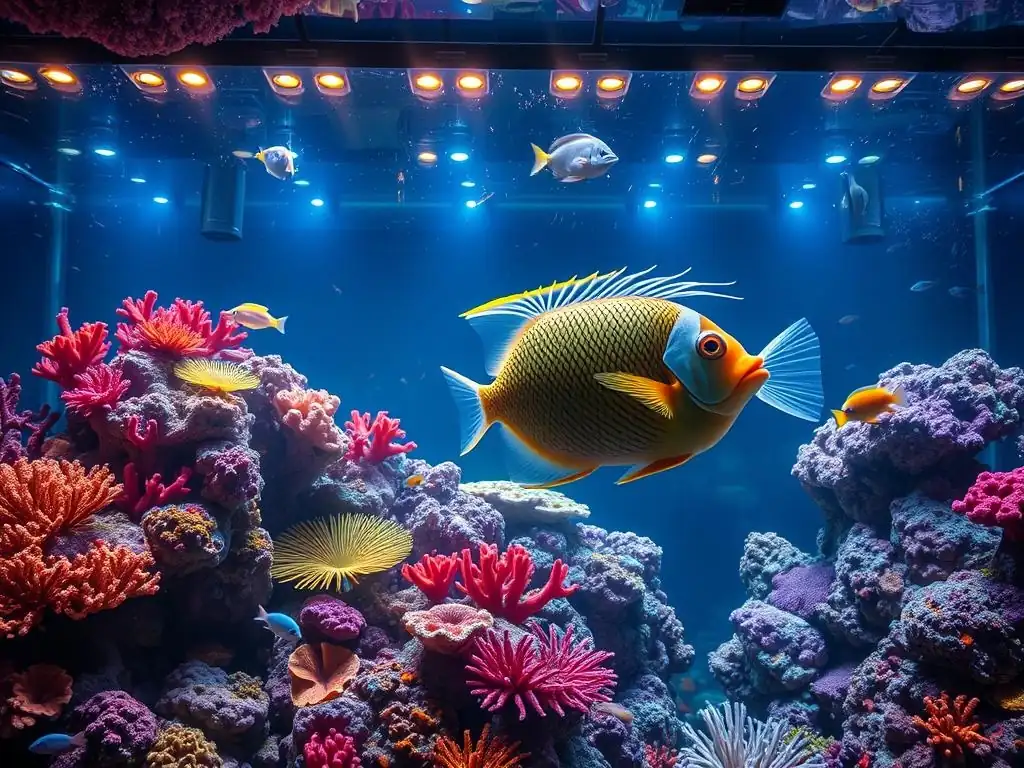
Ever wondered if your aquarium lighting could be silently stressing your Tangs? Dive into our comprehensive guide, "The Impact of Aquarium Lighting on Tang Stress and Disease Susceptibility", and uncover the secrets to creating a healthier, happier environment for your saltwater beauties. Discover how the right light can be the key to vibrant colors and robust health, and learn how to avoid the pitfalls that lead to stress and disease. Ready to master the art of Tang lighting? Let's get started!
- Understanding Tang Health: The Role of Aquarium Lighting
-
How Aquarium Lighting Impacts Tang Stress Levels
- Spectral Quality and Tang Behavior: Impact of Blue Light vs. Full Spectrum on Tang Activity and Hiding
- Light Intensity and Its Effect on Tang Stress Response: Correlation Between PAR Levels and Cortisol Production in Yellow Tangs
- Photoperiod: Maintaining a Consistent 12-Hour Light Cycle for Optimal Tang Health
- Disease Susceptibility in Tangs: The Lighting Connection
- Optimizing Aquarium Lighting for Tangs: A Practical Guide
- Case Studies: Tang Health and Lighting Optimization
- Troubleshooting Lighting-Related Issues in Tang Aquariums
- Conclusion: The Importance of Lighting for Healthy Tangs
-
Frequently Asked Questions
- How does inappropriate aquarium lighting affect Tangs?
- What type of lighting is generally recommended for Tangs in a saltwater aquarium?
- What are the visible signs that a Tang is experiencing stress due to improper lighting?
- How can I acclimate a Tang to new or different aquarium lighting?
- What is the connection between poor lighting and disease susceptibility in Tangs?
- Final Reflection: Illuminating Tang Well-being
- Dive Deeper: Illuminate Your Tang's Life!
Understanding Tang Health: The Role of Aquarium Lighting
Introduction to Tangs and Their Susceptibility to Stress
Tangs, also known as Surgeonfish, are among the most popular and visually striking inhabitants of saltwater aquariums. Their vibrant colors, active swimming patterns, and algae-grazing habits make them highly sought after by aquarists. However, despite their popularity, Tangs are notoriously sensitive to environmental stressors, which can significantly impact their overall health and longevity in captivity. Common stressors include poor water quality, aggressive tank mates, and, crucially, inadequate or inappropriate lighting conditions.
In their natural reef habitats, Tangs are accustomed to specific light cycles and intensities that influence their physiology and behavior. When these conditions are not replicated accurately in an aquarium, Tangs can experience chronic stress. This heightened state of stress directly compromises their immune system, making them far more prone to common diseases such as marine Ich ( Cryptocaryon irritans) and Head and Lateral Line Erosion (HLLE), underscoring their inherent Tang lighting stress susceptibility.
The Link Between Lighting and Tang Well-being
Aquarium lighting serves far more than just aesthetic purposes or supporting coral growth; it is a fundamental environmental parameter that profoundly influences the well-being and physiological processes of fish, including Tangs. Light plays a critical role in regulating circadian rhythms, which are the natural 24-hour cycles of biological processes in living organisms. These rhythms govern sleep patterns, feeding behaviors, and even hormonal production, all of which are vital for a fish's health.
When Tangs are exposed to lighting conditions that deviate significantly from their natural environment—be it in terms of spectral quality, intensity, or photoperiod—these crucial biological rhythms can be disrupted. This disruption leads to chronic stress, which in turn can suppress the immune system and increase a Tang's vulnerability to various diseases. Optimizing lighting is therefore a proactive measure to reduce Tang lighting stress susceptibility and ensure a robust immune response, contributing significantly to the fish's long-term health.
How Aquarium Lighting Impacts Tang Stress Levels
Spectral Quality and Tang Behavior: Impact of Blue Light vs. Full Spectrum on Tang Activity and Hiding
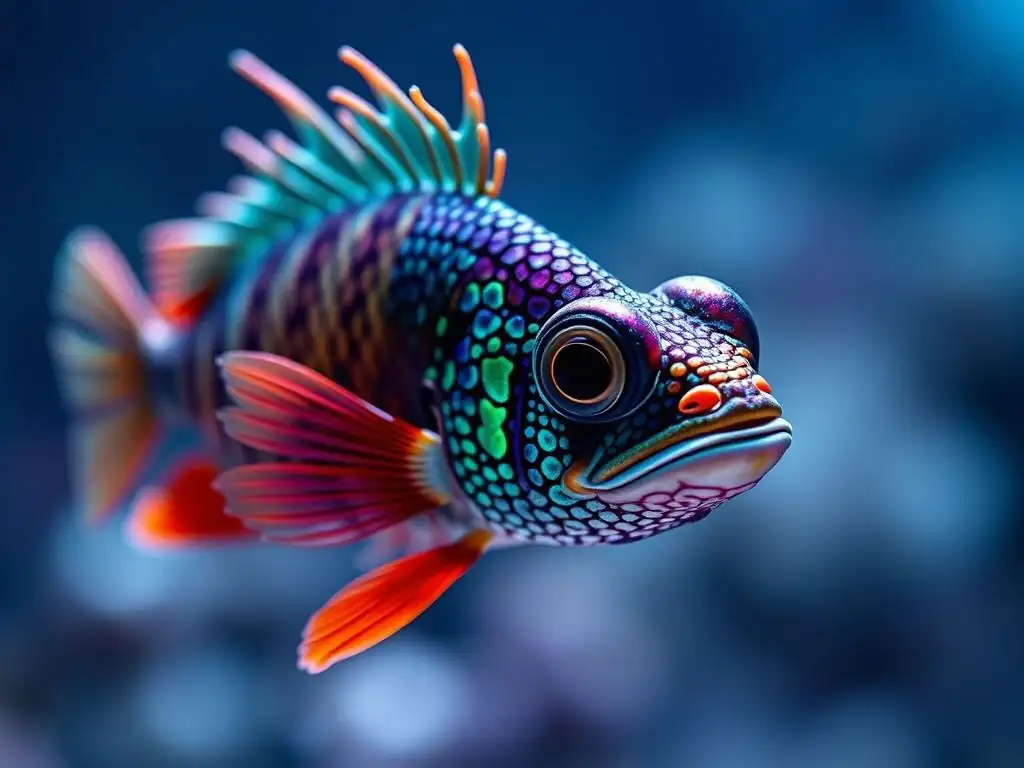
The spectral quality of aquarium lighting, referring to the specific wavelengths of light emitted, is a critical factor influencing Tang behavior and stress levels. In their natural shallow reef environments, Tangs are exposed to a full spectrum of sunlight, with a notable dominance in the blue and green wavelengths due to water's absorption properties. This natural light spectrum influences their vision, coloration, and overall activity patterns. Replicating this balance is key to minimizing Tang lighting stress susceptibility.
However, many reef aquariums prioritize intense blue lighting (e.g., 20,000K or higher) to promote coral fluorescence and growth. While beneficial for corals, an overly monochromatic blue spectrum can be disorienting and stressful for Tangs if it's the dominant or sole light source. Aquarists often observe Tangs under such conditions exhibiting increased skittishness, spending more time hiding in rockwork, or displaying faded coloration compared to those kept under a more balanced, full-spectrum light (e.g., 10,000K-14,000K). This behavioral shift is a clear indicator of discomfort and elevated stress.
Light Intensity and Its Effect on Tang Stress Response: Correlation Between PAR Levels and Cortisol Production in Yellow Tangs
Light intensity, commonly measured in Photosynthetically Active Radiation (PAR), is another crucial parameter that directly affects Tang stress levels. Tangs, particularly species like the Yellow Tang ( Zebrasoma flavescens), are accustomed to relatively high light levels in their natural habitats. However, excessively high or rapidly fluctuating PAR levels in an aquarium, especially without adequate acclimation or sufficient shaded areas, can induce significant stress. This can manifest as photo-inhibition or general discomfort, leading to a measurable stress response.
While specific published studies detailing cortisol production in Yellow Tangs directly correlated to PAR levels are not widely accessible to the public, it is a well-established fact in fish physiology that chronic environmental stressors elevate cortisol, a primary stress hormone. Anecdotal evidence from experienced aquarists suggests that Yellow Tangs exposed to PAR levels consistently above 400-500 PAR without sufficient refuges, or subjected to sudden, drastic increases in light intensity, often exhibit signs of stress such as rapid breathing and reduced activity. This sustained physiological stress contributes directly to their Tang lighting stress susceptibility.
Photoperiod: Maintaining a Consistent 12-Hour Light Cycle for Optimal Tang Health
The photoperiod, or the duration of light exposure within a 24-hour cycle, is essential for maintaining the natural circadian rhythms of Tangs. A stable and consistent photoperiod, typically ranging from 10 to 12 hours of light followed by 12 to 14 hours of darkness, closely mimics the natural day-night cycles experienced by Tangs in the wild. This consistent rhythm allows their biological processes, including metabolism, digestion, and rest, to function optimally.
Conversely, an erratic or excessively long photoperiod (e.g., 16 or more hours of light per day) can severely disrupt these natural cycles. Tangs kept under such conditions may experience chronic sleep deprivation, leading to behavioral abnormalities such as lethargy, faded coloration, or even increased aggression due to constant perceived "daylight." A consistent 12-hour light cycle ensures proper rest and physiological regulation, significantly reducing Tang lighting stress susceptibility and contributing to their overall vitality.
Disease Susceptibility in Tangs: The Lighting Connection
One of the most critical consequences of chronic stress in Tangs, often induced by improper lighting, is immunosuppression. When a Tang is under constant environmental duress, its body diverts energy and resources away from non-essential functions, such as immune system maintenance, towards coping mechanisms. The elevated levels of stress hormones, particularly cortisol, directly inhibit various components of the immune system, making the fish highly vulnerable to pathogens.
For instance, a Tang experiencing chronic light-induced stress may exhibit a measurable decrease in the activity of its white blood cells, or a reduction in its ability to produce antibodies. This compromised immune response means that the fish is far less capable of fighting off common aquarium diseases that a healthy, unstressed Tang might easily repel. Therefore, inappropriate lighting contributes significantly to Tang lighting stress susceptibility, directly paving the way for disease outbreaks.
Common Tang Diseases Linked to Inadequate Lighting: Ich and Head and Lateral Line Erosion (HLLE)
Inadequate lighting conditions are frequently implicated in the increased incidence and severity of several common Tang diseases, most notably marine Ich ( Cryptocaryon irritans) and Head and Lateral Line Erosion (HLLE). While Ich is caused by a parasite and can be introduced through new fish or decor, its ability to establish a severe infestation is heavily dependent on the host fish's immune system. Tangs under chronic lighting stress are often the first to show symptoms and suffer the most severe outbreaks, as their weakened immune defenses cannot effectively combat the parasite.
HLLE is a more complex condition with multifactorial causes, including nutritional deficiencies, poor water quality, and the use of activated carbon. However, a strong correlation has been observed between HLLE development in Tangs and inappropriate lighting, particularly the lack of specific light wavelengths or the overall stress induced by an imbalanced spectrum.
Some theories suggest that Tangs, especially species like Yellow Tangs and Blue Tangs, require certain light wavelengths (e.g., in the UV-A spectrum) for proper metabolic function, and their absence or the chronic stress from improper lighting can contribute to this debilitating erosive disease, highlighting the broad impact of Tang lighting stress susceptibility.
Preventing Disease Through Proper Aquarium Illumination
Optimizing aquarium lighting is a fundamental and highly effective proactive measure for disease prevention in Tangs. By providing lighting that closely mimics their natural habitat in terms of spectral quality, intensity, and photoperiod, aquarists can significantly reduce the chronic stress levels experienced by these sensitive fish. This reduction in stress directly translates to a more robust and efficient immune system.
A well-regulated lighting environment allows Tangs to maintain their natural physiological functions, including healthy circadian rhythms and proper hormonal balance. This strengthens their innate ability to resist and fight off opportunistic pathogens. By ensuring a balanced spectrum (approximating natural sunlight), appropriate PAR levels (avoiding both over- and under-illumination), and a consistent 10-12 hour photoperiod, aquarists can dramatically lower Tang lighting stress susceptibility, thereby creating a resilient and disease-resistant fish population.
Optimizing Aquarium Lighting for Tangs: A Practical Guide
Choosing the Right Light Fixture for Your Tang Species
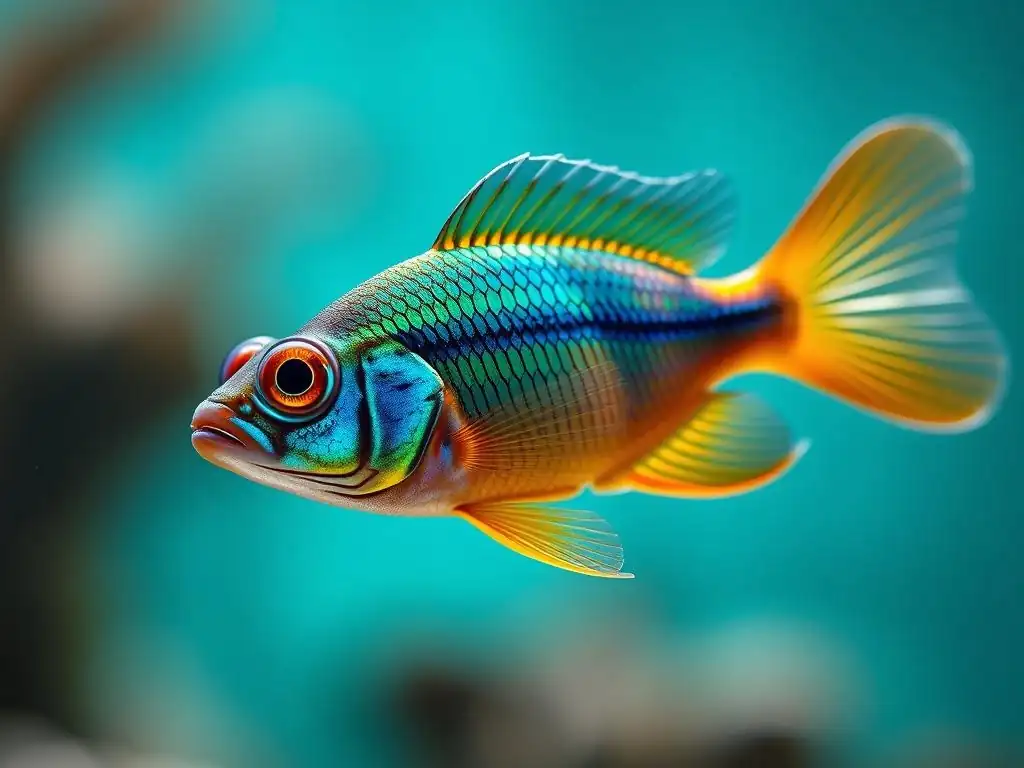
Selecting the appropriate light fixture is the cornerstone of optimizing lighting for Tangs. Modern LED fixtures are generally preferred due to their versatility, allowing for precise control over spectrum and intensity, which is crucial for meeting the specific needs of Tangs. When choosing, look for fixtures that offer a full spectrum, typically ranging from 6,500K to 20,000K, with the ability to adjust channels to emphasize the blue and green regions that are prominent in their natural reef environment.
Consider the depth of your aquarium and the specific Tang species you intend to keep, as their natural depth preferences can vary. For instance, a shallow reef tank with active grazers like Yellow Tangs might thrive under a blend of 10,000K white and actinic blue LEDs. For deeper tanks or those housing larger species like Naso Tangs, a more powerful LED unit with individual channel control will allow for fine-tuning the light penetration and spectrum, ensuring adequate light reaches all parts of the tank without causing Tang lighting stress susceptibility.
Adjusting Light Intensity and Spectrum for Tang Health and Algae Control
Once you have chosen your fixture, careful adjustment of light intensity and spectrum is paramount. When introducing new lighting or new Tangs, always start with lower intensity settings and gradually increase them over several weeks. If possible, use a PAR meter to measure light levels at various depths, aiming for moderate PAR values (e.g., 100-200 PAR at the substrate for fish-only or fish-only-with-live-rock tanks, higher if corals are also present). Crucially, ensure there are sufficient shaded areas within the rockwork for Tangs to retreat if the light becomes too intense for their comfort.
For spectral adjustment, the goal is a balanced light that promotes natural coloration and behavior in Tangs, while also managing beneficial algae growth without encouraging nuisance algae. Avoid overly blue-dominated tanks unless specifically designed for high-end coral growth, as this can be visually jarring and potentially stressful for fish. A good starting point is a color temperature around 10,000K-14,000K, which provides a natural, bright appearance. This balance directly contributes to minimizing Tang lighting stress susceptibility and fostering a healthy environment.
Implementing a Proper Photoperiod for Tang Stress Reduction
Implementing a consistent and appropriate photoperiod is arguably one of the simplest yet most effective ways to reduce stress in Tangs. A stable light cycle, ideally between 10 and 12 hours of light followed by 12 to 14 hours of complete darkness, should be maintained daily. The use of an automated timer is highly recommended to ensure unwavering consistency, eliminating human error and providing a predictable daily rhythm for your fish.
Many modern LED light fixtures offer advanced features such as gradual ramp-up and ramp-down (dawn/dusk simulation). Utilizing these features can significantly enhance Tang comfort by mimicking natural sunrise and sunset, preventing the jarring shock of sudden light changes. A consistent photoperiod regulates circadian rhythms, promotes natural sleep patterns, aids in digestion, and reduces overall stress, directly contributing to a lower Tang lighting stress susceptibility and a more vibrant, active Tang population.
Case Studies: Tang Health and Lighting Optimization
Case Study 1: Improved Tang Health with Transition to Full Spectrum LED Lighting
A common scenario involves aquarists with established tanks where Tangs exhibit subtle, persistent signs of stress. Consider a 120-gallon reef tank housing a Blue Tang ( Paracanthurus hepatus) and a Yellow Tang, illuminated by older T5 HO lights primarily composed of 20,000K blue bulbs, running for 14 hours daily. The Tangs frequently hid in the rockwork, occasionally displayed rapid breathing, and were prone to recurring Ich outbreaks every few months, despite otherwise stable water parameters and a consistent feeding regimen.
The aquarist transitioned to a modern, full-spectrum LED fixture with programmable channels, which allowed for precise control over color temperature and intensity. The new lighting schedule was set to a 12-hour photoperiod, with a balanced 12,000K white dominance during peak hours, and incorporated a gradual dawn/dusk cycle. Within two weeks, both Tangs showed remarkable improvement: they were noticeably more active, displayed significantly more vibrant coloration, and their hiding behavior dramatically decreased. Over the subsequent six months, there were no further Ich outbreaks, demonstrating a clear reduction in Tang lighting stress susceptibility and a robust improvement in their immune function.
Case Study 2: HLLE Development in a Naso Tang Due to Inadequate UVB Exposure
Another illustrative case involves a 180-gallon display tank with a mature Naso Tang ( Naso lituratus). After approximately a year in the aquarium, the Naso Tang began developing distinct signs of Head and Lateral Line Erosion (HLLE), characterized by pitting and erosion around the head and along the lateral line. The tank was lit by powerful LED fixtures primarily designed for coral growth, which provided strong blue and white light but lacked any significant output in the UV-A or UV-B spectrum, running for 10 hours daily. Despite a varied and high-quality diet, the HLLE continued to progress.
Research into HLLE, particularly in Tangs, often points to a multifactorial cause, with inadequate specific light wavelengths, particularly in the UV spectrum, being a suspected contributing factor for certain species. The aquarist cautiously introduced a supplemental light strip designed to provide a small, controlled amount of UV-A and a minimal, safe level of UV-B, integrating it into the existing photoperiod.
Within three months, the progression of the HLLE halted, and some minor regeneration of the affected tissue was observed. This case suggests that the previous lighting, lacking critical wavelengths, may have contributed to chronic stress and metabolic deficiencies, increasing the Tang lighting stress susceptibility and leading to the development of HLLE.
Identifying Signs of Lighting-Induced Stress in Tangs: Rapid Breathing, Fading Color, and Erratic Swimming
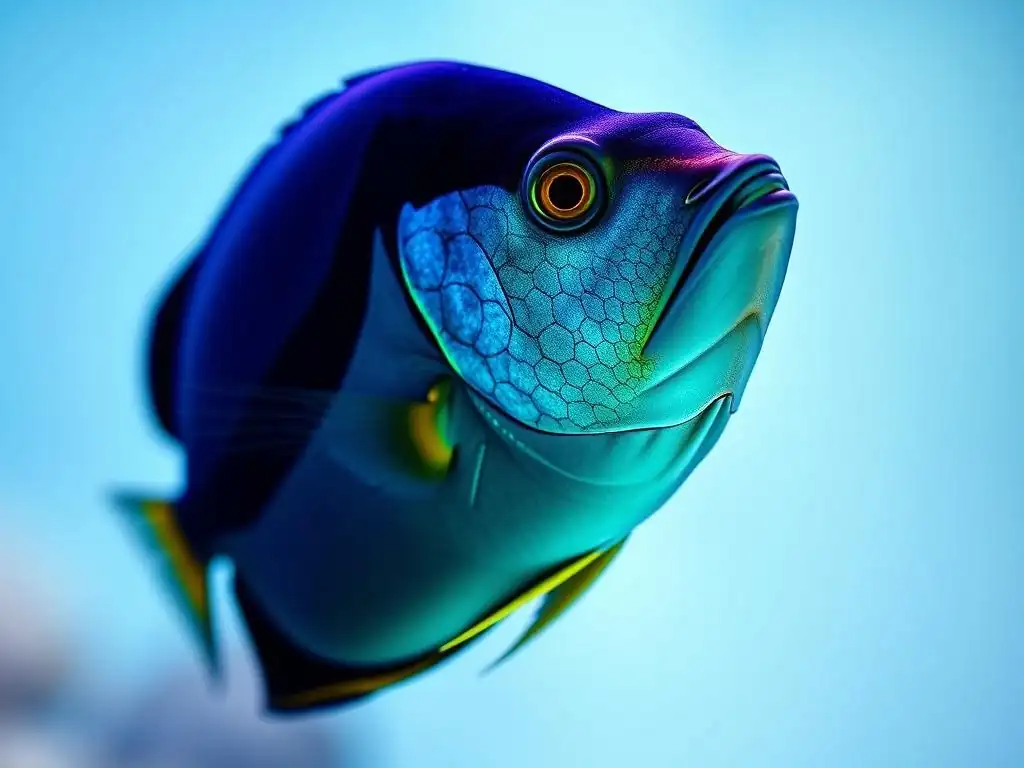
Recognizing the signs of lighting-induced stress in Tangs is crucial for prompt intervention. One of the most immediate indicators is rapid breathing or increased gilling, which suggests discomfort or elevated stress levels. Another common sign is fading or dull coloration, particularly noticeable in species known for their vibrant hues, such as Yellow Tangs or Blue Tangs; a healthy Tang should exhibit vivid, consistent coloring. Erratic swimming patterns, darting movements, or constantly rubbing against rocks or substrate can also point to irritation from unsuitable lighting.
Beyond these physiological and behavioral changes, other indicators include increased hiding behavior, where a typically active Tang consistently retreats to shaded areas or remains motionless for extended periods. A sudden decrease in appetite or unusual aggression towards tank mates can also be stress-related. If a Tang exhibits one or more of these symptoms without clear signs of disease or poor water quality, it is highly probable that the light intensity, spectral quality, or photoperiod is contributing to its Tang lighting stress susceptibility.
Solutions for Over-Illumination, Under-Illumination, and Spectral Imbalances
Once lighting-related stress is identified, targeted solutions can be implemented. For over-illumination, the primary solution is to gradually reduce light intensity. This can be achieved by dimming the fixture, raising the fixture higher above the water, or decreasing the duration of peak light hours. Providing more shaded areas within the aquarium using strategically placed rockwork or tall decor offers Tangs a refuge from intense light.
Conversely, under-illumination requires a gradual increase in intensity. Ensure the light fixture is sufficiently powerful for the tank's size and depth. If necessary, consider adding supplemental lighting, especially for deeper tanks where light penetration can be an issue.
For spectral imbalances, if the tank appears too blue, introduce more white light (in the 6,500K-10,000K range) or balance with red/green channels if your fixture allows. If the light is too yellow or warm, increasing the blue spectrum can help. Always make lighting adjustments incrementally over several days to weeks to avoid shocking the fish, thereby minimizing any further Tang lighting stress susceptibility.
Conclusion: The Importance of Lighting for Healthy Tangs
Key Takeaways: Tang Lighting Stress Susceptibility
The profound impact of aquarium lighting on Tang health extends far beyond mere aesthetics; it is a fundamental environmental parameter that directly influences their physiological processes, behavior, and immune system. Incorrect lighting parameters—whether in terms of spectral quality, intensity, or photoperiod—act as significant stressors that elevate Tang lighting stress susceptibility. This chronic stress can lead to a cascade of negative effects on their well-being.
Ultimately, the consequences of improper lighting include weakened immune responses, making Tangs highly vulnerable to common diseases such as marine Ich and Head and Lateral Line Erosion (HLLE). Therefore, optimizing aquarium lighting is not just a beneficial practice but a critical, proactive step in maintaining robust, healthy, and vibrant Tangs. A well-designed lighting setup is indispensable for ensuring the long-term success and vitality of these magnificent fish in a captive environment.
Further Resources for Tang Care and Aquarium Lighting
To truly master Tang husbandry and mitigate Tang lighting stress susceptibility, aquarists are encouraged to delve deeper into species-specific lighting needs, as requirements can vary slightly among different Tang species. Consulting reliable aquatic resources and engaging with experienced aquarists can provide invaluable insights into fine-tuning lighting setups. Staying informed about advancements in aquarium lighting technology is also beneficial, as newer fixtures often offer superior control and efficiency.
Beyond lighting, a holistic approach to aquarium husbandry is paramount. This includes maintaining pristine water chemistry, providing a varied and nutritious diet, and selecting appropriate tank mates to minimize aggression. By integrating optimized lighting with other crucial aspects of Tang care, aquarists can create an environment that not only prevents disease but also allows these captivating fish to thrive and display their full natural beauty and behavior for years to come.
Frequently Asked Questions
How does inappropriate aquarium lighting affect Tangs?
Inappropriate lighting can significantly impact Tangs by causing stress and weakening their immune systems. This makes them more susceptible to disease.
What type of lighting is generally recommended for Tangs in a saltwater aquarium?
Tangs typically thrive under moderate to high-intensity lighting, mimicking their natural reef environment. However, it's crucial to avoid sudden changes that can induce stress.
What are the visible signs that a Tang is experiencing stress due to improper lighting?
Signs of stress in Tangs include reduced appetite, erratic swimming behavior, and fading coloration. They may also become more aggressive or withdraw from the group.
How can I acclimate a Tang to new or different aquarium lighting?
Gradually acclimate Tangs by dimming the lights initially and slowly increasing the intensity over several days or weeks. Observe their behavior closely for any signs of distress.
What is the connection between poor lighting and disease susceptibility in Tangs?
Poor lighting can disrupt a Tang's natural biological rhythms and weaken its immune system. This makes them more vulnerable to parasitic infections and other diseases common in aquariums.
Final Reflection: Illuminating Tang Well-being
The findings presented here underscore the critical link between aquarium lighting and the well-being of Tangs, demonstrating that inappropriate illumination can significantly increase their stress levels and subsequent susceptibility to disease. This isn't just an academic exercise; it's a call to action for aquarists to re-evaluate their lighting strategies and prioritize the health of these magnificent creatures.
This research highlights how seemingly subtle environmental factors can have profound impacts on animal health. Understanding and mitigating Tang lighting stress susceptibility is not merely about keeping fish alive; it's about fostering thriving ecosystems within our homes, reflecting a deeper respect for the delicate balance of nature. The greatness of a nation and its moral progress can be judged by the way its animals are treated.
- Mahatma Gandhi. This quote, while broad, resonates deeply here; our responsibility extends to the creatures we choose to keep, demanding we provide environments that promote their well-being.
Now, consider your own role in this narrative. Are you providing optimal lighting for your Tangs, or are you inadvertently contributing to their stress? Take this knowledge and use it to create a more harmonious and healthy aquarium environment. By prioritizing proper Tang lighting, you're not just keeping fish; you're cultivating a microcosm of responsible environmental stewardship, one illuminated reef at a time.
Dive Deeper: Illuminate Your Tang's Life!
Thank you for exploring the vital role of aquarium lighting in your Tang's health! Now that you understand how light impacts their well-being, it's time to take action and create a thriving environment.
Here are some actionable steps you can take:
- Assess Your Current Lighting: Take a close look at your current aquarium lighting setup. Is it providing the appropriate spectrum and intensity for your Tang's needs? Consider consulting a lighting PAR meter or reef expert to get precise measurements.
- Explore alternative color schemes and add some blue lights to bring out your Tang's natural colors.
- Share this article with fellow aquarium enthusiasts to spread awareness about the critical connection between lighting and Tang health!
What adjustments will you make to your lighting setup to enhance your Tang's well-being and vibrancy?