
The Link Between Water Quality & Dragonet Health in Sensitive Nano Tanks

Welcome to Aquarium Mastery!
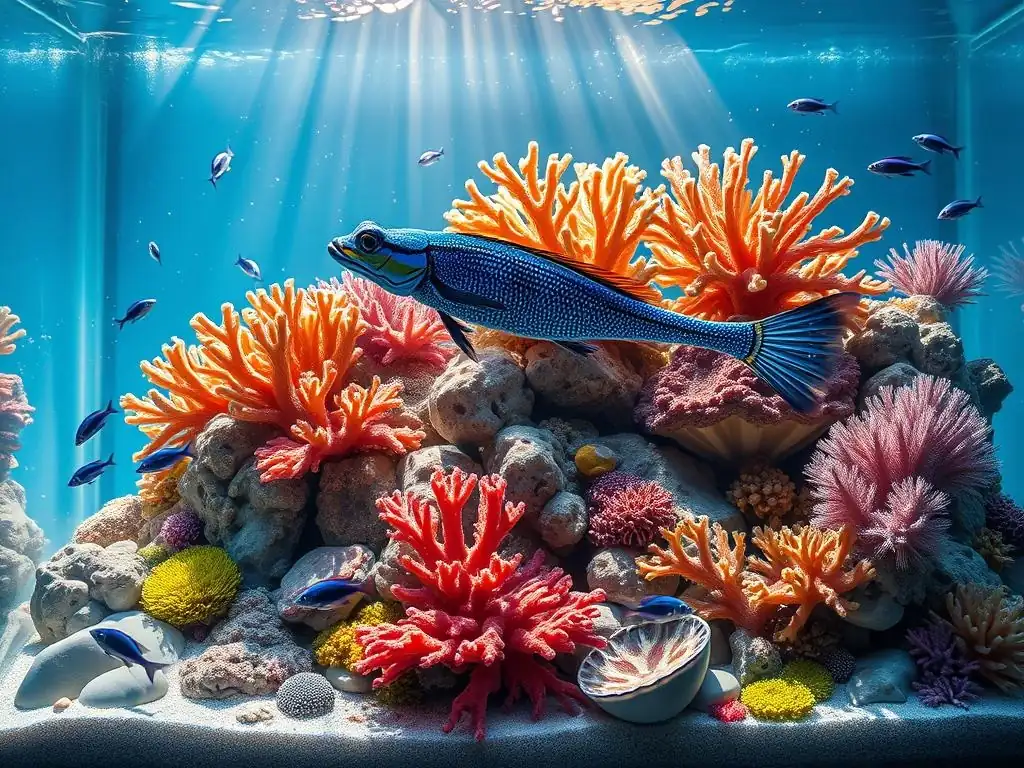
Curious about the secret to keeping those stunning, yet notoriously delicate, Dragonets thriving in your nano aquarium? You've come to the right place. Dragonets are notoriously sensitive to water quality, especially in the confined environment of a nano tank. Dive in to discover everything you need to know about maintaining pristine conditions and ensuring a happy, healthy life for your finned friends. Let's unlock the secrets to Dragonet water quality sensitive nano tanks together!
- The Link Between Water Quality & Mandarin Dragonet Health in Nano Reef Tanks
- Understanding the Mandarin Dragonet: A Sensitive Nano Reef Inhabitant
- The Critical Role of Water Quality in Mandarin Dragonet Health
- Key Water Quality Parameters for Mandarin Dragonet Survival in Nano Reefs
- Identifying Signs of Water Quality Issues Affecting Mandarin Dragonets
- Maintaining Pristine Water Quality for Mandarin Dragonets in Nano Tanks: Practical Strategies
- Preventing Water Quality Problems: Proactive Measures for Mandarin Dragonet Health
- Testing Water Parameters Regularly for Mandarin Dragonet Well-being
- Addressing Specific Water Quality Problems Affecting Mandarin Dragonets
- Case Studies: Mandarin Dragonet Health and Water Quality Success Stories
- Conclusion: Ensuring a Thriving Mandarin Dragonet Population Through Water Quality Mastery
-
Frequently Asked Questions
- How does water quality affect Dragonets in nano tanks?
- Why are Dragonets considered "water quality sensitive"?
- What water parameters are most crucial for Dragonet health in a nano tank?
- How often should I perform water changes in a Dragonet nano tank?
- What are the signs of poor water quality affecting my Dragonet?
- Final Reflection: The Delicate Dance of Life
- Unleash Your Nano Tank's Full Potential!
The Link Between Water Quality & Mandarin Dragonet Health in Nano Reef Tanks
Understanding the Mandarin Dragonet: A Sensitive Nano Reef Inhabitant
Mandarin Dragonet (Synchiropus splendidus) Susceptibility to Poor Water Conditions
The Mandarin Dragonet, Synchiropus splendidus, is renowned for its vibrant coloration and unique appearance, making it a highly sought-after inhabitant for nano reef aquariums. However, this beauty comes with a significant caveat: they are exceptionally sensitive to fluctuations and degradation in water quality. Unlike many hardier marine species, Mandarin Dragonets possess scaleless skin, which offers less protection against environmental stressors and makes them more vulnerable to parasites and bacterial infections when water parameters are suboptimal. Their slow metabolic rate also means they are less capable of rapidly detoxifying harmful substances that accumulate in the water column.
Even subtle deviations from ideal parameters can induce severe stress in these delicate fish, leading to compromised immune systems, disease susceptibility, and ultimately, mortality. For instance, an ammonia spike as low as 0.25 ppm, which might be tolerated by some robust fish, can be lethal to a Mandarin Dragonet within hours. This extreme sensitivity underscores the critical importance of maintaining impeccable Dragonet water quality in sensitive nano tanks, as their very survival hinges on a stable and pristine aquatic environment.
The Unique Biological Needs of Mandarin Dragonets in Captivity
Mandarin Dragonets possess a highly specialized diet, primarily consisting of live copepods and other microfauna that naturally graze on live rock and sand beds. They are continuous, slow feeders, constantly picking at surfaces throughout the day. This unique feeding strategy means they require a mature, well-established aquarium with a thriving population of their natural prey, often necessitating tanks that have been running for six months to a year, or even longer, before introduction.
In captivity, their inability to compete effectively for food with faster, more aggressive tank mates, coupled with their specific dietary requirements, makes them particularly vulnerable to starvation if their environment cannot provide a continuous supply of live food. This biological need directly impacts water quality, as an inadequate food source can lead to a weakened fish, while overfeeding to compensate can rapidly foul the water. Therefore, understanding and accommodating these unique needs is paramount for ensuring the long-term health and vitality of Mandarin Dragonets in any captive setup, especially a sensitive nano system.
The Critical Role of Water Quality in Mandarin Dragonet Health
Why Nano Tanks Present Unique Water Quality Challenges for Mandarin Dragonets
Nano reef tanks, typically defined as aquariums under 30 gallons, inherently present unique and significant challenges for maintaining stable water quality, particularly when housing sensitive species like Mandarin Dragonets. The small volume of water in these systems means that any introduction of waste, whether from fish respiration, uneaten food, or decaying organic matter, has a disproportionately large and rapid impact on water parameters. A small amount of waste that would be diluted and buffered in a 100-gallon tank can quickly lead to dangerous spikes in ammonia, nitrite, and nitrate in a 15-gallon nano.
Furthermore, temperature, pH, and salinity are more prone to rapid fluctuations in smaller volumes due to factors like evaporation, ambient room temperature changes, and even the introduction of new water. This volatile environment makes it exceptionally difficult to maintain the consistent, pristine Dragonet water quality that these delicate fish require. Hobbyists must be vigilant and proactive, as the margin for error in a sensitive nano tank housing a Mandarin Dragonet is exceptionally narrow.
Establishing Optimal Water Parameters for Mandarin Dragonets
Establishing and rigorously maintaining optimal water parameters is the cornerstone of successful Mandarin Dragonet husbandry. For these fish to thrive, specific parameters must be consistently met. Ideal water temperature should range between 75°F and 78°F (24°C - 26°C), with minimal daily fluctuation. Salinity should be maintained at a specific gravity of 1.023 to 1.026, or 33-35 parts per thousand (ppt), which closely mimics their natural marine environment.
The pH level is crucial and should be stable between 8.1 and 8.4. Alkalinity (dKH) plays a vital role in buffering pH and should be kept between 8 to 12 dKH. While calcium and magnesium are primarily critical for coral health, maintaining stable levels (Calcium: 400-450 ppm, Magnesium: 1250-1350 ppm) also contributes to overall system stability, which benefits sensitive fish. Consistently hitting these targets ensures the delicate osmotic balance and physiological functions of the Mandarin Dragonet are supported, preventing stress and disease.
Key Water Quality Parameters for Mandarin Dragonet Survival in Nano Reefs
Ammonia and Nitrite: Deadly Toxins for Mandarin Dragonets
Ammonia (NH3/NH4+) and nitrite (NO2-) are the initial byproducts of the nitrogen cycle and are highly toxic to all aquatic life, but particularly so for sensitive fish like Mandarin Dragonets. Ammonia is primarily introduced through fish waste, uneaten food, and decaying organic matter. Even at concentrations as low as 0.1 ppm, ammonia can cause severe gill damage, leading to respiratory distress, internal organ damage, and eventually death. Nitrite, the product of ammonia oxidation by beneficial bacteria, is also extremely harmful, interfering with oxygen uptake by the blood cells.
For the optimal health and survival of Mandarin Dragonets, ammonia and nitrite levels must be consistently at zero parts per million (0 ppm). Any detectable amount indicates an issue with the biological filtration or an excessive bioload. Regular and accurate testing for these parameters is non-negotiable, especially in sensitive nano tanks where their concentrations can rise rapidly and without warning, posing an immediate threat to Dragonet water quality and the fish's life.
Nitrate Levels: Balancing Act in Mandarin Dragonet Nano Aquariums
Nitrate (NO3-) is the final product of the nitrogen cycle and, while less acutely toxic than ammonia or nitrite, can still be detrimental to Mandarin Dragonets at elevated concentrations over time. High nitrate levels contribute to chronic stress, suppress the immune system, and can lead to faded coloration, lethargy, and increased susceptibility to diseases. For sensitive species like the Mandarin Dragonet, nitrate levels should ideally be kept below 10-20 ppm, with many advanced aquarists aiming for under 5 ppm for optimal long-term health.
In nano aquariums, managing nitrates is a constant balancing act due to the limited water volume. Accumulation can occur rapidly if water changes are infrequent, feeding is excessive, or biological filtration is insufficient. Effective strategies to control nitrates include regular partial water changes, employing a protein skimmer, cultivating macroalgae in a refugium, and careful feeding practices to minimize organic waste, all crucial for maintaining ideal Dragonet water quality in sensitive nano environments.
pH Stability: Maintaining the Ideal Mandarin Dragonet Environment
The pH level, a measure of water's acidity or alkalinity, is a critical parameter for the physiological well-being of Mandarin Dragonets. Marine fish are adapted to a very narrow pH range, typically between 8.1 and 8.4. Significant or rapid fluctuations outside this range can cause severe stress, damaging gills and disrupting the fish's internal acid-base balance, a condition known as pH shock. A sudden drop in pH, for example, can be particularly devastating.
Maintaining pH stability is more challenging in nano tanks due to their smaller water volume and less buffering capacity. Factors such as carbon dioxide buildup from respiration, decay of organic matter, and even the type of salt mix used can influence pH. Regular testing and ensuring adequate alkalinity (dKH) are essential to buffer against these changes, providing a stable chemical environment that supports the delicate Dragonet water quality and overall health.
Salinity and Specific Gravity: Crucial for Osmotic Balance in Mandarin Dragonets
Salinity, or the concentration of dissolved salts in the water, is arguably one of the most fundamental parameters for any marine organism, including the Mandarin Dragonet. It is typically measured using a refractometer or hydrometer as specific gravity (SG) or parts per thousand (ppt). For Mandarin Dragonets, the ideal specific gravity range is 1.023 to 1.026 (equivalent to 33-35 ppt), closely mimicking the natural ocean environment from which they originate.
Maintaining consistent salinity is vital for osmotic balance, which is the process by which fish regulate the water and salt content in their bodies. Fluctuations, even minor ones, can lead to osmotic shock, causing cells to either swell or shrink, resulting in severe stress, organ damage, and often death. In sensitive nano tanks, evaporation can rapidly increase salinity, while adding unmixed top-off water can decrease it. Therefore, precise and consistent measurement, along with the use of an auto top-off (ATO) system, is highly recommended to maintain stable Dragonet water quality and protect the health of these sensitive fish.
Identifying Signs of Water Quality Issues Affecting Mandarin Dragonets
Mandarin Dragonet Behavior Changes Indicating Poor Water
Mandarin Dragonets, like most fish, will exhibit noticeable changes in their behavior when stressed by poor water quality. One of the earliest indicators is lethargy; a healthy Mandarin is constantly moving, picking at surfaces. A stressed fish may become unusually still, hover in one spot, or spend excessive time hiding. Rapid or labored breathing, indicated by fast gill movements, is another critical sign, suggesting oxygen deprivation due to high ammonia or nitrite.
Loss of appetite, a significant concern for these already specialized feeders, is also a common symptom. If a Mandarin, which typically grazes continuously, stops eating for extended periods, it's a strong alarm bell. Additionally, behaviors like "flashing" (rubbing their bodies against rocks or substrate) can indicate irritation from elevated toxins or external parasites, often exacerbated by a weakened immune system due to poor Dragonet water quality in a sensitive nano environment.
Physical Symptoms of Water Quality Stress in Mandarin Dragonets
Beyond behavioral shifts, poor water quality can manifest as distinct physical symptoms on the Mandarin Dragonet's body. One common sign is faded or dulled coloration; their typically vibrant blues, oranges, and greens may appear muted or washed out. Clamped fins, where the fins are held close to the body rather than spread normally, are a classic indicator of general stress. Cloudy eyes or a hazy film over the body can suggest bacterial infections or a compromised slime coat, often triggered by prolonged exposure to irritants in the water.
In more severe cases, physical damage such as fin rot (eroded or frayed fins) or open sores may develop, as the fish's immune system is weakened and it becomes susceptible to opportunistic pathogens. Excessive slime coat production, appearing as a thick, milky layer on the skin, is the fish's attempt to protect itself from irritants. Any of these physical symptoms warrant immediate investigation into the Dragonet water quality in the sensitive nano tank, as they indicate the fish is under significant environmental duress.
Maintaining Pristine Water Quality for Mandarin Dragonets in Nano Tanks: Practical Strategies
Regular Water Changes: Diluting Harmful Substances
Regular partial water changes are the single most effective method for maintaining pristine Dragonet water quality in sensitive nano tanks. This practice directly dilutes accumulated nitrates, phosphates, and other dissolved organic compounds that filtration alone cannot fully remove. For a typical nano tank housing a Mandarin Dragonet, a weekly water change of 10-20% of the total volume is often recommended. For instance, in a 20-gallon tank, this would mean changing 2-4 gallons of water each week.
Crucially, the replacement water must be prepared meticulously, using high-quality reverse osmosis/deionized (RO/DI) water mixed with a reputable marine salt mix. The new water should precisely match the tank's existing temperature, salinity, and pH to prevent shocking the sensitive Mandarin Dragonet. Consistent, well-executed water changes are a fundamental component of proactive water management, essential for preventing the buildup of toxins and ensuring a healthy environment.
Effective Filtration Methods for Nano Mandarin Dragonet Tanks
Effective filtration is paramount for sustaining the delicate Dragonet water quality required in sensitive nano tanks. A robust filtration system typically encompasses mechanical, biological, and chemical components. Mechanical filtration, often provided by filter socks or sponges, physically removes particulate matter like uneaten food and detritus, preventing it from breaking down and polluting the water. These media must be cleaned or replaced frequently, at least every few days, to prevent them from becoming nitrate factories themselves.
Biological filtration, primarily facilitated by live rock and a mature sand bed, converts toxic ammonia and nitrite into less harmful nitrate through the nitrogen cycle. Adequate surface area for beneficial bacteria is critical. Chemical filtration, such as activated carbon or specialized resins, removes dissolved organic compounds and other pollutants that mechanical and biological filtration cannot. A well-designed filtration system, tailored to the tank's bioload, is indispensable for long-term Mandarin Dragonet health.
The Role of Protein Skimmers in Mandarin Dragonet Aquariums
Protein skimmers are an invaluable piece of equipment for maintaining excellent Dragonet water quality, especially in sensitive nano reef tanks. These devices work by creating a column of fine bubbles to remove dissolved organic compounds (DOCs) from the water column before they can break down into nitrates and phosphates. By physically exporting these pollutants from the system, skimmers significantly reduce the bioload and prevent the accumulation of undesirable substances.
For a nano tank housing a Mandarin Dragonet, even a small, appropriately sized protein skimmer can make a substantial difference in water clarity and stability. It helps to keep nutrient levels low, which is beneficial for both the fish and any corals present. Regular emptying of the skimmer collection cup, often daily or every other day depending on the tank's bioload, ensures its continuous efficiency and maximizes its contribution to a pristine environment.
Chemical Filtration: Activated Carbon and Beyond
Chemical filtration plays a vital role in polishing water quality and removing specific pollutants that mechanical and biological filtration might miss. Activated carbon is a widely used chemical media that effectively adsorbs dissolved organic compounds, yellowing pigments, and certain toxins from the water. This results in crystal-clear water and helps to prevent the buildup of substances that can stress sensitive fish like Mandarin Dragonets. Activated carbon should be replaced every 2-4 weeks, as its adsorptive capacity diminishes over time and it can begin to leach absorbed pollutants back into the water if left too long.
Beyond activated carbon, other chemical media can be employed to address specific water quality issues. Phosphate-removing media, such as granular ferric oxide (GFO), are excellent for controlling phosphate levels, which can fuel nuisance algae growth and inhibit coral calcification. Specialized resins can also target nitrates. The strategic use of these chemical filters contributes significantly to maintaining the high Dragonet water quality required for a thriving sensitive nano reef.
Proper Substrate Maintenance: Preventing Detritus Buildup
Proper substrate maintenance is often overlooked but plays a crucial role in preventing the accumulation of detritus and maintaining optimal Dragonet water quality in sensitive nano tanks. Uneaten food, fish waste, and decaying organic matter can settle in the sand bed, breaking down and releasing nitrates, phosphates, and other undesirable compounds into the water column. In a nano tank, where water volume is limited, this buildup can rapidly degrade water quality.
Regularly siphoning the top layer of the sand bed during water changes helps to physically remove trapped detritus. For deeper sand beds, which can become anaerobic and produce hydrogen sulfide gas in small tanks, careful and partial siphoning is advised. Many aquarists opt for a shallow sand bed (1-2 inches) or a bare bottom in nano systems to minimize detritus traps and simplify cleaning, thereby directly contributing to a cleaner, healthier environment for Mandarin Dragonets.
Feeding Mandarin Dragonets Correctly to Minimize Waste
Proper feeding practices are paramount for both the Mandarin Dragonet's health and the overall water quality of its sensitive nano tank. Since these fish are continuous, slow feeders, they require a constant supply of their natural prey, copepods. Overfeeding, in an attempt to ensure they get enough food, is a common mistake that rapidly fouls the water. Uneaten food quickly breaks down, releasing ammonia and nitrates, severely impacting Dragonet water quality.
Instead of large, infrequent feedings, it's better to provide small, frequent additions of live copepods, or to maintain a robust refugium that continuously seeds the display tank with live food. If supplemental frozen foods are used (e.g., enriched brine shrimp, mysis shrimp), they should be thawed and rinsed before feeding, and only offered in very small quantities that can be consumed immediately. Observing the fish's feeding behavior and only offering what it can consume within a few minutes helps minimize waste.
Live Food Culturing for Mandarin Dragonets: A Sustainable Approach
Given the Mandarin Dragonet's highly specialized diet, culturing live food, particularly copepods and amphipods, offers a sustainable and highly effective approach to ensuring their nutritional needs are met while minimizing water pollution. Instead of relying solely on commercially purchased live foods, which can be expensive and inconsistent in supply, hobbyists can set up simple culture systems. These typically involve a separate container with saltwater, an air stone, and an appropriate food source for the copepods (e.g., phytoplankton).
A continuous supply of live copepods ensures the Mandarin Dragonet receives a constant, natural food source, reducing the need for supplemental frozen foods that can quickly degrade water quality. This method directly supports the fish's natural grazing behavior and contributes to its long-term health and vitality. Furthermore, a thriving copepod population within the display tank itself, supported by a healthy refugium, creates a more self-sustaining ecosystem that naturally processes some organic waste, indirectly aiding in maintaining excellent Dragonet water quality in the sensitive nano environment.
Preventing Water Quality Problems: Proactive Measures for Mandarin Dragonet Health
Choosing the Right Tank Size and Equipment
Selecting the appropriate tank size and equipment is a crucial proactive measure for preventing water quality problems and ensuring the long-term health of Mandarin Dragonets. While they are often considered for nano tanks due to their small size, a minimum tank volume of 20-30 gallons is generally recommended for a single Mandarin, primarily to provide a sufficiently large surface area for copepod populations to thrive and to offer more water volume for stability. A larger volume offers greater dilution and buffering capacity against parameter swings.
Equally important is investing in robust filtration, including a protein skimmer specifically rated for the tank size, and a reliable auto top-off (ATO) system to maintain stable salinity. A high-quality heater with a precise thermostat is also essential to prevent temperature fluctuations. Choosing equipment that is slightly oversized for the tank can provide an additional buffer and enhance overall system stability, which is paramount for maintaining the delicate Dragonet water quality in a sensitive nano setup.
Avoiding Overstocking in Mandarin Dragonet Nano Reefs
Overstocking is one of the most common pitfalls in nano reef keeping and a direct pathway to rapid water quality degradation, particularly detrimental for sensitive species like Mandarin Dragonets. Every organism in an aquarium contributes to the bioload by producing waste. In a small water volume, adding too many fish or invertebrates quickly overwhelms the biological filtration system, leading to dangerous spikes in ammonia and nitrite, and a rapid accumulation of nitrates and phosphates.
For a Mandarin Dragonet, which already requires a substantial microfauna population to sustain itself, adding too many tank mates not only increases the bioload but also creates competition for food, potentially leading to starvation. A general rule of thumb is to allow at least 5-10 gallons per inch of adult fish, and even more for highly sensitive species. Adhering to conservative stocking levels is a fundamental proactive measure to maintain stable Dragonet water quality and prevent chronic stress and disease in sensitive nano systems.
Quarantine New Additions to Prevent Disease Introduction
Quarantining all new additions, whether fish, corals, or invertebrates, before introducing them to the main display tank is a critical proactive measure that directly protects the health of sensitive inhabitants like Mandarin Dragonets. A quarantine tank (QT) is a separate, bare-bottom aquarium where new arrivals can be observed for signs of disease or parasites for a period of 2-4 weeks, or even longer. This isolation period allows for treatment if necessary, without exposing the established display tank and its inhabitants to potential pathogens.
Mandarin Dragonets, with their scaleless bodies and often delicate immune systems, are highly susceptible to common marine ich (Cryptocaryon irritans) and other parasitic or bacterial infections. Introducing an infected fish directly into the main tank can lead to a devastating outbreak that is difficult to treat in a sensitive reef environment. By preventing the introduction of pathogens through proper quarantine, hobbyists significantly reduce the risk of disease, thereby safeguarding the Dragonet water quality and the overall health of the entire nano reef system.
Testing Water Parameters Regularly for Mandarin Dragonet Well-being
Recommended Water Testing Kits for Nano Reefs
Regular and accurate water testing is non-negotiable for maintaining the precise Dragonet water quality required in sensitive nano tanks. Investing in reliable test kits is a foundational aspect of responsible husbandry. For a nano reef housing a Mandarin Dragonet, essential tests include:
- Ammonia (NH3/NH4+): To ensure 0 ppm.
- Nitrite (NO2-): To ensure 0 ppm.
- Nitrate (NO3-): To keep below 10-20 ppm, ideally lower.
- pH: To maintain stability between 8.1-8.4.
- Alkalinity (dKH): To ensure buffering capacity, 8-12 dKH.
- Salinity (Specific Gravity/ppt): Crucial for osmotic balance, 1.023-1.026 SG.
Additionally, while not directly toxic, monitoring Phosphate (PO4-) (ideally <0.03 ppm) is important for overall tank health and preventing nuisance algae, which can indirectly impact Dragonet water quality. Reputable brands like Salifert, Red Sea, and Hanna Instruments (especially for alkalinity and phosphate checker) are highly recommended for their accuracy and consistency, providing hobbyists with the precise data needed for informed decision-making in their sensitive nano systems.
Interpreting Water Test Results for Mandarin Dragonet Care
Interpreting water test results correctly is as important as conducting the tests themselves, as it dictates the appropriate actions to take for Mandarin Dragonet care. A reading of 0 ppm for ammonia and nitrite is always the goal; any detectable amount indicates a problem requiring immediate attention, such as a large water change. For nitrates, consistently high readings (e.g., above 20 ppm) suggest insufficient water changes, overfeeding, or inadequate biological filtration.
Fluctuations in pH, especially drops below 8.0, often point to low alkalinity, insufficient aeration, or excessive CO2. Low alkalinity (below 7 dKH) means the water has less buffering capacity and is prone to pH swings. Salinity deviations from the ideal range (1.023-1.026 SG) indicate issues with top-off procedures or evaporation. Understanding these interpretations allows hobbyists to diagnose problems early and implement targeted solutions, thereby proactively safeguarding the delicate Dragonet water quality and ensuring the well-being of their sensitive fish.
Addressing Specific Water Quality Problems Affecting Mandarin Dragonets
Treating Ammonia Spikes in Mandarin Dragonet Tanks
An ammonia spike is an emergency for any marine tank, but it is particularly critical for sensitive species like Mandarin Dragonets. If ammonia is detected (any reading above 0 ppm), immediate action is required. The first and most crucial step is a substantial water change, typically 25-50% of the tank volume, using precisely matched temperature and salinity water. This rapidly dilutes the toxin.
Following the water change, consider adding an ammonia-detoxifying product, which temporarily converts toxic ammonia into a less harmful form, providing a short-term solution while the biological filter recovers. Increasing aeration by adding an air stone or directing a powerhead towards the surface can help improve oxygen levels, which are often depleted during an ammonia spike.
Cease all feeding until ammonia levels return to 0 ppm, and continue daily water changes as needed while monitoring parameters closely. Identifying and rectifying the cause of the spike (e.g., overfeeding, dead animal, filter crash) is essential to prevent recurrence and protect the Dragonet water quality in the sensitive nano tank.
Reducing High Nitrate Levels: A Step-by-Step Guide
High nitrate levels, while not as acutely toxic as ammonia, pose a chronic threat to Mandarin Dragonets. Reducing them systematically is crucial. The primary method is consistent, larger-than-normal water changes. If nitrates are, for example, 40 ppm, a 25-30% water change can bring them down significantly. Repeat these larger water changes every few days until desired levels (below 10-20 ppm) are reached.
Simultaneously, re-evaluate feeding practices to ensure no overfeeding is occurring, and remove any decaying organic matter from the tank. Ensure filter socks or mechanical media are cleaned or replaced frequently. Consider adding or upgrading a protein skimmer, as these effectively export organic waste before it converts to nitrate. Introducing macroalgae in a refugium (if space allows in a nano) or using nitrate-reducing chemical media can also help. These combined efforts are vital for maintaining optimal Dragonet water quality in sensitive nano environments.
Stabilizing pH Fluctuations for Mandarin Dragonet Health
pH fluctuations can severely stress Mandarin Dragonets, making pH stability a critical goal. If pH is consistently low or fluctuating, the first step is to test alkalinity (dKH). Low alkalinity (below 7 dKH) is often the root cause of unstable pH, as there isn't enough buffering capacity. If alkalinity is low, consider dosing a reputable alkalinity buffer or two-part solution according to manufacturer instructions, increasing it slowly over several days to the target range of 8-12 dKH.
Ensure adequate gas exchange at the water surface, as high carbon dioxide levels (often from respiration or poor ventilation) can lower pH. Maximize surface agitation with powerheads or an air stone. Regularly check that your auto top-off system is working correctly and not adding pure RO/DI water too rapidly without proper salt mixing, which can dilute alkalinity and pH. Consistent water changes with properly mixed saltwater also contribute significantly to maintaining stable Dragonet water quality and pH in sensitive nano tanks.
Case Studies: Mandarin Dragonet Health and Water Quality Success Stories
Restoring a Mandarin Dragonet's Health Through Improved Water Quality: A Case Study
In a 15-gallon nano reef tank, a hobbyist observed their Mandarin Dragonet displaying lethargy, faded coloration, and infrequent feeding, despite a seemingly well-established system. Initial water tests revealed alarming parameters: nitrates at 40 ppm, alkalinity at a low 6 dKH, and pH hovering around 7.8. This indicated significant degradation in Dragonet water quality, likely due to insufficient maintenance for a sensitive nano environment.
To address this, the hobbyist immediately initiated a series of daily 10% water changes for one week, using precisely mixed saltwater. Simultaneously, a small, appropriately-sized protein skimmer was installed, and a high-quality alkalinity buffer was dosed slowly over several days to raise the dKH to 8.5. Within two weeks, nitrates dropped to a stable 5 ppm, and pH stabilized at 8.2.
The Mandarin Dragonet gradually regained its vibrant coloration, became more active, and resumed its constant grazing, demonstrating a remarkable recovery directly attributable to the improved water quality. This case underscores the direct link between meticulous water management and the restoration of Mandarin Dragonet health.
Preventing Mandarin Dragonet Disease with Proactive Water Management: A Case Study
A dedicated aquarist successfully maintained a single Mandarin Dragonet in a 25-gallon nano reef tank for over three years without any significant health issues or disease outbreaks. This long-term success was primarily attributed to a rigorous, proactive water quality management regimen. The hobbyist adhered to a strict schedule of weekly 15% water changes, ensuring the replacement water was always perfectly matched for temperature and salinity.
Daily tasks included emptying the protein skimmer cup and visually inspecting the Mandarin for any subtle behavioral changes. Bi-weekly, a comprehensive suite of water tests was performed, consistently showing parameters within optimal ranges: ammonia and nitrite at 0 ppm, nitrates consistently below 5 ppm, pH at a stable 8.2-8.3, and alkalinity between 9-10 dKH.
The tank also featured a small refugium that continuously seeded the display with live copepods, minimizing the need for supplemental feeding. This consistent, high-standard approach to Dragonet water quality in a sensitive nano tank exemplifies how proactive measures can prevent stress and disease, fostering a thriving environment for these delicate fish.
Conclusion: Ensuring a Thriving Mandarin Dragonet Population Through Water Quality Mastery
The Mandarin Dragonet, with its unparalleled beauty and unique charm, is undoubtedly a captivating addition to any nano reef aquarium. However, its exquisite nature is coupled with extreme sensitivity to environmental conditions, particularly water quality. As explored, these scaleless wonders are highly susceptible to even minor deviations in parameters, making meticulous attention to their aquatic environment not just beneficial, but absolutely vital for their survival and well-being. The small water volume of sensitive nano tanks inherently amplifies these challenges, demanding a proactive and vigilant approach to maintenance.
Mastering Dragonet water quality in sensitive nano systems requires a comprehensive understanding of critical parameters like ammonia, nitrite, nitrate, pH, and salinity, coupled with consistent testing and immediate corrective action when needed. Implementing robust filtration, performing regular water changes, managing bioload through careful stocking and feeding, and considering live food culturing are not merely suggestions but essential pillars of successful Mandarin Dragonet husbandry. By embracing these practices, aquarists can transform the delicate balance of a nano tank into a stable, thriving ecosystem, ensuring these mesmerizing fish can flourish and enchant for years to come.
Frequently Asked Questions
How does water quality affect Dragonets in nano tanks?
Dragonets, especially in nano aquariums, are incredibly sensitive to water parameters. Poor water quality, like elevated nitrates or fluctuating salinity, can quickly stress and weaken them, making them susceptible to disease and starvation.
Why are Dragonets considered "water quality sensitive"?
Dragonets are particularly vulnerable because they often rely on a stable microfauna population for sustenance. Poor water quality can decimate this food source, leading to malnutrition and a weakened immune system.
What water parameters are most crucial for Dragonet health in a nano tank?
Maintaining stable salinity, low nitrates, and adequate oxygen levels is paramount. Regular testing and small, frequent water changes are vital to keeping these parameters within the acceptable range.
How often should I perform water changes in a Dragonet nano tank?
In a nano tank housing Dragonets, smaller, more frequent water changes (e.g., 10-20% weekly) are generally recommended. This helps prevent the buildup of harmful substances and keeps the water stable.
What are the signs of poor water quality affecting my Dragonet?
Look for signs such as lethargy, loss of appetite, increased mucus production, or erratic swimming. These can indicate stress caused by poor water conditions requiring immediate attention.
Final Reflection: The Delicate Dance of Life
The intricacies of maintaining a thriving nano reef aquarium, especially when housing the notoriously sensitive dragonet, are more than just a hobby; they represent a microcosm of our responsibility towards the planet's fragile ecosystems. Understanding and actively managing water quality is not merely a technical exercise, but a profound act of stewardship. The health of these miniature marine environments mirrors the health of our larger oceans, demanding a similar level of care, attention, and informed action.
This journey into the world of dragonets and nano tanks has underscored the profound interconnectedness of life. It's a constant reminder that even the smallest actions can have significant consequences, and that diligent observation and proactive intervention are crucial for success. As hobbyists, we become custodians of these delicate creatures, entrusted with creating and maintaining environments that allow them to flourish. We are tied to the ocean. And when we go back to the sea, whether it is to sail or to watch it, we are going back from whence we came.
- John F. Kennedy. This quote resonates deeply, reminding us of our inherent connection to the marine world and the importance of preserving its beauty and health.
Now, take a moment to reflect on your own role in this delicate dance. Consider how the principles of water quality management, learned in the context of a nano tank, can be applied to broader environmental concerns. The dedication and precision required to keep a dragonet healthy in a small aquarium are qualities that can be translated into a more mindful and sustainable approach to our planet. Let us all strive to be better stewards, not just of our tanks, but of the world around us, ensuring a vibrant and healthy future for all.
Unleash Your Nano Tank's Full Potential!
Thank you for diving deep into the importance of water quality for Dragonet health! We hope you've gained valuable insights to help your scaled friends thrive. Now, let's put that knowledge into action and create an even better environment for your nano tank inhabitants.
Here are a few things you can do right now:
- Prioritize consistent, high-accuracy water testing; focusing especially on ammonia, nitrite and nitrate levels!
- Share this article with fellow nano tank enthusiasts to spark discussion and improve their Dragonet's well-being.
- Consider experimenting with different filtration methods beyond standard protein skimming, such as the addition of a refugium.
What innovative approach are you most excited to try in your nano tank to enhance water quality and Dragonet health?