
Ideal Water Parameters for Thriving Freshwater Snails: pH, GH, KH & More

Welcome to Aquarium Mastery!
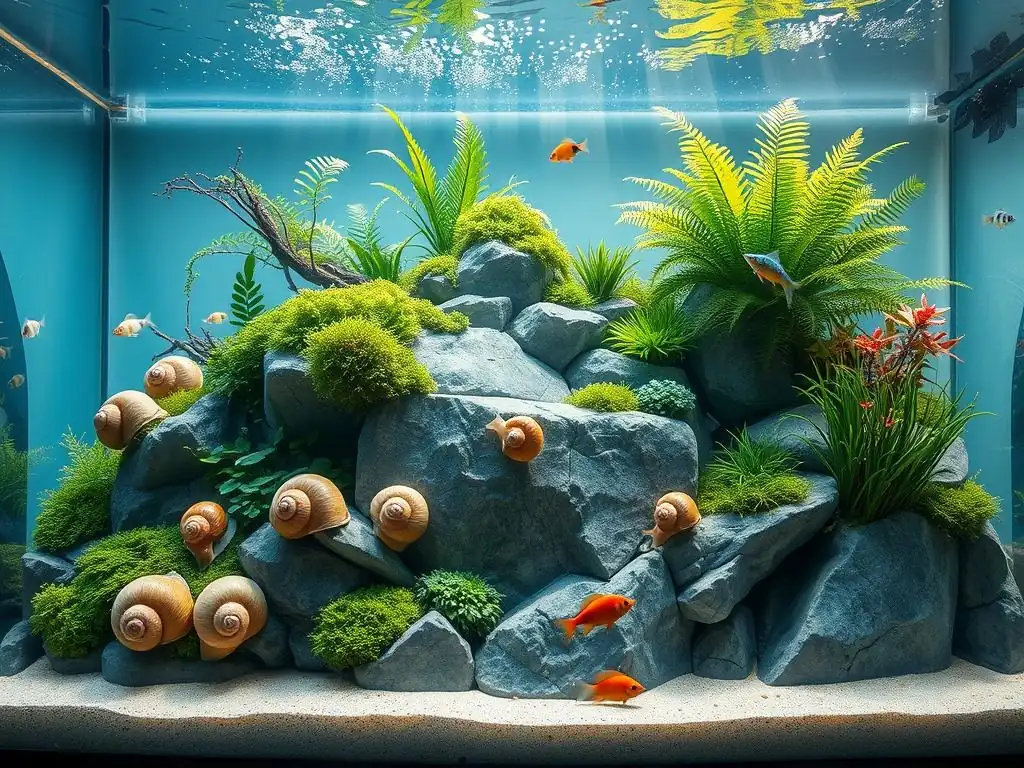
Ever wondered if your freshwater snails are really happy in their tank? Dive into the fascinating world of invertebrate care and discover the secrets to creating the perfect aquatic environment for these fascinating creatures. We're thrilled to help you unlock the key to vibrant, healthy snails by exploring the ideal freshwater snail water parameters. Let's get started and ensure your shelled friends thrive!
- Understanding the Importance of Water Quality for Freshwater Snails
- Key Freshwater Snail Water Parameters: A Detailed Guide
- Other Important Water Parameters for Freshwater Snails
- Maintaining Ideal Water Parameters for Freshwater Snails: Practical Tips
- Troubleshooting Common Water Parameter Problems in Freshwater Snail Tanks
- Choosing the Right Snails for Your Water Parameters
- Conclusion: Creating a Thriving Habitat for Your Freshwater Snails
-
Frequently Asked Questions
- What are the most important water parameters to monitor for freshwater snails?
- Why is water hardness (GH & KH) so important for freshwater snails?
- What is the ideal pH range for most freshwater snails?
- How often should I test my aquarium water parameters when keeping freshwater snails?
- What can I do if my aquarium water parameters are not ideal for freshwater snails?
- Final Reflection: The Delicate Balance of Aquatic Life
- Unlock Your Snail-Keeping Potential!
Understanding the Importance of Water Quality for Freshwater Snails
Why Water Parameters Matter for Snail Health and Growth
Maintaining stable and appropriate freshwater snail water parameters is not merely a recommendation; it is the fundamental cornerstone of their health, growth, and overall well-being. Unlike fish, which can often tolerate slight fluctuations, invertebrates like snails are particularly sensitive to changes in their aquatic environment. Their entire physiology, from respiration to osmoregulation and the crucial process of shell formation, is intricately linked to the chemical composition of the water around them. Even subtle deviations from ideal conditions can induce significant stress, compromising their immune systems and making them vulnerable to disease.
Furthermore, optimal freshwater snail water parameters directly support the metabolic processes essential for a snail's vitality, including proper digestion, nutrient absorption, and reproductive success. When these parameters are consistently within their preferred range, snails exhibit robust activity, healthy feeding behaviors, and strong, well-formed shells. They become reliable indicators of a balanced and thriving aquarium ecosystem, demonstrating that the environment is conducive to life and growth.
The Impact of Poor Water Quality on Freshwater Snail Survival
The consequences of poor or unstable water quality on freshwater snails can range from immediate distress to severe long-term health issues and even mortality. In the short term, sudden shifts in parameters like pH or temperature can induce acute shock, causing snails to retract deeply into their shells, become lethargic, or cease feeding altogether. For instance, a rapid drop in pH can cause their protective slime coat to slough off, leaving them vulnerable to bacterial infections.
Over prolonged periods, inadequate freshwater snail water parameters lead to chronic problems. Insufficient general hardness (GH) and carbonate hardness (KH), coupled with low pH, are notorious for causing shell erosion, where the snail's protective outer layer becomes pitted, soft, or develops unsightly holes. This makes them susceptible to predation, internal damage, and bacterial infections.
Stunted growth, reduced lifespan, and complete reproductive failure are also common outcomes. For example, snails living in persistently high ammonia or nitrite environments may exhibit classic poisoning symptoms, such as attempting to escape the water, uncontrolled movements, or remaining completely motionless, often leading to death within hours.
Key Freshwater Snail Water Parameters: A Detailed Guide
pH Levels for Optimal Freshwater Snail Health
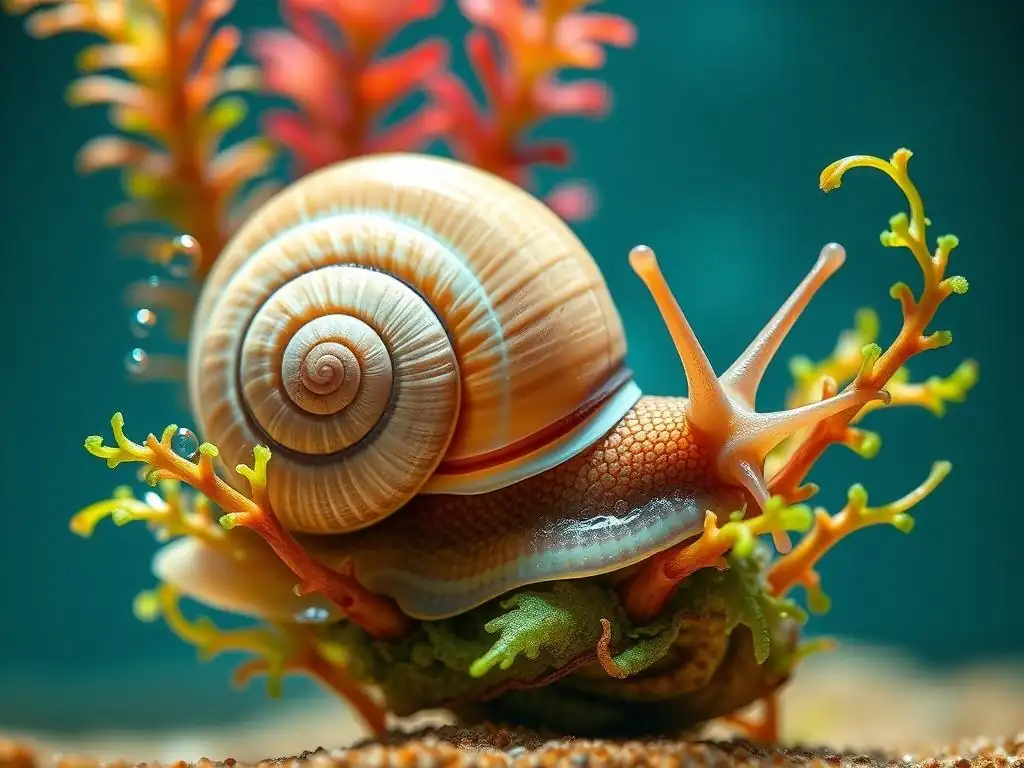
The pH level, a measure of the acidity or alkalinity of water on a scale from 0 to 14, is a critical freshwater snail water parameter. A pH of 7.0 is neutral, below 7.0 is acidic, and above 7.0 is alkaline. For most freshwater snails, maintaining a slightly alkaline pH is crucial because it directly influences the availability of calcium carbonate, the primary building block for their shells. In acidic conditions, calcium carbonate can dissolve from their shells, leading to erosion and weakening.
Beyond shell health, pH also impacts a snail's metabolic functions and overall physiological balance. Extreme pH values, whether too high or too low, can disrupt the enzymes and proteins within their bodies, impairing their ability to absorb nutrients, process waste, and even breathe effectively. While snails can adapt to a range, sudden or drastic pH swings are far more dangerous than living at a consistent, albeit slightly suboptimal, pH within their tolerable limits.
Recommended pH Range for Different Types of Freshwater Snails [Nerite, Mystery, Ramshorn]
Different species of freshwater snails have specific preferences for pH levels, though most thrive in slightly alkaline conditions to support robust shell development. For instance, Nerite Snails (e.g., Zebra, Olive, Tiger Nerites) generally prefer a higher pH, ideally ranging from 7.5 to 8.5. They are particularly sensitive to acidic water, which can quickly lead to shell erosion. Their natural habitats often include brackish water, contributing to their preference for harder, more alkaline conditions.
Mystery Snails ( Pomacea diffusa), popular for their vibrant colors and active nature, do best in a pH range of 7.0 to 8.0, with many aquarists reporting optimal health and breeding success around pH 7.6-7.8. Similarly, Ramshorn Snails (e.g., Red, Blue Ramshorns), known for their adaptability and prolific breeding, are quite resilient and can tolerate a broader range, typically 7.0 to 7.8. While they can survive in slightly softer water, their shells will be significantly healthier and more robust when the pH is maintained within the higher end of this range, ensuring sufficient calcium availability.
How to Test and Adjust pH Levels in Your Freshwater Aquarium
Regularly testing the pH of your aquarium water is an indispensable part of maintaining ideal freshwater snail water parameters. The most common and reliable methods for hobbyists include liquid test kits, such as the API Freshwater Master Test Kit, which provide accurate color-coded results. For more frequent or precise measurements, a calibrated digital pH meter can offer convenience, though it requires periodic calibration to maintain accuracy. It's advisable to test pH at least weekly, or whenever you notice changes in your snails' behavior.
If your pH levels are outside the ideal range for your snails, adjustments should always be made gradually to avoid shocking your invertebrates. To increase pH, you can incorporate calcium-rich materials like crushed coral, aragonite sand, or limestone rocks into your substrate or filter media. These materials slowly dissolve, releasing carbonates that buffer the water and raise pH.
Small, carefully measured additions of baking soda (sodium bicarbonate) can also raise pH, but this method should be used with extreme caution as it can cause rapid, drastic shifts if overused. To decrease pH, natural methods include adding driftwood, Indian almond leaves (which also release beneficial tannins), or using peat moss in your filter. CO2 injection, common in planted tanks, will also lower pH, but its effects must be carefully monitored to prevent dangerous drops that could harm snails.
General Hardness (GH) and Freshwater Snails: Essential Minerals
General Hardness (GH) is a crucial freshwater snail water parameter that measures the concentration of dissolved bivalent metal ions, primarily calcium (Ca2+) and magnesium (Mg2+). These minerals are absolutely essential for the healthy development and maintenance of a snail's shell, which is predominantly composed of calcium carbonate. Without adequate levels of GH, snails cannot properly calcify their shells, leading to a range of debilitating issues.
Snails absorb these vital minerals directly from the surrounding water. If the water is too soft (low GH), their bodies will struggle to extract enough calcium and magnesium to build and repair their shells. This can result in soft, brittle, pitted, or eroded shells, making them vulnerable to environmental damage and disease. Therefore, understanding and managing GH is as critical as monitoring pH for the long-term health and survival of your freshwater snails.
The Role of Calcium and Magnesium in Snail Shell Development
Calcium is the primary building block for the shells of freshwater snails, forming calcium carbonate (CaCO3). Adequate calcium concentration in the water is paramount for shell integrity, growth, and repair. When snails grow, they lay down new layers of calcium carbonate; when their shells are damaged, they utilize dissolved calcium to repair the affected areas. A deficiency in calcium leads to a compromised shell, often manifesting as pitting, thinning, or a generally soft and brittle texture, sometimes referred to as "pinholes" or "erosion." This condition leaves the snail's delicate body unprotected and susceptible to bacterial infections and predation.
Magnesium, while not directly forming the shell, plays a vital supporting role in the biological processes that enable calcium uptake and utilization. It acts as a cofactor for many enzymatic reactions crucial for a snail's metabolism and overall health. Without sufficient magnesium, the snail's ability to process and incorporate calcium into its shell can be impaired, even if calcium is present. Both minerals work synergistically, making a balanced GH level indispensable for the robust development and maintenance of a snail's protective exoskeleton.
Ideal GH Range for Healthy Snail Shells
For the vast majority of freshwater snails, an ideal General Hardness (GH) range for optimal shell health and overall vitality falls between 8 and 18 dGH (degrees of General Hardness), which translates to approximately 140 to 320 ppm (parts per million). While some snails may tolerate slightly softer water, their shell quality will invariably suffer in the long run. Maintaining GH within this range ensures a consistent supply of calcium and magnesium, allowing snails to build strong, healthy shells that are resistant to erosion and damage.
It's important to note that very high GH levels (e.g., above 20 dGH) are generally not harmful to snails, as they simply absorb what they need. However, excessively hard water can sometimes lead to issues for certain fish species that prefer softer conditions. Therefore, balancing the needs of all tank inhabitants is key when establishing ideal freshwater snail water parameters. A GH level of 10-15 dGH is often considered a sweet spot for many common snail species, promoting robust shell growth without over-hardening the water for companion fish.
Increasing or Decreasing GH in Your Aquarium
Adjusting General Hardness (GH) is a common task when trying to optimize freshwater snail water parameters. To increase GH, which is often necessary in tanks with naturally soft source water, several methods can be employed. Calcium carbonate supplements designed for aquariums, such as Seachem Equilibrium, are effective and safe.
Other popular options include adding crushed coral, aragonite sand, or cuttlebone (often sold for birds) to a filter bag or directly into the substrate. These materials slowly dissolve, releasing calcium and magnesium ions into the water. Additionally, Epsom salts (magnesium sulfate) can be used to specifically increase magnesium, but should be used cautiously and in small amounts as they do not contribute calcium.
To decrease GH, which is less common for snail-focused tanks unless the source water is excessively hard, dilution with Reverse Osmosis (RO) water or distilled water is the most effective method. These waters contain virtually no dissolved minerals, allowing you to gradually lower the GH by replacing a portion of your regular tap water with them during water changes. Using peat filtration can also slightly reduce GH by binding to some minerals, though its primary effect is usually on pH. Always make GH adjustments gradually to prevent shocking your snails and other tank inhabitants.
Carbonate Hardness (KH) and pH Stability for Freshwater Snails
Carbonate Hardness (KH), also known as alkalinity, is a critical freshwater snail water parameter that measures the concentration of bicarbonate and carbonate ions in the water. While often confused with GH, KH specifically refers to the water's buffering capacity – its ability to resist sudden changes in pH. For freshwater snails, stable pH is paramount, and KH plays the leading role in providing that stability.
Without sufficient KH, the pH of your aquarium water can fluctuate wildly, especially in tanks with organic matter (like decaying food or plants) or those utilizing CO2 injection for plant growth. These factors produce acids that can rapidly deplete the buffering capacity, leading to a phenomenon known as a "pH crash." Such drastic swings are incredibly stressful and often lethal for snails, making KH an indispensable component of their ideal aquatic environment.
KH as a Buffer Against pH Swings
The buffering action of Carbonate Hardness (KH) is essential for maintaining stable freshwater snail water parameters. Carbonate and bicarbonate ions act as chemical sponges, neutralizing acids introduced into the aquarium before they can significantly alter the pH. For example, during the nitrogen cycle, nitrification produces nitric acid, and the respiration of aquatic organisms (including snails and fish) generates carbonic acid. Without sufficient KH, these acids would rapidly drive down the pH, creating an unstable and potentially dangerous environment.
A robust KH level ensures that the pH remains within a safe and consistent range for your snails, even when faced with daily metabolic fluctuations or the introduction of new elements like driftwood. This stability is often more critical for snail health than hitting a precise pH number, as sudden, drastic shifts can cause severe physiological shock. A well-buffered tank provides a steady environment, allowing snails to thrive without the constant stress of pH volatility.
Recommended KH Range for Freshwater Snail Tanks
For the health and stability of freshwater snails, a recommended Carbonate Hardness (KH) range typically falls between 4 and 12 dKH (degrees of Carbonate Hardness), equivalent to approximately 70 to 210 ppm. Maintaining KH within this range provides a strong enough buffer to prevent sudden pH crashes, which are particularly detrimental to snails. A minimum KH of 4-6 dKH is often advised to ensure adequate buffering capacity, especially in tanks with live plants or those prone to organic acid buildup.
While snails generally benefit from higher KH levels that correlate with higher pH and greater calcium availability, excessively high KH (e.g., above 15 dKH) can make it challenging to adjust pH if needed for specific fish species or to dissolve certain medications. The key is to find a stable balance that supports both the snails' need for pH stability and the overall ecosystem of the aquarium. Consistent KH within the recommended range ensures that the freshwater snail water parameters remain conducive to long-term health.
Maintaining Stable KH Levels in Your Aquarium
Maintaining stable Carbonate Hardness (KH) is crucial for preventing pH swings and ensuring ideal freshwater snail water parameters. To increase KH, the most common and effective method is to use crushed coral or aragonite sand, either as part of the substrate or placed in a filter media bag. These materials slowly dissolve, releasing carbonate and bicarbonate ions that naturally buffer the water. Baking soda (sodium bicarbonate) can also rapidly increase KH, but it also raises pH and should be used with extreme caution and in very small, dissolved increments to avoid shocking the tank inhabitants.
To decrease KH, which is less frequently needed in snail-centric tanks unless the source water is exceptionally hard, the primary method is dilution with Reverse Osmosis (RO) or distilled water. These waters are devoid of carbonates and bicarbonates, allowing you to gradually lower the KH by replacing a portion of your regular tap water during water changes.
Peat filtration and the addition of Indian almond leaves or driftwood can also slightly reduce KH, though their main effect is typically on lowering pH. Regular partial water changes with appropriately buffered source water are the most consistent way to maintain steady KH levels.
Other Important Water Parameters for Freshwater Snails
Temperature: Finding the Sweet Spot for Snail Activity
Temperature is a vital freshwater snail water parameter that significantly influences a snail's metabolic rate, activity levels, and overall lifespan. As ectothermic creatures, snails' internal body temperature is directly dependent on their surrounding water temperature. Within their ideal range, they will exhibit healthy activity, consistent feeding, and normal reproductive behaviors.
However, temperatures outside this "sweet spot" can cause considerable stress. Consistently low temperatures can lead to lethargy, reduced feeding, and slower growth, potentially shortening their lifespan due to reduced metabolic efficiency. Conversely, consistently high temperatures can accelerate their metabolism to an unsustainable degree, leading to a shorter lifespan, increased waste production, and potentially greater susceptibility to disease. Rapid temperature fluctuations are particularly dangerous, as they can induce shock and severely compromise a snail's health.
Ideal Temperature Range for Common Freshwater Snails
The ideal temperature range for freshwater snails varies slightly by species, but most common aquarium snails thrive in relatively warm, stable conditions. For instance, Mystery Snails ( Pomacea diffusa) generally prefer temperatures between 68-82°F (20-28°C), with an optimal range often cited around 72-78°F (22-26°C) for peak activity and breeding. Nerite Snails, while adaptable, also do well within a similar range of 72-78°F (22-26°C), as this mimics their tropical and subtropical natural habitats.
Ramshorn Snails are remarkably adaptable and can tolerate a broader range from 65-78°F (18-26°C), making them suitable for unheated tanks in warmer climates, though warmer temperatures will increase their activity and breeding rate. Assassin Snails ( Clea helena), often kept to control pest snail populations, prefer a temperature range of 70-80°F (21-27°C). For a mixed snail tank, maintaining a stable temperature between 72-78°F (22-26°C) is generally a safe and effective approach to ensure optimal freshwater snail water parameters for most common species.
Effects of Temperature Fluctuations on Snail Behavior
Rapid or significant temperature fluctuations can have detrimental effects on freshwater snails, causing immense stress and impacting their behavior. When the temperature suddenly drops or rises, snails may experience thermal shock, leading them to retract into their shells for extended periods, become completely inactive, or even fall off aquarium surfaces. This lethargy is often accompanied by a refusal to feed, which can quickly lead to weakening and increased vulnerability to other health issues.
Beyond immediate shock, prolonged exposure to suboptimal temperatures or consistent swings can lead to chronic stress. In colder conditions, snails become sluggish, their growth rate slows, and their reproductive activity diminishes. In contrast, consistently high temperatures can accelerate their metabolism to an unhealthy degree, leading to a shortened lifespan, increased susceptibility to bacterial infections, and potentially erratic movements. Stable temperature, therefore, is a key component of maintaining ideal freshwater snail water parameters and promoting overall well-being.
Ammonia, Nitrite, and Nitrate: The Nitrogen Cycle and Snail Safety
Understanding and managing the nitrogen cycle is absolutely critical for maintaining safe freshwater snail water parameters. The nitrogen cycle describes the process by which harmful waste products, primarily from fish and snail excretions, uneaten food, and decaying plant matter, are naturally converted into less toxic forms by beneficial bacteria in the aquarium. This cycle is fundamental to the health of all aquatic life, and snails are particularly sensitive to its toxic byproducts.
The process begins with ammonia (NH3), which is highly toxic. Specialized bacteria (Nitrosomonas) convert ammonia into nitrite (NO2-), which is also extremely toxic. Finally, another group of bacteria (Nitrobacter) converts nitrite into nitrate (NO3-), a much less harmful compound that can be removed through regular water changes. A fully established and functioning nitrogen cycle is paramount before introducing any aquatic inhabitants, especially delicate invertebrates like freshwater snails, as they have a very low tolerance for ammonia and nitrite.
Understanding the Nitrogen Cycle in Your Aquarium
The nitrogen cycle is a biological filtration process that detoxifies waste in an aquarium, making it a cornerstone of ideal freshwater snail water parameters. It begins with the production of ammonia (NH3/NH4+), primarily from fish and snail waste, uneaten food, and decaying organic matter. Ammonia is highly toxic to all aquatic life, including snails, even in minute concentrations.
In a healthy, "cycled" aquarium, two types of beneficial bacteria play crucial roles. First, Nitrosomonas bacteria convert ammonia into nitrite (NO2-), which is also highly poisonous. Subsequently, Nitrobacter bacteria transform nitrite into nitrate (NO3-). Nitrate is significantly less toxic than ammonia and nitrite, though high levels can still be detrimental. Nitrates accumulate over time and are primarily removed from the aquarium through regular partial water changes or uptake by live plants. Establishing a complete nitrogen cycle, often taking several weeks, is essential before adding snails to prevent exposure to lethal toxins.
Safe Levels of Ammonia, Nitrite, and Nitrate for Freshwater Snails
When it comes to freshwater snail water parameters, the levels of ammonia, nitrite, and nitrate are non-negotiable for their survival. For ammonia (NH3/NH4+), the safe level is 0 ppm (parts per million). Even trace amounts, as low as 0.25 ppm, can cause severe stress, organ damage, and death in snails. Snails exposed to ammonia may try to climb out of the water, become lethargic, or stay retracted in their shells.
Similarly, nitrite (NO2-) levels must also be 0 ppm. Nitrite interferes with the snail's ability to absorb oxygen, leading to suffocation. Symptoms of nitrite poisoning include rapid gill movement (if applicable, though snails respire differently than fish), lethargy, and a general loss of color. For nitrate (NO3-), while less toxic, levels should ideally be kept below 20 ppm, though some snails can tolerate up to 40 ppm for short periods. Consistently high nitrates contribute to overall stress and can lead to algae blooms. Regular testing is essential to ensure these critical freshwater snail water parameters remain at safe levels.
Water Changes and Filtration for Maintaining Water Quality
Regular partial water changes and efficient filtration are paramount for maintaining safe freshwater snail water parameters, particularly concerning nitrogenous wastes. Weekly water changes, typically 20-30% of the tank volume, are crucial for diluting accumulating nitrates and replenishing essential minerals that snails utilize for shell growth. This routine also helps remove dissolved organic compounds that can contribute to overall water deterioration. Always ensure that the new water is dechlorinated and matched as closely as possible in temperature and pH to the existing tank water to prevent shock.
Proper filtration is the backbone of a healthy aquarium environment. A robust biological filter, often provided by sponge filters, hang-on-back (HOB) filters, or canister filters, hosts the beneficial bacteria necessary for the nitrogen cycle. Mechanical filtration removes particulate matter, keeping the water clear and preventing organic debris from breaking down into toxins. Chemical filtration, such as activated carbon, can remove dissolved pollutants and odors. For snail tanks, filter intakes should be covered with a sponge pre-filter to prevent small snails from being sucked in, ensuring their safety while maintaining optimal water quality.
Copper Levels: A Deadly Threat to Freshwater Snails
Copper is a highly effective treatment for various fish diseases, particularly external parasites like Ich (white spot disease), but it is an absolute poison for freshwater snails and other invertebrates. Even in very low concentrations, copper is extremely toxic and can lead to rapid death. Therefore, understanding the dangers of copper and how to avoid it is a non-negotiable aspect of maintaining safe freshwater snail water parameters.
This toxicity stems from copper's interference with a snail's fundamental biological processes. Unlike fish, which use hemoglobin for oxygen transport, snails, like many invertebrates, use hemocyanin, a copper-based respiratory pigment. Introducing external copper compounds directly disrupts this vital system, making them unable to properly transport oxygen. Consequently, any product containing copper should be completely avoided in a tank housing freshwater snails.
Why Copper is Toxic to Snails
Copper is profoundly toxic to freshwater snails primarily because it directly interferes with their respiratory system and damages their delicate internal organs. Snails, along with other invertebrates like shrimp and crabs, utilize hemocyanin as their oxygen-carrying blood pigment, which is copper-based. When external copper ions are present in the water, they readily bind to the hemocyanin, rendering it unable to effectively transport oxygen throughout the snail's body. This leads to a form of internal suffocation, even if oxygen levels in the water are otherwise adequate.
Furthermore, copper ions are highly reactive and can damage the snail's nervous system, digestive tract, and other vital tissues. Even minute concentrations, often below the detection limits of standard hobbyist test kits (e.g., as low as 0.05 ppm), can be lethal within hours or days. Symptoms of copper poisoning in snails include lethargy, retraction into the shell, inability to move, and eventually death. This extreme sensitivity makes avoiding copper a paramount freshwater snail water parameter.
Avoiding Copper in Aquarium Products and Medications
Given copper's extreme toxicity to freshwater snails, it is absolutely imperative to meticulously check the ingredients of all aquarium products, especially medications, before introducing them to a tank housing these invertebrates. Many common fish medications, particularly those designed to treat external parasites like Ich, Velvet, or some bacterial infections, contain copper sulfate or other copper compounds as active ingredients. Similarly, some algaecides and even certain plant fertilizers can contain copper, which can accumulate to dangerous levels.
To safeguard your snails and maintain ideal freshwater snail water parameters, always read product labels thoroughly. If a product lists copper or copper sulfate, it should never be used in a snail tank. If fish in a snail tank require medication, it is highly recommended to move the affected fish to a separate "hospital tank" for treatment. If a tank has been inadvertently treated with copper, extensive measures, including multiple large water changes, the use of activated carbon, or specialized copper-removing media, are necessary to purge the copper before it is safe to reintroduce snails.
Maintaining Ideal Water Parameters for Freshwater Snails: Practical Tips
Regular Water Testing: The Foundation of Snail Care
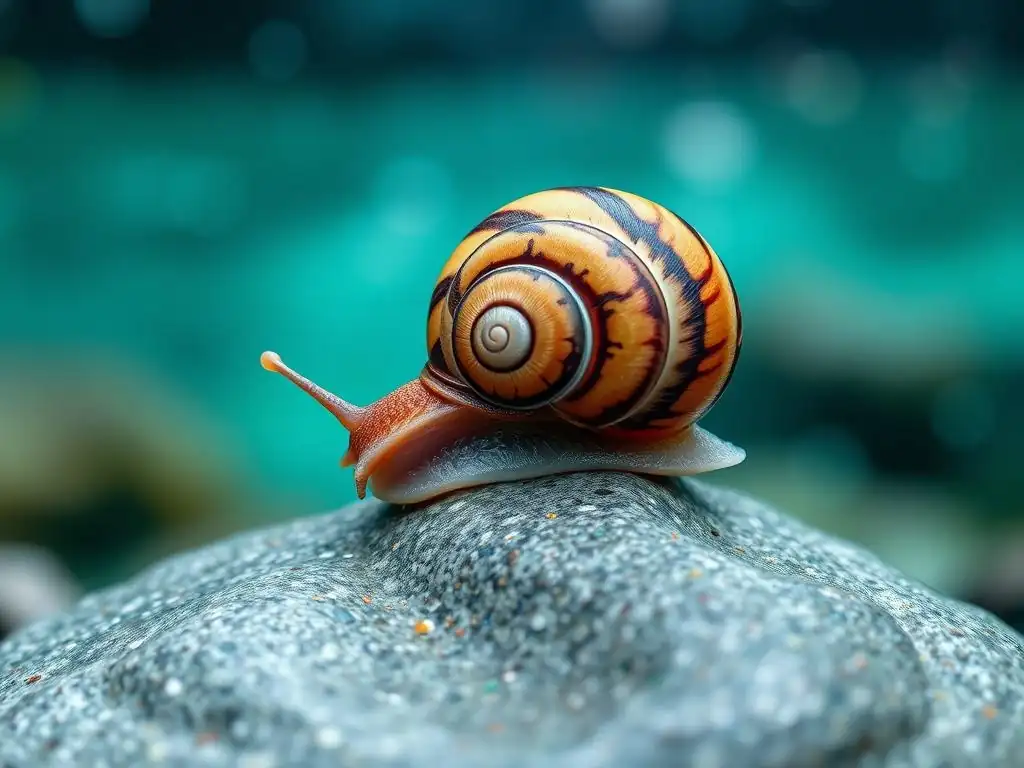
Regular water testing is undeniably the most critical practice for maintaining ideal freshwater snail water parameters and ensuring the long-term health of your aquatic inhabitants. It provides the essential data needed to understand your aquarium's current conditions and identify any deviations before they become problematic. Without consistent testing, you are essentially operating blind, risking the health and lives of your snails.
It is highly recommended to test your water at least once a week, or more frequently if you notice any unusual snail behavior, after adding new livestock, or following any tank maintenance. Focus on key parameters: pH, General Hardness (GH), Carbonate Hardness (KH), ammonia, nitrite, and nitrate. Investing in a reliable liquid test kit, such as the API Freshwater Master Test Kit, is far more accurate than test strips and will provide a comprehensive understanding of your water chemistry, allowing for timely and effective adjustments.
Choosing the Right Substrate for Optimal Water Chemistry
The choice of substrate can significantly influence freshwater snail water parameters, particularly pH, GH, and KH. For snails that thrive in harder, more alkaline water (which includes most common aquarium species like Mystery, Nerite, and Ramshorn snails), incorporating calcium-rich substrates can be highly beneficial. Materials such as crushed coral, aragonite sand, or even limestone gravel slowly dissolve over time, releasing calcium carbonate and buffering the water, thereby helping to maintain a stable, slightly alkaline pH and sufficient hardness.
Conversely, inert substrates like standard aquarium sand or gravel will not directly alter water chemistry, making them suitable if your tap water naturally aligns with ideal snail parameters. However, avoid substrates that are specifically designed to lower pH or soften water, such as certain active soil substrates, unless you are keeping a very specific, unusual type of snail that prefers such conditions, which is rare for popular species. A well-chosen substrate can provide a consistent supply of essential minerals, reducing the need for frequent chemical adjustments and contributing to robust shell health.
Selecting Appropriate Filtration for Snail-Keeping
Selecting the right filtration system is a key aspect of maintaining ideal freshwater snail water parameters and ensuring a safe environment. For snails, the primary concern is often two-fold: effective biological filtration for the nitrogen cycle, and preventing snails from being harmed or trapped by the filter intake. Sponge filters are an excellent choice for snail tanks because they provide superb biological filtration, are gentle, and pose virtually no risk of sucking in even the smallest snails. They are also cost-effective and easy to maintain.
Hang-on-back (HOB) filters and canister filters are also suitable, but their intake tubes should always be covered with a pre-filter sponge or fine mesh. This prevents curious or small snails from being drawn into the impeller, which can be fatal. Regardless of the filter type, ensure it provides adequate biological capacity to process waste and maintain pristine water quality. A well-filtered tank will have stable freshwater snail water parameters, minimal ammonia and nitrite, and manageable nitrate levels, all contributing to a thriving snail population.
The Importance of Water Changes for Snail Health
Regular partial water changes are one of the most fundamental and effective practices for maintaining ideal freshwater snail water parameters and overall aquarium health. This routine directly addresses several critical aspects of water quality. Firstly, it dilutes and removes accumulated nitrates, which, while less toxic than ammonia and nitrite, can still cause stress and health issues in high concentrations. Secondly, water changes replenish essential trace minerals, particularly calcium and magnesium, which snails constantly extract from the water for shell growth and repair.
Furthermore, water changes help to remove dissolved organic compounds and other pollutants that can build up over time, contributing to a healthier, cleaner environment. A typical recommendation is a 20-30% water change weekly. When performing water changes, always ensure that the new water is dechlorinated and, crucially, that its temperature and key parameters (pH, GH, KH) closely match those of the tank water. This minimizes thermal and chemical shock, which can be highly detrimental to the sensitive physiology of freshwater snails.
Troubleshooting Common Water Parameter Problems in Freshwater Snail Tanks
Diagnosing pH Imbalances and Their Effects on Snails
Diagnosing pH imbalances in freshwater snail tanks often begins with observing snail behavior and shell condition. If the pH is too low (acidic), a common symptom in snails is shell erosion, appearing as pitting, thinning, or even holes in their shells. Snails may also become lethargic, retract into their shells more frequently, or exhibit reduced appetite. Causes of low pH often include insufficient buffering capacity (low KH), excessive organic decay (from uneaten food or decaying plants), the presence of large amounts of driftwood, or the use of substrates that lower pH.
Conversely, while less common for causing direct harm to snails unless extremely high (e.g., above 8.5), a very high pH can also stress snails, leading to inactivity or unusual movements. If pH test results confirm an imbalance, carefully adjust it using methods like adding crushed coral or baking soda for low pH, or performing partial water changes with appropriately buffered water. Always make adjustments gradually over several days to avoid shocking your sensitive freshwater snails.
Addressing GH and KH Deficiencies in Snail Aquariums
Deficiencies in General Hardness (GH) and Carbonate Hardness (KH) are common freshwater snail water parameter issues, especially for aquarists with naturally soft tap water. The most telling symptom of low GH in snails is poor shell quality: shells may appear soft, brittle, translucent, or exhibit pitting and erosion. Snails might also grow slowly or struggle to repair minor shell damage. Low KH, while not directly impacting shells, manifests as unstable pH, leading to erratic pH swings that stress snails and can cause sudden deaths.
To address these deficiencies, the first step is to confirm low GH and KH with accurate test kits. Remedies include adding calcium carbonate sources such as crushed coral, aragonite sand, or cuttlebone directly to the tank or in a filter bag. Specialized mineral supplements designed to increase GH (like Seachem Equilibrium) can also be used. For KH, baking soda (sodium bicarbonate) can be used cautiously to raise it, but remember it also increases pH. Regular water changes with appropriately mineralized water are vital. Always implement changes gradually to allow snails to acclimate.
Preventing Ammonia and Nitrite Spikes in Snail Tanks
Ammonia and nitrite spikes are highly toxic freshwater snail water parameter problems that can quickly devastate a snail population. Symptoms in snails include climbing out of the water, staying at the surface, rapid or erratic movements, or conversely, complete lethargy and retraction into their shells. They may also lose their appetite and appear generally unwell. The primary causes of these spikes are an uncycled tank, overfeeding, overstocking, insufficient filtration, or decaying organic matter (dead fish, plants, or snails).
Prevention is paramount: ensure your tank is fully cycled before adding any livestock. Avoid overfeeding; feed only what your snails can consume within a few hours. Do not overstock your tank, as this increases the bioload beyond the filter's capacity. Maintain robust biological filtration and perform regular partial water changes to dilute accumulating nitrates and remove organic waste. In the event of a spike, perform an immediate large water change (50% or more), reduce feeding, and consider using an ammonia-detoxifying product for emergency relief while the filter catches up.
Choosing the Right Snails for Your Water Parameters
Matching Snail Species to Your Existing Water Conditions
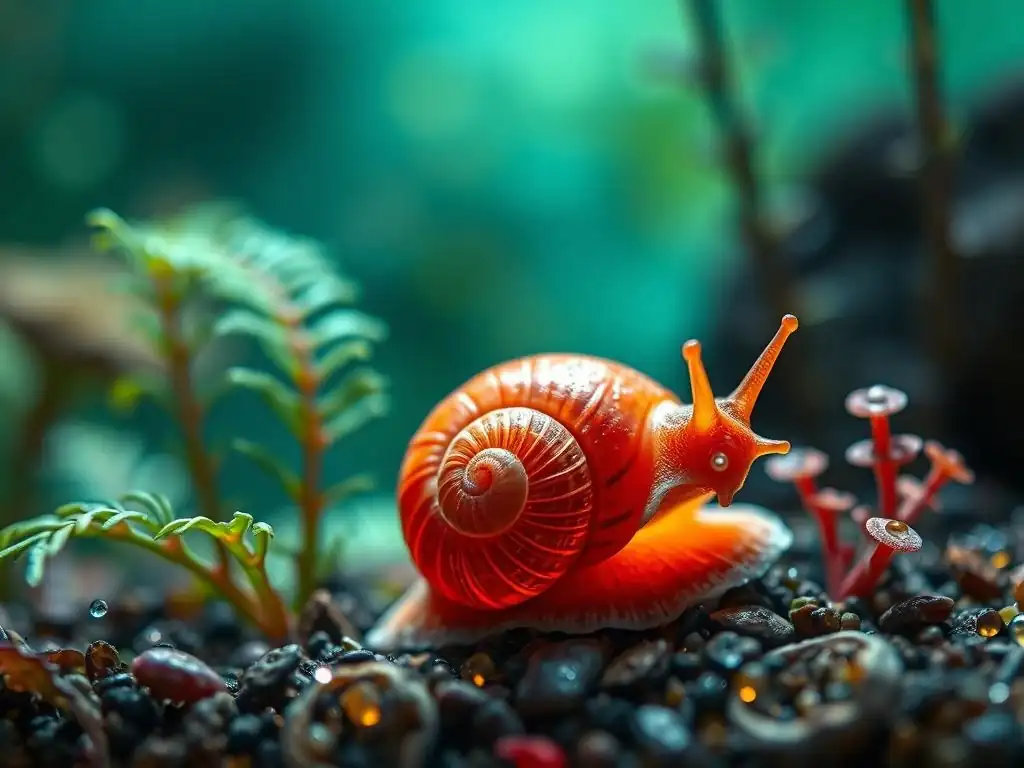
A proactive approach to maintaining ideal freshwater snail water parameters is to choose snail species that naturally thrive in your existing tap water conditions. Attempting to drastically alter your water chemistry on a continuous basis can be challenging and stressful for both the aquarist and the aquarium inhabitants. For instance, if your tap water is naturally hard and alkaline (high pH, GH, and KH), species like Mystery Snails, Nerite Snails, and even many Ramshorn varieties will generally flourish with minimal intervention. These snails are well-suited to extract the necessary calcium for their robust shells from such water.
Conversely, if your source water is naturally soft and acidic, it might be more challenging to consistently maintain the higher pH and hardness levels that most common snails prefer. While some adjustments can be made, it's often simpler and less stressful to select species that are more tolerant of, or even prefer, slightly softer water, though shell health will always benefit from adequate calcium. Researching the specific freshwater snail water parameters for any species before purchase is crucial, ensuring a harmonious match that promotes long-term health and reduces the need for constant chemical adjustments.
Acclimation: Safely Introducing New Snails to Your Aquarium
Safely introducing new snails to your aquarium through proper acclimation is a critical step in maintaining ideal freshwater snail water parameters and preventing shock. Snails are highly sensitive to sudden changes in water chemistry, including temperature, pH, GH, and KH. Rapid shifts can cause severe stress, leading to lethargy, shell closure, and even death. The most recommended method for acclimation is drip acclimation, which slowly introduces your tank's water to the snail's transport bag or container over an extended period.
To perform drip acclimation, place the snail(s) in a small container with their transport water. Using airline tubing and an air stone or a knot to control the flow, siphon water from your main aquarium into the snail's container, allowing it to drip slowly (e.g., 1-2 drops per second). Aim for a process that takes 1-2 hours, gradually mixing the tank water with the transport water.
Once the volume in the container has roughly quadrupled, gently scoop the snails out and place them into your aquarium, discarding the acclimation water. This gradual adjustment allows their internal systems to slowly adapt to the new freshwater snail water parameters, significantly improving their chances of survival and thriving.
Conclusion: Creating a Thriving Habitat for Your Freshwater Snails
Creating a thriving habitat for your freshwater snails hinges entirely on the consistent maintenance of ideal freshwater snail water parameters. This comprehensive guide has underscored the critical importance of key factors such as pH, General Hardness (GH), and Carbonate Hardness (KH), which directly influence shell development, metabolic function, and overall resilience.
We've also highlighted the necessity of stable temperatures, the absolute requirement for zero ammonia and nitrite, and the deadly threat posed by even trace amounts of copper. Consistent water quality is not just a preference; it is the non-negotiable cornerstone for the health and longevity of these fascinating invertebrates.
By diligently performing regular water testing, selecting appropriate substrates and filtration systems, and committing to routine partial water changes, aquarists can proactively manage their freshwater snail water parameters. Furthermore, choosing snail species that are well-suited to your existing water conditions and employing proper acclimation techniques when introducing new inhabitants will significantly reduce stress and enhance their chances of flourishing. A vibrant, active snail population with robust shells is the clearest indicator of a well-maintained and balanced freshwater aquarium ecosystem, a testament to the aquarist's dedication to providing an optimal environment.
Frequently Asked Questions
What are the most important water parameters to monitor for freshwater snails?
The most crucial parameters are pH, GH (General Hardness), and KH (Carbonate Hardness). These significantly impact their shell health and overall survival.
Why is water hardness (GH & KH) so important for freshwater snails?
Snails need calcium to build and maintain their shells. GH provides essential calcium and magnesium, while KH helps stabilize the pH and prevents shell erosion.
What is the ideal pH range for most freshwater snails?
Most freshwater snails thrive in a slightly alkaline environment. Aim for a pH range of 7.0 to 8.0 for optimal health and shell development.
How often should I test my aquarium water parameters when keeping freshwater snails?
Regular testing is key to success. Initially, test at least once a week, and then adjust frequency based on your tank's stability and snail species.
What can I do if my aquarium water parameters are not ideal for freshwater snails?
You can use products like limestone or crushed coral to increase GH and KH. For pH adjustments, use aquarium-safe buffers, always making gradual changes to avoid stressing your snails.
Final Reflection: The Delicate Balance of Aquatic Life
The information presented throughout this article underscores the crucial role of precise water parameters in the health and well-being of freshwater snails. What might seem like minor fluctuations in pH, GH, or KH can have a profound impact, highlighting the delicate balance that sustains these often-overlooked members of our aquatic ecosystems. Understanding and maintaining these parameters is not just about keeping snails alive; it's about fostering a thriving, balanced aquarium environment.
This exploration into the ideal conditions for freshwater snails has profoundly influenced my perspective on responsible aquascaping. It's a constant reminder that we are stewards of miniature ecosystems, and our actions have direct consequences on the lives within. The fate of the snail is inextricably linked to the quality of its environment; a lesson applicable far beyond the confines of an aquarium.
This understanding extends beyond the hobby, urging us to consider the broader implications of environmental stewardship in all aspects of our lives.
Now, armed with this knowledge, I invite you to reflect on your own role in creating a healthy environment, whether it's within your aquarium or in the wider world. Consider the subtle, yet powerful, impact of your choices. Embrace the responsibility of understanding and maintaining the delicate balance that allows life to flourish, and let's work together to ensure a vibrant future for all creatures, great and small.
Unlock Your Snail-Keeping Potential!
Thank you for diving into the world of freshwater snails with us! We hope this article has equipped you with the knowledge to create the perfect aquatic haven for these fascinating creatures. Now, let's put that knowledge into action:
- Commit to testing your tank water parameters at least weekly for pH, GH, and KH, and adjust as needed to maintain optimal conditions for your specific snail species. This is the key to their long-term health!
- Share your snail-keeping journey! Post photos and updates on your aquarium's progress in online forums or social media groups dedicated to freshwater aquariums.
- Research an interesting or uncommon freshwater snail species you've never kept before. Could it be a good fit for your current tank setup, or inspire you to start a new aquarium?
What surprising thing have you learned about snail water parameters today that you're excited to implement in your aquarium?