
Lifespan of Popular Freshwater Crabs: How Long Will They Grace Your Tank?

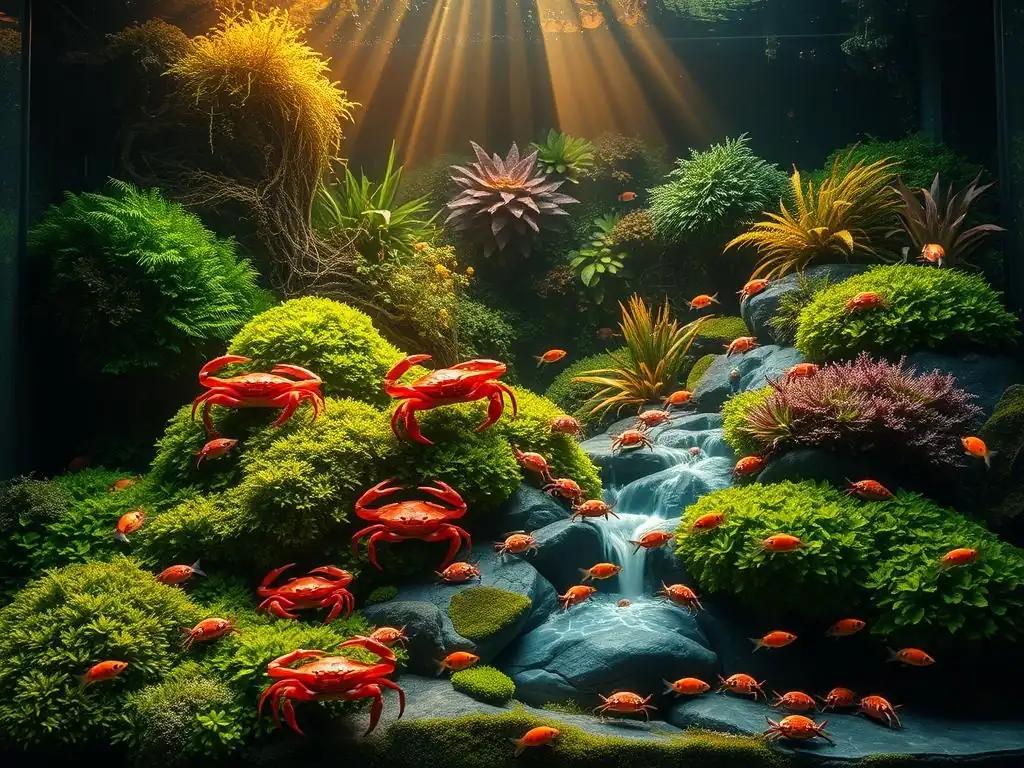
Welcome to Aquarium Mastery!
Ever wondered just how long those captivating freshwater crabs will grace your aquarium with their unique charm? Dive into our comprehensive guide, " Lifespan of Popular Freshwater Crabs: How Long Will They Grace Your Tank?" and uncover the secrets to their longevity. Discover the factors that influence their lifespan and learn how to provide the optimal environment for these fascinating invertebrates. Ready to unlock the key to a thriving crab community? Let's explore!
- Understanding Freshwater Crab Lifespan in the Aquarium
-
Popular Freshwater Crab Species and Their Average Lifespans
- Thai Micro Crab Lifespan (Limnopilos naiyanetri): Expectation and Care
- Red Claw Crab Lifespan (Perisesarma bidens): Maximizing Their Time
- Panther Crab Lifespan (Parathelphusa pantherina): Maximizing Their Time
- Vampire Crab Lifespan (Geosesarma): Creating a Long-Lived Environment
- Fiddler Crab Lifespan (Uca): Brackish Water Considerations Affecting Longevity
- Optimizing Aquarium Conditions to Extend Freshwater Crab Lifespan
- Comparing Freshwater Crab Lifespans: Natural vs. Captive Environments
- Extending Your Freshwater Crab's Life: Proactive Care Tips
- Conclusion: Enjoying a Long and Healthy Relationship with Your Freshwater Crabs
-
Frequently Asked Questions
- How long do popular freshwater crabs typically live in an aquarium setting?
- What factors most significantly impact a freshwater crab's lifespan in an aquarium?
- Does the type of aquarium (freshwater vs. saltwater) affect a crab's potential lifespan?
- What are some signs that a freshwater crab is nearing the end of its natural lifespan?
- Can a freshwater crab's lifespan be extended beyond its average through specific care practices?
- Final Reflection: The Enduring Allure of Miniature Crustaceans
- Unearth the Secrets of Crab Longevity!
Understanding Freshwater Crab Lifespan in the Aquarium
Factors Influencing Freshwater Crab Lifespan in Captivity
The lifespan of a freshwater crab in captivity is intricately linked to a multitude of environmental and care factors, often resulting in a significantly different duration compared to their wild counterparts. Unstable water parameters, such as fluctuating pH or temperature, are primary stressors that can drastically reduce a freshwater crab's lifespan, sometimes by 30-50% from its potential. For instance, even low levels of ammonia, around 0.5 ppm, can lead to severe gill damage and organ failure within days for many sensitive species, preventing them from reaching even a fraction of their natural freshwater crab lifespan aquarium.
Beyond water quality, diet and stress play crucial roles. A diet lacking essential nutrients, particularly calcium and protein, can lead to a common and often fatal issue: molting problems. If a crab cannot successfully shed its old exoskeleton, it will typically perish within hours or days, cutting short its potential life by months or even years. Chronic stress, stemming from aggressive tank mates, insufficient hiding spots, or overcrowding, can suppress a crab's immune system, making it highly susceptible to diseases and further reducing its typical freshwater crab lifespan aquarium duration by several months to a year.
The Importance of Proper Aquarium Conditions for Crab Longevity
Maintaining optimal aquarium conditions is paramount for maximizing the freshwater crab lifespan in a captive environment. Stable water parameters are not merely a recommendation but a necessity; consistently stable temperatures (e.g., 72-78°F for many species like Vampire crabs) and a pH range within their species-specific preference (typically 6.5-7.8) directly contribute to a robust immune system and successful molting cycles, which are critical for survival and growth. A properly cycled tank with undetectable ammonia and nitrite levels can increase a crab's life expectancy by 50% or more compared to tanks with fluctuating or harmful parameters.
Furthermore, the physical setup of the aquarium significantly impacts a crab's longevity. Providing adequate space, appropriate substrate for burrowing, and numerous hiding spots reduces stress and allows for natural behaviors. For example, a 10-gallon tank for a single Red Claw Crab provides enough territory to minimize stress and aggression, potentially extending its freshwater crab lifespan from an average of 1-2 years to 2-3 years, as opposed to a smaller, cramped setup where stress-related issues are more prevalent. A well-designed habitat mimics their natural environment, fostering security and overall well-being.
Popular Freshwater Crab Species and Their Average Lifespans
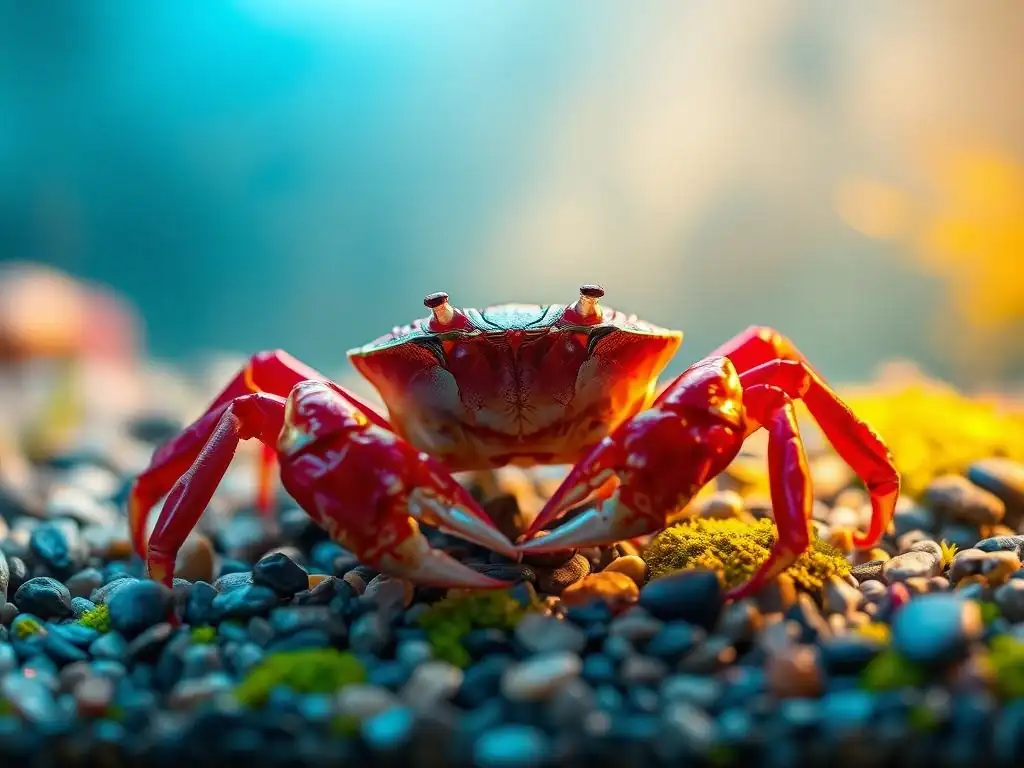
Thai Micro Crab Lifespan (Limnopilos naiyanetri): Expectation and Care
The delicate Thai Micro Crab (Limnopilos naiyanetri), a truly aquatic species, typically has a freshwater crab lifespan aquarium of 1 to 2 years. However, with absolutely pristine water conditions and a meticulously stable environment, some dedicated aquarists have reported individuals living closer to 2.5 years. Their incredibly small size, usually less than 0.5 inches across, renders them exceptionally susceptible to even minor fluctuations in water parameters, necessitating strict adherence to 0 ppm for both ammonia and nitrite, and nitrate levels consistently below 20 ppm for optimal health and extended longevity.
To maximize their inherently brief freshwater crab lifespan, these tiny crustaceans thrive in heavily planted tanks offering abundant mosses and fine-grained substrate, where they can effectively filter feed. They prefer consistent temperatures ranging from 72-78°F (22-26°C) and a neutral to slightly acidic pH of 6.5-7.5. Overfeeding or an excessively high bioload within their tank can rapidly degrade water quality, quickly leading to stress and disease that can dramatically shorten their already limited lives, sometimes reducing their survival to only a few months.
Red Claw Crab Lifespan (Perisesarma bidens): Maximizing Their Time
Red Claw Crabs (Perisesarma bidens) generally exhibit a freshwater crab lifespan aquarium of 1 to 2 years, although exceptionally well-maintained individuals can thrive for up to 3 years. A fundamental requirement for their longevity is consistent access to both land and water, as they are semi-terrestrial by nature. Without a proper, accessible land area, these crabs often succumb to drowning or severe stress-related issues within mere weeks or months, drastically curtailing their potential lifespan and making a suitable paludarium setup essential.
While frequently marketed and sold as freshwater inhabitants, Red Claw Crabs naturally originate from brackish environments. Maintaining a specific gravity of 1.005-1.010 in their water section can significantly extend their freshwater crab lifespan, as pure freshwater continuously stresses their osmoregulation system, potentially reducing their life by 50% or more. A varied diet comprising high-quality sinking pellets, frozen bloodworms, and occasional blanched vegetable matter is also critical for their robust health and successful molting, preventing common nutritional deficiencies that often lead to premature mortality.
Panther Crab Lifespan (Parathelphusa pantherina): Maximizing Their Time
Panther Crabs (Parathelphusa pantherina) stand out as one of the longest-lived freshwater crab species in captivity, boasting an impressive freshwater crab lifespan aquarium of 5 to 8 years, with some dedicated keepers reporting individuals living beyond 10 years under truly ideal conditions. Their remarkable longevity is directly contingent upon the stability and quality of their aquatic environment. As fully aquatic crabs, they demand spacious tanks, typically a minimum of 20 gallons for a single adult, to comfortably accommodate their substantial size (up to 4-5 inches across) and territorial disposition.
Achieving such an extended freshwater crab lifespan necessitates paramount filtration, as these crabs are notoriously messy eaters and generate a significant bioload. Ammonia and nitrite levels must consistently remain at an undetectable 0 ppm, with nitrates kept below 20 ppm. They thrive in warmer temperatures between 75-82°F (24-28°C) and a slightly alkaline pH of 7.0-8.0. A protein-rich diet, including high-quality sinking pellets, earthworms, and appropriate occasional feeder fish, is vital for their robust health, successful molting, and overall long-term vitality.
Vampire Crab Lifespan (Geosesarma): Creating a Long-Lived Environment
Vampire Crabs (Geosesarma species), renowned for their vibrant colors, typically enjoy a freshwater crab lifespan aquarium of 2 to 3 years, with some meticulously cared-for individuals reaching an impressive 4 to 5 years. These captivating, semi-terrestrial crabs mandate a paludarium setup featuring a substantial land area (ideally at least 70% land, 30% water) and consistently high humidity, preferably within the 75-90% range. Without adequate humidity and proper land access, their delicate gills can quickly dry out, leading to severe stress and often death within weeks or months, drastically impacting their potential longevity.
Creating a stable microclimate is absolutely crucial for extending their freshwater crab lifespan. They thrive in temperatures of 72-82°F (22-28°C) and a pH of 7.0-7.8 in their small water sections. A varied and enriching diet of small live insects, such as fruit flies and pinhead crickets, alongside high-quality sinking pellets and occasional blanched vegetables, significantly contributes to their overall health and vitality. Providing ample hiding spots and maintaining an appropriate male-to-female ratio (e.g., 1 male to 2-3 females in a group) helps mitigate inter-crab aggression and stress, which can otherwise prematurely shorten their lives.
Fiddler Crab Lifespan (Uca): Brackish Water Considerations Affecting Longevity
Fiddler Crabs (Uca species) generally exhibit a freshwater crab lifespan aquarium of 1 to 3 years, though some individuals under optimal care may live up to 4 or 5 years. As semi-terrestrial crabs, they demand a substantial land area—at least 50-60% of the tank footprint—for burrowing, foraging, and resting, complemented by a shallow water section. Without adequate land access for their specific needs, they quickly become stressed and may not survive beyond a few months, highlighting the importance of a proper paludarium setup.
A critical factor frequently overlooked in their care, and one that severely impacts their freshwater crab lifespan, is their strict requirement for brackish water, with a specific gravity of 1.005-1.010. Keeping Fiddler Crabs in pure freshwater, a common mistake, imposes immense osmotic stress on their systems, drastically shortening their lifespan by 50% or more, often leading to death within a year. A varied diet rich in protein, detritus, and algae is also essential for their long-term health and successful molting cycles, supporting their overall vitality and ensuring a longer freshwater crab lifespan.
Optimizing Aquarium Conditions to Extend Freshwater Crab Lifespan
Water Parameters: Maintaining Ideal Water Quality for Crab Health
Maintaining pristine water parameters is unequivocally the single most crucial factor in extending a freshwater crab's lifespan in an aquarium. Fluctuations in pH, temperature, or the presence of harmful nitrogenous compounds like ammonia, nitrite, and even high nitrates, can rapidly lead to stress, disease, and premature mortality. For the majority of freshwater crab species, stable temperatures generally ranging between 72-82°F (22-28°C) and a pH range of 6.5-7.8 are broadly suitable, although specific species may possess narrower or more specific preferences.
Ammonia and nitrite, which are toxic byproducts of the nitrogen cycle, accumulate quickly in uncycled or overcrowded tanks. Ammonia (NH3) is exceptionally toxic, with levels as low as 0.25 ppm capable of causing severe gill damage and internal organ failure, leading to rapid deterioration and a significantly shortened freshwater crab lifespan. Nitrite (NO2-), while slightly less acutely toxic, impairs oxygen transport in the crab's blood, leading to suffocation.
Maintaining these at absolute zero (0 ppm) is non-negotiable for ensuring a healthy and prolonged freshwater crab lifespan aquarium. High nitrates (NO3-), particularly above 40 ppm, can cause chronic stress and suppress immune function over time, slowly eroding their vitality and making them more susceptible to disease.
Importance of pH, Ammonia, Nitrite, and Nitrate Levels
The pH level directly influences a freshwater crab's physiological processes, most notably its ability to absorb essential minerals, particularly calcium, which is vital for the formation and hardening of its exoskeleton. A pH value outside their preferred range (e.g., below 6.0 for most species) can lead to severe molting difficulties, a condition where the crab cannot properly shed its old shell, often resulting in death. This common issue alone can effectively cut a crab's freshwater crab lifespan by half or even more, making pH stability critical.
Ammonia and nitrite are metabolic waste products that rapidly accumulate in aquariums, especially those that are uncycled or overstocked. Ammonia (NH3) is acutely toxic even at trace amounts, such as 0.1 ppm, causing immediate damage to gill tissues and internal organs, leading to rapid health decline and often death. Nitrite (NO2-), although slightly less toxic than ammonia, interferes with oxygen uptake, effectively suffocating the crab.
Maintaining both at 0 ppm is absolutely essential for a healthy freshwater crab lifespan aquarium. High nitrate levels (NO3-), typically above 40 ppm, while less immediately lethal, can cause chronic stress, suppress immune function, and lead to long-term health issues over months, gradually diminishing their vitality and shortening their overall lifespan.
Regular Water Changes: A Key to Extended Crab Lifespan
Regular water changes are a fundamental and non-negotiable practice for diluting accumulating nitrates and replenishing essential minerals, directly contributing to a significantly longer freshwater crab lifespan. For most established aquarium setups, a weekly or bi-weekly water change of 20-30% of the tank volume is highly recommended. Neglecting consistent water changes allows for a gradual buildup of toxins and the depletion of vital mineral content, placing the crabs under constant stress and rendering them highly vulnerable to illness and molting complications.
This consistent maintenance routine effectively prevents the onset of "old tank syndrome," a condition where water parameters slowly degrade over time, often unnoticed, until a sudden and often fatal decline in crab health occurs. For example, a tank subjected to consistent 25% weekly water changes is likely to maintain nitrate levels below 15 ppm, fostering a healthier environment. Conversely, a tank receiving only monthly 10% changes might see nitrates climb to 50 ppm or more, significantly reducing the potential freshwater crab lifespan by months or even years due to chronic stress and poor water quality.
Diet and Nutrition: Feeding Your Freshwater Crab for a Long Life
A balanced and highly varied diet is absolutely paramount for ensuring the long-term health and maximizing the freshwater crab lifespan in captivity. Crabs are naturally opportunistic omnivores, and their dietary requirements are complex, encompassing a precise balance of proteins, fats, carbohydrates, essential vitamins, and crucial minerals, particularly calcium, which is indispensable for the integrity and strength of their exoskeleton. A diet relying solely on generic fish flakes or standard pellets is often nutritionally insufficient and can lead to severe deficiencies over time.
Nutritional deficiencies can manifest in a range of debilitating symptoms, including severe molting problems, persistent lethargy, a compromised immune system, and stunted growth, all of which unequivocally shorten a freshwater crab's lifespan. For instance, an insufficient intake of calcium can render molting a perilous, often fatal, event, as the new shell fails to harden properly. Offering a diverse range of high-quality foods, such as premium sinking pellets, frozen bloodworms, brine shrimp, and blanched vegetables, ensures that these fascinating invertebrates receive all the necessary nutrients for robust health and extended vitality.
Proper Diet for Red Claw Crabs
For Red Claw Crabs, a meticulously planned and proper diet is indispensable for ensuring their optimal freshwater crab lifespan, especially given their unique semi-terrestrial and brackish water requirements. Their dietary regimen should be rich in both animal protein and plant matter. High-quality sinking crab pellets or shrimp pellets can serve as an excellent dietary base, which should be generously supplemented with frozen foods like bloodworms, brine shrimp, and Mysis shrimp, offered 2-3 times per week to provide essential animal protein and variety.
Additionally, blanched vegetables such as spinach, zucchini, or peas should be offered regularly to supply crucial plant-based nutrients and fiber. Calcium is profoundly vital for their shell health and successful molting; supplementing their diet with calcium-rich foods or providing a calcium block can proactively prevent molting complications, which are a very common cause of premature death and can significantly shorten their freshwater crab lifespan. It is also crucial to avoid overfeeding to prevent the rapid degradation of water quality, which negatively impacts their health.
Proper Diet for Vampire Crabs
Vampire Crabs, being primarily insectivorous in their natural habitats, thrive on a diet that closely mimics their wild prey, a practice that directly contributes to their extended freshwater crab lifespan. Small live insects such as fruit flies, pinhead crickets, and springtails are exceptional dietary choices, providing not only essential nutrients but also valuable hunting enrichment that stimulates their natural behaviors. These live food items can be offered several times throughout the week to maintain their vigor.
Supplementing their live insect diet with high-quality sinking pellets specifically formulated for omnivorous invertebrates, along with occasional offerings of frozen bloodworms or brine shrimp, ensures a comprehensive and balanced nutritional intake. Furthermore, ensuring they have consistent access to calcium, either directly through their diet or via a calcium supplement, is critically important for successful molts and the development of strong, healthy exoskeletons, ultimately contributing to a longer freshwater crab lifespan aquarium.
Preventing Nutritional Deficiencies in Freshwater Crabs
Preventing nutritional deficiencies is a cornerstone practice for maximizing the freshwater crab lifespan in captivity. This critically involves offering a highly varied diet rather than relying solely on a single, monotonous food source. Many commercially available fish foods, while suitable for fish, often lack the specific mineral and protein ratios that crabs require, leading to long-term health issues such as weakened shells, persistent lethargy, and a heightened susceptibility to various diseases.
To ensure comprehensive nutrition, incorporate a diverse mix of high-quality sinking pellets, a variety of frozen foods (including bloodworms and Mysis shrimp), appropriate live foods (such as small insects for semi-terrestrial species), and blanched vegetables. For larger, more carnivorous species like Panther Crabs, offering occasional small pieces of raw fish or earthworms can provide vital protein and essential fatty acids. Regularly rotating the types of food offered ensures a broad spectrum of nutrients, thereby supporting robust health, vibrant coloration, and a significantly prolonged freshwater crab lifespan.
Tank Size and Setup: Providing the Right Habitat for a Healthy Crab
Adequate tank size and a meticulously designed setup are absolutely fundamental for promoting a healthy and extended freshwater crab lifespan. An appropriately sized aquarium provides sufficient territory, which is crucial for reducing stress stemming from overcrowding and mitigating aggression, especially vital for inherently territorial species like the Panther Crab. For instance, a single adult Panther Crab requires a minimum of a 20-gallon tank, whereas smaller, more communal species such as Thai Micro Crabs can comfortably thrive in 5-10 gallons.
The aquarium setup should meticulously mimic their natural environment as closely as possible. This includes selecting an appropriate substrate that allows for burrowing, providing ample hiding spots (such as caves, driftwood, and dense plant cover), and, for semi-aquatic species, clearly defined and accessible land and water sections. A well-designed habitat significantly reduces stress, encourages natural behaviors, and facilitates successful molting, all of which are critical elements for achieving a long freshwater crab lifespan aquarium.
Substrate and Hiding Places: Promoting a Sense of Security
The careful selection of substrate directly impacts a freshwater crab's ability to burrow, a vital natural behavior essential for security, successful molting, and stress reduction. Fine sand or smooth, small-grained gravel is ideal for burrowing species like Fiddler Crabs and Panther Crabs, enabling them to construct protective burrows that offer a sense of safety. Substrates that are overly coarse or sharp can cause physical injury or completely inhibit burrowing, leading to chronic stress and a significantly shortened freshwater crab lifespan.
An abundance of diverse hiding places is equally crucial for their well-being. Crabs are inherently secretive creatures and require numerous safe retreats from perceived threats, whether from tank mates or even the aquarist's presence. Providing a variety of caves, strategically placed driftwood, stable rock formations, and dense plant cover significantly reduces stress levels. A chronically stressed crab is far more susceptible to illness, has a compromised immune system, and consequently exhibits a significantly reduced freshwater crab lifespan, often by 20-40% compared to a crab thriving in a secure and enriched environment.
Avoiding Overcrowding: Reducing Stress and Increasing Lifespan
Overcrowding is a profound stressor that severely impacts the freshwater crab lifespan. When too many crabs are confined within an insufficient space, competition for vital resources such as food, territory, and essential hiding spots escalates dramatically, leading to constant aggression, chronic stress, and physical injury. This persistent stress weakens their immune systems, rendering them highly susceptible to diseases and making successful molting an increasingly perilous event.
For example, housing multiple territorial Panther Crabs in a tank smaller than 40 gallons can result in relentless conflict, leading to frequent injuries, limb loss, and ultimately, a drastically reduced freshwater crab lifespan, often less than half of their potential 5-8 years. Even for more communal species like Vampire Crabs, insufficient space can still lead to heightened aggression and territorial disputes among individuals, negatively affecting their individual health and the overall group longevity. Adhering strictly to species-specific stocking guidelines is absolutely essential for their long-term well-being and extended life.
Common Diseases and Health Issues Affecting Freshwater Crab Lifespan
Freshwater crabs, despite their often robust appearance, are susceptible to various diseases and health issues that can significantly curtail their freshwater crab lifespan. The most prevalent problems are typically rooted in suboptimal water quality, persistent nutritional deficiencies, and chronic stress. Bacterial infections, fungal infections, and parasitic infestations are frequently observed in individuals whose immune systems are compromised by poor environmental conditions or inadequate care.
Molting problems, often directly caused by an insufficient intake of calcium or iodine, represent a leading cause of mortality in captive crabs. A crab that is unable to successfully shed its old exoskeleton, a condition known as dysecdysis, will typically perish within a few hours or days. Identifying these issues at their earliest stages and promptly addressing their underlying causes is paramount to preventing widespread losses within the aquarium and effectively extending the overall freshwater crab lifespan of your entire invertebrate community.
Identifying and Treating Common Crab Ailments
Early identification of ailments is absolutely crucial for preserving a freshwater crab's lifespan. Aquarists should vigilantly observe for changes in activity levels (e.g., unusual lethargy or hyperactivity), a sudden loss of appetite (refusal to eat), noticeable discoloration (dullness, unusual spots), the appearance of unusual growths, unexplained missing limbs (not attributable to a recent molt), or obvious difficulty during the molting process.
For instance, a crab visibly struggling to shed its shell, commonly termed a "bad molt," is a strong indicator of calcium deficiency or poor water parameters; immediate corrective action, such as adding a calcium supplement or performing a small, targeted water change, can sometimes save the crab and significantly extend its freshwater crab lifespan.
Treatment strategies often involve a multi-pronged approach, focusing on immediate improvement of water quality, providing a meticulously proper and varied diet, and, in some specific cases, administering appropriate medication. Bacterial infections might manifest as cloudy eyes, lethargy, or visible lesions; treating with broad-spectrum antibiotics (if appropriate and available) in a dedicated hospital tank can be effective. Fungal infections, often appearing as white, fuzzy patches on the exoskeleton, typically respond well to antifungal medications. Always isolate affected crabs to prevent disease spread and ensure accurate dosage, thereby protecting the freshwater crab lifespan of your other aquarium inhabitants.
Preventing Parasitic Infections in Aquarium Crabs
Preventing parasitic infections is a vital component of maintaining a healthy and extended freshwater crab lifespan. The most effective and primary method of prevention is the rigorous quarantine of all new aquatic inhabitants, which includes newly acquired crabs, live plants, and even new substrate, for a minimum period of 2-4 weeks before their introduction into the main display tank. This diligent practice helps to ensure that no external or internal parasites, such as anchor worms or various types of flukes, are inadvertently introduced into your established ecosystem.
Furthermore, consistently maintaining excellent water quality and a meticulously clean environment significantly reduces the likelihood of parasitic outbreaks. Stressed crabs with weakened immune systems are considerably more susceptible to parasitic infestations. Regular tank cleaning, prompt removal of all uneaten food, and strictly avoiding overstocking contribute to creating an environment where parasites struggle to thrive, thereby safeguarding the freshwater crab lifespan of your entire invertebrate community and promoting a robust, healthy tank.
Comparing Freshwater Crab Lifespans: Natural vs. Captive Environments
How Wild Habitats Impact Crab Longevity
In their natural habitats, freshwater crabs face a myriad of formidable challenges that often result in a considerably shorter average freshwater crab lifespan compared to what can be achieved in a well-maintained aquarium. Predation from a diverse array of fish, birds, larger invertebrates, and other terrestrial animals is a constant and significant threat. For example, a delicate Thai Micro Crab in the wild might only survive for a few months due to intense predation pressure, whereas in the safety and controlled environment of an aquarium, it can comfortably live for 1-2 years.
Moreover, wild environments are characterized by unpredictable fluctuations in water parameters, pronounced seasonal changes, periods of food scarcity, and intense competition for limited resources, all of which contribute to a higher mortality rate. Natural disasters such as severe droughts, sudden floods, and abrupt temperature shifts can decimate wild crab populations. In stark contrast, a stable and meticulously controlled aquarium environment mitigates these extreme variables, potentially allowing a crab to reach its maximum genetic potential for freshwater crab lifespan.
The Advantages and Disadvantages of Aquarium Life for Crabs
Aquarium life offers significant and distinct advantages for extending the freshwater crab lifespan, primarily through the provision of consistent protection from predators, reliable food availability, and the maintenance of highly stable water parameters. In a meticulously managed tank, crabs are shielded from environmental calamities and intense competition for resources, allowing them to expend less energy on survival and more on crucial processes like growth and reproduction. This controlled environment can substantially increase their chances of reaching their full genetic potential for longevity.
However, aquarium life also presents its own set of disadvantages. Improper tank conditions, such as incorrect water parameters, an inadequate diet, or an unsuitable habitat setup, can drastically shorten their freshwater crab lifespan. Common pitfalls like overcrowding, a lack of proper land access for semi-aquatic species, or chronic stress induced by aggressive tank mates can make aquarium life less favorable than a pristine natural habitat. Furthermore, the confined nature of an aquarium means that any disease outbreak can spread rapidly throughout the limited space, posing a significant risk.
Extending Your Freshwater Crab's Life: Proactive Care Tips
Quarantine New Crabs to Prevent Disease Introduction
Quarantining new freshwater crabs is arguably the single most critical proactive step an aquarist can take to safeguard the health and freshwater crab lifespan of their existing tank inhabitants. A dedicated quarantine tank, even a modest 5-10 gallon setup, provides an invaluable opportunity to observe new arrivals for any subtle signs of disease, parasites, or stress without risking the entire community. A minimum quarantine period of 2-4 weeks is strongly recommended to ensure thorough observation and isolation.
During this crucial quarantine period, you can safely treat any emerging health issues, gradually acclimatize the crab to your specific water parameters, and ensure it is consistently eating well and behaving normally. This preventative practice is instrumental in avoiding the introduction of common ailments like bacterial infections or various external parasites, which could otherwise devastate your main tank's population and drastically shorten the freshwater crab lifespan of all your precious invertebrates.
Monitor Crab Behavior for Early Signs of Illness
Regular and diligent observation of your freshwater crabs is absolutely paramount for the early detection of any health issues, a practice that directly impacts their freshwater crab lifespan. Aquarists should vigilantly look for any changes in activity levels (e.g., unusual lethargy or hyperactivity), a noticeable loss of appetite (persistent refusal to eat), changes in coloration (dullness, unusual spots, or fading), the appearance of abnormal growths, unexplained missing limbs (not attributable to a recent molt), or any visible difficulty during the molting process.
A crab spending excessive time hiding or displaying frantic attempts to escape the tank could often indicate underlying stress or illness.
Pay particularly close attention during the molting process. A healthy molt is typically a quick and seamless event, resulting in a perfectly intact, transparent old exoskeleton left behind. If a crab struggles to molt, appears stuck, or leaves behind a fragmented and incomplete shell, it is a strong indicator of a calcium deficiency or poor water quality, demanding immediate corrective action to prevent a fatal outcome and preserve their freshwater crab lifespan.
Provide Enrichment to Reduce Stress and Promote Activity
Environmental enrichment plays a significant and often underestimated role in reducing stress and promoting natural behaviors, which in turn directly contributes to a longer freshwater crab lifespan. This involves providing a diverse and stimulating landscape within the aquarium, complete with plenty of varied hiding spots, ample climbing opportunities (especially for semi-aquatic species), and varied substrate for burrowing. A mentally and physically stimulated crab is unequivocally a healthier and more resilient crab.
For highly active species like Vampire Crabs, offering small pieces of leaf litter, creating varied terrain with different mosses, or incorporating small branches can provide excellent foraging opportunities and stimulate natural exploration behaviors. For larger, more bottom-dwelling species like Panther Crabs, ensuring ample territorial space and incorporating complex structural elements reduces territorial disputes and promotes individual well-being. These thoughtful enrichments prevent boredom and lethargy, strengthen their immune systems, and ultimately allow them to live out their full freshwater crab lifespan.
Conclusion: Enjoying a Long and Healthy Relationship with Your Freshwater Crabs
Frequently Asked Questions
How long do popular freshwater crabs typically live in an aquarium setting?
The lifespan varies depending on the species, but many popular freshwater crabs in aquariums, like the Red Claw Crab, live for approximately 2-3 years. However, some species can live significantly longer with optimal care.
What factors most significantly impact a freshwater crab's lifespan in an aquarium?
Water quality, diet, and tank size are crucial. Poor water conditions, an inadequate diet, or an overly cramped environment can drastically shorten a crab's life.
Does the type of aquarium (freshwater vs. saltwater) affect a crab's potential lifespan?
Yes, significantly. This article focuses on freshwater crabs, which have different requirements than saltwater species. Putting a saltwater crab in freshwater, or vice versa, will be fatal.
What are some signs that a freshwater crab is nearing the end of its natural lifespan?
Signs can include decreased activity, reduced appetite, and difficulty molting. These can also indicate other health problems, so proper observation is key.
Can a freshwater crab's lifespan be extended beyond its average through specific care practices?
Yes, providing a pristine environment, a varied and nutritious diet, and ample space can help maximize a freshwater crab's lifespan. Regular monitoring of water parameters is also essential.
Final Reflection: The Enduring Allure of Miniature Crustaceans
The exploration of freshwater crab lifespan in aquariums reveals more than just numbers; it unveils a commitment to understanding and providing optimal care for these fascinating creatures. In a world increasingly disconnected from nature, the act of nurturing a miniature ecosystem within our homes becomes a powerful statement of responsibility and appreciation for biodiversity.
The journey of keeping freshwater crabs, and understanding their lifespan, profoundly impacts our perception of time and responsibility. It's a reminder that even the smallest lives deserve our respect and dedication. The greatness of a nation and its moral progress can be judged by the way its animals are treated.
- Mahatma Gandhi. This quote resonates deeply when considering the ethical implications of keeping any animal, including these captivating crabs, and striving to provide them with the best possible life.
Now, consider the legacy you wish to create. Will you simply observe these creatures, or will you actively contribute to their well-being and the broader understanding of their needs? Let this knowledge of freshwater crab lifespans inspire you to become a conscientious aquarist, fostering a thriving environment where these miniature crustaceans can flourish and grace your tank for years to come.
Unearth the Secrets of Crab Longevity!
Thank you for diving into the fascinating world of freshwater crab lifespans! Now that you're armed with the knowledge to appreciate and care for these captivating creatures, let's put that understanding into action.
- Embark on a quest to discover the specific needs of your crab species. Deepen your research and unlock the secrets to their optimal care, ensuring a long and happy life in your aquarium.
- Share your crab-keeping experiences and newfound knowledge with fellow aquarists. Inspire others to provide the best possible homes for these often-misunderstood animals.
- Commit to recording and observing your crab's behavior over time. You may uncover unique insights into their life cycle that can benefit the entire aquarium community!
What unique care strategy will you adopt to help your freshwater crab thrive beyond its average lifespan?