
Dragon Wrasse (Novaculichthys taeniourus): From Cute Juvenile to Master Tank Renovator

Welcome to Aquarium Mastery!
Intrigued by the Dragon Wrasse? These fascinating fish are more than just adorable juveniles; they're powerful tank renovators! Ever wondered how to create the perfect environment for them to thrive, transforming your saltwater aquarium into a vibrant and healthy ecosystem? Our comprehensive Dragon Wrasse tank setup guide dives deep into everything you need to know. Discover the secrets to a happy and healthy Dragon Wrasse and unlock the potential of this captivating species. Keep reading to learn more!
- Understanding the Dragon Wrasse: An Introduction to Novaculichthys taeniourus
- Dragon Wrasse Care Guide: Setting Up the Ideal Tank
- Dragon Wrasse Behavior and Compatibility in a Reef Tank
- Dragon Wrasse Health and Disease: Prevention and Treatment
- Dragon Wrasse Tank Setup Guide: A Step-by-Step Approach
- Is a Dragon Wrasse Right for Your Aquarium? Assessing Suitability
- Dragon Wrasse: Frequently Misunderstood Aspects
- Frequently Asked Questions
- Final Reflection: Embracing the Dragon Wrasse's Transformative Power
- Ignite Your Aquarium Transformation!
Understanding the Dragon Wrasse: An Introduction to Novaculichthys taeniourus
What Makes the Dragon Wrasse Unique? Identifying Key Characteristics
The Dragon Wrasse, scientifically known as Novaculichthys taeniourus, stands out in the marine aquarium hobby due to its remarkable physical transformation and distinctive behaviors. Juveniles exhibit an extraordinary camouflage, often resembling floating dead leaves or algae with their elongated bodies, cryptic coloration (typically mottled brown, red, and white), and peculiar swimming patterns that mimic debris drifting in currents. This early appearance is a stark contrast to their mature form.
As they transition into adulthood, Dragon Wrasses undergo a dramatic metamorphosis. Their coloration deepens, often developing complex patterns of greens, blues, and browns, with more defined markings. Adults can reach impressive sizes, typically growing to about 8-10 inches (20-25 cm) in captivity, though wild specimens have been recorded up to 11 inches (28 cm). Beyond their appearance, their unique burrowing and sand-sifting habits are what truly define them, earning them the nickname "tank renovator" among aquarists.
Dragon Wrasse Habitat: Natural Environment and Distribution
The natural habitat of the Dragon Wrasse spans the vast Indo-Pacific region, extending from the Red Sea and East Africa across to the Hawaiian Islands and French Polynesia, and northward to southern Japan. They are commonly found in shallow, coastal waters, typically inhabiting sandy flats, rubble zones, and areas adjacent to coral reefs or seagrass beds. Their preferred depth ranges from just a few feet down to about 60 feet (18 meters), where they can readily access suitable substrate for burrowing.
These environments are characterized by warm tropical waters with stable salinity and a rich abundance of small invertebrates living within the sand and rubble. The Dragon Wrasse thrives in areas where the substrate allows for easy excavation, providing both a hunting ground for prey and a secure refuge from predators. Understanding these natural preferences is paramount for anyone planning a Dragon Wrasse tank setup guide, as replicating these conditions is key to their long-term health and well-being in captivity.
Dragon Wrasse Care Guide: Setting Up the Ideal Tank
Dragon Wrasse Tank Size: How Much Space Do They Need?
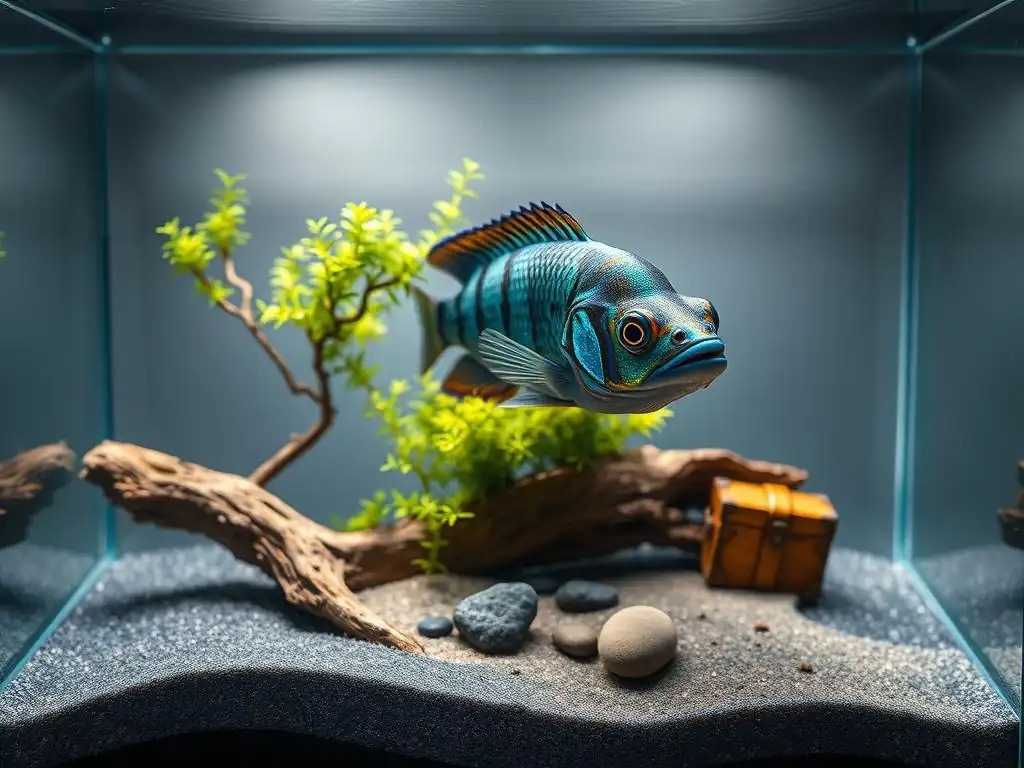
Due to their active nature and potential adult size, a substantial aquarium is a non-negotiable requirement for the Dragon Wrasse. A minimum tank size of 75 gallons (approximately 284 liters) is often cited for a single adult, providing adequate swimming space and room for their characteristic burrowing. However, a 100-gallon (around 378 liters) or larger aquarium is highly recommended to ensure stable water parameters, reduce stress, and allow for a truly deep sand bed, which is vital for this species.
Larger tanks offer several advantages: they provide more stable water chemistry, dilute waste products more effectively, and offer ample territory, which can help mitigate potential aggression towards tank mates. A cramped environment, often seen in smaller tanks, can lead to stunted growth, increased susceptibility to disease, and behavioral issues. Therefore, selecting an appropriately sized aquarium is the foundational step in any comprehensive Dragon Wrasse tank setup guide.
Water Parameters for Dragon Wrasses: Achieving Optimal Conditions
Maintaining stable and pristine water parameters is critical for the health of a Dragon Wrasse. The ideal temperature range for these tropical fish is between 72-78°F (22-26°C). Salinity should be kept stable at a specific gravity of 1.020-1.025. The pH level should consistently range from 8.1 to 8.4, and alkalinity should be maintained between 8-12 dKH. Ammonia and nitrite levels must always be undetectable (0 ppm), while nitrates should be kept below 20 ppm, ideally under 10 ppm.
Sudden fluctuations in these parameters can cause significant stress, weakening the fish's immune system and making it vulnerable to diseases such as marine ich or bacterial infections. Regular water testing, at least weekly for ammonia, nitrite, nitrate, and salinity, and bi-weekly for pH and alkalinity, is essential. Consistent water changes, typically 10-20% bi-weekly or 5-10% weekly, using high-quality RODI water and marine salt, are vital for replenishing trace elements and maintaining optimal conditions in a Dragon Wrasse tank setup guide.
Substrate Selection: Why Sand is Crucial for Dragon Wrasse Health
The choice of substrate is perhaps the most critical aspect of a Dragon Wrasse tank setup guide. Fine, soft sand is not merely preferred; it is absolutely essential for the health and natural behavior of Novaculichthys taeniourus. Dragon Wrasses are obligate burrowers, meaning they instinctively bury themselves for sleep, to escape perceived threats, or simply as part of their natural daily routine.
Using coarse gravel, crushed coral, or rough substrates can cause severe abrasion to their delicate skin, fins, and mouths as they burrow, leading to open wounds and subsequent bacterial infections. A fine aragonite sand with a grain size of 0.5-2 mm is ideal, as it is soft enough to prevent injury while also contributing to the tank's buffering capacity. Live sand can also be beneficial, providing a natural source of beneficial bacteria and microfauna.
The Importance of Deep Sand Beds for Dragon Wrasses
Beyond simply using sand, the depth of the sand bed is equally important for a Dragon Wrasse. A minimum sand bed depth of 4-6 inches (10-15 cm) is recommended for an adult Dragon Wrasse to allow them to fully submerge and create comfortable burrows. In larger aquariums, even deeper beds, up to 8 inches (20 cm), can provide enhanced security and ample space for their extensive tunneling activities.
This substantial depth serves multiple purposes. It enables the wrasse to exhibit its natural burrowing behavior without stress or injury, which is crucial for its psychological well-being. Furthermore, a deep sand bed can support a thriving population of beneficial microfauna and infauna, which the wrasse will actively forage upon, mimicking its natural diet. It also contributes to the biological filtration of the aquarium, particularly in a deep sand bed (DSB) system, aiding in nitrate reduction.
Dragon Wrasse Diet and Feeding: Ensuring Proper Nutrition
What Do Dragon Wrasses Eat? A Detailed Look at Their Natural Diet
In their native Indo-Pacific habitats, Dragon Wrasses are primarily carnivorous and highly specialized predators. Their natural diet consists almost entirely of small invertebrates found within the sandy substrate and among rubble. This includes a diverse array of crustaceans such as copepods, amphipods, and isopods, as well as various types of marine worms, small mollusks, and even tiny brittle stars. They employ their keen eyesight and strong, protractile jaws to sift through the sand, meticulously hunting for these hidden food sources.
This constant foraging and sifting behavior in the wild is what directly translates to their "renovator" reputation in the aquarium. They are opportunistic hunters, constantly patrolling and disturbing the substrate in search of their next meal. Understanding this natural feeding strategy is fundamental to providing a proper Dragon Wrasse tank setup guide, as it dictates their dietary needs in captivity.
Supplementing Their Diet in the Aquarium
To ensure proper nutrition in the aquarium, the Dragon Wrasse's diet must be varied and rich in protein, closely mimicking their natural intake. High-quality frozen foods should form the staple of their diet, including enriched mysis shrimp, brine shrimp, finely chopped fresh seafood (such as squid, clams, or silversides), and various types of marine worms. Offer small portions two to three times a day rather than a single large feeding, encouraging their natural foraging instincts.
While some Dragon Wrasses may occasionally accept high-quality marine pellets or flakes, these should only be offered as a supplement and never as the primary food source. Periodically offering live foods, such as blackworms or small feeder shrimp, can further stimulate their hunting drive and provide additional enrichment. A well-rounded and consistent feeding regimen is essential for maintaining their vibrant coloration, robust immune system, and overall longevity.
Dragon Wrasse Behavior and Compatibility in a Reef Tank
Juvenile vs. Adult Dragon Wrasse Behavior: Understanding the Transformation
The behavioral metamorphosis of the Dragon Wrasse is as striking as its physical transformation. Juvenile Dragon Wrasses are typically shy, cryptic, and exhibit a fascinating "leaf mimicry" behavior. They often float motionless, swaying gently with water currents, effectively blending in with debris to avoid predators. During this stage, they are generally more peaceful and less disruptive to the aquascape, spending a considerable amount of time buried in the sand or hiding among rockwork.
As they mature, adult Dragon Wrasses become significantly more active, bolder, and more assertive. Their characteristic sand-sifting and burrowing behaviors intensify dramatically, becoming a continuous process throughout the day. This shift can be quite surprising for aquarists who only experienced the docile juvenile. Their constant re-sculpting of the substrate is a defining trait of the adult Dragon Wrasse, making this behavioral understanding crucial for any aquarist considering a Dragon Wrasse tank setup guide.
Dragon Wrasse Tank Mates: Choosing Compatible Species
Selecting appropriate tank mates for a Dragon Wrasse requires careful consideration, especially given their adult size and active, sometimes assertive, nature. Compatible species should be robust, peaceful to semi-aggressive fish that can tolerate the wrasse's constant activity and potential territoriality. Good choices include larger tangs (e.g., Yellow Tangs, Purple Tangs), larger angelfish (e.g., Emperor Angelfish, Blueface Angelfish), and certain triggerfish (with caution, as some can be overly aggressive). Other large, non-aggressive wrasse species might also work, though it's generally best to keep only one Dragon Wrasse per tank due to conspecific aggression.
It is paramount to choose tank mates that are too large to be considered prey and are not easily intimidated by the wrasse's relentless substrate disturbance. They should also thrive in the stable water parameters essential for the Dragon Wrasse. Introducing all tank mates simultaneously or adding the Dragon Wrasse last, particularly if it's a juvenile, can sometimes help establish a more peaceful hierarchy within the aquarium.
Fish to Avoid Keeping with Dragon Wrasses
When planning a Dragon Wrasse tank setup guide, it is crucial to identify species that are incompatible. Avoid any small, timid, or slow-moving fish that could be stressed, harassed, or even preyed upon by an adult Dragon Wrasse. This includes most species of gobies, blennies, smaller cardinalfish, and very delicate, sensitive species. Any fish that spends a significant amount of time on or near the substrate, especially small invertebrates like ornamental shrimp or crabs, are at high risk of being consumed.
Furthermore, avoid keeping Dragon Wrasses with other wrasses of similar appearance or size, particularly other Dragon Wrasses, unless housed in an exceptionally large aquarium (e.g., 200+ gallons) with extensive rockwork and territory. Severe aggression and territorial disputes are highly likely in smaller confines. Most ornamental invertebrates, including snails, hermit crabs, and smaller ornamental shrimp, will be seen as food and quickly eradicated.
The Dragon Wrasse as a "Renovator": Understanding Their Sand-Sifting Behavior
The moniker "tank renovator" for the Dragon Wrasse is derived from its incessant and powerful sand-sifting behavior. This process involves the wrasse taking mouthfuls of sand, sifting through it to extract small invertebrates and food particles, and then expelling the fine sand particles through its gill slits. This continuous activity results in significant displacement of the substrate, often leading to the creation of mounds, valleys, and even the burial of smaller rockwork or corals if they are not securely positioned.
This behavior is not merely a quirk; it is an instinctual and vital part of their foraging strategy, directly linked to their natural diet. Aquarists must acknowledge and plan for this constant re-sculpting of the substrate, as it is a defining characteristic of the species. It fundamentally influences every aspect of a Dragon Wrasse tank setup guide, from the choice of substrate to the method of aquascaping.
Benefits and Drawbacks of Dragon Wrasse Sand-Sifting
The sand-sifting behavior of the Dragon Wrasse offers both advantages and disadvantages in the aquarium environment. On the beneficial side, their constant activity aerates the sand bed, preventing the formation of anaerobic pockets, which can release harmful hydrogen sulfide gas into the water. This sifting also helps to keep the sand surface clean by preventing detritus buildup. Moreover, it provides crucial mental and physical stimulation for the wrasse, fulfilling a natural urge and contributing to a healthier, less stressed fish.
However, the drawbacks are significant and require careful management. The primary concern is the constant rearrangement of the aquascape. Unsecured rocks, coral frags, or even larger coral colonies can be undermined and topple, potentially damaging the tank structure, breaking corals, or injuring other tank inhabitants. The vigorous sifting can also temporarily cloud the water as fine sand particles are suspended, which can be irritating to sensitive corals or filter-feeding invertebrates. Therefore, securing all rockwork directly to the tank bottom or using marine-safe epoxy is an absolute necessity in a Dragon Wrasse tank setup guide.
Dragon Wrasse Health and Disease: Prevention and Treatment
Common Diseases Affecting Dragon Wrasses
Like many marine fish, Dragon Wrasses are susceptible to common saltwater diseases, particularly when stressed by inadequate water quality, an insufficient diet, or inappropriate tank mates. Marine Ich ( Cryptocaryon irritans) and Velvet ( Amyloodinium ocellatum) are two of the most prevalent parasitic infections, typically manifesting as white spots or a dusty, greyish film on the fish's body and fins. Bacterial infections, such as fin rot or cloudy eyes, can also occur, often as secondary infections stemming from poor water conditions or physical injuries from burrowing in unsuitable substrate.
Stress is a major factor that compromises a Dragon Wrasse's immune system, making it more vulnerable to pathogens. A fish experiencing stress due to a lack of adequate burrowing space, aggression from tank mates, or fluctuating water parameters will be significantly more prone to disease. Early detection of symptoms and prompt treatment are crucial for recovery. Maintaining pristine water quality, providing a varied and nutritious diet, and ensuring an appropriate Dragon Wrasse tank setup guide environment are the best preventative measures against disease.
Quarantine Procedures for New Dragon Wrasses
A dedicated quarantine tank (QT) is an absolutely essential tool for any aquarist planning to add a new Dragon Wrasse to their display system. This separate tank, typically 20-30 gallons for a single wrasse, should be equipped with a heater, a small powerhead for circulation, and simple PVC pipes or a few pieces of inert rock for hiding.
A bare bottom is ideal for easy cleaning and observation, though a very shallow (1-2 inch) sand bed can be provided to allow for some burrowing behavior if deemed necessary. The new fish should remain in the QT for at least 3-4 weeks.
During the quarantine period, the Dragon Wrasse can be slowly acclimated to aquarium foods, observed closely for any signs of disease, and treated if necessary without risking the health of the established inhabitants in the main display tank. Prophylactic treatments for common parasites (e.g., with copper or chloroquine phosphate) can be administered if desired, though careful observation and maintaining excellent water quality in the QT are often sufficient. This critical step significantly minimizes the risk of introducing pathogens into a healthy Dragon Wrasse tank setup guide.
Dragon Wrasse Tank Setup Guide: A Step-by-Step Approach
Step 1: Preparing the Dragon Wrasse Aquarium
The first step in a successful Dragon Wrasse tank setup guide is to select an appropriately sized aquarium, ideally 75-100 gallons or larger, along with a sturdy stand capable of supporting its considerable weight. Position the tank in a stable location, away from direct sunlight, drafts, or high-traffic areas. Install all necessary equipment: a reliable heater, an adequately sized protein skimmer (oversizing is beneficial), powerheads to ensure strong water circulation (aim for 10-20 times the tank volume per hour), and appropriate lighting. Ensure all equipment is properly installed, tested, and functioning before adding water.
Next, introduce a deep sand bed of fine aragonite sand, with a recommended depth of 4-6 inches (10-15 cm) at minimum. Carefully place and securely arrange live rock, ensuring that all pieces are stable and cannot be undermined or toppled by the wrasse's powerful burrowing. Use marine-safe epoxy or zip ties to permanently secure rockwork. Fill the tank with high-quality RODI water mixed with a good marine salt to the correct salinity (1.020-1.025). Finally, begin the cycling process, allowing beneficial nitrifying bacteria to establish over several weeks (typically 4-6 weeks).
Step 2: Introducing the Dragon Wrasse to Its New Home
Once your main display tank is fully cycled, its water parameters are stable, and the Dragon Wrasse has completed its quarantine period (if you've followed best practices) and appears healthy, it's time for introduction. Dim the aquarium lights to minimize stress on the new arrival. Slowly acclimate the wrasse to the new tank's water parameters using a drip acclimation method, allowing 30-60 minutes for a gradual adjustment to differences in pH, temperature, and salinity.
Gently release the wrasse into the tank, allowing it to explore and find its own hiding spots. It is common for Dragon Wrasses to immediately bury themselves in the sand upon introduction; this is normal behavior and a sign they feel secure. Avoid disturbing the tank unnecessarily for the first 24-48 hours, allowing the fish ample time to settle into its new environment. Do not attempt to feed the fish immediately after introduction; wait until the next day to offer food.
Step 3: Monitoring and Maintaining Water Quality
Consistent and vigilant monitoring of water quality is paramount for the long-term health and success of a Dragon Wrasse tank setup guide. Regularly test key parameters such as temperature, salinity, pH, ammonia, nitrite, and nitrate, at least on a weekly basis. Perform routine water changes, typically 10-20% every two weeks or 5-10% weekly, using freshly mixed RODI saltwater. This practice helps to replenish vital trace elements that are consumed by inhabitants and removes accumulated nitrates and other waste products.
Beyond regular testing and water changes, ensure that your protein skimmer is cleaned regularly to maintain its efficiency in waste removal. Perform routine maintenance on all filters, powerheads, and other equipment to ensure optimal performance. Most importantly, observe your Dragon Wrasse daily for any subtle changes in behavior, appetite, or physical appearance, as these can be early indicators of stress or disease. A proactive and consistent approach to water quality maintenance is the cornerstone of a thriving Dragon Wrasse aquarium.
Is a Dragon Wrasse Right for Your Aquarium? Assessing Suitability
The Pros and Cons of Keeping a Dragon Wrasse
Keeping a Dragon Wrasse presents a unique set of rewards and challenges for the marine aquarist. On the positive side, they are captivating fish with distinct personalities and a fascinating behavioral transformation from juvenile to adult. Their active sand-sifting behavior can contribute to substrate aeration and help control populations of small pests within the sand bed. Once established in a suitable environment, they are generally hardy and can become very responsive to their owners, adding significant character and visual interest to a large marine aquarium. Their striking appearance, particularly as mature adults, is a major draw for many hobbyists.
However, there are significant drawbacks that must be carefully considered. Their "renovator" behavior can be highly disruptive to aquascapes, necessitating extremely secure rockwork. They require a very large aquarium with a substantial, deep sand bed, which limits their suitability for many home aquariums. Dragon Wrasses can be aggressive towards smaller or more docile tank mates and will actively prey on many desirable invertebrates commonly found in reef tanks. Their specialized diet and constant foraging mean they need consistent, varied feeding. These factors are critical considerations for anyone contemplating a Dragon Wrasse tank setup guide.
Dragon Wrasse for Beginners: Considerations Before Purchasing
The Dragon Wrasse is generally not recommended for novice marine aquarists. Their specific and demanding requirements for tank size, a deep and soft sand bed, precise water parameters, and a varied diet necessitate a level of experience and commitment that typically exceeds a beginner's capabilities. Understanding their dramatic behavioral transformation from a shy juvenile to a powerful, active, and potentially aggressive adult is crucial before making a purchase decision.
Beginners should first gain solid experience with more forgiving and less demanding marine species, mastering the intricacies of saltwater aquarium maintenance, water chemistry, and fish health. The financial investment required for a large aquarium and robust filtration equipment, coupled with the ongoing commitment to their unique care needs, makes the Dragon Wrasse a much better fit for intermediate to advanced hobbyists. A successful Dragon Wrasse tank setup guide truly requires a dedicated and knowledgeable aquarist.
Dragon Wrasse: Frequently Misunderstood Aspects
Common Misconceptions about Dragon Wrasse Care
One of the most pervasive misconceptions about Dragon Wrasse care is that they can thrive in smaller aquariums, particularly because juveniles are often sold when quite small. This is fundamentally false; they grow rapidly and require substantial space (75-100+ gallons) to prevent stunting, stress, and behavioral issues. Another common myth is that they are entirely "reef-safe."
While they typically don't directly consume corals, their relentless sand-sifting can bury smaller corals, dislodge unsecured frags, and constantly stir up the substrate, leading to cloudy water that can irritate sensitive corals. This makes them incompatible with delicate, high-end reef setups unless extensive precautions are taken.
Furthermore, many aquarists mistakenly view their sand-sifting as merely a quirky behavior rather than an essential physiological and behavioral need. Underestimating the critical requirement for a deep, soft sand bed is a common error in Dragon Wrasse tank setup guide attempts, leading to stressed and unhealthy fish. Additionally, some assume they are inherently peaceful, failing to account for their significant behavioral shift from a shy juvenile to a bold, assertive adult.
Debunking Myths About Dragon Wrasse Behavior
A prevalent myth surrounding Dragon Wrasse behavior is that their fascinating "leaf mimicry" in the juvenile stage is a permanent trait. While captivating, this behavior largely diminishes as they mature, replaced by the more active, bold foraging and burrowing of adults. Another misconception is that they serve as "reef janitors" that will effectively clean the sand bed. While they do sift through the sand, their primary motivation is foraging for food, and they are not a substitute for proper tank maintenance or a dedicated clean-up crew; in fact, they will often consume beneficial invertebrates.
Some hobbyists mistakenly believe that multiple Dragon Wrasses can be kept together in a single tank, often leading to severe territorial battles, injury, and even fatalities. Unless the aquarium is exceptionally large (several hundred gallons) and provides extensive, distinct territories, a single Dragon Wrasse is the only viable option. Understanding these crucial behavioral nuances, rather than relying on common myths, is paramount for a successful Dragon Wrasse tank setup guide and ensuring the long-term well-being of this unique species.
Frequently Asked Questions
How big of a tank does a Dragon Wrasse need?
Dragon Wrasses require a large tank, ideally 200 gallons or more, due to their size and active digging behavior. Smaller tanks will not provide adequate space for them to thrive.
What kind of substrate is best for a Dragon Wrasse tank?
A deep sand bed, at least 4-6 inches deep, is crucial. This allows the Dragon Wrasse to exhibit its natural digging and sifting behavior, and provides a place for it to sleep and hide.
What type of fish are compatible with a Dragon Wrasse?
Careful consideration is needed. Avoid small, docile fish as they may become prey. Larger, more assertive fish that can tolerate the wrasse's activity level are generally better tank mates.
What should I feed my Dragon Wrasse?
Dragon Wrasses are carnivores and require a varied diet. Offer a mix of meaty foods such as frozen mysis shrimp, brine shrimp, chopped seafood, and high-quality sinking pellets to ensure they receive proper nutrition.
How can I prevent my Dragon Wrasse from uprooting corals or disturbing the tank structure?
While difficult to completely eliminate, using heavy, well-secured rockwork and avoiding delicate corals can help. Monitor the wrasse's behavior and adjust the tank setup as needed to minimize disturbance.
Final Reflection: Embracing the Dragon Wrasse's Transformative Power
The journey of the Dragon Wrasse, from its endearing juvenile form to its powerful adult role in the aquarium ecosystem, mirrors a broader truth: growth and transformation are inherent to life, demanding adaptability and respect for the process. Understanding the nuances of a Dragon Wrasse tank setup is not merely about creating a suitable environment for a fascinating creature; it's about appreciating the dynamic interplay between life stages and the responsibility we bear as stewards of these miniature ecosystems.
The Dragon Wrasse's life cycle, with its dramatic shift in appearance and behavior, serves as a potent reminder of the constant evolution within ourselves and the world around us. Witnessing this transformation firsthand in an aquarium setting fosters a deeper connection to the natural world and underscores the importance of providing optimal conditions for all living beings to thrive. The only constant in life is change.
- Heraclitus. This ancient wisdom resonates profoundly when observing the Dragon Wrasse, a living embodiment of adaptation and resilience.
As you consider implementing the Dragon Wrasse tank setup guide, I encourage you to reflect not only on the practical aspects of creating a suitable habitat, but also on the broader implications of nurturing life and embracing change. Let the Dragon Wrasse's transformative journey inspire you to cultivate adaptability, responsibility, and a profound appreciation for the dynamic beauty of the natural world in your own life.
Ignite Your Aquarium Transformation!
Thank you for diving into the fascinating world of the Dragon Wrasse! We hope you’ve gained valuable insights into its unique life cycle and aquarium compatibility. Now, it's time to take action and enrich your aquarium experience.
Here are a few steps you can take:
- Carefully evaluate your tank's ecosystem to ensure it's suitable for a juvenile Dragon Wrasse, considering its adult size and substrate needs before introducing one.
- Share this article with fellow aquarium enthusiasts! Spread the word and help others discover the wonder of these fascinating fish.
- Research compatible tank mates and innovative substrate options to cater to the Dragon Wrasse's unique behaviors and contribute to a thriving underwater environment.
What innovative substrate solutions are you considering to mimic a Dragon Wrasse's natural foraging environment?