
Decoding Tang Stress Signals: A Visual Guide to Proactive Health Care

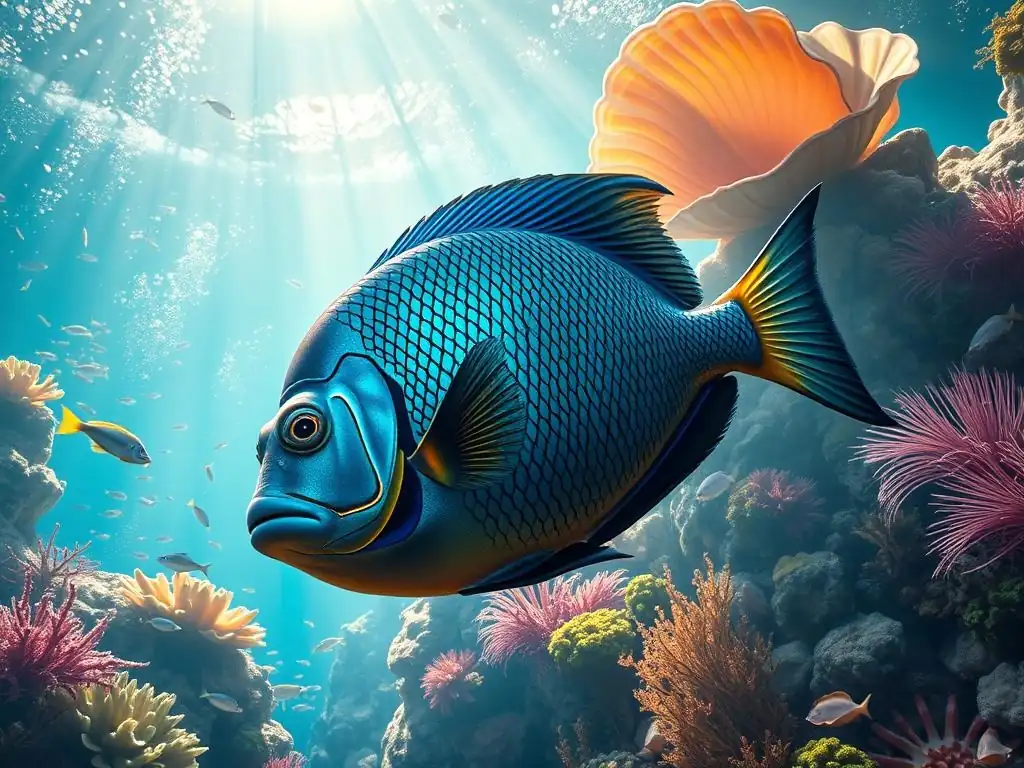
Welcome to Aquarium Mastery! Ever wondered what your tang is really trying to tell you? Decoding their subtle behaviors can be the key to a thriving reef tank. Dive into our latest article, "Decoding Tang Stress Signals: A Visual Guide to Proactive Health Care," where we unravel the mysteries of recognizing stressed tang behavior before it's too late. Discover the tell-tale signs and learn how to create a happier, healthier environment for these vibrant additions to your saltwater world. Ready to become a true Aquarium Master? Let's get started!
- Introduction: Understanding Tang Stress in Saltwater Aquariums
- Identifying Key Indicators of Tang Stress
- Environmental Factors Contributing to Tang Stress
- Dietary Deficiencies and Stress in Tangs
- Preventing and Mitigating Tang Stress
- Treating Stressed Tangs: Restoring Health and Well-being
- Case Studies: Real-World Examples of Tang Stress Management
- Conclusion: Maintaining Happy and Healthy Tangs
-
Frequently Asked Questions
- How can I tell if my Tang is stressed in my aquarium?
- What are the most common causes of stress in Tangs?
- What specific water parameters are most important for preventing stress in Tangs?
- How does aggression from other fish cause stress in Tangs, and what can I do about it?
- What immediate steps should I take if I notice signs of stress in my Tang?
- Final Reflection: The Silent Language of Our Tangs
- Unveil a Healthier Aquarium Now!
Introduction: Understanding Tang Stress in Saltwater Aquariums
Why Recognizing Stressed Tang Behavior is Crucial for Aquarium Health
Tangs, also known as Surgeonfish, are among the most sought-after and visually stunning inhabitants of saltwater aquariums. Their vibrant colors and active swimming patterns make them a focal point for many aquarists. However, despite their popularity, Tangs are notoriously sensitive to environmental changes and stress. This sensitivity makes them particularly susceptible to a range of health issues, often manifesting rapidly and severely if not addressed promptly. Understanding and "recognizing stressed tang behavior" is not merely a matter of observation but a critical component of preventative care, directly impacting the overall health and stability of your entire marine ecosystem.
When a Tang experiences stress, its immune system becomes compromised, leaving it vulnerable to common marine diseases that might otherwise be resisted. Conditions like marine ich ( Cryptocaryon irritans), velvet ( Amyloodinium ocellatum), and Head and Lateral Line Erosion (HLLE) are frequently triggered or exacerbated by prolonged stress. Ignoring the subtle or overt signs of discomfort in these fish can lead to a domino effect, potentially spreading pathogens to other tank inhabitants and incurring significant costs in terms of medication, lost livestock, and time spent on recovery.
The Importance of Early Detection in Tang Health Management
The adage "an ounce of prevention is worth a pound of cure" holds particular truth in the intricate world of marine aquariums. For Tangs, early detection of stress signals is paramount. A Tang exhibiting slight fin clamping for a few hours might simply be reacting to a minor, temporary irritant, which can be easily rectified. In contrast, a Tang that has been clamping its fins and showing lethargy for several days is likely experiencing a more severe underlying issue, such as advanced parasitic infection or critical water quality problems.
Prompt identification of the initial indicators of stress allows aquarists to intervene before a minor issue escalates into a full-blown health crisis. For instance, noticing a slight paling in coloration might prompt an immediate water parameter test, revealing an ammonia spike that can be corrected with a quick water change.
Waiting until the Tang is covered in white spots from Ich, however, necessitates a much more intensive and prolonged treatment regimen, often requiring a quarantine tank and specific medications. Early detection not only saves the fish but also reduces the risk to other tank inhabitants and minimizes the effort and expense of reactive disease treatment.
Identifying Key Indicators of Tang Stress
Visual Cues: Physical Signs of Stress in Tangs
Changes in Skin Coloration: A Tang's Stress Response
One of the most immediate and telling physical signs of stress in Tangs is a noticeable alteration in their skin coloration. Many Tang species, such as the Powder Blue Tang ( Acanthurus leucosternon) or the Clown Tang ( Acanthurus lineatus), possess the remarkable ability to rapidly change the intensity and pattern of their colors in response to their mood, environment, or perceived threats.
A Tang that is feeling stressed or threatened may darken significantly, sometimes almost appearing black, while others might pale dramatically or display blotchy, uneven pigmentation not typically seen. For example, a healthy Yellow Tang ( Zebrasoma flavescens) is a vibrant, uniform yellow; if stressed, it might show faint white bands or a faded, dull hue.
These color changes are often a rapid, physiological response to acute stressors, such as sudden and intense lighting changes, the introduction of a new, aggressive tank mate, or a sudden drop in water quality. Observing these shifts requires attentive monitoring, as they can be fleeting. A Tang might darken when an aquarist approaches the tank, only to return to its normal coloration once it feels secure again. Consistent, prolonged unusual coloration, however, indicates chronic stress that warrants immediate investigation.
Fin Clamping and Reduced Movement: Early Warning Signs
Fin clamping is a classic and easily recognizable indicator of discomfort or stress in Tangs. A healthy Tang typically holds its fins, especially the dorsal and anal fins, erect and spread out, allowing for efficient swimming and maneuverability. When stressed, a Tang will often hold its fins tightly against its body, as if trying to minimize its surface area.
This behavior is frequently accompanied by a noticeable reduction in overall movement and activity. Instead of actively swimming throughout the tank, exploring rockwork, or grazing on algae, a stressed Tang may become lethargic, hovering listlessly in one spot or drifting with the current.
This combination of clamped fins and reduced movement often signals an underlying issue such as poor water quality, the presence of external parasites (like Ich or velvet), or general malaise. For instance, if ammonia or nitrite levels begin to rise, the Tang's gills become irritated, leading to discomfort that manifests as fin clamping and shallow, rapid breathing. Observing these subtle changes in posture and activity can provide a crucial early warning, allowing aquarists to test water parameters or inspect for parasites before the condition worsens.
Appearance of Spots or Lesions: Possible Disease Outbreak
While not directly a sign of stress, the appearance of visible spots, lesions, or unusual growths on a Tang's body is often a direct consequence of a stress-compromised immune system allowing pathogens to take hold. White spots, resembling grains of salt, are characteristic of marine ich, while a dusty, yellowish or brownish coating suggests velvet. Eroded areas, particularly along the lateral line or on the head, are indicative of Head and Lateral Line Erosion (HLLE), a condition often linked to poor water quality, nutritional deficiencies, and chronic stress.
These physical manifestations indicate that the Tang's natural defenses have been overwhelmed. For example, a Tang already stressed by inadequate tank size or aggressive tank mates might be more susceptible to an Ich outbreak when a new, seemingly healthy fish is introduced, carrying the parasite. While the spots themselves are symptoms of disease, the underlying stress factor often created the fertile ground for the infection to proliferate. Therefore, seeing these signs should prompt not only disease treatment but also a thorough review of environmental and social stressors in the aquarium.
Behavioral Changes: Recognizing Stressed Tang Behavior Patterns
Erratic Swimming and Darting: Stress-Induced Behavior
A healthy Tang exhibits fluid, purposeful swimming, often grazing on algae or patrolling its territory. In contrast, "recognizing stressed tang behavior" often involves observing erratic swimming patterns. This can manifest as rapid, jerky movements, darting frantically from one end of the tank to another, or repeatedly "flashing" – rubbing their bodies against rocks, substrate, or tank décor. This flashing behavior is typically an attempt to dislodge external parasites or alleviate irritation from poor water chemistry.
Such frantic activity is a clear indicator of acute discomfort or distress. A Tang might dart and flash if it encounters a sudden spike in ammonia, or if it is being persistently harassed by an aggressive tank mate. Unlike normal exploratory swimming, stress-induced darting and flashing are often repetitive, frantic, and lack a clear purpose, signifying that the fish is reacting to an immediate, unpleasant stimulus in its environment.
Hiding and Isolation: A Tang Withdrawing
Tangs are generally active and conspicuous fish, spending much of their day swimming openly and grazing. A significant deviation from this norm is when a Tang begins to hide excessively or isolate itself from other tank inhabitants. While occasional retreats into rockwork are normal, especially for new additions or during sleep, prolonged periods of hiding – such as spending an entire day tucked away in a cave, only emerging briefly for food – are a strong indication of stress or illness.
This withdrawal behavior can stem from various sources. The Tang might feel threatened by an overly aggressive tank mate, leading it to seek refuge. Alternatively, it could be experiencing internal discomfort or illness, causing it to conserve energy and avoid interaction. A Tang that is normally front and center during feeding time but suddenly remains hidden, refusing to participate, is sending a clear signal that something is amiss.
Aggression Towards Tank Mates: Stress-Related Territoriality
Paradoxically, stress can also manifest as increased aggression, particularly in species known for their territorial nature. While some level of territoriality is normal for Tangs, especially towards conspecifics or fish of similar body shape, a sudden or marked increase in aggression towards established, previously tolerated tank mates can be a sign of stress. This might include excessive chasing, nipping, or displaying aggressive postures more frequently.
This heightened aggression often arises from perceived competition for limited resources, such as insufficient swimming space, lack of adequate hiding spots, or competition for food. For instance, in an overcrowded tank, a Tang might become unusually aggressive towards other herbivores, viewing them as competitors for scarce algae. "Recognizing stressed tang behavior" that involves uncharacteristic aggression indicates that the fish feels its territory or resources are threatened, signaling an underlying environmental or social imbalance that needs to be addressed.
Environmental Factors Contributing to Tang Stress
Water Quality Issues: A Primary Cause of Tang Stress
Ammonia and Nitrite Spikes: Silent Killers in the Aquarium
Ammonia (NH3) and nitrite (NO2) are highly toxic nitrogenous waste compounds that are lethal to fish even at very low concentrations. In a healthy, fully cycled marine aquarium, these compounds are converted by beneficial bacteria first into nitrite, then into relatively harmless nitrate (NO3).
However, if the biological filtration is insufficient, overloaded (e.g., due to overfeeding or overstocking), or if the tank is newly set up and not fully cycled, ammonia and nitrite levels can spike. Even trace amounts (above 0 ppm) can cause severe gill damage, respiratory distress, and immune system suppression in Tangs, leading to rapid decline and death.
A Tang exposed to elevated ammonia or nitrite will often exhibit rapid gilling (breathing), lethargy, dark coloration, and clamped fins. These compounds directly burn the fish's gills, making it difficult for them to absorb oxygen, and significantly compromise their ability to fight off disease. Regular testing with reliable test kits is crucial to ensure these "silent killers" remain at undetectable levels, ideally 0 ppm for both ammonia and nitrite.
Incorrect Salinity and pH Levels: Maintaining Proper Water Chemistry
Salinity, the concentration of dissolved salts in the water, and pH, the measure of acidity or alkalinity, are fundamental parameters that must be maintained within a narrow range for the health of marine fish. Tangs thrive in a stable specific gravity of 1.023 to 1.026 and a pH range of 8.1 to 8.4. Deviations from these ideal ranges, particularly rapid fluctuations, impose significant osmotic stress on a Tang. Fish constantly regulate the balance of salts and water in their bodies, a process that becomes energetically costly and damaging when external salinity or pH is unstable.
For instance, a sudden drop in salinity (e.g., from adding too much freshwater during top-off) can cause fish cells to swell, leading to lethargy and internal organ damage. Conversely, a rapid increase can cause dehydration. Similarly, a pH outside the optimal range can interfere with enzyme functions and gill respiration. Maintaining stability through regular monitoring and using a reliable refractometer for salinity and a quality pH test kit is vital to prevent stress and ensure the Tang's physiological well-being.
Temperature Fluctuations: Ensuring a Stable Environment
Temperature is another critical environmental factor that directly impacts a Tang's metabolism and immune system. Marine Tangs generally prefer stable water temperatures between 75°F and 80°F (24°C and 27°C). While a gradual shift within this range is usually tolerated, rapid or extreme temperature fluctuations can be highly stressful. A sudden drop or rise of more than 2-3°F within a few hours can shock a Tang's system, leading to weakened immunity and increased susceptibility to disease.
Common causes of temperature fluctuations include faulty or undersized heaters, large water changes with unheated or improperly matched water, or significant ambient room temperature changes (e.g., near an open window or air conditioning vent). Consistent temperature is essential because it directly influences metabolic rates, oxygen solubility, and the activity of beneficial bacteria. Using a reliable aquarium heater with a thermostat and a thermometer for verification is crucial for providing a stable thermal environment.
Tank Size and Overcrowding: Space Requirements for Healthy Tangs
The Impact of Insufficient Swimming Space on Tang Behavior
Tangs are active, open-water swimmers by nature, accustomed to vast expanses in their natural reef habitats. Confining them to an aquarium that is too small is a major source of chronic stress. While a Yellow Tang might survive in a 55-gallon tank initially, its long-term health will be compromised.
A mature Yellow Tang, reaching 6-8 inches, truly needs a minimum of 75 gallons, with larger species like the Blue Tang ( Paracanthurus hepatus) requiring 125 gallons or more. Insufficient horizontal swimming space leads to stunted growth, fin damage from rubbing against tank walls, and constant psychological stress due to confinement.
This lack of space directly impacts their natural behaviors. A Tang unable to perform its characteristic wide-ranging swims will become lethargic or exhibit repetitive, neurotic swimming patterns. It may become more aggressive towards other tank mates due to perceived territorial infringement, or conversely, become withdrawn and hide more often. "Recognizing stressed tang behavior" often starts with evaluating whether the tank size genuinely meets the long-term needs of the species.
Managing Stocking Levels to Minimize Stress
Overcrowding is closely linked to insufficient tank size and compounds stress factors for Tangs. While there's no precise "fish per gallon" rule for saltwater aquariums due to varying bioloads and temperaments, a general guideline for Tangs is to provide ample space per individual. Overstocking not only reduces available swimming area but also places a massive strain on the filtration system, leading to rapid accumulation of nitrates and other pollutants.
Moreover, an overcrowded tank increases social stress. Tangs, particularly those of the same genus or similar body shape, can be highly territorial. In a confined space, constant skirmishes for territory, food, and hiding spots become inevitable, leading to chronic stress, fin nipping, and suppressed immune systems. Careful planning of stocking levels, researching the adult size and temperament of each species, and prioritizing quality over quantity are essential for minimizing stress and fostering a harmonious environment.
Identifying Aggressive Fish Species
The social dynamics within a marine aquarium play a crucial role in a Tang's well-being. Housing Tangs with aggressive or overly territorial tank mates can be a constant source of stress. Certain fish species, such as some Triggerfish, large Angelfish, or even some Damsels, can persistently harass or bully Tangs, especially if they are smaller or newly introduced. This constant harassment prevents the Tang from feeding properly, causes physical injury (like fin nips), and leads to chronic psychological stress.
For instance, a Picasso Triggerfish, known for its strong territorial instincts, might relentlessly chase a smaller Tang, even if the Tang is not directly competing for food or space. This constant state of alert exhausts the Tang, weakens its immune system, and makes it highly susceptible to opportunistic diseases. Researching the temperament and compatibility of all potential tank mates before introduction is paramount to avoid creating a stressful environment.
Introducing New Fish Properly to Reduce Stress
The introduction of new fish, especially new Tangs, can be a significant stressor for existing inhabitants and the new arrival itself. Improper introduction can trigger aggression, disease outbreaks, and overall tank instability. Simply dropping a new fish into an established tank often results in immediate harassment from existing residents, particularly if the new fish is perceived as a threat or competitor.
To minimize stress, new Tangs should ideally be quarantined in a separate tank for at least 3-4 weeks to ensure they are healthy and parasite-free before being introduced to the main display. When introducing them, techniques like adding the new fish at night with the lights off, rearranging some rockwork to disrupt established territories, or using a clear acclimation box for a few days can help. Feeding the existing fish well just before introduction can also distract them. These careful steps significantly reduce the likelihood of "recognizing stressed tang behavior" due to social conflict.
Dietary Deficiencies and Stress in Tangs
The Importance of a Balanced Diet for Tang Health
Algae-Based Foods: Essential for Tang Nutrition
Tangs are primarily herbivorous or omnivorous fish, with a significant portion of their natural diet consisting of marine algae. In the wild, they spend most of their day grazing on various types of algae found on live rock and coral. Replicating this diet in the aquarium is absolutely crucial for their long-term health and to prevent stress. A diet lacking in sufficient plant matter can lead to serious nutritional deficiencies and health problems.
Aquarists should provide a variety of algae-based foods, such as dried seaweed (nori), spirulina flakes or pellets, and specialized Tang pellets that are rich in plant material. Offering fresh macroalgae, if available, can also be highly beneficial. Feeding small amounts multiple times a day is preferable to one large feeding, mimicking their natural grazing behavior and ensuring a continuous supply of vital nutrients.
Supplementation: Vitamins and Minerals for Optimal Health
While algae-based foods form the foundation, Tangs also benefit greatly from vitamin and mineral supplementation. Essential fatty acids (like HUFAs) and vitamins, particularly Vitamin C, play a critical role in immune function, tissue repair, and overall vitality. Deficiencies in these micronutrients can lead to weakened immune systems, making Tangs more susceptible to diseases and chronic conditions like Head and Lateral Line Erosion (HLLE).
Many aquarists choose to soak their Tangs' food in liquid vitamin supplements (e.g., Selcon, Vita-Chem) a few times a week. This ensures that the fish receive a broad spectrum of necessary vitamins and minerals that might be lacking in processed foods or that degrade quickly. A well-rounded diet, including a variety of high-quality algae, frozen foods, and vitamin supplementation, is a cornerstone of preventing stress and promoting robust health in Tangs.
Recognizing Signs of Malnutrition in Stressed Tangs
Emaciation and Weight Loss: Nutritional Deficiencies
One of the most evident physical signs of malnutrition in Tangs is emaciation or significant weight loss. A healthy Tang should have a full, rounded belly and a robust body shape. A Tang suffering from nutritional deficiencies, however, will often appear "pinched" or have a sunken belly, particularly noticeable just behind the pectoral fins and below the dorsal fin. Their overall body mass will appear reduced, and their bones may become more prominent.
This emaciated appearance is a clear indicator that the Tang is not receiving adequate calories or essential nutrients from its diet. This could be due to insufficient feeding, an inappropriate diet (e.g., too much meaty food, not enough algae), or competition from more aggressive tank mates preventing it from getting enough food. Prolonged malnutrition severely weakens the fish, making it highly susceptible to secondary infections and unable to recover from other stressors.
Lack of Appetite: A Sign of Stress or Illness
A healthy Tang is typically an enthusiastic and eager feeder, often being among the first fish to respond when food is introduced to the tank. Therefore, a noticeable lack of appetite or complete refusal to eat is a significant warning sign that something is wrong. While a Tang might ignore food for a few hours due to minor stress, prolonged anorexia (not eating for more than a day or two) is a critical indicator of severe stress, illness, or a serious underlying problem.
This behavioral change can be a direct symptom of disease, such as an internal parasite infection, or a response to extremely poor water quality that makes the fish feel too ill to eat. It can also be a result of chronic stress from bullying, leading the Tang to be too intimidated to compete for food. When "recognizing stressed tang behavior," a Tang's refusal to eat should always prompt immediate investigation into water parameters, tank mates, and potential signs of disease.
Preventing and Mitigating Tang Stress
Proactive Water Quality Management: Regular Testing and Maintenance
Water Changes: Diluting Harmful Substances
Regular partial water changes are arguably the most effective and fundamental practice in maintaining pristine water quality and mitigating stress for Tangs. By replacing a portion of the aquarium water (e.g., 10-20% weekly or bi-weekly) with freshly mixed saltwater, aquarists effectively dilute accumulated nitrates, phosphates, and other pollutants that can build up over time. Water changes also replenish essential trace elements and alkalinity buffers that are consumed by corals, invertebrates, and fish, contributing to overall water stability.
It is crucial that the new saltwater is mixed to the correct salinity (1.025-1.026 specific gravity) and temperature (75-80°F) to match the existing tank water as closely as possible. Sudden differences in parameters can cause significant osmotic shock and stress to Tangs. Consistent, properly executed water changes are a cornerstone of preventing stress-related health issues and ensuring a healthy, stable environment for your Tangs.
Effective Filtration: Mechanical, Chemical, and Biological
A robust and well-maintained filtration system is indispensable for a stress-free Tang environment. Filtration typically consists of three types:
- Mechanical filtration (e.g., filter socks, sponges) physically removes particulate matter like uneaten food and detritus, preventing them from breaking down and polluting the water. Regular cleaning or replacement of mechanical media is vital.
- Chemical filtration (e.g., activated carbon, GFO - granular ferric oxide) absorbs dissolved organic compounds, odors, discoloration, and phosphates. These pollutants, if allowed to accumulate, can cause chronic stress and contribute to algae blooms.
- Biological filtration (e.g., live rock, bio-media) is the most crucial, as it houses the beneficial bacteria that convert toxic ammonia and nitrite into less harmful nitrate. An established, mature biological filter is the backbone of the nitrogen cycle and prevents the "silent killers" from harming your Tangs. Ensuring adequate surface area for bacterial colonization and avoiding practices that might kill these bacteria (like broad-spectrum medications in the display tank) are key.
Creating a Stress-Free Environment: Tank Setup and Aquascaping
Providing Adequate Hiding Places: Reducing Anxiety
While Tangs are open-water swimmers, they also require ample hiding places and retreats where they can feel secure and escape perceived threats or aggression from tank mates. A well-designed aquascape with plenty of live rock formations, caves, crevices, and overhangs provides essential psychological comfort. These structures offer visual barriers and safe zones, reducing anxiety and allowing Tangs to rest or de-stress when needed.
Without sufficient hiding spots, a Tang, especially a new or subordinate one, may feel constantly exposed and vulnerable, leading to chronic stress. This can manifest as constant darting, excessive aggression, or a persistent dull coloration. Offering diverse aquascaping elements helps mimic their natural reef environment, promoting natural behaviors and significantly contributing to a Tang's overall sense of well-being.
Optimizing Lighting: Mimicking Natural Conditions
Lighting plays a more subtle yet important role in a Tang's stress levels. While primarily important for corals, appropriate lighting cycles and intensity also impact fish behavior and sleep patterns. Tangs, like most diurnal fish, benefit from a consistent light cycle, typically 10-12 hours of light followed by a period of complete darkness. Sudden, jarring changes in light intensity can be stressful.
Modern LED lighting systems often include dawn/dusk simulation features, gradually increasing and decreasing light intensity at the beginning and end of the photoperiod. This mimics natural sunrise and sunset, reducing stress associated with abrupt light transitions. Ensuring that the lighting is not excessively bright for the species and providing shaded areas within the aquascape can also help prevent light-induced stress.
Proper Acclimation Procedures: Introducing New Tangs Safely
Quarantine Tanks: Isolating New Arrivals
The single most effective measure to prevent stress and disease outbreaks in your main display tank when introducing new Tangs is the use of a dedicated quarantine tank (QT). A QT is a separate, bare-bones tank (e.g., 20-40 gallons for most Tangs) used to house new fish for a period of at least 3-4 weeks before they enter the main display. This allows for observation, deworming, and treatment of any potential diseases (like Ich or velvet) without risking the established ecosystem of your primary tank.
During quarantine, the new Tang can acclimate to aquarium life without the added stress of tank mates or complex aquascaping. It provides a controlled environment where its health can be closely monitored, and any signs of stress or disease can be addressed promptly. This proactive approach significantly reduces the likelihood of introducing pathogens that could devastate your existing fish population.
Gradual Acclimation: Minimizing Shock
Once a Tang has completed its quarantine period, or if it's being moved between tanks, proper acclimation to the new water parameters is crucial to minimize osmotic shock and stress. "Drip acclimation" is widely considered the safest method for Tangs and other sensitive marine fish. This involves slowly dripping water from the destination tank into the container holding the fish over an extended period (e.g., 30-60 minutes or longer), gradually equalizing temperature, salinity, and pH.
Avoiding the common practice of simply floating the bag and dumping the fish directly into the tank is paramount. This rapid change in water chemistry can be highly stressful and even fatal. Furthermore, it's essential to avoid introducing the water from the shipping bag into your main display tank, as it may contain parasites, bacteria, or undesirable pollutants. Careful, gradual acclimation significantly reduces the initial stress on the Tang, allowing it to transition smoothly into its new environment.
Treating Stressed Tangs: Restoring Health and Well-being
Identifying the Root Cause of Stress: Diagnostic Steps
Treating a stressed Tang effectively begins not with medication, but with a thorough diagnostic process to identify the root cause of the stress. Simply medicating a fish without addressing the underlying problem will likely lead to a recurrence of symptoms or a worsening of the condition. The first step involves meticulously reviewing all environmental factors: perform comprehensive water tests (ammonia, nitrite, nitrate, pH, salinity, temperature), observe filtration systems, and check all equipment (heaters, pumps) for proper function.
Next, assess the social dynamics of the tank: observe interactions between the stressed Tang and its tank mates for signs of bullying or aggression. Evaluate the aquascape for adequate hiding places and swimming space. Finally, review the Tang's diet: is it varied enough? Is the Tang getting enough food, or is it being outcompeted? This systematic approach helps pinpoint the primary stressor, which is crucial for implementing effective and lasting solutions.
Once the root cause of stress has been identified, implementing corrective measures is the next critical step. If water quality is poor, immediate actions such as performing a large partial water change (e.g., 25-50% if ammonia/nitrite are present) and addressing the cause (e.g., reducing feeding, increasing filtration) are necessary. For dietary deficiencies, adjust the feeding regimen by offering more varied, nutrient-rich foods, especially marine algae and vitamin-enriched options.
If social issues are the problem, consider rearranging rockwork to break up territories, adding more hiding spots, or, in severe cases, rehoming an aggressive tank mate. For a Tang that is being bullied, a temporary stay in a quarantine or acclimation box within the display tank can allow it to rest and regain strength without constant harassment. These non-medicinal interventions directly address the stressors, allowing the Tang's natural immune system to recover and begin the healing process.
Medication and Treatment Options
Medication should generally be considered a last resort and used only when a specific disease has been diagnosed, often after environmental stressors have been addressed. If, for instance, "recognizing stressed tang behavior" has led to a confirmed outbreak of marine ich, treatments like copper-based medications (e.g., Copper Power, Cupramine) or hyposalinity (reducing salinity to 1.009-1.010 specific gravity) may be necessary. These treatments are best administered in a separate quarantine tank to avoid harming sensitive invertebrates and beneficial bacteria in the main display.
For bacterial infections, broad-spectrum antibiotics might be prescribed by an aquatic veterinarian, again ideally in a hospital tank. It is crucial to follow dosage instructions precisely and complete the full course of treatment. Indiscriminate use of medications can be stressful to the fish itself, harm beneficial bacteria, and lead to antibiotic resistance. Always prioritize addressing the underlying stress factors first, as a healthy, unstressed Tang is far more resilient and less likely to fall ill in the first place.
Case Studies: Real-World Examples of Tang Stress Management
Case Study 1: Addressing Head and Lateral Line Erosion (HLLE) in a Naso Tang
A common and often stress-related condition in Tangs is Head and Lateral Line Erosion (HLLE), characterized by pitting and erosion along the lateral line and around the head. Consider the case of a 7-inch Naso Tang ( Naso lituratus) that began developing noticeable erosion around its eyes and along its lateral line after approximately six months in a 180-gallon display tank. The owner initially suspected a direct pathogen.
Upon closer inspection and consultation, it was determined that while the Tang was fed regularly, its diet lacked sufficient marine algae and vitamin supplementation, relying mostly on frozen meaty foods and occasional flakes. Additionally, nitrate levels in the tank consistently hovered around 40 ppm, indicating insufficient water changes or overfeeding.
The combined nutritional deficiency and chronic exposure to elevated nitrates were identified as the primary stressors. The solution involved increasing the frequency of water changes from bi-weekly to twice weekly (20% each time) to reduce nitrates, and significantly upgrading the diet.
The Naso Tang was offered daily sheets of high-quality nori (Japanese seaweed), supplemented with spirulina flakes, and its frozen foods were soaked in a vitamin supplement rich in Vitamin C and HUFAs. Over a period of three to four months, the progression of HLLE halted, and the eroded areas gradually began to heal and fill in, demonstrating that "recognizing stressed tang behavior" manifested as HLLE was key to its recovery through environmental and dietary changes.
Case Study 2: Managing a Marine Ich (White Spot Disease) Outbreak in a Powder Blue Tang
A classic scenario involves a new 4-inch Powder Blue Tang ( Acanthurus leucosternon), known for its Ich susceptibility, being introduced directly into a 120-gallon established reef tank without prior quarantine. Within a week, the Tang developed numerous small white spots, indicative of Marine Ich ( Cryptocaryon irritans), and began flashing against rocks. Other fish in the tank also started showing signs of the parasite. The initial stress of introduction, coupled with the inherent sensitivity of the Powder Blue Tang, likely allowed the latent Ich parasite to proliferate.
To address this, the Powder Blue Tang was carefully caught and moved to a separate 20-gallon quarantine tank. In the QT, it was treated with a therapeutic level of copper sulfate for four weeks, effectively eradicating the Ich parasites on the fish. Simultaneously, the main display tank was left "fallow" (fish-less) for eight weeks to break the life cycle of the Ich parasite, ensuring that any free-swimming tomonts would die out without a host.
Before reintroducing the now healthy Tang, the main tank's aquascape was slightly rearranged, and additional hiding spots were created to minimize territorial disputes. Upon reintroduction, the Tang thrived, and no further Ich outbreaks occurred. This case exemplifies how "recognizing stressed tang behavior" (flashing, white spots) linked to a lack of proper quarantine can be mitigated with swift and appropriate intervention.
Conclusion: Maintaining Happy and Healthy Tangs
The Long-Term Benefits of Proactive Tank Management
The journey of keeping Tangs in a marine aquarium is incredibly rewarding, yet it demands a proactive and attentive approach to their care. Understanding and "recognizing stressed tang behavior" is not just about reacting to problems, but about preventing them from occurring in the first place. By consistently maintaining stable water parameters, providing a nutrient-rich and varied diet, ensuring ample space and appropriate tank mates, and implementing rigorous quarantine procedures, aquarists can significantly reduce the likelihood of stress-related illnesses.
The long-term benefits of this proactive tank management are manifold. Healthy Tangs exhibit vibrant coloration, active swimming, and natural behaviors, becoming truly captivating additions to your aquatic display. They are more resilient to minor fluctuations and less susceptible to opportunistic pathogens, leading to a more stable and harmonious ecosystem for all inhabitants. Investing time in preventative care translates directly into a more enjoyable and successful aquarist experience, fostering a thriving environment where your Tangs can truly flourish for years to come.
Resources for Further Learning About Tang Health and Care.
The world of marine aquariums is vast and continuously evolving, offering endless opportunities for learning and refinement. For those passionate about the well-being of their Tangs, continuous education and observation are invaluable. Platforms like Aquarium Mastery provide extensive articles, species profiles, and troubleshooting guides that delve deeper into the specific needs of various Tang species, water chemistry, disease identification, and advanced husbandry techniques.
Engaging with reputable aquarist communities, forums, and literature can also provide practical insights from experienced hobbyists and access to the latest research in marine fish health. By staying informed and vigilant, aquarists can ensure they are always equipped to provide the best possible care for their stunning Tangs, ensuring their long-term health and vibrancy.
Frequently Asked Questions
How can I tell if my Tang is stressed in my aquarium?
Stressed Tangs often exhibit color changes or fading, rapid breathing, and hiding behaviors. Observing these signs early allows for timely intervention and prevents further health complications.
What are the most common causes of stress in Tangs?
Common stressors include poor water quality, aggression from tank mates, and inadequate tank size. Maintaining optimal conditions and a peaceful environment is crucial for Tang health.
What specific water parameters are most important for preventing stress in Tangs?
Maintaining stable pH levels, proper salinity, and low levels of ammonia and nitrite are vital. Regularly testing and adjusting water parameters is essential for Tang well-being.
How does aggression from other fish cause stress in Tangs, and what can I do about it?
Aggression leads to constant fear and suppressed immunity, predisposing Tangs to disease. Re-arranging the tank or separating aggressive species can alleviate this stress.
What immediate steps should I take if I notice signs of stress in my Tang?
Immediately test your water parameters and perform a partial water change if necessary. Observing tank mates for aggression and providing hiding places are also important first steps.
Okay, here's a final reflection tailored for your article "Decoding Tang Stress Signals: A Visual Guide to Proactive Health Care," optimized for the keyword "Recognizing stressed tang behavior," and following the structure you provided:
Final Reflection: The Silent Language of Our Tangs
The ability to recognize stressed tang behavior is no longer just a niche skill for dedicated aquarists; it's becoming increasingly crucial for responsible reef keeping in a world facing mounting environmental pressures. Understanding these subtle visual cues allows us to proactively address underlying issues, preventing potentially devastating losses and fostering healthier, more resilient aquatic ecosystems. The future of our reefs, even within the confines of our tanks, depends on our attentiveness.
This journey into the nuanced world of tang behavior has profoundly shifted my perspective on aquarium care. It's a constant reminder that we are stewards of these delicate creatures, and their well-being is intrinsically linked to our understanding and responsiveness. In the end, we will conserve only what we love; we will love only what we understand; and we will understand only what we are taught.
- Baba Dioum. This quote perfectly encapsulates the importance of learning to interpret the silent language of our tangs, transforming observation into informed action.
Now, I invite you to reflect on your own interactions with your aquatic companions. Are you truly seeing them, or simply observing? Take the knowledge you've gained here, sharpen your observational skills, and become a proactive advocate for the health and happiness of your tangs. By actively recognizing stressed tang behavior, you're not just maintaining an aquarium; you're cultivating a thriving ecosystem and contributing to a more sustainable future for these magnificent creatures.
Unveil a Healthier Aquarium Now!
Thank you for diving deep into the world of Tang health with us! We hope this guide has empowered you with the knowledge to proactively care for your aquatic friends. Now, let's put that knowledge into action!
Here's how you can transform your tank and ensure your Tangs thrive:
- Start Today: Closely observe your Tangs for any of the stress signals we discussed. Early detection is key!
- Share this guide with fellow aquarium enthusiasts to spread awareness and improve fishkeeping practices.
- Experiment with adding new enrichment items, like live rock or algae wafers, to reduce stress and encourage natural behaviors.
What specific stress signal are you going to address in your aquarium this week?