
Water Chemistry for Shrimp Keepers: Mastering GH, KH, pH, and TDS

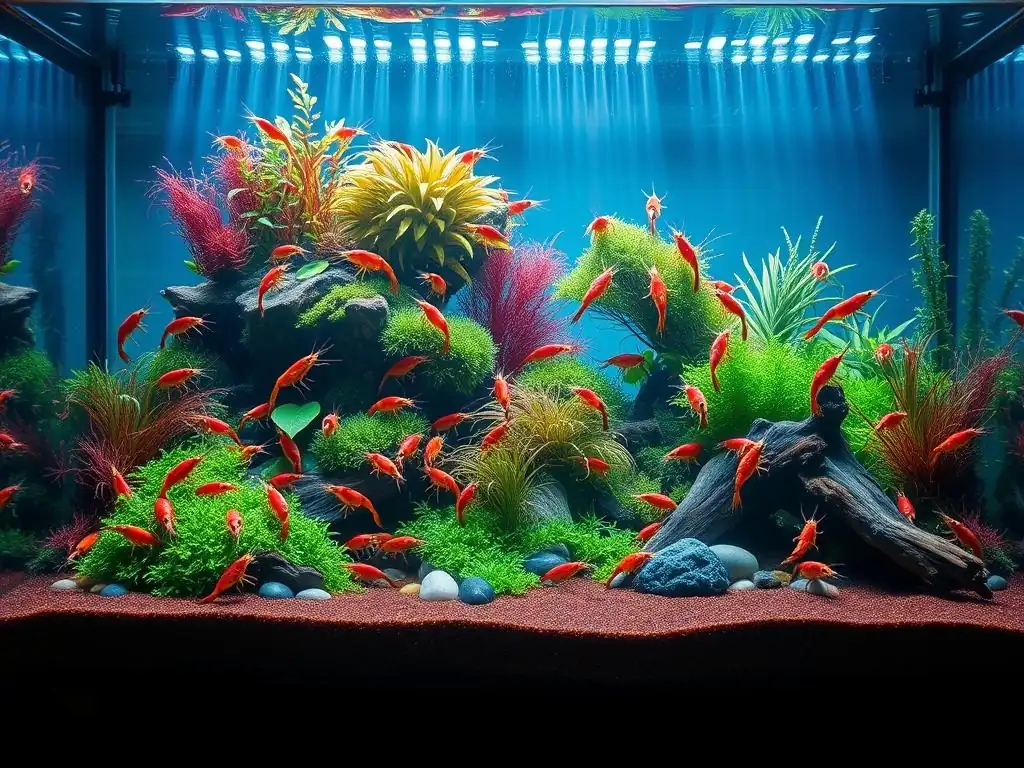
Welcome to Aquarium Mastery!
Dive into the fascinating world of aquarium keeping! Ever wondered how to create the perfect aquatic environment for your delicate shrimp? In this article, we unravel the mysteries of shrimp tank water chemistry, guiding you through the essential elements of GH, KH, pH, and TDS. Unlock the secrets to thriving shrimp colonies and a vibrant, healthy aquarium! Ready to master the science behind successful shrimp keeping? Let's get started!
- Understanding Shrimp Tank Water Chemistry: A Comprehensive Guide
- GH (General Hardness) Explained: Essential Minerals for Shrimp
- KH (Carbonate Hardness) and Buffering Capacity in Shrimp Tanks
- pH: Acidity and Alkalinity in Shrimp Environments
- TDS (Total Dissolved Solids): A Holistic View of Water Quality
- Practical Tips for Maintaining Stable Water Parameters in Shrimp Tanks
- Troubleshooting Water Chemistry Problems in Shrimp Tanks
- Choosing the Right Water for Your Shrimp Tank: RO/DI vs. Tap Water
- Advanced Shrimp Tank Water Chemistry Concepts
- Conclusion: Mastering Shrimp Tank Water Chemistry for Long-Term Success
- Frequently Asked Questions
- Final Reflection: The Delicate Balance of Life
- Unlock the Secrets to Thriving Shrimp Colonies!
Understanding Shrimp Tank Water Chemistry: A Comprehensive Guide
Why Shrimp Tank Water Chemistry Matters for Success
The delicate nature of freshwater shrimp, particularly species like Neocaridina and Caridina, makes precise shrimp tank water chemistry an absolute imperative for their survival and thriving. Unlike more robust fish species, shrimp are highly sensitive to even minor fluctuations in their aquatic environment.
Imbalances in essential parameters can lead to significant stress, failed molts (a common cause of death, often referred to as the "white ring of death" where the shrimp cannot shed its old exoskeleton), weakened immune systems, and susceptibility to various diseases. A stable and appropriate chemical environment is the foundation upon which a healthy shrimp colony is built.
Furthermore, optimal water chemistry directly impacts a shrimp's ability to reproduce and display vibrant coloration. When parameters are consistently within their ideal ranges, shrimp are less stressed, leading to more frequent and successful breeding cycles. For instance, Caridina shrimp, often prized for their intricate patterns and colors, will only exhibit their full potential in very specific and stable water conditions. Neglecting these fundamental aspects of shrimp tank water chemistry can result in a struggling colony, poor growth rates, and ultimately, significant losses, underscoring the critical importance of diligent monitoring and adjustment.
Key Parameters for Thriving Shrimp: GH, KH, pH, and TDS
For any aspiring or experienced shrimp keeper, understanding and managing four primary water parameters is paramount: General Hardness (GH), Carbonate Hardness (KH), pH (potential of hydrogen), and Total Dissolved Solids (TDS). Each of these parameters plays a distinct yet interconnected role in the overall health and well-being of your shrimp. GH dictates the concentration of essential minerals like calcium and magnesium, vital for molting and shell development. KH, on the other hand, measures the water's buffering capacity, preventing drastic pH swings.
pH indicates the water's acidity or alkalinity, influencing biological processes and the toxicity of ammonia. Lastly, TDS provides a comprehensive snapshot of all dissolved inorganic and organic substances, serving as a general indicator of overall water purity and accumulated waste. Mastering these four pillars of shrimp tank water chemistry allows aquarists to create a stable, species-appropriate habitat that minimizes stress, promotes vigorous health, and encourages successful breeding, transforming a basic tank into a thriving shrimp sanctuary.
GH (General Hardness) Explained: Essential Minerals for Shrimp
What is GH and Why is it Important for Shrimp?
General Hardness (GH) is a measurement of the concentration of dissolved divalent metal ions in water, primarily calcium (Ca2+) and magnesium (Mg2+). These minerals are absolutely crucial for the biological processes of freshwater shrimp. Specifically, calcium is the primary building block for their exoskeleton, which is shed during molting. Magnesium, while also contributing to the exoskeleton, plays a vital role in various metabolic functions, including nerve and muscle function, and the absorption of other minerals.
Without adequate levels of GH, shrimp face severe challenges during molting, a process that occurs regularly as they grow. Insufficient calcium can lead to an inability to fully shed their old shell or to form a new, properly hardened one, often resulting in a condition known as "molt death" or "white ring of death." Conversely, excessively high GH can also be detrimental, potentially leading to issues with osmoregulation or making molting too difficult due to overly rigid shells. Maintaining the correct GH balance is therefore fundamental to the long-term health and survival of your shrimp.
Understanding GH Levels for Different Shrimp Species (Neocaridina & Caridina)
The optimal GH levels vary significantly between different types of freshwater shrimp, largely depending on their natural habitats and evolutionary adaptations. For Neocaridina species, such as the popular Cherry Shrimp (Neocaridina davidi), a GH range of 6-10 dGH (degrees of General Hardness), equivalent to approximately 100-170 ppm (parts per million), is generally recommended. These shrimp are more adaptable and can tolerate a broader range of parameters, making them excellent choices for beginners.
In contrast, Caridina species, which include highly sought-after varieties like Crystal Red Shrimp (CRS), Crystal Black Shrimp (CBS), and Taiwan Bees, require much softer water with a lower GH. Their ideal range typically falls between 4-6 dGH (approximately 70-100 ppm). Deviating too far from these specific ranges for Caridina shrimp can lead to severe health issues, including failed molts, stunted growth, and a significantly reduced lifespan. It is crucial to research the specific needs of your shrimp species and tailor your shrimp tank water chemistry accordingly.
How to Measure GH in Your Shrimp Tank
Measuring General Hardness in your shrimp tank is a straightforward process that is best performed using a liquid drop test kit. These kits typically involve adding a reagent drop by drop to a water sample until a specific color change occurs. Each drop usually corresponds to 1 dGH (degree of General Hardness). For example, if it takes 8 drops to achieve the color change, your water has a GH of 8 dGH. This method provides a relatively accurate and reliable reading, making it the preferred choice for most aquarists.
While some test strips might include a GH reading, they are generally less precise and can give misleading results compared to liquid kits. When using a liquid kit, ensure you follow the manufacturer's instructions carefully, paying attention to the exact volume of water sample and the number of drops required. Regularly testing your shrimp tank water chemistry for GH, perhaps weekly or bi-weekly, allows you to monitor trends and make timely, minor adjustments, preventing drastic fluctuations that could harm your shrimp.
Adjusting GH Levels: Increasing and Decreasing Water Hardness
Adjusting GH levels in a shrimp tank requires careful consideration and gradual implementation to avoid shocking the inhabitants. To increase GH, the most common and effective method is to use a dedicated GH booster, often formulated with calcium and magnesium sulfates. These products are specifically designed to add the necessary minerals without significantly impacting other parameters like KH or pH. Alternatively, adding mineral stones rich in calcium, such as cuttlebone or certain types of mineral rocks, can slowly release beneficial minerals into the water over time.
To decrease GH, the most reliable method is dilution with softer water, typically Reverse Osmosis (RO) or Deionized (DI) water. RO/DI water is virtually free of minerals, allowing you to gradually lower the overall hardness of your tank by performing small, frequent water changes with a mixture of RO/DI water and your existing tank water. It is imperative to make any adjustments slowly, over several days or even weeks, especially for sensitive Caridina shrimp, to allow them to acclimate without stress. Rapid changes in shrimp tank water chemistry can be more detrimental than slightly off but stable parameters.
KH (Carbonate Hardness) and Buffering Capacity in Shrimp Tanks
The Role of KH in Maintaining a Stable pH
Carbonate Hardness (KH), also known as alkalinity, is a measure of the concentration of carbonate and bicarbonate ions in water. While often confused with GH, KH serves a distinctly different, yet equally vital, function in shrimp tank water chemistry: it acts as the primary buffer against sudden pH fluctuations. These carbonate and bicarbonate ions neutralize acids that are naturally produced in the aquarium environment, primarily through the nitrogen cycle (nitrification), fish and shrimp respiration, and the decomposition of organic matter.
Without sufficient KH, the water's buffering capacity is compromised, making the pH susceptible to drastic and rapid swings. For instance, if KH is too low, the acids produced by beneficial nitrifying bacteria can quickly deplete the available buffers, leading to a sudden and dangerous drop in pH, often referred to as a "pH crash." Such crashes are extremely stressful and often fatal for shrimp, as they cannot adapt quickly to rapid changes in acidity. A stable KH level is therefore essential for maintaining a consistent and safe pH, providing a crucial layer of protection for your shrimp.
Recommended KH Levels for Shrimp Keeping
Just like GH, the ideal KH levels for shrimp keeping depend heavily on the specific species. For Neocaridina shrimp, which are more tolerant of varying conditions, a KH range of 2-8 dKH (degrees of Carbonate Hardness) is generally considered safe. Within this range, their pH will typically remain stable and suitable for their needs, usually between 6.5 and 8.0. Their adaptability makes them forgiving for aquarists who may experience minor fluctuations.
However, Caridina shrimp, particularly varieties like Crystal Red Shrimp and Taiwan Bees, thrive in much softer, more acidic water and require a very low KH. An ideal KH range for these sensitive species is typically 0-2 dKH. This low buffering capacity allows the pH to remain in their preferred acidic range (5.5-7.0), often maintained by active buffering substrates.
A KH that is too high for Caridina shrimp can make it difficult, if not impossible, to achieve and maintain their required low pH, leading to chronic stress and poor health. Understanding these species-specific KH requirements is a cornerstone of successful shrimp tank water chemistry.
Measuring KH and Interpreting the Results
Measuring KH in your shrimp tank is performed using a liquid drop test kit, very similar to how GH is measured. The test involves adding a reagent drop by drop to a water sample until a distinct color change occurs, with each drop typically representing 1 dKH. The accuracy of these kits makes them indispensable for any serious shrimp keeper, providing precise insights into the water's buffering capacity.
Interpreting the results is crucial for effective shrimp tank water chemistry management. A low KH reading, particularly below 2 dKH for Neocaridina or 0-1 dKH for Caridina, indicates minimal buffering capacity. This means your tank is highly vulnerable to pH crashes, where the pH can drop rapidly and dangerously. Conversely, a high KH reading, especially for Caridina tanks, suggests that the water is too hard and alkaline for these soft-water species, hindering efforts to maintain their preferred acidic environment. Regular KH testing allows for proactive adjustments, ensuring the pH remains stable and within safe limits for your shrimp.
Raising and Lowering KH in Your Shrimp Aquarium
Adjusting KH levels in a shrimp aquarium requires a methodical approach to ensure the safety of your delicate inhabitants. To raise KH, common methods include adding a KH booster (often a blend of sodium bicarbonate and potassium bicarbonate) or introducing crushed coral or aragonite to the substrate or filter media. Crushed coral slowly dissolves, releasing carbonates and bicarbonates that increase the water's buffering capacity. These methods are commonly employed for Neocaridina tanks where a stable, moderate KH is desired.
Lowering KH, especially for Caridina tanks, is typically achieved through dilution with Reverse Osmosis (RO) or Deionized (DI) water, which has virtually no KH. Using an active buffering substrate (e.g., aqua soil) is also highly effective; these soils are designed to absorb carbonates and bicarbonates, actively pulling KH down and stabilizing pH in the acidic range. Introducing driftwood or peat can also slightly lower KH over time by releasing humic acids. Any adjustments to KH should always be made gradually, over several days, to prevent sudden shifts in shrimp tank water chemistry that could cause stress or mortality.
pH: Acidity and Alkalinity in Shrimp Environments
Optimal pH Range for Shrimp Health and Breeding
pH is a measure of how acidic or alkaline (basic) your water is, expressed on a scale from 0 to 14, where 7 is neutral. For shrimp, maintaining an optimal and stable pH is critical for their health, metabolic functions, and breeding success. Different shrimp species thrive in different pH ranges, reflecting their natural habitats. Neocaridina shrimp generally prefer a pH range of 6.5 to 8.0, making them quite adaptable to typical tap water conditions, provided other parameters are suitable.
Caridina shrimp, on the other hand, are soft-water species and require a more acidic environment, with an optimal pH range typically between 5.5 and 7.0. Within this range, their enzymatic processes function efficiently, and they are less susceptible to stress. Fluctuations outside these optimal ranges can impede nutrient absorption, stress the shrimp's osmoregulation system, and even increase the toxicity of ammonia (at higher pH) or nitrites (at lower pH). Consistency in pH is often more important than hitting a specific number, provided it falls within the acceptable range for your species.
Factors Affecting pH in Shrimp Tanks
Several factors can influence the pH in a shrimp tank, making consistent monitoring essential for stable shrimp tank water chemistry. One of the most significant biological processes is the nitrogen cycle: nitrifying bacteria convert ammonia to nitrite and then to nitrate, a process that consumes alkalinity (KH) and thus tends to lower pH over time. The respiration of shrimp and any cohabiting fish also releases carbon dioxide (CO2), which dissolves in water to form carbonic acid, thereby lowering pH.
External factors play a considerable role as well. The pH and buffering capacity (KH) of your source water (tap water or remineralized RO/DI water) will directly impact your tank's pH. Substrates can also influence pH; inert substrates like sand or gravel have little effect, while active buffering substrates (e.g., aqua soil) are specifically designed to lower and stabilize pH in the acidic range. Additionally, the presence of driftwood, peat, or certain botanicals can release tannins and humic acids, which naturally lower pH and add a beneficial tint to the water.
Monitoring and Adjusting pH Safely for Sensitive Shrimp
Regular monitoring of pH is vital for maintaining healthy shrimp tank water chemistry. This can be done using liquid test kits, which provide reliable readings through color comparisons, or with digital pH pens or meters for greater precision and ease of use. It is advisable to test pH at the same time each day, as it can fluctuate slightly throughout a 24-hour cycle due to plant photosynthesis and respiration.
When adjusting pH for sensitive shrimp, direct pH-altering chemicals (like "pH up" or "pH down" solutions) are generally discouraged. These products can cause rapid and drastic pH shifts, which are highly stressful and potentially fatal for shrimp. Instead, focus on indirectly managing pH by adjusting GH and especially KH.
For Caridina tanks, using a buffering substrate is the most effective and stable way to maintain a low pH. For Neocaridina, ensuring adequate KH will buffer against pH swings. Gradual changes are paramount; if a significant adjustment is needed, perform it over several days through small, targeted water changes with appropriately prepared water.
TDS (Total Dissolved Solids): A Holistic View of Water Quality
What TDS Tells You About Your Shrimp Tank Water
Total Dissolved Solids (TDS) is a measurement of the combined concentration of all inorganic and organic substances dissolved in water. Unlike GH or KH, which measure specific ion groups, TDS provides a holistic, albeit non-specific, snapshot of the overall water purity and solute load. It essentially tells you "how much stuff" is dissolved in your water, encompassing minerals, salts, heavy metals, organic waste products (like nitrates and phosphates), and other impurities.
A TDS reading alone doesn't identify the specific components, but it serves as an excellent general indicator of water quality and accumulation of substances. For example, if you start with pure RO/DI water and remineralize it, your initial TDS reading will primarily reflect the added minerals. Over time, as organic waste accumulates from feeding, decaying plant matter, and shrimp excretions, the TDS will naturally rise. A sudden spike in TDS can signal overfeeding, insufficient water changes, or a significant amount of decaying material, making it a valuable tool for monitoring overall shrimp tank water chemistry and health.
Ideal TDS Levels for Different Shrimp Species
Similar to GH and KH, ideal TDS levels vary depending on the shrimp species and their specific requirements. For Neocaridina shrimp, a common range for TDS is typically between 150-250 ppm. These levels provide sufficient minerals for molting and general health without being excessively high. Neocaridina are quite adaptable, and slight deviations within this range are generally tolerated, provided other key parameters like GH and KH are stable.
Caridina shrimp, being more sensitive and preferring softer water, generally thrive in lower TDS ranges, typically between 80-180 ppm. This lower range reflects their need for less mineral content and a purer aquatic environment. For these species, a higher TDS reading might indicate an accumulation of undesirable substances beyond essential minerals, potentially causing stress. While TDS is a general indicator, understanding its typical range for your specific shrimp helps you maintain optimal shrimp tank water chemistry and respond to deviations promptly.
Measuring TDS and Interpreting the Results for Shrimp Health
Measuring TDS is straightforward and typically done with a handheld digital TDS meter, often resembling a pen. These meters provide an instant reading in parts per million (ppm). It's important to periodically calibrate your TDS meter according to the manufacturer's instructions to ensure accuracy. Regular measurement, perhaps weekly or bi-weekly, allows you to track trends in your shrimp tank water chemistry.
Interpreting TDS results for shrimp health involves understanding the context. If you use RO/DI water and remineralize it to a specific target TDS (e.g., 120 ppm for Caridina), a stable reading around that number is ideal. A gradual increase in TDS over time is normal due to evaporation and the accumulation of dissolved waste products; this signals the need for a water change.
However, a sudden, significant spike in TDS could indicate a major problem, such as overfeeding, a large amount of decaying organic matter (like a dead shrimp or plant), or an issue with your filtration. Conversely, a sudden drop might suggest a large, unplanned water change or a filter malfunction.
Controlling TDS Through Water Changes and Filtration
Controlling Total Dissolved Solids (TDS) is crucial for maintaining stable shrimp tank water chemistry, and the primary method for reducing TDS is regular water changes. As water evaporates, pure H2O leaves the tank, but dissolved solids remain, causing TDS to gradually increase. Performing small, frequent water changes (e.g., 10-20% weekly) with appropriately conditioned or remineralized water effectively removes accumulated dissolved waste products and brings the overall TDS back down to desired levels. This dilutes the concentration of unwanted substances, keeping the water clean and safe for shrimp.
While filtration plays a role in overall water quality, its impact on TDS is more nuanced. Mechanical filtration (sponges, filter floss) removes particulate matter but does not directly reduce dissolved solids. Biological filtration (bio-media) converts toxic ammonia and nitrite into less toxic nitrate, which is a dissolved solid itself, thus contributing to TDS.
Chemical filtration, such as activated carbon, can remove some organic compounds and pollutants, temporarily lowering TDS. However, for precise TDS management, especially in sensitive Caridina setups, starting with pure RO/DI water and remineralizing it, combined with consistent water changes, remains the most effective strategy for optimal shrimp tank water chemistry.
Practical Tips for Maintaining Stable Water Parameters in Shrimp Tanks
Regular Water Testing: Building a Shrimp Tank Water Chemistry Routine
Establishing a consistent water testing routine is arguably the single most important practice for maintaining stable shrimp tank water chemistry and ensuring the long-term health of your shrimp. Weekly or bi-weekly testing of GH, KH, pH, and TDS allows you to monitor trends, identify potential issues before they become critical, and make proactive, gradual adjustments. Rather than waiting for shrimp to show signs of stress, regular testing empowers you to maintain optimal conditions.
It is highly recommended to keep a logbook or a digital spreadsheet to record your test results. This record will enable you to observe patterns, understand how your specific tank behaves over time, and correlate water parameter changes with any changes in shrimp behavior, health, or breeding success. For instance, you might notice that your KH consistently drops by a certain amount each week, signaling the need for a specific water change schedule or a slight adjustment in your remineralization routine. This data-driven approach transforms guesswork into informed decision-making, crucial for sensitive shrimp.
Choosing the Right Substrate for Optimal Water Conditions
The choice of substrate plays a significant role in influencing and maintaining shrimp tank water chemistry. For Neocaridina shrimp, which prefer neutral to slightly alkaline water, inert substrates like sand, fine gravel, or specialized shrimp-safe inert substrates are ideal. These materials do not alter water parameters, allowing you to maintain GH, KH, and pH solely through your source water and remineralization efforts. This provides a stable base without unexpected chemical interactions.
Conversely, for Caridina shrimp that thrive in soft, acidic water, an active buffering substrate (often referred to as aqua soil or shrimp soil) is typically indispensable. These specialized soils are designed to absorb carbonates and bicarbonates from the water, actively lowering KH and stabilizing pH in the acidic range (typically between 5.5-7.0). They also often release humic acids and beneficial trace elements.
While highly effective, buffering soils have a finite lifespan (e.g., 1-2 years), after which their buffering capacity diminishes, and they may need to be replaced. Selecting the appropriate substrate is a foundational step in establishing the correct shrimp tank water chemistry.
The Impact of Plants and Wood on Water Chemistry
Live aquatic plants and driftwood can significantly influence shrimp tank water chemistry, often in beneficial ways, but their impact must be understood. Plants, through photosynthesis during the day, absorb carbon dioxide and release oxygen, which can cause a slight increase in pH. At night, they respire, releasing CO2 and slightly lowering pH. More importantly, plants consume nitrates and other waste products, contributing to overall water purity and stability. A heavily planted tank can often buffer minor fluctuations and reduce the frequency of water changes needed for nitrate removal.
Driftwood and various botanicals (like Indian almond leaves, alder cones, or cholla wood) are popular additions to shrimp tanks, particularly for Caridina species. These natural materials release tannins and humic acids into the water, which can subtly lower pH and KH over time. This process also imparts a natural, tea-stained look to the water, which many aquarists find aesthetically pleasing and which mimics the natural darkwater habitats of some shrimp. While beneficial, these additions will also increase the Total Dissolved Solids (TDS) of the water, so it's important to monitor this parameter when using them.
Avoiding Common Mistakes in Shrimp Tank Water Chemistry Management
Several common mistakes can derail efforts to maintain stable shrimp tank water chemistry. One of the most frequent is overfeeding, which leads to excessive organic waste accumulation, spiking ammonia, nitrite, and nitrate levels, and increasing TDS. Another critical error is performing large, infrequent water changes. While seemingly efficient, large water changes can cause drastic shifts in parameters, shocking sensitive shrimp and leading to stress or death. Small, frequent water changes (e.g., 10-20% weekly) are far safer.
Ignoring regular water testing is another significant pitfall; without data, you're operating blind, unable to detect problems until they manifest as sick or dying shrimp. Using unconditioned tap water directly, which often contains chlorine or chloramine harmful to shrimp and beneficial bacteria, is also a common and dangerous mistake. Finally, attempting to rapidly adjust parameters with strong chemical additives (like "pH up/down") instead of addressing the root cause or making gradual changes will almost always lead to negative consequences for your delicate shrimp. Patience and consistency are paramount in shrimp tank water chemistry.
Troubleshooting Water Chemistry Problems in Shrimp Tanks
Identifying and Addressing pH Fluctuations
pH fluctuations are a common and highly stressful water chemistry problem for shrimp, often manifesting as lethargy, erratic swimming, or sudden deaths. The primary cause of pH swings is typically insufficient carbonate hardness (KH), which means the water lacks the buffering capacity to neutralize acids produced by the nitrogen cycle and other biological processes. Other factors can include inconsistent CO2 injection (if used for plants), or large, infrequent water changes with water of a significantly different pH.
To address pH fluctuations, first confirm your KH level. If it's too low for your shrimp species (e.g., below 2 dKH for Neocaridina), gradually increase it using a KH booster over several days until it's within the recommended range. For Caridina tanks, ensure your buffering substrate is still active and hasn't exhausted its buffering capacity. If using CO2, ensure the system delivers a consistent flow rate. Always perform small, frequent water changes with properly prepared water to avoid shocking the shrimp. Consistency in shrimp tank water chemistry is key to preventing these dangerous swings.
Dealing with High or Low GH/KH Levels
Incorrect GH and KH levels can lead to specific problems in shrimp tanks. Low GH often results in molting issues, where shrimp struggle to shed their old shells or form new, strong ones, leading to the "white ring of death." High GH can also impede molting or affect osmoregulation. Low KH, as discussed, leads to pH instability and potential crashes. High KH, especially for Caridina, makes it difficult to maintain the necessary acidic environment. The primary causes are often related to the source water not matching the shrimp's requirements or improper remineralization.
To correct low GH, gradually add a GH-specific remineralizer or a GH/KH booster (for Neocaridina). For low KH, use a KH booster or crushed coral for Neocaridina. To lower high GH or KH, the most effective method is diluting the tank water with pure Reverse Osmosis (RO) or Deionized (DI) water through small, frequent water changes. For Caridina tanks with high KH, a buffering substrate is essential to pull down and stabilize KH and pH. Always make adjustments slowly, over several days or weeks, to allow shrimp to acclimate to the changing shrimp tank water chemistry.
Managing TDS Spikes and Dips
TDS spikes and dips can indicate broader water quality issues and significantly stress shrimp. A sudden spike in TDS often points to an accumulation of waste due to overfeeding, decaying organic matter (like a dead shrimp or plant), or insufficient water changes. It can also occur if too much remineralizer is added or if the evaporation rate is high without topping off with pure water. Symptoms include lethargy, loss of appetite, or even mortality.
Conversely, a sudden dip in TDS might occur after an excessively large water change with very pure water, or if a filter material that was contributing to TDS is removed. To manage TDS, the most effective method is performing small, regular water changes (e.g., 10-20% weekly) with water that has the correct target TDS for your species. Siphoning detritus and uneaten food regularly helps prevent organic buildup. For RO/DI users, ensure precise remineralization. Monitor feeding habits to prevent overfeeding. Consistent monitoring of shrimp tank water chemistry, including TDS, allows for timely intervention, keeping your shrimp healthy.
Choosing the Right Water for Your Shrimp Tank: RO/DI vs. Tap Water
Understanding the Benefits of RO/DI Water for Sensitive Shrimp
Reverse Osmosis (RO) and Deionized (DI) water is widely considered the gold standard for sensitive freshwater shrimp, particularly Caridina species. RO/DI systems filter tap water to remove virtually all dissolved solids, including chlorine, chloramines, heavy metals, nitrates, phosphates, and other impurities. This results in water that is essentially pure H2O, providing a "blank slate" for the aquarist.
The primary benefit of using RO/DI water for shrimp tank water chemistry is the unparalleled control it offers over water parameters. Since the water starts with zero or near-zero GH, KH, and TDS, keepers can precisely remineralize it to their shrimp's exact requirements using specialized GH-only or GH/KH boosters. This eliminates the unpredictability and variability often associated with tap water, ensuring consistent and stable parameters. For delicate Caridina shrimp, which thrive in very specific and often soft, acidic conditions, RO/DI water is often a necessity for long-term health and breeding success.
Preparing Tap Water for Shrimp Keeping: Removing Chlorine and Chloramine
For Neocaridina shrimp, and occasionally for less sensitive Caridina, tap water can be a viable option, provided it is properly prepared. The most critical step in preparing tap water for any aquarium use, especially for shrimp, is the complete removal of chlorine and chloramine. Chlorine is highly toxic to shrimp, beneficial bacteria (essential for the nitrogen cycle), and plants, causing gill damage and rapid death. Chloramine, a more stable compound of chlorine and ammonia, is also extremely harmful and often requires a more robust water conditioner to neutralize.
To prepare tap water, always use a high-quality water conditioner that explicitly states it detoxifies both chlorine and chloramine. Some conditioners also bind heavy metals, which can be present in tap water and are toxic to shrimp. Simply "aging" tap water by letting it sit out for 24-48 hours will dissipate chlorine, but it will not remove chloramine, which requires chemical neutralization. Never add untreated tap water directly to a shrimp tank. Ensuring your tap water is safe and free of these harmful chemicals is a fundamental step in maintaining healthy shrimp tank water chemistry.
Remineralizing RO/DI Water for Optimal Shrimp Health: GH/KH Boosters
While RO/DI water provides the ultimate control, it is too pure for shrimp to thrive in directly. It lacks the essential minerals (calcium and magnesium) required for molting, shell formation, and osmotic regulation. Therefore, RO/DI water must be remineralized to achieve the specific GH, KH, and TDS levels appropriate for your shrimp species. This is done using specialized remineralizers, often referred to as GH boosters or GH/KH boosters.
For Caridina shrimp, which typically require very low KH and a specific GH, a GH-only remineralizer is often used in conjunction with a buffering substrate. This combination allows for precise GH control while the substrate manages the low KH and acidic pH.
For Neocaridina shrimp, which prefer a moderate GH and KH, a GH/KH booster is ideal, as it adds both general hardness and carbonate hardness simultaneously. Always follow the product instructions carefully, starting with a lower dose and testing the remineralized water before adding it to the tank to ensure you hit your target shrimp tank water chemistry parameters precisely.
Advanced Shrimp Tank Water Chemistry Concepts
The Nitrogen Cycle and Its Impact on Water Parameters
The nitrogen cycle is the cornerstone of a healthy aquarium and profoundly impacts shrimp tank water chemistry, particularly pH and KH. This biological process involves beneficial bacteria converting toxic ammonia (from shrimp waste, uneaten food, and decaying matter) into less toxic nitrite, and then further into relatively harmless nitrate. While essential for detoxification, the nitrification process itself is acid-producing.
As nitrifying bacteria convert ammonia and nitrite, they consume carbonate hardness (KH) from the water. If the KH is too low, this consumption can quickly deplete the available buffers, leading to a rapid and dangerous drop in pH, known as a "pH crash." This is why maintaining adequate KH is so critical for pH stability in any aquarium, especially shrimp tanks where inhabitants are highly sensitive to pH swings. Understanding this dynamic helps aquarists anticipate and prevent issues by ensuring a robust KH level, supporting both the nitrogen cycle and overall shrimp health.
Understanding the Role of Bacteria in Maintaining Water Quality
Beneficial bacteria are the unsung heroes of the aquarium, playing a pivotal role in maintaining water quality and influencing shrimp tank water chemistry. Specifically, nitrifying bacteria colonize filter media, substrate, and tank surfaces, forming the biological filter. These bacteria are responsible for processing the toxic nitrogenous waste products (ammonia and nitrite) into less harmful nitrate, thereby preventing poisoning.
The health and stability of these bacterial colonies are directly tied to the stability of the water parameters. Sudden and drastic changes in pH, temperature, or the introduction of harmful chemicals (like chlorine) can decimate bacterial populations, leading to an ammonia or nitrite spike. A robust and thriving bacterial colony, supported by consistent shrimp tank water chemistry, ensures efficient waste processing, minimizes the accumulation of harmful compounds, and contributes to a stable and healthy environment for your shrimp.
Using Buffers and Additives Responsibly in Shrimp Tanks
While various buffers and additives are available for aquariums, their use in sensitive shrimp tanks requires extreme caution and a thorough understanding of their function. Active buffering substrates (aqua soils) are excellent for Caridina tanks, as they naturally lower and stabilize pH and KH over an extended period. Liquid or powdered KH boosters (e.g., sodium bicarbonate, potassium bicarbonate) are effective for raising KH in Neocaridina tanks, providing a more stable pH.
However, direct "pH up" or "pH down" chemicals should generally be avoided in shrimp tanks. These products can cause rapid and unpredictable pH swings that are highly stressful and often fatal for shrimp. Instead of directly altering pH, focus on managing GH and KH, as these parameters indirectly influence and stabilize pH. Any additive should be introduced slowly and in measured doses, with careful monitoring of shrimp tank water chemistry, to ensure a gradual and safe adjustment. Always address the root cause of parameter imbalances rather than just treating the symptoms with quick-fix chemicals.
Conclusion: Mastering Shrimp Tank Water Chemistry for Long-Term Success
Mastering shrimp tank water chemistry is not merely a recommendation; it is the cornerstone of successful shrimp keeping. The delicate nature of freshwater shrimp, particularly popular species like Neocaridina and Caridina, demands a meticulous approach to their aquatic environment. By diligently understanding, monitoring, and maintaining the crucial parameters of GH, KH, pH, and TDS, aquarists can create a stable, stress-free habitat that promotes vibrant health, successful molting, and prolific breeding. Consistent testing, appropriate water sources, and gradual adjustments are the pillars of this mastery, ensuring that your shrimp thrive for years to come.
Frequently Asked Questions
What are the key water parameters I need to monitor in a shrimp tank?
The key parameters are GH (General Hardness), KH (Carbonate Hardness), pH (acidity/alkalinity), and TDS (Total Dissolved Solids). Maintaining these within optimal ranges is crucial for shrimp health and survival.
Why is water chemistry so important for keeping shrimp?
Shrimp are very sensitive to changes in their environment. Incorrect water parameters can cause stress, molting problems, disease, and even death. Stable and appropriate water chemistry is fundamental to their well-being.
What is the ideal GH range for most freshwater shrimp?
The ideal GH range varies depending on the species, but generally, most freshwater shrimp thrive in a GH between 4-8 dGH. Always research the specific requirements of the shrimp species you are keeping.
How do I raise or lower the KH in my shrimp tank?
To raise KH, you can use buffers designed for aquarium use or crushed coral. To lower KH, you can use RO (Reverse Osmosis) water or peat moss. Always make adjustments slowly and monitor your parameters closely.
What is TDS, and how does it impact shrimp health?
TDS measures the total amount of dissolved substances in the water. High TDS can indicate a build-up of waste products or harmful substances, stressing shrimp. Maintaining a stable and appropriate TDS is important for shrimp health.
Final Reflection: The Delicate Balance of Life
The intricacies of shrimp tank water chemistry, as we've explored, are not merely scientific details but rather the foundation upon which a thriving aquatic ecosystem is built. Understanding GH, KH, pH, and TDS isn't just about following instructions; it's about cultivating an environment where these delicate creatures can flourish, mirroring the careful balance found in nature itself. Ignoring these parameters is akin to building a house on sand, inevitably leading to instability and potential collapse.
This journey into water chemistry has underscored the profound impact we, as keepers, have on the lives of these tiny inhabitants. The responsibility we bear to provide a stable and healthy environment is significant, demanding continuous learning and adaptation. As we strive to replicate the ideal conditions for shrimp, we are, in essence, becoming stewards of a miniature world. The best aquarium is not just a tank, but a carefully crafted ecosystem.
This quote reminds us that our role extends beyond simple maintenance; it requires a deep understanding and respect for the interconnectedness of all living things within the tank.
Now, armed with this knowledge, I invite you to reflect on your own approach to shrimp keeping. Consider how you can refine your understanding of water chemistry and apply these principles to create a truly harmonious environment for your shrimp. Embrace the challenge of mastering GH, KH, pH, and TDS, not just as a task, but as an opportunity to deepen your connection with the natural world and witness the vibrant beauty that unfolds when life is given the chance to thrive.
Unlock the Secrets to Thriving Shrimp Colonies!
Thank you for diving into the world of shrimp keeping and learning about the crucial elements of water chemistry! Now that you understand GH, KH, pH, and TDS, it’s time to put that knowledge into practice and create the perfect aquatic haven for your shrimp.
Here's how you can continue your journey:
- Measure Your Water: Test your tank water's GH, KH, pH, and TDS today! Understanding your baseline is the first step to creating a stable environment.
- Experiment with Remineralization: Gently adjust your water parameters using specialized shrimp remineralizers to find the sweet spot for your specific species. Observe your shrimp closely for any signs of stress or improvement.
- Share your Successes (and Challenges!): Join our Aquarium Mastery community forum and post your water parameters, your shrimp species, and your experiences. Helping others is the best way to learn and grow!
What fascinating, unexpected discoveries have you uncovered while testing your water parameters, and how did it impact your shrimp-keeping approach?