
Mushroom Coral Tank Mates: Peaceful Coexistence in Your Reef

Welcome to Aquarium Mastery!
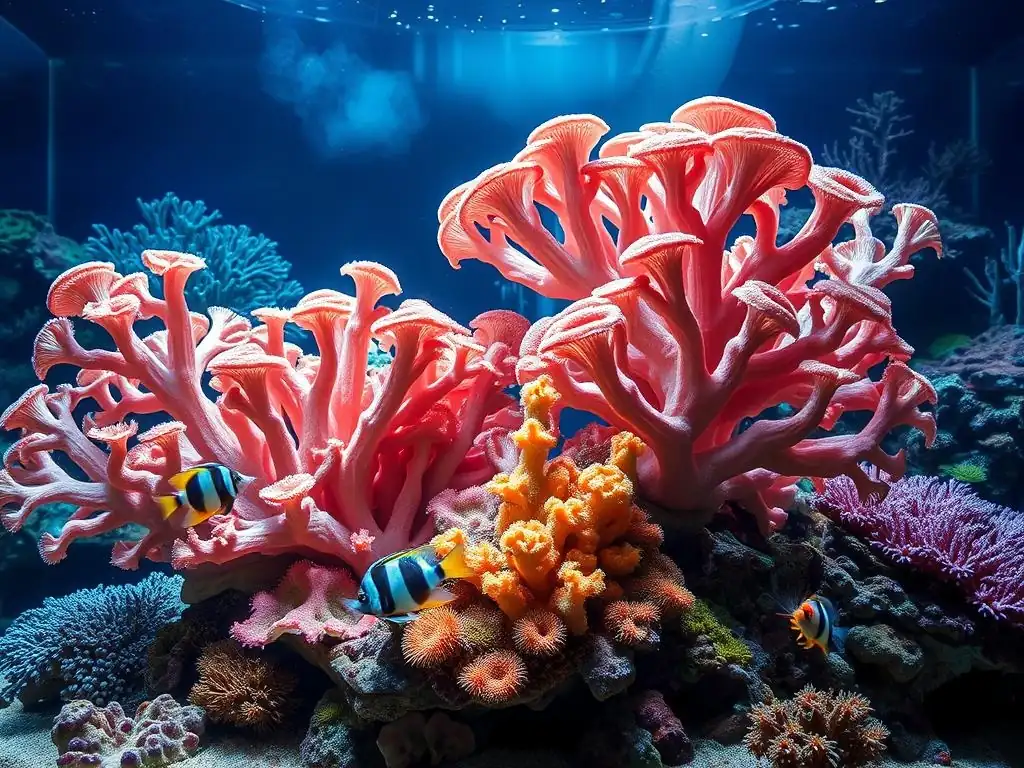
Ever dreamt of a thriving reef teeming with life, where vibrant corals and fascinating fish live in perfect harmony? Dive in and discover the secrets to creating a peaceful underwater paradise! This article focuses on finding the perfect peaceful reef tank companions for your mushroom coral tank, ensuring a balanced ecosystem that flourishes. Curious about which species will thrive alongside your mushrooms? Keep reading and unlock the secrets to a vibrant and harmonious reef!
- Introduction: Creating a Harmonious Reef with Mushroom Corals
- Understanding Mushroom Corals and Their Needs
- The Importance of Choosing Peaceful Reef Tank Companions
- Ideal Peaceful Reef Tank Companions for Mushroom Corals
- Fish and Invertebrates to Avoid with Mushroom Corals
- Maintaining a Balanced Reef Ecosystem for Peaceful Coexistence
- Acclimation Strategies for New Tank Mates
- Troubleshooting Potential Compatibility Issues
- Conclusion: Building a Thriving and Peaceful Reef with Mushroom Corals and Compatible Companions
-
Frequently Asked Questions
- How do I choose truly peaceful reef tank companions for a mushroom coral tank?
- What are some ideal peaceful reef tank companions that won't harm my mushroom corals?
- Are there any fish to absolutely avoid when keeping mushroom corals and aiming for a peaceful reef tank?
- How does water chemistry affect the peaceful coexistence of mushroom corals and their tank mates?
- What are some signs that my "peaceful" tank mates are actually stressing my mushroom corals, and what can I do to re-establish reef tank harmony?
- Final Reflection: Cultivating Harmony in the Reef
- Ignite Your Reef Tank: Cultivate Harmony Today!
Introduction: Creating a Harmonious Reef with Mushroom Corals
Mushroom corals, belonging to families like Discosomatidae and Ricordeidae, are among the most popular and resilient soft corals for home aquariums. Their vibrant colors, diverse textures, and relatively easy care make them an excellent choice for both beginner and experienced aquarists. However, the success of a mushroom coral dominated reef, especially one aiming for a high degree of visual appeal and biological balance, hinges significantly on the careful selection of tank mates.
Achieving a truly harmonious reef environment requires more than just maintaining pristine water parameters; it demands an understanding of inter-species compatibility. Choosing the right peaceful reef tank companions is paramount to prevent stress, physical damage, and competition that can hinder your mushroom corals' growth and overall health. This article will guide you through selecting ideal inhabitants that will thrive alongside your mushrooms, ensuring a vibrant and serene underwater landscape.
Understanding Mushroom Corals and Their Needs
Mushroom Coral Varieties: A Brief Overview
Mushroom corals encompass a fascinating array of species, each with unique characteristics. Discosoma mushrooms, often recognized by their smooth or knobby surfaces and wide color spectrum from electric blues to fiery reds, are perhaps the most common. They are known for their rapid propagation through budding or fission, quickly forming colorful colonies.
Another popular genus is Rhodactis, which often features distinctive bubble-like textures or elongated tentacles, adding a different dimension to the reef. Ricordea mushrooms, particularly Ricordea florida and Ricordea yuma, are highly sought after for their intense coloration and unique bumpy texture, resembling small, jeweled buttons. Despite their diversity, most mushroom corals share similar fundamental care requirements, making them relatively predictable peaceful reef tank companions for compatible species.
Optimal Water Parameters for Mushroom Coral Health
Maintaining stable and appropriate water parameters is fundamental for the long-term health and vibrant appearance of mushroom corals. These corals thrive in conditions that mimic their natural tropical reef habitats. Ideal salinity levels should range between 1.024 and 1.026 specific gravity, while temperatures should be kept consistently within 75-80°F (24-27°C). Fluctuations outside these ranges can induce stress and retraction.
Beyond salinity and temperature, key chemical parameters are equally vital. Alkalinity, representing carbonate hardness, should be maintained between 8-12 dKH to support calcification and general coral health, though mushrooms are less dependent on it than stony corals. Calcium levels between 400-450 ppm and Magnesium between 1200-1350 ppm are also important for overall reef stability. While mushrooms are quite tolerant of elevated nitrates (up to 20 ppm) compared to SPS corals, keeping phosphates low (below 0.05 ppm) is always beneficial to prevent nuisance algae growth and ensure optimal coral pigmentation.
Mushroom Coral Placement and Lighting Requirements
Proper placement and lighting are crucial for mushroom coral well-being and expansion. Unlike many stony corals, mushroom corals prefer low to moderate water flow. Strong, direct currents can cause them to detach from their substrate or remain retracted, hindering their ability to feed and photosynthesize. Gentle, indirect flow that allows the polyps to gently sway is ideal, promoting nutrient exchange without causing physical stress.
Regarding lighting, mushroom corals are generally considered low to moderate light corals. They typically thrive under PAR (Photosynthetically Active Radiation) values ranging from 50 to 150 PAR. Placing them on the sandbed, on lower rockwork, or in shaded areas within the aquarium is often optimal. Too much light can cause them to bleach or shrink, indicating stress. Observing their expansion and color is key; if they appear shrunken or dull, adjusting their position to a less intense light zone might be necessary.
The Importance of Choosing Peaceful Reef Tank Companions
Avoiding Aggressive Fish That Can Harm Corals
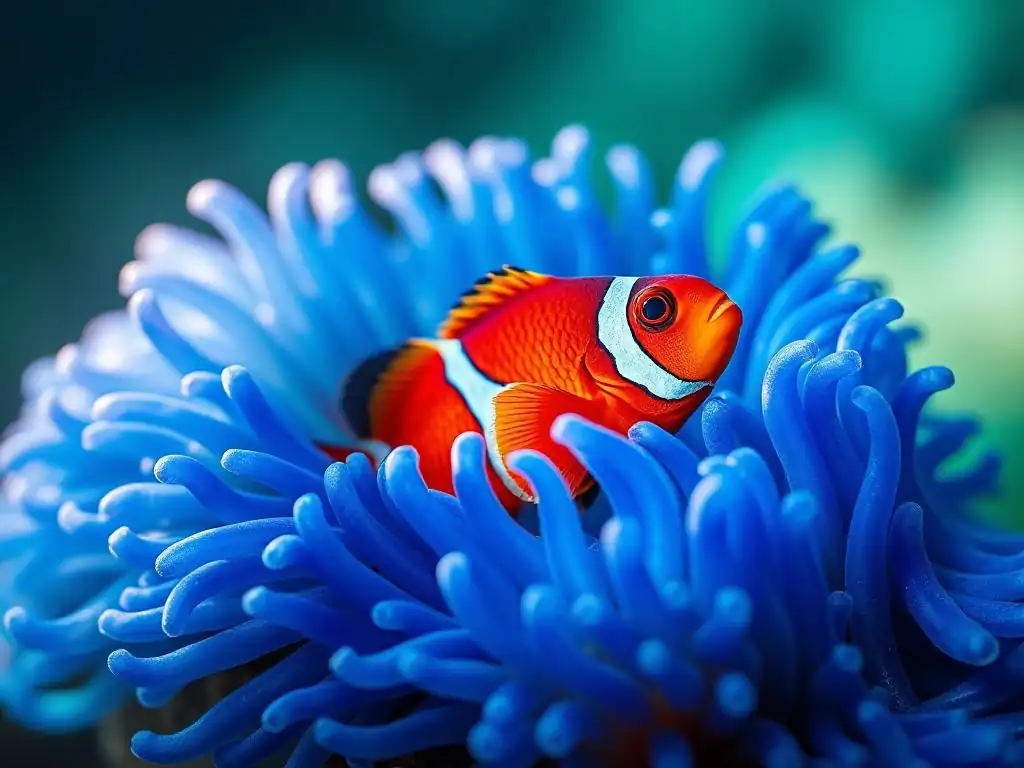
The selection of fish for a reef tank containing mushroom corals must prioritize peaceful temperament. Aggressive fish, particularly those known for nipping at corals or territorial disputes, can severely stress or even destroy mushroom corals. Even seemingly minor nips can cause a mushroom coral to retract for extended periods, making it vulnerable to infection or inhibiting its ability to photosynthesize and feed.
Certain species, such as some larger angelfish or triggerfish, are notorious for their propensity to pick at fleshy corals. Their consistent harassment can lead to tissue damage, sloughing, and ultimately, the demise of the coral. Therefore, thorough research into the dietary habits and behavioral tendencies of any potential fish addition is critical to ensure they will truly be peaceful reef tank companions and not a threat to your delicate mushroom ecosystem.
The Impact of Invertebrates on Mushroom Coral Health
While often overlooked, the invertebrate cleanup crew also plays a significant role in the harmony of a mushroom coral tank. Many invertebrates are highly beneficial, diligently consuming detritus and algae, thus contributing to a cleaner and healthier environment. However, certain invertebrate species can pose a direct threat to mushroom corals, either through predation or by inadvertently causing physical damage.
For instance, some larger or opportunistic crab species might attempt to consume or disturb the soft tissues of mushroom corals. Similarly, certain urchins, while excellent algae grazers, can dislodge corals as they move across the rockwork or sandbed with their spines. Therefore, just like fish, invertebrates must be chosen with care to ensure they are genuinely peaceful reef tank companions that contribute positively to the tank's overall health without jeopardizing your mushroom corals.
Ideal Peaceful Reef Tank Companions for Mushroom Corals
Peaceful Fish Species for Mushroom Coral Tanks
Clownfish: A Symbiotic Relationship
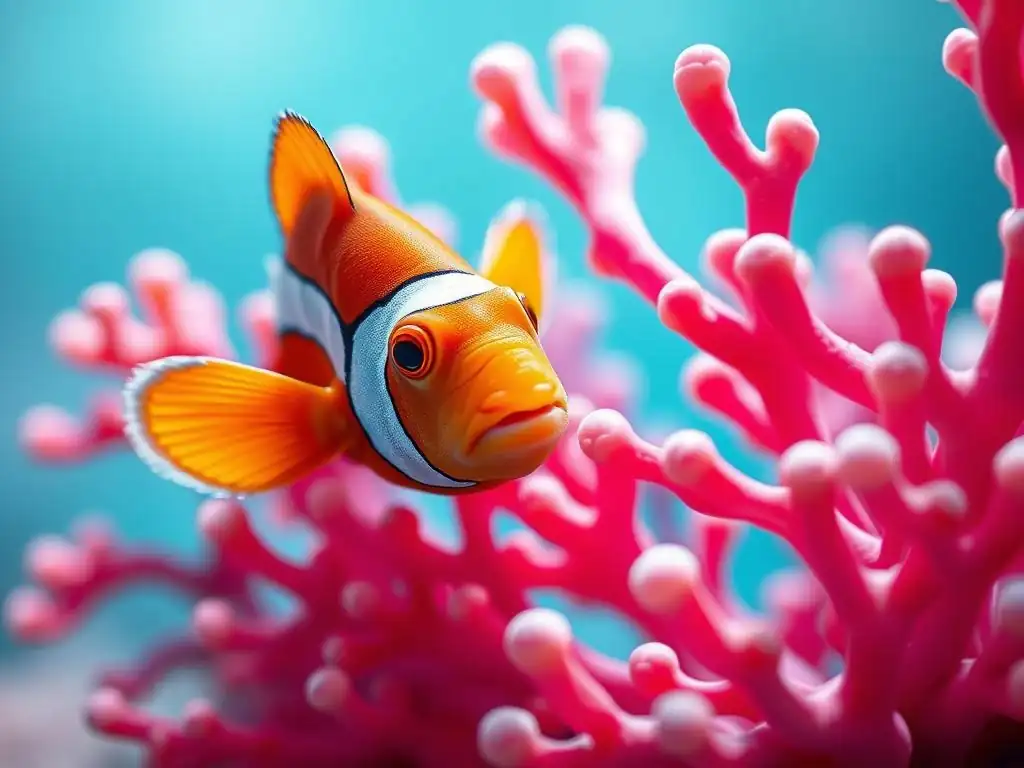
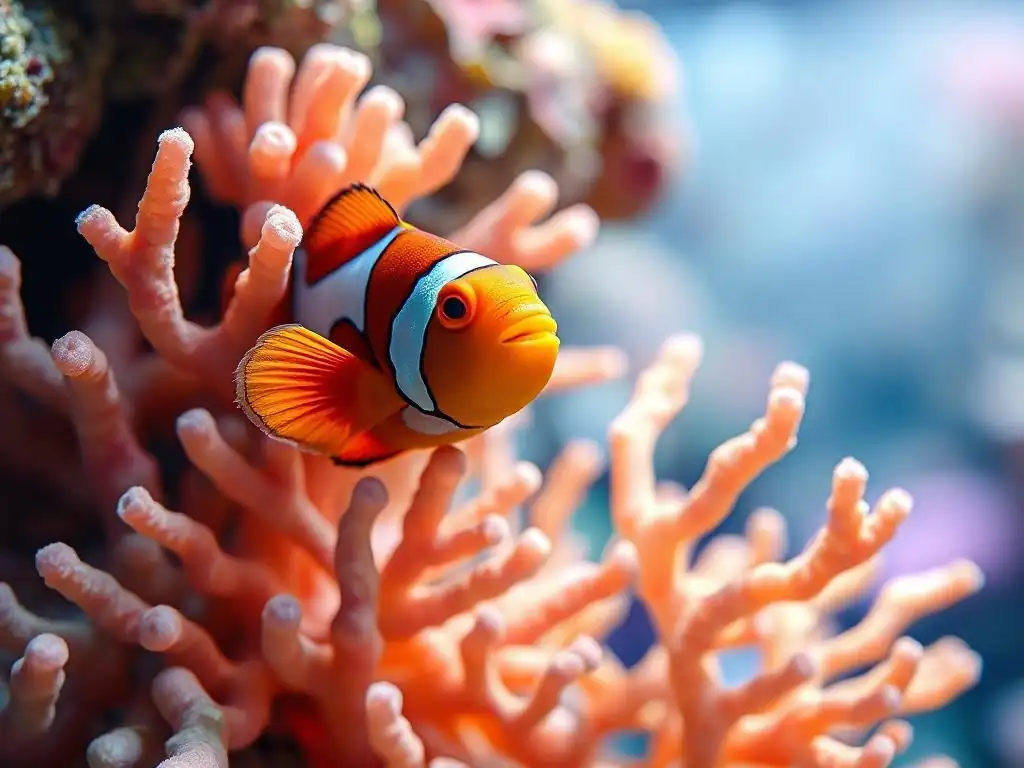
Clownfish (e.g., Amphiprion ocellaris, Amphiprion percula) are renowned for their peaceful nature and iconic symbiotic relationship with anemones. While they typically prefer anemones, many clownfish species will readily host in various soft corals, including some mushroom corals, or even in the rockwork, without causing harm. Their calm demeanor and relatively small size make them excellent peaceful reef tank companions for mushroom corals.
A pair of clownfish will often establish a territory but are generally non-aggressive towards corals or other peaceful fish. They typically grow to about 3-4 inches and are active swimmers that add dynamic movement and personality to the tank. Their presence can even be beneficial, as they may help keep the coral clean by removing detritus.
Gobies: Sand-Sifting and Peaceful Grazers
Gobies are a diverse group of fish, and many species are exemplary peaceful reef tank companions for mushroom corals. Sand-sifting gobies, such as the Diamond Watchman Goby ( Valenciennea puellaris) or Yellow Watchman Goby ( Cryptocentrus cinctus), are highly beneficial as they constantly sift through the sandbed, preventing detritus buildup and aerating the substrate. They typically reach sizes of 4-6 inches and are completely reef-safe.
Other peaceful gobies include the various species of Firefish ( Nemateleotris spp.), which are known for their vibrant colors and shy, darting movements. These small fish, usually growing to 2-3 inches, prefer to hover near the rockwork and are non-aggressive towards corals or other tank inhabitants. Their calm temperament makes them a perfect fit for a mushroom coral dominated tank.
Firefish: Adding Color and Tranquility
Firefish, particularly the Magnificent Firefish ( Nemateleotris magnifica) and Purple Firefish ( Nemateleotris decora), are outstanding choices for a peaceful reef aquarium. These slender, elegant fish are known for their striking coloration – often featuring vibrant red, orange, or purple bodies with elongated dorsal fins. They typically grow to about 2-3 inches, making them suitable for tanks as small as 10-20 gallons.
Their behavior is characterized by hovering gracefully in the water column, often near a bolt hole in the rockwork, into which they quickly retreat if startled. Firefish are non-aggressive, do not bother corals, and coexist well with other small, peaceful fish. Their tranquil presence and beautiful appearance significantly enhance the aesthetic appeal of a mushroom coral tank, embodying the essence of peaceful reef tank companions.
Invertebrates That Thrive with Mushroom Corals
Snails: Algae Control and Reef Cleanup
Snails are indispensable members of the cleanup crew in any reef tank, and many species are perfectly suited as peaceful reef tank companions for mushroom corals. Herbivorous snails like Trochus snails, Turbo snails, and Nassarius snails actively graze on nuisance algae and consume detritus, helping to maintain a clean environment. Trochus snails (e.g., Trochus histrio) are particularly effective at cleaning algae from rockwork and glass, typically reaching 1-2 inches in size.
Nassarius snails (e.g., Nassarius vibex) are excellent detritus eaters, burrowing into the sandbed and emerging quickly when food is detected. These small snails, often less than an inch, do not disturb corals and are vital for substrate health. When adding snails, ensure they are reef-safe species, as some larger or predatory snails could pose a threat.
Shrimp: Scavengers and Peaceful Tank Mates
Various shrimp species are highly beneficial and make excellent peaceful reef tank companions for mushroom corals. Cleaner shrimp, such as the Skunk Cleaner Shrimp ( Lysmata amboinensis) or Fire Shrimp ( Lysmata debelius), are popular for their vibrant colors and fascinating symbiotic behavior of cleaning parasites from fish. They typically grow to 2-3 inches and are completely reef-safe, actively scavenging for uneaten food and detritus without bothering corals.
Peppermint shrimp ( Lysmata wurdemanni) are another useful addition, particularly known for their potential to consume Aiptasia anemones, a common pest in reef tanks. These smaller shrimp, around 1-2 inches, are also non-aggressive towards corals and fish, contributing to the overall cleanliness and health of the aquarium. Their active scavenging nature makes them a continuous benefit to the ecosystem.
Hermit Crabs: Beneficial Detritus Eaters
Small, reef-safe hermit crabs are valuable additions to a mushroom coral tank, acting as effective detritus and algae eaters. Species like the Scarlet Reef Hermit Crab ( Paguristes cadenati) and Blue Leg Hermit Crab ( Clibanarius tricolor) are ideal choices. Scarlet Reef Hermits, typically growing to about 1 inch, are vibrant red and primarily herbivorous, making them excellent algae controllers. Blue Leg Hermits, smaller at around 0.5 inches, are omnivores that consume detritus and nuisance algae.
It's crucial to provide an ample supply of empty shells of various sizes for hermit crabs, as they need to upgrade their homes as they grow. A lack of suitable shells can lead them to attempt to evict snails from their shells, which can be detrimental to the cleanup crew. When properly supplied, these small crustaceans are industrious and peaceful, contributing significantly to tank hygiene and being genuinely peaceful reef tank companions.
Fish and Invertebrates to Avoid with Mushroom Corals
Fish Known to Nip at Corals
Angelfish: Potential Coral Nippers
While many angelfish species are strikingly beautiful, a significant number of them are not considered reef-safe, especially in tanks with soft, fleshy corals like mushrooms. Larger angelfish, such as the Queen Angelfish ( Holacanthus ciliaris) or Emperor Angelfish ( Pomacanthus imperator), often develop a taste for coral polyps as they mature. Even smaller species, like some Dwarf Angelfish ( Centropyge spp.), can sometimes nip at corals, though their behavior can be more unpredictable and individualistic.
The primary concern with angelfish is their propensity to pick at the fleshy polyps of mushroom corals, causing retraction, tissue damage, and stress. This constant harassment can lead to the coral's decline or even death over time. Therefore, it is generally advised to avoid most angelfish species if your primary goal is to maintain a thriving mushroom coral collection, as they are often not peaceful reef tank companions for these delicate invertebrates.
Butterflyfish: Specialized Coral Eaters
Butterflyfish are perhaps the most notorious coral predators among common aquarium fish. Many species within the Chaetodon genus are obligate corallivores, meaning their natural diet consists primarily of coral polyps. Introducing such species, like the Copperband Butterflyfish ( Chelmon rostratus), into a tank with mushroom corals is almost guaranteed to result in the destruction of your coral collection.
Even those butterflyfish not strictly corallivorous often have a strong propensity to nip at and consume soft coral tissues. Their specialized mouths are adapted for extracting polyps from crevices, making them highly efficient at damaging corals. Unless you are setting up a fish-only with live rock (FOWLR) system, butterflyfish are universally considered unsuitable and highly detrimental as peaceful reef tank companions for any reef aquarium containing corals.
Invertebrates That Can Harm Mushroom Corals
Certain Crab Species: Predatory Behavior Towards Corals
While many small, colorful crabs are harmless hitchhikers, certain crab species can pose a significant threat to mushroom corals due to their predatory or opportunistic feeding habits. Larger, often dull-colored crabs, sometimes referred to as "Gorilla Crabs" ( Atergatis integerrimus and similar species), are notorious for consuming corals, snails, and even small fish. These crabs often hitchhike on live rock and can grow quite large, making them a serious danger to your reef.
Even seemingly innocent crabs can become problematic. For example, some emerald crabs ( Mithrax sculptus), while generally good at controlling bubble algae, have been known to nip at corals or other invertebrates if food is scarce or they develop a taste for them. It is crucial to identify and remove any suspicious or large crab species from a mushroom coral tank, as they are far from peaceful reef tank companions.
Sea Urchins: Potential for Coral Displacement
Sea urchins, while excellent algae grazers, can be problematic in a tank with mushroom corals due to their movement and powerful spines. Species like the Long-spined Urchin ( Diadema antillarum) or Pincushion Urchin ( Mespilia globulus) can inadvertently dislodge or damage mushroom corals as they traverse the rockwork and sandbed. Their constant grazing and spine contact can irritate the delicate tissues of the mushrooms, leading to retraction or even physical abrasion.
Mushroom corals, being soft and often unattached or loosely attached, are particularly vulnerable to being pushed around by larger urchins. While their algae-eating benefits are undeniable, the risk of coral damage often outweighs the advantages in a dedicated mushroom coral display. Therefore, caution is advised when considering sea urchins as peaceful reef tank companions for your mushroom garden.
Maintaining a Balanced Reef Ecosystem for Peaceful Coexistence
Regular Water Changes and Testing
Consistent water quality is the cornerstone of a healthy and stable reef ecosystem, directly supporting the peaceful coexistence of mushroom corals and their tank mates. Regular water changes are critical for replenishing essential trace elements and removing accumulated nitrates, phosphates, and other pollutants. A typical regimen involves replacing 10-20% of the tank's water volume weekly or bi-weekly, depending on stocking density and feeding habits.
Beyond water changes, diligent testing of key parameters is indispensable. Daily or weekly monitoring of salinity, temperature, alkalinity (8-12 dKH), calcium (400-450 ppm), and magnesium (1200-1350 ppm) ensures stability, which is vital for mushroom coral health and the overall well-being of your peaceful reef tank companions. Regularly checking nitrate and phosphate levels (aiming for nitrates below 10-20 ppm and phosphates below 0.05 ppm) helps prevent nuisance algae blooms that can compete with and smother corals.
Proper Filtration and Water Flow
Effective filtration is paramount for maintaining pristine water quality and a balanced ecosystem where mushroom corals and their companions can thrive. A robust filtration system typically includes mechanical filtration (filter socks, sponges) to remove particulate matter, chemical filtration (activated carbon, GFO) to absorb dissolved organic compounds and phosphates, and biological filtration (live rock, refugiums) to process ammonia and nitrites into less harmful nitrates. Adequate biological filtration, provided by 1-2 pounds of live rock per gallon, is crucial for processing waste from all tank inhabitants.
Water flow is equally important. While mushroom corals prefer low to moderate flow, ensuring adequate circulation throughout the tank prevents dead spots where detritus can accumulate and harmful bacteria can proliferate. Aim for a gentle, indirect flow around the mushrooms that allows them to fully extend without being blasted. Approximately 10-20 times the tank volume per hour in total flow is a good starting point, distributed by powerheads to create random, turbulent patterns rather than direct streams.
Avoiding Overcrowding in Your Reef Tank
Overcrowding is one of the most common pitfalls in reef keeping and can quickly undermine efforts to create a peaceful and thriving ecosystem. A tank that is too densely populated with fish or corals leads to increased biological load, higher waste production, and intensified competition for resources like food, space, and light. This can result in elevated nutrient levels, poor water quality, and heightened aggression among fish, directly impacting the health of your mushroom corals and other peaceful reef tank companions.
A general guideline for fish stocking is often cited as 1 inch of adult fish per 5 gallons of water for smaller, peaceful species, though this is a very rough estimate and depends heavily on filtration and maintenance. For corals, allow ample space for growth and expansion, especially for mushroom corals which can spread rapidly. Planning your tank's inhabitants carefully, considering their adult size and territorial needs, is essential to prevent stress, disease, and conflict, ensuring a harmonious environment for all.
Acclimation Strategies for New Tank Mates
Quarantine Procedures for New Arrivals
Implementing a strict quarantine procedure for all new fish and invertebrates is arguably the most critical step in preventing the introduction of diseases, parasites, and unwanted hitchhikers into your established reef tank. A dedicated quarantine tank, typically a simple 10-20 gallon aquarium, should be set up with a heater, small filter, and PVC pipes for hiding spots. New arrivals should be housed here for a minimum of 2-4 weeks, or longer if signs of illness are observed.
During quarantine, new tank mates can be observed for common ailments like Ich (white spots), Velvet, or bacterial infections. This period also allows for proactive treatment if necessary, without exposing your main display tank and its existing peaceful reef tank companions to potential pathogens. For invertebrates, quarantine helps identify and remove any unwanted predatory hitchhikers that might have come on the live rock or coral frag.
Gradual Acclimation to Tank Parameters
Once new fish or invertebrates have successfully completed their quarantine period and appear healthy, gradual acclimation to the main display tank's parameters is crucial to minimize stress and prevent shock. The most common and effective method for sensitive fish and all invertebrates is drip acclimation. This involves slowly dripping water from the display tank into the container holding the new arrival, typically over a period of 30-60 minutes, using airline tubing and a knot to control the drip rate.
For temperature acclimation, simply float the sealed bag containing the new arrival in the display tank for 15-20 minutes. After drip acclimation, the new inhabitant should be gently netted and transferred to the display tank, discarding the water from the holding container to prevent introducing any residual transport water or potential parasites. This careful approach significantly increases the chances of a smooth transition and ensures your new additions become truly peaceful reef tank companions.
Troubleshooting Potential Compatibility Issues
Identifying Signs of Stress in Mushroom Corals
Even with careful planning, compatibility issues can sometimes arise. Recognizing the early signs of stress in your mushroom corals is vital for prompt intervention. A healthy mushroom coral will typically be fully expanded, vibrant in color, and firmly attached to its substrate. Signs of stress include prolonged retraction, where the coral remains shrunken and closed for extended periods, even during optimal lighting and feeding times.
Other indicators include bleaching (loss of color), which often suggests too much light or poor water quality, or browning, which can indicate insufficient light or excess nutrients. Tissue sloughing or a general failure to expand and thrive are more severe signs. If these symptoms appear after introducing new peaceful reef tank companions, observe the interactions closely. It might indicate that a new inhabitant is nipping, irritating, or simply outcompeting the mushroom for resources.
Addressing Aggression Among Tank Mates
Aggression among tank mates, even those initially considered peaceful reef tank companions, can manifest in various ways, from fin nipping and chasing to direct physical confrontation. If you observe consistent aggression, particularly towards your mushroom corals or other fish, prompt action is necessary to prevent injury or chronic stress. One immediate step is to observe the specific individuals involved and the nature of the aggression.
Solutions can range from rearranging the rockwork to disrupt established territories and create new hiding spots, to adding more decor to break up lines of sight. In some cases, introducing a "dither" fish – a fast-moving, non-aggressive species – can help redirect aggression by providing a new focal point. However, if aggression persists and threatens the well-being of other inhabitants or corals, the most effective solution is often to remove the aggressive individual from the tank, rehoming it to a more suitable environment.
Conclusion: Building a Thriving and Peaceful Reef with Mushroom Corals and Compatible Companions
Creating a thriving and harmonious reef aquarium centered around mushroom corals is a rewarding endeavor that relies heavily on thoughtful planning and diligent care. The key to success lies in understanding the specific needs of your mushroom corals and, crucially, in meticulously selecting peaceful reef tank companions that will coexist without causing stress or harm. From choosing the right fish and invertebrates to maintaining pristine water quality and implementing sound acclimation strategies, every step contributes to the overall stability and beauty of your underwater ecosystem.
By avoiding species known to nip at corals or exhibit aggressive tendencies, and instead opting for docile fish like clownfish and gobies, and beneficial invertebrates such as snails and shrimp, you can cultivate a vibrant and serene environment. Regular monitoring of water parameters, consistent maintenance, and proactive troubleshooting will further ensure the long-term health and prosperity of your mushroom corals and their compatible inhabitants. With careful consideration, your reef tank can become a stunning showcase of peaceful coexistence and natural beauty.
Frequently Asked Questions
How do I choose truly peaceful reef tank companions for a mushroom coral tank?
Consider temperament and feeding habits. Avoid aggressive fish or those that nip at corals. Research species compatibility carefully to ensure peaceful coexistence.
What are some ideal peaceful reef tank companions that won't harm my mushroom corals?
Clownfish, gobies, and certain types of blennies are generally good choices. Also, consider invertebrates like cleaner shrimp and snails that contribute to a healthy reef environment.
Are there any fish to absolutely avoid when keeping mushroom corals and aiming for a peaceful reef tank?
Yes, large angelfish, butterflyfish, and triggerfish often nip at corals. Avoid any fish known for aggression or a tendency to consume invertebrates.
How does water chemistry affect the peaceful coexistence of mushroom corals and their tank mates?
Stable water parameters are crucial. Fluctuations in salinity, pH, or temperature can stress corals and fish, leading to aggression and disease.
What are some signs that my "peaceful" tank mates are actually stressing my mushroom corals, and what can I do to re-establish reef tank harmony?
Look for retracted polyps, discoloration, or tissue recession on the mushroom corals. If observed, isolate the aggressor or adjust the tank environment to reduce stress levels.
Final Reflection: Cultivating Harmony in the Reef
The delicate balance within a reef aquarium, as we've explored, hinges on the careful selection of tank mates. Achieving peaceful coexistence isn't just about aesthetics; it's about fostering a thriving ecosystem where mushroom corals and their companions can flourish, free from stress and aggression. Understanding the nuances of compatibility is paramount to creating a vibrant and sustainable underwater world within our homes.
This journey into peaceful reef keeping has underscored the profound interconnectedness of life, even within a confined space. It reminds us that responsible stewardship extends beyond simply providing food and water; it demands a deep understanding of the needs and behaviors of each creature under our care. The sea, once it casts its spell, holds one in its net of wonder forever.
- Jacques Cousteau. This quote encapsulates the awe and responsibility that comes with maintaining a reef aquarium, a miniature ocean teeming with life.
Now, as you contemplate the possibilities for your own reef, I urge you to approach the selection of tank mates with intention and empathy. Consider not only the beauty they bring, but also the impact they will have on the delicate harmony of your underwater world. Let the principles of peaceful coexistence guide your choices, and you will be rewarded with a thriving reef that is both a testament to your knowledge and a source of endless wonder.
Ignite Your Reef Tank: Cultivate Harmony Today!
Thank you for diving into the world of mushroom coral tank mates! We hope this article has illuminated the path to a thriving and peaceful reef environment. Now, let's put that knowledge into action and create the aquarium of your dreams.
Here's how you can start:
- Begin by carefully researching the temperament and needs of any potential tank mates you're considering. Prioritize compatibility with mushroom corals.
- Document your current tank inhabitants and their interactions. Share your observations in online reef keeping forums to gain valuable insights from experienced hobbyists.
- Surprise your fellow reef enthusiasts by creating a short video showcasing the peaceful coexistence in your tank! Post it on social media and use relevant hashtags, like #ReefTankPeace and #MushroomCoralLove.
What surprising combination of tank mates have you found that creates a harmonious reef environment? Share your secrets in the comments below!