
How Fast Do Zoanthids Grow? Factors Influencing Growth Rates

Welcome to Aquarium Mastery!
Ever wondered how to unlock the secrets to vibrant, rapidly growing Zoanthids in your reef tank? Dive in and explore our comprehensive guide on Zoanthid growth rate factors. Discover the key elements that influence their development, from lighting and water chemistry to feeding and fragging techniques. Prepare to optimize your aquarium environment and witness explosive Zoanthid growth! Ready to learn more?
- Zoanthid Growth: Factors and Optimization in Reef Aquariums
- Understanding Zoanthid Growth
- Factors Influencing Zoanthid Growth
- Common Problems Affecting Zoanthid Growth
- Promoting Zoanthid Growth: Practical Techniques
- Zoanthid Growth Rates: Species-Specific Differences
- Conclusion: Cultivating Thriving Zoanthid Colonies
- Frequently Asked Questions
- Final Reflection: Unveiling the Secrets of Zoanthid Growth
- Ignite Your Zoanthid Garden: Await the Explosion of Color!
Zoanthid Growth: Factors and Optimization in Reef Aquariums
Understanding Zoanthid Growth
Zoanthids: An Introduction and the Significance of Growth Rate
Zoanthids, often referred to simply as "zoas," are a highly popular and diverse group of soft corals in the reef aquarium hobby. They are colonial organisms, meaning they consist of multiple individual polyps connected by a common mat or stolon. Their vibrant colors and relatively forgiving nature make them a favorite among both beginner and experienced aquarists. Understanding the Zoanthid growth rate is paramount for reef keepers, as it provides crucial insights into the health of the colony, indicates whether environmental conditions are optimal, and helps in planning for propagation or aquascaping.
The growth of a Zoanthid colony is typically measured by the increase in the number of polyps or the expansion of the colony's mat over its substrate. A healthy Zoanthid colony will steadily add new polyps, spreading across rocks or frag plugs. Monitoring this expansion allows hobbyists to gauge the effectiveness of their husbandry practices and make timely adjustments if the growth slows or ceases. Furthermore, a robust Zoanthid growth rate is essential for those interested in fragging and propagating these corals, contributing to the sustainability of the hobby.
Typical Zoanthid Growth Rates: A Realistic View
The speed at which Zoanthids grow can vary significantly, influenced by a multitude of Zoanthid growth rate factors, including species genetics, tank maturity, and the consistency of environmental parameters. While some fast-growing varieties might add 1-3 new polyps per week under ideal conditions, others, particularly rarer or more delicate morphs, may only produce a new polyp every few weeks or even months. It is important for aquarists to set realistic expectations for Zoanthid development.
Generally, a Zoanthid colony that doubles its polyp count or significantly expands its mat size over a period of 6 to 12 months can be considered to be exhibiting good growth. Rapid, exponential growth is less common and often indicative of a particularly robust morph thriving in perfect conditions. Observing consistent, albeit sometimes slow, expansion is a positive sign, while a complete halt in growth or a reduction in polyp count often signals underlying issues that need immediate attention.
Factors Influencing Zoanthid Growth
Light: Intensity and Spectrum for Zoanthid Development
Zoanthids primarily derive their energy through photosynthesis, facilitated by the symbiotic zooxanthellae algae residing within their tissues. Therefore, light is a fundamental Zoanthid growth rate factor. Providing the correct intensity and spectrum is crucial for their health and ability to grow. Insufficient light can lead to polyps remaining closed or failing to expand fully, while excessive or incorrect lighting can cause photo shock, bleaching, or browning, all of which inhibit Zoanthid growth.
Proper acclimation to new lighting conditions is vital, especially when introducing new colonies or upgrading aquarium lights. A sudden increase in light intensity can severely stress Zoanthids, diverting their energy from growth to survival. Gradual adjustments, such as placing new colonies lower in the tank or using dimmer settings, allow the zooxanthellae to adapt and prevent detrimental effects on Zoanthid development.
Optimal PAR and Spectrum for Zoanthid Health
For optimal Zoanthid growth, a Photosynthetically Active Radiation (PAR) range of 50-150 µmol/m²/s is generally recommended. Some varieties, particularly those found in deeper waters or with less vibrant coloration, may prefer lower PAR levels, around 30-70 µmol/m²/s, while certain robust types can tolerate up to 200 µmol/m²/s if gradually acclimated. The spectrum of light is equally important; Zoanthids benefit from a broad spectrum that mimics natural sunlight, with strong peaks in the blue range ( 450-470 nm) and sufficient red wavelengths ( 620-670 nm).
A typical photoperiod of 10-12 hours per day is usually sufficient for Zoanthid health and growth. Too short a period limits photosynthetic activity, while excessively long periods can stress the coral. Monitoring the coral's response—such as polyp extension, coloration, and overall vigor—is the best way to fine-tune light settings and promote robust Zoanthid growth.
Preventing Photo Shock
Photo shock occurs when Zoanthids are abruptly exposed to a significantly higher light intensity than they are accustomed to. Symptoms include polyps staying closed for extended periods, shrinking, losing their vibrant coloration, or turning a dull brown. This stress can severely impede Zoanthid growth and, in severe cases, lead to colony die-off.
To prevent photo shock, new Zoanthids should be introduced gradually to the aquarium's lighting. A common practice is to place them on the sandbed or in a shaded area for the first few days or weeks, then slowly move them to their desired location over a period of 2-4 weeks. Alternatively, if using dimmable LED lights, gradually increase the intensity by 5-10% per week. Using light-diffusing screens or nets can also provide temporary protection during the acclimation phase, allowing the coral to adjust its zooxanthellae population to the new light levels.
Water Chemistry: Essential Parameters for Zoanthids
Stable and appropriate water chemistry is a cornerstone for promoting healthy Zoanthid growth. While Zoanthids are generally more tolerant of minor fluctuations than Small Polyp Stony (SPS) corals, prolonged instability or extreme deviations in key parameters will stress them, diverting energy away from growth and towards survival. Consistent monitoring and maintenance of these parameters are critical Zoanthid growth rate factors.
Regular testing, ideally weekly, allows aquarists to track trends and make proactive adjustments before issues arise. Using high-quality test kits or professional lab services provides accurate readings, empowering hobbyists to maintain the precise environment necessary for optimal Zoanthid development.
Alkalinity, Calcium, and Magnesium: Maintaining Balance
Although Zoanthids are soft corals and do not build a rigid calcium carbonate skeleton like SPS corals, they do form a calcareous basal mat that anchors their polyps. Therefore, maintaining stable levels of alkalinity, calcium, and magnesium is still beneficial for their overall health and indirectly supports Zoanthid growth. The ideal alkalinity (dKH) range is 7-10 dKH, with stability being more important than hitting an exact number. Fluctuations greater than 0.5 dKH within a 24-hour period can be stressful.
Calcium levels should be maintained between 400-450 ppm, and magnesium between 1250-1350 ppm. Magnesium helps to prevent calcium and alkalinity from precipitating out of solution, thereby aiding in their stability. While Zoanthids do not consume these elements as rapidly as SPS corals, consistent levels contribute to the overall biological processes within the coral, ensuring the necessary building blocks are available for tissue and mat expansion.
Nitrate and Phosphate: The Effects on Zoanthid Growth
Nitrates (NO3) and phosphates (PO4) are often seen as detrimental in reef aquariums, but Zoanthids, like many soft corals, can tolerate and even benefit from slightly elevated nutrient levels. For nitrates, a range of 5-20 ppm is generally considered acceptable and can even contribute to more vibrant coloration and robust Zoanthid growth by supporting their zooxanthellae. However, very high levels, exceeding 30-40 ppm, can lead to browning, dull coloration, and inhibit polyp extension. Conversely, ultra-low nutrient systems (ULNS) with nitrates consistently below 1 ppm can sometimes "starve" the zooxanthellae, potentially hindering Zoanthid development.
Phosphates should be kept lower, ideally below 0.1 ppm, with a target range of 0.03-0.07 ppm. High phosphate levels can inhibit calcification, even in the Zoanthids' basal mat, and significantly promote nuisance algae growth. Algae can directly compete with Zoanthids for light and space, smothering colonies and severely impeding Zoanthid growth. A balanced approach to nutrient management, avoiding both extreme highs and lows, is crucial for fostering healthy Zoanthid colonies.
Water Flow: Its Impact on Zoanthid Growth
Water flow is another critical Zoanthid growth rate factor, influencing nutrient delivery, waste removal, and gas exchange around the polyps. Proper flow ensures that food particles, whether from the water column or target-fed, reach the polyps, and metabolic waste products are carried away. Both insufficient and excessive flow can be detrimental, causing stress and inhibiting Zoanthid growth.
Observing the polyps' behavior is the best indicator of appropriate flow. They should gently sway and extend fully, indicating they are receiving adequate, yet not overwhelming, movement. Stagnant areas can lead to detritus accumulation, while overly turbulent spots can cause polyps to remain closed or even detach.
Ideal Flow Rates and Patterns for Zoanthids
Zoanthids generally prefer moderate, indirect, and turbulent water flow. This type of flow ensures that fresh, nutrient-rich water constantly bathes the polyps without directly blasting them with a strong, constant stream. Direct, laminar flow can cause the polyps to retract or remain closed, as they expend energy trying to resist the force, thereby diverting resources away from Zoanthid growth.
Wavemakers set to random flow patterns or gyre pumps that create broad, sweeping movements are ideal, as they mimic natural reef currents. The goal is to create a dynamic environment where polyps can gently sway and filter feed effectively. If polyps appear flattened, constantly closed, or are detaching, the flow is likely too strong. Conversely, if detritus settles on the polypolyps or they appear sluggish, the flow might be insufficient.
Identifying Flow-Related Issues
Symptoms of insufficient water flow around Zoanthids include the accumulation of detritus on the polyps, a dull or browning appearance due to poor gas exchange and nutrient delivery, and polyps that do not fully extend. In stagnant areas, the coral may also be more susceptible to bacterial infections or nuisance algae growth, both of which will hinder Zoanthid development.
On the other hand, signs of excessive flow include polyps that are constantly closed, shrunken, or appear to be struggling to maintain their position. In extreme cases, polyps may detach from the colony's mat or frag plug. Adjusting the position of powerheads, adding flow deflectors, or repositioning the Zoanthid colony to a less direct flow area can alleviate these issues and promote better Zoanthid growth.
Feeding and Supplementation: Enhancing Zoanthid Growth
While Zoanthids largely rely on the photosynthesis performed by their symbiotic zooxanthellae, supplemental feeding can significantly boost their Zoanthid growth rate. Zoanthids are opportunistic feeders, capable of capturing small particulate matter from the water column. Providing them with appropriate food sources ensures they receive a broader spectrum of nutrients beyond what photosynthesis alone can provide.
A consistent feeding regimen, tailored to the specific needs of your Zoanthids and overall tank bioload, can lead to noticeably faster Zoanthid growth and more vibrant coloration. It also helps to build up their energy reserves, making them more resilient to minor environmental stresses.
Suitable Food Sources for Zoanthids
Zoanthids benefit from a diet rich in micro-planktonic foods. Popular choices include commercial coral foods designed for filter feeders, such as Reef-Roids, Polyp-Lab's Reef-Roids, or finely crushed high-quality flake or pellet foods. These products typically contain a blend of marine proteins, lipids, and carbohydrates that Zoanthids can readily consume. Live phytoplankton, while primarily consumed by filter feeders like copepods and rotifers, can indirectly benefit Zoanthids by feeding their prey or improving the overall microbial diversity in the water column.
Target feeding is the most efficient method, ensuring the food reaches the polyps directly. This involves using a pipette or turkey baster to gently squirt a small amount of diluted food mixture over the Zoanthid colony with the tank's flow turned off for 10-15 minutes. Feeding 1-3 times per week is generally sufficient, but monitor water parameters to avoid overfeeding and nutrient spikes.
Amino Acids and Trace Elements: Supplementation Strategies
Beyond direct feeding, supplementing with amino acids and trace elements can further enhance Zoanthid growth and coloration. Amino acids are the building blocks of proteins and are crucial for tissue repair and new growth. A balanced amino acid blend (e.g., Brightwell Aquatics Aminovite, Red Sea Reef Energy A & B) can be dosed a few times a week according to product instructions. Many aquarists report improved polyp extension, richer colors, and accelerated Zoanthid development when using these supplements.
Trace elements, such as iodine, strontium, and various metals, are consumed by corals and other invertebrates for various metabolic processes. While regular water changes replenish many of these elements, specific dosing of a comprehensive trace element solution can be beneficial, particularly in tanks with high coral density or infrequent water changes. These elements are vital for enzymatic reactions and overall cellular function, indirectly supporting a robust Zoanthid growth rate.
Substrate and Placement: Optimizing Growth
The initial placement and the type of substrate a Zoanthid colony is anchored to can significantly influence its ability to establish and spread, thereby affecting its overall Zoanthid growth rate. Proper placement ensures the colony receives optimal light and flow, while a suitable substrate provides a stable base for encrustation.
Considering the long-term growth potential and spatial requirements of a Zoanthid colony during initial placement can prevent the need for future relocation, which can be stressful for the coral and temporarily halt Zoanthid development.
Selecting the Right Substrate
Zoanthids are encrusting corals that prefer to attach and spread over stable, rough surfaces. Live rock is an ideal substrate as it provides a natural, porous surface for the Zoanthid mat to adhere to and expand. Ensure the live rock is well-cured and free of nuisance algae or pests before placing Zoanthids on it. Frag plugs, commonly used for propagating and selling Zoanthids, also provide a stable, manageable surface.
Avoid placing Zoanthids directly on a sandy substrate, as they can be easily buried by sand-dwelling organisms or irritated by shifting sand, leading to polyp retraction and inhibited Zoanthid growth. If a colony detaches from its original substrate, it can be reattached to a new frag plug or rock using coral-safe super glue gel, ensuring it has a stable base to continue its growth.
Strategic Placement for Light and Flow
Strategic placement of Zoanthids within the aquarium is crucial for optimizing their exposure to light and flow. As discussed, they thrive in moderate light and turbulent, indirect flow. When placing a new colony, consider its position relative to light fixtures and powerheads. Avoid areas with direct, blasting flow or intense spotlighting.
Allow ample space for the colony to expand. Some Zoanthids can grow quite large, spreading several inches in diameter over time. Placing them too close to other corals, especially aggressive SPS or LPS corals with stinging tentacles, can lead to chemical warfare or physical damage that inhibits Zoanthid growth. Observe the polyps' behavior after placement; if they remain closed or appear stressed, try adjusting their position to find a more favorable spot.
Common Problems Affecting Zoanthid Growth
Pests and Predators: Identification and Management
Pests and predators represent one of the most significant challenges to maintaining healthy Zoanthid growth. These unwelcome guests can quickly decimate a colony, often going unnoticed until substantial damage has occurred. Vigilant inspection and prompt action are essential for protecting your Zoanthids.
Implementing a strict quarantine protocol for all new coral acquisitions is the most effective preventative measure against introducing these harmful organisms into your display tank. Even seemingly clean frags can harbor microscopic eggs or larvae that will hatch and wreak havoc.
Zoanthid Eating Nudibranchs: Identification and Removal
Zoanthid-eating nudibranchs, most commonly Aeolidiella stephanieae (formerly known as Berghia nudibranchs), are notorious predators of Zoanthids. These small, camouflaged sea slugs often adopt the coloration of the Zoanthid species they are consuming, making them incredibly difficult to spot. Signs of their presence include bare spots on the Zoanthid colony where polyps have been eaten, or polyps that appear shrunken and never fully open. Close inspection with a magnifying glass, especially at night, may reveal their presence.
Removal typically involves manual extraction using tweezers or a siphon. For more severe infestations, dipping the affected Zoanthid colony in a coral dip solution (e.g., CoralRx, Revive Coral Cleaner) can dislodge the nudibranchs and their eggs. Repeat dipping every few days for 2-4 weeks is often necessary to break their life cycle and ensure complete eradication, thereby allowing Zoanthid growth to resume.
Sundial Snails: Recognizing and Controlling Infestations
Sundial snails ( Heliacus areola) are another common Zoanthid predator. These small, striped snails also feed on Zoanthid polyps, often leaving behind tiny, circular patterns of damage. Like nudibranchs, they are often nocturnal, making detection challenging. They tend to hide in crevices or on the underside of rocks during the day.
Control methods primarily involve manual removal. Carefully inspect new Zoanthid frags and colonies before adding them to your display tank. If an infestation occurs, regular night-time inspections with a flashlight can help you spot and remove them. Some wrasse species, such as the Six-Line Wrasse or Melanurus Wrasse, may prey on sundial snails, but their effectiveness can vary. Preventing their introduction through rigorous quarantine is the most reliable strategy to safeguard your Zoanthid growth.
Diseases and Infections: Prevention and Treatment
While Zoanthids are generally hardy, they can be susceptible to specific diseases and infections, especially when stressed or introduced to a new environment without proper quarantine. Recognizing the symptoms early and implementing appropriate treatment can prevent the spread of the disease and save your colony, allowing for continued Zoanthid growth.
Maintaining pristine water quality and stable parameters is the best preventative measure against most coral diseases, as healthy corals are more resilient. Stress, caused by poor water conditions, fluctuating temperatures, or aggressive tank mates, can weaken a Zoanthid's natural defenses.
Zoanthid Pox: Symptoms and Treatment Options
Zoanthid Pox is a common ailment characterized by small, white, raised bumps or lesions appearing on the polyps, often resembling tiny grains of salt. Infected polyps may remain closed, shrink, or exhibit a general decline in health, severely inhibiting Zoanthid growth. The exact cause is not always clear but is often associated with stress or poor water quality.
Treatment typically involves a freshwater dip for 5-10 minutes, ensuring the freshwater is temperature and pH matched to the aquarium water to minimize additional stress. This can help dislodge the pox. In some cases, broad-spectrum antibiotics like Furan-2, administered in a separate quarantine container (never in the main display tank), have shown effectiveness. After treatment, returning the Zoanthid to a stable, optimal environment is crucial for its recovery and resumption of Zoanthid development.
Quarantine Protocols for New Acquisitions
Implementing a strict quarantine protocol for all new Zoanthid acquisitions is the single most effective way to prevent the introduction of pests, diseases, and unwanted organisms into your established reef aquarium. This practice significantly reduces the risk of widespread infestations or outbreaks that could jeopardize your entire tank, including the Zoanthid growth of existing colonies.
A quarantine tank should be a separate, simple setup with a heater, small powerhead for circulation, and a light. New Zoanthids should be dipped in a coral-safe antiseptic solution (e.g., iodine-based dip) upon arrival and placed in the quarantine tank for 2-4 weeks. During this period, observe them daily for any signs of pests (nudibranchs, sundial snails), diseases (pox, tissue necrosis), or parasites. Repeat dips as necessary. Only after this observation period, and if the Zoanthids appear completely healthy, should they be introduced into the main display tank.
Algae Competition: Minimizing Algae Overgrowth
Nuisance algae, such as hair algae, dinoflagellates, or diatoms, can pose a significant threat to Zoanthid growth. Algae can quickly outcompete Zoanthids for light and space, growing over and smothering polyps. This is particularly problematic for encrusting corals like Zoanthids, which cannot easily move away from encroaching algae.
Effective algae control is therefore a critical Zoanthid growth rate factor. It involves a multi-faceted approach addressing both the symptoms (removing existing algae) and the root causes (controlling nutrient levels). A proactive strategy is always more effective than reactive measures once an algae bloom has taken hold.
Maintaining a Clean Reef Environment
A clean and well-maintained reef environment is fundamental to minimizing nuisance algae and promoting healthy Zoanthid growth. Regular tank maintenance practices are key. This includes routine water changes, typically 10-20% bi-weekly, to replenish trace elements and dilute accumulated nitrates and phosphates. Siphoning detritus from the substrate and off live rock prevents nutrient buildup, as decaying organic matter fuels algae growth.
Efficient protein skimming removes organic waste before it breaks down into nutrients. Regularly cleaning the aquarium glass and equipment (e.g., powerheads, heaters) also reduces surfaces where algae can colonize. A balanced lighting schedule, avoiding excessively long photoperiods ( 10-12 hours maximum), further discourages algae proliferation, ensuring light energy is primarily available for Zoanthid development.
Effective Algae Control Methods
Beyond regular maintenance, several methods can effectively control algae and prevent it from impeding Zoanthid growth. Manual removal is often necessary for established algae patches, using a brush or scraper to remove it from rocks and glass. Introducing a diverse clean-up crew of algae-eating snails (e.g., Turbo snails, Trochus snails, Nerite snails) and select herbivorous fish (e.g., certain Tangs or Rabbitfish, appropriate for tank size) can help graze down algae.
Chemical remedies, such as granular ferric oxide (GFO) or other phosphate-removing media, can be used in a media reactor to absorb excess phosphates from the water column. Activated carbon can help remove dissolved organic compounds that contribute to nutrient buildup. However, it's crucial to address the underlying cause of algae growth, which is typically excess nutrients, rather than relying solely on temporary solutions.
Promoting Zoanthid Growth: Practical Techniques
Regular Water Changes and Parameter Stability
Regular water changes are arguably the most impactful practice for promoting consistent Zoanthid growth and overall reef health. They serve multiple vital functions: replenishing essential trace elements and minerals that are consumed by corals and other inhabitants, diluting accumulated nitrates and phosphates, and maintaining the stability of key parameters like alkalinity, calcium, and magnesium. This consistent replenishment and waste removal create an optimal environment where Zoanthids can thrive without stress.
Aim for a 10-15% water change weekly or 20-25% bi-weekly, using high-quality salt mix and purified RODI (Reverse Osmosis Deionized) water. This consistent approach minimizes parameter fluctuations, which can be more detrimental than slightly off but stable parameters. By providing a stable chemical environment, Zoanthids can allocate more energy towards tissue expansion and polyp proliferation, accelerating their Zoanthid growth rate.
Fine-Tuning Lighting for Optimal Growth
While general PAR ranges are provided, fine-tuning lighting to the specific needs of your Zoanthids is a key Zoanthid growth rate factor. The ideal light intensity can vary not only by species but also by the individual colony's acclimation history. Observe your Zoanthids closely: if they appear bleached or pale, the light might be too intense, and they should be moved to a lower PAR area or the light dimmed. If they appear dull, brown, or stretched, they might need more light.
For advanced hobbyists, using a PAR meter can provide precise measurements, allowing for accurate placement and programming of lights to achieve optimal Zoanthid development. Adjusting the photoperiod by 30-60 minutes at a time can also help dial in the perfect light exposure, encouraging robust Zoanthid growth without stressing the polyps.
Optimized Feeding and Supplementation Regimens
An optimized feeding and supplementation regimen directly fuels Zoanthid growth. While photosynthesis is primary, providing a varied diet of micro-planktonic foods and amino acids ensures that all nutritional needs are met. Consistent, targeted feeding 2-3 times per week with products like Reef-Roids or finely ground marine pellets will provide the necessary proteins and lipids for tissue development.
Supplementation with a balanced amino acid blend, dosed according to manufacturer instructions, can further enhance polyp extension, coloration, and the overall Zoanthid growth rate. Regularly testing water parameters after feeding and supplementation is crucial to ensure that nutrient levels remain within acceptable ranges, preventing unwanted algae blooms that could compete with your Zoanthids.
Fragging for Growth Stimulation and Propagation
Fragging, the process of carefully cutting a small piece from a larger coral colony to create a new one, is not only a method of propagation but can also stimulate new growth on the mother colony itself. This technique allows hobbyists to manage the size of their colonies, share or trade frags, and encourage more widespread Zoanthid growth within their tank.
It's a rewarding aspect of the hobby that allows for the expansion of desirable morphs and can contribute to a more diverse and vibrant reef aquarium. Understanding proper fragging techniques is essential to minimize stress on the parent colony and ensure the survival of the new frag.
The Role of Fragging in Enhancing Growth
Fragging can, counterintuitively, stimulate new growth on the mother colony. When a portion of the Zoanthid mat is removed, the remaining colony often responds by focusing energy on repairing the cut area and rapidly expanding new polyps to "heal" the wound. This regenerative process can lead to an overall acceleration in the Zoanthid growth rate of the parent colony.
Furthermore, fragging allows for the strategic placement of new frags in different areas of the tank, optimizing their exposure to light and flow. This distributed approach can lead to a greater overall biomass of Zoanthids in the aquarium compared to letting a single colony grow unchecked in one spot. It also provides a sustainable way to acquire new Zoanthid morphs without harvesting from the wild.
Zoanthid Fragging Techniques
Fragging Zoanthids requires careful handling and a few essential tools: a very sharp scalpel or razor blade, coral-safe super glue gel, and frag plugs or small pieces of live rock.
- Preparation: Remove the Zoanthid colony from the aquarium and place it in a small container of tank water. Wear gloves to protect yourself from palytoxin, a potent toxin found in some Zoanthids.
- Cutting: Using the sharp blade, carefully cut a small section of the Zoanthid mat, ensuring
3-5polyps are attached to the piece. Try to cut through the mat rather than individual polyps. - Mounting: Gently dab the cut end of the frag on a paper towel to remove excess slime. Apply a small amount of super glue gel to a frag plug or small rock, then firmly press the Zoanthid frag onto the glue. Hold for
10-20 secondsuntil secure. - Curing: Allow the glue to cure in the air for a few minutes before returning the frag to the aquarium.
- Placement: Place the new frag in a moderate flow and light area to recover. The mother colony should also recover quickly.
Zoanthid Growth Rates: Species-Specific Differences
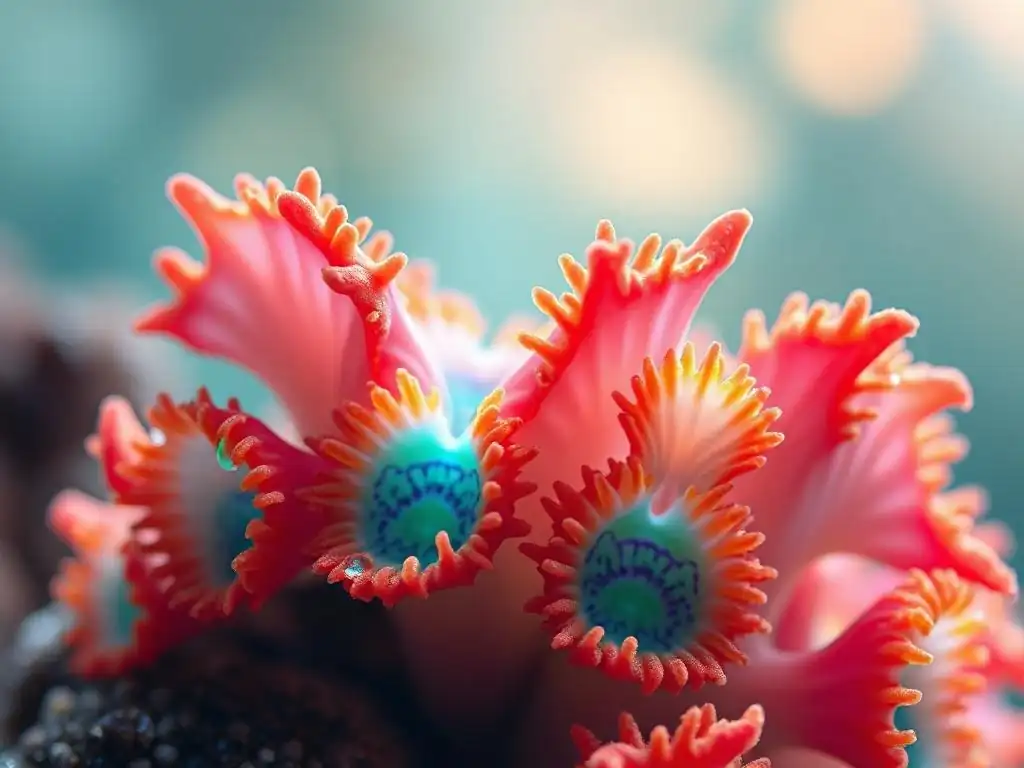
Not all Zoanthids grow at the same pace. Just as there are variations in color and pattern, there are also significant differences in the inherent Zoanthid growth rate between different species and morphs. Understanding these distinctions is crucial for aquarists when setting expectations and planning their aquascape. Some highly sought-after Zoanthids are prized precisely because of their slow growth, making them rarer and more valuable.
These species-specific differences are primarily genetic, influenced by factors like the size of individual polyps, their natural habitat's conditions, and their resilience to environmental changes. Researching the typical Zoanthid growth rate factors for specific morphs before purchase can help hobbyists select corals that align with their growth expectations.
Fast-Growing Zoanthid Species
Several Zoanthid species and morphs are renowned for their relatively fast Zoanthid growth rates, making them excellent choices for aquarists looking to quickly establish large colonies or produce frags for trade. These varieties often spread vigorously, adding multiple new polyps in a short period under optimal conditions.
Examples of fast-growing Zoanthid species include:
- Green Bay Packers Zoanthids: Known for their striking green and yellow coloration and rapid encrusting growth.
- Utter Chaos Zoanthids: Vibrant orange and green polyps that multiply quickly.
- Eagle Eye Zoanthids: Bright green polyps with a distinctive yellow "eye," which are prolific growers.
- Many common brown or green morphs found readily in the hobby tend to be very hardy and fast-growing.
Under ideal conditions, these species can often add 5-10 new polyps per month, making them popular choices for filling in rockwork or creating large, colorful patches in the reef tank.
Slow-Growing Zoanthid Species
Conversely, many highly prized and rare Zoanthid morphs are characterized by their extremely slow Zoanthid growth rates. This slower propagation contributes to their rarity and higher market value, as it takes much longer to produce sellable frags. These species often have unique patterns, colors, or textures that make them highly desirable despite their leisurely growth.
Examples of slow-growing Zoanthid species include:
- WWC Bounce Zoanthids: Known for their unique "bubbly" appearance, these are notoriously slow growers.
- God of War Zoanthids: Highly sought after for their vivid red and black coloration, but they expand very slowly.
- Fruit Loops Zoanthids: Multi-colored polyps that are stunning but typically add new polyps at a much slower pace than common varieties.
- Many designer or "boutique" morphs often fall into this category, requiring significant patience from the aquarist.
These slow-growing Zoanthids might only add 1-2 polyps every few months, or even less frequently, requiring meticulous care and stable conditions to encourage any measurable Zoanthid growth.
Understanding Growth Rate Variations Among Zoanthids
Understanding the inherent growth rate variations among different Zoanthid morphs is essential for managing expectations and effectively planning your reef aquarium. It reinforces that "Zoanthid growth rate factors" encompass not only environmental conditions but also genetic predispositions. A slow-growing morph will never achieve the rapid expansion of a fast-growing one, regardless of how perfect the tank conditions are.
This knowledge helps hobbyists avoid frustration and appreciate the unique characteristics of each Zoanthid. For those aiming for rapid colony expansion, selecting known fast-growing species is key. For collectors of rare and unique morphs, patience and a focus on long-term health over immediate growth will be more rewarding. Always research the specific morph you are interested in to understand its typical Zoanthid development pattern.
Conclusion: Cultivating Thriving Zoanthid Colonies
Essential Practices for Healthy Zoanthids
Cultivating thriving Zoanthid colonies with robust Zoanthid growth requires a comprehensive approach to reef husbandry. The essential practices revolve around providing a stable, optimal environment that mimics their natural habitat as closely as possible. This includes maintaining consistent water parameters (alkalinity, calcium, magnesium, nitrates, phosphates within target ranges), providing appropriate lighting intensity and spectrum, and ensuring moderate, turbulent water flow. Furthermore, a balanced feeding and supplementation regimen, coupled with diligent pest and disease management, are critical Zoanthid growth rate factors.
Strategic placement within the aquarium, considering both light and flow, allows Zoanthids to acclimate and expand without unnecessary stress or competition. Regular observation of polyp extension, coloration, and overall vigor serves as the best indicator of their health and growth trajectory. By adhering to these practices, aquarists can significantly enhance the Zoanthid growth rate and vibrancy of their colonies.
Resources for Further Zoanthid Research
The world of Zoanthids is vast and continuously evolving, with new morphs and husbandry techniques emerging regularly. To continue cultivating thriving Zoanthid colonies and deepen your understanding of Zoanthid growth rate factors, it is highly recommended to engage with the broader reef keeping community. Online forums dedicated to reef aquariums and specific coral types offer a wealth of shared experience and troubleshooting advice from hobbyists worldwide.
Additionally, academic papers and reputable online guides from established aquatic institutions or experienced aquarists can provide more in-depth scientific insights into Zoanthid biology, propagation, and advanced care techniques. Joining local reef clubs allows for direct interaction with experienced hobbyists, opportunities for frag swaps, and access to collective knowledge that can significantly aid in your journey to master Zoanthid development.
Frequently Asked Questions
How fast can I expect my Zoanthids to grow in my aquarium?
Zoanthid growth rates vary significantly based on environmental conditions and species. Some can multiply quickly, adding several polyps per month, while others grow much slower, taking months to show noticeable growth. Proper lighting and water parameters are crucial.
What are the most important water parameters for optimal Zoanthid growth?
Maintaining stable and optimal water parameters is essential. Key factors include consistent alkalinity, calcium, and magnesium levels, as well as low nutrient levels (nitrates and phosphates). Regular water changes help maintain water quality.
How important is lighting for Zoanthid growth?
Lighting is extremely important. Zoanthids contain symbiotic algae called zooxanthellae, which require light for photosynthesis. Providing the correct light spectrum and intensity is essential for their growth and coloration.
What role does feeding play in Zoanthid growth rates?
While Zoanthids primarily obtain nutrients from zooxanthellae, supplemental feeding can boost growth. Target feeding with small amounts of phytoplankton or amino acids can provide additional energy and nutrients, promoting faster growth.
What common issues can hinder Zoanthid growth in my aquarium?
Several issues can inhibit growth, including pests like nudibranchs, insufficient lighting, poor water quality, and aggressive tankmates. Addressing these problems promptly is crucial for healthy Zoanthid growth and survival.
Final Reflection: Unveiling the Secrets of Zoanthid Growth
The exploration of Zoanthid growth rate factors reveals more than just the science behind coral propagation; it highlights the delicate balance within our reef ecosystems and the responsibility we bear as aquarists. Understanding these intricate influences, from lighting and water chemistry to feeding and flow, empowers us to become better stewards of these vibrant organisms, ensuring their health and proliferation within our captive environments. This knowledge is particularly crucial now, as wild coral populations face unprecedented threats from climate change and habitat destruction.
This journey into the world of Zoanthids has underscored the profound interconnectedness of life within a reef tank. Witnessing the slow, yet persistent growth of these corals is a constant reminder of the patience and dedication required to nurture a thriving ecosystem. It's a lesson in observation, adaptation, and respect for the natural world. The best time to plant a tree was 20 years ago. The second best time is now.
This ancient proverb resonates deeply with the practice of reef keeping, urging us to act proactively in creating optimal conditions for coral growth and resilience.
As you reflect on the factors influencing Zoanthid growth, consider the broader implications for conservation and sustainability. What small changes can you implement in your own reef keeping practices to promote healthier, more vibrant corals? What steps can you take to educate others about the importance of responsible reef keeping? Let the knowledge gained here inspire you to cultivate not only beautiful Zoanthids, but also a deeper appreciation for the fragile beauty of our oceans and a commitment to protecting them for generations to come.
Ignite Your Zoanthid Garden: Await the Explosion of Color!
Thank you for delving into the fascinating world of Zoanthid growth! We hope you've gained valuable insights to cultivate a thriving reef. Now, let's turn that knowledge into action and watch your zoanthids flourish!
Here's how to supercharge your Zoanthid growth:
- Immediately optimize your water parameters: Start with a full water test and prioritize stability above all else. Consistent parameters are key!
- Explore experimenting with different light spectrums. Consider adding supplemental lighting or making minor adjustments to existing fixtures to observe shifts in growth and coloration.
- Share your Zoanthid success stories (and challenges!) with other reef keepers in online forums. Your experiences can help the entire community learn and grow!
What unique technique will you use to accelerate your Zoanthids' growth and create a truly stunning reef display?