
Comparing Different Leather Coral Genera: Which is Right for You?

Welcome to Aquarium Mastery!
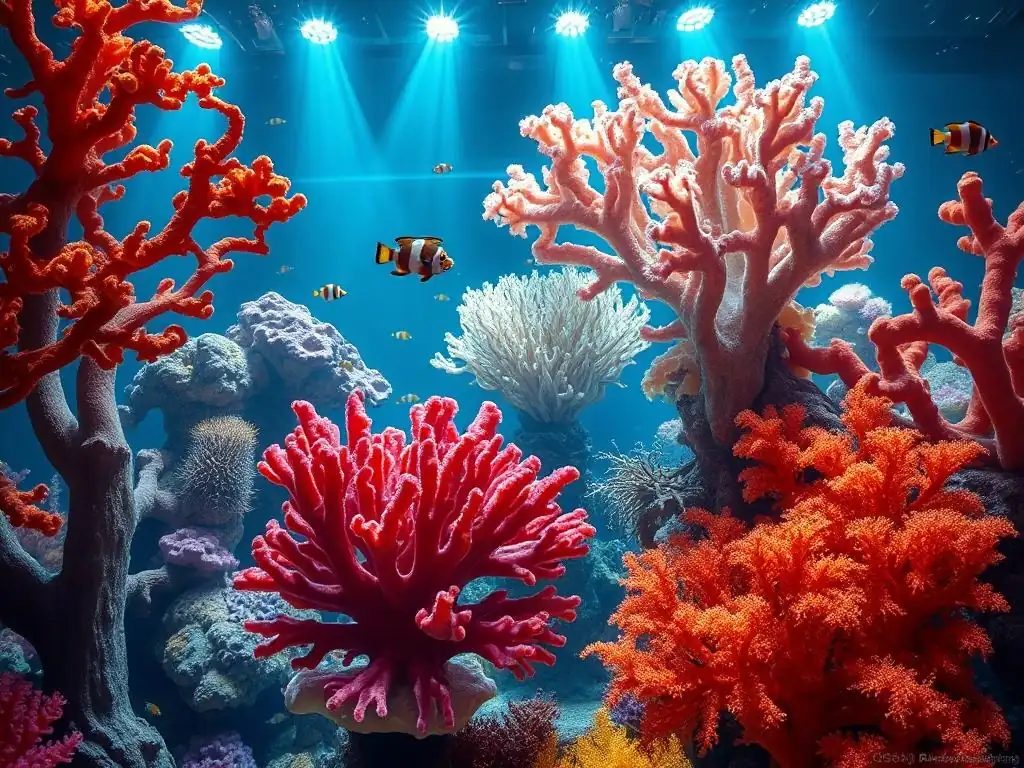
Dive into the captivating world of corals! Ever wondered if your reef aquarium is truly ready for the elegance of leather corals? Comparing Different Leather Coral Genera: Which is Right for You? This article offers essential leather coral care tips and helps you navigate the fascinating diversity of these soft corals, ensuring a thriving and beautiful reefscape. Curious to learn more? Let's explore!
- Introduction to Leather Corals for Reef Aquariums
- Sinularia Leather Coral Care: The Finger Leather
- Sarcophyton Leather Coral Care: The Toadstool Leather
- Lobophytum Leather Coral Care: The Devil's Hand Leather
- Cladiella Leather Coral Care: The Colt Coral
- Toadstool vs. Finger Leather vs. Devil's Hand vs. Colt Coral: A Direct Comparison
- Leather Coral Care Tips: Essential Husbandry Practices
- Choosing the Right Leather Coral for Your Reef Tank
- Conclusion: Mastering Leather Coral Care in Your Reef Aquarium
-
Frequently Asked Questions
- What are the main differences between different genera of leather corals?
- What water parameters are most crucial for successful leather coral care?
- How often should I perform water changes in a leather coral tank?
- What are some common signs that my leather coral is stressed or unhealthy?
- What type of lighting and flow is generally recommended for leather corals?
- Final Reflection: Embracing the Art of Leather Coral Husbandry
- Unleash Your Inner Reef Keeper: Start Your Leather Coral Journey!
Introduction to Leather Corals for Reef Aquariums
Understanding the Appeal of Leather Corals
Leather corals, belonging to the order Alcyonacea, are a cornerstone for many reef aquarists, particularly those venturing into the world of soft corals. Their appeal stems from a combination of factors: their relative hardiness, diverse forms, and dynamic movement within the water column.
Unlike their stony counterparts (LPS and SPS corals) that rely on calcium carbonate skeletons, leather corals possess a fleshy, leathery texture, often supported by internal spicules. This makes them less demanding in terms of specific water parameters like calcium and alkalinity, making them excellent choices for beginner to intermediate reef keepers seeking to add substantial biomass and visual interest without the steep learning curve associated with more delicate species.
These corals are also renowned for their resilience to minor fluctuations in water quality, a common challenge in nascent reef tanks. Many species exhibit rapid growth rates under optimal conditions, quickly filling out a new aquarium and providing a sense of maturity to the aquascape.
Furthermore, their symbiotic relationship with zooxanthellae algae, which reside within their tissues and perform photosynthesis, means they derive a significant portion of their energy from light, reducing the need for frequent direct feeding. This self-sufficiency, coupled with their varied shapes – from tree-like structures to mushroom caps and encrusting forms – makes them a versatile and attractive option for a wide range of reef tank setups.
Exploring the Diversity of Leather Coral Genera
The term "leather coral" encompasses a broad array of genera, each with unique characteristics, growth habits, and specific care requirements. While they share commonalities in their soft, fleshy structure and general hardiness, understanding the distinctions between genera like Sinularia, Sarcophyton, Lobophytum, and Cladiella is crucial for successful long-term husbandry. Each genus offers a different aesthetic and often a slightly varied set of optimal conditions, influencing their ideal placement and compatibility within a mixed reef environment.
This diversity allows aquarists to select species that best fit their tank's specific conditions and their personal aesthetic preferences. For instance, some genera are known for their rapid, tree-like growth, while others are appreciated for their large, distinctive cap-like structures. Delving into the nuances of each type of leather coral provides valuable insights into their specific leather coral care tips, helping hobbyists to cultivate thriving, vibrant displays. This detailed exploration is essential for making informed decisions and ensuring the well-being of these fascinating invertebrates in your home aquarium.
Sinularia Leather Coral Care: The Finger Leather
Sinularia Leather Coral: Characteristics and Appearance
Sinularia leather corals, often referred to as Finger Leathers or Cabbage Leathers, are highly popular due to their diverse forms and relatively straightforward care. They typically grow into upright, branching structures resembling fingers or antlers, though some varieties can form more encrusting or lobed shapes. Their coloration ranges from various shades of brown and tan to vibrant greens, yellows, and even purples, adding significant visual appeal to a reef tank. The surface of a Sinularia coral is covered in numerous small polyps that extend to capture light and filter feed.
A distinctive characteristic of Sinularia is its ability to shed its outer layer, a process known as "sloughing." This is a natural cleansing mechanism where the coral sheds accumulated detritus, algae, and even waste products. During this period, the coral may appear shrunken or discolored for a few days to a week. Ensuring good water flow around the coral during sloughing helps to remove the shed layer effectively, allowing the coral to quickly re-expand and resume its normal appearance. Understanding this natural process is a key leather coral care tip for Sinularia health.
Optimal Water Parameters for Sinularia Growth
Maintaining stable water parameters is paramount for the long-term health and vibrant growth of Sinularia leather corals. While they are considered hardy, consistent conditions prevent stress and promote robust development. Ideal salinity levels should be maintained between 1.023 and 1.026 specific gravity (SG), with a temperature range of 74-78°F (23-26°C). These parameters mimic their natural marine environment and support their metabolic functions.
Beyond the basics, monitoring and maintaining alkalinity (dKH), calcium (Ca), and magnesium (Mg) are also beneficial, even though leather corals don't build stony skeletons. An alkalinity range of 8-12 dKH, calcium around 400-450 ppm, and magnesium between 1250-1350 ppm provide a stable ionic balance that supports overall coral health, including the formation of their internal spicules. Regular water changes, typically 10-20% bi-weekly, help replenish trace elements and export nitrates and phosphates, which should be kept as low as possible (nitrates <10 ppm, phosphates <0.03 ppm) to prevent algae growth that can irritate the coral.
Placement and Lighting for Healthy Sinularia
Proper placement and appropriate lighting are critical leather coral care tips for Sinularia success. These corals generally thrive under moderate lighting conditions, typically requiring a PAR (Photosynthetically Active Radiation) range of 50-150 PAR. While they can tolerate lower light, higher PAR values within this range often lead to more vigorous growth and brighter coloration. It's advisable to acclimate new Sinularia specimens to the lighting gradually, starting them in a lower light area and slowly moving them to their final position over several weeks.
Water flow is equally important. Sinularia corals prefer moderate to strong, turbulent water flow. This helps to keep the coral's surface clean, prevent detritus accumulation, and ensure efficient gas exchange. Good flow also aids in the shedding process. Placing the coral in an area with indirect, chaotic flow from powerheads, rather than direct, laminar flow, will prevent tissue damage and encourage full polyp extension. Ensure adequate space around the coral, as some Sinularia species can grow quite large, reaching diameters of 12 inches (30 cm) or more, and they can irritate neighboring corals with their chemical defenses.
Feeding Sinularia Leather Corals: What to Know
While Sinularia leather corals primarily rely on their symbiotic zooxanthellae for nutrition through photosynthesis, supplemental feeding can enhance their growth and vibrancy. These corals are not aggressive feeders but can benefit from the occasional provision of small particulate foods. Their polyps are designed to capture microscopic organisms from the water column.
Appropriate foods include liquid phytoplankton, zooplankton, or very fine coral foods designed for filter feeders. Dosing these foods into the water column a few times a week, especially during periods when the tank lights are off and polyps are fully extended, can provide additional nutrients. However, it's crucial to avoid overfeeding, as this can lead to nutrient accumulation in the tank, potentially fostering undesirable algae growth. A healthy Sinularia in a well-lit reef tank will often thrive without significant direct feeding, relying mostly on light and the trace elements present in the water.
Sarcophyton Leather Coral Care: The Toadstool Leather
Sarcophyton Leather Coral: Identifying Features
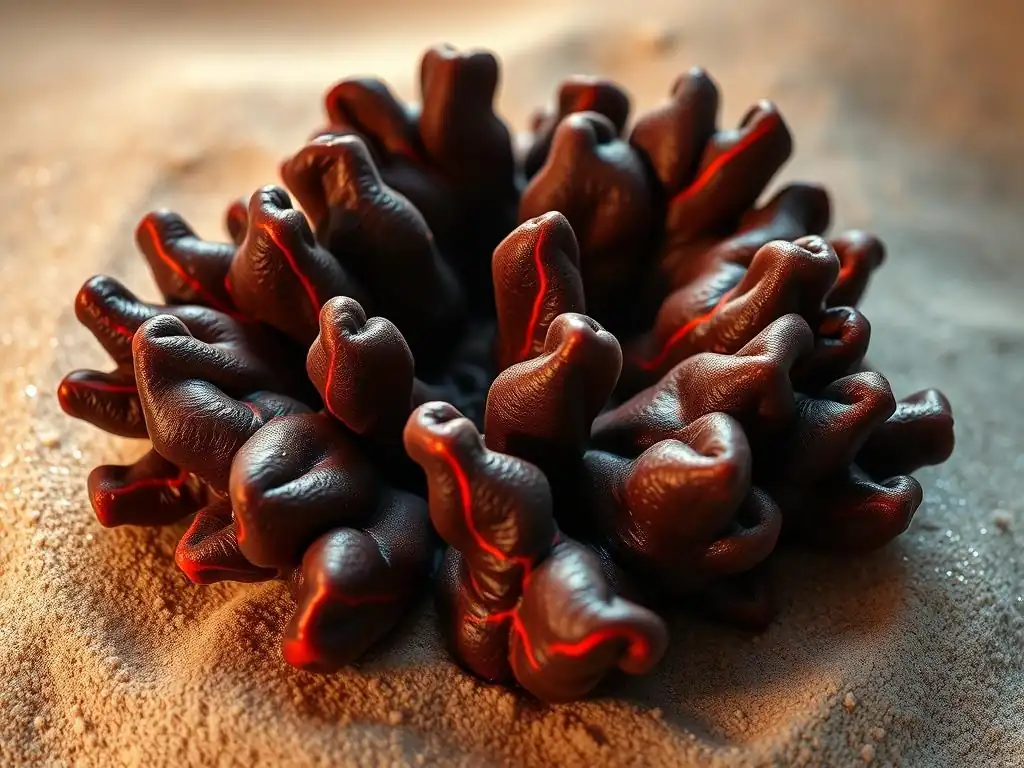
Sarcophyton leather corals, commonly known as Toadstool Leathers or Mushroom Leathers, are instantly recognizable by their distinctive mushroom-like shape. They feature a single, thick stalk topped with a broad, flat, or convoluted cap from which numerous small, often fuzzy, polyps extend. These polyps give the cap a textured, carpet-like appearance when fully open. Coloration typically ranges from various shades of brown, tan, and cream to vibrant greens, particularly under specific lighting. Their robust structure and relatively fast growth make them a popular choice for adding a large, central focal point to a reef aquarium.
Like Sinularia, Sarcophyton corals also undergo a shedding process, where they develop a waxy film over their surface to slough off accumulated waste and detritus. During this period, the coral may retract its polyps, appear shrunken, and its cap may fold in on itself. This phase can last from a few days to over a week. Providing strong, turbulent water flow is crucial during this time to help the coral shed its old skin effectively and prevent bacterial infections. Once the shedding is complete, the coral will typically re-inflate and extend its polyps, often looking more vibrant than before.
Sarcophyton Leather Coral: Lighting and Flow Requirements
Sarcophyton leather corals are generally tolerant of a range of lighting conditions but typically thrive best under moderate to strong illumination. A PAR range of 75-200 PAR is often ideal for promoting robust growth and vibrant coloration. While they can survive in lower light, their growth may be slower, and their polyps may not extend as fully. Acclimating new specimens to your tank's specific lighting is always recommended, especially if transferring from a lower-light environment, to prevent photoinhibition or bleaching.
Optimal water flow is also a critical leather coral care tip for Sarcophyton. They prefer strong, indirect, and turbulent water movement. This type of flow helps keep the large cap free of detritus, prevents dead spots where waste can accumulate, and assists significantly with the shedding process. Insufficient flow can lead to bacterial infections or tissue necrosis, particularly if the shed skin remains on the coral for too long. Strategic placement of powerheads to create chaotic flow patterns around the coral will ensure its long-term health and full polyp extension.
Sarcophyton Leather Coral: Shedding and Maintenance
The shedding process in Sarcophyton corals, also known as "sloughing," is a natural and vital part of their maintenance cycle. It typically occurs every few weeks to months, depending on tank conditions and growth rate. During this period, a waxy, opaque film will cover the coral's cap, and the polyps will retract. The coral may appear deflated and unhealthy, which can be alarming to new aquarists, but it is a normal physiological response. The duration of the shedding can vary from a couple of days to over a week.
To assist the coral during shedding, it's crucial to maintain excellent water quality and provide robust, turbulent water flow. The flow helps to physically remove the shed layer from the coral's surface. Some aquarists gently direct a turkey baster at the coral to help dislodge the film, but this should be done with extreme care to avoid damaging the delicate tissue underneath. Once the old layer is completely shed, the Sarcophyton will typically re-inflate rapidly, extend its polyps fully, and display enhanced coloration, indicating a healthy recovery.
Preventing Common Sarcophyton Issues: Brown Jelly Disease
While Sarcophyton leather corals are generally hardy, they are not entirely immune to issues. One of the most serious and rapidly progressing diseases is Brown Jelly Disease (BJD), caused by a protozoan infection. This disease manifests as a brown, slimy, jelly-like substance covering parts of the coral tissue, often starting from an injury site or an area of stress. If left untreated, BJD can quickly consume the entire coral, often within 24-48 hours.
Prevention is the best approach for BJD. Maintaining pristine water quality, ensuring stable parameters, and providing adequate water flow are crucial leather coral care tips. Avoid physical damage to the coral, as open wounds can serve as entry points for pathogens. If BJD is observed, immediate action is necessary. This typically involves siphoning off the affected jelly with a turkey baster, isolating the coral in a quarantine tank if possible, and performing a freshwater or iodine dip to kill the protozoa. Severely affected areas may need to be fragged off to save the remaining healthy tissue, though this is a last resort.
Lobophytum Leather Coral Care: The Devil's Hand Leather
Lobophytum Leather Coral: Unique Morphology
Lobophytum leather corals, often referred to as Devil's Hand or Cabbage Leathers, are distinguished by their deeply convoluted, brain-like, or lobed cap structure. Unlike the relatively flat cap of a Sarcophyton, Lobophytum caps feature prominent folds and ridges, giving them a more rugged and intricate appearance. Their coloration typically includes shades of tan, brown, and green, with the polyps often being a contrasting color or having a fuzzy texture when extended. The overall form can be quite massive, making them excellent candidates for large, established reef tanks where they can serve as significant landscape features.
Like other soft corals, Lobophytum corals also undergo a shedding process to cleanse their surfaces. During this period, the coral may retract its polyps and appear shrunken or covered in a cloudy film. This is a natural response to remove detritus, algae, or even shed internal spicules. The process can last for several days. Ensuring vigorous, turbulent water flow around the coral is essential during shedding to help dislodge the film and prevent bacterial buildup. Once shed, the coral will fully re-inflate, and its polyps will extend, showcasing its vibrant health.
Caring for Lobophytum: Water Quality and Stability
Lobophytum leather corals, while hardy, thrive best in stable and pristine water conditions. Maintaining consistent parameters is a fundamental leather coral care tip for their long-term health and robust growth. Ideal salinity levels should be kept between 1.023 and 1.026 specific gravity, and the temperature should remain stable within 74-78°F (23-26°C). Fluctuations outside these ranges can induce stress, leading to polyp retraction or even tissue recession.
Regular testing and maintenance of alkalinity, calcium, and magnesium, although less critical than for stony corals, still contribute to a healthy environment. Target ranges are 8-12 dKH for alkalinity, 400-450 ppm for calcium, and 1250-1350 ppm for magnesium. Low nitrate ( <10 ppm) and phosphate ( <0.03 ppm) levels are also important to prevent nuisance algae growth that can smother the coral. Consistent bi-weekly water changes, typically 10-20% of the tank volume, are highly beneficial for replenishing trace elements and removing accumulated organic pollutants, contributing significantly to Lobophytum vitality.
Lobophytum Leather Coral: Placement Considerations
Strategic placement is crucial for Lobophytum leather corals due to their potential for significant size and their specific environmental needs. These corals generally prefer moderate to strong lighting, with a PAR range of 75-175 PAR often being ideal for optimal growth and polyp extension. While they can adapt to lower light, their growth may be slower, and their coloration less intense. Always acclimate new specimens gradually to your tank's lighting by placing them in a shaded area initially and slowly moving them to their desired spot over a few weeks.
Water flow is another critical factor. Lobophytum corals require strong, turbulent water flow to keep their convoluted surfaces clean and prevent detritus buildup within their folds. Good flow also assists in the shedding process and ensures efficient gas exchange. Avoid direct, laminar flow, which can cause tissue damage; instead, aim for chaotic, indirect flow patterns using multiple powerheads. Be mindful of their mature size; a well-established Lobophytum can easily reach 12-18 inches (30-45 cm) in diameter, so ensure ample space to prevent it from overshadowing or chemically irritating neighboring corals.
Addressing Lobophytum Leather Coral Problems: Rapid Tissue Necrosis
While Lobophytum corals are generally robust, they can occasionally suffer from Rapid Tissue Necrosis (RTN), a severe condition where the coral tissue rapidly wastes away, often exposing the underlying skeleton or spicules. This can occur quickly, sometimes within hours, and is usually triggered by acute stress. Common stressors include drastic shifts in water parameters (e.g., sudden temperature changes, salinity drops), prolonged exposure to poor water quality (high nitrates/phosphates), physical damage, or severe aggression from other corals.
If RTN is observed, immediate intervention is necessary. First, verify and stabilize all water parameters. If the affected area is small and localized, some aquarists attempt to frag off the necrotic tissue to prevent further spread, though this can be risky. Isolation in a quarantine tank with pristine water and gentle flow can sometimes aid recovery. Prevention is always better than cure: maintaining stable, high-quality water, providing appropriate lighting and flow, and minimizing physical disturbances are key leather coral care tips to prevent RTN in Lobophytum and other soft corals.
Cladiella Leather Coral Care: The Colt Coral
Cladiella Leather Coral: Growth Habits and Appearance
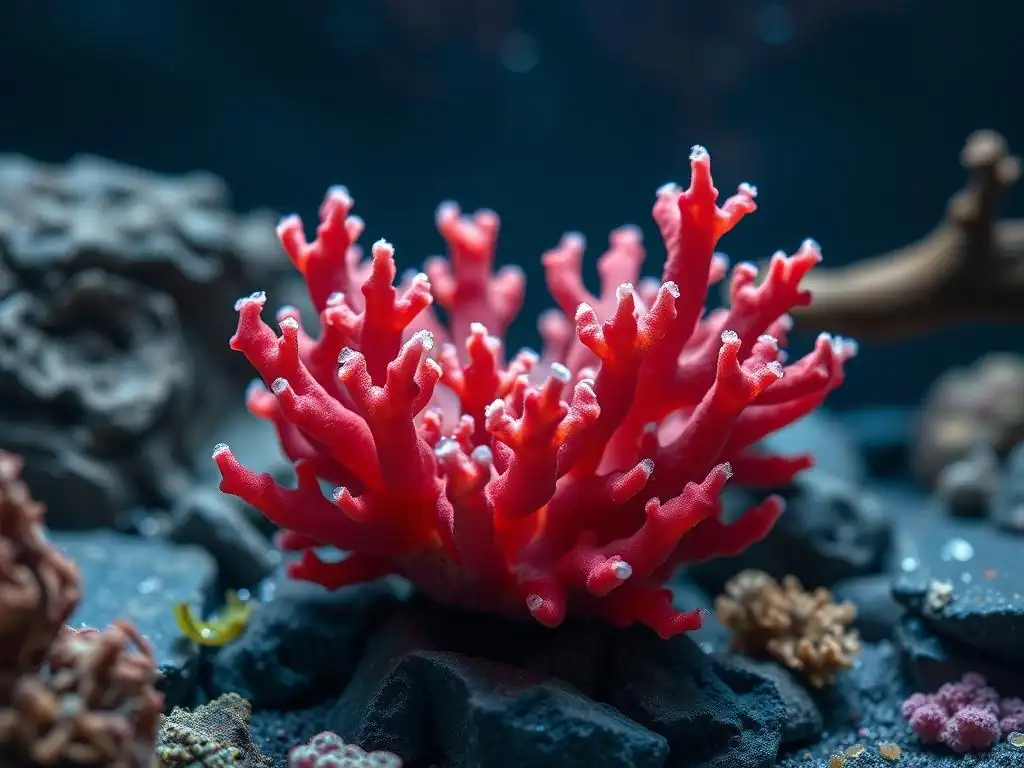
Cladiella leather corals, commonly known as Colt Corals or Finger Corals, are highly distinctive due to their tree-like, branching growth habit and often delicate, somewhat translucent appearance. Their stalks are typically thicker at the base, branching upwards into numerous finger-like projections, each covered in small, fuzzy polyps. Coloration commonly ranges from pale browns and creams to vibrant pinks and greens, with some varieties exhibiting a striking fluorescent glow under actinic lighting. Cladiella corals are known for their relatively fast growth and can quickly form impressive colonies, making them excellent for filling vertical space in a reef aquarium.
A unique aspect of Cladiella is its ability to retract its polyps and even partially deflate its entire structure, especially when disturbed or during its natural shedding process. This shedding is a vital leather coral care tip for maintaining their health, allowing them to slough off accumulated detritus and waste. During shedding, the coral may appear shrunken and dull for a few days before re-inflating and extending its polyps once the old skin has been shed, often appearing more vibrant afterward.
Cladiella Leather Coral: Water Flow and Lighting Needs
Cladiella leather corals generally thrive under moderate lighting conditions, making them adaptable to various reef tank setups. A PAR range of 50-150 PAR is typically sufficient to support their photosynthetic needs and promote healthy growth and coloration. While they can tolerate lower light, their growth may slow, and their polyps might not extend as fully. As with all corals, gradual acclimation to new lighting conditions is crucial to prevent stress or bleaching.
Water flow is a significant factor for Cladiella health. They prefer moderate to strong, turbulent water movement. This type of flow is essential for keeping their numerous branches and polyps free of detritus, ensuring efficient gas exchange, and assisting in their natural shedding process. Insufficient flow can lead to detritus accumulation, which can cause tissue irritation or bacterial infections. Positioning powerheads to create chaotic, indirect flow patterns around the coral will ensure optimal conditions without causing direct, damaging impingement.
Cladiella Leather Coral: Propagation Tips
Cladiella leather corals are among the easiest soft corals to propagate, making them an excellent choice for aquarists interested in fragging. Their branching growth habit naturally lends itself to propagation through fragmentation. The simplest method involves taking a clean, sharp razor blade or surgical scalpel and carefully cutting off a healthy branch that is at least 2-3 inches (5-8 cm) long. Ensure the cut is clean and swift to minimize stress to the mother colony.
Once cut, the frag can be attached to a small piece of live rock or a frag plug using coral glue (cyanoacrylate gel). It's advisable to place the newly fragged Cladiella in a lower flow, lower light area of the tank for a few days to a week to allow it to heal and attach securely before moving it to its permanent location. With proper leather coral care tips—stable water parameters, adequate light, and flow—these frags typically heal and begin to grow rapidly, forming new colonies within a few weeks to months.
Maintaining Ideal Conditions for Cladiella Leather Corals
Maintaining ideal water parameters is fundamental to the long-term vitality of Cladiella leather corals. While they are considered hardy, stability is key. Salinity should be kept within 1.023-1.026 SG, and temperature consistently between 74-78°F (23-26°C). Regular monitoring of these basic parameters with reliable test kits is essential.
Beyond the basics, maintaining low nutrient levels is also important. Nitrates should be kept below 10 ppm, and phosphates below 0.03 ppm to prevent nuisance algae outbreaks that can compete with or irritate the coral. Regular water changes, typically 10-20% every two weeks, are highly beneficial. These water changes replenish essential trace elements that Cladiella corals utilize and help export accumulated organic waste, contributing significantly to their vibrant coloration and robust growth. Providing these consistent, optimal conditions is a core leather coral care tip for thriving Cladiella colonies.
Toadstool vs. Finger Leather vs. Devil's Hand vs. Colt Coral: A Direct Comparison
Growth Rate and Size Comparison
When comparing the common leather coral genera, their growth rates and ultimate sizes are significant factors for tank planning. Sinularia (Finger Leather) species exhibit a moderate to fast growth rate, with some branching varieties capable of adding 1-2 inches (2.5-5 cm) per month in height or width under ideal conditions. They can eventually form large, impressive colonies reaching 12-18 inches (30-45 cm) in diameter, requiring ample space.
Sarcophyton (Toadstool Leather) corals are also moderate to fast growers, primarily expanding their cap diameter, which can reach 10-24 inches (25-60 cm) or more in mature specimens, making them potential centerpieces in larger tanks. Lobophytum (Devil's Hand Leather) typically grows at a moderate pace, expanding its convoluted cap, which can also become quite massive, often 12-18 inches (30-45 cm) across. Cladiella (Colt Coral) is generally a fast grower, particularly in its branching forms, quickly filling vertical space and easily reaching 8-12 inches (20-30 cm) or more in height and width, making them excellent for rapid aquascape development.
Lighting Requirements: High vs. Moderate Light Tolerances
The lighting requirements for these leather coral genera generally fall within the moderate PAR range, making them quite adaptable to various LED, T5, or even Metal Halide setups. Sinularia typically thrives in 50-150 PAR, preferring the upper end for more vibrant coloration and faster growth, but tolerating lower light. Sarcophyton also prefers moderate to strong light, ideally 75-200 PAR, where its polyps will fully extend and its cap will expand robustly.
Lobophytum similarly performs best in moderate to strong light, around 75-175 PAR, which encourages its unique convoluted structure to develop fully. Cladiella is perhaps the most adaptable to lower light, doing well in 50-150 PAR, though vibrant pink or green varieties will show their best colors under higher PAR values within that range. All these genera are primarily photosynthetic, so consistent and appropriate lighting is a crucial leather coral care tip for their overall health, preventing bleaching or stunted growth.
Water Flow Preferences: Moderate vs. Strong Flow
Water flow is a critical environmental factor for all leather corals, influencing their health, cleanliness, and growth. Sinularia (Finger Leather) generally prefers moderate to strong, turbulent water flow. This helps to keep its branching structures free of detritus and assists in the shedding process. Insufficient flow can lead to areas of stagnation and potential tissue recession.
Sarcophyton (Toadstool Leather) and Lobophytum (Devil's Hand Leather), with their larger, often more convoluted caps, require strong, turbulent water flow to prevent detritus accumulation on their surfaces and within their folds. This vigorous flow is also essential for effectively shedding their waxy outer layer. Cladiella (Colt Coral), with its delicate, branching structure, thrives in moderate to strong, indirect water flow that gently sways its polyps without causing them to constantly retract. For all genera, the goal is chaotic, indirect flow rather than direct, laminar flow, which can be damaging. Providing adequate flow is a vital leather coral care tip across the board.
Ease of Care: Beginner-Friendly vs. Intermediate Options
One of the primary appeals of leather corals is their reputation for being relatively hardy and forgiving, making many species excellent choices for beginner to intermediate reef aquarists. Sinularia and Sarcophyton are widely considered among the most beginner-friendly soft corals. Their tolerance for minor fluctuations in water parameters, resilience to common tank issues, and robust growth make them ideal for those new to reef keeping. They are less demanding than most LPS or SPS corals, requiring less stringent control over calcium, alkalinity, and magnesium levels, as their skeletal structure is not reliant on these elements in the same way.
Lobophytum and Cladiella are also generally considered easy to moderate in terms of care. While still hardy, Lobophytum's large, convoluted shape may require slightly more attention to ensure adequate flow across its entire surface to prevent detritus buildup. Cladiella, though fast-growing and easy to frag, can sometimes be more sensitive to sudden parameter shifts than Sinularia or Sarcophyton, making it a solid intermediate choice. Ultimately, consistent leather coral care tips like stable water parameters, appropriate lighting, and good flow will ensure success with any of these genera.
Leather Coral Care Tips: Essential Husbandry Practices
Maintaining Stable Water Parameters for Leather Corals
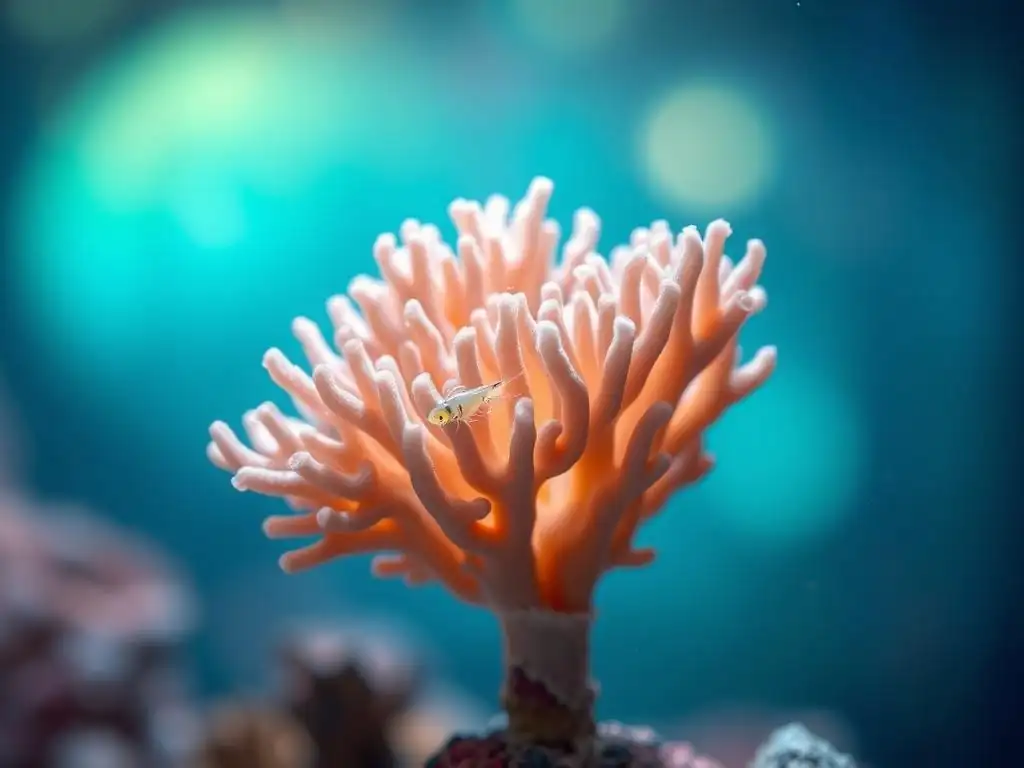
The cornerstone of successful leather coral care tips is maintaining stable and consistent water parameters. While leather corals are more forgiving than stony corals, drastic fluctuations in salinity, temperature, or pH can cause significant stress.
- Salinity: Aim for a specific gravity of
1.023-1.026. Use a refractometer calibrated with a reference solution for accurate readings. - Temperature: Keep the water temperature stable between
74-78°F (23-26°C). Avoid sudden swings, which can be detrimental. - pH: Maintain a stable pH between
8.0-8.4. While less critical than for stony corals, extreme pH can cause stress. - Alkalinity, Calcium, Magnesium: Though not consumed as rapidly as by stony corals, maintaining these within natural seawater ranges (
8-12 dKH,400-450 ppmCa,1250-1350 ppmMg) supports overall coral health and biological processes.
Regular water changes, typically 10-20% every one to two weeks, are crucial. They help replenish trace elements, dilute accumulated nitrates and phosphates (which should be kept as low as possible, ideally nitrates <10 ppm and phosphates <0.03 ppm), and maintain overall water quality. Consistent testing with reliable test kits allows you to monitor these parameters and make small, incremental adjustments as needed, preventing large swings that can harm your corals.
Providing Proper Lighting for Leather Coral Health
Lighting is a primary energy source for leather corals due to their symbiotic zooxanthellae. Providing the correct intensity and spectrum is a vital leather coral care tip. While specific PAR (Photosynthetically Active Radiation) requirements vary slightly by genus and even species, most leather corals thrive in moderate light, generally ranging from 50 PAR to 200 PAR.
- Acclimation: When introducing new leather corals or upgrading lighting, always acclimate them gradually. Start them in a lower light area of the tank (e.g., on the sandbed or shaded by rockwork) and slowly move them to their desired, brighter location over several weeks. This prevents photoinhibition or bleaching.
- Spectrum: A full-spectrum light with a strong blue component (around
10,000K to 20,000K) is generally beneficial, promoting both coral health and vibrant coloration. - Photoperiod: A consistent photoperiod of
8-12 hoursper day is typical. Avoid excessively long periods of intense light, which can stress the coral. Observing your coral's polyp extension and coloration will help you fine-tune your lighting.
Ensuring Adequate Water Flow and Circulation
Adequate water flow and circulation are non-negotiable leather coral care tips for thriving soft corals. All leather corals benefit from moderate to strong, turbulent water movement. This type of flow serves several critical functions:
- Waste Removal: It prevents detritus, shed skin, and other waste products from settling on the coral's surface, which can lead to tissue irritation, bacterial infections, or necrosis.
- Gas Exchange: Good flow ensures efficient exchange of oxygen and carbon dioxide, vital for the coral's respiration and the photosynthesis of its zooxanthellae.
- Nutrient Delivery: While primarily photosynthetic, water flow brings dissolved nutrients and microscopic food particles within reach of the coral's polyps.
- Shedding Assistance: For genera like Sinularia and Sarcophyton that regularly shed their outer layer, strong flow helps to physically remove the sloughed skin, preventing it from suffocating the coral.
Aim for chaotic, indirect flow patterns using multiple powerheads rather than direct, laminar flow, which can damage coral tissue. Observe your corals; if polyps are constantly retracted or detritus is accumulating on their surface, your flow may be insufficient.
Regular Observation and Early Problem Detection
Regular observation is one of the most proactive leather coral care tips for preventing minor issues from escalating into major problems. Spend time daily or every few days closely examining your leather corals for any signs of stress, disease, or pest infestation.
- Polyp Extension: Healthy leather corals typically have fully extended polyps during the day (or when lights are on, depending on species). Retracted polyps for prolonged periods, especially outside of shedding cycles, can indicate stress.
- Coloration: Look for consistent and vibrant coloration. Pale or bleached areas can indicate too much light, while dark or browning areas can suggest too little light or high nutrients.
- Tissue Integrity: Inspect for any signs of tissue recession, lesions, or the presence of "brown jelly" or other slimy growths. These are often indicators of bacterial infections or disease.
- Shedding Cycle: Understand that shedding is normal. Observe the process and ensure the coral is able to slough off its skin effectively with adequate flow.
Early detection allows for prompt intervention, whether it's adjusting water parameters, modifying flow, or isolating an affected coral. Keeping a log of your observations and parameter tests can help identify trends and prevent recurring issues.
Choosing the Right Leather Coral for Your Reef Tank
Assessing Your Aquarium's Conditions: Tank Size, Lighting, Flow
Choosing the right leather coral begins with a thorough assessment of your existing aquarium's conditions. This proactive approach is a fundamental leather coral care tip to ensure compatibility and success.
- Tank Size: Consider the mature size of the coral. Some Sarcophyton and Sinularia species can grow quite large, reaching
18-24 inches (45-60 cm)in diameter, potentially overwhelming smaller tanks (e.g.,20-40 gallons). Ensure you have ample space for growth without crowding other inhabitants. - Lighting: Evaluate your lighting system's capabilities. While most leather corals prefer moderate PAR (
50-200 PAR), specific genera have preferred ranges. If your tank has lower light, Cladiella or certain Sinularia might be better choices. For higher light, Sarcophyton and Lobophytum can thrive. Always know your fixture's PAR output at different depths. - Water Flow: Assess your tank's current flow patterns. Leather corals require moderate to strong, turbulent flow. If your tank has predominantly low flow areas, consider adding powerheads or choosing a genus like Cladiella that might tolerate slightly less intense flow, though still requiring movement. A
10-20xtank volume turnover rate from powerheads is a good starting point for soft coral tanks.
Considering Your Experience Level with Reef Keeping
Your experience level plays a significant role in determining which leather coral genera are most suitable for your reef tank. For beginners, the hardiness and forgiving nature of certain leather corals make them ideal entry points into the world of soft corals.
- Beginner-Friendly: Sarcophyton (Toadstool Leather) and many Sinularia (Finger Leather) species are widely recommended for novices. They are generally tolerant of minor water parameter fluctuations, resilient to common beginner mistakes, and quick to show signs of health (or stress). Their robust nature allows for a steeper learning curve without immediate coral loss.
- Intermediate Options: Lobophytum (Devil's Hand Leather) and Cladiella (Colt Coral) are also relatively hardy but might benefit from an aquarist with some basic experience in maintaining stable water parameters and understanding coral behavior. While not inherently difficult, their specific growth patterns or potential for rapid tissue necrosis if stressed might pose a slightly greater challenge.
Regardless of your experience, continuous learning and adherence to general leather coral care tips will significantly increase your chances of success. Starting with easier species allows you to build confidence and expertise before tackling more demanding corals.
Compatibility with Other Tank Inhabitants: Fish and Invertebrates
When selecting a leather coral, it's crucial to consider its compatibility with other inhabitants already in or planned for your reef tank. This is an often-overlooked leather coral care tip.
- Fish: Most reef-safe fish are compatible with leather corals. However, certain species, particularly some angelfish (e.g., Centropyge species), can occasionally nip at soft corals. Large, boisterous fish might also physically damage delicate polyps. Observe fish behavior before adding new corals.
- Other Corals: Leather corals, especially Sarcophyton and Sinularia, can release chemical toxins (terpenes) into the water to deter competition from other corals. In smaller tanks or tanks with sensitive SPS corals, this can be an issue. Regular activated carbon use (e.g.,
0.5-1 gram per gallonchanged weekly) and consistent water changes (e.g.,10-20% bi-weekly) are essential to mitigate these chemical defenses. Ensure ample space (3-6 inchesminimum) between leather corals and other sensitive corals to prevent direct stinging or chemical warfare. - Invertebrates: Most invertebrates like snails, hermit crabs, and shrimp are reef-safe and compatible. However, certain larger shrimp or crabs might occasionally disturb corals.
Long-Term Considerations: Growth Potential and Tank Space
Planning for the future growth of your leather coral is a crucial long-term leather coral care tip. These corals, particularly Sarcophyton and Sinularia, can grow surprisingly large and quickly, often reaching 12-24 inches (30-60 cm) in diameter or height within a few years under optimal conditions.
- Space Allocation: When placing a small frag, envision its adult size and ensure it has ample room to expand without shading or touching other corals or tank walls. Overcrowding can lead to chemical warfare, reduced flow, and poor coral health.
- Fragging: Given their rapid growth, be prepared to frag your leather corals periodically if they become too large or begin to shade other corals. Fragging is a natural and healthy way to manage their size and can provide new corals for trade or sale. All the genera discussed— Sinularia, Sarcophyton, Lobophytum, and Cladiella—are relatively easy to frag.
- Aquascape Impact: Consider how a large leather coral will impact your aquascape. A mature Sarcophyton can become a dominant centerpiece, while a spreading Sinularia can fill a significant portion of your rockwork. Plan your rock structure to accommodate their eventual size and shape.
Conclusion: Mastering Leather Coral Care in Your Reef Aquarium
Recap of Key Leather Coral Care Principles
Mastering leather coral care tips is an achievable goal for any reef aquarist, from beginner to advanced. The journey begins with understanding that while these soft corals are generally hardy, their long-term health and vibrant growth depend on consistent and appropriate husbandry practices. Key principles revolve around maintaining stable water parameters, including salinity ( 1.023-1.026 SG), temperature ( 74-78°F), and low nutrients ( nitrates <10 ppm, phosphates <0.03 ppm). Regular water changes ( 10-20% bi-weekly) are invaluable for replenishing trace elements and removing pollutants, forming the backbone of good water quality.
Equally important are providing proper lighting, typically in the moderate PAR range ( 50-200 PAR), and ensuring robust, turbulent water flow to keep the corals clean and facilitate their natural shedding processes. Each genus, be it Sinularia, Sarcophyton, Lobophytum, or Cladiella, possesses unique characteristics that influence its ideal placement and specific needs regarding light and flow. By recognizing these distinctions and implementing genus-specific leather coral care tips, aquarists can cultivate thriving colonies that add dynamic movement and rich texture to their reef displays.
Encouraging Responsible Reef Keeping Practices
Beyond the technical aspects of leather coral care tips, responsible reef keeping encompasses a broader commitment to the marine environment and the ethical acquisition of livestock. Choosing aquacultured or maricultured leather corals whenever possible helps reduce pressure on wild reefs. Understanding the growth potential of these corals and planning for their long-term space requirements prevents overcrowding and the need for hasty rehoming.
Furthermore, continuous education and observation are paramount. A successful reef tank is not static; it evolves, and so too should the aquarist's knowledge and practices. By diligently observing your corals for signs of stress or disease, understanding their natural behaviors like shedding, and proactively addressing issues, you contribute to a resilient and beautiful home aquarium. Ultimately, the joy of keeping leather corals lies not just in their aesthetic appeal, but in the rewarding process of nurturing a vibrant piece of the ocean's ecosystem within your home.
Frequently Asked Questions
What are the main differences between different genera of leather corals?
The primary differences lie in their growth patterns, toxicity levels, and care requirements. Some genera, like Sarcophyton, are more tolerant of beginner mistakes than others.
What water parameters are most crucial for successful leather coral care?
Maintaining stable alkalinity, calcium, and magnesium levels is critical. Also, consistent water changes are vital to remove excess nutrients and maintain water quality.
How often should I perform water changes in a leather coral tank?
Generally, a 10-20% water change every one to two weeks is recommended. However, this can vary depending on the tank's size and bioload, so monitoring water parameters is key.
What are some common signs that my leather coral is stressed or unhealthy?
Signs include excessive shedding, lack of polyp extension, or changes in color. These can indicate issues with water quality, lighting, or flow.
What type of lighting and flow is generally recommended for leather corals?
Most leather corals thrive under moderate to high lighting and moderate flow. The specific requirements can vary, but providing sufficient light and water movement is crucial for health.
Final Reflection: Embracing the Art of Leather Coral Husbandry
The journey through the diverse world of leather corals, as we've explored, highlights the importance of informed decision-making in reef keeping. Understanding the nuances of each genus is not just about aesthetics, but about providing the optimal environment for these fascinating creatures to thrive. Ignoring these differences can lead to frustration and, ultimately, the loss of these beautiful additions to our aquariums.
This exploration has hopefully illuminated the path to successful leather coral husbandry, underscoring the crucial role of research and observation. The delicate balance within a reef aquarium demands respect and careful consideration, and the health of our corals directly reflects our dedication to their well-being. In the end, we will conserve only what we love; we will love only what we understand; and we will understand only what we are taught.
- Baba Dioum. This quote resonates deeply, reminding us that true appreciation and conservation stem from genuine understanding.
Now, armed with these leather coral care tips, I invite you to reflect on your own reef keeping journey. Consider the specific needs of your aquarium and the unique characteristics of each coral genus. Let this knowledge empower you to create a thriving ecosystem, a testament to your commitment to responsible reef keeping and a vibrant celebration of the underwater world within your own home.
Unleash Your Inner Reef Keeper: Start Your Leather Coral Journey!
Thank you for diving deep into the fascinating world of leather corals! We hope you've found the knowledge to confidently choose the perfect addition to your reef tank. Now it's time to take the next step and create a thriving environment for these captivating corals.
Here are a few things you can do right away:
- Plan your next coral purchase based on your new knowledge of lighting, flow, and aggression. Don't be afraid to start small!
- Share this article with fellow reef enthusiasts to spark discussion and broaden their understanding of leather corals. Sharing the coral love helps everyone.
- Consider documenting your coral's progress through regular photos or videos to track their health and growth.
What specific lighting and flow conditions are you planning to create for your new leather coral addition, and why?