
Peaceful Community Tank Ideas Featuring Schools of Danios and Rasboras

Welcome to Aquarium Mastery!
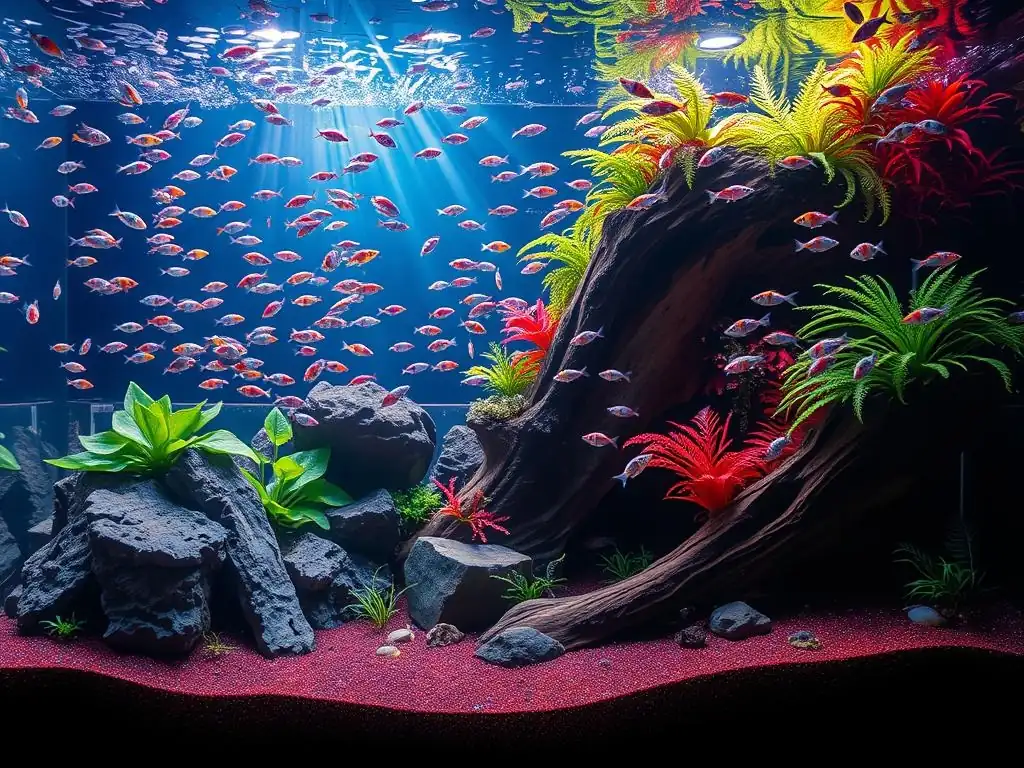
Dive into the serene world of Danios and Rasboras with us. Ever dreamt of a peaceful, thriving community tank filled with dazzling schools of these captivating fish? Discover the secrets to a successful Danios rasbora community tank setup and unlock the joy of a balanced aquatic ecosystem. Ready to create your own underwater paradise? Let's begin!
- Creating a Thriving Danios Rasbora Community Tank
- Selecting the Right Danios for Your Community Aquarium
- Choosing Compatible Rasbora Species for Your Tank
- Tank Size and Setup for Danios and Rasboras
- Water Parameters and Maintenance for Optimal Health
- Compatible Tank Mates for Danios and Rasboras
- Feeding Your Danios and Rasboras for Vibrant Health
- Preventing and Treating Common Fish Diseases
- Troubleshooting Common Danios Rasbora Community Tank Problems
-
Frequently Asked Questions
- What are the best tank sizes for a danios rasbora community tank?
- What water parameters are ideal for danios and rasboras in a community tank?
- What are some good tank mates for danios and rasboras in a peaceful community tank?
- What kind of plants are suitable for a danios and rasbora community tank setup?
- How often should I perform water changes in a danios and rasbora community tank?
- Final Reflection: Cultivating Harmony in the Aquatic World
- Spark Your Aquarium Passion!
Creating a Thriving Danios Rasbora Community Tank
Understanding the Appeal of a Peaceful Community Aquarium
A peaceful community aquarium, particularly one featuring vibrant schools of Danios and Rasboras, offers a visually captivating and calming addition to any home or office. These aquariums are designed to house multiple species of fish that coexist harmoniously, minimizing stress and aggression.
The appeal lies not only in the aesthetic beauty of diverse fish swimming together but also in the observation of their natural schooling behaviors, which are more pronounced in a stress-free environment. This type of setup promotes better fish health and longevity, as stable community environments typically experience fewer disease outbreaks compared to overcrowded or incompatible tank setups.
The success of a peaceful community tank setup hinges on careful planning and species selection. Danios and Rasboras are excellent candidates for such environments due to their generally placid temperaments, relatively small size, and strong schooling instincts. When kept in appropriate numbers (typically six or more of each species), they exhibit fascinating group dynamics, darting and weaving in unison. This natural behavior, combined with the low-stress environment of a well-maintained tank, results in more active, colorful, and resilient fish, making the Danios rasbora community tank setup a rewarding experience for aquarists of all levels.
Key Considerations for a Successful Danios and Rasboras Tank Setup
Embarking on a Danios rasbora community tank setup requires careful attention to several key factors to ensure the long-term health and happiness of your aquatic inhabitants. Foremost among these is tank size, which directly impacts water quality and the fishes' ability to express natural behaviors. For a thriving community of Danios and Rasboras, a minimum tank size of 20 gallons is generally recommended, allowing ample swimming space and stability for their active schooling nature. Understanding the specific needs of each species regarding water parameters, diet, and social structure is also critical.
Beyond tank size, essential equipment, proper water chemistry, and diligent maintenance form the pillars of a successful Danios rasbora community tank setup. Adequate filtration, consistent heating to maintain a tropical temperature range of 72-78°F (22-26°C), and appropriate lighting for both fish and potential live plants are non-negotiable. Furthermore, regular water testing to monitor ammonia, nitrite, and nitrate levels, coupled with routine water changes, will prevent the accumulation of toxins and maintain a pristine environment conducive to the vibrant health of your Danios and Rasboras.
Selecting the Right Danios for Your Community Aquarium
Popular Danio Species for Community Tanks
Danios are a popular choice for freshwater community aquariums due to their hardiness, active nature, and attractive schooling behavior. Originating from various parts of Asia, these small, torpedo-shaped fish are known for their distinctive stripes or spots and their seemingly endless energy. They typically inhabit the upper and middle levels of the aquarium, adding dynamic movement to the tank. For a Danios rasbora community tank setup, selecting the right Danio species ensures compatibility and visual appeal.
Three of the most commonly available and suitable Danio species for a peaceful community tank include the classic Zebra Danio, the subtly colorful Glowlight Danio, and the elegantly patterned Pearl Danio. Each offers unique characteristics while sharing the general hardiness and schooling instincts that make Danios such excellent community fish. Their adaptability to a range of water conditions further simplifies their integration into a shared habitat, contributing to a harmonious Danios rasbora community tank setup.
Zebra Danios: A Classic Choice for Beginners
Zebra Danios ( Danio rerio), easily recognizable by their distinctive horizontal blue and white stripes, are perhaps the most iconic and widely available Danio species. Reaching an average adult size of approximately 2 inches (5 cm), these active swimmers thrive in groups of six or more, exhibiting impressive schooling behavior that adds life to any aquarium. They are incredibly hardy, tolerating a wide temperature range, typically from 64-74°F (18-23°C), and can live for 3-5 years with proper care. Their robust nature makes them an excellent foundational fish for a beginner's Danios rasbora community tank setup.
Their energetic disposition means they appreciate longer tanks that provide ample swimming space. While generally peaceful, their rapid movements can sometimes startle very shy or slow-moving tank mates, though this is rarely an issue when paired with similarly active fish like Rasboras. Zebra Danios readily accept a variety of foods, from high-quality flakes to small live or frozen offerings, ensuring they remain healthy and vibrant within their community.
Glowlight Danios: Adding a Touch of Color
Glowlight Danios ( Danio choprae) offer a more understated yet equally beautiful alternative to their Zebra counterparts. These attractive fish typically grow to about 1.5 to 2 inches (3.8-5 cm) in length and are characterized by a striking iridescent orange or gold stripe running horizontally along their bodies, often accompanied by subtle vertical barring. This "glow" is particularly prominent under proper aquarium lighting, adding a warm, vibrant touch to the Danios rasbora community tank setup.
Like other Danios, Glowlight Danios are active, schooling fish that benefit greatly from being kept in groups of at least six individuals. They prefer similar water parameters to Zebra Danios, making them highly compatible tank mates for a mixed species setup. Their slightly less frenetic swimming style compared to Zebra Danios can make them appear more graceful, while still providing the lively movement characteristic of the genus.
Pearl Danios: Elegant and Peaceful
Pearl Danios ( Danio albolineatus) are renowned for their shimmering, iridescent bodies that reflect blues, purples, and pinks under the right light, resembling polished pearls. Growing up to 2.5 inches (6.5 cm), they are slightly larger than some other popular Danio species but maintain a slender, elegant profile. These fish are known for their exceptionally peaceful temperament, making them an ideal choice for a serene Danios rasbora community tank setup.
Their calm demeanor allows them to coexist beautifully with even the most timid of tank mates, and their schooling behavior, while present, is often less frantic than that of Zebra Danios. Pearl Danios thrive in well-planted aquariums where they can dart in and out of foliage, and they appreciate a diet that includes a mix of high-quality flakes and small live or frozen foods. Their striking appearance and peaceful nature make them a standout choice for an aesthetically pleasing and tranquil community aquarium.
Danio Temperament and Compatibility in Community Aquariums
Danios are, by and large, highly compatible inhabitants for a peaceful community aquarium due to their generally non-aggressive nature and strong schooling instincts. Their active, top-to-mid dwelling habits mean they rarely interfere with bottom-dwellers or shy, slower-moving fish that occupy other levels of the tank. However, their energetic swimming can sometimes be intimidating to very delicate or extremely slow-moving species. For a successful Danios rasbora community tank setup, it's crucial to select tank mates that can either keep up with their pace or primarily inhabit different tank zones.
To ensure Danios display their best behavior and vibrant colors, they should always be kept in schools of at least six individuals, with larger groups of 10-12 being even better for optimal social dynamics. When kept in insufficient numbers, Danios can become stressed, leading to shyness or, occasionally, nipping at the fins of other fish due to anxiety. Providing ample swimming space and a balanced environment, including live plants and open areas, helps mitigate any potential issues and allows these spirited fish to thrive harmoniously alongside Rasboras and other peaceful species.
Choosing Compatible Rasbora Species for Your Tank
Popular Rasbora Species for Community Tanks
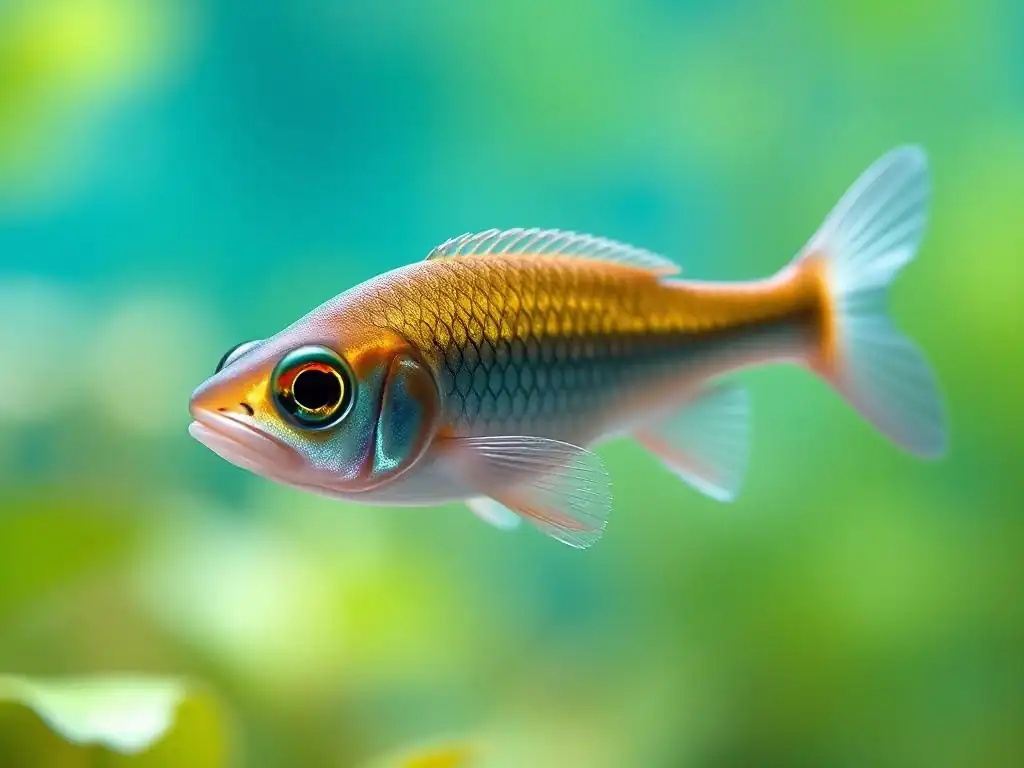
Rasboras are small, schooling cyprinids highly valued in the aquarium hobby for their peaceful nature, vibrant colors, and relatively easy care. Hailing primarily from Southeast Asia, they typically inhabit slow-moving streams and blackwater environments, often rich in tannins from decaying leaves. These fish generally prefer the middle to upper levels of the water column, complementing the activity patterns of Danios and other community fish. Their calm demeanor and schooling tendencies make them perfect candidates for a peaceful Danios rasbora community tank setup.
Among the diverse array of Rasbora species, the Harlequin Rasbora, Espei Rasbora, and Chili Rasbora stand out as exceptionally popular and suitable choices for community aquariums. Each offers unique coloration and size, allowing aquarists to create a visually varied yet harmonious display. Their shared preference for stable water conditions and a planted environment ensures they can thrive alongside Danios and other compatible species, contributing to the overall tranquility and beauty of the tank.
Harlequin Rasboras: A Schooling Favorite
Harlequin Rasboras ( Trigonostigma heteromorpha) are arguably the most popular and recognizable species within the Rasbora genus, renowned for their distinctive triangular black patch, often described as a "harlequin mark," on their orange-pink bodies. These beautiful fish typically reach an adult size of about 1.75 inches (4.5 cm) and are known for their robust health and peaceful temperament. They are long-lived for small fish, often living 5-6 years in a well-maintained aquarium, making them a lasting addition to a Danios rasbora community tank setup.
Harlequins are dedicated schooling fish and should always be kept in groups of at least six, preferably ten or more, to reduce stress and encourage their natural behavior. They thrive in mature, well-planted aquariums with subdued lighting and slightly acidic to neutral water (pH 6.0-7.0) with a temperature range of 72-78°F (22-26°C). Their calm nature makes them ideal companions for Danios and other peaceful community fish, adding a splash of warm color and organized movement.
Espei Rasboras: Vibrant and Hardy
Espei Rasboras ( Trigonostigma espei), often mistaken for Harlequins due to their similar body shape and markings, are a smaller and often more vibrantly colored alternative. Reaching an average adult size of just under 1 inch (2.5 cm), they boast a stunning copper-orange body with a prominent, wedge-shaped black marking that is typically sharper and more defined than that of the Harlequin. Their vivid coloration makes them stand out, especially when kept in a large school, adding intensity to a Danios rasbora community tank setup.
These hardy little fish are excellent for slightly smaller community tanks where Harlequins might be too large, but still require a minimum group of 8-10 individuals to truly thrive and feel secure. Espei Rasboras prefer soft, acidic water and densely planted tanks that mimic their natural habitat, providing plenty of hiding spots and visual barriers. Their peaceful disposition ensures they coexist well with other small, non-aggressive species, including various Danios and other Rasboras.
Chili Rasboras: Nano Tank Gems
Chili Rasboras ( Boraras brigittae), also known as Mosquito Rasboras, are among the smallest fish in the aquarium hobby, reaching a maximum adult size of only about 0.75 inches (2 cm). Despite their diminutive stature, they possess an incredibly striking appearance, with a vibrant red body accented by a distinct black horizontal stripe and small black spots. Their intense coloration makes them appear much larger than they are, particularly when schooling tightly. These nano-sized gems are perfect for a specialized Danios rasbora community tank setup, especially in smaller aquariums.
Ideal for nano tanks ranging from 5 to 10 gallons, Chili Rasboras require very stable water parameters, preferring soft, acidic water (pH 4.0-6.5) and temperatures between 72-82°F (22-28°C). They are incredibly peaceful and should be kept in large schools of 10-20 individuals to encourage their natural schooling behavior and reduce shyness. Due to their tiny size, careful selection of tank mates is crucial; they pair best with other very small, peaceful fish or invertebrates like dwarf shrimp, ensuring they are not outcompeted for food or intimidated by larger, more active species.
Rasbora Behavior and Tank Mate Compatibility
Rasboras are quintessential peaceful community fish, characterized by their calm demeanor and strong schooling instincts. Unlike some more boisterous fish, Rasboras rarely exhibit aggression towards tank mates and are generally shy, preferring to remain hidden among plants if they feel insecure. This makes them ideal companions for a Danios rasbora community tank setup, as they complement the Danios' activity without adding undue stress. However, their shyness means they thrive best with similarly peaceful and small tank mates, as larger, more aggressive, or very active fish can easily intimidate them.
To ensure Rasboras display their natural schooling behavior and vibrant colors, it is imperative to keep them in groups of at least six to eight individuals, with larger schools often leading to more confident and active displays. Providing a heavily planted aquarium with plenty of hiding spots and subdued lighting helps them feel secure and reduces stress. When integrated into a well-planned Danios rasbora community tank setup, their peaceful nature and beautiful schooling patterns contribute significantly to a harmonious and visually appealing aquatic environment.
Tank Size and Setup for Danios and Rasboras
Determining the Ideal Tank Size for Your Community
The cornerstone of a successful Danios rasbora community tank setup is choosing an appropriately sized aquarium. While both Danios and Rasboras are small fish, their active schooling nature means they require ample swimming space to thrive. For a mixed community of these species, a minimum tank size of 20 gallons (approximately 75 liters) is highly recommended. This size provides sufficient water volume for stable parameters, crucial for the health of your fish, and allows for the natural schooling behaviors of both Danios and Rasboras without overcrowding.
For larger schools or if you plan to include other compatible tank mates, a 29-gallon or even a 40-gallon breeder tank would be even more beneficial. The "inch per gallon" rule, while a common guideline, is often misleading for active schooling fish like Danios and Rasboras, as it doesn't account for swimming space or filtration needs. Instead, prioritize tank length and width over height to provide ample horizontal swimming room, which is vital for these fast-moving species, ensuring a truly thriving Danios rasbora community tank setup.
Essential Equipment for a Healthy Aquarium Environment
Beyond the tank itself, several pieces of essential equipment are necessary to create and maintain a healthy and stable environment for your Danios rasbora community tank setup. These components work synergistically to ensure optimal water quality, temperature, and lighting, all of which are critical for the long-term well-being of your fish and plants. Investing in quality equipment from the outset will save time and prevent common problems down the line, contributing to the overall success of your aquarium.
The primary equipment includes a reliable filtration system to process waste, a heater to maintain a consistent tropical temperature, and appropriate lighting for both the fish and any live plants you choose to include. Additionally, a sturdy stand, an accurate thermometer, a gravel vacuum for substrate cleaning, and a comprehensive water testing kit are indispensable tools for routine maintenance and monitoring, ensuring your Danios rasbora community tank setup remains pristine and healthy.
Filtration for Clear and Clean Water
Effective filtration is paramount for maintaining clear and healthy water in a Danios rasbora community tank setup. A good filter performs three crucial functions: mechanical filtration removes particulate matter, chemical filtration absorbs dissolved pollutants, and biological filtration converts toxic ammonia and nitrite into less harmful nitrate. For a 20-gallon community tank, a hang-on-back (HOB) filter with a flow rate of at least 100 gallons per hour (GPH) is often sufficient, aiming for a turnover rate of 4-5 times the tank volume per hour. For larger tanks or higher bioloads, a canister filter offers superior capacity and versatility.
When selecting a filter, consider its flow rate relative to your tank size and fish species. While Danios are active swimmers and appreciate good current, Rasboras can be more sensitive to strong flows, especially smaller species like Chili Rasboras. Adjustable flow settings on filters are highly beneficial to accommodate both. Regular maintenance of filter media, typically monthly, is also vital to prevent clogging and ensure continued efficiency, providing the clean aquatic environment essential for a thriving Danios rasbora community tank setup.
Heating and Temperature Control for Tropical Fish
Since both Danios and most Rasbora species are tropical fish, maintaining a stable and appropriate water temperature is critical for their health and metabolism in a Danios rasbora community tank setup. The ideal temperature range for most Danios and Rasboras falls between 72-78°F (22-26°C). Fluctuations outside this range can stress fish, weaken their immune systems, and make them more susceptible to diseases. An aquarium heater, properly sized for your tank, is therefore an indispensable piece of equipment.
A common guideline for heater wattage is approximately 5 watts per gallon of water. For instance, a 20-gallon tank would typically require a 100-watt heater. It's advisable to use a heater with an adjustable thermostat to set the precise temperature and a reliable thermometer to monitor it accurately. Placing the heater near a good water flow source, such as the filter output, helps distribute heat evenly throughout the tank, ensuring a consistently warm and comfortable environment for your Danios and Rasboras.
Lighting for Plant Growth and Fish Health
Appropriate lighting plays a dual role in a Danios rasbora community tank setup: it enhances the vibrant colors of your fish and supports the growth of live aquarium plants, which contribute to water quality and provide natural hiding spots. The type and duration of lighting should be carefully considered. For a general community tank with low to medium light plants (e.g., Anubias, Java Fern, Cryptocoryne), a standard LED aquarium light is often sufficient. LEDs are energy-efficient and offer a spectrum that brings out fish coloration beautifully.
The duration of lighting is equally important; a consistent photoperiod of 8-10 hours per day is generally recommended. Too much light can lead to excessive algae growth, while too little can hinder plant growth and make fish appear dull. Using a timer can automate this process, ensuring a stable light cycle. While Danios and Rasboras do not have specific light requirements beyond what suits live plants, subdued lighting can help shy Rasboras feel more secure, contributing to a balanced and visually appealing Danios rasbora community tank setup.
Water Parameters and Maintenance for Optimal Health
Maintaining Ideal Water Chemistry for Danios and Rasboras
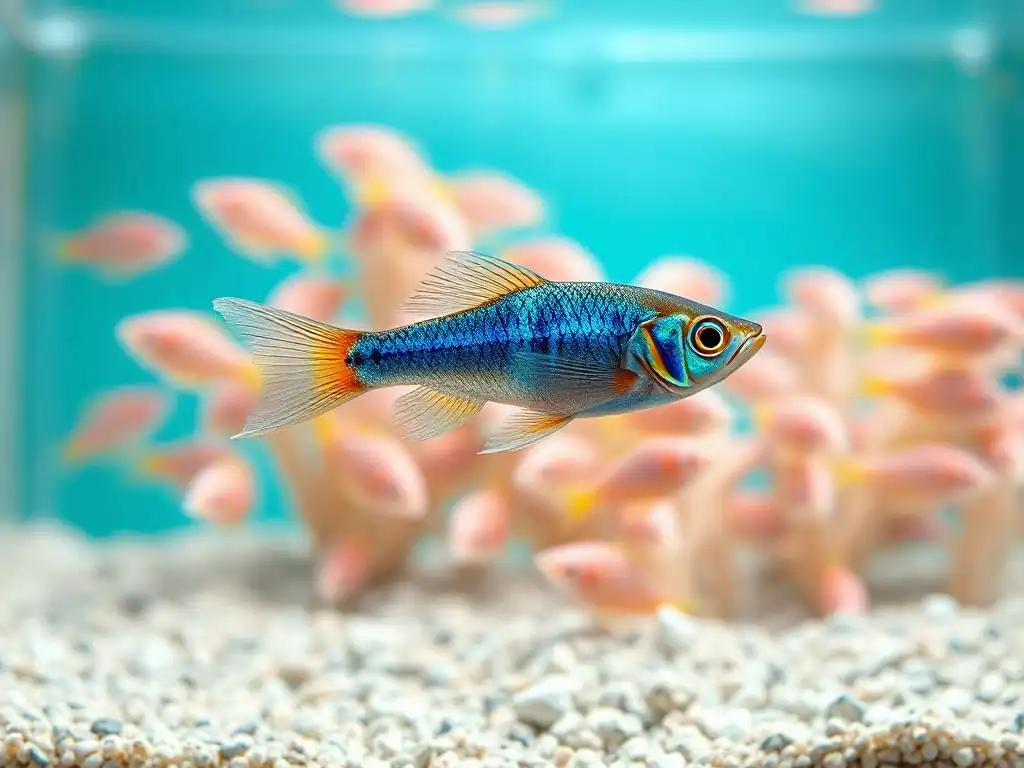
Maintaining precise water chemistry is crucial for the long-term health and vibrancy of fish in a Danios rasbora community tank setup. While both Danios and Rasboras are generally adaptable, they thrive within specific ranges of pH, hardness (GH/KH), and temperature. Most species prefer slightly acidic to neutral water with a pH between 6.0 and 7.5, and soft to moderately hard water, typically between 5-12 dGH (degrees of General Hardness). Consistent temperature, ideally between 72-78°F (22-26°C), is also vital for their metabolic functions and overall well-being.
Regular testing of these parameters using a reliable freshwater test kit is indispensable. Fluctuations in pH or hardness can cause significant stress to fish, making them susceptible to disease. For instance, a sudden drop in pH from 7.0 to 6.0 could be detrimental. Understanding and consistently managing these water parameters ensures that your Danios and Rasboras are living in an environment that closely mimics their natural habitat, fostering optimal health and allowing them to display their full coloration and natural behaviors within the Danios rasbora community tank setup.
Understanding pH, Ammonia, Nitrite, and Nitrate Levels
A cornerstone of successful aquarium keeping, especially for a thriving Danios rasbora community tank setup, is a thorough understanding and regular monitoring of key water parameters: pH, ammonia, nitrite, and nitrate.
- pH measures the acidity or alkalinity of the water; a stable pH between 6.0 and 7.5 is generally ideal for most Danios and Rasboras, though some species like Chili Rasboras prefer slightly lower pH values around 4.0-6.5. Sudden shifts in pH can be highly stressful to fish.
- Ammonia (NH3/NH4+) is a highly toxic waste product from fish respiration and decaying organic matter. In a healthy, cycled aquarium, ammonia levels should always be 0 parts per million (ppm). Even small traces, such as 0.25 ppm, can cause severe gill damage and death.
- Nitrite (NO2-) is the intermediate product in the nitrogen cycle, converted from ammonia by beneficial bacteria. Like ammonia, nitrite is highly toxic to fish, interfering with their ability to carry oxygen. Levels should also be 0 ppm in a mature Danios rasbora community tank setup.
- Nitrate (NO3-) is the final product of the nitrogen cycle, converted from nitrite. While less toxic than ammonia and nitrite, high levels can still stress fish and promote algae growth. Keeping nitrate levels below 20 ppm through regular water changes is generally recommended for optimal fish health.
Regular Water Changes and Tank Maintenance Schedule
Consistent and regular maintenance is fundamental to the long-term success and health of a Danios rasbora community tank setup. The most critical aspect of this routine is the weekly water change, which serves to dilute accumulated nitrates and replenish essential minerals in the water. For a typical community tank, a 25% water change weekly is a good starting point. For instance, in a 20-gallon tank, this means removing and replacing 5 gallons of water with dechlorinated, temperature-matched fresh water. This frequency helps keep nitrate levels consistently below the recommended 20 ppm.
Beyond water changes, a comprehensive maintenance schedule includes cleaning the substrate with a gravel vacuum to remove uneaten food and fish waste, typically done during water changes. Filter media should be rinsed in old tank water (never tap water, as chlorine can kill beneficial bacteria) every 2-4 weeks to prevent clogging, and replaced only when necessary, usually every 1-3 months, depending on the filter type. Wiping down tank glass to remove algae, checking equipment functionality, and observing fish for any signs of disease are also crucial components of maintaining a pristine and healthy environment for your Danios and Rasboras.
Compatible Tank Mates for Danios and Rasboras
Peaceful Fish Species That Thrive with Danios and Rasboras
When planning a Danios rasbora community tank setup, selecting compatible tank mates is crucial to ensure a harmonious environment where all fish can thrive without stress or aggression. Both Danios and Rasboras are peaceful, schooling fish that do best with other non-aggressive species of similar size and temperament. Ideal tank mates typically occupy different levels of the water column or have very calm dispositions, preventing competition for space or food.
Excellent choices for a Danios rasbora community tank often include other small, peaceful schooling fish, as well as bottom-dwelling species that help keep the substrate clean. It's important to avoid any fish known for fin-nipping, aggression, or predatory behavior towards smaller tank mates. By carefully curating your fish population, you can create a vibrant, active, and stress-free ecosystem where all inhabitants flourish.
Corydoras Catfish: Bottom-Dwelling Cleaners
Corydoras catfish are an excellent addition to a Danios rasbora community tank setup, primarily because they are peaceful, occupy the bottom layer of the aquarium, and are diligent scavengers. These charming, armored catfish come in various species, such as the popular Panda Corydoras or Bronze Corydoras, typically reaching an adult size of 1-3 inches (2.5-7.5 cm) depending on the species. They are highly social and must be kept in groups of at least six individuals to feel secure and exhibit their natural schooling behavior.
Corydoras spend their time sifting through the substrate, searching for leftover food and detritus, which helps keep the tank clean. They prefer a soft, sandy substrate to protect their delicate barbels, which they use for foraging. Their calm temperament and bottom-dwelling habits ensure they do not compete with the mid-to-top dwelling Danios and Rasboras, making them perfect, functional companions for a balanced community tank.
Otocinclus Catfish: Algae Eaters for a Pristine Tank
Otocinclus catfish, often simply called "Otos," are small, peaceful, and highly effective algae eaters that make a fantastic addition to a Danios rasbora community tank setup. Reaching an adult size of only 1.5-2 inches (3.8-5 cm), these diminutive catfish are dedicated vegetarians, constantly grazing on algae that grows on tank surfaces, plants, and decorations. They are particularly useful for keeping soft-leaved plants free of nuisance algae without damaging the foliage.
Like Corydoras, Otocinclus are schooling fish and should be kept in groups of at least three to five individuals to reduce stress and encourage natural behavior. They require a mature aquarium with established algae growth or supplemental blanched vegetables (like zucchini or spinach) and algae wafers, as they may starve in very clean tanks. Their shy nature and constant grazing make them a non-intrusive yet highly beneficial component of a peaceful community aquarium.
Ember Tetras: Peaceful Schooling Companions
Ember Tetras ( Hyphessobrycon amandae) are tiny, schooling fish that bring a vibrant splash of fiery orange-red color to the middle layer of a Danios rasbora community tank setup. Growing to a mere 0.8 inches (2 cm) in length, they are among the smallest of the popular aquarium tetras, making them ideal companions for similarly small and peaceful species like Chili Rasboras and smaller Danios. Their brilliant coloration truly stands out against green plants and darker substrates.
These incredibly peaceful fish thrive in large schools of eight or more, where they exhibit fascinating tight schooling behaviors. Ember Tetras prefer well-planted tanks with subdued lighting, mimicking their natural blackwater habitats. Their gentle nature ensures they will not bother any other tank inhabitants, and their small size means they add minimal bioload to the aquarium, making them a superb choice for adding more schooling diversity to your community setup.
Invertebrates That Enhance Your Community Tank
Beyond fish, certain invertebrates can significantly enhance a Danios rasbora community tank setup, adding diversity, interest, and practical benefits. Many shrimp and snail species are peaceful, fascinating to observe, and contribute to tank cleanliness by consuming algae and detritus. Their presence can create a more complete and natural-looking ecosystem, while also fulfilling important janitorial roles within the aquarium.
When introducing invertebrates, it's crucial to ensure they are compatible with your fish and that the tank parameters are suitable for their specific needs. Generally, peaceful dwarf shrimp and various snail species are excellent choices that will not pose a threat to Danios or Rasboras, nor will they be harmed by them, provided the fish are not large enough to view them as food.
Shrimp: Adding Diversity and Function
Dwarf shrimp, such as Red Cherry Shrimp ( Neocaridina davidi) or Amano Shrimp ( Caridina multidentata), are fantastic additions to a Danios rasbora community tank setup. They add a unique element of diversity with their interesting behaviors and often vibrant colors. Red Cherry Shrimp, for example, come in various color morphs (red, yellow, blue) and actively graze on algae and biofilm, helping to keep surfaces clean. Amano Shrimp are larger and renowned for their voracious appetite for nuisance algae, making them highly effective cleanup crew members.
These shrimp are generally peaceful and will not bother fish. However, it's important to ensure your Danios and Rasboras are not large enough to perceive young or very small shrimp as food. Providing plenty of hiding spots in the form of dense plants or moss allows shrimp to feel secure, especially after molting. Their continuous scavenging contributes to a cleaner tank environment, reducing the need for manual algae removal and enhancing the overall health of the Danios rasbora community tank setup.
Snails: Controlling Algae and Detritus
Snails are another excellent invertebrate option for a Danios rasbora community tank setup, offering valuable assistance in controlling algae and consuming detritus. Species like Nerite Snails ( Neritina natalensis) are highly prized for their exceptional algae-eating capabilities, cleaning tank glass, rocks, and plant leaves without damaging them. They come in various attractive patterns and sizes, typically remaining quite small (under 1 inch). Mystery Snails ( Pomacea bridgesii) are larger, more active, and consume both algae and decaying plant matter, contributing to substrate aeration.
Unlike some other snails, Nerite Snails will not reproduce excessively in freshwater, as their larvae require brackish water, making them a mess-free option. Snails are generally very peaceful and will not bother your Danios or Rasboras. They are a low-maintenance addition that continuously works to keep the tank tidy, breaking down uneaten food and other organic waste, thus supporting the overall cleanliness and stability of your Danios rasbora community tank setup.
Feeding Your Danios and Rasboras for Vibrant Health
Providing a Balanced Diet for Optimal Growth and Color
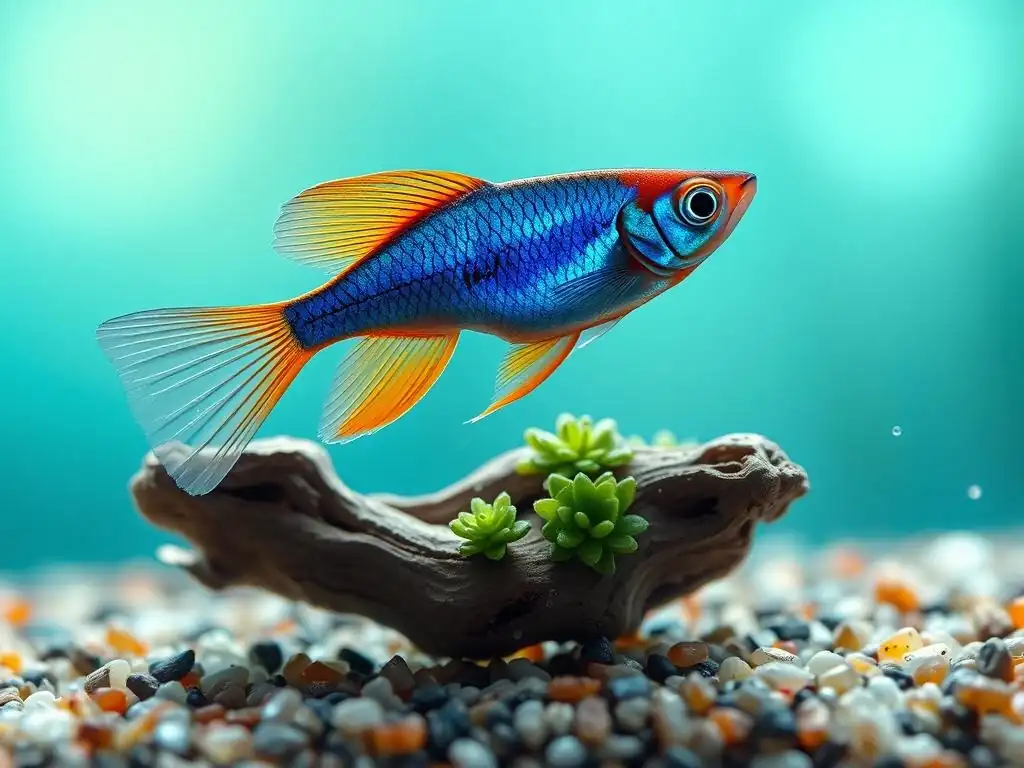
A balanced and varied diet is paramount for ensuring the optimal growth, vibrant coloration, and overall health of your fish in a Danios rasbora community tank setup. Both Danios and Rasboras are omnivores, meaning they require a mix of plant-based and protein-rich foods to thrive. Relying solely on one type of food can lead to nutritional deficiencies, dull colors, and a weakened immune system, making them more susceptible to disease.
Feeding small amounts two to three times a day is generally recommended, ensuring that all food is consumed within 2-3 minutes to prevent overfeeding and subsequent water quality issues. A diverse diet not only meets their nutritional needs but also stimulates their natural foraging behaviors. This approach to feeding, combining high-quality staple foods with regular supplements, is key to maintaining the robust health and energetic display of fish in a Danios rasbora community tank setup.
Recommended Foods for Danios and Rasboras
To provide a comprehensive and balanced diet for your Danios and Rasboras, a combination of different food types is highly recommended. This ensures they receive all necessary nutrients for vibrant colors, strong immune systems, and healthy growth. The primary staple should be a high-quality dry food, supplemented regularly with frozen or live foods to mimic their natural diet and provide essential proteins and fats.
Varying the diet not only keeps the fish interested but also addresses different nutritional requirements. For instance, while flakes provide a good base, frozen brine shrimp offer crucial amino acids and live foods can stimulate hunting instincts. This varied feeding regimen is crucial for maintaining the peak condition of your fish in a Danios rasbora community tank setup.
Flake Food: A Convenient Staple
High-quality flake food should form the cornerstone of the diet for fish in a Danios rasbora community tank setup. Flakes are convenient, readily available, and typically fortified with essential vitamins and minerals necessary for daily nutrition. When selecting flake food, look for brands that list fish meal or other animal proteins as the primary ingredients, followed by plant-based components like spirulina or algae. Avoid brands with excessive fillers or artificial colors.
Flakes are easily digestible for small fish like Danios and Rasboras and float on the surface, making them accessible to these mid-to-top dwelling species. Crushing flakes into smaller pieces can be beneficial for very small species like Chili Rasboras to ensure they can easily consume the food. While a good staple, flakes alone are not sufficient for a truly balanced diet and should always be supplemented with other food types.
Frozen and Live Foods: Enhancing Nutrition and Stimulation
To truly optimize the health and vibrancy of your fish in a Danios rasbora community tank setup, supplementing their diet with frozen and live foods is highly beneficial. Frozen foods, such as bloodworms, brine shrimp, daphnia, and cyclops, offer concentrated protein and nutrients that are often lacking in dry foods. These can be fed 2-3 times per week and are excellent for conditioning fish for breeding or enhancing their coloration. For example, the carotene in some frozen foods can intensify the reds and oranges in Rasboras.
Live foods, including brine shrimp nauplii, micro-worms, or even small feeder insects (like flightless fruit flies for larger Danios), provide an unparalleled nutritional boost and stimulate natural hunting behaviors, which is mentally enriching for the fish. While requiring more effort and potential for introducing pathogens if not sourced carefully, live foods are considered the gold standard for promoting robust health and natural vigor. Both frozen and live options significantly enhance the overall well-being of your Danios and Rasboras.
Preventing and Treating Common Fish Diseases
Identifying Potential Health Issues in Danios and Rasboras
Proactive observation is the first and most critical step in preventing and treating common fish diseases in a Danios rasbora community tank setup. Healthy Danios and Rasboras are typically active, display vibrant colors, have clear eyes, and swim with purpose. Any deviation from these normal behaviors or appearances should immediately raise a red flag. Early detection significantly increases the chances of successful treatment and prevents the spread of illness to other tank inhabitants.
Common indicators of potential health issues include lethargy, clamped fins (fins held close to the body), rapid breathing, loss of appetite, dull coloration, or unusual swimming patterns like darting, flashing against objects, or swimming erratically. Physical signs such as white spots, fuzzy growths, frayed fins, bloating, or visible lesions also warrant immediate attention. Regularly observing your fish for even subtle changes in behavior or appearance during feeding or routine maintenance can help you identify problems before they escalate into serious outbreaks within your Danios rasbora community tank setup.
Common Diseases and Their Treatments
Despite best efforts in maintaining a pristine Danios rasbora community tank setup, fish can occasionally fall ill. Understanding the most common diseases affecting Danios and Rasboras, along with their appropriate treatments, is essential for a responsible aquarist. Many common fish diseases are stress-related or caused by poor water quality, reinforcing the importance of diligent maintenance. Prompt action is key to preventing the spread of disease throughout the entire community.
While a comprehensive guide to fish diseases is extensive, focusing on the most prevalent ailments such as Ich (White Spot Disease) and Fin Rot can cover a significant portion of common issues. It's crucial to correctly diagnose the disease, as misdiagnosis can lead to ineffective or harmful treatments. Always follow medication instructions precisely and consider quarantining affected fish if possible to prevent wider contamination of the Danios rasbora community tank setup.
Ich (White Spot Disease) Treatment
Ich, or White Spot Disease ( Ichthyophthirius multifiliis), is one of the most common and easily recognizable freshwater fish diseases, characterized by small, salt-grain-sized white spots visible on the fish's body and fins. It is caused by an external parasite that burrows into the fish's skin, feeding on its tissues. If left untreated, Ich can be highly contagious and lethal, particularly in a confined Danios rasbora community tank setup.
Treatment typically involves a multi-pronged approach. Raising the water temperature gradually to 82-84°F (28-29°C) can accelerate the parasite's life cycle, making it more vulnerable to treatment. Simultaneously, adding aquarium salt (non-iodized, 1 tablespoon per 5 gallons) or using commercially available Ich medications (e.g., malachite green or formalin-based treatments) according to package directions is effective. Treatment usually lasts 10-14 days to ensure all stages of the parasite are eradicated, even if visible spots disappear earlier. Maintaining excellent water quality through daily small water changes (e.g., 10-20%) during treatment is also crucial for recovery.
Fin Rot Treatment
Fin Rot is a bacterial infection that manifests as frayed, ragged, or disintegrating fins, often with a white or reddish edge. It is typically caused by poor water quality, overcrowding, or injury, which allows opportunistic bacteria (often Aeromonas or Pseudomonas species) to attack the fish's compromised fins. If left untreated, the infection can spread to the body, leading to more severe health issues and even death, making prompt attention vital in a Danios rasbora community tank setup.
The primary treatment for Fin Rot involves addressing the underlying cause, which is almost always water quality. Immediate and significant water changes (e.g., 50%) followed by daily 25% water changes for several days are crucial to reduce bacterial load and improve the environment. If the condition does not improve within a few days of water quality improvements, or if it is severe, a broad-spectrum antibacterial medication specifically designed for aquarium fish (e.g., containing erythromycin or furan-2) can be used. Recovery often involves the regeneration of fin tissue, which can take several weeks once the infection is controlled.
Troubleshooting Common Danios Rasbora Community Tank Problems
Addressing Algae Blooms and Water Quality Issues
Algae blooms and declining water quality are among the most frequent challenges faced by aquarists maintaining a Danios rasbora community tank setup. An sudden proliferation of algae, manifesting as green water, brown slime on surfaces, or green fuzz on plants, is almost always an indicator of an imbalance in the tank's ecosystem. Common culprits include excessive light exposure (e.g., more than 10 hours daily, or direct sunlight), overfeeding (leading to excess nutrients), or insufficient water changes (allowing nitrates and phosphates to accumulate).
To address algae blooms, first reduce the light duration to 6-8 hours daily and ensure the tank is not exposed to direct sunlight. Next, carefully evaluate your feeding regimen; only feed what your fish can consume within 2-3 minutes. Increase the frequency and volume of water changes, perhaps performing two 25% changes weekly instead of one, to rapidly reduce nutrient levels. Introducing algae-eating invertebrates like Nerite snails or Otocinclus catfish can also help manage minor algae issues, but addressing the root cause is paramount for long-term control and maintaining crystal-clear water in your Danios rasbora community tank setup.
Resolving Aggression or Bullying Within the Tank
While Danios and Rasboras are generally peaceful, instances of aggression or bullying can occasionally arise in a Danios rasbora community tank setup. This often stems from environmental stressors or improper stocking, rather than inherent aggression. Common reasons include insufficient schooling numbers, which can lead to nipping or chasing as fish become stressed or try to establish dominance without a proper group structure. Overcrowding is another major factor, as limited space can cause territorial disputes even among typically docile species.
To resolve aggression, first ensure both Danios and Rasboras are kept in appropriate school sizes of at least six to ten individuals; increasing their numbers can dilute aggression and make them feel more secure. If the tank is overcrowded, consider upgrading to a larger aquarium or reducing the total fish population.
Providing ample hiding spots and visual barriers with live plants, driftwood, or rock formations can also help break up lines of sight and allow bullied fish to retreat. Observing which specific fish are involved in the aggression can help pinpoint the issue, sometimes necessitating the removal of a particularly problematic individual, though this is rare in a well-managed Danios rasbora community tank setup.
Maintaining a Balanced and Harmonious Aquarium Ecosystem.
Achieving and maintaining a balanced and harmonious Danios rasbora community tank setup is an ongoing process that requires consistent attention and proactive care. It's not merely about setting up the tank correctly initially but about continuously monitoring, adjusting, and learning from the ecosystem. A truly balanced aquarium is one where all inhabitants thrive, water parameters remain stable, and problems like algae or disease are minimal. This involves a commitment to regular water testing (weekly), consistent water changes (weekly 25%), and diligent observation of fish behavior and health.
The key to long-term success lies in understanding the interconnectedness of all elements within the aquarium: the fish, plants, filter, substrate, and water chemistry. For instance, well-chosen live plants not only enhance aesthetics but also help absorb nitrates, contributing to cleaner water. A balanced feeding regimen prevents waste buildup, and appropriately sized schools reduce stress. By consistently applying best practices and promptly addressing any emerging issues, you can ensure your Danios rasbora community tank setup remains a vibrant, healthy, and captivating aquatic display for years to come.
Frequently Asked Questions
What are the best tank sizes for a danios rasbora community tank?
The ideal tank size depends on the number of fish, but generally, a 20-gallon long tank is a good starting point. This provides enough space for adequate swimming room and territories. Larger tanks are always better to ensure stability.
What water parameters are ideal for danios and rasboras in a community tank?
Danios and rasboras generally prefer slightly acidic to neutral water. Maintain a pH between 6.5 and 7.5 and a temperature between 72°F and 78°F. Regular water testing is crucial for maintaining stability.
What are some good tank mates for danios and rasboras in a peaceful community tank?
Good tank mates include smaller tetras like neon tetras, bottom-dwelling fish like corydoras catfish, and peaceful invertebrates like amano shrimp. Avoid larger or aggressive fish that might harass the danios and rasboras.
What kind of plants are suitable for a danios and rasbora community tank setup?
Plants like Java fern, Anubias, and Amazon sword are excellent choices. They provide cover, help maintain water quality, and are relatively easy to care for. Consider adding some floating plants to diffuse the light.
How often should I perform water changes in a danios and rasbora community tank?
Perform weekly water changes of 25-30% to maintain optimal water quality. Regular water changes help remove nitrates and other harmful substances, ensuring a healthy environment for your fish.
Final Reflection: Cultivating Harmony in the Aquatic World
The exploration of Danios and Rasboras as ideal community tank inhabitants resonates deeply in a world increasingly seeking tranquility and balance. The principles of careful selection, thoughtful aquascaping, and understanding species-specific needs, as outlined in this article, extend beyond the glass walls of an aquarium, offering a microcosm of the harmony we strive for in our own communities.
This pursuit of aquatic equilibrium has profoundly shaped the hobby, fostering a deeper appreciation for biodiversity and responsible fishkeeping. The joy of witnessing a thriving ecosystem, where Danios and Rasboras dance amongst lush plants, is a constant reminder of the delicate interconnectedness of life. In nature, nothing exists alone.
- Rachel Carson. This quote perfectly encapsulates the essence of a successful community tank and the broader ecological principles it reflects.
Now, consider how you can apply these principles of harmony and balance to your own life. Just as a well-planned aquarium fosters a thriving ecosystem, so too can your actions contribute to a more peaceful and balanced world. Let the vibrant energy of your Danios and Rasboras inspire you to cultivate understanding, respect, and a shared sense of community in all your endeavors.
Spark Your Aquarium Passion!
Thanks for diving into the world of peaceful community tanks! We hope you found inspiration for creating a harmonious underwater ecosystem for your danios and rasboras. Now, let's turn those ideas into reality:
- Start planning! Select your danio and rasbora species and design your dream tank layout.
- Share your planned setup with the Aquarium Mastery community on our forums and get feedback!
- Visit your local fish store and observe the different varieties of danios and rasboras firsthand.
What unique plant or decoration will you use to make your danio and rasbora tank truly stand out?