
Unveiled: The Top Aquarium Starter Kits for Effortless Fishkeeping in 2024

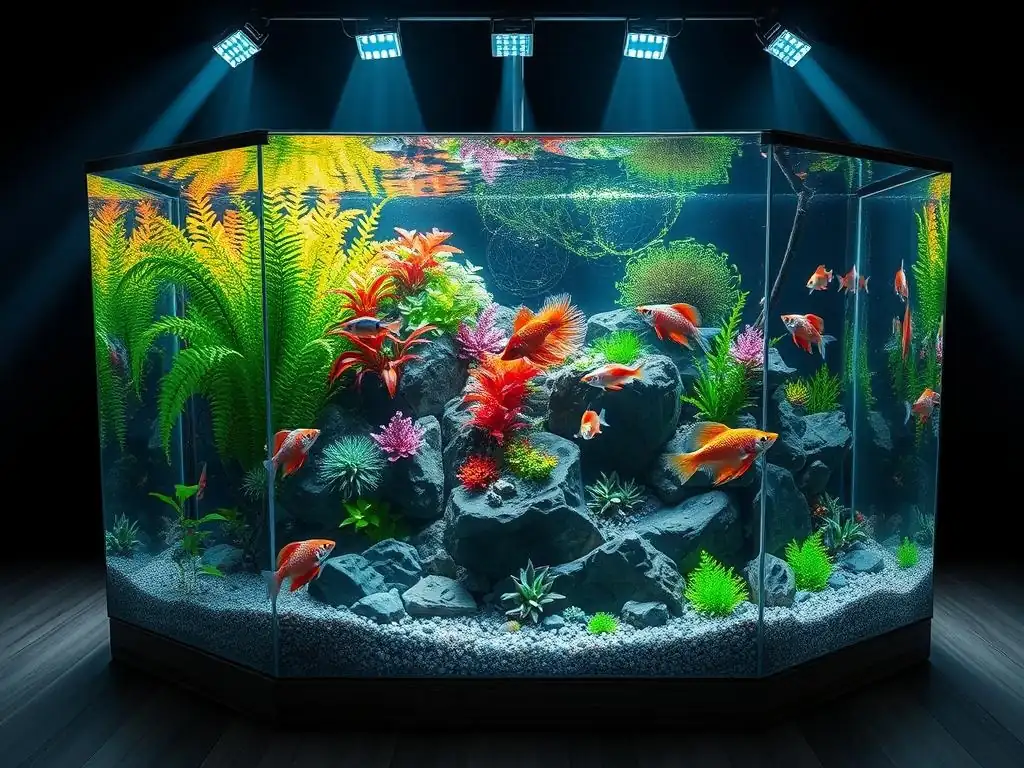
Welcome to Aquarium Mastery!
Ready to dive into the captivating world of aquariums but unsure where to start? You've come to the right place! We're thrilled to help you embark on your fishkeeping journey. Thinking about setting up your first tank? Our guide to the best beginner aquarium starter kits reveals everything you need for effortless and successful fishkeeping. Discover the secrets to a thriving underwater paradise and let's get started!
- Finding the Best Beginner Aquarium Starter Kits: A 2024 Guide for New Aquarists
-
Reviewing the Top Aquarium Starter Kits of 2024: Effortless Fishkeeping Solutions
- Option 1: Fluval Flex 15 Gallon Aquarium Kit - A Stylish and Feature-Rich Choice
- Option 2: Aqueon Aquarium Starter Kit with LED Lighting - Budget-Friendly and Functional
- Option 3: Tetra ColorFusion LED Stick Aquarium Kit - Vibrant Colors and Easy Setup
- Option 4: SeaClear Acrylic Aquarium Combo Set - Durable and Clear Viewing
- Comparing the Best Aquarium Starter Kits: Which One is Right for You?
-
Essential Accessories to Enhance Your Beginner Aquarium Setup
- The Importance of a Quality Aquarium Heater: Maintaining Optimal Water Temperature
- Aquarium Filters: Keeping Your Water Clean and Clear with Aqueon QuietFlow
- Lighting for Planted Aquariums: Promoting Healthy Plant Growth with Hygger Aquarium Light
- Gravel and Substrate: Creating the Ideal Environment for Your Fish and Plants
-
Setting Up Your Aquarium Starter Kit: A Step-by-Step Guide for Beginners
- Unboxing and Preparing Your New Aquarium
- Setting Up the Filtration System for Optimal Water Quality
- Installing the Heater and Thermometer: Maintaining Consistent Water Temperature
- Adding Substrate, Decorations, and Plants: Creating a Natural Habitat
- Filling the Aquarium and Cycling the Water: The Most Important Step
- Maintaining Your Aquarium Starter Kit: Ensuring a Healthy Ecosystem
- Troubleshooting Common Aquarium Problems for Beginners
- Maximizing Your Fishkeeping Success: Tips and Tricks for Beginner Aquarists
- Conclusion: Start Your Aquarium Journey with Confidence in 2024
-
Frequently Asked Questions
- What makes a good beginner aquarium starter kit?
- Are starter kits suitable for all types of fish?
- How often should I perform maintenance on my starter aquarium?
- What size aquarium starter kit is best for a beginner?
- Where can I find reliable information on fish care and aquarium maintenance after purchasing a starter kit?
- Final Reflection: Diving into Effortless Aquatic Beginnings
- Dive Deeper: Start Your Aquarium Adventure Now!
Finding the Best Beginner Aquarium Starter Kits: A 2024 Guide for New Aquarists
Simplify Your Setup: Why Choose an Aquarium Starter Kit?
Embarking on the journey of fishkeeping can seem daunting, with numerous components like tanks, filters, heaters, and lighting to consider. This is precisely where aquarium starter kits shine, offering an all-in-one solution that significantly simplifies the initial setup process for new enthusiasts. By bundling essential equipment, these kits eliminate the guesswork of compatibility and often provide a more cost-effective entry point into the hobby compared to purchasing individual components separately.
For instance, a typical 10-gallon glass starter kit might cost around $60-$80, whereas buying a similar tank, filter, and heater individually could easily exceed $100. Opting for one of the best beginner aquarium starter kits streamlines your path to a thriving aquatic environment.
Beyond the financial and logistical advantages, starter kits are designed with the novice in mind, often including user-friendly instructions and pre-selected equipment that works harmoniously. This cohesive approach reduces the likelihood of common beginner mistakes, such as mismatched filter sizes or inadequate heating. Many kits even come with helpful extras like fish food samples, water conditioners, and thermometers, ensuring you have the immediate necessities to begin the crucial tank cycling process. This comprehensive offering allows new aquarists to focus on the exciting aspects of fishkeeping, like choosing their first inhabitants, rather than getting bogged down by technical specifications.
What to Consider When Selecting the Right Aquarium Starter Kit for Beginners
When diving into the selection of the best beginner aquarium starter kits, several key factors warrant careful consideration to ensure a successful and enjoyable experience. Primarily, tank size is paramount, as it directly impacts water stability and the types of fish you can comfortably house.
For most beginners, a 10- to 20-gallon tank is often recommended; tanks smaller than 10 gallons can be more challenging to maintain stable water parameters, while those larger than 20 gallons might be too heavy or costly for a first-time setup. Furthermore, assess the tank material, typically glass or acrylic, each with its own benefits regarding clarity, durability, and weight.
Beyond the tank itself, scrutinize the quality and type of included equipment. A reliable filtration system, such as a hang-on-back (HOB) power filter, is crucial for maintaining water clarity and biological balance. Ensure the kit includes an appropriately sized heater if you plan to keep tropical fish, as consistent water temperature is vital for their health.
The lighting system should also be considered; while basic LEDs are fine for viewing, if you aspire to keep live plants, you'll need a kit with a more powerful, full-spectrum light or plan for an upgrade. Finally, consider your budget and the overall aesthetic appeal of the kit, as it will be a prominent feature in your home.
Reviewing the Top Aquarium Starter Kits of 2024: Effortless Fishkeeping Solutions
Option 1: Fluval Flex 15 Gallon Aquarium Kit - A Stylish and Feature-Rich Choice
The Fluval Flex 15 Gallon Aquarium Kit stands out as a highly popular and aesthetically pleasing option among the best beginner aquarium starter kits, particularly for those who prioritize modern design and integrated features. Its distinctive curved front and hidden rear compartment create an unobstructed view of the aquatic landscape, making it a focal point in any room. This kit is ideally suited for small community fish, a thriving planted tank, or even a single betta with a few tank mates, offering more stable water conditions than smaller nano tanks.
What truly sets the Fluval Flex apart is its sophisticated, yet user-friendly, integrated filtration system and advanced LED lighting. The multi-stage filtration is cleverly concealed in the back, ensuring a clean look while effectively maintaining water quality. Coupled with its powerful LED light, which offers a range of color options and dimming capabilities via remote control, the Flex provides an excellent environment for both fish and moderately demanding live plants. This blend of form and function makes it a compelling choice for new aquarists seeking a premium, hassle-free setup.
Key Features of the Fluval Flex 15 Gallon Kit for Beginner Aquariums
- Capacity: 15 US gallons (approximately 57 liters), providing ample space for a small community of fish or a well-designed aquascape.
- Filtration System: Integrated 3-stage filtration (mechanical, chemical, and biological media) hidden in a rear compartment, ensuring crystal-clear water and a healthy environment.
- LED Lighting: Powerful 7500K LED lamp with 48 white and 6 RGB LEDs, offering a wide spectrum of colors, multiple light settings, and a dimmable function, controllable via infrared remote.
- Design: Distinctive curved front edge for enhanced viewing and a sleek, modern aesthetic.
- Convenience: Features like an easy-feed opening and adjustable flow output nozzle contribute to user-friendliness.
Fluval Flex 15 Gallon Kit: Pros and Cons for New Fish Keepers
- Pros:
- Sleek and Modern Design: Its unique curved shape and hidden filtration contribute to a high-end, contemporary look.
- Excellent Lighting: The powerful LED system is ideal for showcasing fish colors and supports the growth of a variety of live plants.
- Effective Integrated Filtration: The multi-stage filter is highly efficient and keeps the tank clean and healthy with minimal visual intrusion.
- Quiet Operation: The integrated pump runs very quietly, enhancing the peaceful ambiance of the aquarium.
- Enhanced Stability: The 15-gallon size provides more stable water parameters compared to smaller nano tanks, making it more forgiving for beginners.
- Cons:
- Higher Price Point: Generally more expensive than basic starter kits, which might be a consideration for budget-conscious beginners.
- Filter Media Replacement: While effective, replacing specific filter media can be slightly more involved than simple cartridge swaps in some other kits.
- Limited Internal Space: The hidden filter compartment, while aesthetically pleasing, slightly reduces the usable internal space for aquascaping compared to a standard rectangular tank of the same volume.
Pricing and Where to Buy the Fluval Flex 15 Gallon Aquarium Kit
The Fluval Flex 15 Gallon Aquarium Kit typically ranges in price from approximately $150 to $200 USD, depending on the retailer and any ongoing promotions. This price reflects its premium design, advanced lighting, and integrated filtration system.
It is widely available at major pet supply retailers such as PetSmart and Petco, as well as through large online e-commerce platforms like Amazon, Chewy, and specialized aquarium supply websites. Due to its popularity, it's often found in stock, making it an accessible choice for those looking for one of the best beginner aquarium starter kits with an emphasis on style and performance.
Option 2: Aqueon Aquarium Starter Kit with LED Lighting - Budget-Friendly and Functional
The Aqueon Aquarium Starter Kit with LED Lighting is a quintessential choice for new aquarists seeking a straightforward, reliable, and exceptionally budget-friendly entry into the fishkeeping hobby. Widely available and highly popular, these kits are often the first experience many beginners have with aquariums. They typically come in practical sizes like 10, 20, or even 29 gallons, providing a good balance between manageable size and sufficient water volume for stable conditions, which is crucial for the success of any of the best beginner aquarium starter kits.
These kits are praised for their no-frills functionality, providing all the basic necessities without overcomplicating the setup. An Aqueon kit usually includes a sturdy glass tank, a QuietFlow power filter, a submersible heater (for tropical fish setups), a low-profile LED hood, and often a few starter samples like fish food and water conditioner. This comprehensive yet simple package allows new fish keepers to get their tank up and running quickly and efficiently, focusing on the fundamentals of fish care and water quality management without a steep learning curve.
Aqueon Aquarium Starter Kit Features: Ideal for Small Fish and Beginners
- Tank Sizes: Commonly available in 10, 20, and 29 US gallons, accommodating a range of small to medium-sized fish communities.
- Construction: Durable glass tank with clear silicone seals, offering traditional and reliable aquarium housing.
- Filtration: Includes an Aqueon QuietFlow Power Filter (e.g., QuietFlow 10 for a 10-gallon kit), known for its quiet operation and ease of cartridge replacement.
- Heating: A submersible pre-set heater is typically included, matched to the tank size (e.g., a 50W heater for a 10-gallon tank, 100W for a 20-gallon tank), maintaining optimal temperatures for tropical species.
- Lighting: A low-profile LED hood provides basic illumination for viewing fish and general ambient light.
- Accessories: Often comes with essential starter items such as a fish net, thermometer, fish food samples, and water conditioner.
Weighing the Pros and Cons: The Aqueon Aquarium Starter Kit
- Pros:
- Highly Affordable: One of the most cost-effective options among the best beginner aquarium starter kits, making it accessible to a wide audience.
- Widely Available: Can be found in almost any pet store and major retail chains, ensuring easy purchase and access to replacement parts.
- Simple to Set Up: Straightforward assembly and operation, ideal for first-time aquarists who need minimal complexity.
- Reliable Basic Equipment: The included filter and heater are generally robust and perform their basic functions effectively.
- Good for Learning Fundamentals: Its simplicity allows beginners to focus on crucial aspects like water cycling and fish compatibility.
- Cons:
- Basic Aesthetics: The design is functional rather than decorative, lacking the sleek, modern appeal of more premium kits like the Fluval Flex.
- Limited Lighting for Plants: The included LED lighting is typically basic and not powerful enough to support the healthy growth of most live aquatic plants.
- Filter Media Limitations: While easy to replace, the proprietary filter cartridges might be less versatile for advanced biological filtration compared to customizable filter setups.
- Potential for Heater Issues: Some pre-set heaters can be less precise than adjustable models, though generally reliable for basic needs.
Affordable Fishkeeping: Pricing and Purchasing the Aqueon Aquarium Starter Kit
The Aqueon Aquarium Starter Kit with LED Lighting is exceptionally budget-friendly, with prices typically ranging from approximately $50 to $100 USD, depending on the tank size and specific inclusions. For example, a 10-gallon kit might cost around $60, while a 20-gallon kit could be closer to $85. This affordability makes it one of the most accessible and best beginner aquarium starter kits on the market.
These kits are readily available at nearly all major pet supply chains, including PetSmart and Petco, as well as large general merchandise retailers like Walmart and Target. They are also widely sold through online platforms such as Amazon and Chewy, offering convenient purchasing options for new aquarists.
Option 3: Tetra ColorFusion LED Stick Aquarium Kit - Vibrant Colors and Easy Setup
The Tetra ColorFusion LED Stick Aquarium Kit is specifically designed to bring a splash of dynamic color and visual excitement to any space, making it a particularly attractive option for children or those who desire a vibrant focal point in their home or office. These kits are typically available in smaller capacities, such as 3, 5, or 10 gallons, which positions them as excellent choices for housing a single betta fish, a few small invertebrates like ghost shrimp, or very small community fish. Their compact footprint makes them suitable for desks, shelves, or other areas where space is limited.
What truly distinguishes the Tetra ColorFusion kit is its unique, color-changing LED "stick" light. This innovative lighting system allows users to cycle through a spectrum of colors, including blue, green, red, and white, transforming the aquarium's appearance with a simple touch. Beyond its aesthetic appeal, the kit emphasizes ease of setup, often including a basic internal filter and a simple lid, making the initial foray into fishkeeping as straightforward as possible. For those prioritizing visual flair and a hassle-free introduction, this kit stands out among the best beginner aquarium starter kits.
Tetra ColorFusion Kit: Enhancing Your Aquarium's Visual Appeal
- Tank Sizes: Commonly available in 3, 5, and 10 US gallons, ideal for single fish or very small, easy-to-care-for aquatic inhabitants.
- Construction: Durable glass tank, providing a clear and stable viewing environment.
- Filtration: Includes a Tetra Whisper internal filter (e.g., Whisper 3i for a 3-gallon kit), which is compact and designed for quiet operation and easy maintenance.
- Lighting: Features a unique color-changing LED "stick" light that offers multiple modes, allowing users to customize the tank's ambiance with vibrant hues.
- Lid: Comes with a plastic lid that includes a convenient feeding hole for easy daily maintenance.
Tetra ColorFusion Kit: Advantages and Disadvantages for Beginners
- Pros:
- Visually Engaging: The color-changing LED light creates a dynamic and appealing display, especially captivating for younger aquarists.
- Very Simple Setup: Designed for quick and easy assembly, requiring minimal prior knowledge.
- Compact Footprint: Smaller sizes make these kits perfect for limited spaces like dorm rooms, offices, or children's bedrooms.
- Good for Single Fish: Ideal for housing a single Betta fish, which thrives in smaller, well-maintained environments.
- Cons:
- Limited Fish Options: Due to their smaller sizes, these kits restrict the variety and number of fish that can be safely housed.
- Basic Filtration: The included internal filter, while functional, might require more frequent cleaning and offers less robust biological filtration compared to larger external filters.
- Lighting Not for Plants: The LED lighting is primarily for aesthetic purposes and is generally insufficient to support the growth of most live aquatic plants.
- Temperature Stability: Smaller tanks are more prone to rapid temperature fluctuations, requiring diligent monitoring, especially if no heater is included or if it's a basic model.
Get Yours Now: Tetra ColorFusion Kit Availability and Price
The Tetra ColorFusion LED Stick Aquarium Kit is an incredibly affordable option, with prices typically ranging from approximately $30 to $70 USD, depending on the gallon capacity. For instance, a 3-gallon kit might be found for around $35, while a 10-gallon version could be closer to $65. This makes it one of the most budget-friendly and accessible options among the best beginner aquarium starter kits.
These kits are widely available at major retail stores that carry pet supplies, such as Walmart, Target, and various pet store chains. They can also be conveniently purchased through popular online retailers like Amazon and Chewy.
Option 4: SeaClear Acrylic Aquarium Combo Set - Durable and Clear Viewing
The SeaClear Acrylic Aquarium Combo Set offers a distinct advantage for aquarists prioritizing durability, clarity, and a lightweight design. Unlike traditional glass tanks, SeaClear aquariums are constructed from acrylic, a material renowned for its superior strength and impact resistance. This makes them an excellent choice for households with active children or pets, significantly reducing the risk of cracks or leaks from accidental bumps. While often a more premium investment than standard glass kits, their long-term resilience and crystal-clear viewing experience make them a compelling option for those seeking a robust foundation for their aquatic hobby.
Beyond their impressive durability, SeaClear acrylic tanks boast exceptional clarity, often appearing brighter and less distorted than some glass counterparts. The seamless design, typical of acrylic construction, provides an unobstructed panoramic view of the aquatic environment.
These combo sets usually include the acrylic tank itself, a matching hood, and often a light fixture (though sometimes a basic fluorescent fixture, which may warrant an LED upgrade for planted tanks). While filters and heaters are typically sold separately, this allows beginners to customize their filtration and heating solutions, which can be beneficial for tailoring the setup to specific fish or plant needs, making it a customizable choice among the best beginner aquarium starter kits.
SeaClear Acrylic Aquarium Features: Impact Resistance and Clarity
- Material: Constructed from high-quality acrylic, providing exceptional strength, clarity, and resistance to impact, making it 17 times stronger than glass.
- Lightweight: Significantly lighter than equivalent glass tanks, making them easier to move and position during setup or maintenance.
- Clarity: Offers superior optical clarity and brightness compared to many glass aquariums, enhancing the viewing experience.
- Seamless Design: Often features a seamless, one-piece construction, eliminating unsightly silicone seams and reducing the risk of leaks.
- Insulation: Acrylic has better insulation properties than glass, which can help in maintaining more stable water temperatures.
- Combo Set: Typically includes the acrylic tank and a matching hood with a light fixture (often fluorescent, but some newer models may offer LED compatibility).
SeaClear Acrylic Aquarium: Pros and Cons for Beginners
- Pros:
- Exceptional Durability: Highly resistant to shattering, chipping, and cracking, offering peace of mind, especially in busy households.
- Superior Clarity: Provides a crystal-clear, undistorted view of your aquatic inhabitants and aquascape.
- Lightweight: Easier to handle and position than heavy glass tanks of comparable size.
- Better Insulation: Helps to maintain more consistent water temperatures, reducing heater strain and energy consumption.
- Less Prone to Leaks: Seamless construction reduces potential points of failure compared to multi-panel glass tanks.
- Cons:
- Higher Cost: Generally more expensive than most glass aquarium starter kits, representing a larger initial investment.
- Susceptible to Scratches: Acrylic surfaces are softer than glass and can scratch more easily, requiring specialized cleaning tools and techniques.
- Often Not All-Inclusive: Many SeaClear combo sets include only the tank and hood/light, meaning beginners will need to purchase a filter and heater separately, which can add complexity and cost to the overall setup for those seeking truly all-in-one best beginner aquarium starter kits.
- Light Fixture May Be Basic: The included light fixture might be a standard fluorescent, requiring an upgrade for robust plant growth or advanced lighting effects.
SeaClear Acrylic Aquarium: Price and Purchase Information
The SeaClear Acrylic Aquarium Combo Set typically falls into a higher price bracket due to its premium material and construction. Prices can range from approximately $100 for smaller 10-gallon sets up to $300 or more for larger capacities (e.g., 50 gallons), depending on the size and included accessories. For example, a 20-gallon SeaClear set might cost around $180-$250.
While they are a more significant investment, their durability and clarity offer long-term value. These kits are often found at specialized aquarium stores, high-end pet retailers, and a variety of online e-commerce platforms that cater to aquarium enthusiasts, such as Chewy, Amazon, and dedicated aquatic supply websites.
Comparing the Best Aquarium Starter Kits: Which One is Right for You?
Side-by-Side Comparison Chart: Key Features and Benefits
Choosing the best beginner aquarium starter kits involves weighing various factors. The following comparison highlights the key attributes of the reviewed options, providing a quick reference to help you decide which kit aligns best with your needs and preferences.
- Fluval Flex 15 Gallon Aquarium Kit
- Tank Material: Glass
- Capacity Range: 15 US Gallons
- Filtration Included: Integrated 3-stage (mechanical, chemical, biological)
- Lighting Included: Powerful 7500K LED with RGB and remote control
- Approx. Price Range: $150-$200 USD
- Best For: Aquarists seeking a stylish, modern design with excellent lighting for planted tanks and small communities.
- Aqueon Aquarium Starter Kit with LED Lighting
- Tank Material: Glass
- Capacity Range: 10, 20, 29 US Gallons (most common)
- Filtration Included: Hang-on-Back (HOB) Power Filter (e.g., QuietFlow)
- Lighting Included: Basic Low-Profile LED Hood
- Approx. Price Range: $50-$100 USD
- Best For: Budget-conscious beginners looking for a simple, reliable, and widely available all-in-one solution.
- Tetra ColorFusion LED Stick Aquarium Kit
- Tank Material: Glass
- Capacity Range: 3, 5, 10 US Gallons (most common)
- Filtration Included: Internal Filter (e.g., Whisper)
- Lighting Included: Color-Changing LED "Stick" Light
- Approx. Price Range: $30-$70 USD
- Best For: Small spaces, children's rooms, or showcasing a single Betta with vibrant, customizable lighting.
- SeaClear Acrylic Aquarium Combo Set
- Tank Material: Acrylic
- Capacity Range: 10 Gallons up to 50+ Gallons
- Filtration Included: None (tank and hood/light only)
- Lighting Included: Basic Fluorescent (often), sometimes LED compatible hood
- Approx. Price Range: $100-$300+ USD
- Best For: Aquarists prioritizing extreme durability, superior clarity, lightweight design, and customization of filtration/heating.
Matching Starter Kits to Fish Types: Guiding Your First Fish Selection (e.g., Betta, Tetras, Goldfish)
The size of your aquarium starter kit is a primary determinant of which fish species you can responsibly keep, directly impacting their health and longevity. For instance, a small 3- to 5-gallon kit, such as the Tetra ColorFusion, is primarily suitable for a single Betta fish (Siamese Fighting Fish) due to their relatively low swimming activity and preference for individual territories. Attempting to house multiple fish or larger species in such a confined space can lead to stress, aggression, and poor water quality.
Moving up in size, a 10-gallon kit (like a popular Aqueon model) provides enough space for a small school of peaceful, diminutive fish such as 6-8 Neon Tetras, Guppies, or Zebra Danios. These species thrive in groups and benefit from the slightly larger swimming area and more stable water parameters that a 10-gallon tank offers.
For tanks 15 gallons (e.g., Fluval Flex) and above, you can consider slightly larger communities or a wider variety of species, perhaps a small group of Corydoras catfish for the bottom or a pair of Dwarf Gouramis. It is crucial to note that common goldfish, despite their small size at purchase, grow very large (up to 10-12 inches) and produce significant waste, requiring at least 20 gallons per fancy goldfish and 40+ gallons for common varieties.
Therefore, smaller starter kits are generally unsuitable for goldfish, emphasizing the importance of choosing among the best beginner aquarium starter kits that match your desired fish.
Aquarium Starter Kit Size Matters: Choosing the Right Gallon Capacity
The gallon capacity of your aquarium starter kit is a critical decision that profoundly impacts the ease of maintenance and the overall health of your aquatic ecosystem. Larger tanks, generally those 20 gallons and above, offer significantly more stable water parameters due to their greater water volume.
This increased volume dilutes waste products more effectively, slows down chemical changes (like pH swings or ammonia spikes), and provides more thermal stability, making them much more forgiving for beginners who are still learning about water chemistry and maintenance routines. A 20-gallon tank, for example, is often considered an ideal starting point for its balance of manageability and stability.
Conversely, smaller tanks, particularly those under 10 gallons, are highly susceptible to rapid fluctuations in water chemistry and temperature. A small amount of uneaten food or a slight change in room temperature can quickly destabilize the environment, leading to stressed fish and the rapid onset of problems like ammonia poisoning or algae blooms.
While compact and seemingly easier to manage, these nano tanks actually demand more diligent and frequent monitoring and maintenance from the aquarist. Therefore, while tiny kits exist, the best beginner aquarium starter kits for long-term success and a less stressful experience typically fall within the 10 to 29-gallon range, offering a more robust and forgiving environment.
Essential Accessories to Enhance Your Beginner Aquarium Setup
The Importance of a Quality Aquarium Heater: Maintaining Optimal Water Temperature
For the vast majority of popular aquarium fish, which are tropical species, maintaining a consistent and optimal water temperature is absolutely critical for their health, metabolism, and immune system function. A quality aquarium heater ensures that the water stays within the ideal range, typically between 75-80°F (24-27°C), preventing stress, susceptibility to disease, and lethargy. Without proper heating, fish can become sluggish, lose their appetite, and be more prone to common ailments like Ich. Even if your chosen starter kit includes a basic heater, investing in a reliable, adjustable model can provide more precise temperature control and peace of mind.
Heaters come in various wattages, and selecting the correct one is crucial for efficient heating without overheating or underheating the tank. A general rule of thumb is 5 watts per gallon for tanks in average room temperatures. For example, a 10-gallon tank typically requires a 50-watt heater, a 20-gallon tank needs a 100-watt heater, and a 30-gallon tank would benefit from a 150-watt heater. Submersible heaters are the most common type, offering full submersion for even heat distribution. Always ensure your heater is fully submerged before plugging it in to prevent damage and potential hazards.
Aquarium Filters: Keeping Your Water Clean and Clear with Aqueon QuietFlow
The aquarium filter is arguably the most vital piece of equipment in any successful setup, serving as the primary mechanism for maintaining water quality and clarity. It performs three crucial functions: mechanical filtration removes physical debris like uneaten food and fish waste; chemical filtration uses media like activated carbon to remove odors, discoloration, and dissolved toxins; and biological filtration cultivates beneficial bacteria that convert harmful ammonia and nitrite into less toxic nitrate. A robust filter system is non-negotiable for a healthy aquatic environment.
Among the various types, hang-on-back (HOB) filters like the Aqueon QuietFlow are highly recommended for the best beginner aquarium starter kits due to their ease of use, effectiveness, and relatively quiet operation. The Aqueon QuietFlow series, for instance, is known for its self-priming feature and multi-stage filtration cartridges that combine mechanical, chemical, and biological media.
These filters are simple to install, sit on the back of the tank, and offer excellent water turnover rates, ensuring that the water is constantly being purified. Regular maintenance of the filter, such as rinsing mechanical media in old tank water and replacing carbon cartridges, is essential for its continued efficiency.
Lighting for Planted Aquariums: Promoting Healthy Plant Growth with Hygger Aquarium Light
While most aquarium starter kits include some form of lighting, the basic LEDs often provided are primarily for viewing your fish and may not be sufficient for promoting healthy growth in live aquatic plants. For aquarists aspiring to create a lush, planted aquarium, investing in a specialized full-spectrum LED light is essential. Live plants not only enhance the aesthetic appeal of a tank but also contribute to water quality by consuming nitrates and providing oxygen, creating a more natural and stable ecosystem.
Brands like Hygger offer excellent options for dedicated plant growth, balancing affordability with performance. Hygger aquarium lights typically feature a blend of white, red, green, and blue LEDs to provide a full spectrum of light necessary for photosynthesis (measured in PAR – Photosynthetically Active Radiation). Many models also include dimmable settings, adjustable color channels, and built-in timers, allowing you to customize the light intensity and duration to suit the specific needs of your plants, from low-light Anubias to more demanding stem plants. Proper lighting helps prevent algae by promoting strong plant growth, which outcompetes algae for nutrients.
Gravel and Substrate: Creating the Ideal Environment for Your Fish and Plants
The substrate, whether it's gravel, sand, or a specialized planted tank medium, forms the very foundation of your aquarium's environment, serving multiple vital functions beyond mere aesthetics. It provides a surface for beneficial bacteria to colonize, contributing to the biological filtration of the tank. For live plants, the substrate acts as an anchor for roots and, in some cases, a source of essential nutrients. Additionally, the right substrate can significantly influence the behavior and comfort of your fish, particularly bottom-dwelling species.
When choosing a substrate for your best beginner aquarium starter kits, consider your planned inhabitants and whether you intend to keep live plants. Standard aquarium gravel (2-5mm size) is popular for its ease of cleaning with a gravel vacuum and its ability to anchor decorations. Sand, like pool filter sand or specialized aquarium sand, is ideal for fish that like to sift through the substrate, such as Corydoras catfish, and creates a natural look.
For planted tanks, nutrient-rich substrates like Fluval Stratum or Seachem Flourite are highly beneficial as they provide essential nutrients directly to plant roots. Regardless of your choice, always thoroughly rinse new substrate under cold tap water until the water runs clear to remove dust and debris before adding it to your aquarium.
Setting Up Your Aquarium Starter Kit: A Step-by-Step Guide for Beginners
Unboxing and Preparing Your New Aquarium
The first step in setting up your aquarium starter kit is to carefully unbox all components and inspect them for any damage that may have occurred during shipping. Once everything is accounted for, gently rinse the empty glass or acrylic tank with plain, cool water to remove any dust, debris, or manufacturing residues. It is crucial to never use soap or chemical cleaners, as residues can be highly toxic to fish.
After rinsing, select a sturdy, level surface capable of supporting the immense weight of a filled aquarium. For instance, a 10-gallon tank filled with water, gravel, and equipment can weigh over 100 pounds (approximately 45 kg), while a 20-gallon tank can exceed 200 pounds (90 kg). Ensure the surface is perfectly level to prevent uneven pressure on the tank seams, which could lead to leaks.
Once the tank is in place, lay out all the components included in your best beginner aquarium starter kits, such as the filter, heater, light, and any accessories like nets or thermometers. Familiarize yourself with each piece and its function. If your kit includes a stand, assemble it according to the manufacturer's instructions.
Lastly, ensure that you have easy access to electrical outlets for your equipment, and always remember to create "drip loops" with all power cords. A drip loop is a simple U-shaped curve in the cord that hangs below the outlet, ensuring that any water running down the cord will drip off the lowest point instead of entering the electrical outlet, preventing potential hazards.
Setting Up the Filtration System for Optimal Water Quality
Properly setting up the filtration system is paramount for the long-term health and clarity of your aquarium water. Begin by assembling your filter according to the manufacturer's instructions.
For hang-on-back (HOB) filters, commonly found in the best beginner aquarium starter kits like the Aqueon QuietFlow, this usually involves inserting the filter cartridge (containing mechanical and chemical media) and ensuring the intake tube is securely attached. Position the filter on the back rim of the tank, ensuring it hangs evenly and the intake tube reaches sufficient depth within the water to draw in debris from throughout the tank, typically within a few inches of the substrate.
Once the filter is in place, it is crucial to "prime" it before plugging it into an electrical outlet. This typically involves filling the filter's reservoir with water from the aquarium (or a pitcher of dechlorinated water) until it is full. Priming prevents the pump from running dry, which can cause damage or premature wear.
After priming, you can plug in the filter. You should immediately hear the pump working and see water flowing out of the return spout, indicating proper operation. A well-functioning filter is essential for removing physical waste, neutralizing toxins, and establishing beneficial bacteria that process fish waste.
Installing the Heater and Thermometer: Maintaining Consistent Water Temperature
For most tropical fish species, a stable and appropriate water temperature is critical for their health and well-being. Begin by carefully installing your aquarium heater. Most modern heaters are fully submersible and come with suction cups for secure placement.
Position the heater in an area of the tank that receives good water circulation, typically away from the filter intake, to ensure even heat distribution throughout the water column. It is absolutely vital to never plug in the heater until it is fully submerged in water, as dry heating can cause the heater to shatter or malfunction, posing a significant safety risk. Allow the heater to acclimate to the water temperature for about 15-30 minutes before plugging it in.
Once the heater is installed and plugged in, place an accurate aquarium thermometer on the opposite side of the tank from the heater. This placement allows you to get a more representative reading of the overall tank temperature, rather than just the immediate vicinity of the heater. Most tropical fish thrive in temperatures between 75-80°F (24-27°C).
Monitor the thermometer closely for the first 24-48 hours after setup to ensure the heater is maintaining a consistent temperature within the desired range. Adjust the heater's setting if necessary, making small adjustments and allowing time for the temperature to stabilize before making further changes.
Adding Substrate, Decorations, and Plants: Creating a Natural Habitat
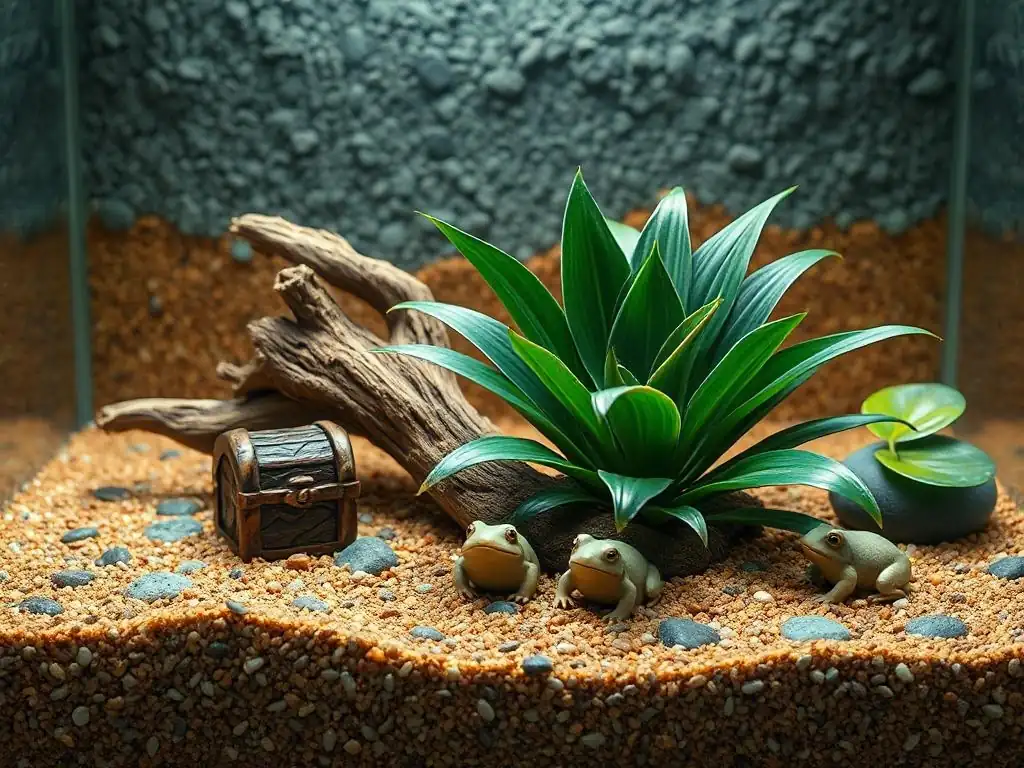
Once your filter and heater are in place, it's time to add the substrate, which forms the base of your aquarium's ecosystem and aesthetic. Before adding any gravel, sand, or specialized plant substrate, ensure it has been thoroughly rinsed under cold running water until the water runs completely clear. This removes dust and fine particles that can cloud your tank water.
Gently add the rinsed substrate to the bottom of the tank. A useful technique is to place a clean plate or plastic bag on the bottom of the tank and pour the substrate onto it, which prevents scratching the glass and helps distribute it evenly. Aim for a substrate depth of 2-3 inches (5-7.5 cm) across the bottom, perhaps sloping slightly higher towards the back for visual depth.
Next, carefully introduce your decorations and hardscape elements such as rocks, driftwood, or artificial plants. Arrange them to create natural-looking hiding spots and visual interest for your fish. Ensure all decorations are aquarium-safe and have no sharp edges. If you are adding live plants, plant them gently into the substrate, ensuring their roots are covered and they are stable.
For potted plants, remove them from their pots and gently separate the roots before planting. Consider the mature size of your plants and fish when arranging, leaving ample swimming space. This step contributes significantly to the overall appeal and functionality of your best beginner aquarium starter kits.
Filling the Aquarium and Cycling the Water: The Most Important Step
With your substrate, decorations, and equipment in place, it's time to fill your aquarium. To prevent disturbing your carefully arranged substrate and decorations, place a clean plate or a piece of plastic wrap on top of the substrate and slowly pour dechlorinated water onto it. This disperses the water gently, minimizing cloudiness.
Fill the tank to the recommended level, typically about an inch below the top rim. Crucially, always use a water conditioner (like Seachem Prime or API Tap Water Conditioner) to neutralize chlorine and chloramines present in tap water, as these chemicals are highly toxic to fish and beneficial bacteria.
The most critical and often overlooked step for any new aquarium, including the best beginner aquarium starter kits, is the "nitrogen cycle" or "aquarium cycling." This is the process by which beneficial bacteria establish themselves in your filter media and substrate, converting toxic ammonia (from fish waste and decaying food) into less toxic nitrite, and then into even less toxic nitrate. This process typically takes 2-6 weeks to complete. During this time, you should not add fish. Instead, you can "feed" the tank with a tiny pinch of fish food daily or add pure ammonia to kickstart the cycle. Using a bacterial starter product (e.g., Seachem Stability, Tetra SafeStart Plus) can significantly accelerate this process. Regularly test your water parameters (ammonia, nitrite, nitrate, pH) using a reliable test kit like the API Master Test Kit. Only add fish once ammonia and nitrite levels consistently read zero, and nitrates are present.
Maintaining Your Aquarium Starter Kit: Ensuring a Healthy Ecosystem
Regular Water Changes: Maintaining Water Quality and Preventing Algae Growth
Consistent and regular water changes are the single most important maintenance task for any aquarium, especially those set up with the best beginner aquarium starter kits. Over time, fish waste, uneaten food, and decaying plant matter break down, leading to an accumulation of nitrates and other undesirable compounds. While a filter helps, it cannot remove everything.
Performing weekly or bi-weekly partial water changes, typically 25% of the tank's volume for a 10-20 gallon tank, is crucial for diluting these pollutants and replenishing essential minerals that fish and plants utilize. This regular removal of nitrates is key to preventing algae blooms and maintaining a healthy, stable environment.
When conducting a water change, use an aquarium gravel vacuum to siphon out the old water while simultaneously cleaning the substrate. This process removes trapped debris, uneaten food, and fish waste from the gravel or sand bed. Once the desired amount of water has been removed, slowly refill the tank with dechlorinated tap water that is as close as possible to the tank's temperature.
Drastic temperature changes can shock fish and lead to stress or disease. Always remember to add a water conditioner to the new water to neutralize chlorine and chloramines before it enters the tank. This consistent routine is vital for long-term success and healthy inhabitants.
Cleaning the Substrate: Removing Debris and Waste
Cleaning the substrate is an integral part of regular aquarium maintenance, typically performed in conjunction with water changes. Over time, uneaten food, fish waste, and decaying plant matter accumulate within the gravel or sand bed. If left unaddressed, this organic debris decomposes, releasing harmful ammonia and other toxins into the water, leading to cloudy water, algae growth, and potential health issues for your fish. A gravel vacuum is the essential tool for this task, designed to siphon water while simultaneously agitating the substrate to lift out trapped detritus.
To clean gravel, insert the wide end of the gravel vacuum into the substrate, allowing the water flow to pull up debris. The heavier gravel will fall back down, while the lighter waste material is siphoned out with the water. Work in small sections, covering the entire bottom of the tank over several water changes if your tank is large, or thoroughly for smaller tanks.
For sand substrates, hover the vacuum just above the sand, allowing it to suck up the debris without removing excessive amounts of sand. This process is crucial for preventing the buildup of harmful compounds and maintaining the overall cleanliness and health of your aquarium, ensuring your best beginner aquarium starter kits remain pristine.
Filter Maintenance: Keeping Your Filter Running Efficiently
Maintaining your aquarium filter is crucial for its continuous and efficient operation, which directly impacts water quality. The frequency of filter maintenance depends on the type of filter and the bio-load of your tank, but generally, mechanical filter media (like sponges or filter floss) should be rinsed every 1-2 weeks, and chemical media (like activated carbon) should be replaced every 3-4 weeks.
When rinsing mechanical media, it is critically important to use old tank water that you've siphoned out during a water change, rather than tap water. Tap water contains chlorine/chloramines which will kill the beneficial bacteria living on the media, causing a crash in your nitrogen cycle.
Biological filter media, such as ceramic rings or bio-balls, houses the majority of your beneficial bacteria and should be disturbed as little as possible. It rarely needs cleaning unless it becomes heavily clogged with debris; if it does, gently swish it in old tank water.
Never replace all filter media at once, especially biological media, as this will remove too many beneficial bacteria and trigger a "mini-cycle" where ammonia and nitrite levels spike. Staggering replacements and cleaning ensures that a healthy bacterial colony is always present to process fish waste, keeping your water parameters stable and your fish healthy in your best beginner aquarium starter kits.
Monitoring Water Parameters: Using Test Kits to Ensure a Healthy Environment (API Master Test Kit example)
Regularly monitoring your aquarium's water parameters is perhaps the most proactive step an aquarist can take to ensure a healthy and stable environment for their fish. Visual inspection alone is insufficient, as harmful toxins like ammonia and nitrite are colorless and odorless. Testing allows you to identify problems before they become critical and provides vital information for troubleshooting. The four most important parameters for a freshwater aquarium are ammonia, nitrite, nitrate, and pH.
Ammonia and nitrite should always be at 0 parts per million (ppm) in a cycled tank, as even small amounts are highly toxic to fish. Nitrates, the end product of the nitrogen cycle, should ideally be kept below 20 ppm (or below 40 ppm for heavily planted tanks) through regular water changes. pH, a measure of acidity/alkalinity, varies by fish species but should remain stable.
For beginners, the API Freshwater Master Test Kit is a highly recommended and comprehensive solution. This liquid test kit provides accurate readings for ammonia, nitrite, nitrate, and pH, allowing you to track the progress of your tank's nitrogen cycle and monitor its ongoing health.
Performing these tests weekly, especially during the initial cycling phase and then bi-weekly or monthly once the tank is established, empowers you to take corrective action (like performing an emergency water change) before minor imbalances escalate into serious issues for your fish. Consistent testing is an indispensable habit for any successful aquarist, even with the best beginner aquarium starter kits.
Troubleshooting Common Aquarium Problems for Beginners
Cloudy Water: Causes and Solutions
Cloudy water is one of the most common and often alarming issues for new aquarists. There are several primary causes, each requiring a specific approach. The most frequent cause in new setups, particularly those using the best beginner aquarium starter kits, is a bacterial bloom, often referred to as "new tank syndrome."
This occurs during the initial nitrogen cycling process when beneficial bacteria populations are rapidly multiplying. The water will appear milky or hazy and usually clears on its own within a few days or weeks as the cycle establishes. Other causes include overfeeding, which leads to decaying uneaten food, or disturbed substrate during maintenance.
To address cloudy water: first, avoid overfeeding your fish; only feed what they can consume in 2-3 minutes. If the cloudiness is due to a bacterial bloom in a new tank, patience is key, and you should continue monitoring water parameters (ammonia, nitrite). For established tanks, perform a 25-50% partial water change to remove excess organic matter.
Ensure your filter is clean and properly sized for your tank, as a dirty or undersized filter can contribute to poor water clarity. Adding a fine filter floss or polishing pad to your filter can mechanically remove very small particles. If the cloudiness persists, reassess your stocking levels and feeding habits.
Algae Blooms: Prevention and Control
Algae blooms are another ubiquitous problem for aquarists, manifesting in various forms like green spot algae, hair algae, or brown diatom algae. The underlying causes are almost always an imbalance of light and nutrients. Too much light (either too intense or too long in duration) combined with excess nutrients (primarily nitrates and phosphates from fish waste and decaying food) creates ideal conditions for algae to proliferate. Brown diatom algae, specifically, is very common in new tanks as silicates are leached from new gravel and the beneficial bacteria are still establishing.
Effective prevention and control strategies for algae involve addressing these imbalances. Firstly, control your lighting; limit your aquarium lights to 8-10 hours per day, using a timer for consistency. Secondly, perform regular partial water changes (e.g., 25% weekly) to reduce nitrate and phosphate levels.
Avoid overfeeding, as uneaten food contributes significantly to nutrient buildup. Introducing algae-eating invertebrates like Nerite snails (for green spot algae) or fish like Otocinclus catfish (for diatoms and soft green algae in smaller tanks) can also help manage minor outbreaks. For severe cases, temporarily reducing light and increasing water changes may be necessary, along with manual removal of visible algae from surfaces.
Fish Diseases: Identifying and Treating Common Ailments
Unfortunately, fish in aquarium starter kits, like any aquatic inhabitants, can fall ill. Identifying diseases early and understanding their causes are crucial for successful treatment. Common beginner ailments include Ich (Ichthyophthirius multifiliis), characterized by small white spots resembling salt grains on the fish's body and fins; Fin Rot, which appears as frayed, tattered, or decaying fins; Velvet (Oodinium), a dusty, yellowish or brownish coating; and Dropsy, indicated by a swollen body and scales protruding like a pinecone. Stress, often due to poor water quality, is the primary underlying cause for most fish diseases.
Upon identifying a sick fish, the immediate priority is to test your water parameters (ammonia, nitrite, nitrate, pH) and perform a partial water change if any parameters are off. If possible, isolate the affected fish in a separate quarantine tank to prevent the spread of disease and to administer medication without harming the main tank's beneficial bacteria or invertebrates.
Treat with appropriate aquarium-safe medications, such as Ich-X for Ich or API Fin & Body Cure for bacterial infections like Fin Rot, always following the product instructions carefully. The most effective long-term solution, however, is to consistently maintain excellent water quality and provide a stress-free environment, as prevention is always better than cure for fish in your best beginner aquarium starter kits.
Maximizing Your Fishkeeping Success: Tips and Tricks for Beginner Aquarists
Choosing the Right Fish Species for Your Tank Size and Experience
Selecting the appropriate fish species is paramount for the success and enjoyment of your aquarium, especially when starting with the best beginner aquarium starter kits. A common misconception is that all fish remain small, but many popular species grow much larger than anticipated, quickly outgrowing smaller tanks. A general guideline, though with many exceptions, is the "one inch of fish per gallon" rule, but it's better to research each species' adult size, temperament, and schooling needs. For instance, a 10-gallon tank can comfortably house a small school of 6-8 Neon Tetras or Guppies, or a single Betta fish.
Avoid overstocking your tank, as this is a leading cause of poor water quality, stressed fish, and disease. Research each fish's specific requirements regarding temperature, pH, diet, and social behavior before purchase. Opt for hardy, peaceful, and relatively small species for your first tank. Good beginner fish include Zebra Danios, Guppies, Platies, Swordtails, Corydoras catfish (in groups), and the aforementioned Neon Tetras. Steer clear of large, aggressive, or highly sensitive species until you gain more experience, ensuring a harmonious and healthy environment for your aquatic companions.
Proper Feeding Techniques: Avoiding Overfeeding and Maintaining Water Quality
Overfeeding is one of the most common and detrimental mistakes made by beginner aquarists, directly leading to poor water quality, algae blooms, and potential health issues for fish. Excess food decomposes, releasing ammonia and nitrites into the water column, which are highly toxic. It also contributes to unsightly algae growth by providing excess nutrients. The key to proper feeding is "less is more." Fish generally require far less food than new owners perceive.
Aim to feed your fish small amounts, 1-2 times per day, only what they can consume entirely within 2-3 minutes. If food remains after this time, you are overfeeding and should reduce the quantity for subsequent feedings. A varied diet, including high-quality flakes, pellets, and occasional frozen or live foods (like bloodworms or brine shrimp), is beneficial for fish health.
Consider skipping a feeding day once a week for adult fish; this helps their digestive system and reduces the overall organic load in the tank. Observing your fish's behavior during feeding will help you fine-tune the right amount, ensuring a clean and healthy environment for your best beginner aquarium starter kits.
The Importance of Research: Learning About Your Fish's Needs
Embarking on the fishkeeping hobby is a continuous learning process, and the importance of ongoing research cannot be overstated. While the best beginner aquarium starter kits provide a solid foundation, understanding the specific needs of your chosen fish species, the intricacies of the nitrogen cycle, and the nuances of water chemistry will significantly enhance your success and enjoyment. Each fish species has unique requirements regarding water parameters (pH, hardness, temperature), diet, social behavior, and ideal tank size. Neglecting these specific needs can lead to stressed, unhealthy fish and a frustrating experience.
Actively seek out reliable information from reputable sources such as dedicated aquarium websites like Aquarium Mastery, well-regarded aquarium books, and established online forums where experienced aquarists share knowledge. Learning about common diseases, their symptoms, and appropriate treatments before they occur will prepare you for potential challenges. Understanding plant care, if you choose to include live plants, will also contribute to a more stable and aesthetically pleasing environment. The more you learn, the better equipped you will be to provide an optimal habitat, turning your initial setup into a thriving, long-term aquatic display.
Conclusion: Start Your Aquarium Journey with Confidence in 2024
Frequently Asked Questions
What makes a good beginner aquarium starter kit?
A good kit includes essential equipment like a filter, heater, and lighting. It should also be easy to set up and maintain, minimizing initial frustration for new aquarists.
Are starter kits suitable for all types of fish?
No, starter kits are usually designed for smaller, freshwater fish. Research the specific needs of your desired fish before purchasing a kit to ensure compatibility. Saltwater aquariums often require specialized equipment not typically included in basic kits.
How often should I perform maintenance on my starter aquarium?
Regular maintenance, including weekly water changes (around 25%), gravel vacuuming, and filter cleaning, is crucial. This helps maintain water quality and prevents the buildup of harmful substances.
What size aquarium starter kit is best for a beginner?
A 10-gallon or 20-gallon aquarium is often recommended for beginners. This size offers a good balance between manageability and providing enough space for a small community of fish.
Where can I find reliable information on fish care and aquarium maintenance after purchasing a starter kit?
AquariumMastery.com provides detailed guides on fish care, water chemistry, and troubleshooting. You can also consult with local fish stores and online aquarium communities for advice and support.
Final Reflection: Diving into Effortless Aquatic Beginnings
The journey into fishkeeping, once perceived as daunting, is now more accessible than ever, thanks to the advancements in aquarium starter kits. This democratization of the hobby means more people can experience the tranquility and joy of observing aquatic life in their own homes. The curated selection presented here reflects a commitment to simplifying the initial hurdles, empowering aspiring aquarists to embark on their underwater adventures with confidence and ease.
This shift towards user-friendly technology has profoundly impacted the hobby, fostering a new generation of fishkeepers. It's inspiring to see how these kits not only simplify the setup process but also encourage responsible fishkeeping practices from the very beginning. The best way to predict the future is to create it.
This quote perfectly encapsulates the spirit of these starter kits – they are actively shaping a future where aquarium keeping is inclusive, sustainable, and enjoyable for everyone.
Now, as you consider bringing the beauty of an aquarium into your life, take a moment to reflect on the potential impact you can have. Consider the responsibility you undertake, the learning you will embrace, and the serenity you will cultivate. Choose wisely, care diligently, and let the gentle rhythm of your aquarium be a constant reminder of the delicate balance of life and the profound connection we share with the natural world.
Dive Deeper: Start Your Aquarium Adventure Now!
Thank you for exploring the best aquarium starter kits with us! We hope you're feeling inspired and ready to bring the serenity of an underwater world into your home. Now, let’s take that inspiration and turn it into action!
Here are a few things you can do right now:
- Boldly choose and order your perfect starter kit today! Don't let another day go by without experiencing the joy of fishkeeping.
- Explore our comprehensive Fish Compatibility Chart on Aquarium Mastery to ensure a harmonious tank environment. You might discover some unexpected pairings!
- Share this article with fellow aspiring aquarists. Help them take the plunge and join our thriving community!
What fascinating fish species are you most excited to introduce to your new aquarium? Let us know in the comments below!