
Amazon Biotope Aquariums: Crafting a Slice of the Rainforest River in Your Tank

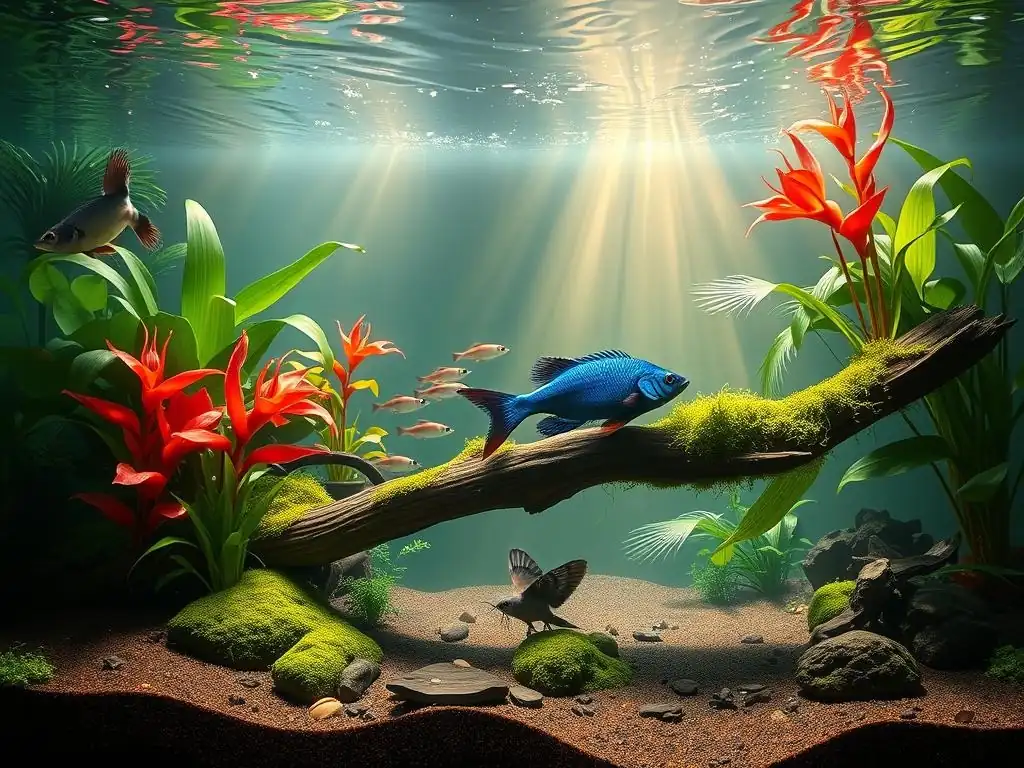
Welcome to Aquarium Mastery!
Ever dreamed of gazing into a miniature Amazon rainforest, teeming with life and vibrant color, right in your living room? Dive in and discover the secrets to creating a breathtaking Amazon biotope aquarium setup. We'll guide you through every step, from selecting the perfect flora and fauna to replicating the unique water conditions of this captivating ecosystem. Intrigued? Let's unlock the mysteries of this fascinating underwater world together!
- Understanding the Amazon Biotope Aquarium
- Planning Your Amazon Biotope Aquarium Setup
- Creating the Amazon Biotope Aquarium Environment
- Selecting Inhabitants for Your Amazon Biotope
- Maintaining Your Amazon Biotope Aquarium
- Troubleshooting Common Amazon Biotope Aquarium Problems
- Advanced Amazon Biotope Aquarium Techniques
-
Frequently Asked Questions
- How do I start planning my Amazon biotope aquarium setup?
- What are the key elements of an Amazon biotope aquarium substrate?
- What types of plants are suitable for an Amazon biotope aquarium?
- What fish species are commonly kept in an Amazon biotope aquarium?
- What are some common challenges in maintaining an Amazon biotope aquarium?
- Final Reflection: Embracing the Amazon's Essence
- Transform Your Aquarium into an Amazonian Paradise!
Understanding the Amazon Biotope Aquarium
What is a Biotope Aquarium? Replicating Natural Ecosystems
A biotope aquarium is a specialized aquatic setup designed to replicate a specific natural environment, including its water chemistry, substrate, hardscape, flora, and fauna. Unlike a general community tank, the goal is to create an authentic microcosm of a particular geographic location and ecosystem, such as a slow-moving backwater tributary of the Rio Negro or a clearwater stream in the Peruvian Amazon. This meticulous approach ensures that all elements chosen for the Amazon biotope aquarium setup are naturally found together in the wild, fostering a harmonious and biologically accurate display.
The essence of a biotope aquarium lies in its commitment to ecological accuracy, providing an environment where fish and plants can exhibit their natural behaviors, thrive, and even breed. For instance, instead of combining fish from different continents, a biotope focuses on species that coexist in the wild, such as a school of Cardinal Tetras alongside a pair of Apistogramma cichlids, both native to the Amazon basin. This dedication to realism not only creates a visually stunning and educational display but also significantly reduces stress on the inhabitants by providing conditions to which they are naturally adapted.
The Allure of the Amazon River Biotope for Aquariums
The Amazon River basin, unparalleled in its biodiversity, offers a vast array of biotope types, making it a captivating choice for aquarists. From the dark, tannin-stained blackwater rivers like the Rio Negro, rich in humic acids and dissolved organic matter, to the clearwater tributaries and white-water rivers laden with sediment, each offers unique challenges and rewards for an Amazon biotope aquarium setup. The sheer variety of iconic fish species, including the vibrant Neon and Cardinal Tetras, the majestic Discus, and the graceful Angelfish, all originating from this region, contributes to its immense appeal.
Recreating an Amazonian environment allows aquarists to delve deep into the natural history of their aquatic pets, observing behaviors like schooling, territorial displays, and spawning rituals that might not occur in a less specific setup. The distinct visual aesthetic, often characterized by intricate driftwood arrangements, leaf litter, and a warm, subdued lighting, evokes a sense of tranquility and natural beauty. This dedication to an authentic Amazon biotope aquarium setup transforms a simple fish tank into a living art piece, offering a continuous journey of discovery into one of the world's most incredible ecosystems.
Why Choose an Amazon Biotope for Your Aquarium? Benefits and Considerations
Opting for an Amazon biotope aquarium setup offers numerous benefits, primarily centered around providing an optimal habitat for its inhabitants. Fish kept in conditions closely mimicking their natural environment experience reduced stress, leading to enhanced coloration, more natural behaviors, and improved health and longevity.
For instance, species like Discus and Angelfish, which thrive in soft, acidic water with plenty of hiding spots, will flourish in a meticulously crafted Amazon biotope. Beyond the welfare of the fish, an Amazon biotope is also incredibly educational, allowing aquarists to learn about specific ecosystems, water chemistry, and the intricate relationships between flora and fauna.
However, there are important considerations when planning an Amazon biotope aquarium setup. Replicating the specific water parameters of the Amazon, particularly its soft and acidic nature (often with a pH between 5.5 and 6.8 and very low hardness), can be challenging, often requiring the use of reverse osmosis (RO) water and specific buffering agents or natural materials like peat and driftwood.
Furthermore, many Amazonian species, such as large schooling tetras or adult Discus, require larger tank sizes to thrive, demanding a significant initial investment and ongoing commitment. Despite these challenges, the reward of a thriving, authentic slice of the Amazon rainforest in your home often outweighs the effort.
Planning Your Amazon Biotope Aquarium Setup
Tank Size Considerations for an Amazon River Biotope
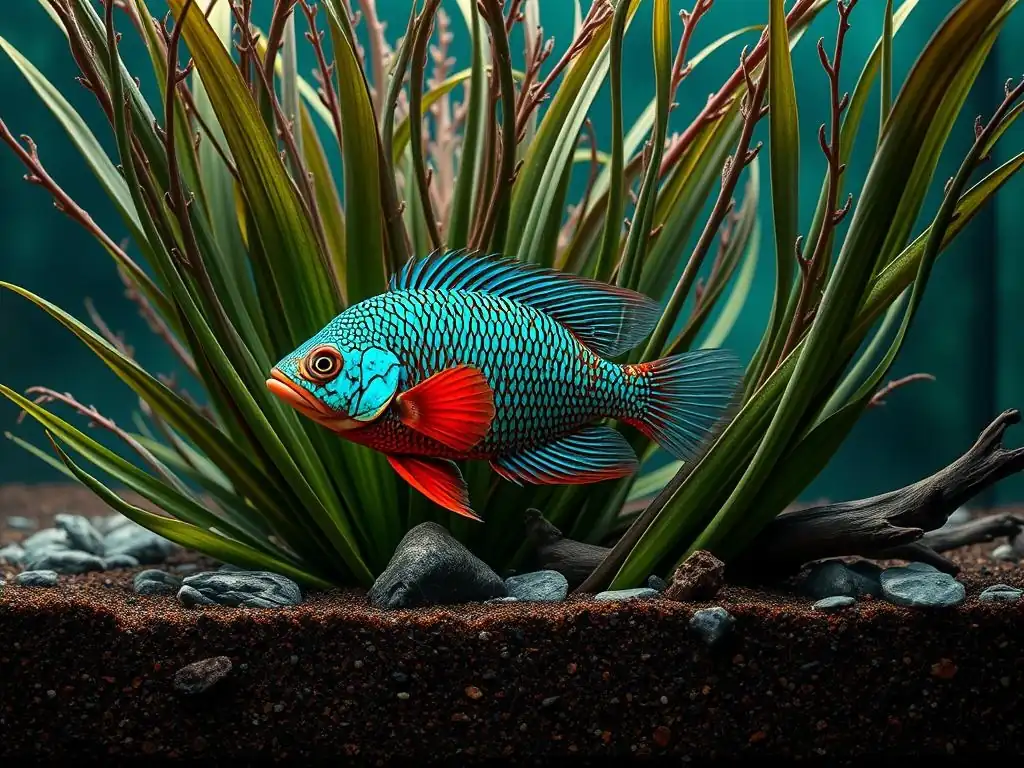
The appropriate tank size is a critical first step in any Amazon biotope aquarium setup, directly impacting the health and well-being of your chosen inhabitants. While a 10-gallon tank might suffice for a small group of chili rasboras (not Amazonian, but for scale), Amazonian species typically require more space. For instance, a school of 15-20 Cardinal Tetras ( Paracheirodon axelrodi) would thrive in a 30-gallon (approximately 30x12x18 inches) or larger aquarium, allowing ample swimming room and school formation.
Larger species like Angelfish ( Pterophyllum scalare) require a minimum of a 55-gallon tank (approximately 48x13x21 inches) to accommodate their vertical swimming space and social dynamics, while a group of 5-6 adult Discus ( Symphysodon spp.) necessitates a 75-gallon (48x18x21 inches) or ideally a 125-gallon tank to prevent aggression and ensure stable water parameters.
Beyond sheer volume, the tank's footprint and height are equally important for an effective Amazon biotope aquarium setup. A longer tank provides more horizontal swimming space for schooling fish and greater surface area for gas exchange, which benefits oxygen levels.
For instance, a 40-gallon breeder tank (36x18x16 inches) offers a superior footprint compared to a taller 40-gallon "high" tank, providing better aquascaping opportunities for a realistic riverbed feel and more floor space for bottom dwellers like Corydoras catfish. Planning for the adult size of your chosen fish and ensuring ample space for driftwood and plants are paramount to creating a stable and thriving Amazonian environment.
Essential Equipment for Replicating an Amazonian Environment
Creating an authentic Amazon biotope aquarium setup goes beyond just fish and plants; it requires a suite of carefully selected equipment to maintain the specific environmental conditions. From maintaining pristine water quality to replicating the subtle lighting and temperature fluctuations of the Amazon, each piece of equipment plays a vital role in the ecosystem's success. The choices made here will directly influence the stability of water parameters, the health of your aquatic inhabitants, and the overall aesthetic appeal of your Amazonian display.
Filtration Systems for Clear and Healthy Amazon Biotope Water
Effective filtration is paramount for an Amazon biotope aquarium setup, ensuring crystal-clear water and stable parameters crucial for sensitive Amazonian species. Canister filters are often the preferred choice due to their large media capacity, allowing for robust biological, mechanical, and chemical filtration.
For example, an Eheim Classic 600 (2217) or a Fluval FX4 can effectively filter tanks up to 100 gallons or more, providing excellent biological colonization for beneficial bacteria that convert harmful ammonia and nitrite into less toxic nitrate. The flow rate should generally be gentle, around 3-5 times the tank volume per hour, to mimic the calmer waters many Amazonian species inhabit, preventing excessive current that can stress them.
Beyond external canister filters, supplemental filtration methods can further enhance water quality. Sponge filters, while simple, provide excellent biological filtration and are ideal for tanks housing fry or delicate species like dwarf cichlids, as they create a gentle flow. In an Amazon biotope aquarium setup, ensuring a low nitrate level (ideally below 20 ppm) is crucial, as high nitrates can stress fish and promote undesirable algae growth. Regular maintenance, including rinsing filter media in old tank water every 4-6 weeks and replacing chemical media like activated carbon as needed, is essential to sustain optimal filtration performance.
Lighting Requirements for Amazonian Plants and Fish
The lighting in an Amazon biotope aquarium setup plays a dual role: supporting plant growth and creating the subdued, natural ambiance characteristic of many Amazonian habitats. Many Amazonian rivers are shaded by dense rainforest canopies, resulting in lower light penetration. Therefore, moderate to low-light LED fixtures (e.g., Chihiros WRGB II, Finnex Planted+) are often ideal, allowing precise control over intensity and spectrum.
For instance, plants like Amazon Swords ( Echinodorus spp.) generally thrive under moderate light levels, typically 20-40 PAR (Photosynthetically Active Radiation) at the substrate, while a blackwater Amazon biotope may benefit from even lower intensity to enhance the tannin-stained water effect.
The photoperiod, or duration of light exposure, is equally important. An 8-10 hour photoperiod per day is generally sufficient for most Amazonian plants and helps prevent excessive algae growth, which can be a common nuisance.
Using a timer to automate the lighting cycle ensures consistency, which is beneficial for both plants and fish. For tanks with a heavy canopy of floating plants (e.g., Amazon Frogbit, Red Root Floater), even higher light fixtures can be dimmed to achieve the desired effect, as these plants will naturally filter out much of the light reaching the lower levels of the Amazon biotope aquarium setup.
Heating and Temperature Control for Tropical Amazon Species
Maintaining stable and appropriate water temperatures is crucial for the health and well-being of tropical Amazonian fish species. Most Amazonian inhabitants, such as Cardinal Tetras, Discus, and Angelfish, thrive in a temperature range of 75-82°F (24-28°C). Fluctuations outside this range can cause significant stress, leading to weakened immune systems and susceptibility to disease.
Therefore, a reliable submersible heater (e.g., Eheim Jäger, Cobalt Aquatics Neo-Therm) with an accurate thermostat is an essential component of any Amazon biotope aquarium setup. For larger tanks (e.g., 75 gallons or more), it is often advisable to use two smaller heaters placed at opposite ends of the tank to ensure even heat distribution and provide redundancy in case one unit fails. For instance, two 150-watt heaters are generally more effective and safer than a single 300-watt heater in a 75-gallon tank.
Beyond the heater itself, consistent monitoring with an accurate thermometer is vital. Placing the thermometer away from the heater provides a more representative reading of the overall tank temperature. In cooler climates or homes, proper insulation of the tank can also help maintain temperature stability and reduce energy consumption. For highly sensitive species like Discus, maintaining a consistent temperature within a narrow range, perhaps 80-82°F (27-28°C), is paramount for their long-term health and successful breeding in an Amazon biotope aquarium setup.
Substrate Selection for a Realistic Amazon Riverbed
The substrate is a foundational element in an Amazon biotope aquarium setup, contributing significantly to both aesthetics and functionality. For many Amazonian biotopes, particularly those replicating riverbeds or floodplains, fine sand is the most authentic choice. This mimics the soft, silty bottoms where many Amazonian fish, such as Corydoras catfish, naturally sift for food. A smooth, fine-grained sand like CaribSea Super Naturals or Seachem Flourite Sand is ideal, as it prevents injury to the delicate barbels of bottom-dwelling fish and allows for natural burrowing behaviors. Avoid coarse or sharp gravel, which can damage their sensitive mouths.
Beyond authenticity, the substrate choice impacts plant growth and water chemistry. A darker substrate, such as black or dark brown sand, can help enhance the coloration of fish, making their natural hues more vibrant by reducing reflected light.
For planted Amazon biotope aquariums, a nutrient-rich substrate designed for aquatic plants (e.g., ADA Aqua Soil, Seachem Flourite) can be used as a base layer beneath a top layer of cosmetic sand, providing essential nutrients for species like Amazon Swords. A substrate depth of 2-3 inches is generally sufficient for plant rooting and creating a natural-looking riverbed effect in your Amazon biotope aquarium setup.
Creating the Amazon Biotope Aquarium Environment
Hardscape: Driftwood and Rock Placement for Authenticity
Hardscape elements, primarily driftwood and sparingly used rocks, are crucial for capturing the essence of an Amazon biotope aquarium setup. The vast Amazon basin is characterized by an abundance of submerged roots, branches, and fallen trees, creating intricate networks of hiding spots and natural boundaries. Therefore, ample use of various types of driftwood, such as Manzanita, Malaysian, or Cholla wood, is essential.
These not only provide visual authenticity but also release beneficial tannins into the water, contributing to the characteristic blackwater appearance and helping to lower pH naturally. Arrange the wood to create caves, overhangs, and natural flow pathways, mimicking the complex structures found in wild river environments.
While driftwood is dominant, rocks are less common in typical Amazon riverbed biotopes but can be used judiciously if they fit a specific micro-biotope, such as smooth river stones found in certain clearwater streams. However, avoid highly alkaline rocks like limestone, as they can raise pH and hardness, contradicting the soft, acidic water parameters required for an Amazon biotope aquarium setup.
The placement of hardscape should consider both aesthetic balance (e.g., using the rule of thirds) and functionality, providing ample hiding spots and territories for fish species, which reduces stress and encourages natural behaviors. A well-designed hardscape can transform a simple tank into a captivating, three-dimensional representation of the Amazon.
Choosing Amazonian Plants for Your Biotope Aquarium
Selecting appropriate plant species is vital for an authentic Amazon biotope aquarium setup, as flora plays a significant role in replicating the natural environment. While the Amazon basin is incredibly diverse, not all plants found there are readily available or suitable for aquarium conditions. Focus on species truly native to the region or widely associated with Amazonian biotopes. This includes a variety of Echinodorus species (commonly known as Amazon Swords), which are iconic for their broad leaves and robust growth, as well as stem plants like Cabomba furcata and Ludwigia repens.
The choice of plants should also align with the specific biotope you are replicating (e.g., blackwater, clearwater) and the lighting conditions you plan to provide. Many Amazonian plants can thrive in moderate light, and some, like certain Echinodorus species, are quite hardy. Consider the eventual size of the plants and their growth rate to ensure they fit the scale of your Amazon biotope aquarium setup and do not overcrowd the tank. A well-planted tank not only enhances the visual appeal but also contributes to water quality by absorbing nitrates and providing additional hiding places for fish.
Popular Amazon Biotope Plant Species and Their Care
Among the most popular and suitable plants for an Amazon biotope aquarium setup are the Echinodorus species, commonly known as Amazon Swords. Varieties like Echinodorus bleheri or Echinodorus amazonicus are excellent choices, characterized by their lush green, broad leaves that can grow quite large, sometimes exceeding 20 inches in height.
These plants are heavy root feeders and benefit greatly from nutrient-rich substrates or the addition of root tabs (e.g., Seachem Flourish Tabs) placed near their roots every few months. They generally thrive under moderate lighting (20-40 PAR) and can tolerate a wide range of water parameters, though they prefer soft, slightly acidic conditions typical of the Amazon.
While not strictly native to the Amazon, Anubias barteri (various forms) and Java Fern ( Microsorum pteropus) are often used in Amazonian-themed tanks due to their low-light tolerance and ability to attach to driftwood or rocks, creating a natural appearance. These plants are epiphytes, meaning their rhizomes should not be buried in the substrate to prevent rot.
They are incredibly hardy and require minimal care, making them excellent choices for filling out the mid-ground or foreground of an Amazon biotope aquarium setup, especially in shaded areas created by driftwood. Other suitable species include Cabomba furcata (requiring higher light and CO2 for best growth) and various Cryptocoryne species, though many Crypts are Asian, some varieties can adapt well to similar soft, acidic conditions.
Water Chemistry: Replicating Soft, Acidic Amazon River Water
Replicating the unique water chemistry of the Amazon is arguably the most critical aspect of an Amazon biotope aquarium setup. The vast majority of Amazonian rivers and tributaries are characterized by extremely soft water with very low mineral content (low GH/KH) and an acidic pH, often ranging from 5.5 to 6.8.
Some blackwater rivers, like the Rio Negro, can even have a pH as low as 4.5-5.0. Achieving and maintaining these parameters is essential for the long-term health and well-being of sensitive Amazonian fish species, which are adapted to these specific conditions and can become stressed or ill in harder, more alkaline water.
To achieve these parameters, many aquarists choose to use reverse osmosis (RO) or deionized (DI) water as a base, as tap water often contains high levels of minerals and chlorine/chloramines. RO/DI water is essentially pure H2O, allowing the aquarist complete control over the water's mineral content.
Remineralization products (e.g., Seachem Equilibrium for GH, or specific buffering salts) can then be added to achieve the desired general hardness (GH) and carbonate hardness (KH), typically aiming for GH 2-6 dGH and KH 0-3 dKH. Regular testing with reliable liquid test kits (e.g., API Master Test Kit) for pH, GH, and KH is indispensable to monitor and maintain these precise conditions in your Amazon biotope aquarium setup.
Achieving the Correct pH and Water Hardness for Amazon Fish
Achieving and maintaining the precise soft, acidic water conditions for an Amazon biotope aquarium setup requires a systematic approach. As mentioned, using RO/DI water as a base is highly recommended, as it provides a blank slate for tailoring water parameters. To lower pH and increase acidity naturally, various methods can be employed.
Peat filtration, using peat granules (e.g., Seachem Peat Granules) placed in a mesh bag within the filter, gradually releases humic acids that lower pH and soften water. Similarly, adding Indian Almond Leaves (IAL) and other botanicals like alder cones or catappa bark directly to the tank will leach tannins and humic acids, contributing to both the desired water chemistry and the characteristic blackwater appearance.
It's crucial to make gradual changes to water parameters to avoid shocking fish. When performing water changes, ensure the new water is pre-conditioned to match the tank's parameters as closely as possible in terms of pH, GH, and KH.
For example, if your target pH is 6.0 and GH is 3 dGH, you would prepare your RO/DI water with appropriate remineralizers and possibly peat extract or botanicals to achieve these levels before adding it to the tank. Consistent monitoring with accurate test kits (e.g., weekly pH, GH, KH tests) is vital to ensure stability in your Amazon biotope aquarium setup, as sudden shifts can be detrimental to sensitive species like Discus or dwarf cichlids.
The Role of Tannins in an Amazon Biotope
Tannins, also known as humic acids, are natural organic compounds released from decaying plant matter, particularly driftwood, leaves, and peat. In an Amazon biotope aquarium setup, they play a crucial role in replicating the unique chemistry and appearance of blackwater rivers like the Rio Negro.
These compounds impart a characteristic tea-colored tint to the water, ranging from a faint amber to a deep cola hue, which is aesthetically authentic and provides a more natural, subdued lighting environment for many Amazonian fish. Beyond their visual impact, tannins contribute significantly to water chemistry by naturally lowering pH and reducing water hardness, creating the soft, acidic conditions vital for species like Cardinal Tetras, Discus, and Apistogramma cichlids.
Furthermore, tannins possess mild antiseptic and antifungal properties, which can help inhibit the growth of harmful bacteria and fungi, potentially reducing stress and improving the overall health of fish. They can also aid in reducing the impact of heavy metals in the water. To introduce tannins, aquarists commonly use well-cured driftwood (e.g., Malaysian, Manzanita), Indian Almond Leaves (IAL), alder cones, or even specialized peat filtration media.
The amount of tannins desired can be controlled by the quantity of these materials used and the frequency of water changes. For a true blackwater Amazon biotope aquarium setup, a visible tea stain is often the goal, creating a more natural and beneficial environment for its inhabitants.
Selecting Inhabitants for Your Amazon Biotope
Fish Species Native to the Amazon River Basin
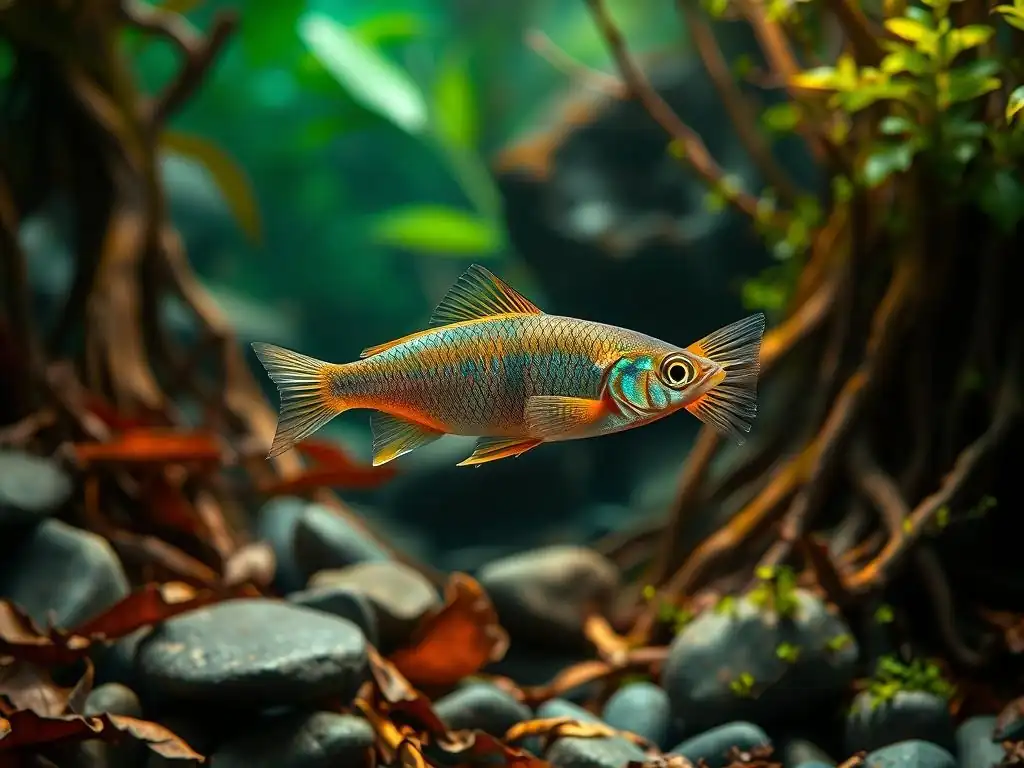
Populating your Amazon biotope aquarium setup with native fish species is key to its authenticity and the well-being of its inhabitants. The Amazon River basin is home to an incredible diversity of fish, making the selection process both exciting and challenging. Careful research into the specific needs and compatibility of each species is paramount. For instance, while both Neon Tetras ( Paracheirodon innesi) and Discus ( Symphysodon spp.) are Amazonian, their ideal water parameters and temperament differ, requiring careful consideration for cohabitation.
When choosing fish, consider their adult size, schooling requirements, and temperament to ensure a harmonious community. For example, many characin species (tetras) are schooling fish and require groups of at least 6-10 individuals to feel secure and exhibit natural behaviors in an Amazon biotope aquarium setup. Cichlids like Angelfish or Dwarf Cichlids (e.g., Apistogramma) can be territorial, especially during breeding, and require adequate space and hiding spots. By focusing on species naturally found together in the wild, you not only create a more authentic display but also provide an environment where your fish are most likely to thrive.
Community Fish for a Peaceful Amazon Biotope Aquarium
For those seeking a vibrant yet peaceful Amazon biotope aquarium setup, several community-oriented fish species from the Amazon basin are excellent choices. Schooling fish are fundamental to replicating the natural environment. Cardinal Tetras ( Paracheirodon axelrodi) are perhaps the most iconic, showcasing brilliant red and blue hues. A school of 15-20 Cardinals (for a 30-gallon tank or larger) creates a stunning visual effect and enhances their natural schooling behavior. Similarly, Rummy Nose Tetras ( Hemigrammus rhodostomus) are another popular schooling option, known for their distinct red noses and tight schooling formations.
Bottom dwellers like Corydoras catfish are indispensable for a peaceful Amazon biotope. Species such as Corydoras aeneus, C. panda, or C. sterbai are excellent scavengers, sifting through the sand substrate for leftover food. A group of 6-8 Corydoras will actively explore the bottom, contributing to the tank's cleanliness.
Dwarf Cichlids, such as the German Blue Ram ( Mikrogeophagus ramirezi) or various Apistogramma species (e.g., Apistogramma cacatuoides), can add a splash of color and interesting behavior as a pair or small harem, provided they have adequate territory and hiding spots. These species, when properly housed in an Amazon biotope aquarium setup, offer a dynamic and harmonious community.
Predator Fish Options for an Advanced Amazon Biotope
For experienced aquarists with larger tanks, an Amazon biotope aquarium setup can also accommodate certain predator fish, offering a glimpse into the more dynamic aspects of the Amazonian ecosystem. However, selecting predator species requires significant commitment to tank size, filtration, and diet. Discus ( Symphysodon spp.
), while often considered peaceful for their size, are apex cichlids in their natural habitat and require meticulous care. A group of 5-6 adult Discus needs a minimum of a 75-gallon tank (ideally 125 gallons or more) to thrive, with stable, warm (80-82°F) and soft, acidic water. Their slow movements and regal presence make them a captivating centerpiece for an advanced Amazon biotope.
Other larger Amazonian predators, such as Oscar Cichlids ( Astronotus ocellatus), demand even larger tanks, typically 125 gallons or more for a single adult, due to their immense size (up to 18 inches) and significant bioload. Oscars are highly intelligent and interactive but are best kept in species-specific tanks or with only a few very large, robust tankmates.
Similarly, true Piranha species (e.g., Serrasalmus nattereri) are often kept in single-species tanks of 100 gallons or more for a small group, given their specific dietary needs and potential for aggression. Integrating predator fish into an Amazon biotope aquarium setup requires extensive research and dedication to meet their complex requirements.
Invertebrates for an Authentic Amazon Biotope
While fish are the primary focus of an Amazon biotope aquarium setup, certain invertebrates can complement the ecosystem, though options native to the Amazon and readily available in the hobby are limited. Snails can play a role in algae control and substrate aeration. Malaysian Trumpet Snails ( Melanoides tuberculata), while not strictly Amazonian, are excellent for keeping the sand substrate aerated and preventing anaerobic pockets.
They are livebearers and can reproduce rapidly if overfed, but their activity helps maintain a healthy substrate. Nerite snails ( Neritina spp. ), though primarily found in brackish or coastal areas, are often used in freshwater tanks for their superb algae-eating capabilities and their inability to reproduce excessively in freshwater.
True Amazonian shrimp are less common in the aquarium trade. Amano shrimp ( Caridina multidentata), excellent algae eaters, are frequently used in planted tanks globally but are native to Asia. If authenticity is paramount, some aquarists might source specific, rare native Amazonian shrimp species, but these are generally not available through common retail channels. For the most part, an Amazon biotope aquarium setup focuses on its diverse fish fauna and the aquatic plants, with invertebrates being a secondary or non-existent component, unless specifically sourced to match a very precise micro-biotope.
Maintaining Your Amazon Biotope Aquarium
Water Changes and Regular Tank Maintenance
Consistent water changes are the cornerstone of maintaining a healthy and stable Amazon biotope aquarium setup. For most established Amazonian tanks, weekly water changes of 20-30% are recommended to keep nitrate levels low and replenish essential minerals. For a 50-gallon tank, this translates to removing 10-15 gallons of water.
It is crucial to use dechlorinated water that is temperature-matched to the tank to prevent shocking the fish. Furthermore, for Amazonian biotopes, the replacement water should ideally be RO/DI water that has been remineralized and adjusted to match the tank's soft, acidic parameters (e.g., pH 6.0-6.5, GH 2-4 dGH) to prevent fluctuations.
Beyond water changes, regular tank maintenance includes siphoning the substrate to remove detritus and uneaten food, which contribute to nutrient buildup. For sand substrates, a gentle vacuuming of the surface is usually sufficient. Cleaning filter media should be done every 4-6 weeks, rinsing sponges and biological media in old tank water to preserve beneficial bacteria. Wiping down the tank glass to remove algae and checking all equipment (heater, filter, light) for proper function are also essential tasks. This routine maintenance ensures a pristine and stable environment, crucial for the sensitive inhabitants of an Amazon biotope aquarium setup.
Feeding Your Amazon Biotope Fish and Invertebrates
Proper feeding is vital for the health and vibrancy of the inhabitants in an Amazon biotope aquarium setup, mimicking their natural diets as closely as possible. Most Amazonian fish are omnivores or carnivores, requiring a varied diet. High-quality flake foods and pellets should form the staple, providing balanced nutrition.
Supplement this with frozen foods like bloodworms, brine shrimp, and daphnia several times a week. For bottom dwellers like Corydoras catfish, sinking pellets or wafers are essential to ensure they receive adequate food. Herbivorous fish, such as Otocinclus catfish or certain Plecos, will benefit from algae wafers and blanched vegetables like zucchini or spinach.
Discus and Angelfish, especially, benefit from a high-protein diet. Frozen bloodworms, beef heart mixes, and high-quality pellets specifically formulated for cichlids are excellent choices. It's best to feed small amounts multiple times a day (2-3 times) rather than one large meal, as this reduces waste and prevents overfeeding, which can lead to water quality issues. Observe your fish during feeding to ensure all individuals are getting enough food and adjust quantities accordingly. A well-fed community in your Amazon biotope aquarium setup will exhibit better coloration, more active behavior, and overall improved health.
Monitoring Water Parameters for a Thriving Ecosystem
Consistent monitoring of water parameters is non-negotiable for maintaining a thriving Amazon biotope aquarium setup. Daily visual inspections of your fish for signs of stress, disease, or abnormal behavior are the first line of defense. Beyond visual checks, regular water testing with reliable liquid test kits (e.g., API Master Test Kit) is crucial. Ammonia and nitrite levels should always be undetectable (0 ppm), as even small amounts are highly toxic to fish. Nitrates, the end product of the nitrogen cycle, should be kept below 20 ppm through regular water changes and efficient filtration.
Weekly testing of pH, ammonia, nitrite, and nitrate is a standard practice. For an Amazon biotope, it's also essential to regularly test general hardness (GH) and carbonate hardness (KH), ideally monthly or bi-monthly, to ensure the water remains soft and acidic as desired. Fluctuations in these parameters can be detrimental to sensitive Amazonian species. Keeping a logbook of your test results helps identify trends and allows for prompt corrective action if parameters begin to drift. Proactive monitoring ensures the stability and health of your Amazon biotope aquarium setup, preventing problems before they become severe.
Troubleshooting Common Amazon Biotope Aquarium Problems
Algae Control in Amazon Biotope Tanks
Algae growth is a common challenge in any aquarium, including an Amazon biotope aquarium setup. While some algae are natural, excessive growth can be unsightly and indicate an imbalance in the ecosystem. The most common causes of algae blooms are excess light and excess nutrients (nitrates and phosphates). To combat this, first assess your lighting: reducing the photoperiod from, say, 10 hours to 8 hours per day can significantly curb algae. If your light is too powerful for a low-light Amazon biotope, consider dimming it or elevating it further from the water surface.
Nutrient control is equally important. Overfeeding, insufficient water changes, and decaying organic matter contribute to high nitrate and phosphate levels. Reduce feeding amounts, increase the frequency or volume of water changes (e.g., from 20% weekly to 30% weekly), and ensure your filter is clean and efficient. Introducing algae-eating fish like Otocinclus catfish or Bristlenose Plecos (both Amazonian) can also help manage algae. Diatoms, or brown algae, are common in new Amazon biotope aquarium setups during the cycling phase and usually recede naturally as the tank matures.
Dealing with Fish Diseases in a Biotope Setting
Fish diseases can emerge in any aquarium, and while an Amazon biotope aquarium setup aims for optimal conditions, stress from environmental fluctuations or new introductions can trigger outbreaks. The best defense is prevention: always quarantine new fish in a separate tank for 2-4 weeks before introducing them to your main biotope. This allows you to observe them for signs of illness and treat them without risking the entire tank. Common diseases include Ich (white spots, Ichthyophthirius multifiliis), Fin Rot (bacterial), and Columnaris (fungal-like).
If disease does occur, prompt identification and treatment are crucial. For Ich, raising the water temperature to 82-84°F (for species that tolerate it, like most tetras and cichlids) and adding aquarium salt (if fish are salt-tolerant) or a commercial Ich medication can be effective. Fin Rot often responds to improved water quality and broad-spectrum antibiotics. Always remove activated carbon from the filter before medicating, as it will absorb the medication. Maintaining stable water parameters and providing a low-stress environment in your Amazon biotope aquarium setup will significantly reduce the likelihood of disease outbreaks.
Maintaining Water Quality and Clarity
Maintaining crystal-clear water, albeit often with a tea-colored tint from tannins, is a hallmark of a well-managed Amazon biotope aquarium setup. Cloudiness can stem from several issues. A milky white or hazy cloudiness often indicates a bacterial bloom, common in newly set up tanks as beneficial bacteria colonize. This usually resolves on its own within a few days to a week if the tank is properly cycled and not overfed. Green cloudiness is typically an algae bloom, addressed by reducing light and nutrients. Particulate matter, appearing as floating debris, suggests insufficient mechanical filtration or overfeeding.
To ensure consistent water quality and clarity:
- Regular Water Changes: As discussed, 20-30% weekly water changes effectively remove nitrates and other dissolved organic compounds.
- Effective Filtration: Ensure your filter is appropriately sized for your tank and regularly maintained. Clean mechanical media (sponges, filter floss) frequently, and rinse biological media periodically in old tank water.
- Avoid Overfeeding: Feed only what your fish can consume in 2-3 minutes, twice a day. Uneaten food decomposes, contributing to water quality issues.
- Proper Stocking: Avoid overstocking your Amazon biotope aquarium setup, as too many fish produce excessive waste, overwhelming the filtration system.
By diligently following these practices, your Amazon biotope will remain pristine and clear, providing an optimal environment for its inhabitants.
Advanced Amazon Biotope Aquarium Techniques
Replicating Seasonal Changes in the Amazon River
For advanced aquarists, replicating the seasonal wet and dry cycles of the Amazon River can be a fascinating and rewarding challenge in an Amazon biotope aquarium setup. These natural fluctuations trigger specific behaviors, including breeding, in many Amazonian fish.
During the "wet season," water levels rise, temperatures may slightly drop, and the influx of rainwater brings new nutrients and often more varied food sources. To mimic this, one might gradually increase the water level in the tank, add fresh botanicals (leaves, seed pods), and slightly lower the temperature by a degree or two, while perhaps increasing the frequency of live food offerings.
Conversely, the "dry season" sees water levels recede, temperatures potentially rise slightly, and fish concentrate in smaller pools. In a controlled Amazon biotope aquarium setup, this can be replicated by gradually lowering the water level over several weeks (while maintaining water quality through more frequent, smaller water changes), slightly increasing the temperature, and perhaps reducing feeding amounts. This technique, while demanding careful monitoring and a deep understanding of fish behavior, can encourage natural spawning behaviors in species like dwarf cichlids or characins, offering a truly immersive biotope experience.
Breeding Amazonian Fish Species in Your Biotope
Many Amazonian fish species can be encouraged to breed within a well-established and meticulously maintained Amazon biotope aquarium setup, offering a rewarding experience for the dedicated aquarist. Success often hinges on providing species-specific breeding cues, which frequently involve precise water parameters and appropriate spawning sites. For instance, many dwarf cichlids like Apistogramma cacatuoides or German Blue Rams ( Mikrogeophagus ramirezi) are substrate spawners and will readily lay eggs on flat rocks, broad plant leaves, or in small caves, especially after a significant water change with slightly cooler, very soft, and acidic water.
Schooling tetras, such as Cardinal Tetras, are egg scatterers and typically require very soft, acidic water (pH 5.5-6.0, GH 0-2 dGH) and fine-leaved plants or spawning mops to deposit their eggs. Discus, known for their challenging breeding habits, require extremely clean, warm (82-86°F), and very soft water, often needing a dedicated breeding cone or vertical surface for egg laying. Providing ample live foods (e.g., newly hatched brine shrimp, daphnia) during conditioning and after spawning can also significantly increase breeding success and fry survival rates in your Amazon biotope aquarium setup.
Creating a Blackwater Amazon Biotope Aquarium
Creating a blackwater Amazon biotope aquarium is an advanced technique that focuses on replicating the specific conditions of rivers like the Rio Negro, characterized by their dark, tannin-stained waters. This distinct environment is achieved through the heavy infusion of humic acids and tannins, which naturally lower the pH to acidic levels (often between 4.5 and 6.5) and reduce water hardness to near zero. The primary methods for achieving this include abundant use of driftwood (e.g., Malaysian, Manzanita, or Spider Wood), large quantities of Indian Almond Leaves (IAL), alder cones, and the use of peat filtration media in the filter.
Fish selection for a blackwater Amazon biotope aquarium setup should focus on species naturally found in these conditions, such as Cardinal Tetras ( Paracheirodon axelrodi), Discus ( Symphysodon spp.), many Apistogramma species, and Black Neon Tetras ( Hyphessobrycon herbertaxelrodi). These fish often display their most vibrant coloration and natural behaviors in blackwater conditions, which mimic their native habitats. Lighting is typically subdued, enhancing the dark water effect and reducing stress on light-sensitive species. While challenging due to the need for precise water chemistry management, a well-executed blackwater Amazon biotope offers a truly unique and authentic aquatic experience.
Frequently Asked Questions
How do I start planning my Amazon biotope aquarium setup?
Begin by researching the specific Amazonian river section you want to emulate. This will inform your choices regarding substrate, plants, and fish species.
What are the key elements of an Amazon biotope aquarium substrate?
The ideal substrate should mimic the dark, nutrient-rich riverbeds of the Amazon. A mix of aquarium soil, sand, and decomposed leaves is often used.
What types of plants are suitable for an Amazon biotope aquarium?
Choose plants native to the Amazon region, such as Amazon Sword (Echinodorus), Java Fern (Microsorum pteropus), and Water Sprite (Ceratopteris thalictroides).
What fish species are commonly kept in an Amazon biotope aquarium?
Popular choices include Cardinal Tetras, Discus, and Corydoras Catfish, all of which are native to the Amazon basin and thrive in similar water conditions.
What are some common challenges in maintaining an Amazon biotope aquarium?
Maintaining stable water parameters (pH, temperature, hardness) is crucial. Also, managing tannin levels from driftwood and leaf litter is important for water clarity and fish health.
Final Reflection: Embracing the Amazon's Essence
The journey of crafting an Amazon biotope aquarium, as we've explored, is more than just assembling plants and fish; it's about recreating a vibrant ecosystem and fostering a deeper understanding of the Amazon's delicate balance. In a world increasingly disconnected from nature, the ability to bring a microcosm of the rainforest into our homes offers a powerful reminder of the biodiversity we must strive to protect.
This pursuit of authenticity, of mirroring the Amazon's intricate web of life, has profoundly influenced the aquarium hobby and beyond. It's a testament to our innate desire to connect with the natural world, to learn from it, and to preserve its beauty. In the end, we will conserve only what we love; we will love only what we understand; and we will understand only what we are taught.
- Baba Dioum's words resonate deeply, highlighting the crucial role of education and experience in fostering environmental stewardship.
As you consider your own journey into the world of Amazon biotope aquariums, remember that you are not just building a tank; you are cultivating a connection. Let the lessons learned from this endeavor inspire you to reflect on your own impact on the environment and to actively participate in the preservation of our planet's precious ecosystems. Embrace the challenge, celebrate the beauty, and let the spirit of the Amazon flow through your life.
Transform Your Aquarium into an Amazonian Paradise!
Thanks for exploring the fascinating world of Amazon biotope aquariums with us! Now that you're equipped with the knowledge to recreate a slice of the rainforest in your own home, it's time to put your passion into action.
Here are a few ways to dive deeper:
- Start planning your dream Amazon biotope. Consider the specific fish, plants, and hardscape that resonate with you, and sketch out your ideal tank layout.
- Share your vision! Join our Aquarium Mastery community forum and brainstorm ideas with fellow aquarists. Get feedback, offer your insights, and let’s create an online space that will help people.
- Why not try this: gather some fallen leaves from safe, local trees (maple, oak, etc.) for a truly authentic touch, adding tannins that mimic the Amazon's natural water conditions.
What's the first Amazonian element you'll be adding to your biotope?