
Blue Bolt Shrimp: InDepth Care and Breeding This Stunning Taiwan Bee

Welcome to Aquarium Mastery!
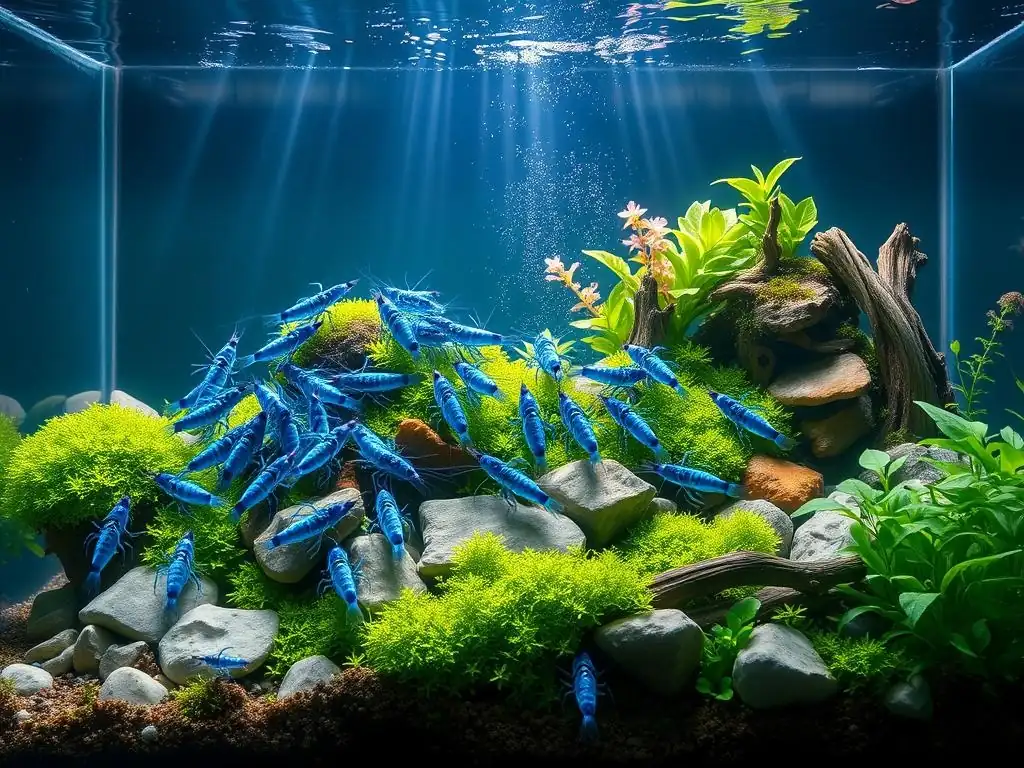
Ever been captivated by the otherworldly beauty of the Blue Bolt shrimp? These stunning little creatures are more than just a visual delight; they're a fascinating challenge for any aquarist. Dive into our comprehensive guide to Blue Bolt Shrimp Care and unlock the secrets to keeping them thriving in your freshwater aquarium. Ready to learn how to successfully breed these Taiwan Bees and witness their vibrant colors firsthand? Let's get started!
- Blue Bolt Shrimp: In-Depth Care and Breeding of This Stunning Taiwan Bee
- Understanding Blue Bolt Shrimp: An Introduction to Caridina Cantonensis "Blue Bolt"
-
Blue Bolt Shrimp Care: Creating the Ideal Aquarium Environment
- Aquarium Setup for Blue Bolt Shrimp: Tank Size and Essentials
- Water Parameters for Blue Bolt Shrimp: Achieving Optimal Conditions
- Substrate and Decorations: Creating a Shrimp-Friendly Habitat
- Filtration for Blue Bolt Shrimp: Choosing the Right System
- Blue Bolt Shrimp Tank Mates: Compatible Species and Avoiding Predators
- Blue Bolt Shrimp Feeding: Nutritional Needs and Best Practices
- Blue Bolt Shrimp Breeding: A Comprehensive Guide
- Common Blue Bolt Shrimp Problems and Solutions
- Purchasing Blue Bolt Shrimp: Finding Healthy and Reputable Sources
- Advanced Blue Bolt Shrimp Keeping: Beyond the Basics
-
Frequently Asked Questions
- What are the key water parameters for successful Blue Bolt Shrimp care?
- What type of aquarium setup is best for Blue Bolt Shrimp?
- What do Blue Bolt Shrimp eat, and how often should I feed them?
- How can I ensure successful breeding of Blue Bolt Shrimp?
- What are some common health problems that affect Blue Bolt Shrimp, and how can I prevent them?
- Final Reflection: The Enduring Allure of the Blue Bolt
- Ignite Your Shrimp Keeping Passion!
Blue Bolt Shrimp: In-Depth Care and Breeding of This Stunning Taiwan Bee
Understanding Blue Bolt Shrimp: An Introduction to Caridina Cantonensis "Blue Bolt"
What are Blue Bolt Shrimp? Origin and Characteristics
Blue Bolt shrimp are a highly sought-after freshwater dwarf shrimp, a captivating variant of the Caridina cantonensis species. They belong to the "Taiwan Bee" family, which originated from selective breeding efforts in Taiwan in the early 2000s, stemming from mutations observed in Crystal Red and Crystal Black shrimp lines. These shrimp are prized for their striking blue coloration, often complemented by a contrasting white head and tail, making them a vibrant addition to any dedicated shrimp aquarium.
Typically, Blue Bolt shrimp grow to an adult size of about 1 to 1.5 inches (2.5 to 3.8 cm), with females generally being slightly larger than males. Their lifespan, under optimal Blue bolt shrimp care conditions, usually ranges from 1 to 2 years. They are peaceful invertebrates, making them excellent candidates for species-specific tanks where their unique beauty can be fully appreciated without competition or stress from other inhabitants.
Blue Bolt Shrimp Appearance: Identifying Quality Specimens
The defining characteristic of a high-quality Blue Bolt shrimp is its intense, opaque blue body coloration, which ideally transitions into a solid white head and tail. Some premium specimens may exhibit a full, deep blue body with minimal white, or a brilliant white stripe running along their dorsal side. The depth and opacity of the blue are key indicators of quality, with top-tier shrimp displaying an almost glowing, uniform hue that stands out vividly against aquarium decor.
When identifying quality specimens, look for vibrant, consistent coloration across the body. Avoid shrimp that appear transparent or have patchy, dull blue areas, unless those are specific lower grades you are seeking. Healthy Blue Bolts will be active, grazing on surfaces, and exhibiting good posture. Their antennae should be intact and moving, and their legs should be present and functional. While coloration can temporarily fade due to stress during shipping or acclimatization, a healthy shrimp will regain its full color once settled into a stable environment, which is crucial for effective Blue bolt shrimp care.
The Taiwan Bee Shrimp Family: Understanding Blue Bolt's Lineage
Blue Bolt shrimp are an integral part of the renowned Taiwan Bee shrimp complex, a group of Caridina cantonensis variants known for their intricate patterns and vibrant colors. This family includes other popular strains such as King Kong, Panda, Red Wine, and Black Wine shrimp, all originating from the same genetic lineage in Taiwan. These varieties were developed through meticulous selective breeding from initial mutations found in Crystal Red and Crystal Black shrimp populations.
The genetic relationship within the Taiwan Bee family means that these shrimp can be interbred, often resulting in offspring with mixed traits or the potential to develop new patterns. For instance, crossing a Blue Bolt with another Taiwan Bee variant might enhance blue coloration or introduce new patterns. Understanding this lineage is vital for breeders aiming to maintain the purity of Blue Bolt lines or to create new, stable genetic traits. Consistent Blue bolt shrimp care and a well-planned breeding strategy are essential for success with these delicate and beautiful invertebrates.
Blue Bolt Shrimp Care: Creating the Ideal Aquarium Environment
Aquarium Setup for Blue Bolt Shrimp: Tank Size and Essentials
For optimal Blue bolt shrimp care, a dedicated aquarium is highly recommended. A minimum tank size of 5 to 10 gallons (approximately 19 to 38 liters) is suitable for a small colony of 10-20 shrimp. While smaller tanks can be used, they are more susceptible to rapid fluctuations in water parameters, making stability challenging. For larger colonies or long-term breeding projects, a 20-gallon (76-liter) tank offers more stability and space. It is crucial that the aquarium is fully cycled and mature, ideally running for at least 4-6 weeks before introducing shrimp, to ensure a robust biological filter.
Essential equipment for a Blue Bolt shrimp setup includes a gentle filtration system, a heater if ambient temperatures fluctuate significantly, and low to moderate lighting. A tight-fitting lid is also advisable to prevent any adventurous shrimp from escaping. The overall environment should be designed to minimize stress and provide ample surface area for biofilm grazing, which is a primary food source for these shrimp, contributing significantly to their well-being and successful Blue bolt shrimp care.
Water Parameters for Blue Bolt Shrimp: Achieving Optimal Conditions
Achieving and maintaining precise water parameters is the cornerstone of successful Blue bolt shrimp care. These shrimp thrive in soft, acidic water, mimicking their natural ancestral habitats. Deviation from these specific parameters can lead to stress, molting issues, and ultimately, a reduced lifespan and breeding success.
Maintaining Stable Water Chemistry: pH, GH, and KH for Blue Bolts
For Blue Bolt shrimp, the ideal pH range is between 5.5 and 6.5, leaning towards the acidic side. The General Hardness (GH) should be maintained between 4-6 dGH (70-105 ppm), indicating soft to moderately soft water, which is crucial for proper molting and shell development. Carbonate Hardness (KH) should be very low, ideally 0-1 dKH, as higher KH levels can buffer the pH and make it difficult to achieve the desired acidity.
To achieve these parameters, most aquarists use Reverse Osmosis (RO) or deionized (DI) water remineralized with a Caridina-specific product like SaltyShrimp GH+. Regular water changes, typically 10-20% weekly or bi-weekly, using properly remineralized water, are essential to maintain stability and replenish vital minerals.
Temperature Requirements for Blue Bolt Shrimp: Keeping Blue Bolts Healthy
Blue Bolt shrimp thrive in cooler, stable temperatures. The optimal temperature range for their health and breeding is 68-74°F (20-23°C). Temperatures consistently above 75°F (24°C) can accelerate their metabolism, shorten their lifespan, and potentially reduce breeding rates. Conversely, temperatures below 65°F (18°C) can decrease their activity levels and inhibit breeding.
Maintaining a stable temperature is more critical than hitting an exact number within the optimal range. Rapid temperature fluctuations can cause significant stress to shrimp, leading to molting problems or even death. If your ambient room temperature is not stable, a reliable aquarium heater with a thermostat is recommended. Always use an accurate thermometer to monitor the water temperature regularly, ensuring consistent conditions for effective Blue bolt shrimp care.
Substrate and Decorations: Creating a Shrimp-Friendly Habitat
The choice of substrate is paramount for Blue bolt shrimp care, as it directly influences water parameters. Active buffering substrates, specifically designed for Caridina shrimp, are highly recommended. Brands like ADA Amazonia, Brightwell Aquatics FlorinGourmet, or Fluval Stratum actively absorb minerals from the water and lower the pH and KH to the ideal acidic and soft conditions these shrimp require. Avoid inert gravel or sand unless you are an experienced aquarist meticulously managing water parameters with RO/DI water and specific remineralizers.
Decorations should provide ample hiding spots and surfaces for biofilm growth, which is a vital food source. Driftwood, cholla wood, and Indian almond leaves are excellent choices, as they release beneficial tannins that can slightly lower pH and provide antibacterial properties. Ceramic shrimp caves or tubes, and various types of mosses (e.g., Java moss, Christmas moss, Fissidens) also serve as excellent hiding places for shrimplets and increase surface area. Ensure all decorations are inert and will not leach harmful chemicals or unwanted minerals into the water, as this can severely impact Blue bolt shrimp care.
Filtration for Blue Bolt Shrimp: Choosing the Right System
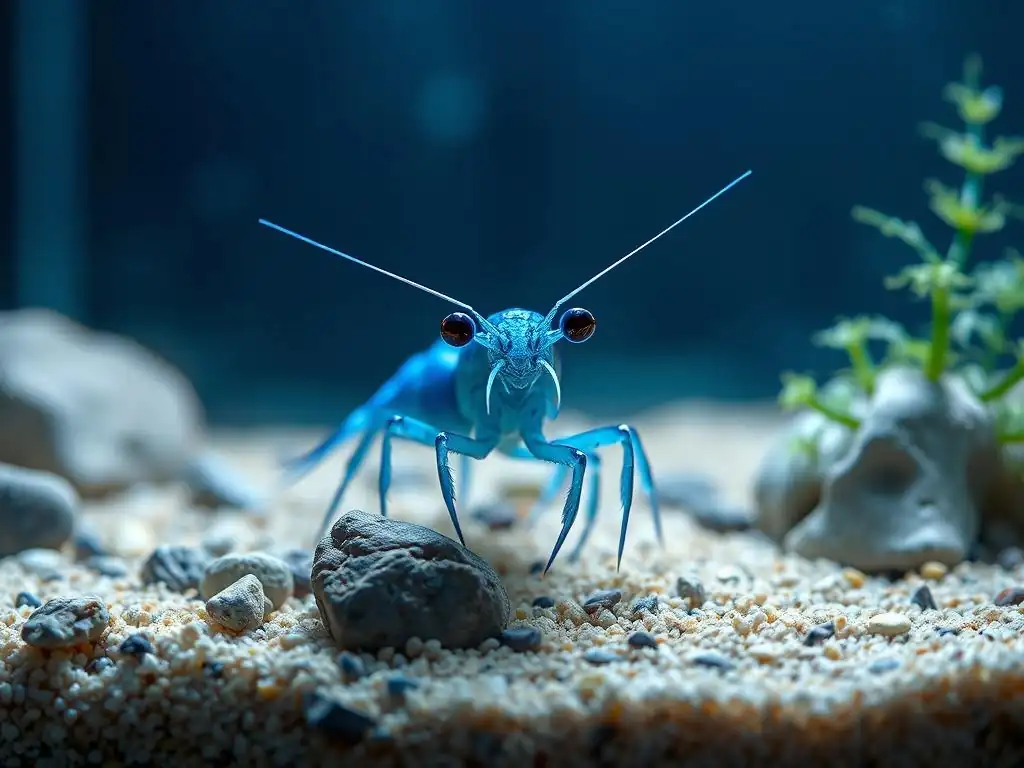
When it comes to filtration for Blue bolt shrimp care, gentleness and efficiency are key. Sponge filters are widely considered the best option for shrimp tanks. They provide excellent biological filtration, are very gentle, and most importantly, prevent tiny shrimplets from being sucked into the intake. An air-driven sponge filter, connected to an air pump, creates a gentle current while effectively filtering the water.
Other filtration options can be used with modifications. Hang-on-back (HOB) filters can work if a pre-filter sponge is placed over the intake tube to protect shrimplets. Canister filters, while powerful, are generally overkill for smaller shrimp tanks and often create too strong a current unless baffled. Regardless of the filter type, ensure that the flow is not too strong, as Blue Bolts prefer calm waters. Regular cleaning of the filter media, often by rinsing in old tank water, is crucial to maintain water quality without destroying beneficial bacteria, thus supporting optimal Blue bolt shrimp care.
Blue Bolt Shrimp Tank Mates: Compatible Species and Avoiding Predators
For optimal Blue bolt shrimp care and breeding success, a species-only tank is highly recommended. This eliminates competition for food and minimizes stress. If tank mates are desired, they must be extremely peaceful and non-predatory. Other peaceful dwarf shrimp species, such as other Caridina (e.g., Crystal Red, Black King Kong) or even Neocaridina (e.g., Cherry Shrimp), can co-exist if water parameters are compatible, though cross-breeding between Caridina types is possible and Neocaridina often prefer different water chemistry. Small, docile snails like Nerite, Mystery, or Ramshorn snails are generally safe and can help with algae control.
However, if breeding Blue Bolt shrimp is a primary goal, even the smallest fish should be avoided. Almost all fish, regardless of size, will view shrimplets as a food source. Even "shrimp-safe" fish like Otocinclus catfish or Boraras species can occasionally prey on newly hatched shrimplets. Larger or more active fish, such as tetras, guppies, or bettas, are absolute no-gos, as they will readily prey on adult shrimp as well. Prioritizing a species-only tank is the most effective approach for successful Blue bolt shrimp care and maximizing colony growth.
Blue Bolt Shrimp Feeding: Nutritional Needs and Best Practices
What to Feed Blue Bolt Shrimp: A Balanced Diet
Blue Bolt shrimp are primarily grazers, constantly foraging for biofilm, algae, and detritus in the aquarium. However, to ensure their optimal health, coloration, and breeding success, their diet needs to be supplemented with high-quality commercial shrimp foods. A balanced diet for Blue bolt shrimp care should include a variety of nutrients. Look for specialized shrimp pellets or sticks that are formulated with spirulina, chlorella, and other plant-based ingredients for essential vitamins and minerals. Protein sources, such as those derived from insect meals or certain algae, are also important, especially for growth and molting.
In addition to commercial foods, occasional offerings of blanched vegetables like spinach, zucchini, or kale can provide beneficial roughage and nutrients. Indian almond leaves, cholla wood, and various types of mosses naturally encourage the growth of biofilm, which is a continuous and important food source for shrimp to graze on throughout the day. Ensuring a varied diet is key to robust Blue bolt shrimp care.
Feeding Schedule: How Often to Feed Your Blue Bolts
A common mistake in Blue bolt shrimp care is overfeeding, which can quickly degrade water quality. Blue Bolt shrimp have small bioloads and are efficient grazers. A general guideline is to feed them once a day, or even every other day, providing only an amount that can be consumed within 2-3 hours. For a small colony of 10-20 shrimp, this might be just one or two small pellets.
It's better to underfeed slightly than to overfeed significantly. Uneaten food will decompose, leading to ammonia spikes, nitrite accumulation, and an increase in nitrates, all of which are detrimental to shrimp health. Observe your shrimp's eating habits; if food remains after a few hours, reduce the amount next time. Skipping a day of feeding occasionally is also perfectly fine and will not harm the shrimp, as they will continue to graze on biofilm and algae present in the tank.
Avoiding Overfeeding: Maintaining Water Quality
Overfeeding is one of the most common causes of water quality issues in shrimp tanks and can quickly lead to health problems for Blue Bolt shrimp. Excess food decomposes, releasing ammonia and nitrites, which are highly toxic to shrimp. Even if your tank is cycled, a sudden spike from overfeeding can overwhelm the beneficial bacteria, leading to a crash. Furthermore, decaying food contributes to a build-up of nitrates and phosphates, fueling unwanted algae blooms and making the water cloudy.
To avoid overfeeding, adhere to a strict feeding schedule and provide only small amounts of food. If you notice any food remaining after a few hours, remove it promptly with a small net or turkey baster. Consider placing food on a glass feeding dish to prevent it from scattering and sinking into the substrate, making it easier to monitor consumption and remove leftovers. Regular water changes, as part of your Blue bolt shrimp care routine, also help mitigate the effects of any accidental overfeeding by diluting pollutants.
Blue Bolt Shrimp Breeding: A Comprehensive Guide
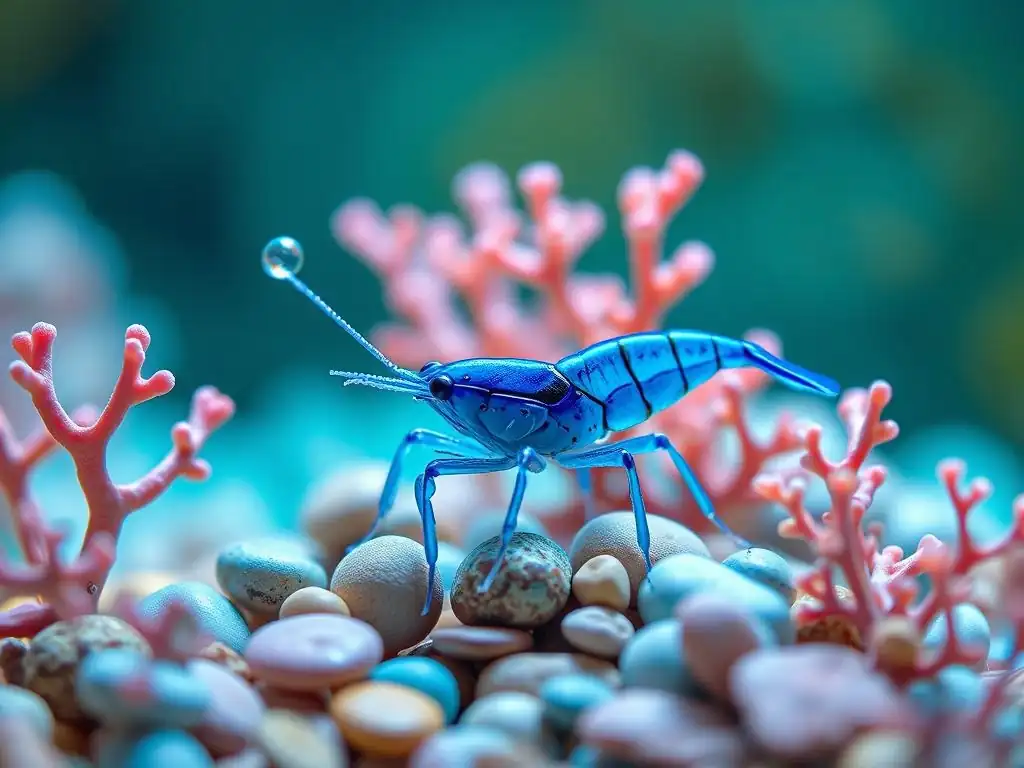
Setting Up a Breeding Tank for Blue Bolt Shrimp
Successful Blue bolt shrimp breeding hinges on a dedicated breeding tank that provides stable and optimal conditions. A 5 to 10-gallon (19-38 liter) tank is ideal, allowing for easier monitoring of the colony and shrimplets. The setup should be minimalistic to reduce stress and maximize visibility for observation. Use an active buffering substrate to maintain the low pH and KH crucial for Caridina breeding.
Filtration should be gentle, with a sponge filter being the preferred choice to protect delicate shrimplets. Lighting should be moderate, primarily for viewing and to support minimal plant growth if desired (e.g., mosses). Crucially, the tank must be fully cycled and mature, running for several weeks or even months before introducing the breeding colony. This stability is paramount, as sudden changes in water parameters can lead to failed molts, egg drops, or even shrimp fatalities, undermining Blue bolt shrimp care efforts.
Identifying Male and Female Blue Bolt Shrimp
Distinguishing between male and female Blue Bolt shrimp, while challenging with juveniles, becomes more apparent as they mature. Adult females are generally larger and exhibit a more robust, rounded body shape, particularly in the abdominal area where they carry their eggs. A key indicator of a mature female is the presence of a "saddle," which is a cluster of undeveloped eggs visible behind her head, typically appearing as a yellowish or greenish patch.
Males, conversely, are usually smaller, more slender, and have a straighter underside. They lack the visible saddle. While the saddle is a clear sign of a female, its visibility can vary depending on the shrimp's coloration and the lighting conditions. Observing their behavior can also offer clues; females often appear more sedentary when berried, while males are typically more active in seeking out females for breeding. Careful observation is a vital part of Blue bolt shrimp care, especially when trying to identify sexes for breeding.
The Breeding Process: From Mating to Hatching
The Blue bolt shrimp breeding process begins when a mature female molts, releasing pheromones that attract males. Males will become highly active, swimming frantically around the tank in search of the freshly molted female. Once a male finds her, mating occurs, and the female then carries the fertilized eggs under her swimmerets, typically 20-30 eggs per clutch. These eggs, initially bright yellow or green, are fanned constantly by the female to ensure oxygenation and prevent fungal growth.
The incubation period for Blue Bolt shrimp eggs usually lasts about 25-35 days, depending on the water temperature; warmer temperatures (within the optimal range) can slightly shorten this period. As the eggs develop, they gradually darken, and tiny eyes of the developing shrimplets may become visible. Once hatched, the shrimplets are miniature replicas of the adults, immediately independent and capable of grazing on biofilm. This entire cycle, from mating to hatching, requires consistent Blue bolt shrimp care and stable water parameters.
Caring for Blue Bolt Shrimp Fry: Raising Healthy Shrimplets
Caring for Blue Bolt shrimp fry, or shrimplets, is relatively straightforward because they are miniature versions of the adults and do not have a larval stage. Upon hatching, they are fully formed and immediately begin to graze on biofilm and micro-organisms present in the tank. Therefore, a mature tank with established biofilm is crucial for their initial survival. Providing plenty of surface area through mosses, cholla wood, and Indian almond leaves will ensure ample grazing grounds.
Supplementing their diet with powdered shrimp food or spirulina powder is beneficial, as it provides readily available nutrients for the tiny shrimplets. Sprinkle a very small amount near the mosses or feeding dish once a day. Water quality remains paramount; perform small, consistent water changes (e.g., 10% twice a week) to maintain stable parameters without shocking the delicate fry. Avoid strong currents or large tank mates that could prey on them. With proper Blue bolt shrimp care, many shrimplets will grow to maturity.
Improving Blue Bolt Shrimp Coloration Through Selective Breeding
Improving Blue Bolt shrimp coloration through selective breeding is a key goal for many dedicated aquarists. This process involves carefully selecting shrimp with the most desirable traits – in this case, the deepest, most opaque blue and the clearest white markings – and breeding them together. Over several generations, this focused breeding can significantly enhance the vibrancy and consistency of the colony's coloration.
To begin, establish a large enough breeding group (e.g., 20-30 high-quality individuals) to ensure genetic diversity while allowing for selection. As shrimplets mature, identify those that exhibit superior blue coloration, opacity, and pattern. These "keepers" will form the next generation of breeders, while less desirable individuals can be culled or moved to a separate tank. This meticulous process, combined with consistent Blue bolt shrimp care and optimal water parameters, can lead to stunning results, producing shrimp with intense and stable coloration.
Common Blue Bolt Shrimp Problems and Solutions
Recognizing Signs of Illness in Blue Bolt Shrimp
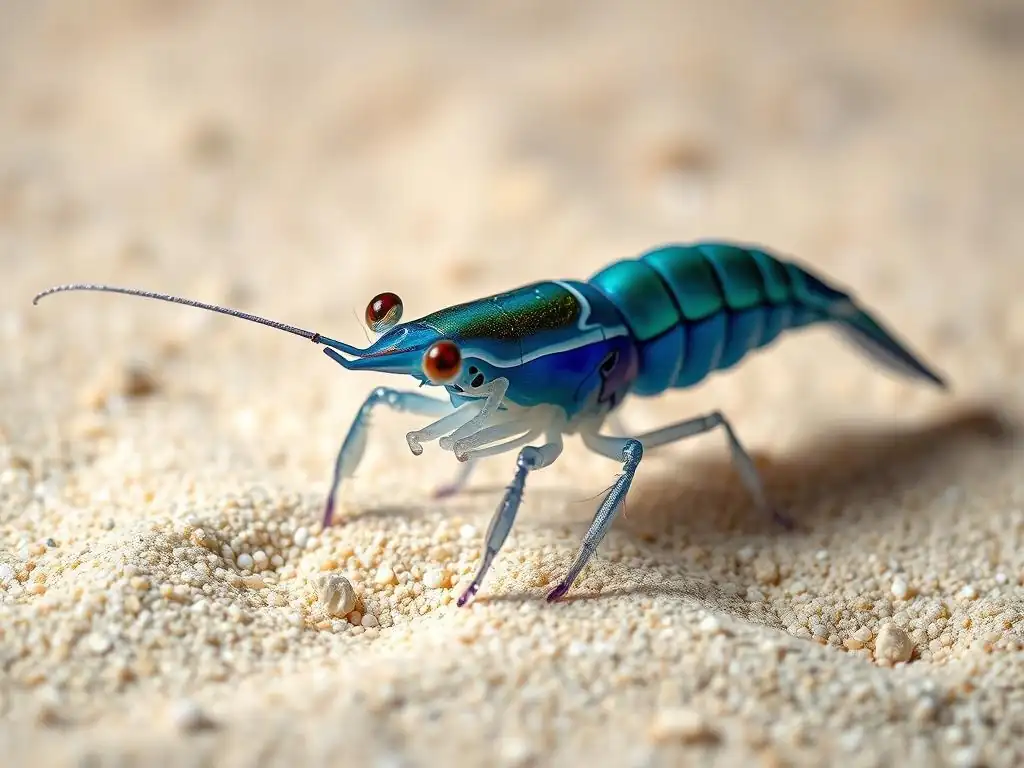
Recognizing signs of illness in Blue Bolt shrimp is crucial for prompt intervention and effective Blue bolt shrimp care. Healthy shrimp are typically active, constantly grazing, and have a vibrant, opaque coloration. Signs of distress or illness include lethargy, lack of appetite, erratic swimming, or remaining motionless for extended periods. A dull or faded coloration, loss of opacity, or unusual transparency can also indicate stress or disease.
Physical symptoms to look for include white spots (fungal infections), black spots (rust disease), or fuzzy growths on the body. Molting problems, such as a shrimp struggling to shed its old exoskeleton or having a "ring of death" (a white band around the body), are often indicative of incorrect water parameters, particularly mineral deficiencies. Observing your shrimp daily for any changes in behavior or appearance is the first step in diagnosing and addressing potential health issues.
Dealing with Common Shrimp Diseases and Parasites
While relatively hardy in optimal conditions, Blue Bolt shrimp can occasionally suffer from diseases and parasites. Fungal infections often appear as white, cotton-like growths on the shrimp's body or gills. Bacterial infections might manifest as lethargy, loss of appetite, or general decline. Parasites like Vorticella appear as small, white, fuzzy growths on the shrimp, often mistaken for fungus. Epistylis, another common parasite, looks like tiny white stalks.
Treatment for these issues often involves improving water quality through small, frequent water changes and ensuring stable parameters. For mild fungal or bacterial issues, Indian almond leaves can provide natural anti-fungal and antibacterial properties. In more severe cases, specific shrimp-safe medications might be necessary, but extreme caution is advised as many aquarium medications are toxic to invertebrates. Quarantining new shrimp and maintaining pristine water conditions are the best preventative measures for Blue bolt shrimp care.
Troubleshooting Molting Problems in Blue Bolt Shrimp
Molting, the process by which shrimp shed their old exoskeleton to grow, is a critical and vulnerable period. Molting problems are a common issue in Blue Bolt shrimp care and are almost always indicative of incorrect water parameters, particularly insufficient minerals. The "ring of death," where a white ring appears around the shrimp's body, preventing it from shedding, is a classic sign of molting difficulty and often fatal.
The primary solution to molting problems lies in ensuring stable and correct GH (General Hardness) levels, ideally 4-6 dGH. This provides the necessary calcium and magnesium for successful ecdysis. If using RO/DI water, ensure you are remineralizing with a Caridina-specific product like SaltyShrimp GH+. Rapid fluctuations in pH or temperature can also trigger failed molts. Consistent water changes with properly prepared water, and avoiding sudden environmental shifts, are key to preventing molting issues and ensuring the long-term health of your Blue Bolts.
Preventing Algae Growth in Your Blue Bolt Shrimp Tank
While some algae provide a natural food source for Blue Bolt shrimp, excessive algae growth can be unsightly and indicate an imbalance in the tank. Common causes include overfeeding, too much light, or high nutrient levels (nitrates and phosphates). Preventing algae is an important aspect of Blue bolt shrimp care to maintain a clean and healthy environment.
To prevent excessive algae, implement a strict feeding schedule, providing only what your shrimp can consume within a few hours. Control lighting by limiting it to 6-8 hours a day. Perform regular small water changes (10-20% weekly or bi-weekly) to export excess nutrients. Ensure your filtration system is efficient, and consider adding live plants (like mosses or Anubias) which compete with algae for nutrients. While Blue Bolts will graze on some types of algae, maintaining a balanced ecosystem is the best long-term strategy for prevention.
Purchasing Blue Bolt Shrimp: Finding Healthy and Reputable Sources
What to Look for When Buying Blue Bolt Shrimp
When purchasing Blue Bolt shrimp, it's crucial to select healthy specimens from a reputable source to ensure a successful start to your Blue bolt shrimp care journey. Look for active shrimp that are constantly grazing and moving around the tank. Their coloration should be vibrant and opaque, reflecting their true genetic potential. Avoid shrimp that are lethargic, hiding excessively, or appear dull, transparent, or have any visible signs of illness, such as white spots or missing limbs.
Inquire about the water parameters the shrimp are currently being kept in. Ideally, these should closely match your own tank's parameters to minimize stress during acclimatization. A reputable seller will be transparent about their breeding practices, provide clear information about the shrimp's lineage, and offer a health guarantee. Observing the seller's overall tank cleanliness and the health of other shrimp in their facility can also provide insights into their husbandry practices.
Acclimating New Blue Bolt Shrimp to Your Aquarium
Acclimating new Blue Bolt shrimp is a critical step in Blue bolt shrimp care that requires patience and precision. Due to their sensitivity to changes in water parameters, a slow drip acclimatization method is highly recommended. Begin by floating the sealed bag containing the shrimp in your aquarium for 15-20 minutes to equalize temperature.
After temperature equalization, open the bag and carefully pour the shrimp and their original water into a clean bucket or container. Using an air line with a knot or an airline valve, start a slow drip of your aquarium water into the container, aiming for about 1-2 drips per second. Allow this process to continue for 1-2 hours, or until the volume of water in the container has quadrupled.
Then, gently net the shrimp and transfer them to your aquarium, discarding the water from the container. This gradual introduction minimizes shock and significantly increases the survival rate of new arrivals.
Blue Bolt Shrimp Price: Understanding the Cost Factors
The price of Blue Bolt shrimp can vary significantly, typically ranging from $10 to $30 USD or more per shrimp, depending on several key factors. The primary cost drivers are the quality and grade of the shrimp. Higher-grade Blue Bolts, exhibiting deeper, more opaque blue coloration and clearer white markings, will command a higher price. Selective breeding efforts to achieve these premium traits contribute to their value.
Another factor is the source: shrimp purchased directly from reputable breeders or specialized online stores often have a higher price tag but come with better health guarantees and known lineage compared to those from general pet stores. Size also plays a role, with adult breeding-age shrimp typically being more expensive than juveniles.
Finally, supply and demand within the hobby can influence prices. Investing in higher-quality, albeit more expensive, shrimp from a trusted source can save money in the long run by reducing losses and ensuring healthier, more prolific colonies, which is a key consideration for long-term Blue bolt shrimp care.
Advanced Blue Bolt Shrimp Keeping: Beyond the Basics
Remineralization Strategies for Optimal Shell Development
For advanced Blue bolt shrimp care, precise remineralization strategies are essential for optimal shell development and overall health. Since most Caridina keepers use RO/DI water to achieve specific low KH/pH parameters, the water must be re-mineralized to provide the necessary GH (General Hardness) and trace minerals. Products like SaltyShrimp GH+ are specifically formulated for Caridina shrimp, providing calcium, magnesium, and other vital elements without raising KH.
The strategy involves mixing the remineralizer into the RO/DI water before adding it to the tank for water changes. Measure the GH of the remineralized water precisely using a GH test kit, aiming for a consistent 4-6 dGH. Over- or under-dosing can lead to molting problems or shell deformities. Some advanced keepers also experiment with very small amounts of liquid calcium or magnesium supplements, but this requires careful monitoring and understanding of water chemistry to avoid imbalances.
Line Breeding Techniques for Specific Genetic Traits
Line breeding is an advanced technique used by experienced aquarists to stabilize and enhance specific genetic traits within a Blue Bolt shrimp colony, such as deeper blue coloration, more opaque shells, or unique patterns. This involves carefully selecting individuals that consistently display the desired traits and breeding them together, often with a degree of inbreeding (e.g., breeding siblings or parent-offspring) to concentrate those genes.
The process typically involves establishing multiple breeding lines from a core group of high-quality shrimp. As generations mature, only the best individuals within each line are chosen for further breeding, while those with less desirable traits are culled or moved to a separate tank. Maintaining detailed records of parentage and offspring quality is crucial for tracking progress and identifying successful lines. This meticulous approach, combined with consistent Blue bolt shrimp care, allows for the development of truly exceptional and stable shrimp strains.
Utilizing Macro Photography to Document Blue Bolt Shrimp
Utilizing macro photography is an invaluable tool for advanced Blue bolt shrimp keepers to document their colonies, track genetic progress, and simply appreciate the intricate beauty of these tiny invertebrates. Macro lenses allow for extreme close-up shots, revealing details of coloration, patterns, and even the subtle nuances of their behavior that are invisible to the naked eye.
Beyond artistic expression, consistent macro photography can serve as a scientific record. By taking regular high-resolution photos of key individuals or specific breeding lines, keepers can visually track changes in coloration over time, document the success of selective breeding efforts, and identify emerging traits. This detailed visual documentation enhances the understanding of shrimp genetics and development, contributing significantly to the art and science of Blue bolt shrimp care and breeding.
Frequently Asked Questions
What are the key water parameters for successful Blue Bolt Shrimp care?
Blue Bolt Shrimp require very stable and specific water parameters. Crucially, you need a low pH (around 6.0-6.5), a low GH (around 4-6), and a low KH (around 0-2).
What type of aquarium setup is best for Blue Bolt Shrimp?
A mature, stable aquarium with inert substrate is ideal. Avoid substrates that alter water parameters. Using RO/DI water remineralized with a shrimp-specific product is highly recommended.
What do Blue Bolt Shrimp eat, and how often should I feed them?
They are primarily scavengers, feeding on biofilm and algae. Supplement their diet with high-quality shrimp food 2-3 times per week. Avoid overfeeding, as this can negatively impact water quality.
How can I ensure successful breeding of Blue Bolt Shrimp?
Maintaining stable water parameters is paramount for breeding. Provide plenty of hiding places with plants or decorations, and avoid introducing any tank mates that may prey on shrimplets. Consistent feeding is also crucial.
What are some common health problems that affect Blue Bolt Shrimp, and how can I prevent them?
Bacterial infections and molting issues are common. Ensure excellent water quality through regular water changes and avoid sudden parameter swings. Supplementing with minerals can help with healthy molting.
Final Reflection: The Enduring Allure of the Blue Bolt
The journey into Blue Bolt Shrimp care reveals more than just the intricacies of keeping these captivating creatures alive; it highlights our enduring fascination with the rare and beautiful, and our commitment to preserving delicate ecosystems, even within the confines of our aquariums. The meticulous attention required to maintain their health underscores a deeper appreciation for the fragility of life and the responsibility we bear as custodians of these miniature marvels.
The influence of the Blue Bolt extends beyond the aquarium hobby. It's a testament to the power of selective breeding and the dedication of aquarists who strive to perfect and share these living works of art. The demand for these shrimp drives innovation in aquarium technology and encourages a deeper understanding of aquatic environments. In the end, we will conserve only what we love; we will love only what we understand; and we will understand only what we are taught.
- Baba Dioum's words resonate deeply, reminding us that knowledge and appreciation are the cornerstones of conservation, even on a small scale.
Now, as you close this article, consider the lessons learned. How can you apply the patience, dedication, and attention to detail required for Blue Bolt Shrimp care to other aspects of your life? Let the vibrant blue of these tiny creatures inspire you to cultivate beauty, nurture growth, and embrace the responsibility of caring for the delicate ecosystems around you, both seen and unseen. Embrace the challenge, and witness the rewards of your dedication bloom.
Ignite Your Shrimp Keeping Passion!
Thanks for diving into the captivating world of Blue Bolt Shrimp! We hope you found the insights you needed to confidently care for these stunning creatures. Now, let's translate that knowledge into action!
Here are a few ways to continue your shrimp-keeping journey:
- Start your Blue Bolt colony: Don't just dream about it! Research reputable breeders and take the plunge into acquiring your first few shrimp.
- Share your newfound knowledge: Post a picture of your aquarium setup on social media with #AquariumMastery and inspire others.
- Explore unconventional foods: Research and try feeding your shrimp a small amount of spirulina powder or blanched spinach and document the results.
Ready to create a thriving Blue Bolt habitat?