
Copper Alert: Protecting Your Freshwater Shrimp from This Deadly Toxin

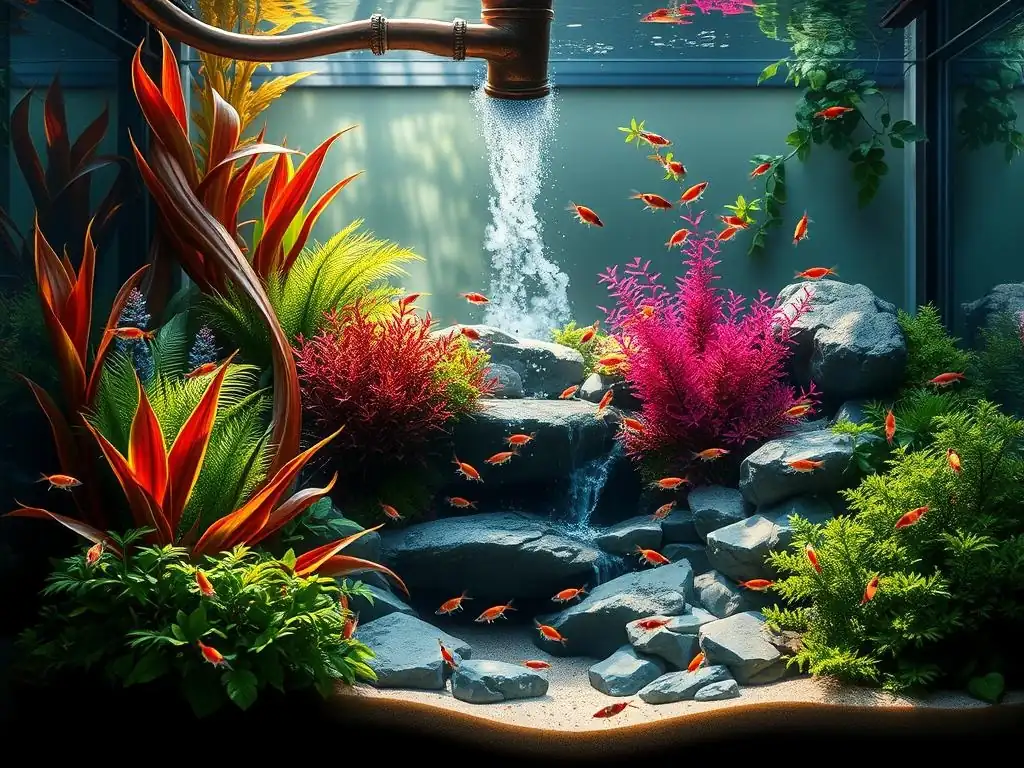
Welcome to Aquarium Mastery! Ever wonder why your thriving freshwater shrimp suddenly seem… off? Delve into our comprehensive guide on Freshwater Shrimp Copper Toxicity and uncover the hidden dangers lurking in your tank. Could copper be the culprit behind your shrimp's distress? Explore the symptoms, prevention methods, and practical solutions to safeguard your delicate invertebrates and maintain a healthy, vibrant aquarium. Let's get started!
- Copper Alert: Protecting Your Freshwater Shrimp
- Understanding Copper Toxicity in Freshwater Shrimp
- Identifying Freshwater Shrimp Copper Poisoning
- Preventing Copper Poisoning in Your Shrimp Tank
- Treating Copper Toxicity in Affected Shrimp
- Keeping a Copper-Free Environment
- Safe Copper Levels for Freshwater Shrimp
-
Frequently Asked Questions
- How does copper become toxic to freshwater shrimp in an aquarium?
- What are the visible signs of copper toxicity in freshwater shrimp?
- What are the recommended safe copper levels for a freshwater shrimp tank?
- How can I test the copper levels in my freshwater aquarium?
- What steps can I take to remove copper from my freshwater aquarium if it's present?
- Final Reflection: The Unseen Threat to Aquatic Harmony
- Safeguard Your Shrimp: Take Action Now!
Copper Alert: Protecting Your Freshwater Shrimp
Understanding Copper Toxicity in Freshwater Shrimp
Why is Copper Toxic to Shrimp?
Copper is a heavy metal that, even in minute quantities, is highly toxic to freshwater shrimp. Unlike fish, which use hemoglobin for oxygen transport, shrimp and other crustaceans rely on hemocyanin, a copper-based protein, to carry oxygen in their blood. When external copper is present in the water, it can interfere with this delicate internal system, binding to the hemocyanin and preventing it from effectively transporting oxygen. This disruption leads to internal suffocation, even if oxygen levels in the water are adequate.
Furthermore, copper can damage the delicate gill tissues of shrimp, impairing their ability to absorb oxygen and excrete waste. It also disrupts various enzymatic processes crucial for metabolism and nerve function. The sensitivity of freshwater shrimp to copper is remarkably high; for many popular species like Neocaridina (e.g., Cherry Shrimp) and Caridina (e.g., Crystal Red Shrimp), concentrations as low as 0.03 mg/L (parts per million, ppm) can be lethal, with some particularly sensitive species showing adverse effects at even lower levels, such as 0.01 mg/L. This makes freshwater shrimp copper toxicity a primary concern for aquarists.
Sources of Copper in Freshwater Aquariums
Copper in Tap Water
One often overlooked source of copper in an aquarium is the tap water itself. While municipal water treatment plants typically ensure water is safe for human consumption, older homes or buildings with copper plumbing can leach trace amounts of copper into the water supply, especially after water has been sitting in the pipes overnight. Even if your municipal water report indicates low copper levels, the plumbing within your home can significantly contribute to the problem.
It is crucial for shrimp keepers to test their tap water for copper before adding it to their tanks. Even if the levels seem negligible to a human or even to fish, these trace amounts can accumulate over time through regular water changes, slowly poisoning your sensitive freshwater shrimp. This accumulation is a common cause of chronic freshwater shrimp copper toxicity.
Copper-Based Medications
By far the most common and potent source of copper poisoning in freshwater aquariums is the use of copper-based medications. Many effective treatments for parasitic diseases like Ich (white spot disease) and external bacterial infections in fish contain copper sulfate or chelated copper compounds as their active ingredients. Products like Seachem Cupramine or API Coppersafe are highly effective for treating fish but are absolutely lethal to shrimp and other invertebrates.
These medications are designed to target and eliminate parasites, but their mechanism of action is indiscriminate, proving fatal to the sensitive physiology of freshwater shrimp. Even residual amounts from a previous treatment in a tank that has not been thoroughly cleaned can be detrimental. Always assume that any medication not explicitly labeled "invert-safe" is dangerous for your shrimp, making careful product selection vital to avoid freshwater shrimp copper toxicity.
Aquarium Equipment
Certain aquarium equipment can also be an unwitting source of copper. Older or cheaper submersible heaters might have exposed copper heating elements that can leach into the water, especially if the protective coating is compromised. Similarly, some aquarium decorations, particularly those made from unknown metal alloys or painted with metallic finishes, can contain copper that slowly dissolves into the tank water over time.
While less common with modern, high-quality equipment, it's always wise to be cautious. Air stones with metal connections, or even some types of filter media that contain metallic components, could potentially contribute. Always choose equipment from reputable manufacturers and opt for materials explicitly stated to be aquarium-safe and non-metallic to prevent incidental freshwater shrimp copper toxicity.
Copper from Plant Fertilizers
For planted tank enthusiasts, plant fertilizers can pose a hidden risk of copper toxicity to freshwater shrimp. Copper is an essential micronutrient for plant growth, playing a role in photosynthesis and enzyme activation. Consequently, many comprehensive liquid plant fertilizers, such as Seachem Flourish Comprehensive or Easy-Life ProFito, contain trace amounts of copper alongside other vital elements.
While these amounts are typically low and beneficial for plants, consistent dosing in a shrimp-only or shrimp-heavy tank can lead to a gradual accumulation of copper to harmful levels. Shrimp keepers must be diligent in checking the ingredient list of any plant fertilizer and consider using copper-free alternatives or significantly reducing the dosage of copper-containing products to safeguard their delicate invertebrates from freshwater shrimp copper toxicity.
Identifying Freshwater Shrimp Copper Poisoning
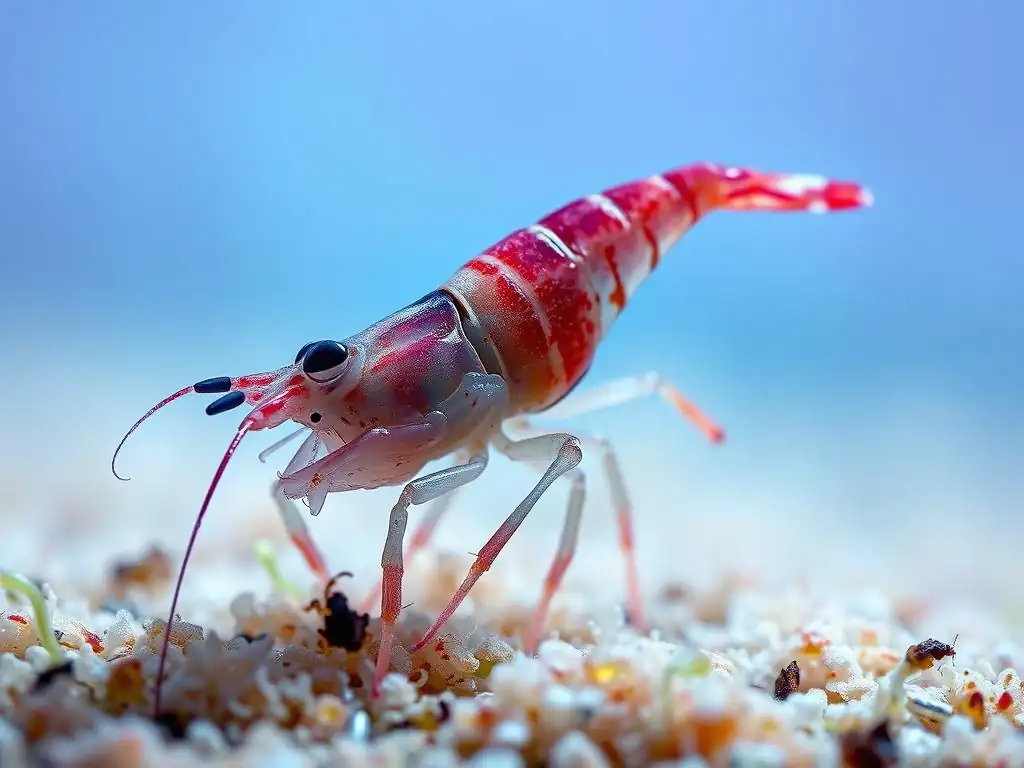
Recognizing the Symptoms of Copper Toxicity in Shrimp
Behavioral Changes
One of the first indicators of freshwater shrimp copper toxicity is a noticeable change in their behavior. Affected shrimp may become lethargic, moving less frequently and appearing unusually still for extended periods. Instead of their typical active grazing, they might sit motionless on plants or substrate, often with their antennae twitching erratically.
In severe cases, shrimp may exhibit frantic or erratic swimming, darting around the tank as if trying to escape an invisible threat. They might attempt to climb out of the water or cling to the waterline, indicating extreme distress and discomfort. A loss of appetite is also common, with shrimp refusing to eat even their favorite foods, further weakening their already compromised state.
Physical Signs
Beyond behavioral shifts, copper poisoning can manifest in distinct physical signs on the shrimp themselves. The exoskeleton may become discolored, often appearing paler than usual or developing an unnatural opaque, milky, or bluish tinge. This opaqueness can sometimes be mistaken for a pending molt, but when combined with other symptoms, it points to a more serious issue.
Another critical physical symptom, though less immediately visible, relates to molting. Shrimp suffering from copper toxicity often experience failed molts, where they struggle to shed their old exoskeleton or become stuck within it. This is due to the copper interfering with the physiological processes required for a successful molt, leading to a weakened new shell or an inability to break free, which is almost always fatal.
Sudden Shrimp Deaths
The most devastating and often final symptom of freshwater shrimp copper toxicity is sudden, unexplained death. Unlike many bacterial or viral infections that might show a slow progression of illness, copper poisoning can lead to rapid mass casualties. Aquarists may wake up to find multiple shrimp dead without any prior visible signs of sickness, or observe a rapid decline from active to deceased within a few hours.
This sudden onset of fatalities, particularly affecting multiple individuals across different age groups, is a strong indicator of an acute water parameter issue, with copper being a prime suspect. The rapid nature of these deaths leaves little time for intervention, underscoring the importance of prevention and immediate action upon the first suspicion of copper contamination.
Differentiating Copper Toxicity from Other Shrimp Diseases
Distinguishing freshwater shrimp copper toxicity from other common shrimp ailments is crucial for effective intervention. While some symptoms, such as lethargy or appetite loss, can overlap with bacterial or fungal infections, the suddenness and widespread nature of deaths are key differentiators for copper poisoning. Bacterial infections, like those causing red spots or muscle necrosis, typically progress more slowly, often affecting one or two individuals at a time before spreading, and may respond to specific antibiotics.
Molting issues, while fatal, are usually isolated incidents or linked to specific water hardness imbalances (e.g., too soft water for Caridina species), not a mass die-off across the entire population. Viral infections, such as the porcelain disease, also cause widespread deaths but often present with unique physical symptoms like a milky white appearance of internal organs. When faced with rapid, unexplained mass mortality of shrimp, especially if no new fish or plants have been added recently, copper contamination in the water should be the primary suspect, prompting immediate water testing.
Preventing Copper Poisoning in Your Shrimp Tank
Testing Your Water for Copper Levels
Choosing the Right Copper Test Kit
To effectively prevent freshwater shrimp copper toxicity, regular water testing for copper levels is paramount. Not all copper test kits are created equal; for sensitive invertebrates, you need a kit that can detect very low concentrations, ideally down to 0.01 mg/L (ppm). Standard kits designed for fish tanks might only measure down to 0.1 mg/L, which is far too high for shrimp safety.
Reputable brands like Salifert or API offer highly sensitive copper test kits that utilize colorimetric or titration methods, providing precise readings. Before purchasing, check the kit's sensitivity range listed on the packaging. Investing in a high-quality, sensitive copper test kit is a small price to pay to ensure the long-term health and survival of your valuable freshwater shrimp colony.
Interpreting Copper Test Results
Once you have a reliable test kit, understanding how to interpret the results is critical. For freshwater shrimp, the ideal copper concentration in the aquarium water should be 0.00 mg/L. Any detectable amount, even as low as 0.01 mg/L, should be considered a warning sign and prompt immediate investigation into the source. Concentrations above 0.03 mg/L are generally considered acutely toxic and require urgent remedial action to prevent widespread freshwater shrimp copper toxicity.
If your test indicates any copper presence, even slight, it's essential to re-test your source water (tap water) to rule out external contamination. Compare the tank water results with your source water results to determine if the copper is coming from your tap or from something within the aquarium itself. Consistent monitoring allows for proactive measures, preventing the buildup of this deadly toxin.
Copper Removal Strategies for Freshwater Aquariums
Using Copper Removal Resins
If copper is detected in your aquarium, specialized copper removal resins are highly effective tools for remediation. These resins, often available as granular media or pads, work by chemically binding with copper ions, effectively removing them from the water column. Products like Seachem Cuprisorb or Poly-Filter are designed specifically for this purpose and can be placed in your filter media bag or directly in the tank's filter chamber.
These resins are particularly useful for long-term prevention or for quickly reducing copper levels after an accidental contamination. They are generally safe for shrimp and will not leach harmful chemicals back into the water. Always follow the manufacturer's instructions for usage and replacement to ensure optimal effectiveness against freshwater shrimp copper toxicity.
Activated Carbon
Activated carbon is a common filtration media used in many aquariums for removing odors, discoloration, and certain organic pollutants. While activated carbon can adsorb some forms of chelated copper and heavy metals, its effectiveness against all forms of copper, especially ionic copper, is limited compared to dedicated copper removal resins. It can offer some minor assistance in reducing copper levels, but it should not be relied upon as the primary method for significant copper removal.
For best results, use high-quality, fresh activated carbon and replace it regularly as its adsorptive capacity diminishes over time. While it's a good general-purpose filter media, if you suspect or confirm copper contamination, activated carbon alone will likely not be sufficient to bring copper levels down to a safe range for sensitive freshwater shrimp.
Water Changes
The most immediate and often most effective method for reducing copper levels in an emergency is performing large, frequent water changes. A 50% water change will theoretically halve the concentration of copper in the tank, assuming the new water is completely copper-free. In cases of acute freshwater shrimp copper toxicity, multiple large water changes (e.g., two 50% changes within a few hours) can rapidly dilute the contaminant.
It is absolutely crucial that the new water used for these changes is thoroughly tested and confirmed to be copper-free and properly dechlorinated. Using water that itself contains copper will only exacerbate the problem. Water changes provide rapid relief and buy time for other long-term solutions, making them an indispensable first line of defense.
Choosing Copper-Safe Aquarium Products
Selecting Shrimp-Safe Medications
The absolute safest approach for shrimp tanks is to avoid any medication unless it is explicitly labeled as "invert-safe" or "shrimp-safe." Many common fish medications, particularly those for Ich, external parasites, or fungal infections, contain copper, formaldehyde, or other chemicals highly toxic to invertebrates. Even if the medication claims to be "reef-safe," it's wise to double-check the ingredients, as "reef-safe" doesn't always guarantee safety for freshwater shrimp.
If you must treat fish in a tank with shrimp, the safest method is to remove the fish to a separate quarantine or hospital tank for treatment. This ensures that no medication, especially those containing copper, ever comes into contact with your main shrimp display tank, preventing the devastating effects of freshwater shrimp copper toxicity. Always research alternatives or consult with experienced aquarists before medicating a shrimp tank.
Opting for Copper-Free Plant Fertilizers
For planted aquariums housing freshwater shrimp, vigilance regarding plant fertilizers is essential. While copper is an important micronutrient for plants, the amounts needed are extremely small, and many comprehensive fertilizers contain more than shrimp can tolerate. Fortunately, several manufacturers offer "shrimp-safe" or "invert-safe" plant fertilizer lines that are either completely copper-free or contain copper in such minute, chelated forms that they are not bioavailable or harmful to shrimp.
Brands like Dennerle and some specific Seachem products offer options designed with invertebrate safety in mind. Alternatively, you can use individual trace element supplements, carefully dosing only the necessary nutrients and ensuring any copper additions are minimal or absent. Always read the ingredient list carefully and choose products that explicitly state their suitability for shrimp to avoid cumulative freshwater shrimp copper toxicity.
Checking Equipment Material for Copper Content
When purchasing new aquarium equipment or decorations, always verify their material composition. Opt for heaters with fully encapsulated heating elements, typically made of titanium or glass, which eliminate the risk of exposed copper. Avoid any metal decorations unless they are explicitly stated to be made from aquarium-safe, inert materials like stainless steel (316L grade is generally preferred) or inert ceramic.
Even small metal clips, weights, or airline connectors can leach copper over time if they are not made from inert materials. While less common with modern, reputable brands, older or cheaper equipment can sometimes pose a risk. A simple magnet test can help identify ferrous metals, but a dedicated copper test is the only way to confirm safety. Being proactive in selecting inert equipment is a key step in preventing freshwater shrimp copper toxicity.
Treating Copper Toxicity in Affected Shrimp
Immediate Actions to Take
Perform Large Water Changes
Upon suspecting or confirming freshwater shrimp copper toxicity, the very first and most critical immediate action is to perform a series of large water changes. A 50% water change using aged, dechlorinated, and confirmed copper-free water can immediately dilute the concentration of the toxin. If symptoms persist or copper levels remain detectable, repeat the 50% water change after a few hours, ensuring the new water matches the tank's temperature and parameters as closely as possible to minimize stress.
Rapid and significant dilution is paramount because copper acts quickly and can cause irreversible damage to shrimp. These large water changes not only reduce the immediate threat but also buy time for you to identify and eliminate the source of the copper, which is equally important for long-term recovery and prevention of future incidents.
Remove Copper Sources
Simultaneously with performing water changes, you must diligently identify and remove the source of the copper contamination. This requires a systematic check of everything that has been added to the tank. Did you recently use a medication? Remove it and perform thorough carbon filtration if possible. Is your tap water the culprit? Consider using RO/DI water or a robust water conditioner that detoxifies heavy metals for future water changes.
Check all equipment, including heaters, decorations, and filter media, for any exposed metal components. If you've been using plant fertilizers, pause dosing and review their ingredients for copper content. Removing the source is crucial; otherwise, any water changes or binding agents will only offer temporary relief as the copper levels will quickly rise again, leading to recurring freshwater shrimp copper toxicity.
Using Copper Binding Agents
After initiating water changes and removing the copper source, consider using a copper binding agent. These products, often chelators or heavy metal detoxifiers, work by chemically binding to copper ions in the water, rendering them non-toxic to aquatic life. Seachem Prime, for instance, is a popular water conditioner that, among its many functions, can temporarily detoxify heavy metals like copper.
For more severe contamination, dedicated copper removal products like specialty resins (as mentioned earlier) or liquid copper neutralizers can be highly effective. These agents help to neutralize any remaining copper that wasn't removed by water changes and provide an extra layer of protection while your shrimp recover. Always follow the product instructions carefully regarding dosage and application to ensure safety for your freshwater shrimp.
Monitoring Shrimp Recovery
Once immediate actions have been taken, close monitoring of your shrimp is essential to assess their recovery. Look for signs of increased activity, a return to normal grazing behavior, and improved coloration. Successful molts are a particularly good sign, as molting issues are a common symptom of copper toxicity. However, be aware that shrimp severely affected by copper poisoning may not recover, even with swift intervention, due to irreversible internal damage.
Continue to test your water regularly for copper to ensure levels remain at 0.00 mg/L. Maintain stable water parameters, and provide a stress-free environment with plenty of hiding places and high-quality food. Patience is key, as the recovery process can be slow, and some shrimp may take weeks to fully regain their health and vitality after an episode of freshwater shrimp copper toxicity.
Keeping a Copper-Free Environment
Long-Term Strategies
Regular Water Testing and Maintenance
Establishing a routine of regular water testing is the cornerstone of preventing freshwater shrimp copper toxicity in the long term. Even if your tap water is currently copper-free, municipal water sources can change, or plumbing can degrade. Test your source water for copper periodically, perhaps once a month, and always test it if you notice any unexplained shrimp deaths or behavioral changes.
Consistent tank maintenance, including regular gravel vacuuming to remove decaying organic matter (which can sometimes bind heavy metals) and appropriately sized water changes, helps maintain overall water quality. By being proactive with testing and maintenance, you can catch potential copper issues before they become a crisis for your sensitive freshwater shrimp.
Plant Selection
When choosing plants for a shrimp tank, consider their specific needs and how they might influence your fertilization practices. Some plants are heavy feeders and might encourage the use of comprehensive fertilizers that contain copper. While copper is essential for plants, certain species require very little, allowing you to use minimal or copper-free plant supplements.
Focus on hardy, low-light plants that don't demand intense fertilization. If you do use fertilizers, opt for those explicitly labeled as shrimp-safe or consider dry dosing individual nutrients, allowing precise control over copper input. Careful plant selection and a tailored fertilization regimen contribute significantly to preventing chronic freshwater shrimp copper toxicity.
Monitoring New Additions
Every new item introduced into your aquarium, whether it's a new fish, a new plant, or a new decoration, carries the potential to introduce contaminants, including copper. New fish may have been treated with copper-based medications in the store, and residue can transfer to your tank. New plants might have been grown with high-copper fertilizers or treated with pesticides containing copper compounds.
Always quarantine new fish in a separate tank before adding them to your shrimp setup. Thoroughly rinse new plants under running water and consider a short quarantine period in a separate container before introducing them. Inspect new decorations for any metallic components. This vigilance helps ensure that you don't inadvertently introduce a source of freshwater shrimp copper toxicity to your established tank.
Proper Quarantine Procedures
Implementing strict quarantine procedures for all new aquatic life is perhaps the most effective long-term strategy against freshwater shrimp copper toxicity and other diseases. A dedicated quarantine tank allows you to observe new fish or invertebrates, treat them for any potential ailments (including using copper-based medications if necessary, but only in the quarantine tank), and ensure they are healthy before introducing them to your main shrimp display tank.
This practice completely isolates any potential copper residue from store treatments or any need for future copper-based medications, protecting your vulnerable shrimp from exposure. By treating new fish in a separate environment, you eliminate the risk of copper entering your shrimp's habitat, preserving the delicate balance and ensuring their long-term well-being.
Safe Copper Levels for Freshwater Shrimp
Understanding Acceptable Copper Concentrations
For the vast majority of freshwater shrimp species, including popular Neocaridina and Caridina varieties, the only truly safe and acceptable copper concentration is 0.00 mg/L (ppm). While some literature might cite a maximum tolerable level of 0.03 mg/L, this is often considered the threshold for lethal effects and is not a safe long-term concentration. Even trace amounts, such as 0.01 mg/L, can cause chronic stress, hinder reproduction, or lead to cumulative freshwater shrimp copper toxicity over time.
Shrimp are significantly more sensitive to copper than most fish, and what might be considered harmless for fish can be deadly for shrimp. Therefore, aquarists dedicated to keeping freshwater shrimp should strive for absolutely no detectable copper in their tank water. Regular, sensitive testing is the only way to confirm the absence of this potent toxin and ensure the longevity of your shrimp colony.
Maintaining Optimal Water Parameters
The Role of pH and Water Hardness
The toxicity of copper to freshwater shrimp is not solely dependent on its concentration; it is also significantly influenced by other water parameters, particularly pH and water hardness (GH/KH). In general, copper becomes more bioavailable and thus more toxic in water with a lower pH (more acidic) and lower hardness (softer water). This is because in acidic conditions, copper tends to remain in its more toxic ionic form (Cu2+), which is readily absorbed by aquatic organisms.
Conversely, in higher pH (more alkaline) and harder water, copper is more likely to precipitate out of solution and form less toxic complexes or bind to carbonates, making it less readily available for absorption by shrimp. However, this does not mean that hard, alkaline water makes copper safe; it only slightly reduces its immediate toxicity. Any detectable copper level is still dangerous for freshwater shrimp, regardless of pH or hardness, but understanding this interaction highlights why soft water shrimp species (like Caridina) might be even more vulnerable to freshwater shrimp copper toxicity at lower concentrations.
Frequently Asked Questions
How does copper become toxic to freshwater shrimp in an aquarium?
Copper toxicity in freshwater shrimp occurs when copper levels in the water exceed safe limits. This can happen due to copper-based medications, old plumbing, or certain aquarium products.
What are the visible signs of copper toxicity in freshwater shrimp?
Signs of copper toxicity in shrimp include erratic swimming, lethargy, loss of appetite, and a bluish discoloration. In severe cases, it can lead to sudden death.
What are the recommended safe copper levels for a freshwater shrimp tank?
Ideally, copper levels should be undetectable in a freshwater shrimp tank. Even low levels can be harmful. Aim for 0 ppm (parts per million).
How can I test the copper levels in my freshwater aquarium?
You can test copper levels using a reliable aquarium test kit specifically designed for copper. These kits are readily available at most aquarium supply stores.
What steps can I take to remove copper from my freshwater aquarium if it's present?
Water changes using copper-free water are essential. Additionally, using a copper-removing resin or activated carbon in your filter can help lower copper levels.
Final Reflection: The Unseen Threat to Aquatic Harmony
The information presented throughout this article underscores the crucial, yet often overlooked, reality of copper toxicity in freshwater ecosystems. While seemingly insignificant in trace amounts, copper poses a very real and devastating threat to the delicate balance of these environments, particularly impacting vulnerable species like freshwater shrimp. Understanding the mechanisms of copper toxicity and implementing preventative measures is not just about protecting our shrimp; it's about safeguarding the health and biodiversity of our freshwater resources.
This issue has deeply influenced my perspective on responsible aquarium keeping and environmental stewardship. Witnessing the devastating effects of copper on aquatic life firsthand has instilled in me a profound sense of responsibility to advocate for informed practices and sustainable solutions. As the renowned conservationist Jacques Cousteau once said, People protect what they love.
We must foster a deeper appreciation for the intricate web of life within our freshwater ecosystems to inspire genuine and lasting protection.
Now, I invite you to reflect on your own role in preserving these vital habitats. Consider the products you use, the water you consume, and the choices you make that might inadvertently contribute to copper contamination. By embracing responsible practices and advocating for informed policies, you can become a vital part of the solution, ensuring a thriving future for freshwater shrimp and the countless other species that depend on these precious ecosystems.
Safeguard Your Shrimp: Take Action Now!
Thank you for diving deep into the world of copper and its impact on your freshwater shrimp! We hope you’ve gained valuable insights to protect your aquatic companions. Now, let's turn knowledge into action and ensure your shrimp thrive.
Here are some crucial steps you can take immediately:
- Test your aquarium water for copper levels. This is the most important step to understand the risk to your shrimp. Invest in a reliable copper test kit and make it a part of your regular maintenance.
- Research copper-free alternatives for medications, plant fertilizers, and even aquarium decorations.
- Share this guide with fellow shrimp keepers to spread awareness and help others protect their delicate ecosystems.
What unexpected source of copper are you most concerned about in your own aquarium setup?